Attractions and Places To See around Tergnier - Top 20
Best attractions and places to see around Tergnier include a blend of historical significance, unique cultural sites, and natural features. The town is known for its Art Deco architecture, particularly in areas like Place Carnegie and the Cité-Jardin des Cheminots, reflecting its industrial past. Natural attractions such as the Hermitage Rock Caves and Étang du Pré Lardot offer opportunities to explore the local landscape. Tergnier's development is also tied to the Canal de Saint-Quentin, contributing to its diverse points of interest.
Best attractions and places to see around Tergnier
- The most popular attractions is Hermitage Rock Caves, a cave that features natural and artificial formations carved into limestone rock. Visitors can explore two main chambers, measuring 21 m and 36 m respectively, and learn about the legend of the Irish monk Goban.
- Another must-see spot is Cross-country area with jumps, an mtb_park designed for cycling enthusiasts. This area provides bumps and single tracks for those looking for a dynamic riding experience.
- Visitors also love Étang du Pré Lardot, a peaceful lake surrounded by various tree species. A remarkable European oak, over 300 years old, stands near the pond, which is also a spot for wildlife observation.
- Tergnier is known for its Art Deco architecture, historical sites, and natural landscapes. These attractions offer a variety of experiences, from exploring garden cities to discovering ancient caves and tranquil lakes.
- The attractions around Tergnier are appreciated by the komoot community, with 7 highlights and 17 photos shared by visitors.
Last updated: July 20, 2026
Hermitage Rock Caves
Highlight • Cave
Translated by Google •
Tip by

Tergnier
Highlight • Settlement
After the First World War, the completely destroyed city had to be rebuilt: Tergnier thus became the site of the construction of the largest garden city of the railway company. It was created in 1919 to accommodate railway workers (hence its name).
Very influenced by the art deco style of these years of the beginning of the 20th century, one finds there more surprisingly many Masonic symbols while browsing its streets.
Translated by Google •
Tip by

Sign up now to discover places like this
Get recommendations on the best single tracks, peaks, & plenty of other exciting outdoor places.
Sign up for free
Étang du Pré Lardot
Highlight • Lake
Translated by Google •
Tip by
Manufacture des Glaces de Saint-Gobain
Highlight • Historical Site
Translated by Google •
Tip by

Saint-Gobain Caves
Highlight • Cave
Translated by Google •
Tip by
Sign up for free to discover even more attractions around Tergnier.
Sign up for free
Already have an account?
Start today with a free account
Your next adventure awaits.
Login or Signup
Popular around Tergnier
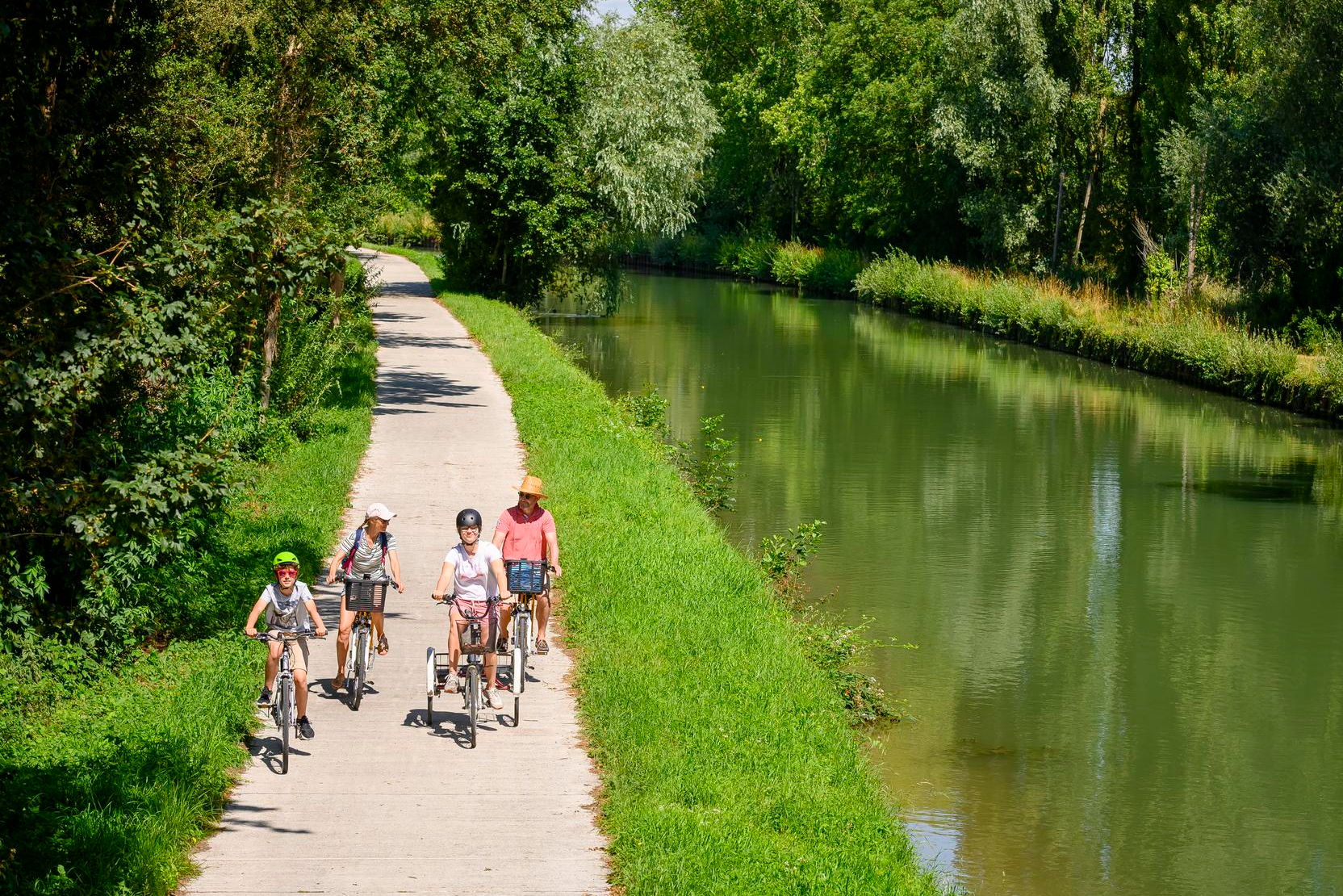
Cycling routes in Hauts-de-France for beginners and families
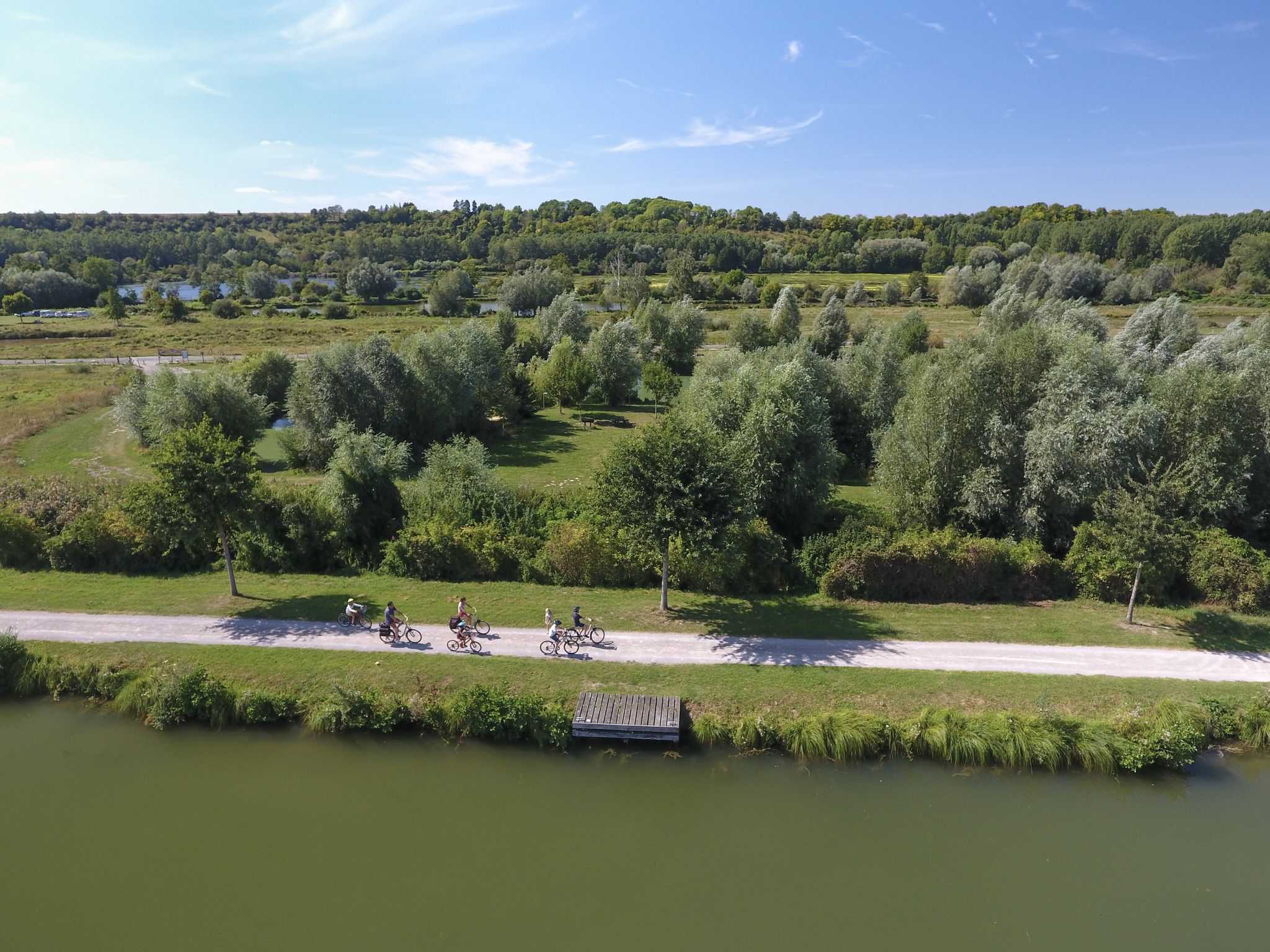
Along the river — La Véloroute Vallée de Somme V30
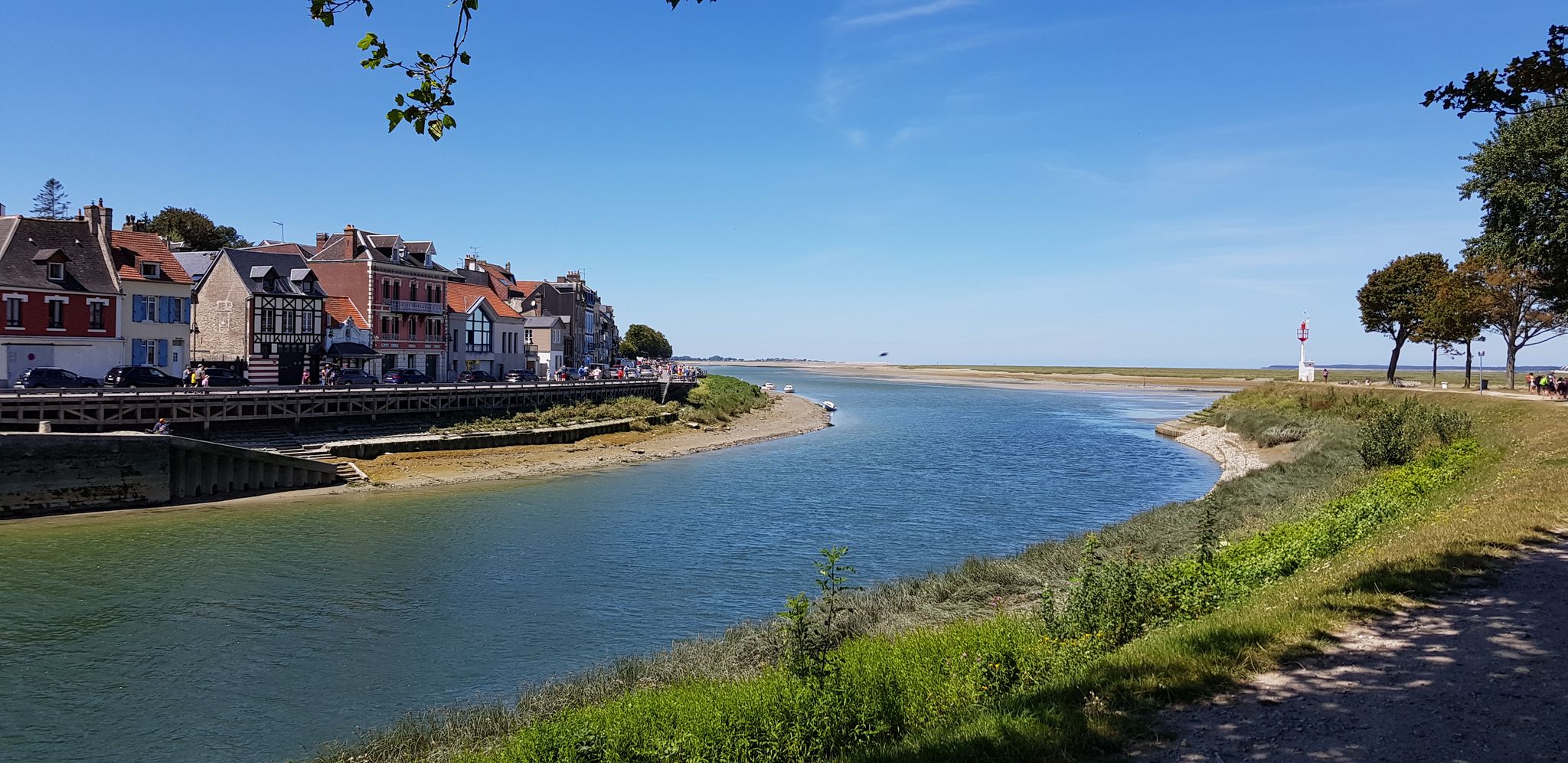
Riding the long river of Picardy — the Somme Valley Cycle Route
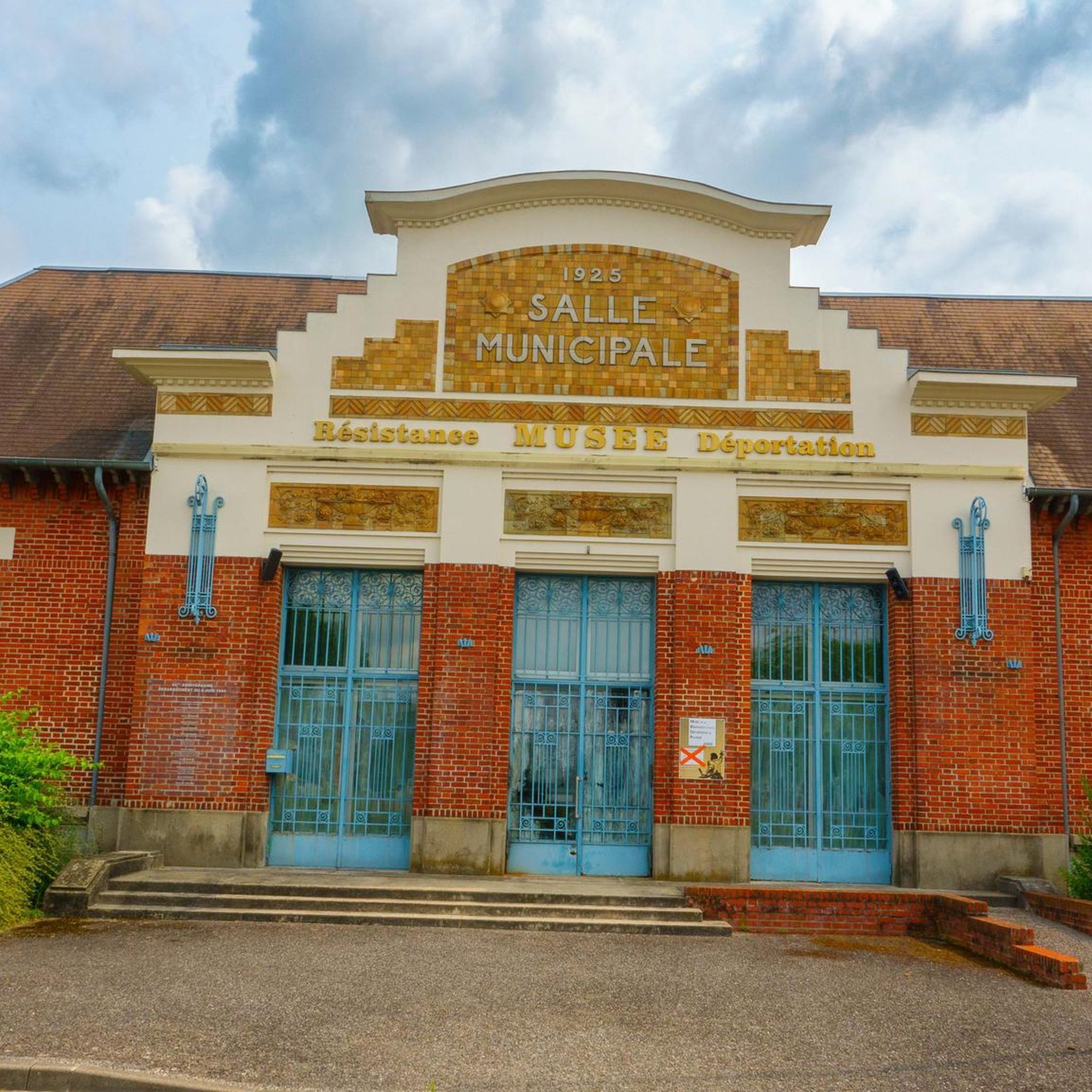
Cycling around Tergnier
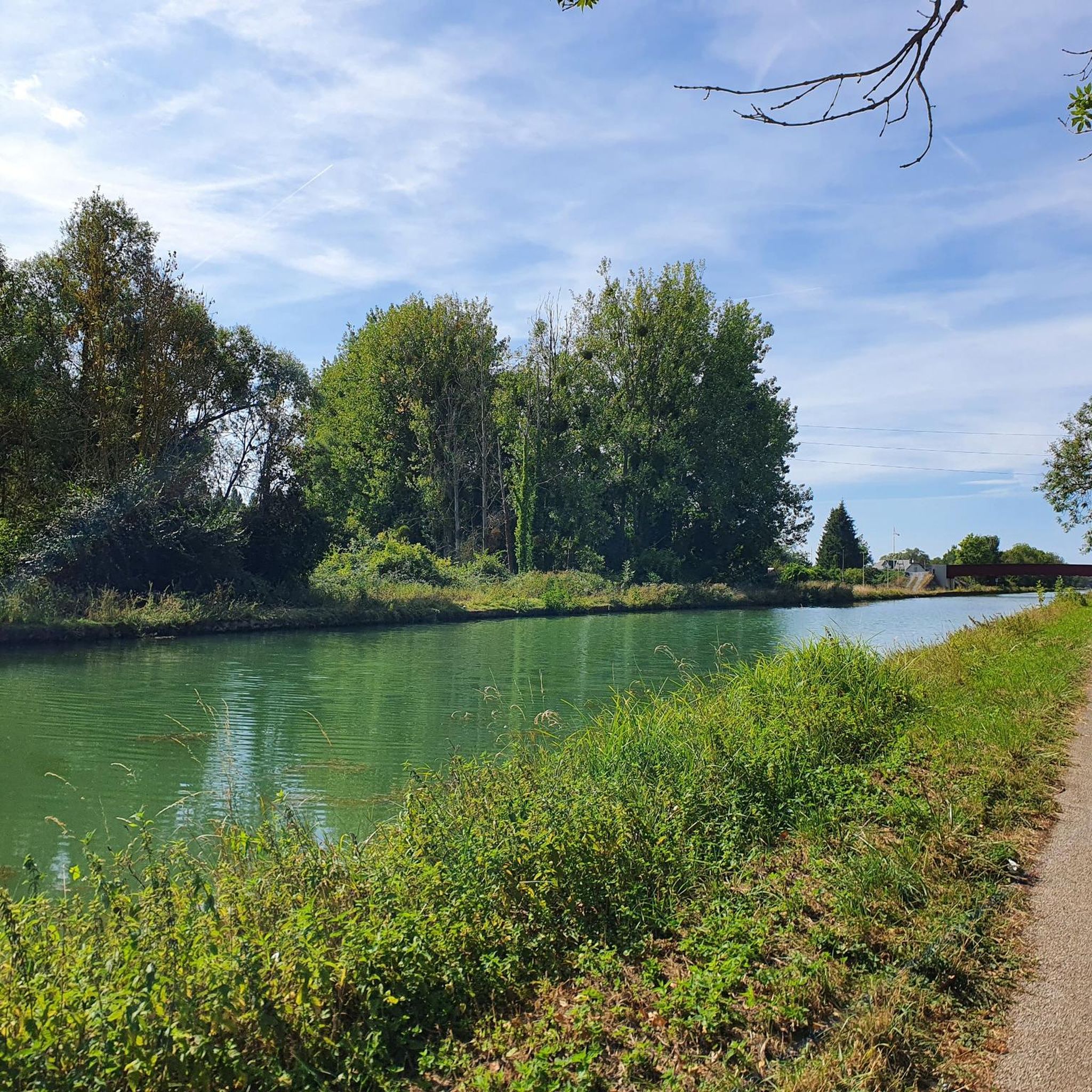
Road Cycling Routes around Tergnier
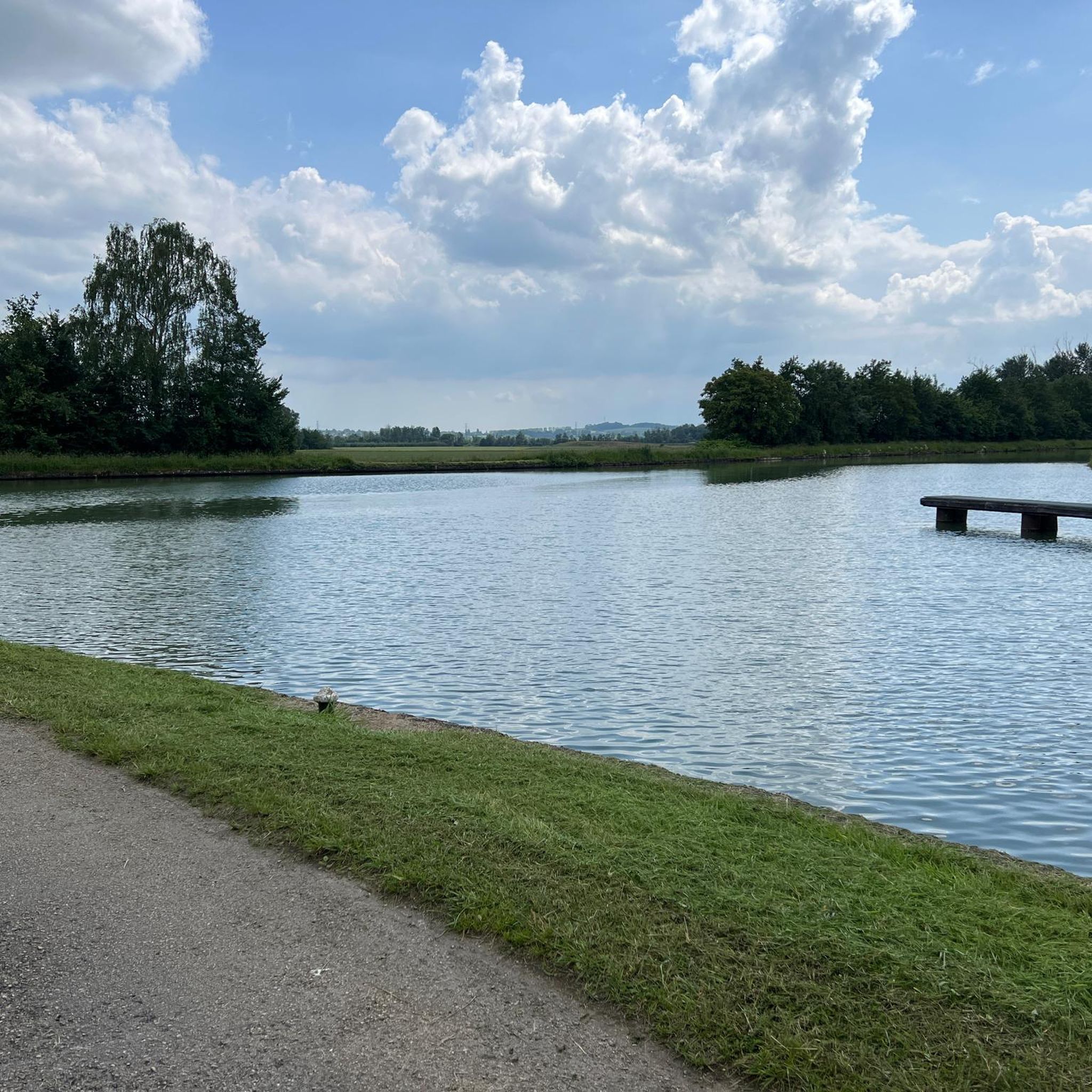
MTB Trails around Tergnier

Running Trails around Tergnier

Hiking around Tergnier

Gravel biking around Tergnier
Other adventures around Tergnier


Tips from the Community

In 1692, the Manufacture royale des Grandes Glaces was established in the abandoned castle of Saint-Gobain, which gave the later glass company Saint-Gobain its name. The factory developed and in 1986 it still supplied the glass for the pyramid of the Louvre. In 1993, it was announced that the factory would close and on 31 December 1995 the last activity of this historic establishment disappeared.
7
0
Tergnier where Art Deco is omnipresent. Its most representative examples are Place Carnégie (classified as a historic monument), the Town Hall and the Fargniers church. The media library, a former station buffet, is a site that became historic with the arrival of Victor Hugo in 1870 who had his first meal on French soil there upon his return from exile. The bell tower of the Veltin school, visible from rue de la Famille Sauvage (Quessy-Cité), still indicates the time of the bombing which ravaged the city on the night of April 10 to 11, 1944. Seven tourist signs, located in the city to constitute the Trails of Memory, retrace acts of war or resistance during the Second World War which took place in the territory.
6
0

Around the pond you will see different types of trees, such as oaks, ashes, hornbeams, mountain ash and maples. It's a peaceful pond where you might spot wildlife drinking or swimming. Near the pond you will also find a remarkable oak tree, called a European oak, which is over 300 years old.
2
0
The Grottes des Roches de l'Ermitage are natural and artificial caves dug by erosion in the limestone rock. You can explore the two largest caves, with a length of 21 m and 36 m respectively, or admire the impressive stack of blocks which forms a large shelter on the side of the valley. The site is also rich in history and legend, as it is said to be where the Irish monk Goban settled in the 7th century and performed many miraculous healings.
2
0
The Saint-Gobain Caves are a series of natural caves in limestone cliffs. There you can admire impressive rock formations and dwellings from the past that you can explore.
3
0
Around the pond you will see different types of trees, such as oaks, ashes, hornbeams, mountain ash and maples. It's a peaceful pond where you might spot wildlife drinking or swimming. Near the pond you will also find a remarkable oak tree, called the European oak, which is over 300 years old.
2
1
The Grottes des Roches de l'Ermitage are natural and artificial caves dug by erosion in the limestone rock. You can explore the two largest caves, with a length of 21 m and 36 m respectively, or admire the impressive stack of blocks which forms a large shelter on the side of the valley. The site is also rich in history and legend, as it is said to be where the Irish monk Goban settled in the 7th century and performed many miraculous healings.
2
1
Frequently Asked Questions
What historical and architectural sites can I explore in Tergnier?
Tergnier is renowned for its distinctive Art Deco architecture, particularly visible in structures like Place Carnegie, which is classified as a historical monument. Other prime examples include the Hôtel de Ville and the Église de Fargniers. You can also visit the Cité-Jardin des Cheminots, a unique garden city built after WWI with surprising Masonic symbols. The Médiathèque, a former train station buffet, holds historical significance as the place where Victor Hugo had his first meal upon returning from exile in 1870.
Are there any natural attractions or scenic spots near Tergnier?
Yes, you can explore the Hermitage Rock Caves, a fascinating site with natural and artificial formations carved into limestone. These caves are steeped in legend, associated with the 7th-century Irish monk Goban. Another peaceful natural spot is Étang du Pré Lardot, a tranquil pond surrounded by diverse tree species, including a remarkable 300-year-old European oak, perfect for wildlife observation.
What kind of outdoor activities can I do around Tergnier?
Tergnier offers various outdoor activities, especially cycling. You can find routes for road cycling, touring, and gravel biking. For example, there are road cycling routes like the 'Veltin School bell tower loop' (44.1 km) and touring routes such as the 'Berthénicourt lock – Sambre-Oise Canal loop' (43 km). Gravel biking enthusiasts can explore routes like the 'Coucy-le-Château-Auffrique – Château de Coucy loop'. You can find more details on these and other routes in the Road Cycling Routes around Tergnier, Cycling around Tergnier, and Gravel biking around Tergnier guides.
Are there any family-friendly attractions in Tergnier?
The town of Tergnier itself, with its unique Cité-Jardin des Cheminots and Art Deco architecture, offers an interesting walk for families. The Étang du Pré Lardot is also a pleasant spot for families to enjoy nature, observe wildlife, and see the ancient oak tree. For active families, the Cross-country area with jumps provides a dynamic cycling experience for those who enjoy mountain biking.
Where can I find mountain biking trails or areas with jumps near Tergnier?
Cycling enthusiasts looking for a dynamic riding experience can visit the Cross-country area with jumps. This area is specifically designed with bumps and single tracks, offering a fun challenge for mountain bikers.
What is the significance of the Veltin School Bell Tower?
The Veltin School Bell Tower, visible from Rue de la Famille Sauvage (Quessy-Cité), serves as a poignant historical marker. It permanently displays the time of the bombing that devastated Tergnier on the night of April 10-11, 1944, commemorating a significant event in the city's wartime history.
Can I visit the Manufacture des Glaces de Saint-Gobain?
The Manufacture des Glaces de Saint-Gobain is a historically significant site that played a crucial role in glass manufacturing, even supplying glass for the Louvre pyramid. While the factory ceased operations in 1995, its historical importance to the region's industrial heritage makes it a notable point of interest.
Are there any dog-friendly places to visit around Tergnier?
Yes, Étang du Pré Lardot is a dog-friendly lake where you and your canine companion can enjoy a peaceful walk around the pond and through the surrounding forest. It's a great spot for nature lovers and their pets.
What is the Canal de Saint-Quentin and its connection to Tergnier?
The Canal de Saint-Quentin is a significant waterway whose historical development is closely tied to Tergnier. It played a crucial role in the town's past as a 19th-century industrial hub, highlighting its rich industrial heritage and strategic location.
What is the best time of year to visit Tergnier for outdoor activities?
While specific seasonal data isn't provided, the region's natural features like Étang du Pré Lardot and the various cycling routes suggest that spring and autumn would be ideal for outdoor activities, offering pleasant temperatures for exploring without the extremes of summer heat or winter cold.
Are there any unique cultural aspects to Tergnier?
Beyond its Art Deco architecture, Tergnier is unique for its Cité-Jardin des Cheminots, the largest garden city of its kind, built for railway workers. This area is not only architecturally distinct but also surprisingly features numerous Masonic symbols throughout its streets, adding a layer of cultural intrigue.
What kind of trees can be found around Étang du Pré Lardot?
Around Étang du Pré Lardot, you can observe a variety of tree species, including oaks, ashes, hornbeams, mountain ash, and maples. The area is also home to a remarkable European oak that is over 300 years old, making it a notable feature for nature enthusiasts.
Most popular routes around Tergnier

Get inspired with the komoot mobile app


Explore more
Still not found the Highlight you’re looking for? See guides of the top attractions in other regions:
