Attractions and Places To See around Bois-De-Céné - Top 20
Best attractions and places to see around Bois-De-Céné include a blend of historical landmarks, natural beauty, and cultural points of interest. Located in the Vendée department of France, this commune sits between the Breton Vendée marshland and the bocage countryside. The area offers diverse landscapes and sites, from ancient abbeys to significant wetlands.
Best attractions and places to see around Bois-De-Céné
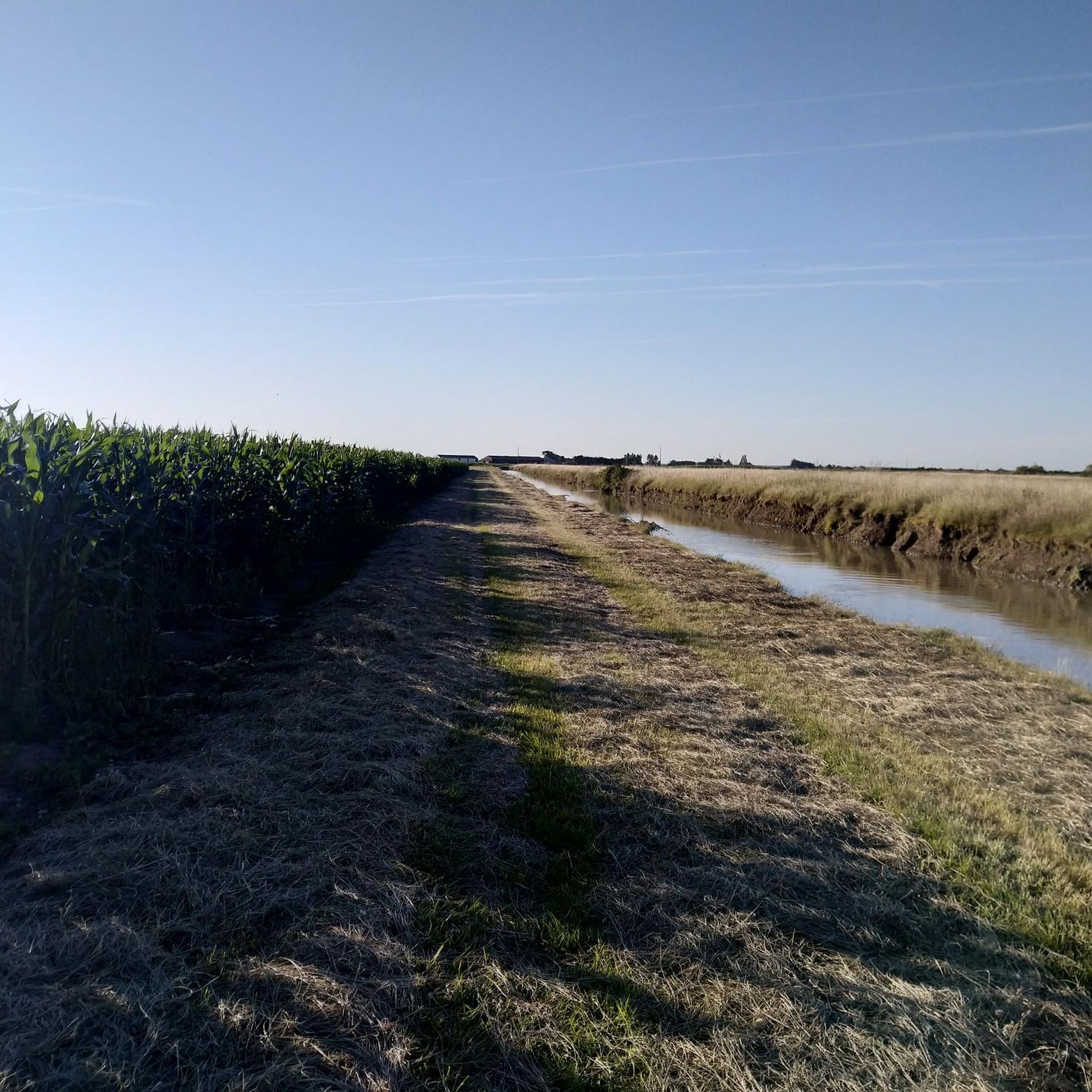
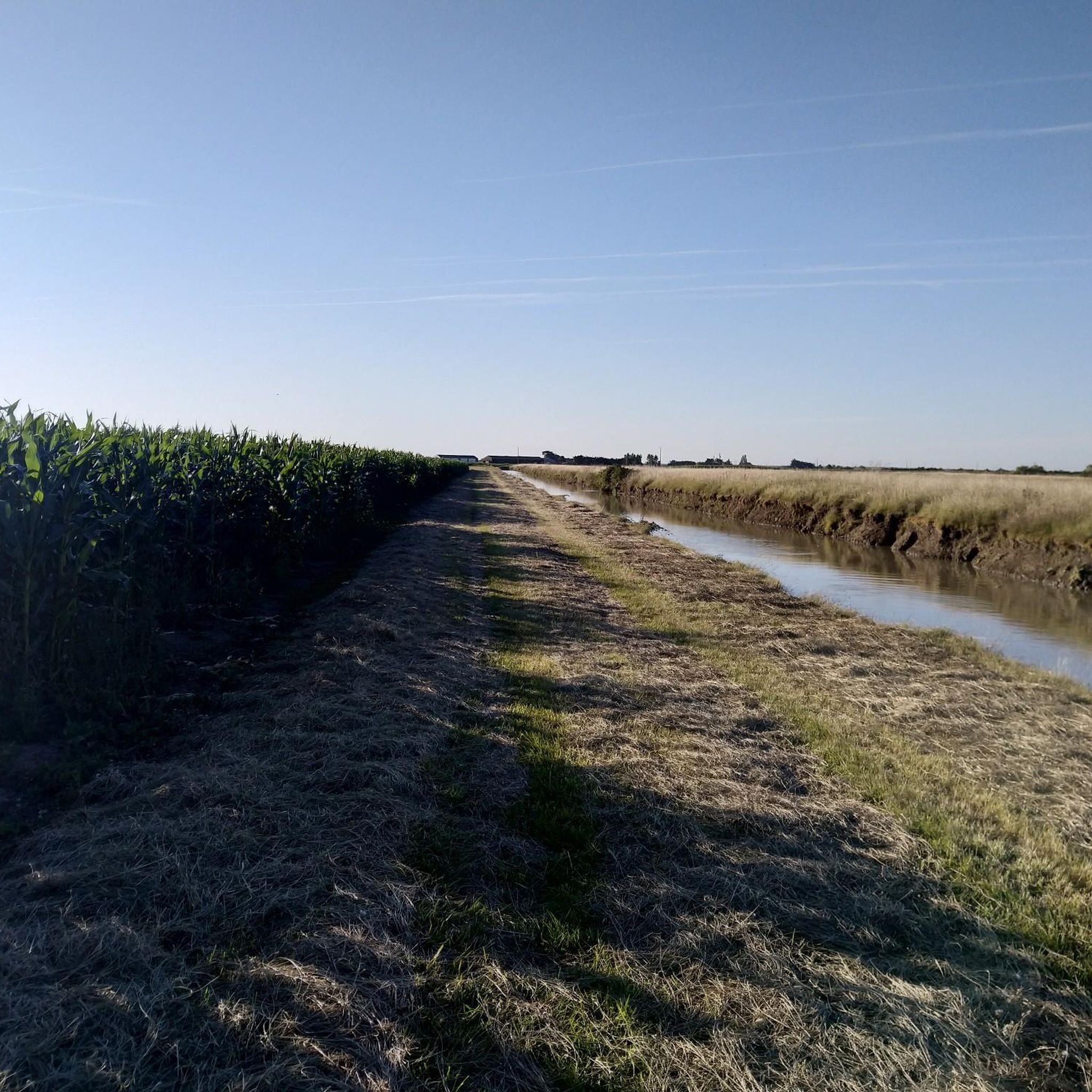
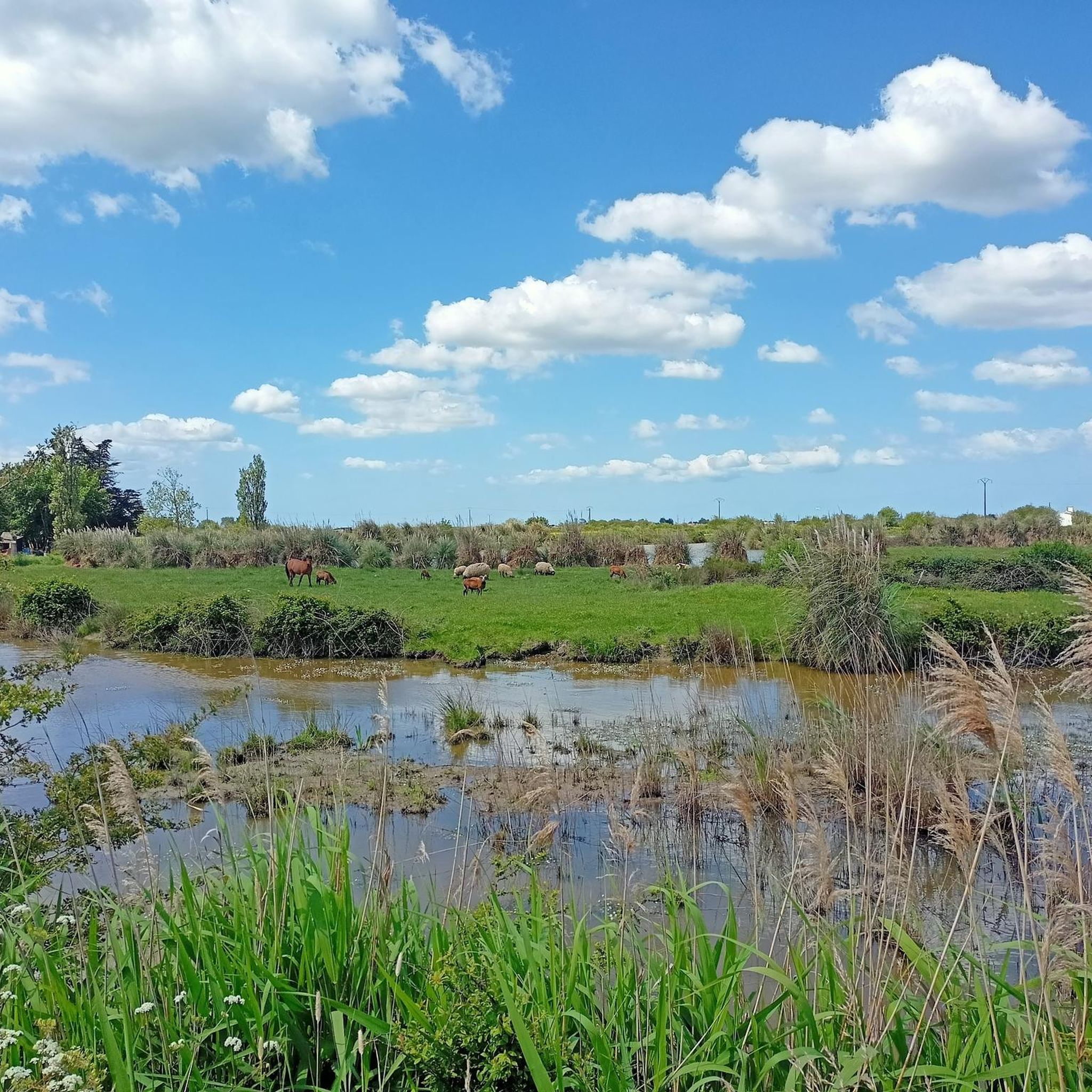
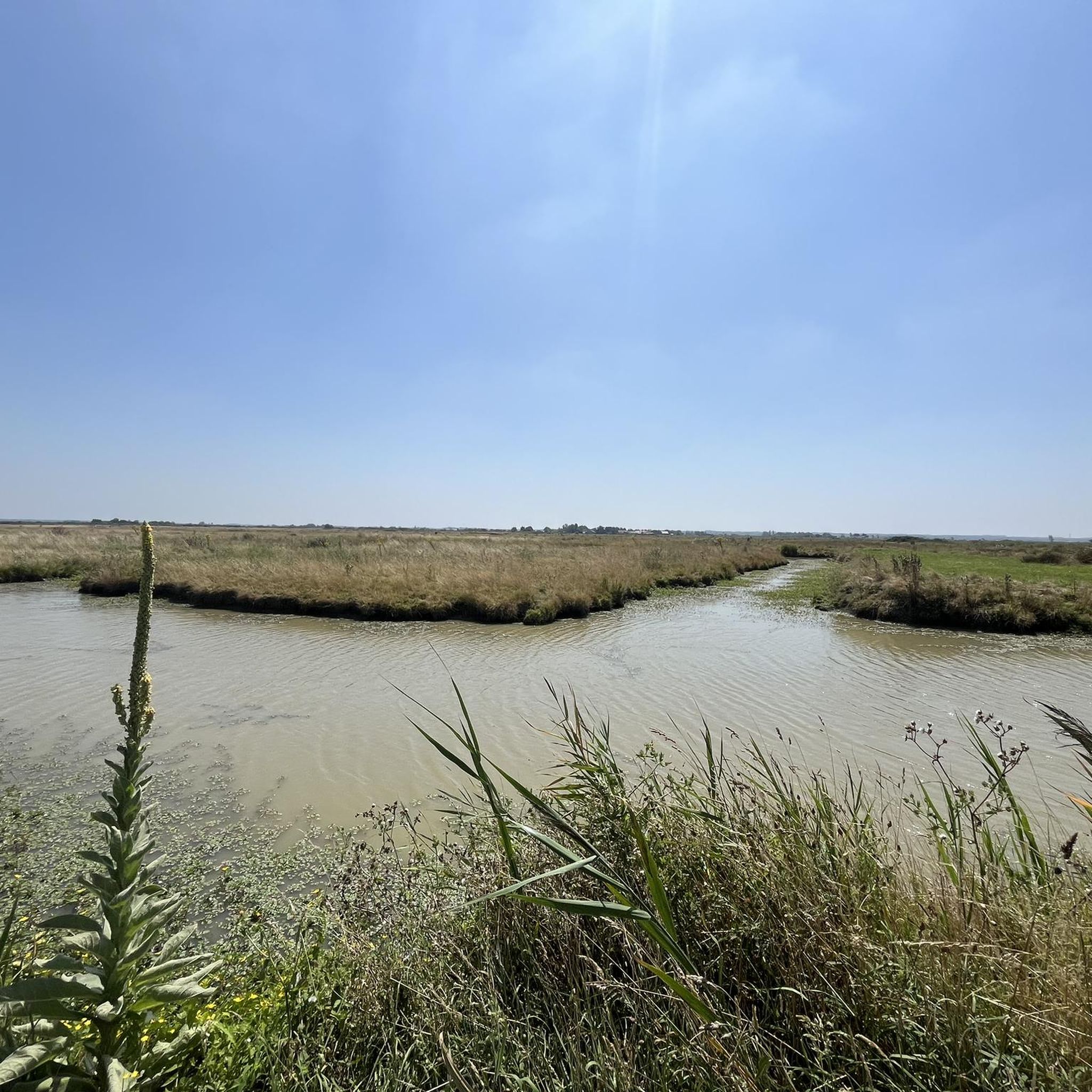
- The most popular attractions is Marais de Lyarne, a wetland that is a Natura 2000 site and former salt marsh with dunes and reedbeds. It provides a haven for birds and horses, featuring an important diversity of natural environments.
- Another must-see spot is Port du Collet, a port and harbour. Historically a major salt exporting port, it now functions as an oyster farming port, with a significant sluice gate regulating the waters of the marsh.
- Visitors also love Sallertaine, a village known as the 'Island of Artisans,' nestled amidst greenery and marshes. It features a Romanesque church, the Jardin de Vaulieu, and an old mill, with artisans showcasing their crafts.
- Bois-De-Céné is known for its historical landmarks, diverse natural areas, and cultural sites. Visitors can explore ancient structures, observe wildlife in protected wetlands, and experience local artisan traditions.
- The attractions around Bois-De-Céné are appreciated by the komoot community, with more than 230 upvotes and 17 photos shared across various highlights.
Last updated: October 10, 2026
Marais de Lyarne
Highlight • Other
Translated by Google •
Tip by

Port du Collet
Highlight • Other
Translated by Google •
Tip by

Sign up now to discover places like this
Get recommendations on the best single tracks, peaks, & plenty of other exciting outdoor places.
Sallertaine
Highlight • Religious Site
The Romanesque church, the artisan island, the garden of Vaulieu, the old mill and the mill of Rairé make it an exceptional site.
Translated by Google •
Tip by

Port des Champs
Highlight • Settlement
Translated by Google •
Tip by

Stork Nest Observatory
Highlight • Other
In recent years, many pairs of storks have taken up residence for the winter in Châteauneuf.
They arrive in January.
And around July 15th, the little ones, who will be eight to nine weeks old, will regroup and leave for Africa. The adults, who have spent the spring feeding them, will wait until the beginning of August to take off.
Translated by Google •
Tip by
Sign up for free to discover even more attractions around Bois-De-Céné.
Already have an account?
Start today with a free account
Your next adventure awaits.

Tips from the Community

Beautiful harbor with colorful houses!
0
0
The salt marshes are very pretty, especially in this corner. This mix of greenery and water forms magnificent landscapes!!
0
0

Small village worth a detour, especially for its beautiful, perfectly preserved medieval church and the Rairé mill.
0
0

The Saint-Martin church is an 11th and 12th century church located in Sallertaine, France[1]. It belongs to the diocese of Luçon. It is dedicated to Saint Martin. This church is the remainder of an old priory founded at the beginning of the 11th century, dependent on the abbey of Marmoutier. Some masonry from the primitive church remains in the walls. The current state of the building is the result of a major reconstruction carried out at the end of the 12th century. The church was consecrated in 1173 by the bishop of Poitiers. The vaulting of the crossing of the transept presents a unique curiosity in Western France. Clearly seeking to imitate the so-called Plantagenet Gothic style, the master mason, who does not seem familiar with this new technique, created a Romanesque dome, sufficient in itself, which he adorned with ribs, without structural necessity, but which gives it an appearance evoking the Angevin vaults. Some elements of frescoes remain in the nave, which was once entirely covered, particularly an exceptional crucifixion because Christ still has his eyes open. Part of the nave has been demolished. The church suffered damage in 1568 during the Wars of Religion. Major restorations took place from 1617. The narrow Romanesque windows were enlarged, the crossing is surmounted by a timber spire. Three altarpieces adorn the apse and the transepts, leading to the destruction of the south absidiole and the installation of the sacristy in the southern one, separated from the transept by a wall supporting the new altar. Damaged during the revolution, becoming too narrow in the 19th century, it was replaced by a new parish church in 1906. It should then have been destroyed, but Abbot Grelier, passionate about archaeology, managed to have it classified as a historical monument in 1910 and 1912. However, the classification only included the western end of the nave, which the municipality had demolished in 1915. https://fr.wikipedia.org/wiki/Ancienne_%C3%A9glise_Saint-Martin_de_Sallertaine
0
0

Lots of tarmac for little quiet road, I do not recommend
0
0

This small port has a lot of charm and is very photogenic even though our visit took place under a very gray sky. As an anecdote, a regular visitor told us that the huts were all painted this way because the fishermen and oyster farmers did not want to throw away the leftover paint used for the boats.
0
0

Magnificent Romanesque church from the 11th and 12th centuries 😍
0
0

Beautiful little church in the middle of the historic town centre. The square in front of it offers a good starting point for hikes
1
0
Frequently Asked Questions
What natural features can I explore around Bois-de-Céné?
The region is rich in natural beauty. You can visit the Marais de Lyarne, a Natura 2000 site and former salt marsh with diverse environments, perfect for birdwatching. The Borderie du Marais Sensitive Natural Area (ENS) is another significant wetland for waterfowl. For observing storks, head to the Stork Nest Observatory, especially between January and mid-July. You can also explore the Sentier des Roseaux (Reed Path) for a scenic walk.
Are there historical sites to visit in Bois-de-Céné?
Yes, Bois-de-Céné and its surroundings offer several historical landmarks. The 14th-century Église Saint-Étienne is a classified historical monument known for its bell tower and medieval carpentry. You can also explore the ruins of the Abbaye de l'Île Chauvet, built by Benedictine monks around 1130, or the ancient Motte Féodale, a feudal mound with a long history.
What cultural experiences are available in the area?
For a unique cultural experience, visit Sallertaine, known as the 'Island of Artisans.' This charming village features a Romanesque church, the Jardin de Vaulieu, and local artisans showcasing their crafts. The area also has a rich history of salt production, which you can learn about along La Route Du Sel. Additionally, the Abbaye de l'Île Chauvet hosts the Festival de l'Île Chauvet every August.
Are there family-friendly activities around Bois-de-Céné?
Many attractions are suitable for families. The Sallertaine village, with its artisan shops and charming atmosphere, is a great option. Observing storks at the Stork Nest Observatory can be an engaging activity for children. The natural areas like Marais de Lyarne and Port des Champs offer gentle paths for walks and opportunities to see local wildlife.
What kind of outdoor activities can I do near these attractions?
The region around Bois-de-Céné is excellent for various outdoor activities, especially cycling and walking. You can find numerous routes for gravel biking, mountain biking, and road cycling. For example, the "Marais de Lyarne – Port du Collet loop from Bouin" is an easy road cycling route. Explore more options in the Gravel biking around Bois-De-Céné, MTB Trails around Bois-De-Céné, and Road Cycling Routes around Bois-De-Céné guides.
Are there walking or hiking trails in the Bois-de-Céné area?
Yes, the diverse landscapes of marshland and bocage offer many walking opportunities. The Sentier des Roseaux (Reed Path) provides a pleasant natural walk. You can also find trails around the Marais de Lyarne, which are ideal for observing birds and horses. Many of the cycling routes mentioned in the guides can also be adapted for walking, offering scenic paths through the marshlands.
What is the best time to visit Bois-de-Céné attractions?
The best time to visit depends on your interests. For observing storks, plan your visit between January and mid-July. The Festival de l'Île Chauvet takes place annually in August. Generally, spring and early autumn offer pleasant weather for exploring the natural and historical sites. The marshlands can be particularly beautiful during these seasons.
Where can I see traditional ports and learn about the local economy?
Visit Port du Collet, historically a major salt exporting port, now an active oyster farming port. It features a significant sluice gate that regulates the marsh waters. Another option is Port des Champs, a small fishing boat harbor, which is the oldest stranding port in the bay of Bourgneuf.
What makes the Marais de Lyarne special?
The Marais de Lyarne is a Natura 2000 site, recognized for its ecological importance. It's a former salt marsh characterized by dunes and reedbeds, providing a peaceful haven for a variety of birds and horses. Its diverse natural environments, including lakes and wetland pastures, make it an excellent spot for nature observation, where you might see egrets, avocets, and shelducks.
What do visitors enjoy most about the attractions around Bois-de-Céné?
Visitors particularly appreciate the blend of historical charm and natural tranquility. The picturesque setting of Sallertaine and its artisan community is often highlighted. The unique landscapes of the marshlands, like those around Marais de Lyarne, are loved for their peaceful atmosphere and wildlife. The historical significance of sites like the Abbaye de l'Île Chauvet also draws considerable interest.
Are there any unique statues or monuments in Bois-de-Céné?
Yes, you can find a private Statue of Jeanne d'Arc on the Route du Chiron Reculeau, erected as a tribute to family reconciliation. Another notable monument is Le Sacré Cœur, a statue installed in 1934 at the intersection of the Machecoul and Paulx roads, which was brought to its current location with impressive triumphal arches.
Where can I find local markets in Bois-de-Céné?
Bois-de-Céné hosts a local market every Sunday morning on the Place des Trois Baronets. This is a great opportunity to experience local life and find regional products.
Most popular routes around Bois-De-Céné

Get inspired with the komoot mobile app


Explore more
Still not found the Highlight you’re looking for? See guides of the top attractions in other regions:
