Attractions and Places To See around Aigne - Top 20
Best attractions and places to see around Aigne include its unique medieval architecture and rich history. The village is renowned for "L'Escargot," an eleventh-century spiral design with houses coiling around the central church square. Situated in the Hérault department of France, Aigne is surrounded by scenic vineyards and sandstone hills. This area offers a blend of historical landmarks and natural features for exploration.
Best attractions and places to see around Aigne
- The most popular attractions is Minerve, a settlement…
Last updated: May 10, 2026
The Port of Somail
Highlight • Settlement
Translated by Google •
Tip by

Junction of the Canal du Midi and the Canal de la Robine
Highlight • Other
Translated by Google •
Tip by

Sign up now to discover places like this
Get recommendations on the best single tracks, peaks, & plenty of other exciting outdoor places.
Sign up for free
Minerve
Highlight • Settlement
Translated by Google •
Tip by

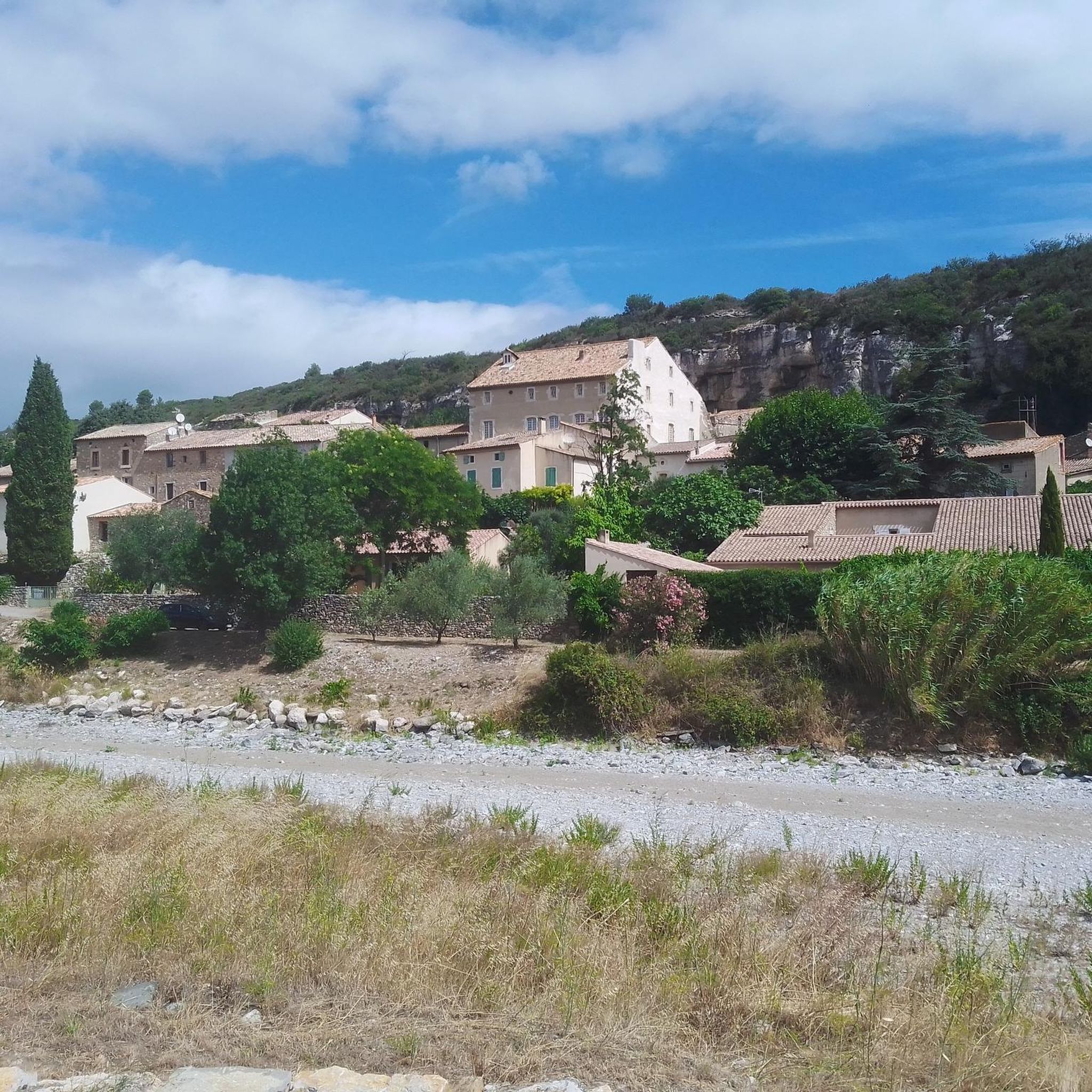
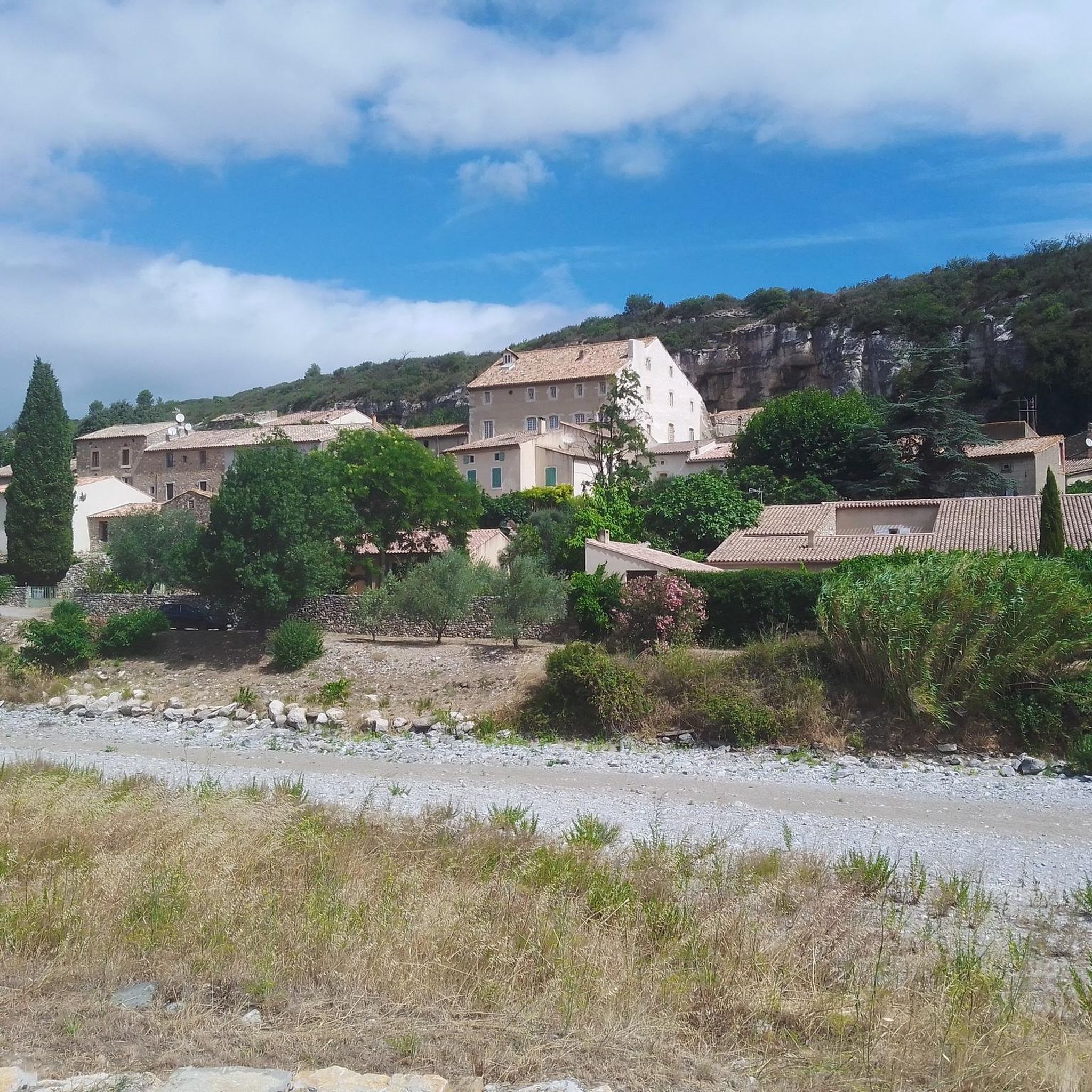
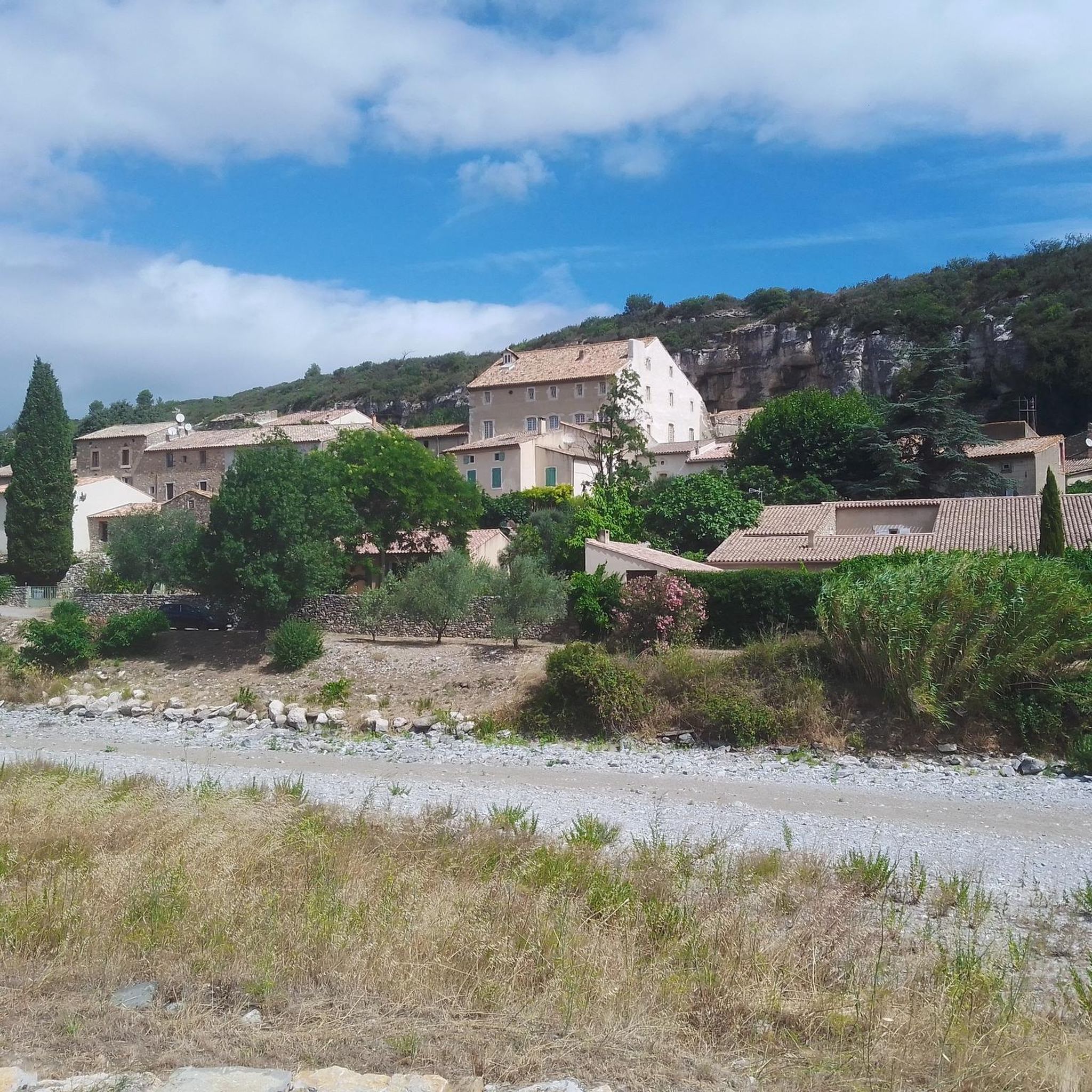
View over Paraza
Highlight • Settlement
Translated by Google •
Tip by
Marie Close fashion show
Highlight • Gorge
Translated by Google •
Tip by

Sign up for free to discover even more attractions around Aigne.
Sign up for free
Already have an account?
Start today with a free account
Your next adventure awaits.
Login or Signup

Tips from the Community

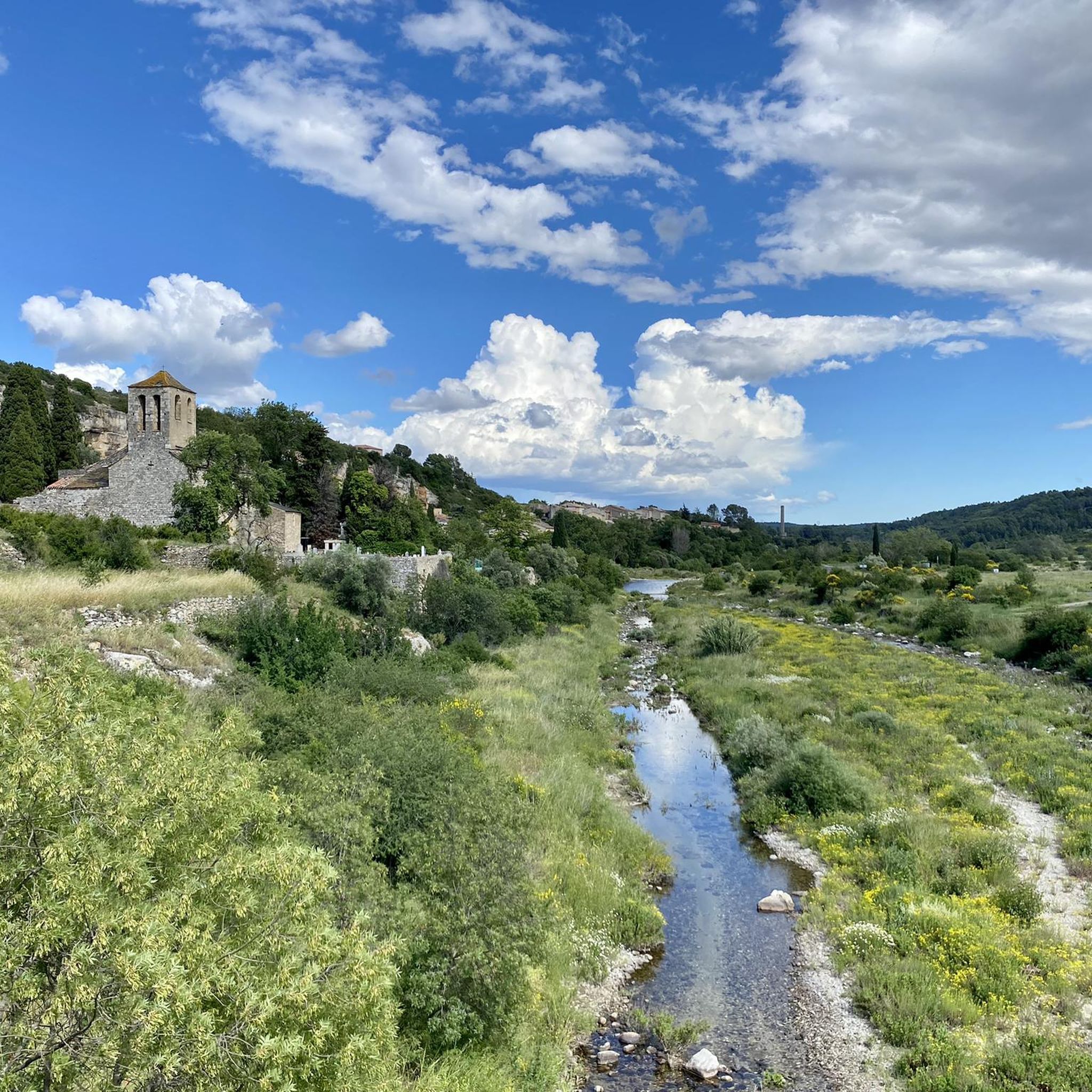
Several walking options are available. Either an out-and-back on the paved road starting from Cruzy (7.4km, 130m elevation gain), or a loop that turns towards Villespassans without actually reaching it, skirting around L'Estagnol and descending to the right to the Chapel of Sainte Foi (10km, 210m elevation gain). A small correction regarding the incorrect names: The first gorge at Roquefourcade (the village spring) is called Marie-Coquette, the ruined building after the small Chapel of Sainte Foi is called the Sainte Foi Sheepfold, and the second gorge that climbs towards Les Gyssières (Platières) is called Marie-Close. This walk is especially recommended after the spring rains when there is water in the Nazoure River and waterfalls at Marie-Close.
0
0


Pretty village along the Canal du Midi. Don't miss the old post box...
0
0
Very pretty canal, less known than the Canal du Midi, shaded. Do not miss the Gailhousty site, at the downstream outlet of the Canal de Jonction on the Aude river. This canal, put into operation in 1787, allows to make the connection between the Canal du Midi and the Canal de la Robine de Narbonne. The Gailhousty site consists of a lock, a spillway, a bridge and a dry dock. Upstream of the lock, the canal is protected from the floods of the Aude thanks to a system of dikes which surround it up to Sallèles-d'Aude. Downstream of the lock is a space designed to be able to be submerged during heavy floods: the spillway. The bridge is designed to provide rapid access to all points of the site, is of neat architecture, with a low arched vault and four quarter-circle staircases placed at each corner. During floods, it is necessary to be able to react quickly and maneuver the defense systems in time. Placed on the downstream head of the lock, it participates in the system of containing the strongest floods. The monumental spillway, 30 meters long, is located on the left bank of the canal between the Gailhousty lock and the Aude. Its front facade on the canal side is pierced with vertical crenellations that plunge into the water. At the rear, it has 5 arched openings at the foot of which launches an 8km long landing channel called "La Saignée" directed towards the Capestang pond. This building houses no less than 15 oversized valves. It is not intended to evacuate excess water from the Jonction canal but must allow the passage of flood water from the Aude river. Originally, it was planned that this water loaded with fertile silt would be directed into the Capestang pond to fill it and promote crops there.
0
0
It is one of the most emblematic places on the canal: its buildings, its chapel, its inn, its humpback bridge, its stores, bear witness to the activity of the time around the canal. Once the work on the canal was finished, an administration was set up to manage navigation on the canal. Seven divisions were created along the canal. The Somail division covered 45 km. A passenger transport service was also set up, the stop at the Somail inn corresponded to the third day of navigation from Toulouse. The building even had a dungeon...
1
0

We fortified ourselves again at Café NOK9.
0
0
Frequently Asked Questions
What are the unique historical features of Aigne itself?
Aigne is renowned for its unique medieval architecture, particularly "L'Escargot" (The Snail). This eleventh-century spiral design features houses coiling around the central Church of Saint-Martin. The entire 'snail' is accessible through a single, formerly fortified archway, showcasing a unique defensive design. The Church of Saint-Martin, dating back to the 11th century, houses historical objects including an 18th-century altar and a 1616 bronze bell.
Are there any notable natural features or viewpoints around Aigne?
Yes, Aigne is situated on a sandstone vein, and the surrounding landscape features sandstone hills and eroded marl plains, locally known as "the mourels." You can also find scenic vineyards offering pleasant walks. A notable viewpoint is near the "mystical oak tree of Saint Abdon," which provides 360-degree views towards Minerve, La Caunette, and the black mountains. For a specific highlight, consider the View over Paraza, offering superb vistas of the town.
What kind of outdoor activities can I do near Aigne?
The area around Aigne is excellent for outdoor activities, especially cycling and walking. You can explore numerous routes through vineyards and along the Canal du Midi. For cycling, there are options for touring bicycles, gravel biking, and road cycling. For example, you can find routes like the "Orientation Table (Viewpoint) – Minerve loop from Aigne" for cycling or "View over Paraza – Paraza canal bridge loop from Homps" for gravel biking. You can find more details on these and other routes in the Cycling around Aigne, Gravel biking around Aigne, and Road Cycling Routes around Aigne guides.
Are there family-friendly attractions around Aigne?
Yes, several attractions are suitable for families. The Port of Somail, a historic settlement along the Canal du Midi, is a picturesque spot with a rich history that families can enjoy. Another great option is the Junction of the Canal du Midi and the Canal de la Robine, which offers pleasant walks along the canal and is categorized as family-friendly. Both locations provide opportunities for gentle strolls and enjoying the scenery.
Where can I experience local culture and wine near Aigne?
Aigne and its surroundings offer a rich cultural and wine experience. The village itself is home to several artist workshops and galleries specializing in painting, carving, and etching. The region is also known for its wine, with several wine-tasting caves available within and near the village, such as those of Eve Bru and Thierry at Ste-Leocadie. The Aigne Cooperative Winery, though no longer producing its own wine, remains a notable local feature at the village entrance.
What is Minerve and why is it a popular attraction?
Minerve is a historic Cathar city, recognized as one of France's most beautiful villages. It sits dramatically on a rock at the confluence of two rivers, the Brian and Cesse, creating a peninsula-shaped site. Its ancient streets and unique geological setting make it a captivating place to explore, offering stunning views and a glimpse into medieval history.
What is the Canal du Midi and how can I experience it near Aigne?
The Canal du Midi is a UNESCO World Heritage site and a significant waterway near Aigne. You can experience it by visiting charming harbor towns like The Port of Somail, which was a former post boat stop and has inspired many painters. Another key point is the Junction of the Canal du Midi and the Canal de la Robine, which provides a direct link to the Mediterranean Sea and offers pleasant bike paths along its banks.
Are there any ancient historical sites or monuments nearby?
Beyond Aigne's medieval core, you can visit the Dolmen des Fades in nearby Pépieux, which at 26 meters long, is one of the longest in the south of France. Approximately 25 km from Aigne, you'll find the Abbaye de Fontfroide, a religious monument dating from the 12th century. Further afield, about 40 km away, is the impressive Cité de Carcassonne, a major fortified city and historical attraction.
What do visitors enjoy most about the attractions around Aigne?
Visitors particularly appreciate the unique blend of historical charm and natural beauty. The picturesque setting of places like The Port of Somail and the dramatic location of Minerve are frequently highlighted. Many enjoy discovering every corner of the villages and the beautiful work along the canals. The area's appeal is reflected in over 320 upvotes and 105 photos shared by the komoot community.
Are there any gorges or valleys to explore near Aigne?
Yes, you can explore the area around the Marie Close fashion show, which refers to a pretty valley near Cruzy. This area offers several walking options, including an out-and-back route or a loop that skirts around L'Estagnol and descends to the Chapel of Sainte Foi. It's especially recommended after spring rains when the Nazoure River has water and waterfalls are present at Marie-Close.
What is the best time of year to visit Aigne and its attractions?
While specific seasonal data isn't provided, the region's climate suggests that spring (April-June) and autumn (September-October) are ideal. During these periods, the weather is generally pleasant for exploring the medieval villages, walking through vineyards, and cycling along the Canal du Midi, avoiding the peak heat of summer and the cooler, potentially wetter days of winter.
Most popular attractions around Aigne

Get inspired with the komoot mobile app


Explore more
Still not found the Highlight you’re looking for? See guides of the top attractions in other regions:
