Attractions and Places To See around Aigues-Vives - Top 20
Best attractions and places to see around Aigues-Vives, a charming village in the Gard department of France, offer a blend of historical sites, cultural experiences, and access to natural beauty. The village itself holds several points of interest, including archaeological remains and historical churches. Its strategic location provides easy access to a wealth of attractions in the surrounding Occitanie region, from ancient Roman monuments to natural parks. Visitors can explore a variety of landscapes and historical landmarks within a short…
Last updated: September 26, 2026
The Port of Somail
Highlight • Settlement
Translated by Google •
Tip by

Junction of the Canal du Midi and the Canal de la Robine
Highlight • Other
Translated by Google •
Tip by

Sign up now to discover places like this
Get recommendations on the best single tracks, peaks, & plenty of other exciting outdoor places.
Minerve
Highlight • Settlement
Translated by Google •
Tip by

View over Paraza
Highlight • Settlement
Translated by Google •
Tip by
Canal du Midi near Ventenac-en-Minervois
Highlight • Other
Translated by Google •
Tip by

Sign up for free to discover even more attractions around Aigues-Vives.
Already have an account?
Start today with a free account
Your next adventure awaits.

Tips from the Community

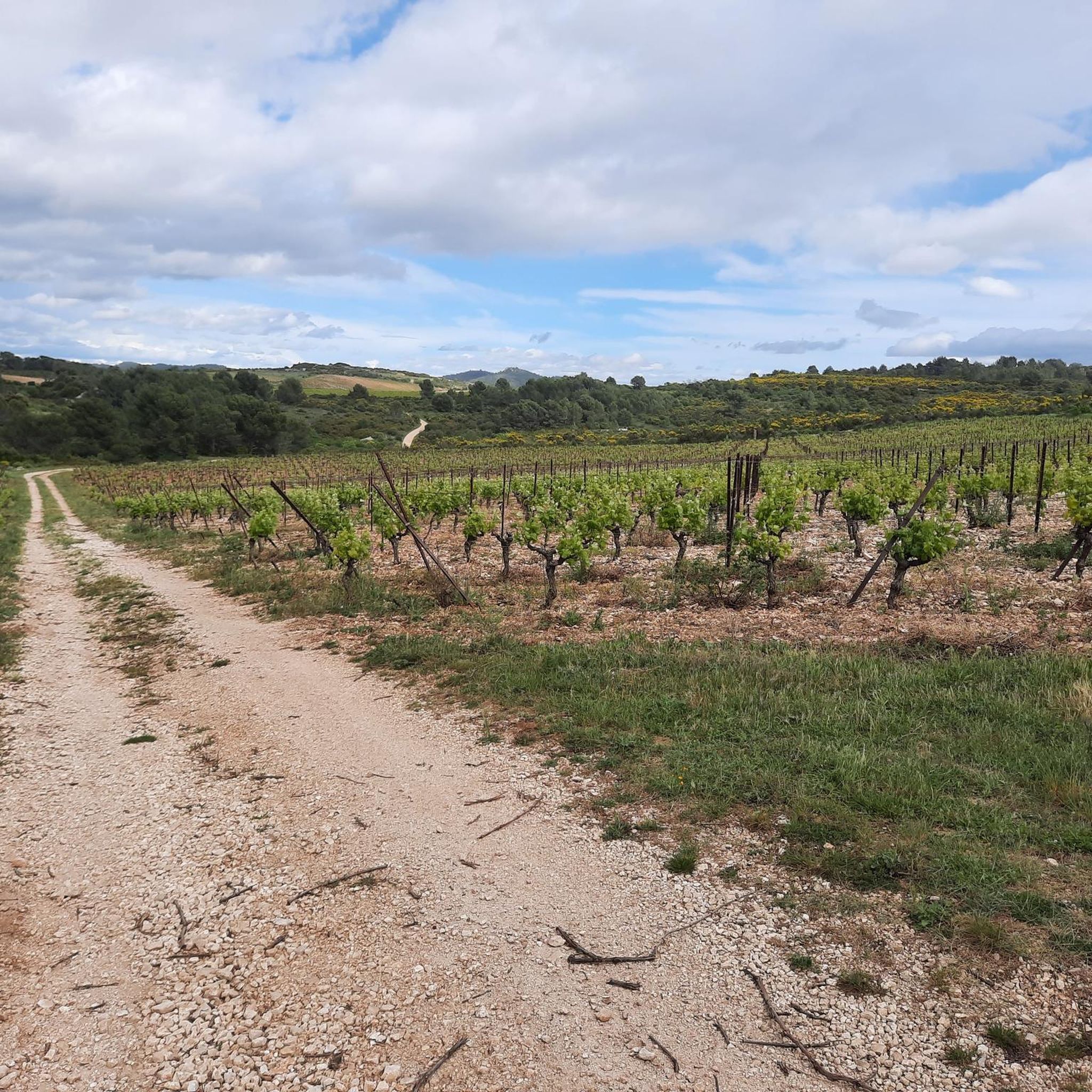
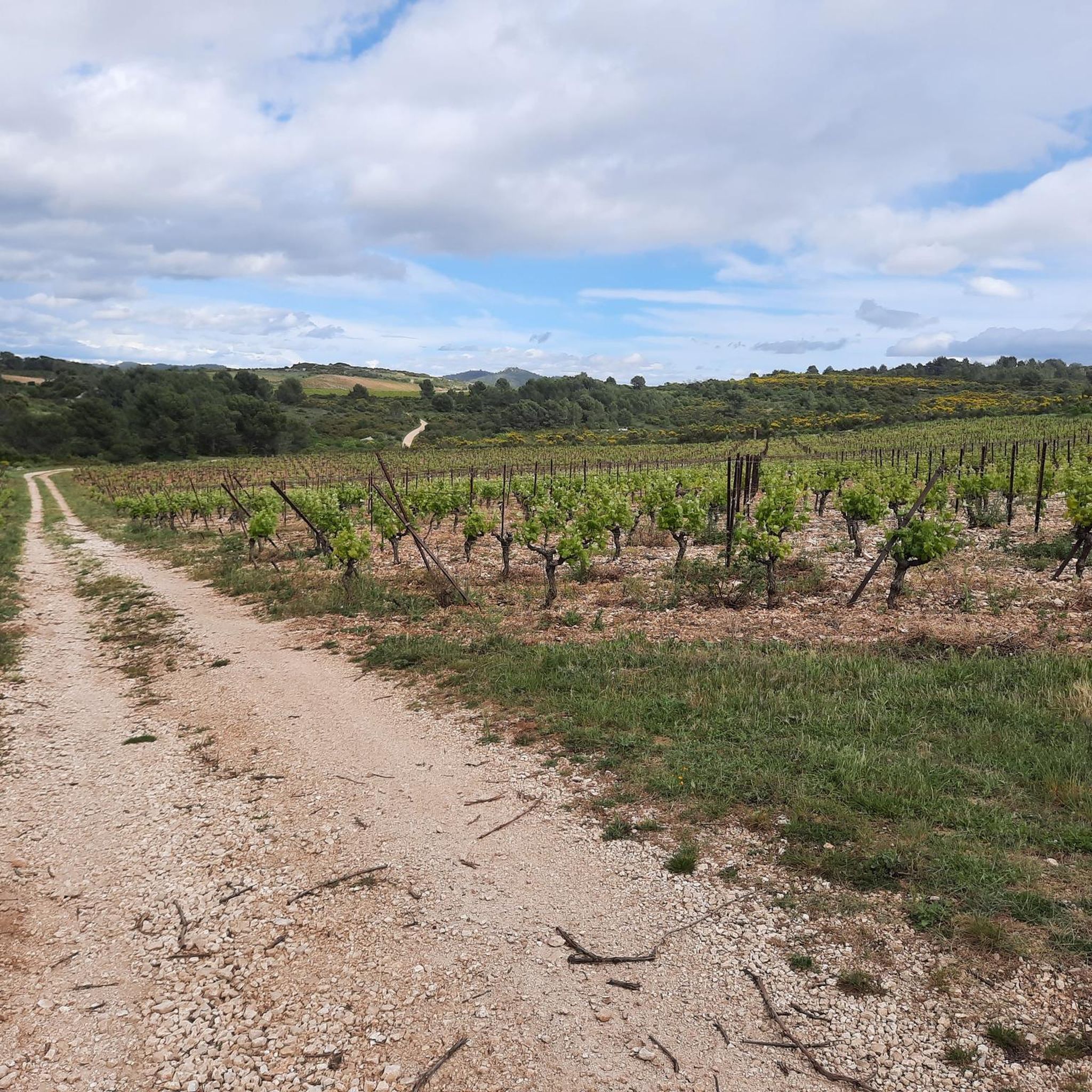
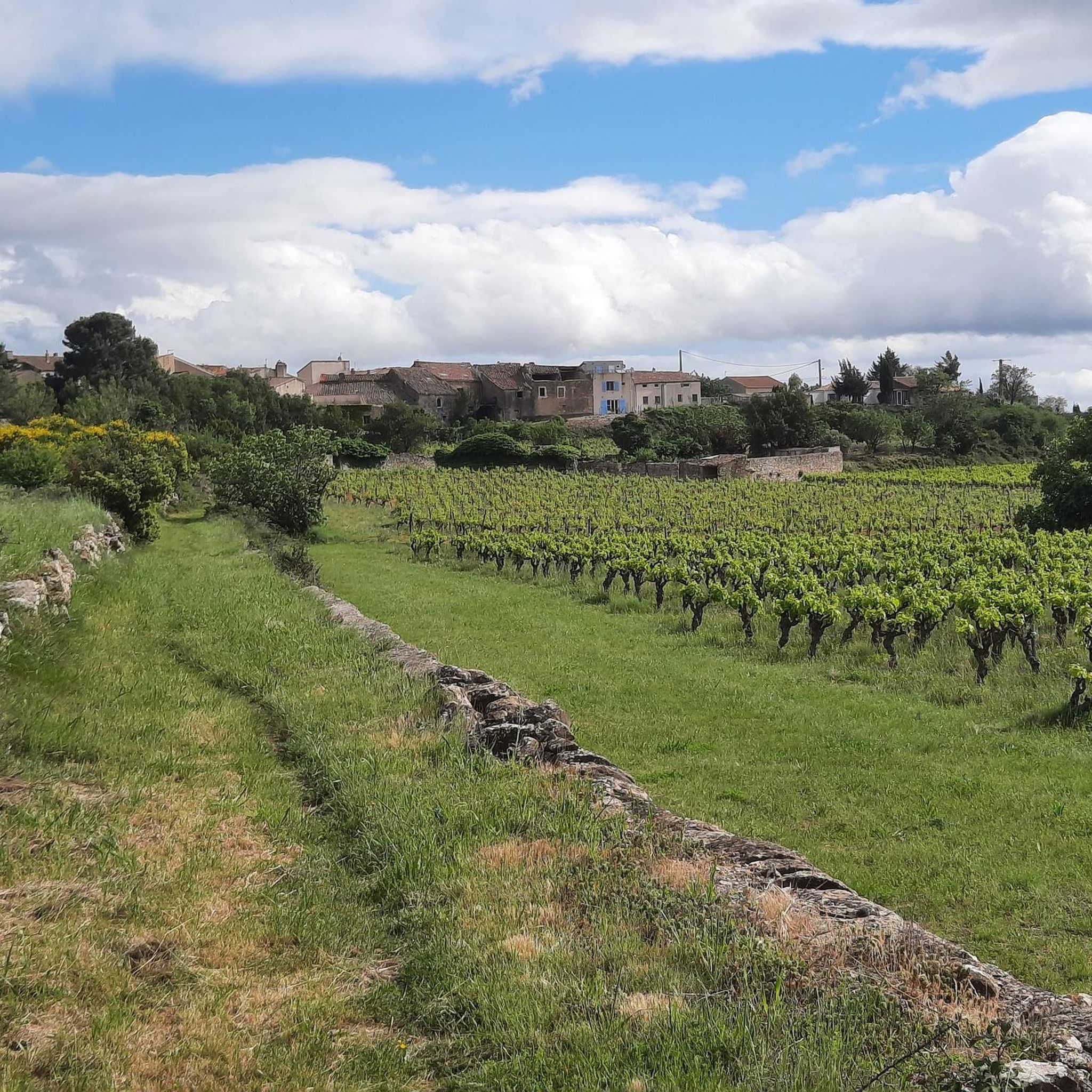
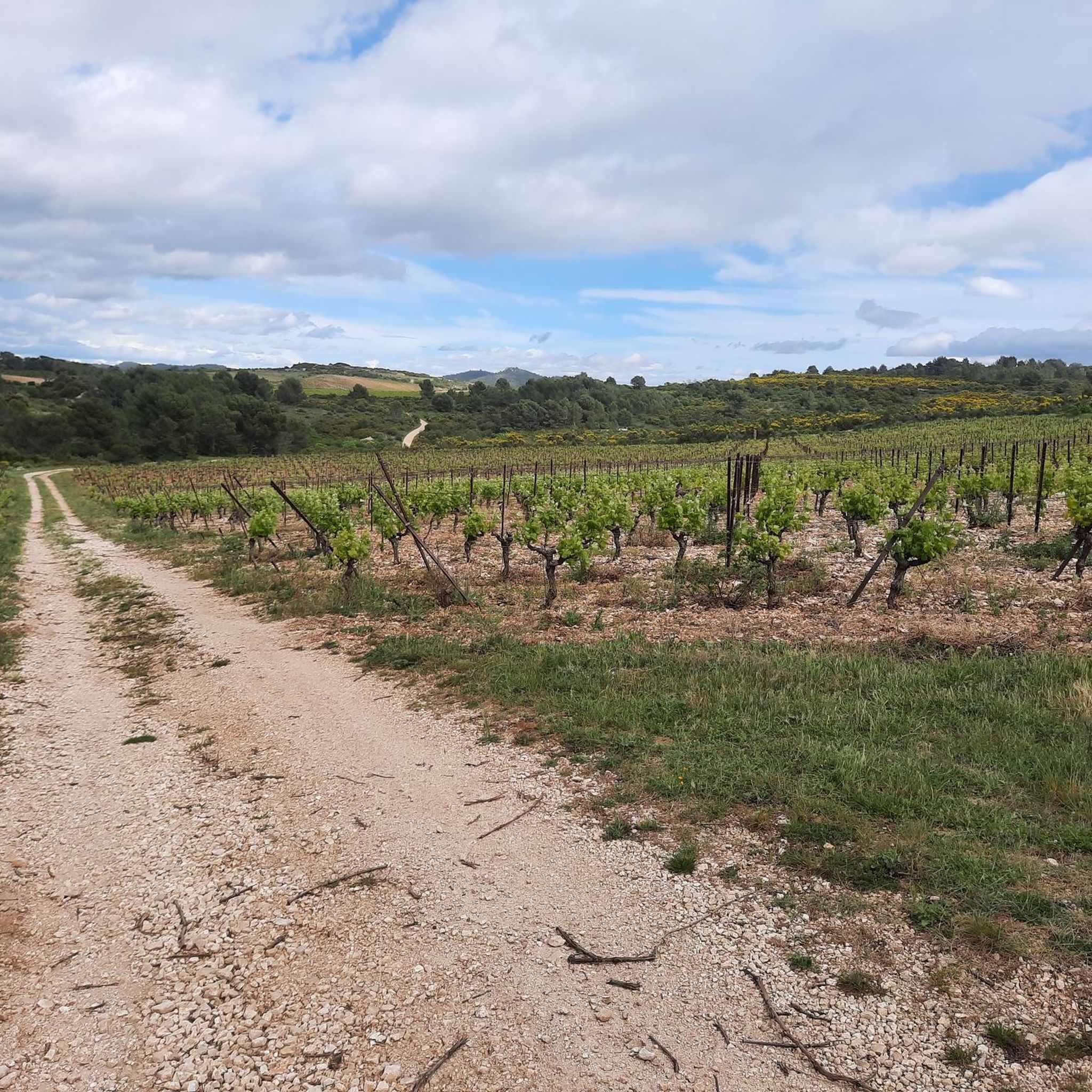
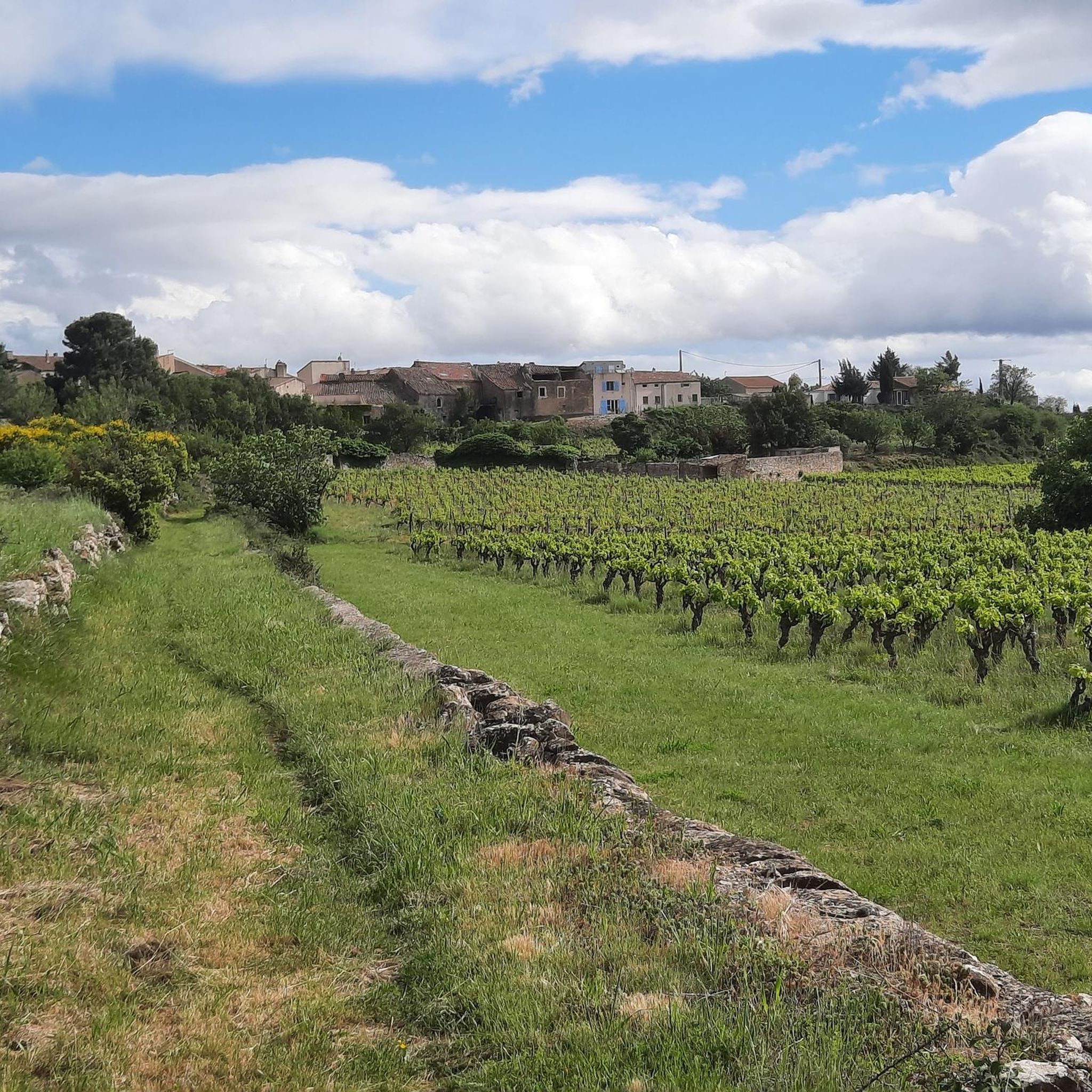
Paraza is a wine-growing village in the Minervois region of the Aude, rich in its history dating back beyond the Roman period. It is marked by the construction of the Canal du Midi, during which Pierre Paul Riquet resided at the Château de Paraza during the works on the Canal and the Pont canal du Répudre.
0
0
The Canal du Midi, formerly Canal Royal, is a 17th-century technical feat designed by Pierre-Paul Riquet to connect the Atlantic to the Mediterranean. Today, it is above all a place for relaxation and discovery, where heritage, nature, and conviviality blend together.
0
0
Le Somail features remarkable buildings, including the inn, which has retained the same appearance as in 1773, the chapel, built between 1684 and 1693, and even an ice house. This supplied the inn and the shops of Le Somail with ice during the hot summer days of Languedoc. Everything is still in place! In the heart of the village is the Pont Saint-Marcel with its remarkable semi-circular shape, typical of the early bridges of the Canal du Midi. Nearby, one can still admire the guard's house, which also housed the postmen. On the banks of the canal, you can still see the old watering trough for the draft horses.
0
0
The Junction Canal was commissioned in 1787 to connect the Canal du Midi to the Canal de la Robine in Narbonne. 5 km long, it is partly lined with magnificent umbrella pines that shelter you from the sun. This canal is part of the UNESCO World Heritage site "Canal du Midi", just like the Canal de la Robine.
0
0


We pass along the Canal du MIDI to arrive at the small port so characteristic of SOMAIL. A picture-postcard landscape when the blue sky and the sun accompany you.
0
0


Pretty village along the Canal du Midi. Don't miss the old post box...
0
0
Frequently Asked Questions
What historical sites can I explore within Aigues-Vives itself?
Within Aigues-Vives, you can visit the Archaeological Remains at Pataran Cemetery, which include vestiges of a Gallo-Roman villa and its thermal baths. The village also features the historic Church and Chapel of Paguignan, the birthplace of former French president Gaston Doumergue, and both Protestant and Catholic churches reflecting the region's religious history.
Are there natural attractions or scenic areas to visit near Aigues-Vives?
Yes, you can explore the unique wildlife and landscapes of the nearby Camargue region. Another scenic spot is the Junction of the Canal du Midi and the Canal de la Robine, which offers beautiful canal views and a direct connection to the Mediterranean Sea. The area around the 'Marie Close fashion show' (a gorge) also provides pretty valley scenery with walking options.
What outdoor activities, like hiking or cycling, are available around Aigues-Vives?
Aigues-Vives and its surroundings offer various outdoor activities. You can find numerous hiking trails, such as those leading to Saint-Jean-de-Cas or Paguignan, or along the banks of the Cessière. For more structured routes, explore the hiking routes around Aigues-Vives, including easy loops like 'In the maquis' from Agel. Cyclists can discover gravel biking routes, such as the 'View over Paraza – Paraza canal bridge loop'.
What are some family-friendly attractions in and around Aigues-Vives?
Families can enjoy the picturesque Port of Somail on the Canal du Midi, which is noted for its historical charm and is family-friendly. The Junction of the Canal du Midi and the Canal de la Robine is also suitable for families, offering pleasant canal-side walks. Additionally, the region provides picnic areas and local markets in nearby towns like Vergeze and Lunel, which can be fun for all ages.
What notable towns or cities can I visit near Aigues-Vives?
Several remarkable towns and cities are within easy reach. You can visit the fully fortified medieval town of Aigues-Mortes (approx. 19 km), the historic town of Sommières (approx. 9 km), or Nîmes (approx. 18 km) for its incredibly well-preserved Roman monuments like the amphitheater and Maison Carrée. The UNESCO World Heritage site of Pont du Gard is also about 37 km away.
Where can I experience local culture and markets near Aigues-Vives?
To experience local culture, visit the local markets in nearby towns. Vergeze (3km), Calvisson (5km), and Lunel (8km) all host vibrant markets where you can find local products and soak in the regional atmosphere. The historical sites within Aigues-Vives itself, such as the birthplace of Gaston Doumergue, also offer a glimpse into local heritage.
Are there any ancient Roman sites or significant historical monuments nearby?
Absolutely. The region is rich in Roman history. Besides the archaeological remains in Aigues-Vives, you can visit Nîmes, famous for its Roman amphitheater, the Maison Carrée, and the Tour Magne. The magnificent Pont du Gard, an ancient Roman aqueduct, is also a must-see UNESCO World Heritage site. The Ambrussum Archaeological Site and Museum offers a journey through time with an ancient Oppidum on the Via Domitia.
What are some unique or 'hidden gem' attractions around Aigues-Vives?
For a unique experience, explore Minerve, a settlement perched on a rock at the confluence of two rivers, classified as one of France's most beautiful villages. Another hidden gem is Les Carrières de Junas (Junas Quarries), an ancient stone quarry with impressive formations. The picturesque Port of Somail on the Canal du Midi, with its historic buildings and humpback bridge, also offers a charming, less-traveled experience.
What do visitors enjoy most about the attractions around Aigues-Vives?
Visitors particularly appreciate the blend of historical depth and natural beauty. The community frequently shares photos and upvotes for sites like the Port of Somail for its picturesque setting and historical significance, and the Junction of the Canal du Midi and the Canal de la Robine for its beautiful canal work and direct connection to the Mediterranean. The charm of villages like Minerve is also highly praised.
Are there any running trails near Aigues-Vives attractions?
Yes, there are several running trails available. You can find various options in the running trails guide for Aigues-Vives. For example, there's a moderate 'Château d'Agel loop' starting from Aigues-Vives itself, or more challenging routes like the 'Mont Redon loop' from Bize-Minervois.
Can I find viewpoints with scenic panoramas in the area?
Yes, you can find scenic viewpoints. For instance, the View over Paraza offers superb panoramas of the town of Paraza in the Minervois region. Many of the hiking trails also lead to elevated spots providing expansive views of the surrounding landscapes and vineyards.
What is the significance of the Canal du Midi in this region?
The Canal du Midi is a significant feature, offering both historical and recreational value. The Port of Somail was historically a crucial stop for post boats, and its buildings reflect this past activity. The Junction of the Canal du Midi and the Canal de la Robine is also a key site, providing a direct connection to the Mediterranean Sea and offering beautiful cycling and walking paths along its banks.
Most popular routes around Aigues-Vives
Most popular attractions around Aigues-Vives

Get inspired with the komoot mobile app


Explore more
Still not found the Highlight you’re looking for? See guides of the top attractions in other regions:
