Attractions and Places To See around Castries - Top 20
Best attractions and places to see around Castries include historical monuments, natural landscapes, and architectural landmarks. The region offers opportunities for walks in the hinterland and relaxation by its lake. Visitors can explore significant structures like the Castries Aqueduct and the Kathedrale St. Pierre.
Best attractions and places to see around Castries
- The most popular attractions is Castries Aqueduct, a man-made monument that offers beautiful walks in the hinterland. It is the most important hydraulic work carried out in…
Last updated: August 2, 2026
Castries Aqueduct
Highlight • Monument
Translated by Google •
Tip by

Lake Cécélès
Highlight • Lake
A path goes around, very narrow, prefer the feet to the bike.
Translated by Google •
Tip by

Sign up now to discover places like this
Get recommendations on the best single tracks, peaks, & plenty of other exciting outdoor places.
Sign up for free
Kathedrale St. Pierre
Highlight • Other
Translated by Google •
Tip by

View of the Castries aqueduct
Highlight • Viewpoint
Translated by Google •
Tip by

Thiitre de l'Agors
Highlight • Other
Translated by Google •
Tip by

Sign up for free to discover even more attractions around Castries.
Sign up for free
Already have an account?
Start today with a free account
Your next adventure awaits.
Login or Signup
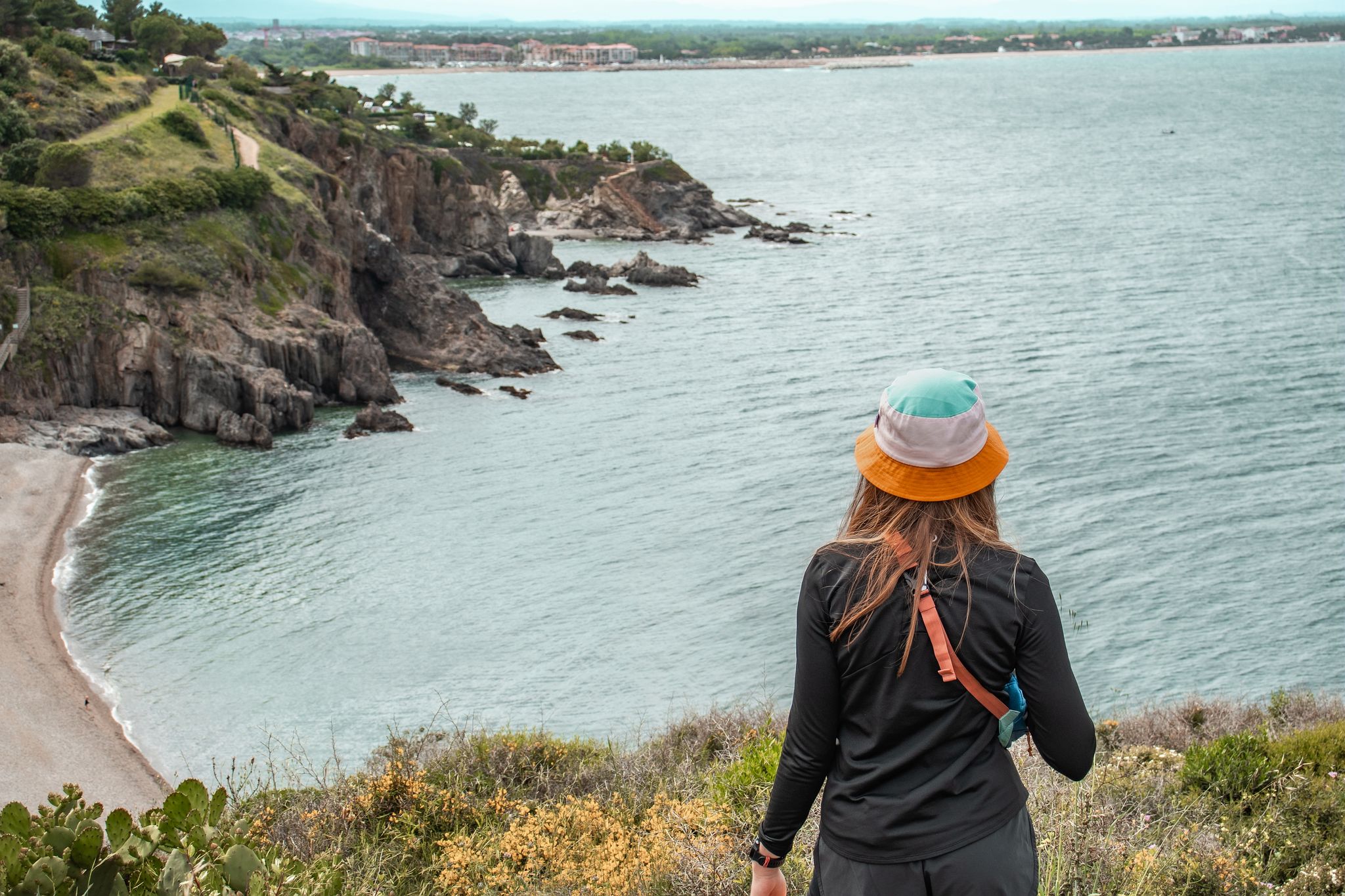
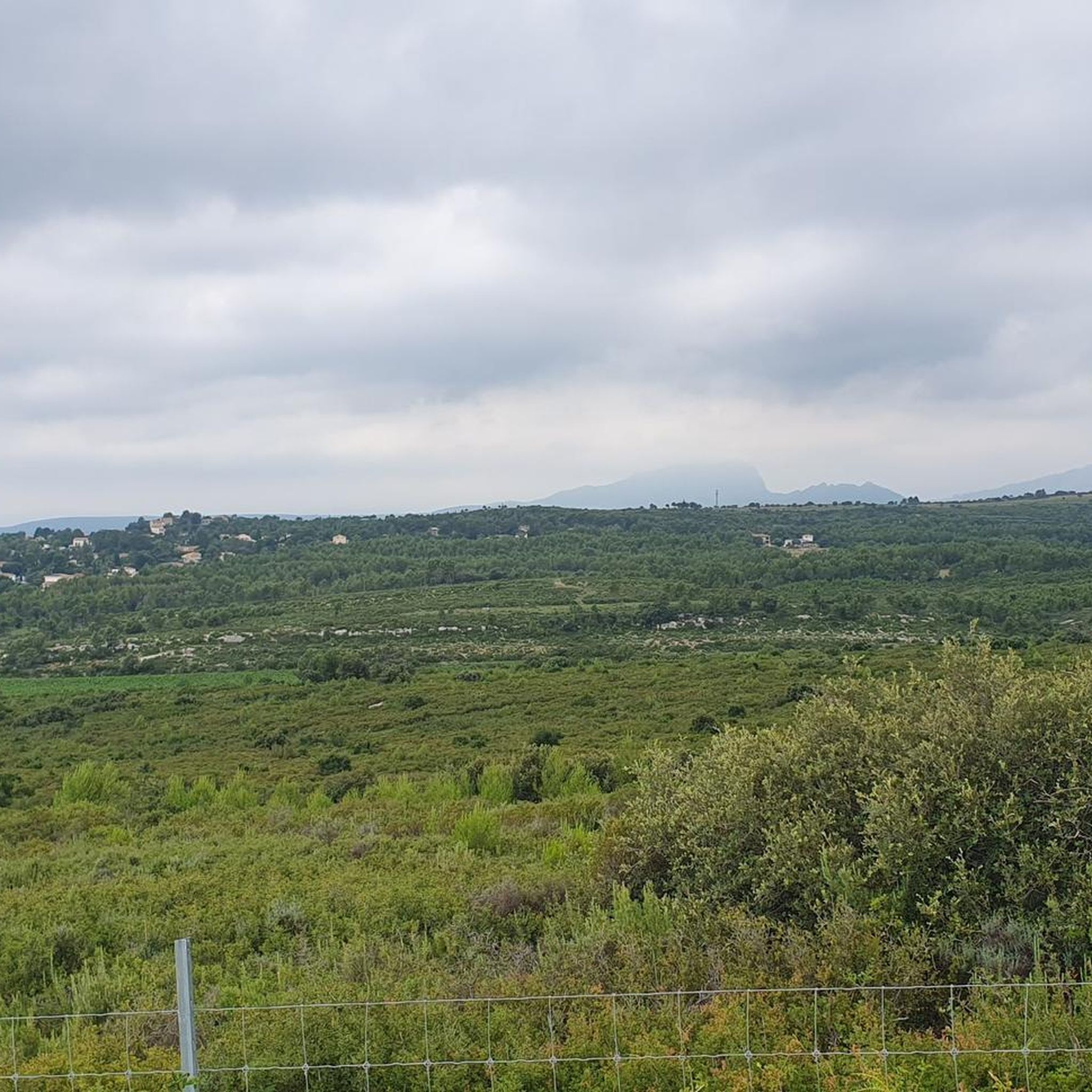
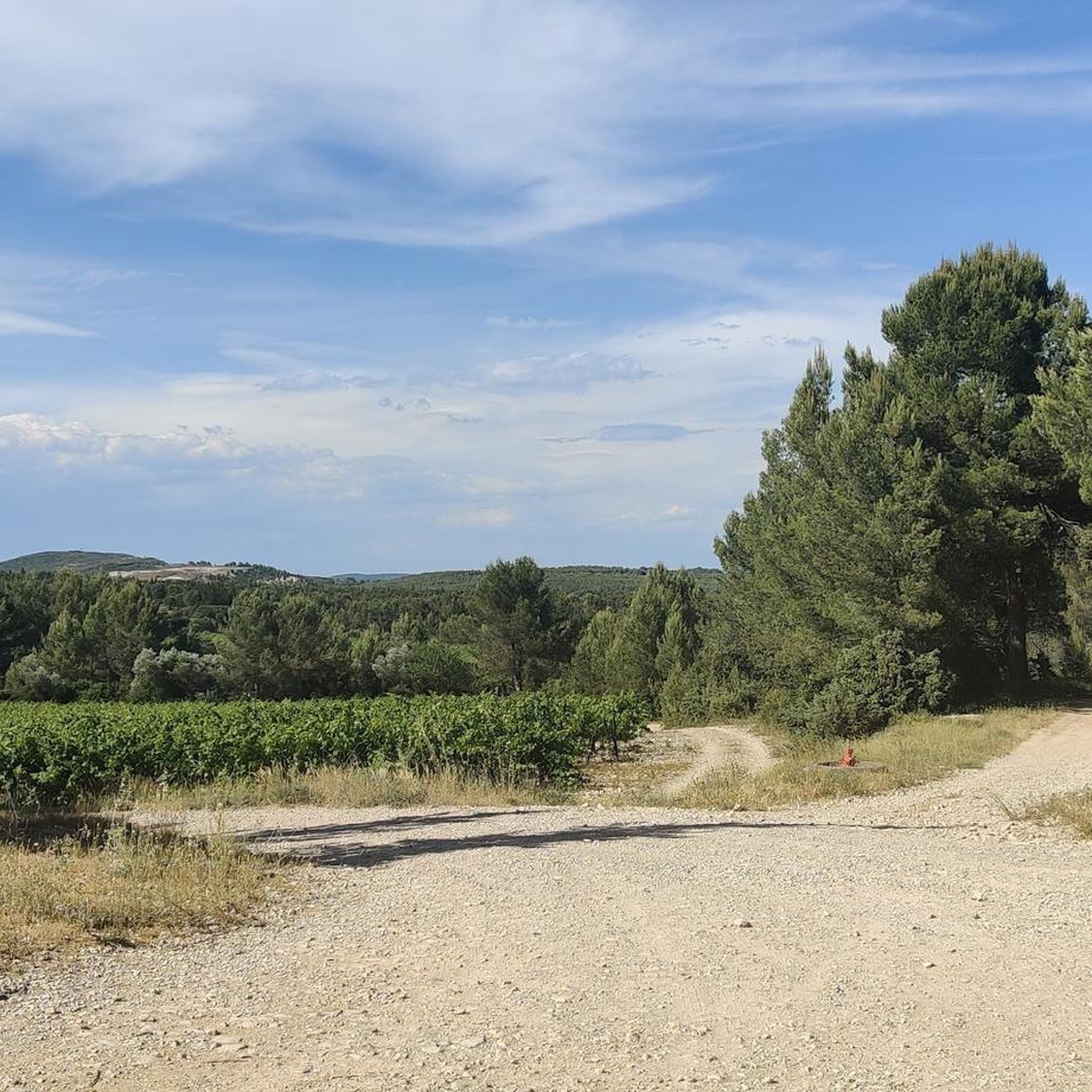
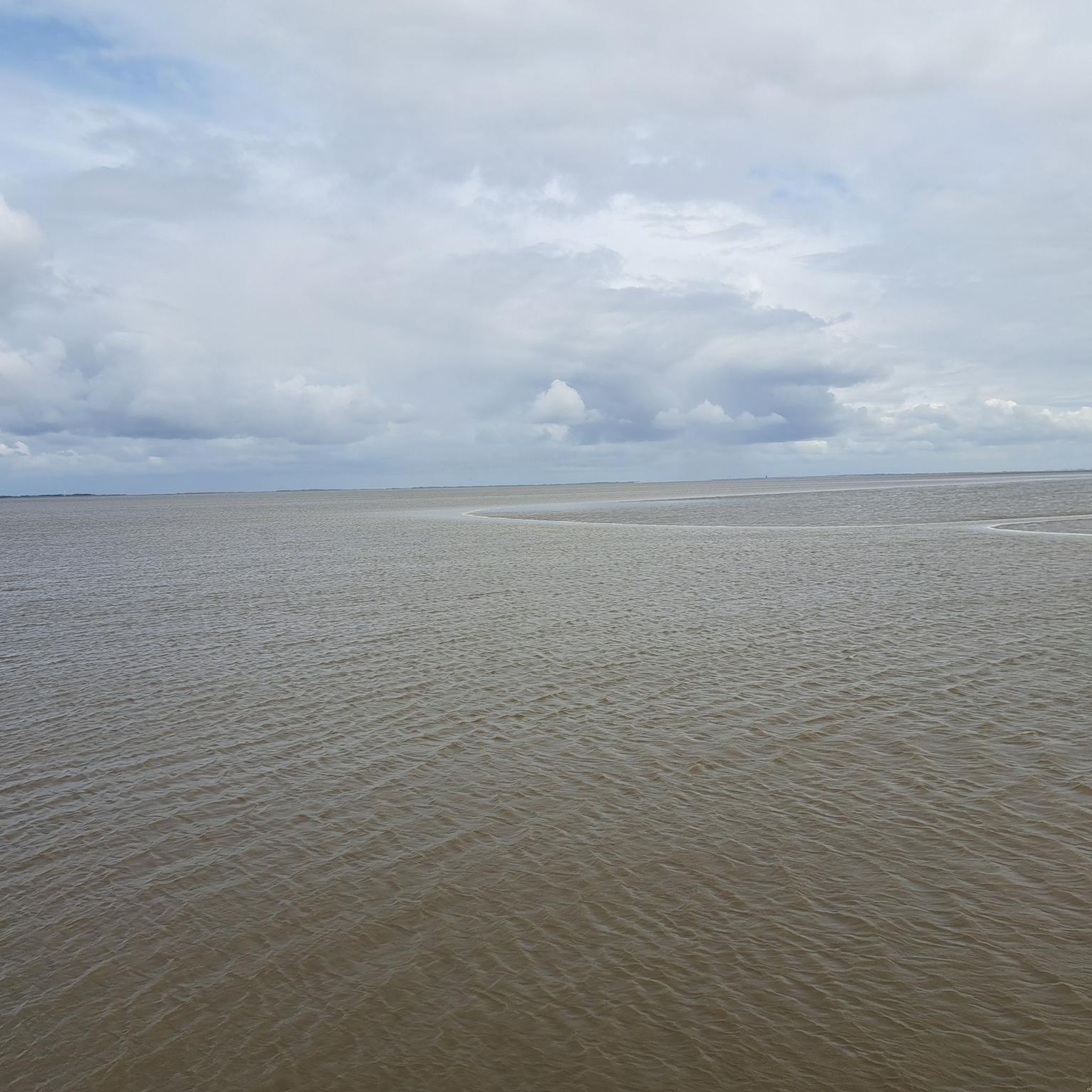
Other adventures around Castries

Tips from the Community


Adorable little lake where it's good to have a picnic and swim before getting back on the road!
0
0

Everyone knows the Pont du Gard, but the Castries aqueduct, much less well-known, is definitely worth the detour (to say the least). A very beautiful hike (possibly parking nearby) done in bright sunshine in the early afternoon, which allowed us to be in a solitary and dry landscape, but where the impressive arches of the aqueduct unfold majestically. An appreciable tranquility in the middle of the past. Superb photos are possible, and the loop allows you to see the covered conduit bringing the water. Sometimes at ground level and sometimes on the arches (there it is no longer covered), it is obviously no longer supplied. The interest is to stroll afterwards (or before) in the village in order to see the "urban" part of the aqueduct.
0
0

This Gothic cathedral is a must-see on any tour of historic Montpellier. The imposing gateway on the west façade, with its enormous round columns, gives the church the appearance of a fortress. On the other sides, it blends so closely into the city that it's difficult to grasp its full dimensions.
10
0

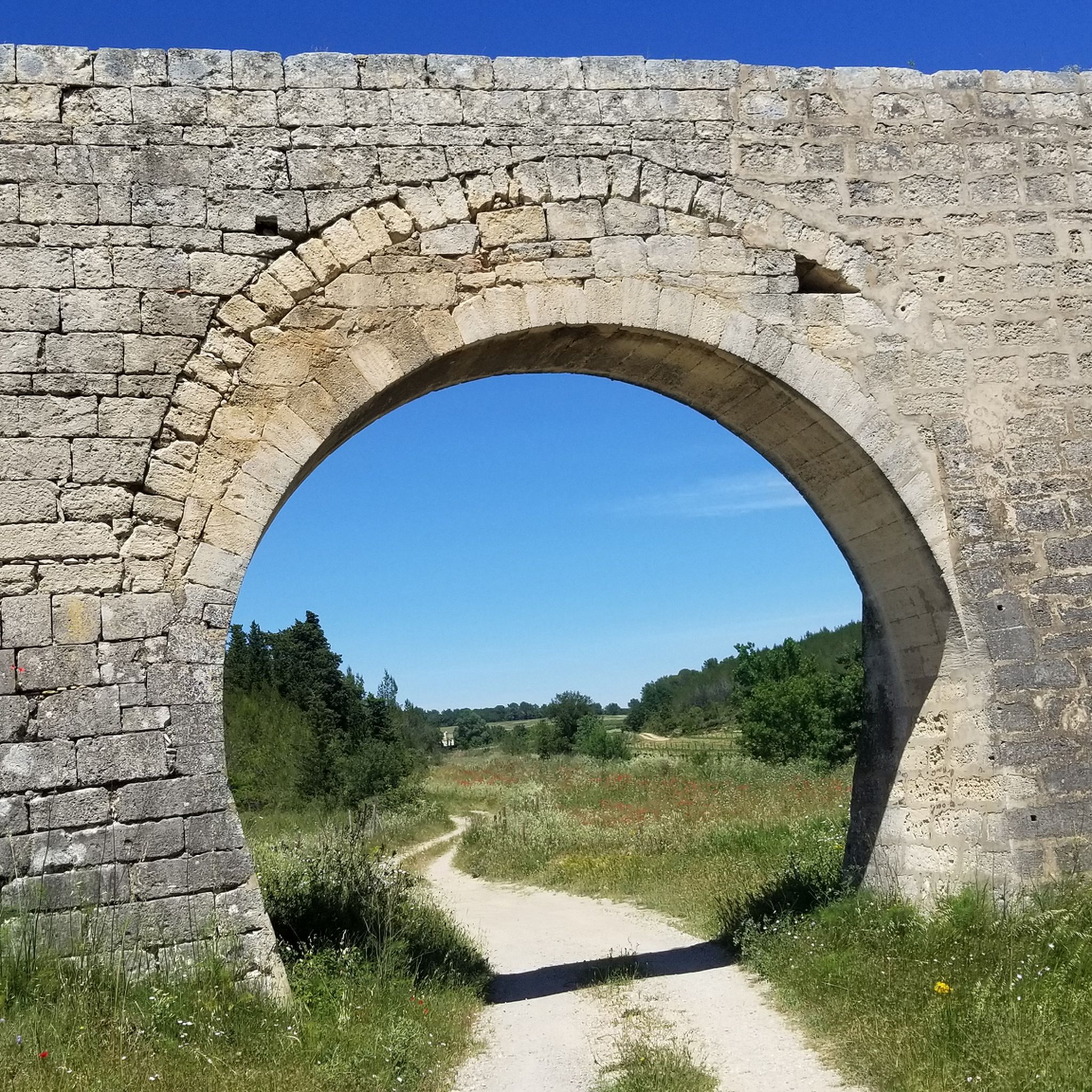
The Castries Aqueduct winds through the bush landscape and offers beautiful walks in the hinterland.
9
0

Some parts are steep and slippery. The loop itself is no longer feasible as it is, on 3 occasions we had to turn back or choose another route because the route was no longer accessible (vegetation too dense, privatization of the passage)
0
0

In the Middle Ages, at the beginning of the second half of the 14th century, the nuns of the Order of Saint Catherine built a convent1. After the religious wars that heralded the Reformation and during the episcopate of Bishop Pierre Fenouillet, a desire for religious reconquest by Catholics was realized in the city of Montpellier2. In 1641, Pierre Fenouillet obtained from his counterpart Fulcrand de Barrès the order to bring six nuns from the Order of Sainte-Ursule de Pézenas. They devoted themselves to the education of poor girls and were settled in part of the convent rebuilt in 1657, which took the name of the Ursuline Convent3. The building was then built by the architect Jean Bonnassier4. From 1697 to 1738, during the episcopate of the Jansenist bishop Joachim de Colbert, the Ursulines were supported to secure their vocation as teachers, open new classes and welcome many residents3. By 1748, however, his successor, Bishop Berger de Charancy, hostile to Jansenism, had the residents withdrawn by entrusting them to the neighboring Visitandine monastery as well as to the Vignogoul monastery3,5. Although the monastery was initially used for religious purposes, it was gradually reused for various warlike reasons. It then functioned as a prison (during the Revolution), then as a barracks for a few years, then again as a prison and then as a women's prison from 18256 to 1934, then as a military prison (in particular during the occupation, the Gestapo occupied the Ursuline convent as a center for interrogation and detention of the resistance fighters) and again as a barracks (Grossetti barracks: Air Force information office) in the post-war period until 1986. The purchase of the Ursuline convent by the municipality takes place in several stages, following the various administrative procedures: as early as 1980, the City of Montpellier announces that it will acquire the site, the Army does not move until 1986 and, following an agreement, the City immediately occupies the premises7, even if the final acquisition deed is not completed until two years later.
0
0

The Gothic cathedral was built at the end of the 14th century according to the wishes of Pope Urban V and is the largest in the Languedoc-Roussillon region. The bell is also the largest in the region, weighing around 4 tons and measuring 1.70 meters in diameter, and was inaugurated in 1778. In front of the cathedral's portal is an unusual-looking, canopy-like structure, which ends with two small round towers.
1
0
Frequently Asked Questions
What historical landmarks can I explore in Castries?
Castries offers a rich history. You can visit the Castries Aqueduct, a significant 18th-century hydraulic work. Other notable sites include Derek Walcott Square, the impressive Cathedral Basilica of the Immaculate Conception, and Morne Fortune, which features remains of French forts and offers panoramic views. The Saint Lucia National Museum also houses artifacts detailing the island's past.
Are there any natural attractions or scenic spots near Castries?
Yes, several natural and scenic spots are easily accessible. Lake Cécélès is a beautiful location for relaxation and photography, with a path circling it. Marigot Bay, southwest of Castries, is renowned for its picturesque beauty and forested hills. Further afield, you can find the iconic Pitons, Sulphur Springs, Diamond Falls & Botanical Gardens, and Toraille Falls.
What kind of outdoor activities are available around Castries?
The area around Castries is great for outdoor enthusiasts. You can enjoy walks along the Castries Aqueduct. For more structured activities, there are numerous running, cycling, and gravel biking routes. For example, you can find various running trails, cycling routes, and gravel biking paths that explore the local landscape.
Can I find family-friendly attractions in Castries?
Absolutely. The Castries Aqueduct is categorized as family-friendly, offering pleasant walks in the hinterland. Rainforest Adventures, just 25 minutes from Castries, provides aerial tram rides, hiking, and ziplining through the rainforest canopy, which are popular with families. Beaches like Vigie Beach also offer relaxing spots for all ages.
Where can I experience local culture and markets in Castries?
For an authentic taste of local life, visit the lively Castries Market. Here, you can find exotic local produce, spices, Creole food, crafts, and souvenirs. It's an excellent place to immerse yourself in St. Lucian culture and even try local breakfast dishes like green fig and salt fish.
Are there any beaches suitable for swimming or relaxation near Castries?
Yes, Castries is close to several beautiful beaches. Vigie Beach is known for its palm trees and proximity to the cruise port, offering a relaxing spot. La Toc Beach, home to the Sandals Regency La Toc resort, is described as calm and clean. Marigot Bay, while not a traditional beach, is excellent for snorkeling and scuba diving.
What are some notable viewpoints offering panoramic views of Castries?
Morne Fortune is a prime location for panoramic views of Castries and its harbor. It's a historic military site where you can also find Fort Charlotte. Additionally, the View of the Castries aqueduct highlight offers a beautiful perspective of this historic structure and the surrounding landscape.
What unique geological features can be explored near Castries?
While not directly in Castries, the region offers unique geological features. The Pitons, a UNESCO World Heritage Site, are iconic volcanic peaks. Nearby, you can visit Sulphur Springs, a drive-in volcano where you can experience therapeutic mud baths. Diamond Falls and Toraille Falls also showcase the island's volcanic and hydrological activity.
What is the <a href="https://www.komoot.com/highlight/2705401" target="_blank" rel="noopener">Castries Aqueduct</a>, and what can I do there?
The Castries Aqueduct is a significant man-made monument, an 18th-century hydraulic work. It offers beautiful walks through the hinterland, allowing you to discover this impressive vestige. Many visitors enjoy hiking along its nearly 7 km length, appreciating the majestic arches and the tranquility of the surroundings.
What is <a href="https://www.komoot.com/highlight/212769" target="_blank" rel="noopener">Lake Cécélès</a> like for visitors?
Lake Cécélès is a serene lake, ideal for relaxation and photography. A narrow path goes around it, making it suitable for walks. Please note that access to the lake may be charged during certain seasons for cars and individuals wishing to cool off.
What is the <a href="https://www.komoot.com/highlight/320928" target="_blank" rel="noopener">Kathedrale St. Pierre</a>?
The Kathedrale St. Pierre is a Gothic cathedral and a must-see historical site. Its imposing gateway with enormous round columns gives it a fortress-like appearance. Inside, you'll find 12 chapels, various artworks, and stunning stained glass, reflecting centuries of renovation and expansion.
What do visitors enjoy most about the attractions around Castries?
Visitors particularly appreciate the blend of historical significance and natural beauty. The Castries Aqueduct is loved for its beautiful walks and historical context, while Lake Cécélès is praised for its peaceful atmosphere and photographic opportunities. The region's attractions are well-regarded by the komoot community, with over 300 upvotes and more than 50 photos shared.
Most popular routes around Castries
Most popular attractions around Castries

Get inspired with the komoot mobile app


Explore more
Still not found the Highlight you’re looking for? See guides of the top attractions in other regions:
