The best road cycling routes around Capestang
4.5
(229)
5,215
riders
216
rides
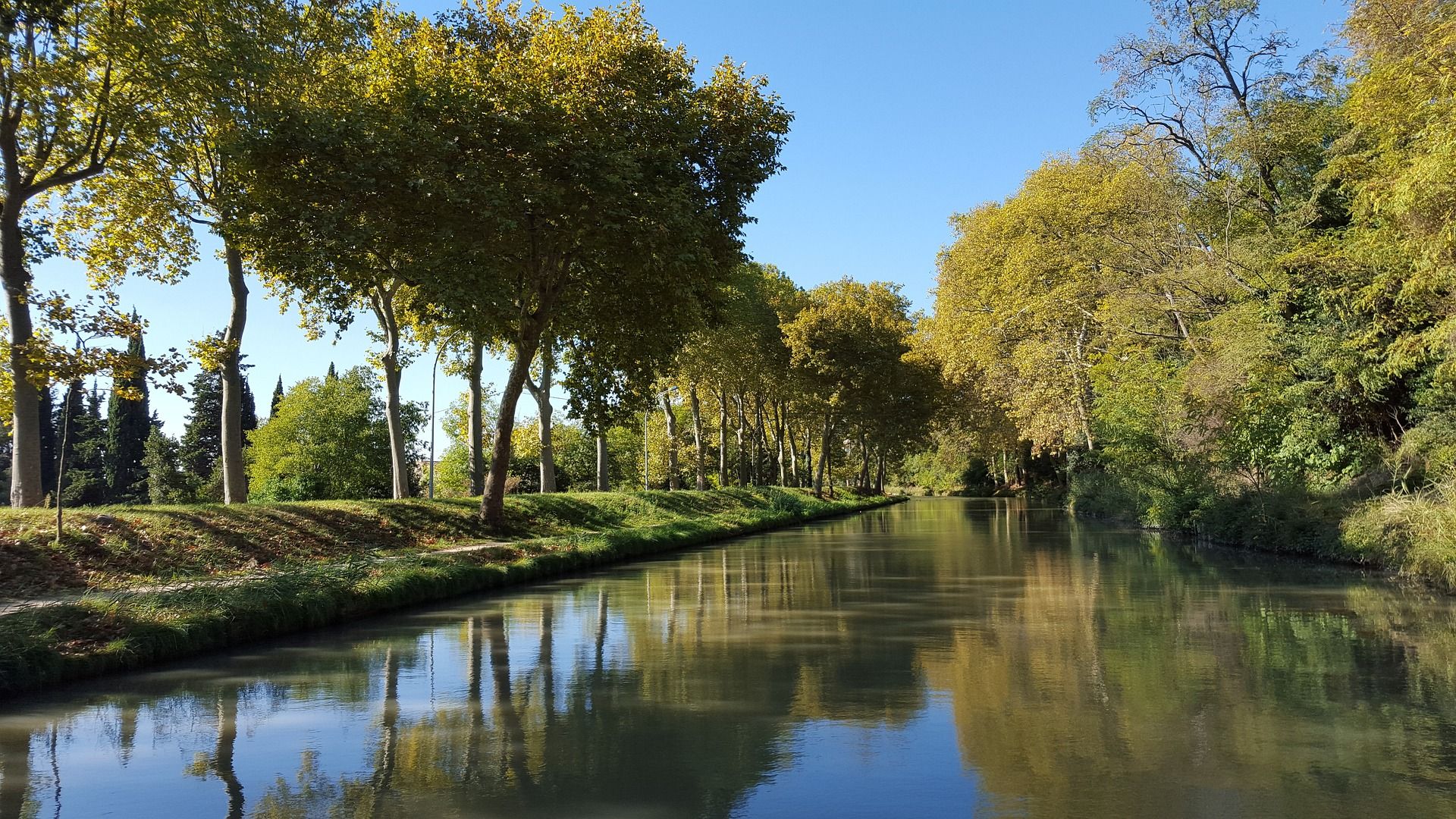
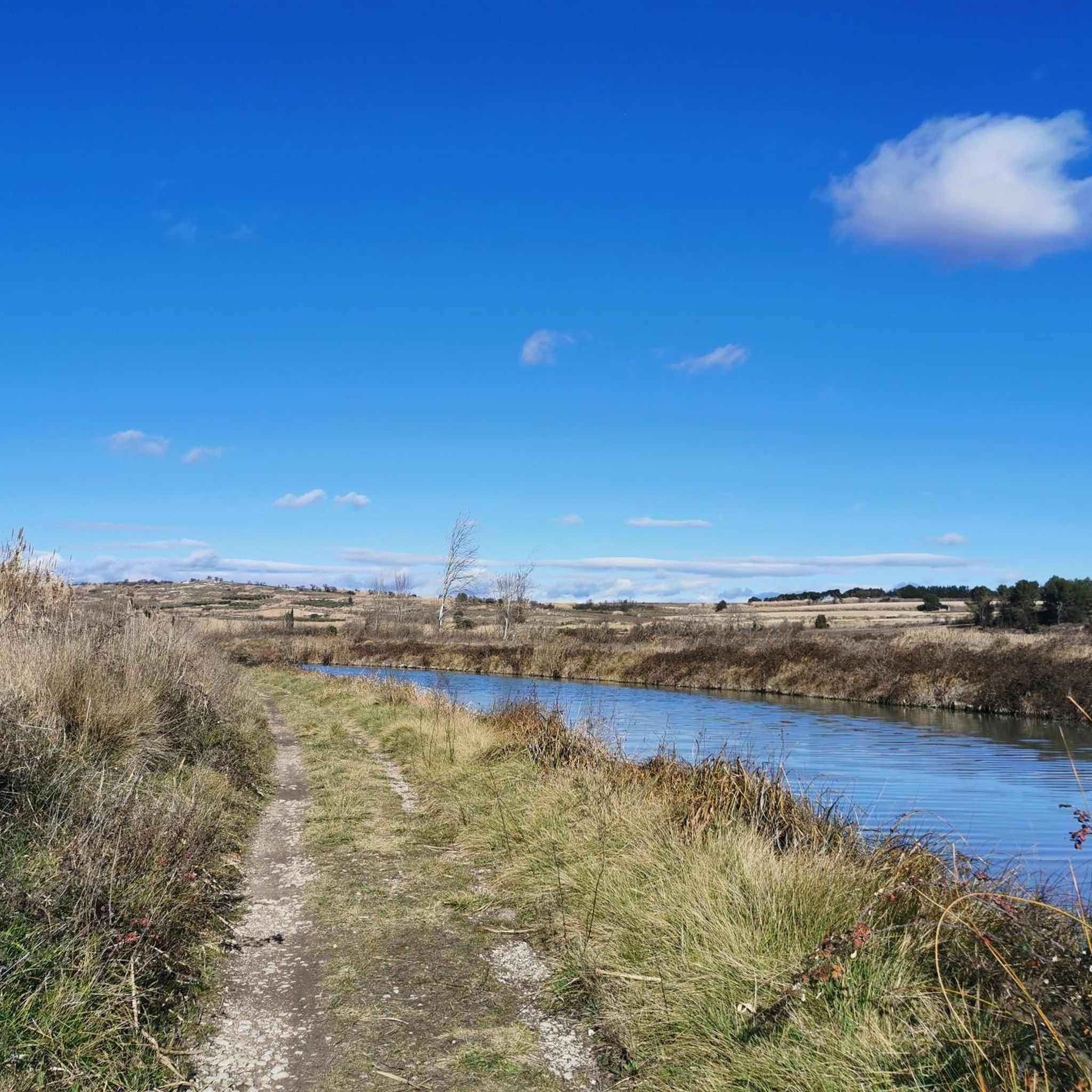
Road cycling routes around Capestang are characterized by the flat towpaths of the Canal du Midi, a UNESCO World Heritage site, offering extensive car-free environments. The surrounding landscape features plains, wine-growing hills ("puechs"), and olive groves, providing varied scenery. While many routes follow the canal, more challenging terrain with elevation gain can be found in areas like the Massif de la Clape. The region's network of roads and dedicated paths caters to different cycling preferences.
Best road cycling routes around…
Last updated: October 8, 2026
4.3
(6)
23
riders
40.2km
01:48
260m
260m
Easy road ride. Great for any fitness level. Mostly well-paved surfaces and easy to ride.
5.0
(1)
26
riders
Moderate road ride. Good fitness required. Mostly well-paved surfaces and easy to ride.

27
riders
43.3km
01:58
420m
420m
Moderate road ride. Good fitness required. Mostly well-paved surfaces and easy to ride.
7
riders
29.6km
01:23
260m
260m
Moderate road ride. Great for any fitness level. Some segments of this route may be unpaved and difficult to ride.
5.0
(1)
8
riders
41.2km
01:56
520m
520m
Moderate road ride. Good fitness required. Mostly well-paved surfaces and easy to ride.
Get access to more routes and recommendations from other explorers.
Already have an account?
Our route recommendations are based on thousands of hikes, rides, and runs completed by other people on komoot.
Start today with a free account
Your next adventure awaits.

Other adventures around Capestang

Tips from the Community

if the lilly passeur ferry is not there on the Orb, you have to go back to Sérignan and take this bridge
0
0

The Canal du Midi, formerly Canal Royal, is a 17th-century technical feat designed by Pierre-Paul Riquet to connect the Atlantic to the Mediterranean. Today, it is above all a place for relaxation and discovery, where heritage, nature, and conviviality blend together.
0
0
At the place called « Le Malpas » (bad passage in Occitan), the Canal du Midi crosses a hill that separates the valleys of the Aude and the Orb. The importance of the relief led Pierre-Paul Riquet to have a 160 m long tunnel dug for the passage of the canal. It is the oldest navigation tunnel in Europe. Carried out in 1679-1680, this construction site is one of the most emblematic of Riquet's undertaking.
0
0
In the heart of the Grand site d'Occitanie, Colombiers invites you for a peaceful stop along the Canal du Midi, at its charming bucolic little river port.
0
0
In the heart of the Grand site d'Occitanie, Colombiers invites you for a peaceful stop along the Canal du Midi, at its small riverside port with bucolic charm.
0
0

In the heart of old Puisserguier lies a heritage site dating back to the Middle Ages: the church of the Conversion of Saint-Paul and the Bérenger castle. The castle, mentioned as early as the 11th century, was the center of the seigniorial power of the castrum of Podio Serigorio. The Bérenger family, which gave it its name, was among the lords of the place and was linked to the great families of medieval Languedoc, particularly the Trencavels. The current church has a history closely linked to the castle. Originally a castle chapel dedicated to Saint Thomas, it was reserved for the lords before becoming the parish church of Puisserguier in 1760, after the disappearance of the old place of worship located outside the village. Remodeled in the 18th and 19th centuries, it nevertheless retains its Gothic bell tower and houses two remarkable paintings by the painter Jacques Gamelin.
2
0
In the heart of old Creissan, a heritage site unfolds, telling more than a thousand years of history. The Saint-Martin church, mentioned as early as the 10th century, belonged to the powerful chapter of the Saint-Just cathedral in Narbonne, which held lordship over the village for several centuries. It was solemnly consecrated in 1132, during a religious assembly bringing together several bishops, an exceptional event that testifies to the village's importance in the Middle Ages. This modest Romanesque church retains the characteristics of 12th-century Languedoc religious architecture: a single nave covered by a barrel vault and a semi-dome apse. More unusually, the remains of an old well are visible within the building. A short walk away, the castle of Creissan recalls the other facet of medieval power: that of the lords who administered the territory alongside the religious authorities. Together, the Saint-Martin church and the old castle form the historic heart of the village.
2
0
Much more than a simple village church, Notre-Dame-de-l'Assomption was originally the chapel of the seigniorial castle of Villespassans. Built between the 12th and 16th centuries, it has the particularity of housing two superimposed naves, testifying to the different phases of its evolution. Its massive square tower, built of dressed stone, still dominates the heart of the old medieval village, where remains of the ramparts also still exist. Villespassans developed on a ridge of Hettangian dolomites, limestone rocks about 200 million years old that mark the early Jurassic period. These extensive terrains offer a solid base on which the village was established and partly explain its dominant position in the landscape. Nicknamed the "village of a thousand and one stones", Villespassans is also renowned for its remarkable dry stone heritage: *capitelles*, low walls, dolmens, and old agricultural constructions dot the surroundings.
2
0
Frequently Asked Questions
What kind of terrain can I expect on road cycling routes around Capestang?
Road cycling around Capestang primarily features the flat towpaths of the Canal du Midi, offering extensive car-free environments. You'll also find routes through expansive vineyards, olive groves, and gentle hills. For more challenging terrain with elevation gain, areas like the Massif de la Clape provide a different experience.
How many road cycling routes are available around Capestang?
There are over 230 road cycling routes around Capestang, catering to various skill levels. This includes 45 easy routes, 139 moderate routes, and 49 more difficult options, ensuring there's a ride for every cyclist.
Are there any family-friendly road cycling options in Capestang?
Yes, Capestang is well-suited for family cycling, especially along the Canal du Midi. Its largely car-free and shaded towpaths provide a safe and pleasant environment for all ages. Many routes are relatively flat, making them ideal for families.
What are some notable landmarks or attractions I can see while road cycling near Capestang?
While cycling, you can encounter impressive structures like the Fonseranes Locks near Béziers, a remarkable feat of 17th-century engineering. The region also boasts historical sites such as the Orb Canal Bridge and the charming Port of Somail. Capestang itself features the Collegiate Church of Saint-Étienne and the Archbishop's Castle.
Are there any circular road cycling routes starting from Capestang?
Yes, many routes around Capestang are designed as loops. For example, the Canal du Midi Capestang loop offers an easy 36.8 km ride. Another popular option is the Massif de la Clape – Notre-Dame de Liesse Chapel loop, which provides a more challenging 57 km experience.
What is the best time of year for road cycling in Capestang?
The region around Capestang is pleasant for cycling for much of the year. Spring and autumn offer mild temperatures and beautiful scenery, ideal for longer rides. Summer can be warm, but the shaded sections along the Canal du Midi provide relief, making it enjoyable even during warmer months.
Are there options for more challenging road cycling routes with significant elevation gain?
While many routes are relatively flat, you can find more challenging options. The Massif de la Clape – Notre-Dame de Liesse Chapel loop from Capestang, for instance, is a 57 km route with over 390 meters of elevation gain, offering a more demanding ride through varied terrain.
What do other road cyclists enjoy most about cycling in Capestang?
The road cycling routes in Capestang are highly rated by the komoot community, with an average score of 4.6 stars. Cyclists often praise the picturesque and largely car-free environment of the Canal du Midi, the varied landscapes including vineyards and olive groves, and the blend of historical sites with natural beauty.
Can I find amenities like cafes or accommodation along the road cycling routes?
Yes, the Capestang region is well-equipped for cyclists. Many accommodations are accustomed to welcoming riders, offering amenities like secure bike parking. Along the Canal du Midi and in the charming villages, you'll find cafes and restaurants perfect for a break during your ride.
Are there any dedicated cycling paths or greenways in the Capestang area?
Beyond the Canal du Midi towpaths, Capestang also offers dedicated cycling paths. The "Camin'Arts" greenway provides an 11 km cycling path, with a possible 13 km return loop that can take you past the local castle, offering a safe and scenic ride.
What are some longer road cycling routes that pass through or start from Capestang?
Capestang serves as a key point on longer cycling routes. For ambitious cyclists, routes extend towards Carcassonne or even form part of the "Canal des 2 Mers by bike - Atlantic / Mediterranean Sea" route, which can take you as far as Bordeaux or Saint-Jean-Pied-de-Port. A popular section is the 20.61 km route from Capestang to Béziers, rich in attractions. For more details on the Canal des 2 Mers route, you can visit France Vélo Tourisme.
Most popular attractions around Capestang

Get inspired with the komoot mobile app


Explore more
Browse the best Road cycling routes in other regions.
