Attractions and Places To See around Ferrières-Les-Verreries - Top 20
Best attractions and places to see around Ferrières-Les-Verreries include a variety of historical, cultural, and natural sites. Situated in the authentic landscape of the Causse de l'Hortus, the village is known for its prehistoric remnants, including numerous dolmens and tumuli, and its historical glassmaking tradition. The area is integrated into the Natura 2000 site of the High Garrigues of Montpellier, offering diverse environments for exploration. Visitors can discover ancient landmarks, natural features like mountain peaks and water sources, and cultural sites reflecting the region's rich past.
Best attractions and places to see around Ferrières-Les-Verreries
- The most popular attractions is Summitof Saint-Loup, a summit that offers magnificent 360-degree views extending from the sea to the Cévennes. The hike to the summit involves a good elevation gain but is direct and relatively short.
- Another must-see spot is The Ravin des Arcs, an area offering an intermediate to difficult hiking experience. Visitors can expect a sporty route where navigation might require clinging to trees, and the riverbed can be dry in summer or impassable in winter.
- Visitors also love Saint-Étienne-d'Issensac Bridge, a medieval bridge spanning the Hérault river. This 14th-century stone bridge, originally built for pilgrims, retains three of its five arches and offers views of the Hérault.
- Ferrières-Les-Verreries is known for its historical landmarks, natural viewpoints, and ancient cultural sites. The region offers a variety of attractions to see and explore, from prehistoric dolmens to significant natural summits.
- The attractions around Ferrières-Les-Verreries are appreciated by the komoot community, with more than 300 upvotes and over 80 photos shared across 9 highlights.
Last updated: October 9, 2026
Summitof Saint-Loup
Highlight • Summit
Translated by Google •
Tip by

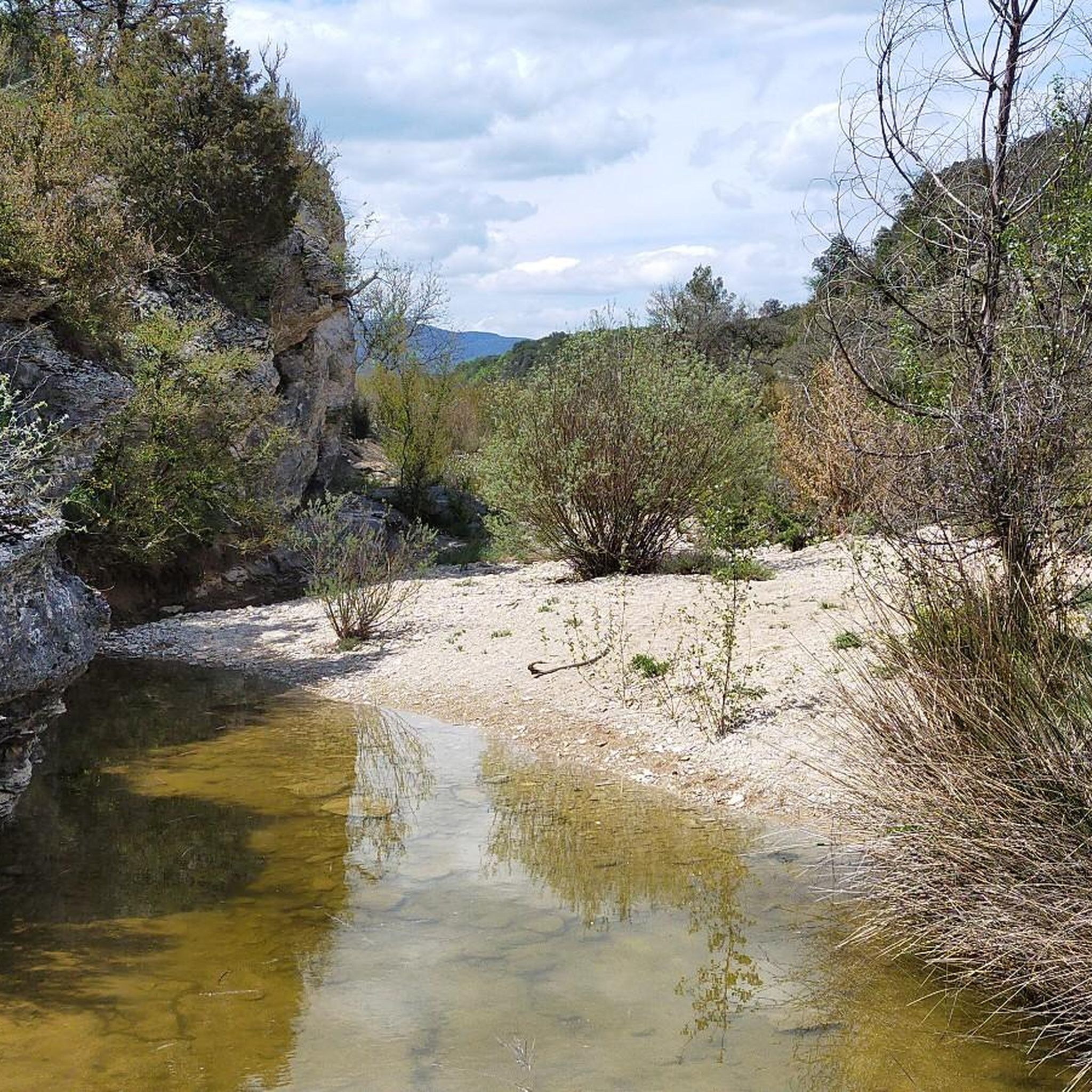
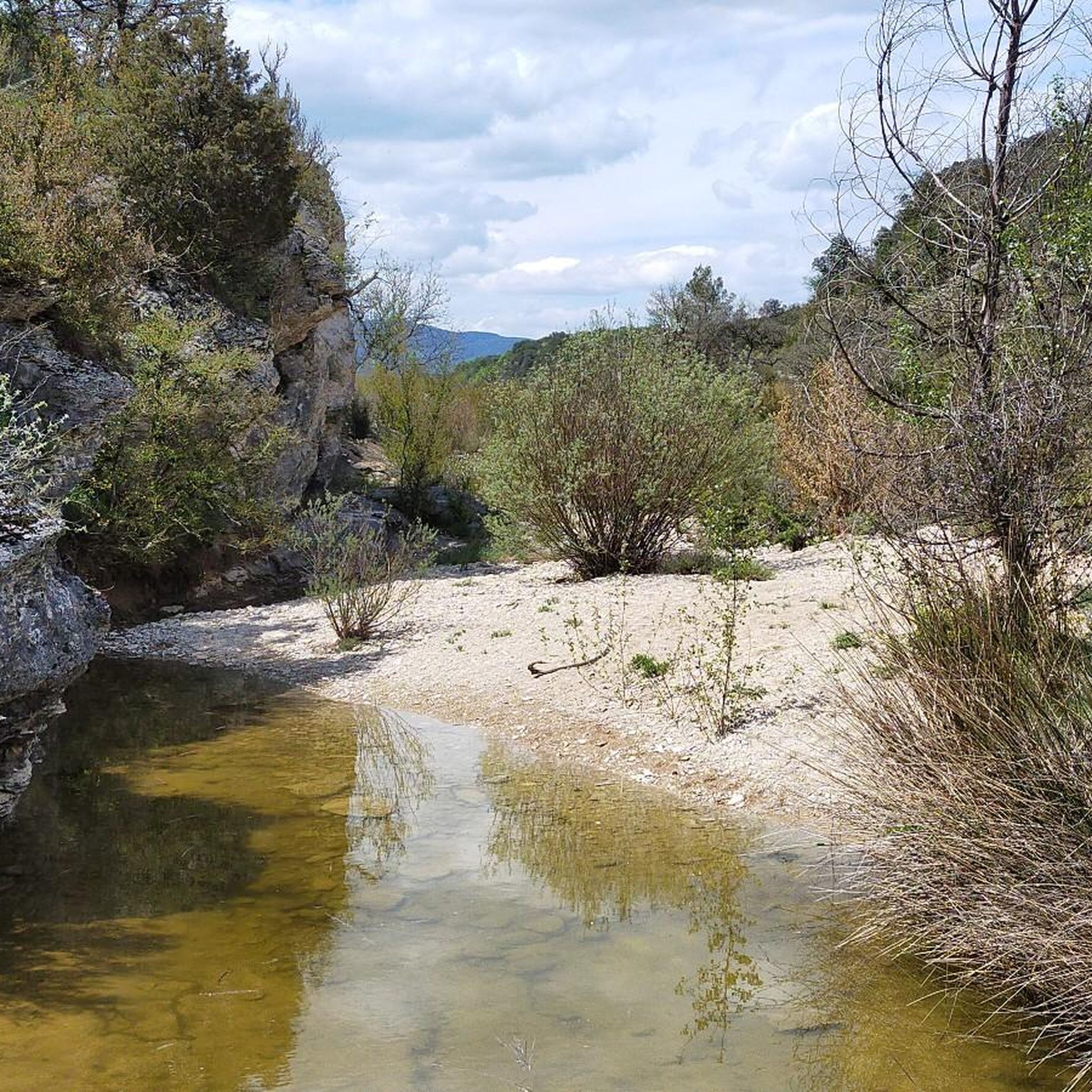
The Ravin des Arcs
Highlight • Other
In winter, with the rains, it is often impossible to do the loop due to the water level. In summer it is totally dry, we walk in the bed of the river.
Parking not huge.
Translated by Google •
Tip by

Sign up now to discover places like this
Get recommendations on the best single tracks, peaks, & plenty of other exciting outdoor places.
Hortus Summit
Highlight • Summit
Translated by Google •
Tip by

Saint-Étienne-d'Issensac Bridge
Highlight • Bridge
The surface is cobblestone and a little chaotic. You will probably have to slow down and maybe even dismount.
Finally, it is a bathing place, fitted out in summer.
Translated by Google •
Tip by

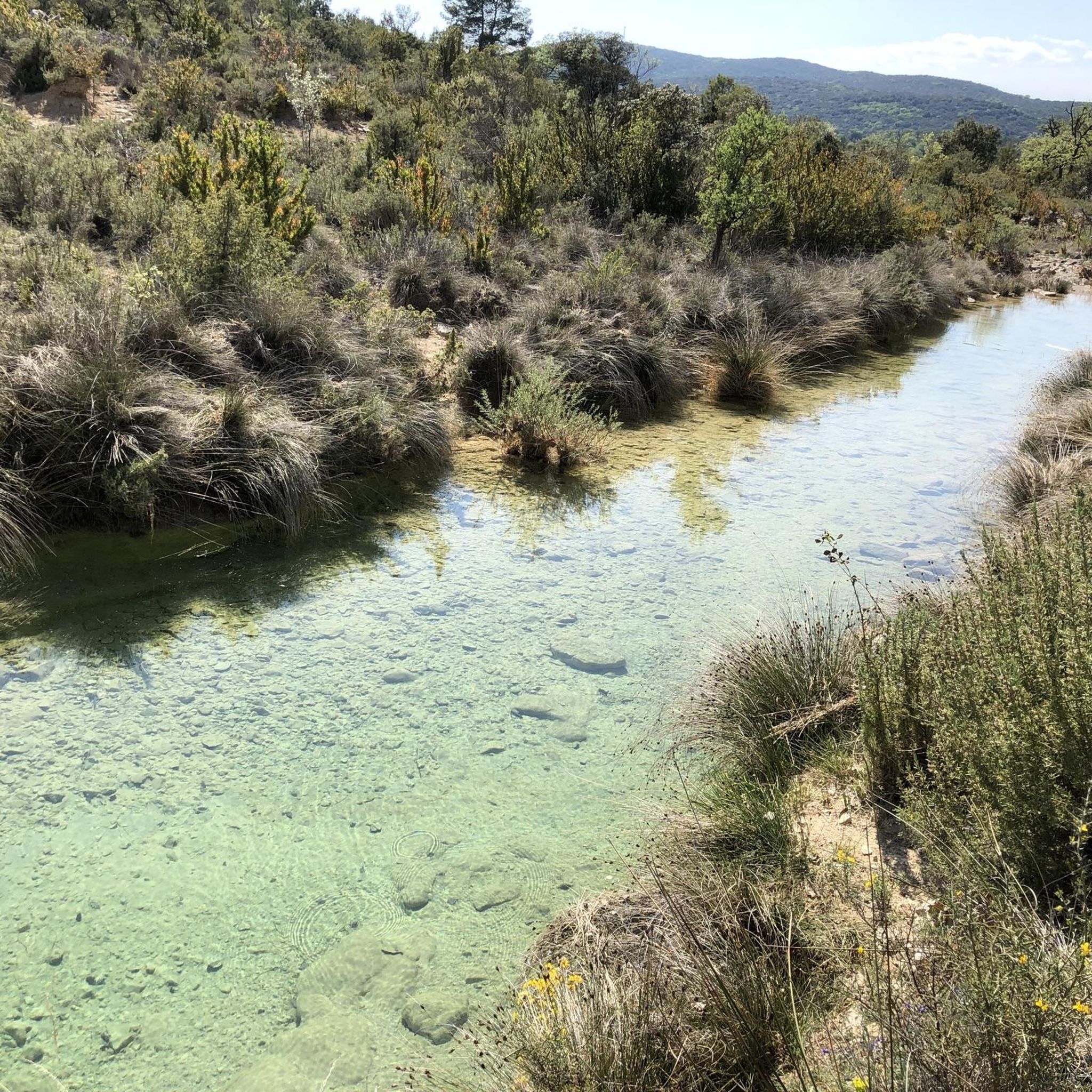
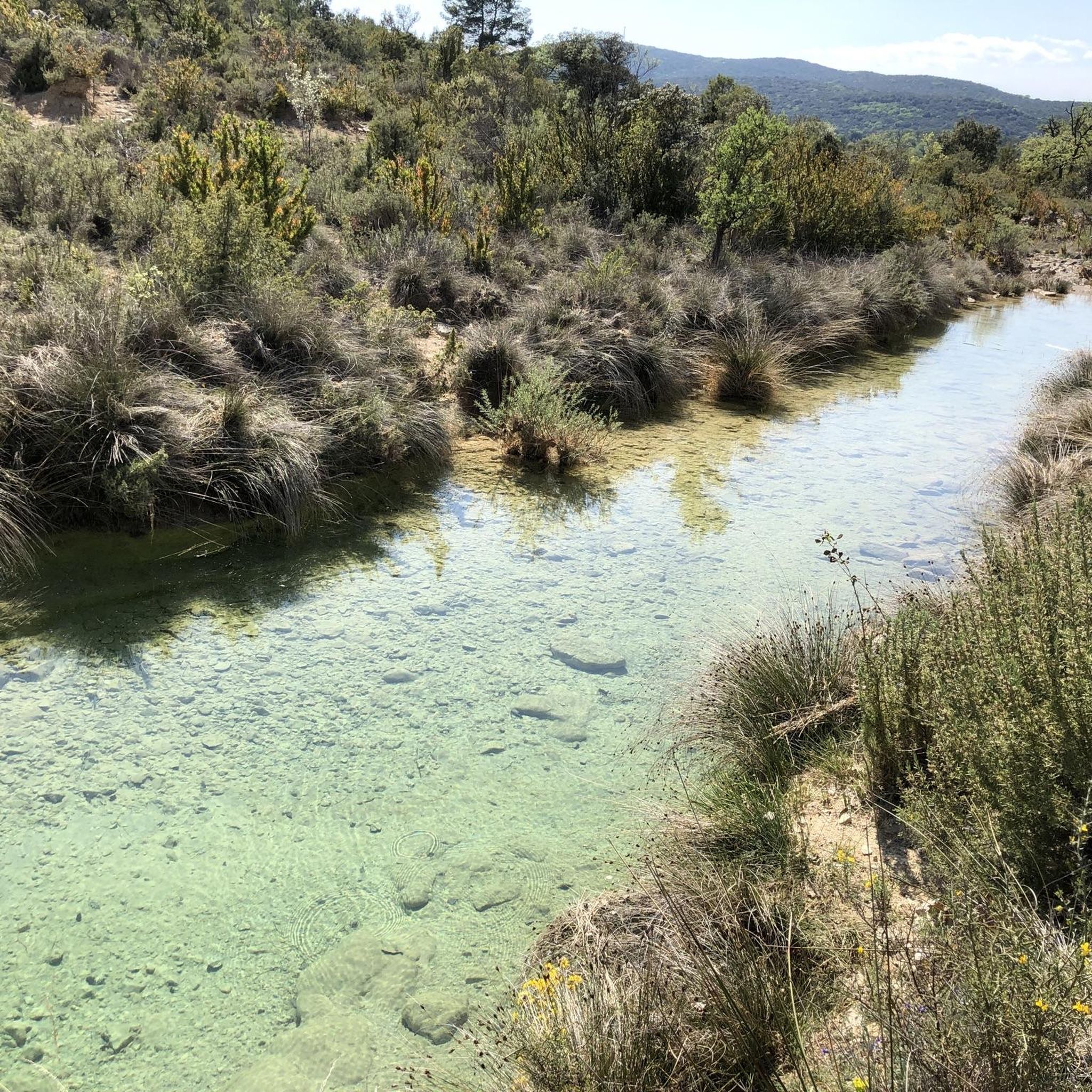
Lake Cécélès
Highlight • Lake
A path goes around, very narrow, prefer the feet to the bike.
Translated by Google •
Tip by

Sign up for free to discover even more attractions around Ferrières-Les-Verreries.
Already have an account?
Start today with a free account
Your next adventure awaits.
Tips from the Community

Please note that ... from June to August access is subject to a fee! (Only if you arrive via the main entrance). Whether you are on a bike or on foot, for a short trip to Ste Croix, you will have to pay 5 euros to pass ... (even if you don't swim, don't go to the "guinguette", etc ...). In short ... prefer another nearby passage, or come back off-season.
0
0

The markers are difficult to find after crossing the river (for the difficult circuit) The signage is not kept up to date. At the river crossing, there are 2 possibilities: - going upstream to the right, a small, well-marked loop. - going upstream to the left, a large, unmarked loop with a technical passage. The ladder that had been there for many years has disappeared, what a shame!!!! (If the person I met and walked with for a good part of this hike recognizes themselves from August 7th, don't hesitate to get in touch)🫡
0
0
The markers are difficult to find after crossing the river. (For the difficult trail) The marking is not kept up to date. At the river crossing, 2 possibilities: Going up to the right, a small well-marked loop. Going up to the left, a large unmarked loop with a technical passage. There was a ladder for several years at one point on the route to observe a large enormous cave..... Ladder disappeared, what a shame !!!!
0
0

An exceptional site, but one that can quickly become dangerous if you're careless. The arch is a nice sight! Note that there's a hole in the middle that you can descend (by canyoning or caving), and then jump into the water (depending on the season), at the end of a rope, of course. The water is stagnant, not very enjoyable in the summer. The rest of the river is dry in the summer. It's a good opportunity to explore the caves, which are fairly easy to access, even if you reach the end of the line quite quickly.
1
0

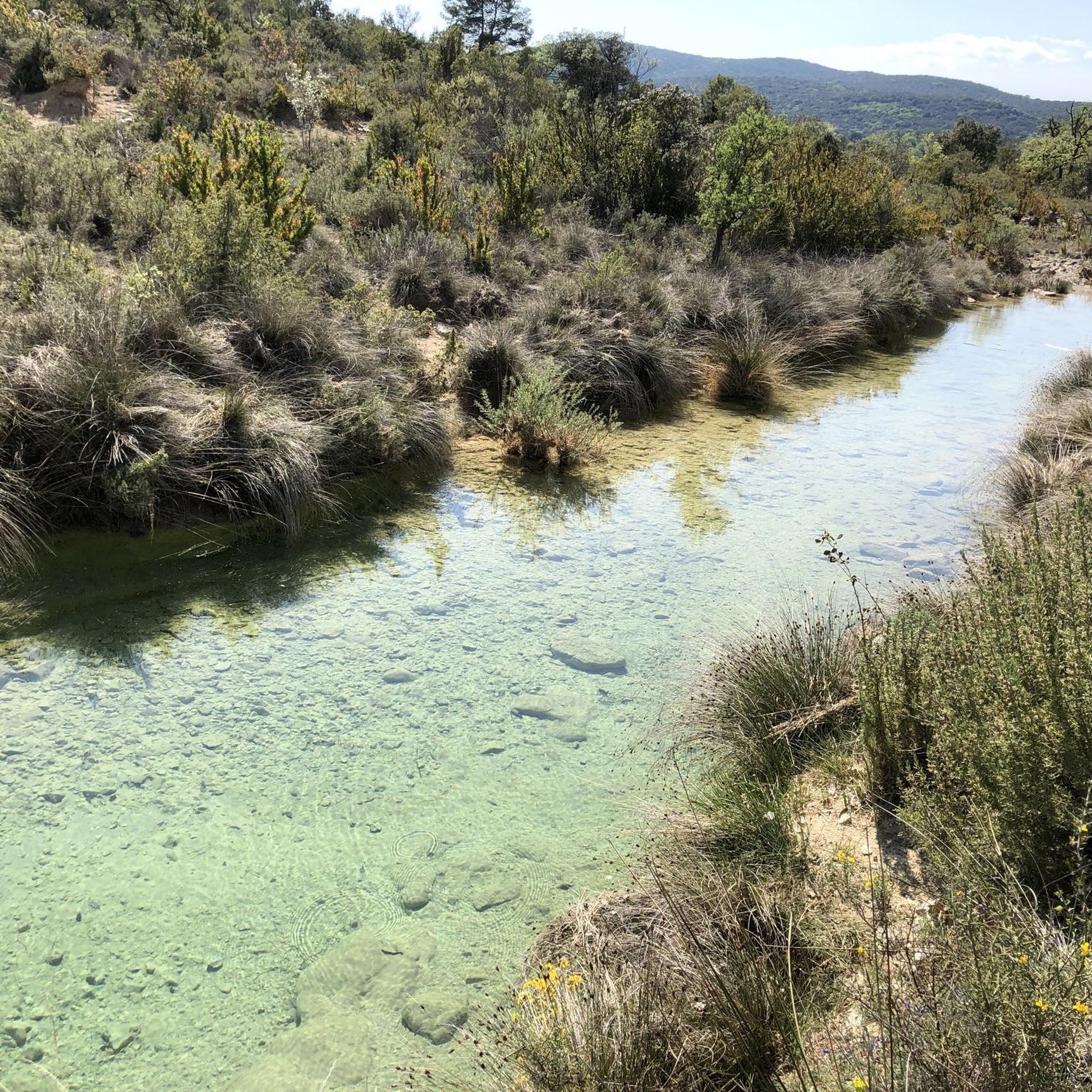
Adorable little lake where it's good to have a picnic and swim before getting back on the road!
0
0

We visited in the summer during a long drought, which made it possible to follow the route. This might be different if there's been a lot of rain or in winter. We had to climb quite a few sections, but there were some beautiful sights. Definitely recommended.
1
0

A very beautiful route, the only drawback being that it's extremely popular, being close to Montpellier. There are several variations ranging from 7 to 25 km.
0
2

This path is complicated, difficult level
1
0
Frequently Asked Questions
What historical sites can I visit in Ferrières-Les-Verreries?
The region is rich in history. You can explore the ancient Dolmen of Ferrières, a megalithic monument dating back to 2500-2300 BC, hidden within an oak wood. Another significant site is the Saint John the Baptist Church, an 11th-century Romanesque building with a classified bell from 1646. Don't miss the Archaeological Site of the Couloubrines Glassworks, which showcases Renaissance-era glassmaking methods.
Are there opportunities for hiking and exploring nature around Ferrières-Les-Verreries?
Yes, the area is integrated into the Natura 2000 Site of the High Garrigues of Montpellier, offering diverse landscapes ideal for hiking. You can find various trails, including the Asphodels Hike, which is particularly vibrant in spring. For more challenging routes, consider the trails around Hortus Summit, which offers magnificent 360-degree views.
What natural viewpoints offer the best panoramic views?
For breathtaking panoramic views, head to Hortus Summit. From here, you can enjoy magnificent 360-degree vistas extending from the sea to the Cévennes and the neighboring Pic Saint-Loup.
What outdoor activities are available near Ferrières-Les-Verreries?
Beyond hiking, you can enjoy cycling and mountain biking. There are several routes, such as the Cycling Loop n°21 - In the Footsteps of the Glassmakers, which explores the region's heritage. For mountain biking, consider trails around Lake Cécélès. You can find more options for cycling, MTB, and running in the nearby guides.
Are there family-friendly attractions or activities in the area?
While specific family-friendly attractions aren't detailed, the natural environment offers opportunities for family outings. Easy walks and exploring the village itself can be enjoyable. The Lake Cécélès area, though sometimes paid in season, can be a nice spot for relaxation and photography with children.
When is the best time of year to visit Ferrières-Les-Verreries?
The region offers beauty year-round. Spring is particularly vibrant for hikes like the Asphodels Hike, when thousands of asphodel stalks brighten the landscape. Summer allows for dry riverbed walks in places like The Ravin des Arcs, though some natural water sources might be low. The views from mountain peaks are magnificent in clear weather, which can occur across seasons.
What unique natural features can I discover?
Beyond the panoramic views, you can explore the sources of the Gorniès and Boulidou streams, which contribute to the local hydrography. The Gorniès stream once powered a mill, adding a historical dimension to its natural beauty. The entire Causse de l'Hortus is an authentic and wild landscape worth discovering.
What do visitors particularly enjoy about the attractions here?
Visitors frequently praise the magnificent 360-degree views from summits like Hortus Summit. The challenging yet rewarding hikes, such as those in The Ravin des Arcs, are also highly appreciated for their sporty nature and beautiful scenery. The historical significance of sites like the Saint-Étienne-d'Issensac Bridge and the overall charm of the medieval village are also highlights for many.
Are there any lesser-known spots worth exploring?
The village of Ferrières-Les-Verreries itself, with its medieval architecture and quiet charm, is a hidden gem inviting visitors to immerse themselves in the history of Languedoc. Additionally, the numerous dolmens and tumuli scattered throughout the area offer ancient cultural markers that reveal the region's prehistoric past, often found in secluded spots.
Can I find easy walks suitable for all fitness levels?
While some trails can be challenging, there are options for easier exploration. The path around Lake Cécélès is suitable for walking, though narrow. The village itself and its immediate surroundings offer gentle strolls. For specific easy walks with parking, it's best to consult local tourist information or detailed hiking maps.
What is the significance of the glassmaking tradition in Ferrières-Les-Verreries?
Ferrières-Les-Verreries is renowned for its significant glassmaking tradition, which flourished from the 16th to the 18th centuries. The Archaeological Site of the Couloubrines Glassworks is a testament to this, where 'gentleman glassmakers' produced blown glass using wood-fired furnaces. Excavations have helped reconstruct this historical process, offering a unique insight into Renaissance-era craftsmanship.
Are there any specific cycling routes to explore the region's heritage?
Yes, the Cycling Loop n°21 - In the Footsteps of the Glassmakers is specifically designed for visitors to explore the historical glassmaking heritage of the region, including sites like the Mas de Baumes, which was home to one of the oldest glassworks.
Most popular routes around Ferrières-Les-Verreries
Most popular attractions around Ferrières-Les-Verreries

Get inspired with the komoot mobile app


Explore more
Still not found the Highlight you’re looking for? See guides of the top attractions in other regions:
