The best road cycling routes around Commequiers
4.4
(177)
5,434
riders
410
rides
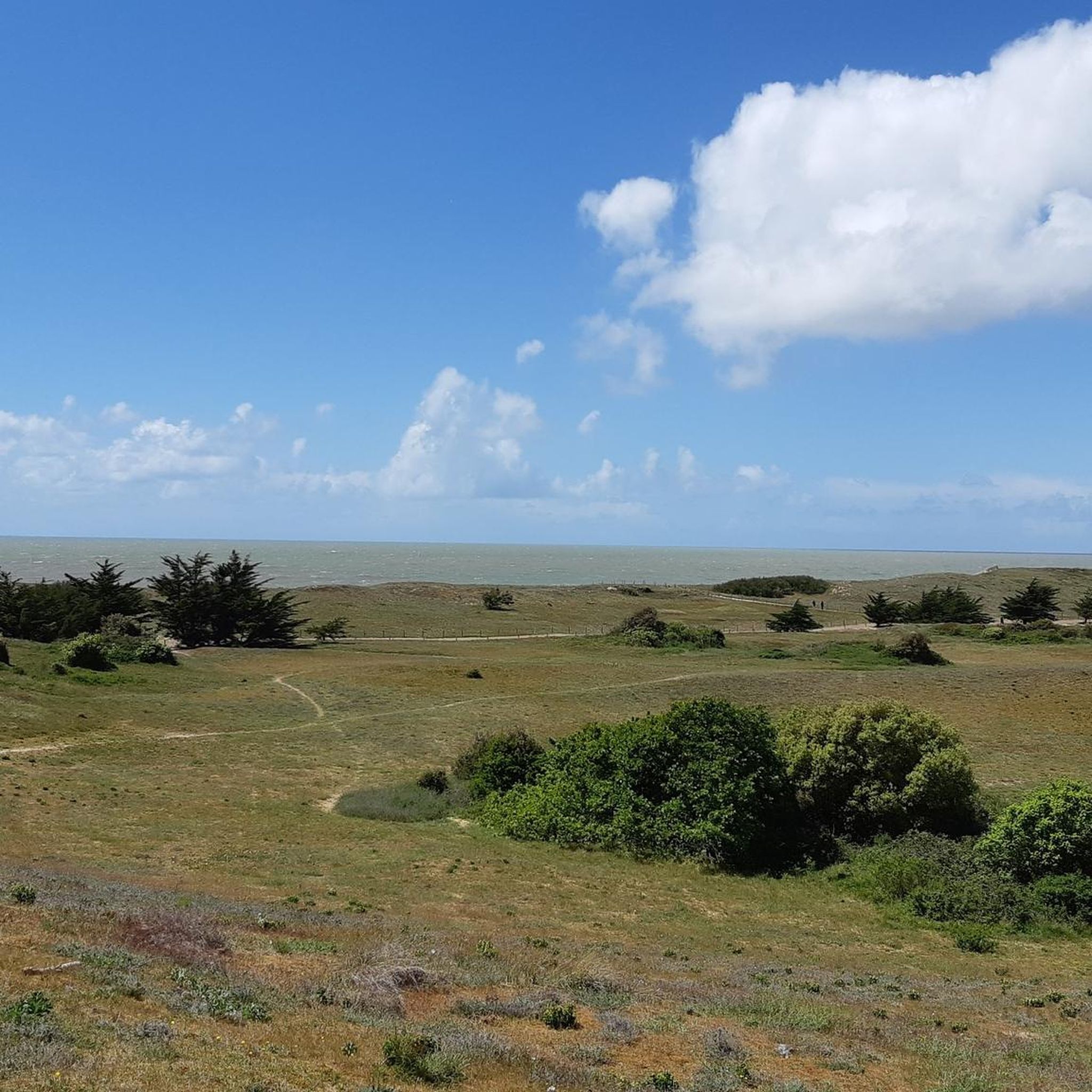
Road cycling routes around Commequiers traverse a varied landscape, encompassing countryside, coastline, marshes, and forests. The area is characterized by its relatively flat terrain, with some routes featuring gentle elevation gains. Asphalted cycling paths are common, providing suitable conditions for road cyclists. Historical landmarks such as the Château de Commequiers and the Dolmen des Pierres Folles are often encountered along these routes.
Best road cycling routes around Commequiers
- The most popular road cycling route is Commequiers Castle – Vendée Coastal…
Last updated: November 5, 2026
3.0
(1)
27
riders
27.0km
01:14
140m
140m
Easy road ride. Mostly well-paved surfaces and easy to ride.
11
riders
39.5km
01:37
240m
240m
Easy road ride. Mostly well-paved surfaces and easy to ride.

5.0
(1)
10
riders
24.7km
01:05
120m
120m
Easy road ride. Mostly well-paved surfaces and easy to ride.
5.0
(1)
7
riders
36.6km
01:37
110m
110m
Easy road ride. Mostly well-paved surfaces and easy to ride.
5
riders
55.7km
02:25
300m
300m
Moderate road ride. Good fitness required. Some segments of this route may be unpaved and difficult to ride.
Get access to more routes and recommendations from other explorers.
Already have an account?
Our route recommendations are based on thousands of hikes, rides, and runs completed by other people on komoot.
Start today with a free account
Your next adventure awaits.
Tips from the Community

Beautiful castle, of which the "military" part dates from the 11th century and the "residential" part from the Renaissance.
0
0
Beautiful castle whose "military" part dates from the 11th century and the "residential" part from the Renaissance.
0
0

The Château would date from the mid-13th century; at the time it was a true fortress, flanked by six towers and surrounded by wide moats. From the 12th to the 14th century, this fortified castle served as a lock between Brittany and Poitou, in this border region where numerous strongholds stood: Pornic, Machecoul, Clisson, Tiffauges, Champtocé in the Marches of Brittany facing Commequiers, La Garnache, Palluau, Montaigu, Pouzauges, in lower Poitou. In the 17th century, Philippe de Clérembault, who inherited the family estate, was promoted to Marshal of France by the young King Louis XIV, and then undertook to rebuild his Château de Palluau to transform the old fortress into a modern castle, retaining the six large medieval towers and including between them a building covered with a Mansart roof, topped by a dome. The Marshal's castle was a unique building in all of Poitou: "the most regular and the most accomplished that exists in the region", according to Claude Masse, famous engineer-geographer to Louis XIV. Abandoned by its owners during the Revolution, the large empty residence served as a stronghold for the royalists in 1793 and its underground passages, as dungeons for republican prisoners. On February 8, 1794, a Republican Column set fire to the Château and the Church of Palluau. The site has never been rebuilt, nor even consolidated since. It remains in a state of ruin abandoned to vegetation. The Château de Palluau must have been a magnificent residence, judging by the imposing ruins that remain and by the plans and watercolor drawings by Claude Masse, which are preserved at the Museum of Engineering in Vincennes.
0
0
I couldn't get as close as guigui during his hike because a barrier blocked the path. You can see it well despite everything.
0
0

Built in the second half of the 15th and in the 16th century by Louis de Beaumont, lord of Plessis-Macé in Anjou, the castle of Commequiers, now owned by the commune, was, like most of the castles of Bas Poitou, dismantled on the orders of Cardinal Richelieu in 1628, 6 years after the defeat of Soubise at Notre Dame de Riez and Saint Gilles. It was then the property of the La Trémoille, great Protestant lords. Throughout the Middle Ages, the lords of Commequiers exercised their administrative and jurisdictional influence over a vast territory. https://www.payssaintgilles-tourisme.fr/patrimoine-culturel/chateau-de-commequiers/
0
0

Currently the castle is closed to the public, work is planned. Built in the second half of the 15th and 16th centuries by Louis de Beaumont, lord of Plessis-Macé in Anjou, the Commequiers castle, now owned by the commune, was, like most of the castles of Bas Poitou, dismantled on the orders of the Cardinal Richelieu in 1628. Octagonal in shape, with its 8 thick towers connected by curtain walls, the castle would have been built according to the model of the Bastille. To discover the castle in a fun way, the new treasure hunt “Théo and the secret of the Castle” is on sale (€3 per game for up to 3 participating children) in the tourist information offices of the Pays de Saint Gilles and at the Vélorail of Commequiers. It is suitable for children aged 8 to 13, duration: 45 minutes, on foot.
0
0
Frequently Asked Questions
How many road cycling routes are available around Commequiers?
There are 14 road cycling routes around Commequiers, offering a variety of experiences for cyclists. These include 4 easy routes and 10 moderate routes, ensuring options for different skill levels.
What is the best time of year for road cycling in Commequiers?
Commequiers is enjoyable for road cycling throughout much of the year. The region benefits from varied landscapes, and the asphalted surfaces are generally well-maintained. Spring and autumn often provide pleasant temperatures, while summer can be great for combining cycling with coastal activities.
What kind of terrain can I expect on road cycling routes around Commequiers?
The road cycling routes around Commequiers offer a diverse landscape, traversing the littoral, countryside, marshes, and forests. While generally relatively flat, some routes feature gentle elevation gains, providing a mix of scenic backdrops for your ride.
Are there road cycling routes that offer coastal views?
Yes, you can find routes that provide coastal views. For example, the Commequiers Castle – Vendée Coastal Road loop from Commequiers combines historical sights with scenic coastal stretches.
What historical landmarks can I see while road cycling in Commequiers?
Many routes pass by significant historical sites. You can explore the partially ruined Commequiers Castle, a feudal castle with origins in the 11th century. The region also features ancient megalithic sites like the Dolmen des Pierres Folles, offering a glimpse into the area's past.
Are there any natural features or viewpoints along the cycling routes?
Absolutely. The routes often showcase the region's natural beauty, including the local marshes fed by the River La Vie. You might also encounter viewpoints like the Vendée Coastal Road or the Grosse Terre lighthouse, offering picturesque vistas.
Can I find routes that go through forested areas?
Yes, there are routes that lead through forested areas. The Commequiers Castle – Trail Through the Forest loop from Commequiers is a popular option that takes you through wooded landscapes.
Are there options for beginner road cyclists in Commequiers?
Yes, Commequiers offers several routes suitable for beginners. There are 4 easy-rated routes, such as the Roadbike loop from Commequiers, which provides a pleasant ride without significant challenges.
Are there any circular road cycling routes available?
Many of the road cycling routes around Commequiers are designed as loops, allowing you to start and finish in the same location. Examples include the Commequiers Castle – Vendée Coastal Road loop from Commequiers and the Sallertaine – Commequiers Castle loop from Commequiers.
What do other cyclists say about road cycling in Commequiers?
The road cycling routes in Commequiers are highly regarded by the komoot community, with an average rating of 4.4 stars from 50 reviews. Cyclists often praise the varied terrain, which includes countryside, coastal paths, and marshland scenery, as well as the well-maintained asphalted surfaces.
Is parking available near the road cycling trailheads in Commequiers?
While specific parking details for each trailhead vary, Commequiers is generally well-equipped for visitors. You can typically find parking in or near the town center, which serves as a common starting point for many routes. It's advisable to check local signage upon arrival.
Are there places to stop for refreshments or accommodation along the routes?
Yes, the region offers various options for refreshments and accommodation. The nearby coastal towns of Saint-Hilaire-de-Riez and Saint-Gilles-Croix-de-Vie provide numerous cafes, restaurants, and places to stay. Even in Commequiers itself, you can find amenities to support your cycling trip.
Can I combine road cycling with other unique activities in the area?
Absolutely! A unique attraction in the area is the Vélo-Rail, which offers an unconventional cycling experience on an old railway line between Commequiers and Coëx. This allows you to explore the 'green coastline and typical homes of the lower bocage' from a different perspective, including crossing a viaduct over the River La Vie.
Most popular routes around Commequiers
Most popular attractions around Commequiers

Get inspired with the komoot mobile app


Explore more
Browse the best Road cycling routes in other regions.
