The best road cycling routes around Ercé-En-Lamée
4.1
(13)
487
riders
115
rides
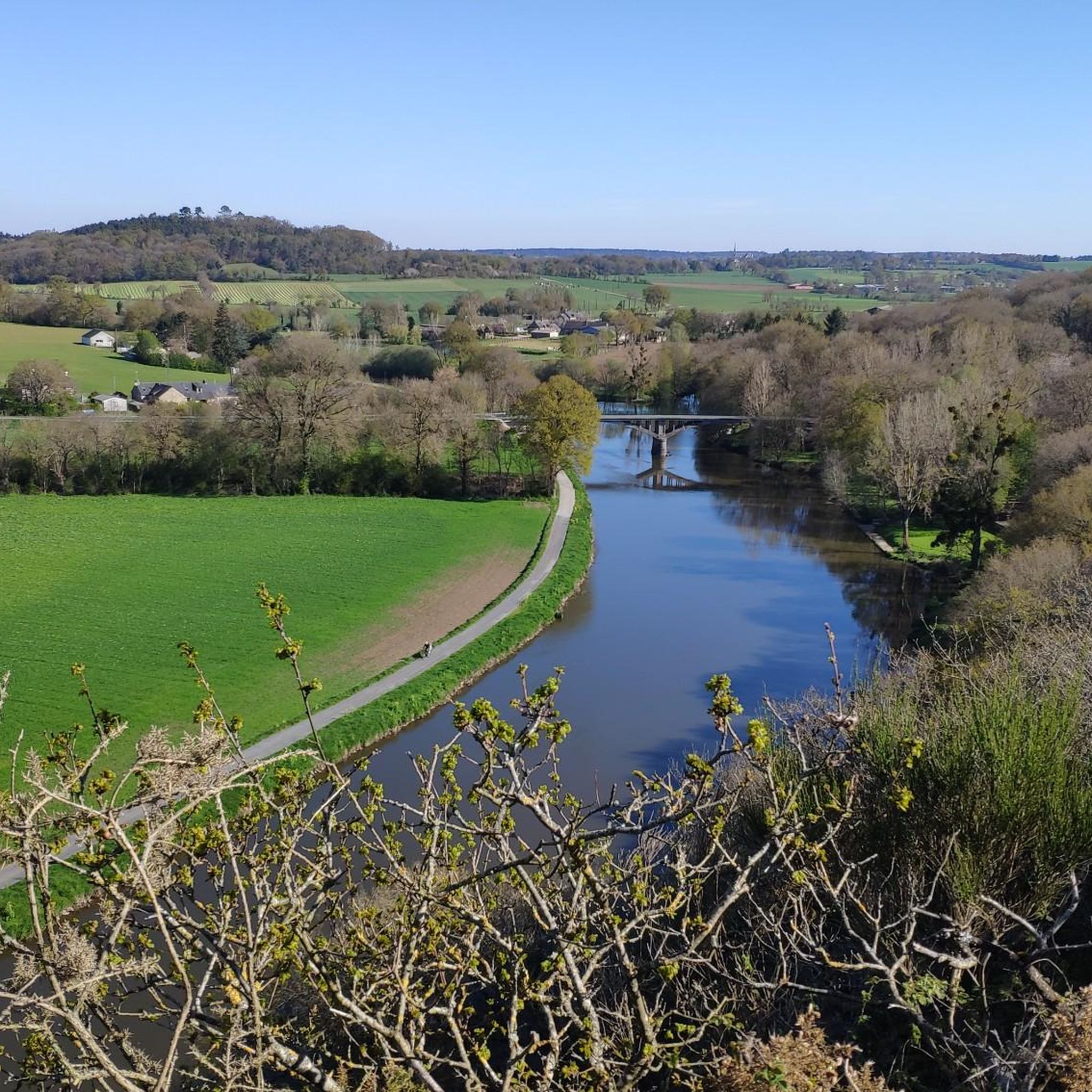
Road cycling routes around Ercé-En-Lamée are situated in the Ille-et-Vilaine department of Brittany, France, an area known for its developed cycling infrastructure. The region features an extensive network of greenways and former railway lines, offering traffic-free cycling experiences. Cyclists can expect diverse landscapes, including tranquil rural countryside, agricultural fields, and river courses such as the Semnon and Vilaine. The terrain is often predominantly flat, making it accessible for various abilities.
Best road cycling routes around Ercé-En-Lamée
- The most popular road…
Last updated: October 9, 2026
2
riders
93.2km
04:02
720m
720m
This moderate 57.9-mile road cycling route from Bain-de-Bretagne to Grand-Fougeray features historical sites and challenging climbs.
4.7
(3)
9
riders
81.3km
03:38
740m
740m
Moderate road ride. Good fitness required. Some segments of this route may be unpaved and difficult to ride.

14
riders
71.4km
03:03
570m
570m
Moderate road ride. Good fitness required. Mostly well-paved surfaces and easy to ride.
15
riders
43.6km
02:01
360m
360m
Moderate road ride. Good fitness required. Some segments of this route may be unpaved and difficult to ride.
10
riders
26.1km
01:09
230m
230m
Easy road ride. Great for any fitness level. Mostly well-paved surfaces and easy to ride.
Get access to more routes and recommendations from other explorers.
Already have an account?
Our route recommendations are based on thousands of hikes, rides, and runs completed by other people on komoot.
Start today with a free account
Your next adventure awaits.


Tips from the Community

Magnificent greenway, rolling and shaded. Less flat than I expected.
0
0

I bought my sandwich and a flan, which were very good, at this bakery. And the prices are very reasonable: €7 for sandwich + flan + drink
0
0

Legend has it that it was young girls who were turned to stone for dancing on the moor instead of going to vespers. This legend was created in the 17th century by the church to combat the many paganisms prevalent in Haute Bretagne at that time.
0
0

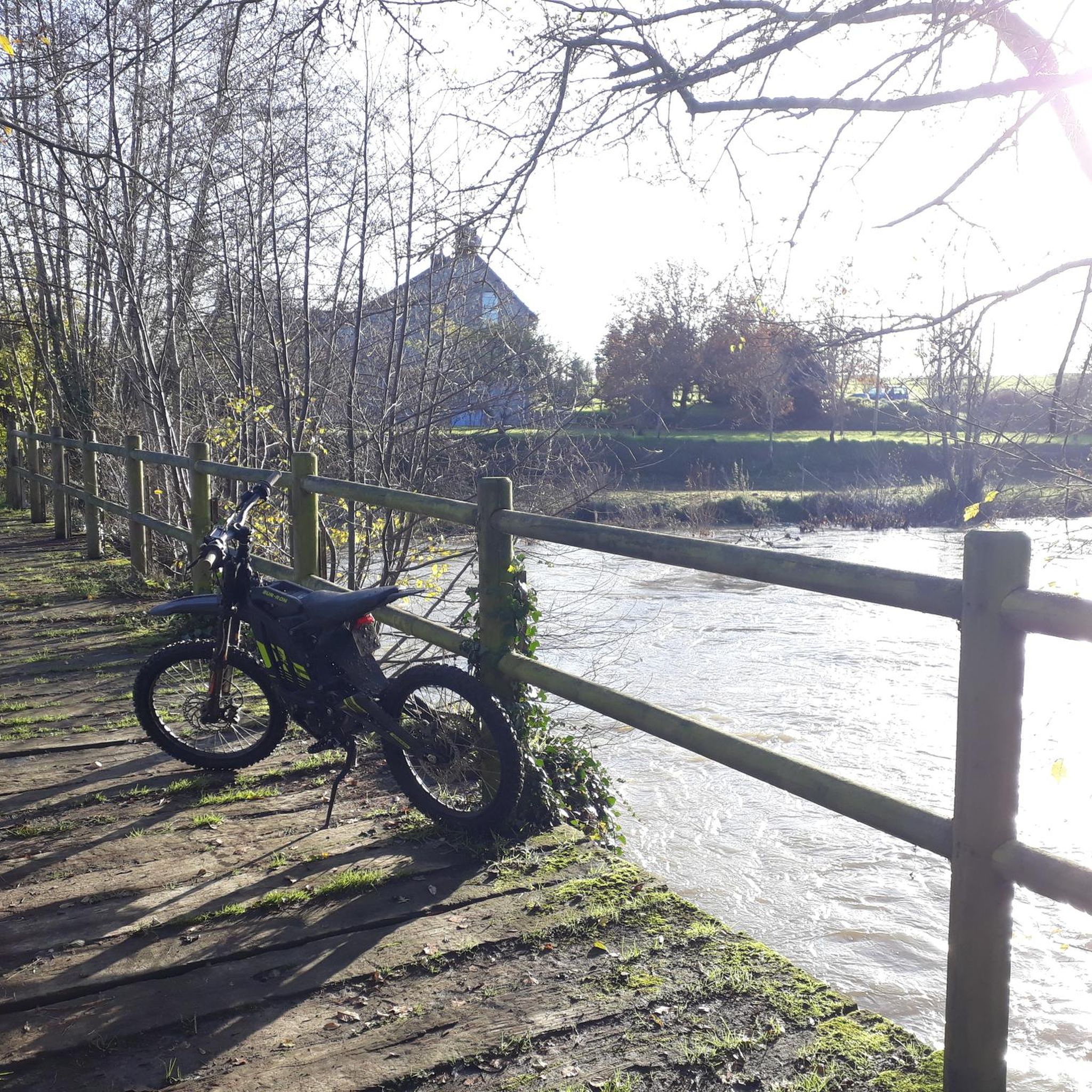
This former watermill, documented as early as 1089, was initially used as a fulling mill before being converted into a flour mill in the 19th century. Its operation ceased on December 31, 1974. Since then, the building has stood as a significant heritage landmark, marking the industrial and riverine history of the Vilaine Valley.
1
0

The church, which consists of a large nave and two six-bay aisles, a transept, and a three-bay choir without an ambulatory, is 65 meters long. The transept is 26.50 m long, and the naves are 17.5 m wide. The bell tower is 65 meters high without the cross. It has a set of five bells made in 1895 by the Bollée foundry in Le Mans: Saint-Nicolas (the bourdon), weighing 4027 kg, playing the A of octave 2 Anne, weighing 1552 kg, playing the D of octave 3 Marie, weighing 1067 kg, playing the M of octave 3 Joséphine-Jeanne, weighing 726 kg, playing the F sharp of octave 3 Henriette-Victorienne, weighing 450 kg, playing the A of octave 3
0
0
The original chapel, initially dedicated to Notre-Dame, was built by Geoffroy IV, Baron of Châteaubriant, on the site where the cattle market was held from May to October until 1763. A text attests to its existence in 1263. [Threatening to fall into ruin, it was demolished in 1518, leaving only the choir of the old chapel standing. The place of worship was immediately rebuilt in a more spacious form using Châteaubriant schist (Nozay stone), based on the plans of Jean Delorme, brother of Philibert Delorme, thanks to the demolition of a neighboring house and the financial support of Jean de Laval. However, the latter's poor financial situation meant that by 1530, only the nave of the building had been built. At the death of Françoise de Foix in 1537 and Jean de Laval in 1543, the Notre-Dame chapel still lacked a framework. It was not until 1551 that the final work was undertaken by Baron Anne de Montmorency. The dedication of the new place of worship took place ten years later, on November 5, 1561, in the presence of the coadjutor of the Bishop of Nantes, and the name of Notre-Dame was changed to Saint-Nicolas, for an unknown reason. On the same day, the body of Jean de Laval, then encased in a lead reliquary, was transported from the castle chapel to the new building. Jean de Laval had wished to see the chapel erected as a collegiate church, but this wish was not granted. However, the building, as vast as a church, shared the honors of worship with the Church of Saint-Jean de Béré, which was then the parish church of the town, until the Revolution. Indeed, the Saint-Nicolas chapel, although of undeniable architectural value, was not suitable for worship in a parish as large as that of Châteaubriant. Nevertheless, in the 15th and 16th centuries, masses, vespers, and many ceremonies were held in the chapel for reasons of convenience, as it was closer to the town of Châteaubriant, while baptisms were all celebrated at Saint-Jean de Béré. At the end of the 19th century, the church, which became the parish seat in 1801, was completely rebuilt. The architect Eugène Boismen drew up the plans, inspired by those of the Saint-Nicolas basilica in Nantes, one of the first neo-Gothic projects in France, which was beginning to inspire architects throughout the west of the country. The foundation stone was blessed on April 25, 1875, by Bishop Fournier of Nantes. The choir, sacristies, transept, and five bays were only completed at the time of the consecration, which was performed by his successor, Bishop Le Coq, on February 1, 1881. The foundations of the bell tower and the remaining bay began in June 1892, based on plans by architect François Bougoüin. The tower and spire were completed in August 1894.
0
0
This recently built church (end of the 19th century) is visible from afar with its 65 meters in height.
0
0

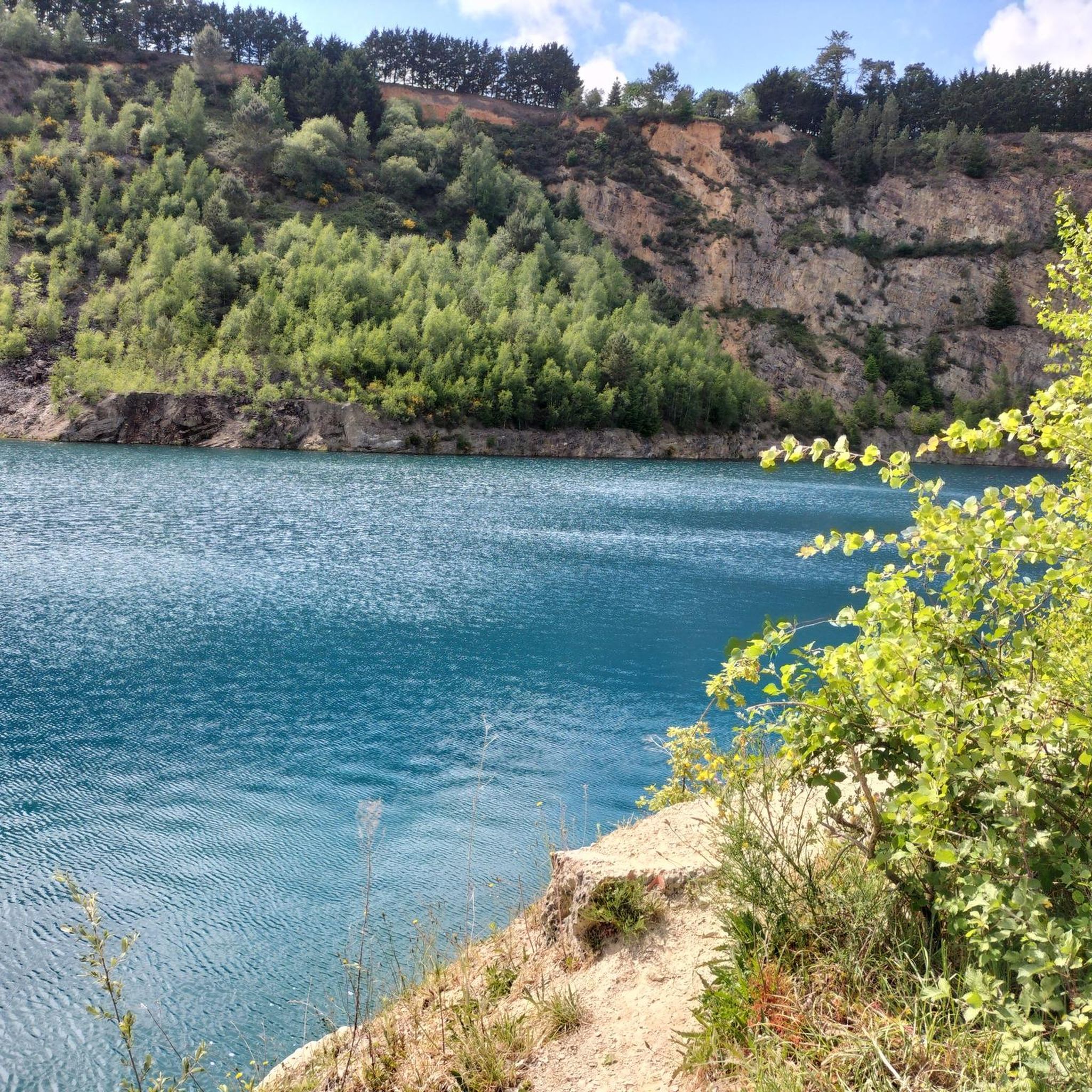
Great area to explore for those who love climbing!
0
0
Frequently Asked Questions
What is the typical terrain and difficulty level for road cycling routes around Ercé-En-Lamée?
The terrain around Ercé-En-Lamée is generally varied but often predominantly flat, especially along the numerous greenways and former railway lines. This makes it accessible for a wide range of abilities. While most routes are classified as moderate, such as the Bain-de-Bretagne route, there are options for easier rides as well. You'll encounter tranquil rural countryside, agricultural fields, and river courses.
What natural features and landmarks can I expect to see on road cycling routes in Ercé-En-Lamée?
Road cycling routes in Ercé-En-Lamée often follow scenic paths along rivers like the Semnon and Vilaine, offering picturesque Breton landscapes. You can also explore greenways converted from former railway lines, such as the one from Châteaubriant to Rougé, which allows you to immerse yourself in a historic setting where nature has reclaimed its space. These paths often pass through wooded countryside and offer beautiful scenery. The area is characterized by its bucolic and unspoiled natural surroundings.
Are there any historical sites or points of interest along the cycling routes?
Yes, the region is rich in history. Cyclists can discover several points of interest, including the remains of old mills along the Semnon river. The area also boasts seven manors and castles from the 12th to 18th centuries. While cycling, you might pass by the modern chapel of Saint-Fiacre or the Greenway from Châteaubriant to Rougé, which itself is a historical path. The Les Demoiselles (menhirs) – Church loop from Bain-de-Bretagne specifically passes by historical sites.
When is the best time of year to go road cycling in Ercé-En-Lamée?
The region's pleasant climate generally makes spring through early autumn ideal for road cycling. During these seasons, you can best enjoy the rural countryside and riverine landscapes. The greenways and towpaths are particularly enjoyable when the weather is mild, offering comfortable conditions for exploring.
Are there family-friendly road cycling options around Ercé-En-Lamée?
Yes, the extensive network of greenways and towpaths in the Ille-et-Vilaine department, including those near Ercé-En-Lamée, are predominantly flat and traffic-free. This makes them ideal for family cycling. These dedicated paths offer safe and enjoyable experiences for riders of all ages and abilities.
Can I bring my dog on road cycling routes in Ercé-En-Lamée?
Many of the greenways and rural paths in the Ercé-En-Lamée area are suitable for cycling with dogs, especially if they are accustomed to running alongside a bike or can be carried in a trailer. These traffic-free routes provide a safer environment. However, always ensure your dog is well-behaved and on a leash where required, and be mindful of other path users.
How many road cycling routes are available in Ercé-En-Lamée?
There are over 120 road cycling routes available around Ercé-En-Lamée, offering a wide variety of distances and experiences. These routes are well-regarded by the komoot community, providing ample choice for your cycling adventures.
What do other road cyclists enjoy the most about road cycling in Ercé-En-Lamée?
The area is highly rated by the komoot community, with an average score of 4.0 stars from 10 reviews. Reviewers often praise the diverse and scenic landscapes, the tranquility of the greenways, and the accessibility of routes for various abilities. The blend of rural countryside, river views, and historical elements makes for an engaging experience.
Are there any circular road cycling routes starting from Ercé-En-Lamée?
Yes, many routes in the region are designed as loops, allowing you to start and finish in the same location. For example, the Chateau de Chateaubriant – Torche Pond loop from La Bosse-de-Bretagne is a popular option that takes you through agricultural fields and past local landmarks, returning to your starting point.
Where can I find accommodation or places to eat near the cycling routes in Ercé-En-Lamée?
Ercé-En-Lamée and its surrounding villages offer various options for accommodation, including gîtes and chambres d'hôtes, many of which are bike-friendly. You'll also find local cafes and restaurants where you can refuel after your ride, often serving traditional Breton cuisine. It's advisable to check local listings for specific establishments.
Is there convenient parking available for cyclists in Ercé-En-Lamée?
While specific official parking areas for cyclists are not always explicitly signposted for every route, Ercé-En-Lamée, as a rural commune, generally offers public parking in village centers or near popular trailheads. When planning your ride, look for parking options in the starting towns of routes, such as Bain-de-Bretagne or La Bosse-de-Bretagne, which are common starting points for many tours.
How accessible is Ercé-En-Lamée by public transport for cyclists?
Ercé-En-Lamée is situated within the Ille-et-Vilaine department, which has a regional public transport network. While direct train services to Ercé-En-Lamée itself might be limited, larger towns in the vicinity, such as Bain-de-Bretagne or Châteaubriant, may offer more extensive public transport connections. Cyclists should check regional bus services for routes that allow bike carriage or consider using train services to nearby towns and cycling the remaining distance.
Are there any permits required for road cycling in the Ercé-En-Lamée area?
Generally, no specific permits are required for recreational road cycling on public roads, greenways, or designated cycle routes in the Ercé-En-Lamée area or wider France. These routes are freely accessible. However, always respect local signage, private property, and any specific regulations that might apply to certain natural reserves or private estates if your route passes through them.
Most popular routes around Ercé-En-Lamée
Most popular attractions around Ercé-En-Lamée

Get inspired with the komoot mobile app


Explore more
Browse the best Road cycling routes in other regions.
