Attractions and Places To See around Saint-Étienne-Du-Bois - Top 11
Best attractions and places to see around Saint-Étienne-Du-Bois are found in the Vendée department of France. This area features a mix of historical landmarks, natural curiosities, and architectural sites. Visitors can explore ancient bridges, mysterious megaliths, and chapels with significant historical artifacts. The region offers insights into local history and natural landscapes.
Best attractions and places to see around Saint-Étienne-Du-Bois
- The most popular attractions is The Old Bridge of Rocheservière, a bridge that played a historical role during Napoleon's…
Last updated: July 29, 2026
The Old Bridge of Rocheservière
Highlight • Bridge
Translated by Google •
Tip by

Stone of the Farfadets
Highlight • Other
Translated by Google •
Tip by

Sign up now to discover places like this
Get recommendations on the best single tracks, peaks, & plenty of other exciting outdoor places.
Sign up for free
Château de la Touche
Highlight • Other
Translated by Google •
Tip by
Saint Sauveur Chapel
Highlight • Other
Translated by Google •
Tip by
Viaduct
Highlight • Bridge
Translated by Google •
Tip by
Sign up for free to discover even more attractions around Saint-Étienne-Du-Bois.
Sign up for free
Already have an account?
Start today with a free account
Your next adventure awaits.
Login or Signup



Tips from the Community

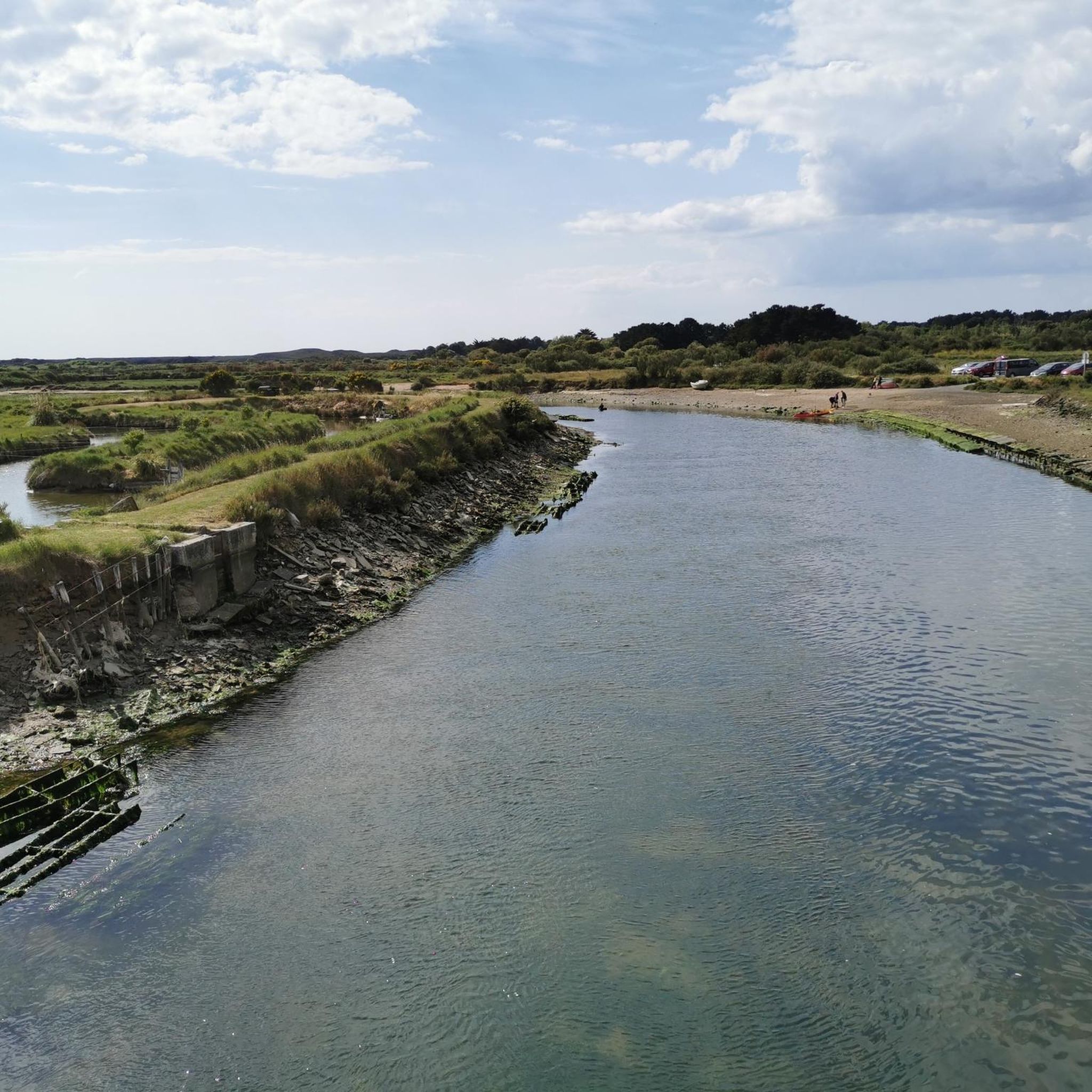
Nice bridge, kayak base underneath.
0
0
Very beautiful castle on the road.
0
0

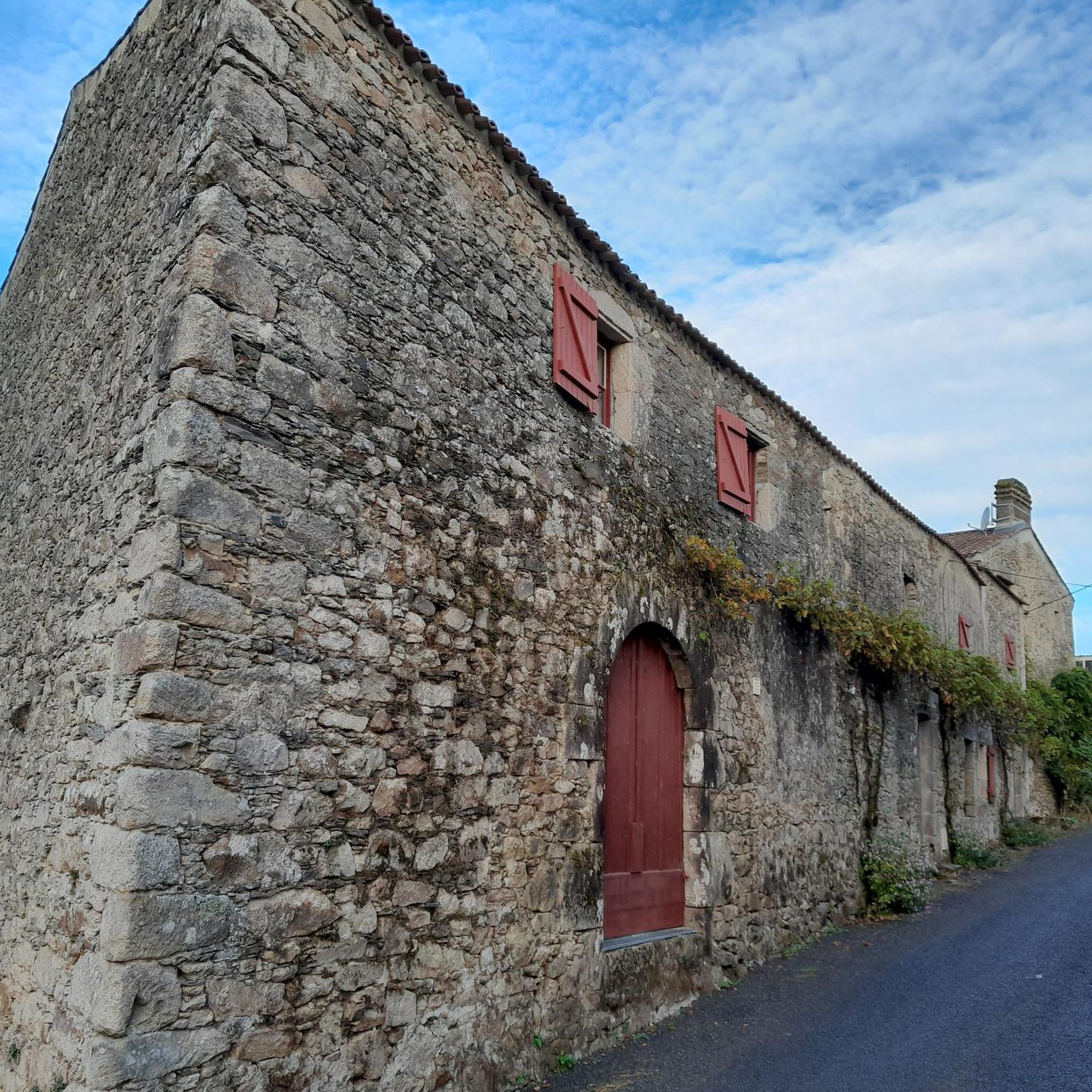
A very beautiful 19th-century castle, particularly impressive for its two medieval-style towers. Sadly destroyed by a deadly fire in 2019, but very well restored.
1
0
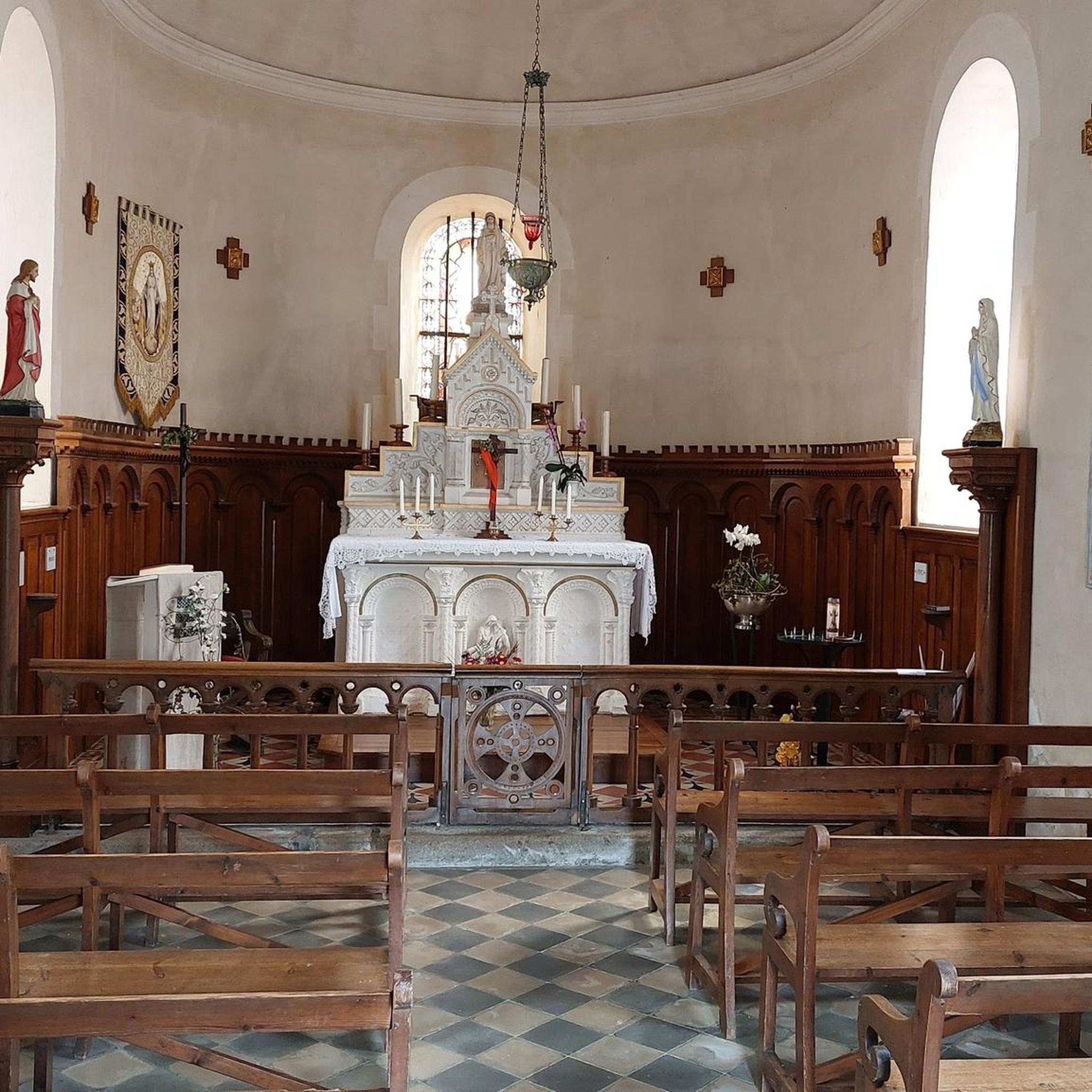
13th century chapel, renowned for its Transfiguration altarpiece, dated from the 17th century and listed as a historic monument. Part of the Saint-Sauveur cultural site.
2
0
Very beautiful bridge, of uncertain age. Beautifully renovated in 2024.
1
0

We can think that this bridge dates back at least to the 10th century. It was for a long time the only way through Boulogne for miles around. It is made up of 4 Roman style arches with a semicircular vault and cut stones placed in a cradle, a style prior to the 12th century. The 5th arch on the mill side is in the Gothic style with its pointed arch, pointed arch, restored in this form after the revolution. The small bridge is listed as a historical monument. But the most notable historical anecdote concerning him takes place on June 19 and 20, 1815, the day after the Battle of Waterloo: Indeed, Napoleon's return to power, known as the 100 days (March 20 – June 23, 1815) caused the exile of King Louis XVIII and triggered an uprising in western France. Napoleon sent a considerable military force of more than 20,000 men there. The fighting that took place at Rocheservière marks the end of this final Vendée insurrection. On June 20, after a fierce battle, on this old bridge and in the surrounding streets, the imperial armies routed the Vendée insurgents, whose survivors returned to their cottages for good. But in his memoirs written in Saint Helena, Napoleon affirms that if he had had, at the time of the battle of Waterloo on June 18, only 10,000 more men, that is to say half of his troops occupied on the territory of west of France, his destiny would have been changed. This small bridge may be less famous than that of Arcole, but when you cross it, tell yourself that the course of history may have been played out here and neither more nor less than the fate of the world!
0
0
Frequently Asked Questions
What historical landmarks can I explore around Saint-Étienne-Du-Bois?
The region offers several significant historical sites. You can visit The Old Bridge of Rocheservière, which played a role during Napoleon's Hundred Days. Another notable site is the Château de la Touche, a 19th-century castle with medieval-style towers that has been restored after a fire.
Are there any ancient or mysterious sites to visit near Saint-Étienne-Du-Bois?
Yes, one of the most mysterious sites is the Stone of the Farfadets (also known as Pierre de Merlière or Palet de Gargantua). This megalith features 362 enigmatic engravings, with local legends attributing them to leprechauns and historians suggesting a Neolithic origin.
What religious or cultural sites are notable in the area?
You can visit the Saint Sauveur Chapel, a 13th-century chapel renowned for its 17th-century Transfiguration altarpiece, which is listed as a historic monument. Additionally, the Chapelle de la Tulévrière, rebuilt in 1835, is historically significant as the only Catholic monument erected during the War in the Vendée in 1794.
Can I see any impressive architectural structures around Saint-Étienne-Du-Bois?
Absolutely. The Viaduct, an imposing structure from 1850, spans the Boulogne river and offers breathtaking views of the village and the Château de la Touche. The Old Bridge of Rocheservière, with its Roman-style arches, is another beautiful example of historical architecture.
What outdoor activities are available near Saint-Étienne-Du-Bois?
The area around Saint-Étienne-Du-Bois is great for various outdoor activities. You can find numerous routes for road cycling, running, and gravel biking. For detailed routes and guides, explore the Road Cycling Routes around Saint-Étienne-Du-Bois, Running Trails around Saint-Étienne-Du-Bois, and Gravel biking around Saint-Étienne-Du-Bois guides.
Are there opportunities for cycling around Saint-Étienne-Du-Bois?
Yes, there are several cycling options. You can find routes for both road cycling and gravel biking, ranging from easy to difficult. Popular routes include loops around Lac d'Apremont and tours connecting various local landmarks. Check the Road Cycling Routes and Gravel biking guides for more details.
Where can I go for a run or a walk in the area?
There are several running trails suitable for walks and jogs around Saint-Étienne-Du-Bois. You can find moderate loops starting from Legé, Palluau, and Saint-Étienne-du-Bois itself, typically ranging from 7 to 9 kilometers. For a comprehensive list of routes, refer to the Running Trails around Saint-Étienne-Du-Bois guide.
Are there family-friendly attractions around Saint-Étienne-Du-Bois?
Many of the historical and natural sites are suitable for families. For instance, The Old Bridge of Rocheservière and the Viaduct are great for a family outing, offering scenic views and historical context. The mysterious Stone of the Farfadets can also spark children's imagination with its legends.
What do visitors particularly enjoy about the attractions near Saint-Étienne-Du-Bois?
Visitors often highlight the historical significance and scenic beauty. For example, The Old Bridge of Rocheservière is appreciated for its beautiful renovation and the intriguing historical anecdote about Napoleon. The Viaduct is praised for its imposing structure and the breathtaking views it offers of the village and the Château de la Touche.
Are there any natural areas or ponds for nature walks?
While the guide focuses on the Vendée region, the Saint-Étienne-Du-Bois in Ain department, about 10 km north of Bourg-en-Bresse, features the Étang de But. This labeled sensitive natural area (ENS) is part of a chain of ponds and is an excellent spot for nature walks and observing local fauna, including the Leucorrhine dragonfly. More information can be found on ain-tourisme.com.
What is the significance of the Chapelle de la Tulévrière?
The Chapelle de la Tulévrière is a small chapel in the hamlet of La Tulévrière, notable as the only Catholic monument erected during the War in the Vendée in 1794. Rebuilt in 1835, it features stained-glass windows and various historical objects, some classified as historical monuments, including an 18th-century weathervane and 19th-century chalice and paten. Its checkered red and white paving highlights a historical connection to Brittany.
Most popular routes around Saint-Étienne-Du-Bois

Get inspired with the komoot mobile app


Explore more
Still not found the Highlight you’re looking for? See guides of the top attractions in other regions:
