Attractions and Places To See around Lauroux - Top 20
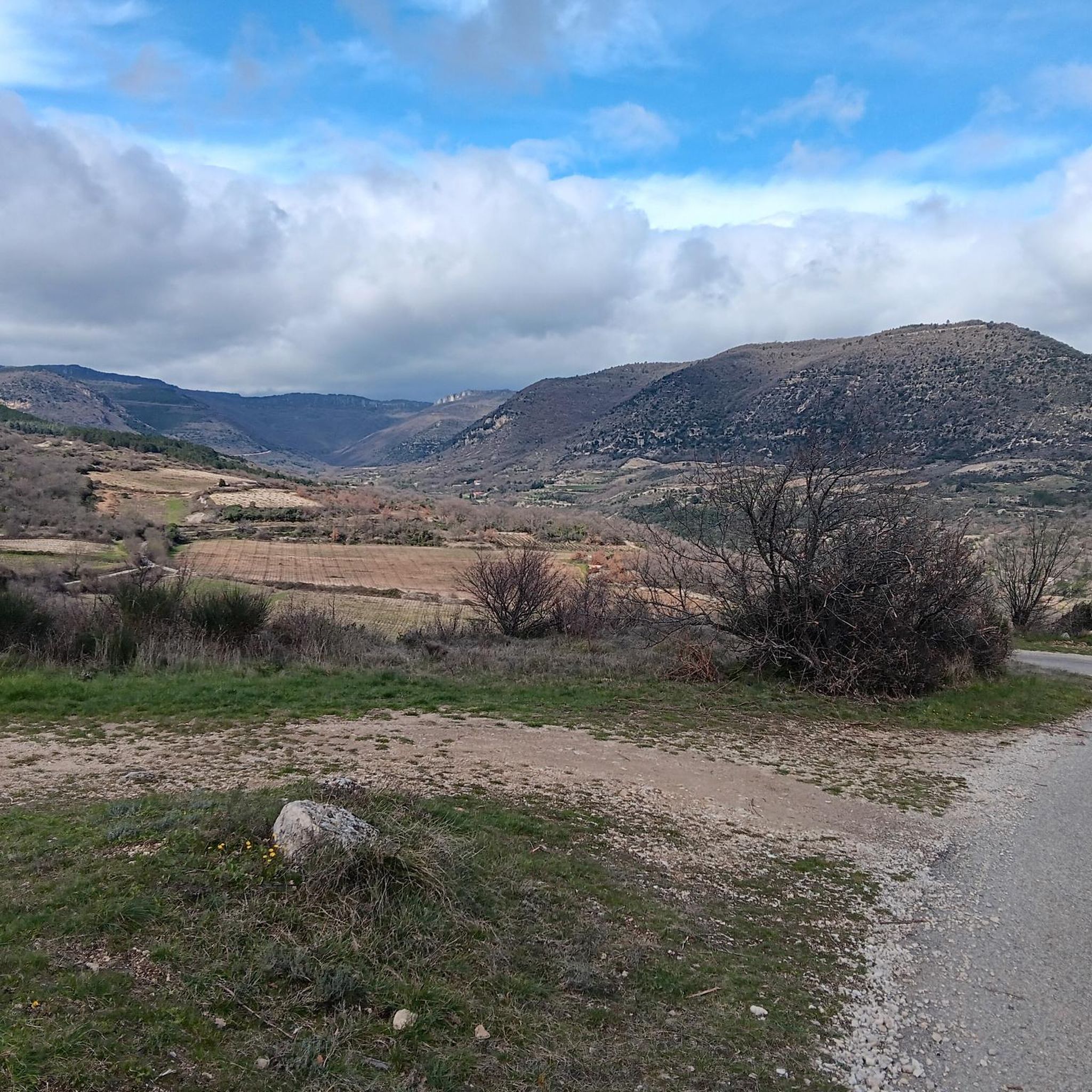
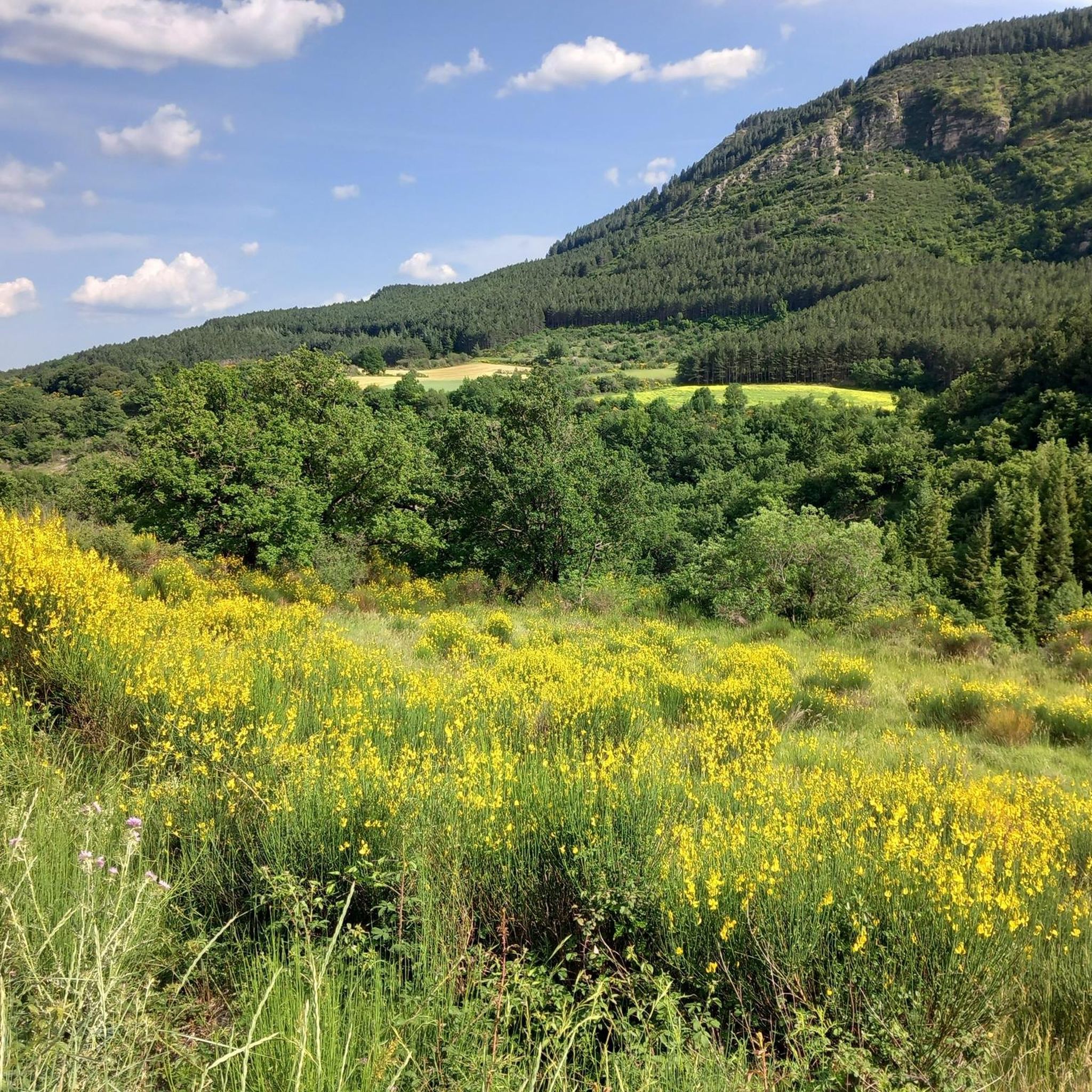
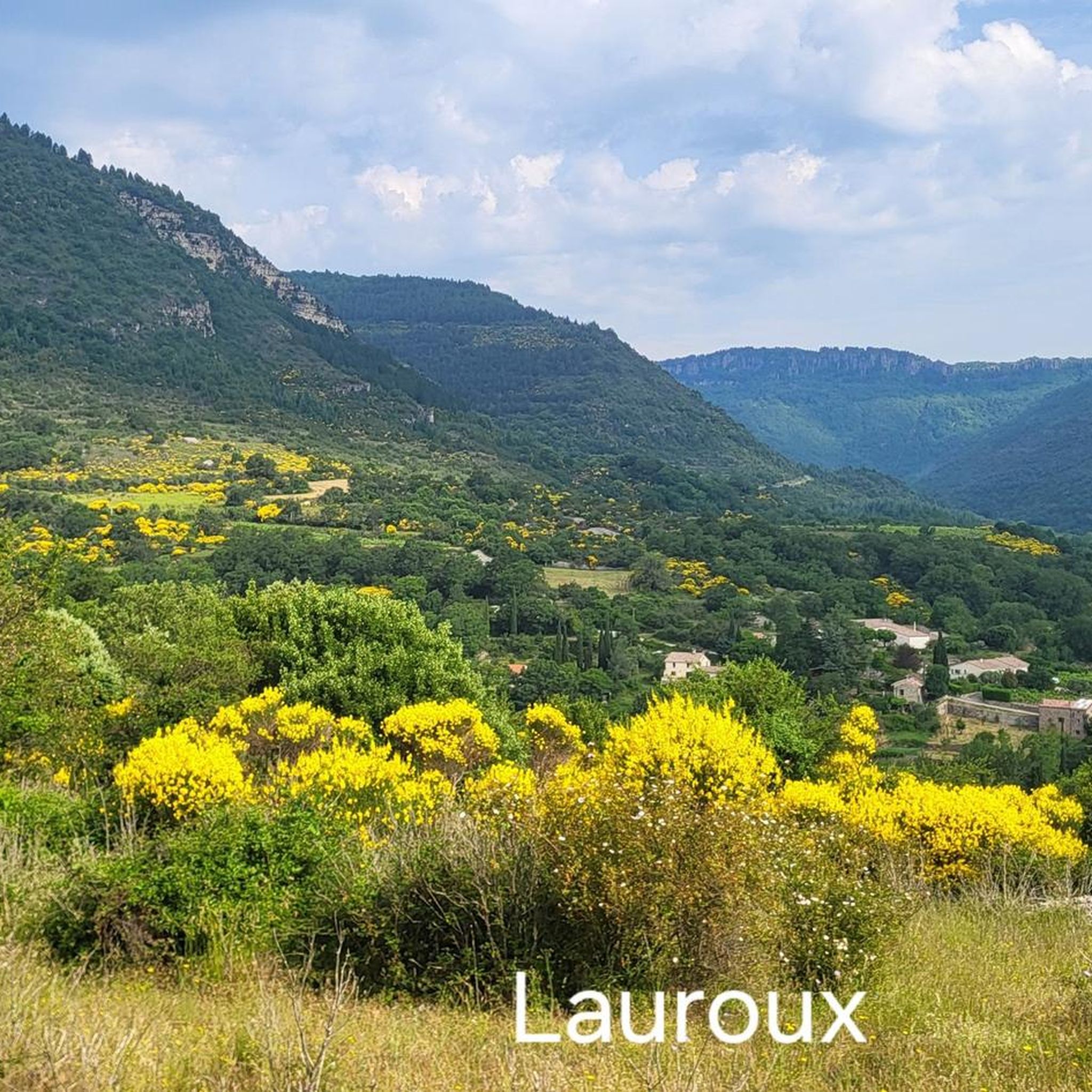
Attractions and places to see around Lauroux, a rural commune in the Hérault department of Occitanie, France, are characterized by natural heritage and picturesque surroundings. The area is known for its Natura 2000 sites and Zones Naturelles d'Intérêt Écologique, Faunistique et Floristique (ZNIEFFs), highlighting its biodiversity. Lauroux serves as a base for exploring natural features, cultural sites, and charming points of interest in the wider Lodévois Larzac region. The landscape features dolomitic reliefs, caves, avens, and the Laurounet river.
Best attractions and places to see around Lauroux
- The most popular attractions is Rédounel Mill, a historical windmill that supported agricultural activities of the Knights Templar. It has been restored and remains in remarkable condition today.
- Another must-see spot is Lunas, a picturesque village classified as a green station and historical site. It features a rebuilt castle in its center and is located on one of the routes of the Camino de Santiago.
- Visitors also love Joncels Abbey, a superb Romanesque building and historical site. It was once one of the most important Christian religious centers in Languedoc, with parts of the church, chapter house, and cloister remaining.
- Lauroux is known for historical sites, natural features, and charming villages. The region offers a variety of attractions to see and explore, from ancient mills to significant religious buildings and scenic settlements.
- The attractions around Lauroux are appreciated by the komoot community, with 10 photos and 18 upvotes from visitors.
Last updated: July 20, 2026
La Couvertoirade Fortified Village
Highlight • Historical Site
Translated by Google •
Tip by

Rédounel Mill
Highlight • Other
Translated by Google •
Tip by
Sign up now to discover places like this
Get recommendations on the best single tracks, peaks, & plenty of other exciting outdoor places.
Sign up for free
Lunas
Highlight • Settlement
Translated by Google •
Tip by

Ace flow trail
Highlight (Segment) • Other
Great fun factor. On S0-S1 trails.
Translated by Google •
Tip by

Saint-Privat Village
Highlight • Settlement
Saint-Privat experienced significant economic development at the end of the 19th century, with the exploitation of its subsoil. Rich in sandstone, it allowed the manufacture of many grinding wheels for sharpening tools or polishing marble, which were transported to Lodève, then the ports of Sète or Montpellier to be exported to Mediterranean countries.
Translated by Google •
Tip by

Sign up for free to discover even more attractions around Lauroux.
Sign up for free
Already have an account?
Start today with a free account
Your next adventure awaits.
Login or Signup
Tips from the Community


I found this section too difficult to ride on an electric hardtail, so, would rate it rather intermediate than easy. For those who like it easy but still fun, the trail along the south shore is perfect.
0
0

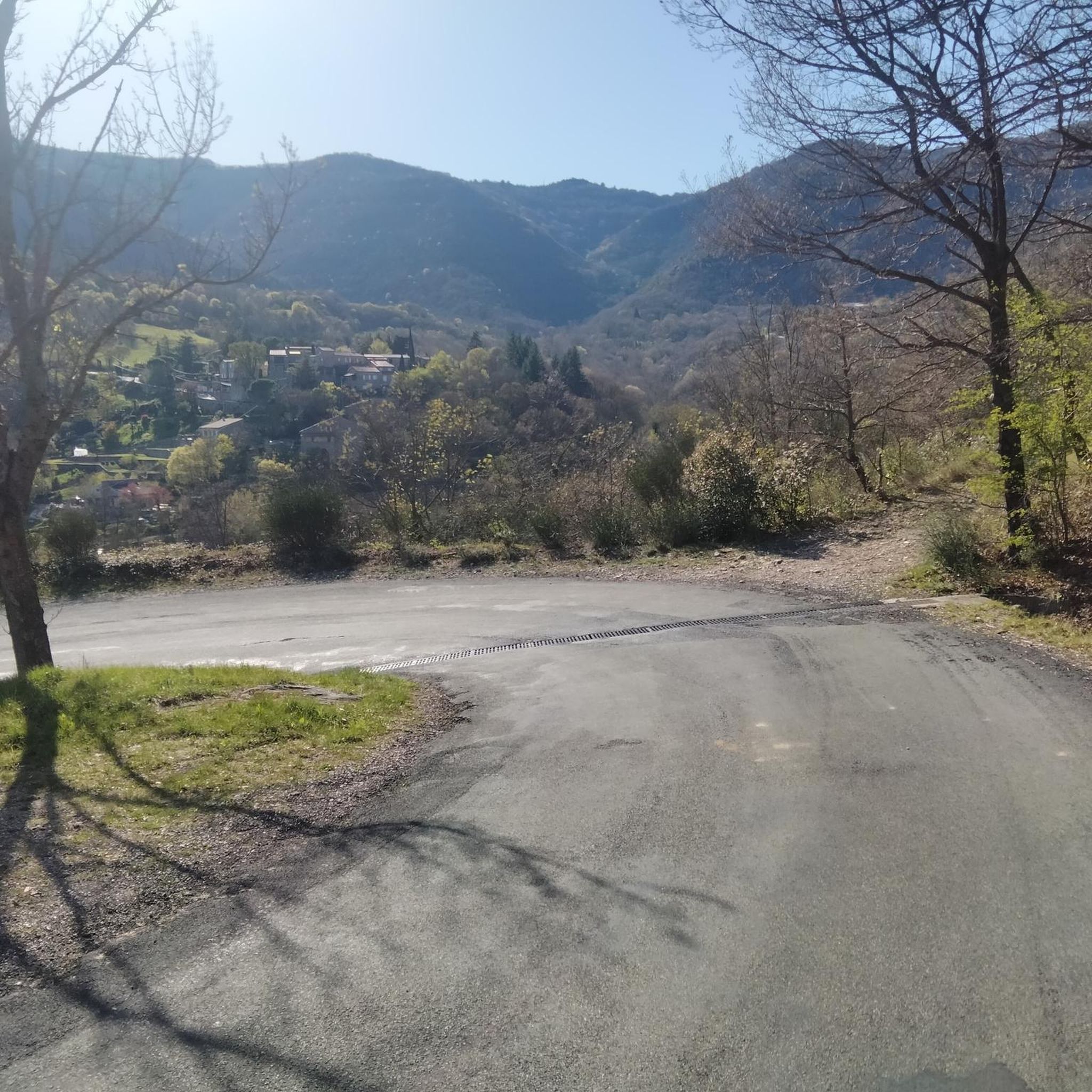
A charming village nestled at the confluence of the Gravezon, the Nize and the Dourdou! The history of Lunas dates back to the Roman road that linked the lower Languedoc to Rouergue. Surely succeeding a Gallo-Roman oppidium, the Lunarenses castrum is mentioned as early as 806 in a charter of the Gélone abbey (that of Saint-Guilhem-le-Désert). The town is dominated by the Redondel rock, an ancient fortified castle belonging to the baron of Faugères, Viscount of Béziers. Razed in 1627, it was rebuilt on the banks of the Gravezon in 1641 by Henry de Narbonne. A true summary of the history of Languedoc, and a very pleasant cultural, refreshing and gastronomic stopover… A small detour to enjoy the leisure center of Prades, and a break on the site of the Saint-Georges chapel are essential in Lunas
2
0

A village quite representative of Languedoc
1
0

Cute little town with train connections and beautiful climbs in all directions
0
0

This picturesque little village has been classified as a green station. We find traces of its existence until 909. Four hamlets were located below the castle which was destroyed during the wars of religion. Rebuilt in the center of the village, it is still inhabited. Lunas is located on one of the routes to Santiago de Compostela. It also has the particularity of having a railway station.
2
0

Long before the discovery of electricity and the associated inventions, our ancestors discovered the possibility of harnessing the power of the elements - which on the one hand were useful, but on the other hand could also be a threat as a force of nature - for various purposes. A suitable example of the human ingenuity of earlier generations is such a mill: the heavy millstones with which, for example, grain was ground into grain or oil was pressed, could be powered with the help of water or - as here - the wind. Hardly any of them still fulfill their original functions today, but fortunately some have at least been preserved as evidence of the old days.
3
0

Placed in the heart of the Larzac plateau, the Cité de La Couvertoirade has the aura of these legendary villages where the tumults of history and the peaceful beauty of a preserved region intermingle. Here, a thousand years of history welcome you. https://lacouvertoirade.com
1
1
Frequently Asked Questions
What historical sites can I explore near Lauroux?
The area around Lauroux is rich in history. You can visit Rédounel Mill, one of the first mills on the Causses du Larzac, with ties to the Knights Templar. The picturesque village of Lunas, a classified 'green station' with a rebuilt castle and historical traces dating back to 909, is also nearby. Further afield, Joncels Abbey offers a glimpse into a significant Romanesque religious center. Don't miss La Couvertoirade, listed as one of the 'Most Beautiful Villages in France,' which is a fortified village showcasing Templar and Hospitaller history.
What unique natural landscapes can I discover around Lauroux?
Lauroux is nestled within a remarkable natural heritage. The commune is part of two Natura 2000 sites, the 'Causse du Larzac' and 'Les Contreforts du Larzac,' recognized for their ecological importance. You can explore ZNIEFFs (Zones Naturelles d'Intérêt Écologique, Faunistique et Floristique), including the spectacular 'Chaos dolomitique de Lauroux' and 'Chaos dolomitique des Caussades.' These 'gray lands' feature vast labyrinths carved by nature, remnants of an ancient tropical sea.
Are there specific natural features like caves or rivers to see?
Yes, the territory around Lauroux is known for its unique geological formations. You'll find numerous natural caves and avens (vertical natural shafts) that contribute to its distinctive appeal. The Laurounet river and its tributaries flow through the valley, with several sources like the Jourdan and Placide or Laget sources along its banks, adding to the natural beauty.
What outdoor activities are available for cyclists near Lauroux?
Cyclists have several options around Lauroux. For road cycling, you can find routes like the 'Climb to the Cirque de Labeil' or 'Le Caylar – Pas de la Livre Pass loop.' Gravel biking enthusiasts can explore trails such as the 'Le Caylar – View of La Couvertoirade loop' or the 'Ridges of the Rocher des Vierges – Devil's Bridge loop.' You can find more details on these and other cycling routes in the Road Cycling Routes around Lauroux and Gravel biking around Lauroux guides.
Are there running trails around Lauroux?
Yes, there are various running trails available. Options include the 'Lerab Ling Buddhist Temple loop from Poujols' and shorter routes like the 'Running loop from Labeil' or 'Running loop from Saint-Félix-de-l'Héras.' These trails offer diverse distances and difficulty levels for runners. For more information, check the Running Trails around Lauroux guide.
Are there family-friendly attractions or activities in the Lauroux area?
Absolutely. The village of Lunas is classified as family-friendly and offers a charming environment to explore. The natural landscapes, including the dolomitic chaos and river valleys, provide opportunities for family walks and discovering unique geological features. Exploring the hamlets and the old communal bread oven can also be an engaging experience for families.
When is the best time of year to visit Lauroux for outdoor activities?
The region's natural beauty and outdoor activities are best enjoyed during spring and autumn when the weather is mild and pleasant for hiking, cycling, and exploring. Summer can also be suitable, especially in the mornings and late afternoons, though it can get warm. Winter offers a different, tranquil experience, but some trails might be less accessible depending on conditions.
What do visitors particularly enjoy about the attractions around Lauroux?
Visitors appreciate the blend of historical significance and natural beauty. The Rédounel Mill is valued for its remarkable preservation and historical context. The village of Lunas is often described as a picturesque 'green station' with historical charm. The simplicity and beauty of the carvings at Joncels Abbey also leave a lasting impression, offering a glimpse into the region's past.
Can I visit any villages listed among the 'Most Beautiful Villages in France' near Lauroux?
Yes, La Couvertoirade, located about 15 km from Lauroux, is listed as one of the 'Most Beautiful Villages in France.' This fortified village provides a fascinating insight into the history of the Knights Templar and Hospitaller, with its well-preserved medieval architecture and unique atmosphere.
What is the significance of Lunas village?
Lunas is a picturesque village classified as a 'station verte' (green resort) with historical traces dating back to 909. It features a rebuilt castle in its center and holds cultural importance as it is situated on one of the routes of the Camino de Santiago, the Way of St. James. It's a charming spot for history and nature lovers alike.
Are there any notable religious historical sites in the vicinity?
Yes, Joncels Abbey is a superb Romanesque building and a significant religious historical site. It was once one of the most important Christian religious centers in Languedoc, with parts of the church, chapter house, and cloister still remaining. Additionally, the nearby town of Lodève features the impressive Saint-Fulcran Cathedral.
What are the 'gray lands' around Lauroux?
The 'gray lands' refer to the spectacular dolomitic reliefs found in areas like the 'Chaos dolomitique de Lauroux' and the 'Chaos dolomitique des Caussades.' These unique landscapes are characterized by vast labyrinths carved by nature, which are geological remnants of a tropical sea that existed 150 million years ago. They offer a striking and unusual natural environment to explore.
Most popular routes around Lauroux
Most popular attractions around Lauroux

Get inspired with the komoot mobile app


Explore more
Still not found the Highlight you’re looking for? See guides of the top attractions in other regions:
