Attractions and Places To See around Huillé - Top 8
Attractions and places to see around Huillé offer a blend of historical landmarks and natural features in the Maine-et-Loire region. Situated along the Loir River, the area features a green and bucolic landscape, part of the Pays Baugeois natural region. Visitors can explore a limestone plateau and various historical sites that reflect the commune's heritage. The region provides opportunities for outdoor activities, including walking and cycling along the Loir.
Best attractions and places to see around Huillé
- The most popular…
Last updated: August 4, 2026
Château de Durtal
Highlight • Castle
Translated by Google •
Tip by

Mils of La Motte
Highlight • Monument
Translated by Google •
Tip by

Sign up now to discover places like this
Get recommendations on the best single tracks, peaks, & plenty of other exciting outdoor places.
Sign up for free
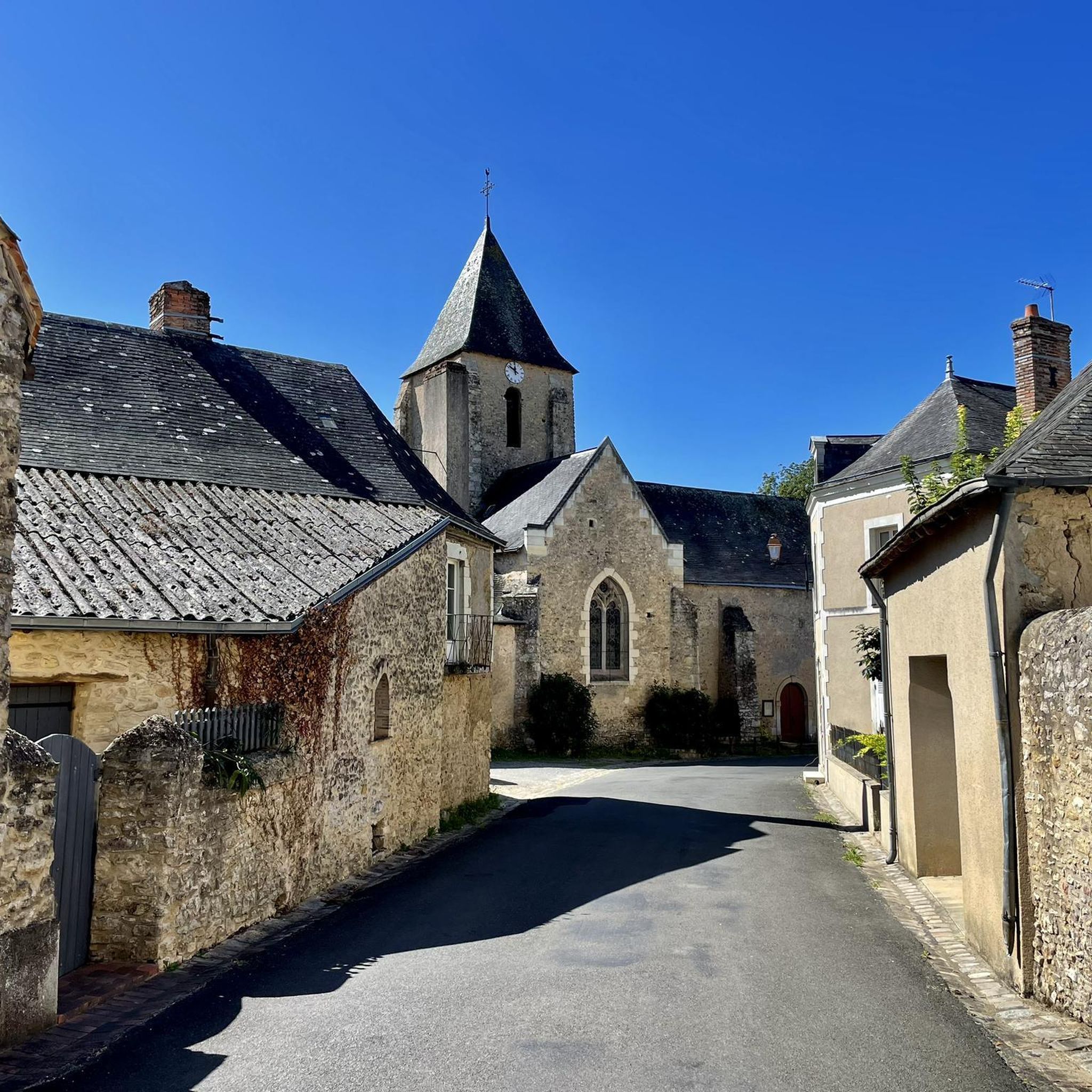
Huillé
Highlight • Settlement
Translated by Google •
Tip by
Cré-sur-Loir
Highlight • Other
Translated by Google •
Tip by
Les Rairies
Highlight • Other
Translated by Google •
Tip by
Sign up for free to discover even more attractions around Huillé.
Sign up for free
Already have an account?
Start today with a free account
Your next adventure awaits.
Login or Signup


Tips from the Community


SCHEDULES From May 1 to October 31, 2023 Details on openings: Call before coming to be sure of openings for visits. PRICES Individual price child Child rate 7-15 years old: €4.50. Payment by cash or checks, no credit card. Individual price adult €7.50 adult. Payment by cash or checks, no credit card. Adult group rate Group rate (>10 people): €6.50 adult and €3.50 child
0
0
VISITS Individual guided tours Average duration of individual visit: 1 hour Groups welcome from 10 people Guided group tours Guided group tours on request Average duration of the group visit: 1 hour Point of interest visible without visit accepted animals Languages available Spoken: French, English
0
0
Located in Anjou, Durtal Castle is a remarkable architectural synthesis of monumental constructions in the Loire Valley. This former royal estate was built on a rocky peak overlooking the Loir valley. Its current location was strategically chosen in the 11th century by Foulques Nerra and Geoffroy de Martel, Lords of Anjou, with the aim of protecting the city of Angers. This imposing stately residence from the Middle Ages will expand over the centuries and become this sumptuous castle where the kings of France loved to stay. The property is, in fact, close to the Chambiers forest, an ideal place for hunting. Durtal Castle has hosted illustrious occupants such as Henri II, Charles IX, Catherine de Medici and Louis XIII. History also tells that in these places the massacre of Saint-Barthélémy was instigated. This historic Angevin building today constitutes the result of a beautiful architectural harmony between the medieval and Renaissance styles. The guided tour allows the public to discover the splendor of Durtal Castle, as well as its historical, architectural and artistic wealth. A dedicated route leads to the exploration of its painting gallery, its walkway, its “nightjar” room, its 15th century framework, and even one of the largest fireplaces in France. To go further in the experience of “castle life”, the owners of Durtal Castle offer stays in comfortable guest rooms and gîtes. Guided tours: Tour departure: 10:30 a.m. – 11:30 a.m. – 2:30 p.m. – 3:30 p.m. – 4:30 p.m. – 5:30 p.m. From Easter to All Saints' Day: weekends and public holidays From June 1st to the 3rd weekend of September: every Monday and Tuesday By appointment for groups, all year round.
0
1

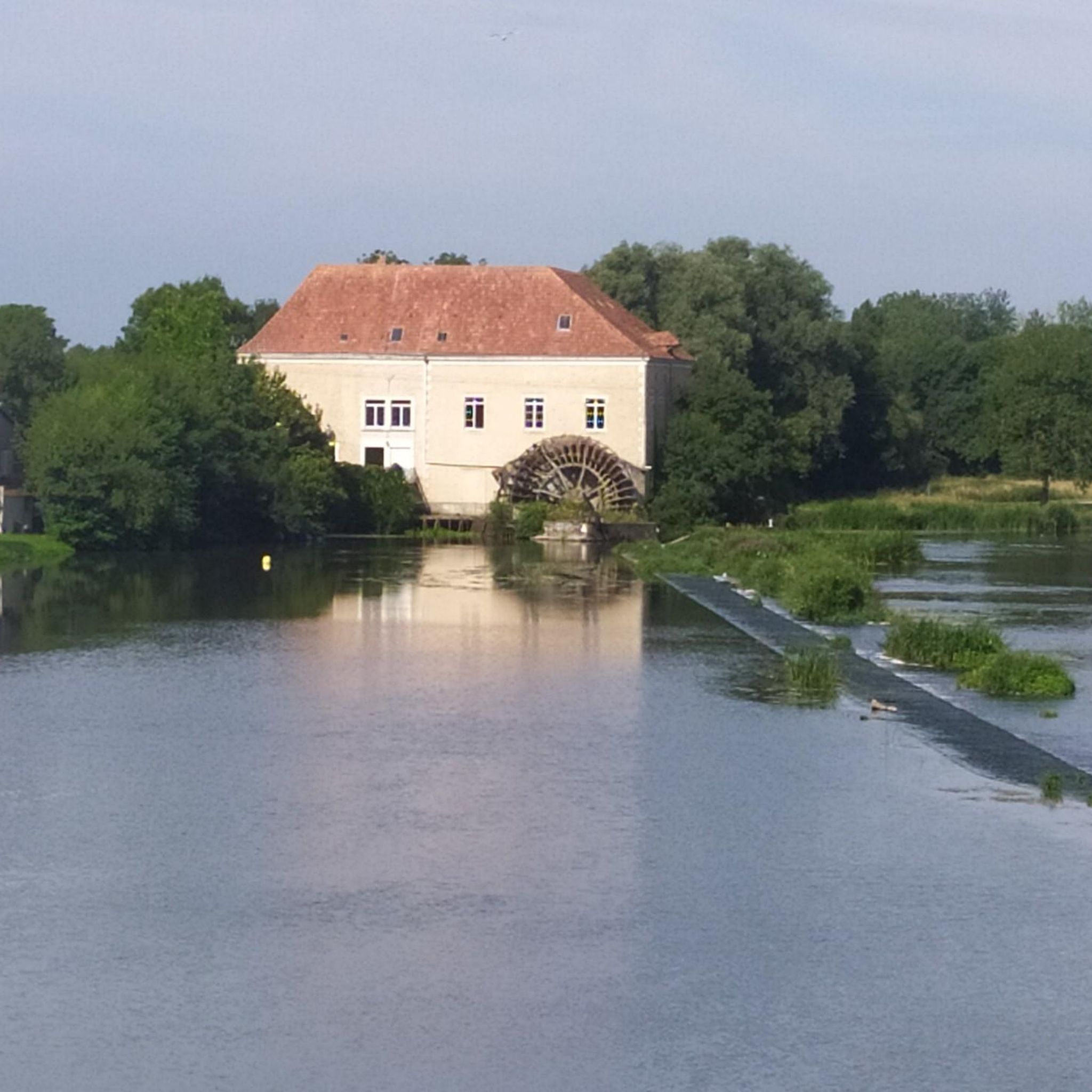
This mill was in operation as early as the 12th century. Initially used for grinding wheat, it was used from the 19th century onwards for tanning and hemp processing. The Motte mill also had a backup windmill which took over when flooding prevented the main mill from operating.
1
0
Now merged with Lézigné, this small town was formerly the seat of small lordships until the Revolution. Its location between the foothills of the Armorican Massif and the Parisian basin gives it a particular character.
1
0
Formerly called Cré, this small village has origins dating back to antiquity. Its old houses and small streets give it a charm that deserves to linger there for a moment.
1
0
Located a few steps from the Sarthe, this small village was once a major center of terracotta. It had up to 60 brickworks, today, two brickmakers perpetuate the local tradition.
1
0
Frequently Asked Questions
What historical landmarks can I explore in Huillé?
Huillé offers several historical landmarks. You can visit the impressive Château de Huillé, with foundations dating back to the 13th century, or the Église Saint-Jean-Baptiste, notable for its remarkable wooden vault. Another significant site is the Château du Plessis-Greffier, with parts from the 13th century. Don't miss the rustic Lavoir de Huillé, a 19th-century washhouse with a unique covered design. For more details on the washhouse, you can visit Anjou Tourisme.
Are there any ancient mills to visit near Huillé?
Yes, you can visit the Mils of La Motte, which were in operation as early as the 12th century, initially grinding wheat and later processing tanning and hemp. Another historical mill is the Old Ignerelle Mill, located in the village of Lézigné, dating from the 19th century.
What is the significance of Château de Durtal?
The Château de Durtal is a significant historical site built between the 11th and 17th centuries. It was once a royal residence and a strategic fortress, showcasing impressive architecture that combines medieval and Renaissance styles. Guided tours are available to explore its rich history and secrets.
What natural features can I enjoy around Huillé?
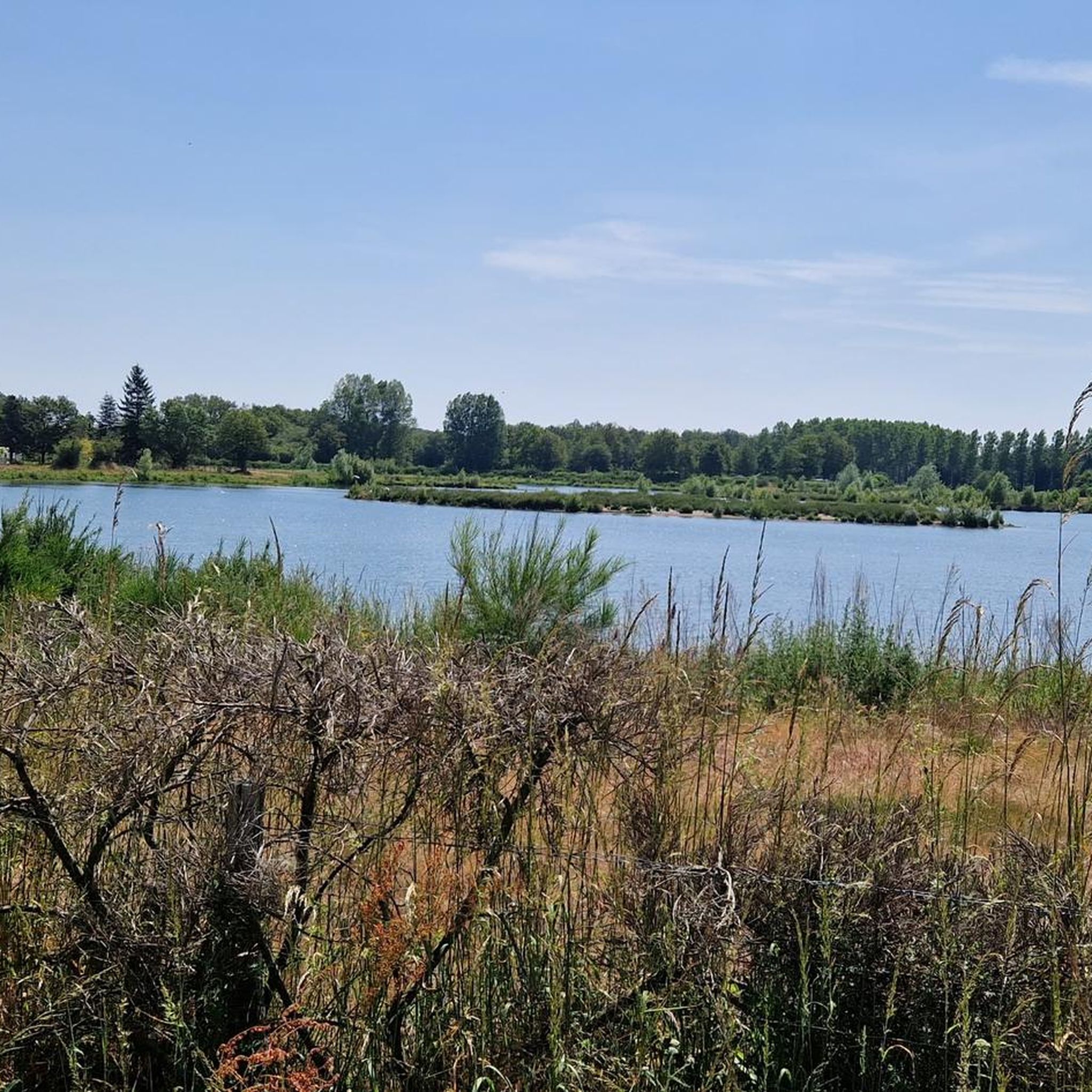
The region is characterized by the beautiful Loir River, which crosses the territory of Huillé-Lézigné, offering a unique character to the valley. To the south, the Chambiers Forest provides a natural escape with protected areas for biodiversity, trails, and two ponds. The entire area is part of the Pays Baugeois, known for its limestone plateau and green landscape.
Are there cycling routes available near Huillé?
Yes, the region is excellent for cycling. The marked Loir Cycling Route (Loir à Vélo) extends approximately 300 km along the left bank of the Loir River, suitable for both cycling and walking. Additionally, you can find various cycling routes, including mountain biking, road cycling, and touring bicycle options, by exploring the Road Cycling Routes around Huillé or Cycling around Huillé guides.
Where can I find hiking trails around Huillé?
Beyond the Loir Cycling Route, numerous local circuits are available for walking and hiking, especially within the Chambiers Forest. The wider Anjou area is known for its extensive hiking trails, offering opportunities to explore the surrounding natural beauty. For mountain biking trails, you can check the MTB Trails around Huillé guide.
Are there any family-friendly attractions in the area?
Many of the historical sites and natural areas are suitable for families. For instance, exploring the Château de Durtal can be an engaging experience. The settlement of Huillé itself, with its historical character, and the various cycling and walking paths along the Loir River and in Chambiers Forest, offer enjoyable outdoor activities for all ages.
What is the best time to visit Huillé for outdoor activities?
The region's green and bucolic landscape makes it pleasant for outdoor activities during spring, summer, and early autumn. These seasons offer favorable weather for cycling along the Loir, hiking in Chambiers Forest, and exploring historical sites. Always check local weather conditions before your visit.
Can I fish in the Loir River near Huillé?
Yes, fishing is possible in the Loir River. Visitors interested in fishing should inquire about local regulations and permits to ensure a compliant and enjoyable experience.
What are some charming villages to explore near Huillé?
Besides Huillé itself, which was formerly the seat of small lordships, you can visit Cré-sur-Loir. This small village has ancient origins, and its old houses and narrow streets offer a charming atmosphere. Another village, Les Rairies, was historically a major center for terracotta production, with two brickmakers still perpetuating the local tradition.
What do visitors enjoy most about the attractions around Huillé?
Visitors appreciate the blend of historical richness and natural beauty. The Mils of La Motte, for example, are valued for their historical significance and unique past. The Château de Durtal is admired for its impressive architecture and royal history. Overall, the komoot community has shown appreciation for the area's attractions with over 40 upvotes and 13 photos shared, highlighting the diverse appeal of the region.
Are there any cultural connections to famous personalities in the area?
Yes, the village of Lézigné, which is merged with Huillé, has a street named after the acclaimed director and actor Patrice Chéreau (1944-2013), who was a native of the town. His family also owned the 16th-century manor house, Domaine de La Bouchetière, which was modernized during their time there.

Get inspired with the komoot mobile app


Explore more
Still not found the Highlight you’re looking for? See guides of the top attractions in other regions:
