Attractions and Places To See around Le Louroux - Top 9
Attractions and places to see around Le Louroux offer a blend of historical architecture, natural beauty, and cultural insights within this rural commune in Indre-et-Loire, France. The area features significant natural areas like the Grand Étang de Louroux, alongside historical landmarks and walking trails. Visitors can explore a variety of sites that showcase the region's heritage and natural landscapes.
Best attractions and places to see around Le Louroux
- The most popular attraction is Courtineau Valley and Troglodyte Houses, a…
Last updated: July 16, 2026
Courtineau Valley and Troglodyte Houses
Highlight • Historical Site
Translated by Google •
Tip by

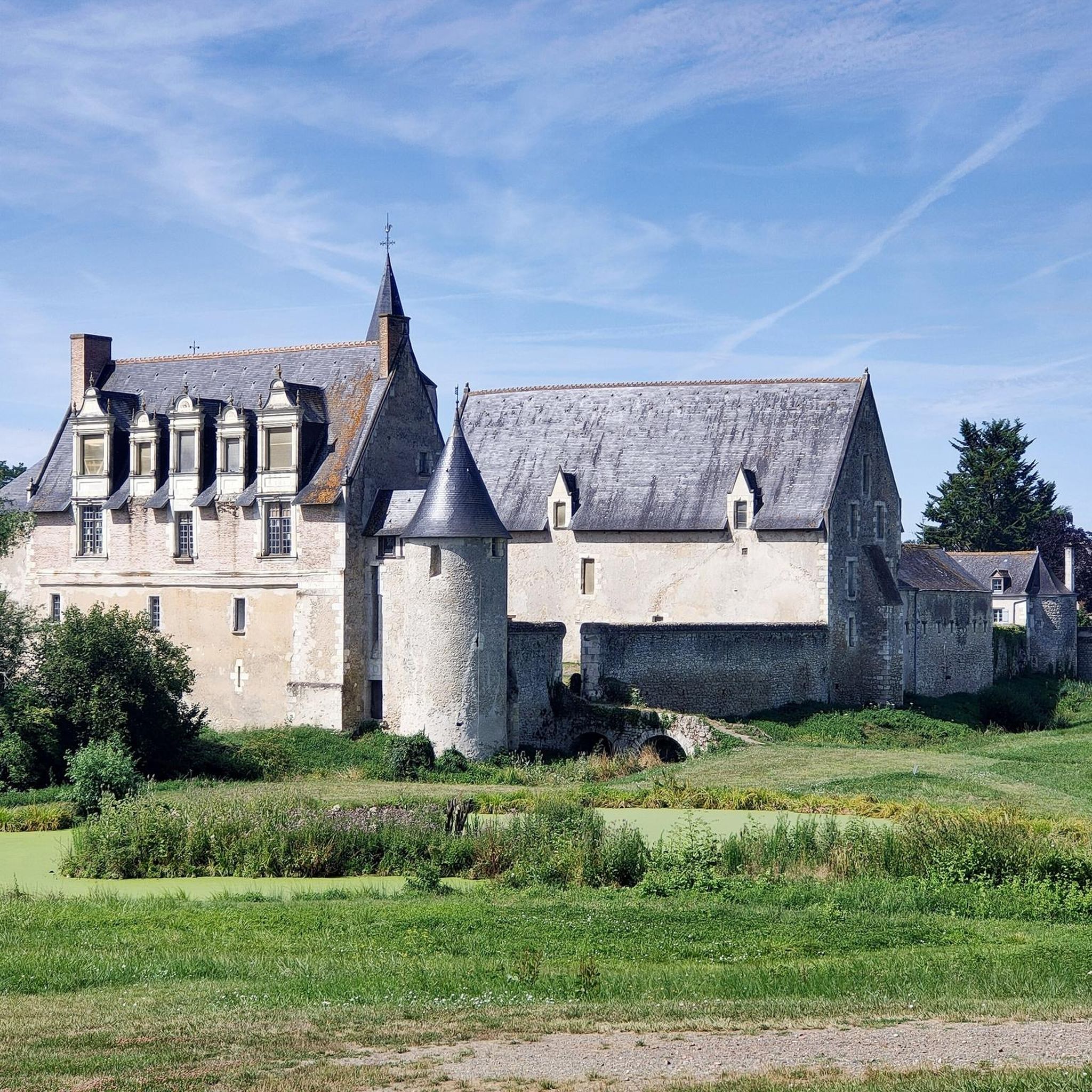
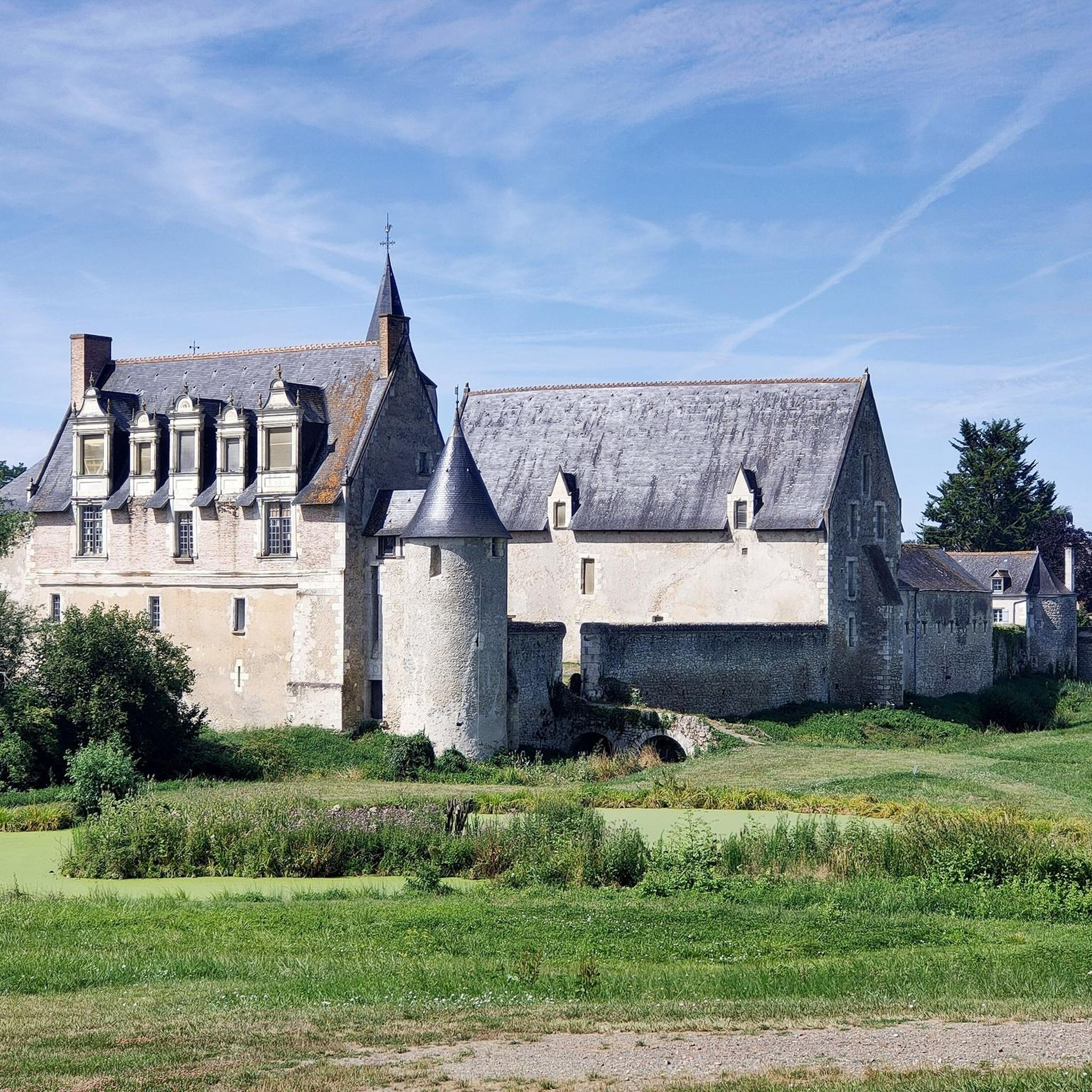
Boisbonnard Castle
Highlight • Castle
This private castle is an old fortress of which only:
- the wide medieval moats in their entirety …
Translated by Google •
Tip by
Sign up now to discover places like this
Get recommendations on the best single tracks, peaks, & plenty of other exciting outdoor places.
Sign up for free
Courtineau Valley
Highlight (Segment) • Other
Translated by Google •
Tip by
Château du Louroux
Highlight • Castle
Translated by Google •
Tip by

Cormery Abbey
Highlight • Other
Translated by Google •
Tip by

Sign up for free to discover even more attractions around Le Louroux.
Sign up for free
Already have an account?
Start today with a free account
Your next adventure awaits.
Login or Signup

Tips from the Community

This private castle is an ancient fortress of which only: the large medieval moat in its entirety and which forms 2 quadrilaterals and a 3-sided figure 5 cylindrical towers including the South-East tower pierced with circular loopholes called “couuvrine tower”. The current castle was built in several stages. The residential house which dates from the 16th century had its facades completely remodeled in 1856. Part of it disappeared at the beginning of the 20th century. To the South-West a main building covered with a 4-sloped roof and presenting stone casement windows on the ground floor had been joined by another building in 1731; these buildings were demolished in 1979
0
0

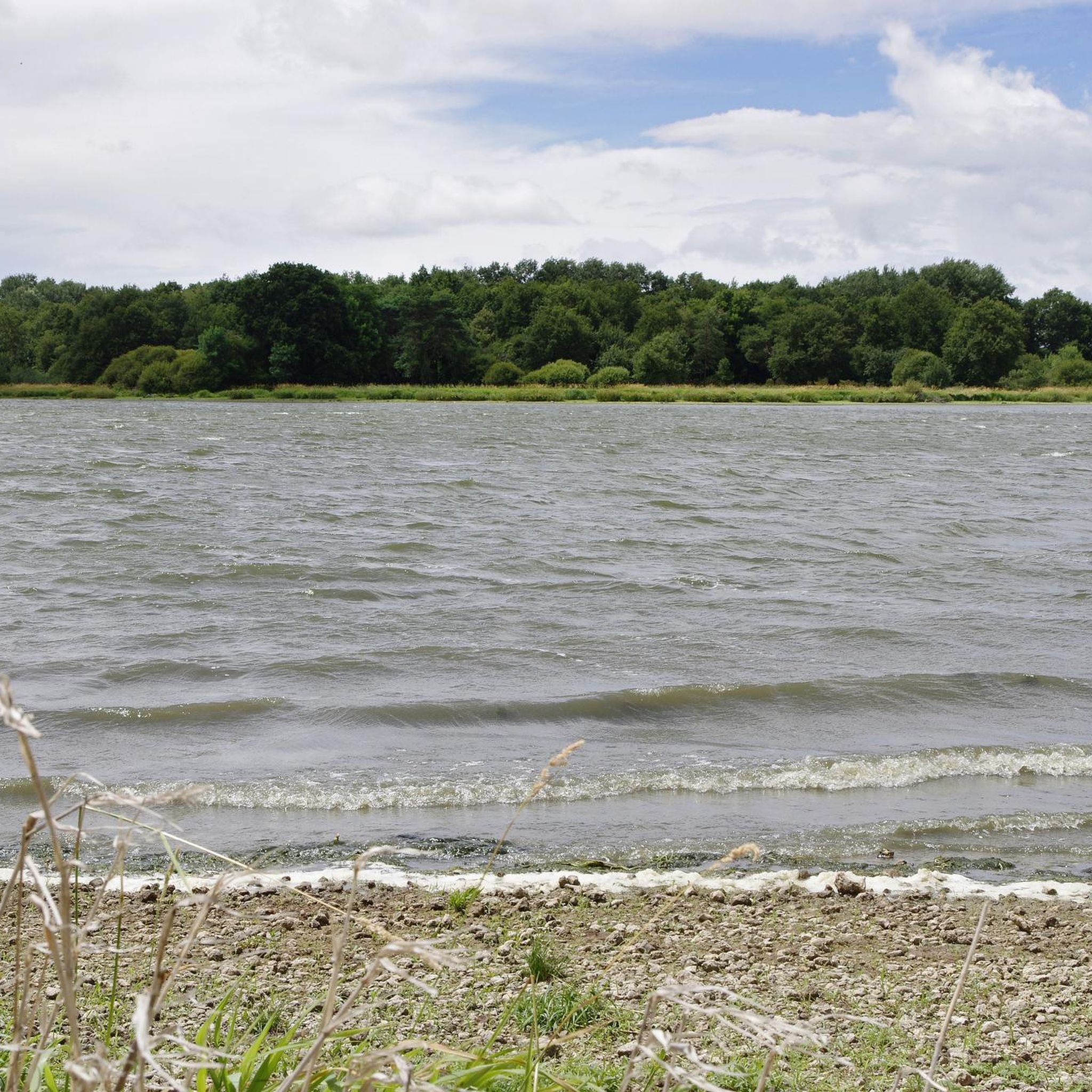
The Chateau de Louroux, or priory of Louroux, is a fortified priory in the 13th century, dependent on the abbey of Marmoutier. The priory housed the Benedictine monks who had the pond dug to provide them with fish and create a water reserve for their mill. The castle can only be visited from the outside.
0
0

After the construction of Cormery Abbey in 791, the town of Cormery developed around it. Inside the abbey there is a cloister, one of the best preserved refectories in France, and beautiful vaulted rooms.
2
0

A very nice road
0
0

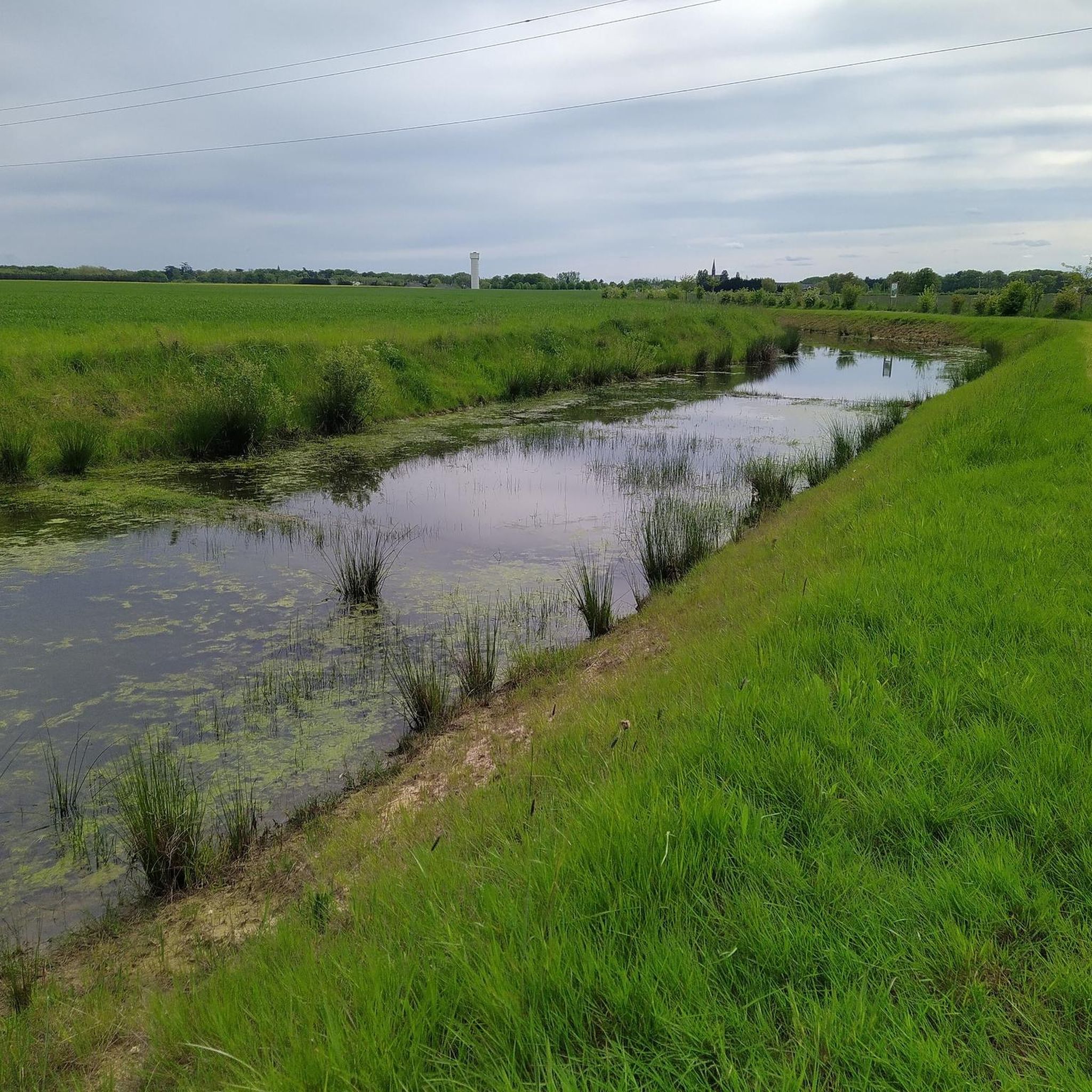
The Courtineau valley is a valley located in the municipalities of Saint-Epain and Sainte-Maure-de-Touraine, in the department of Indre-et-Loire, in the Center-Val de Loire region. Six kilometers long, it has many troglodyte dwellings, water mills, washhouses ... It is classified as a natural area of ecological, faunistic and floristic interest (ZNIEFF) because of its remarkable character. The chapel of Notre-Dame-de-Lorette, carved into the rock, would have been the refuge of a hermit in the fourteenth century2. On March 6, 1429, Joan of Arc would have taken shelter there to protect herself from a downpour while she was traveling the Courtineau valley to go to Chinon to see King Charles VII, after two nights spent in Sainte-Catherine-de -Proudwood. The water mills: - The Moulin de la Chaise: from 1241 to 1789, it belonged to the Chapter of Saint-Martine de Tours and depended on the Provost of Saint-Epain. - The Courtineau mill - The Malicorne mill: in the fourteenth and at least until the seventeenth century, it depended on the seigneury of Sainte-Maure-de-Touraine. We grew hemp there - The Souvres mill. - The mill of Mareille, large building of three floors which appears on the map of Cassini and the Napoleonic land register of 18274. According to the elders, the building was before 1900 a sawmill, the paddle wheel was placed further. The village of Courtineau is made up of troglodyte houses. In the mid-twentieth century he still owned a café, a grocery store and a school.
2
0
The Courtineau valley is a valley located in the municipalities of Saint-Epain and Sainte-Maure-de-Touraine, in the department of Indre-et-Loire, in the Center-Val de Loire region. Six kilometers long, it has many troglodyte dwellings, water mills, washhouses ... It is classified as a natural area of ecological, faunistic and floristic interest (ZNIEFF) because of its remarkable character. The chapel of Notre-Dame-de-Lorette, carved into the rock, would have been the refuge of a hermit in the fourteenth century2. On March 6, 1429, Joan of Arc would have taken shelter there to protect herself from a downpour while she was traveling the Courtineau valley to go to Chinon to see King Charles VII, after two nights spent in Sainte-Catherine-de -Proudwood. The water mills: - The Moulin de la Chaise: from 1241 to 1789, it belonged to the Chapter of Saint-Martine de Tours and depended on the Provost of Saint-Epain. - The Courtineau mill - The Malicorne mill: in the fourteenth and at least until the seventeenth century, it depended on the seigneury of Sainte-Maure-de-Touraine. We grew hemp there - The Souvres mill. - The mill of Mareille, large building of three floors which appears on the map of Cassini and the Napoleonic land register of 18274. According to the elders, the building was before 1900 a sawmill, the paddle wheel was placed further. The village of Courtineau is made up of troglodyte houses. In the mid-twentieth century he still owned a café, a grocery store and a school.
1
0
Boisbonnard is a fairly attractive ensemble and was extensively altered in 1856. This private castle is an old fortress of which only: - the wide medieval moats in their entirety and which form 2 quadrilaterals and a 3-sided figure - 5 cylindrical towers including the South-East tower pierced with circular loopholes called the “couleuvrine tower”. The surrounding walls disappeared, the eastern ones were pulled down in 1856. Access is controlled by 2 entrance towers, capped with pepper shakers, guarding the wooden footbridge which replaced the drawbridge. A portal with a curved pediment connects them. The enclosure demolished in the last century has retained 3 corner towers. The current castle was built in several stages. The residential building, which dates from the 16th century, had its facades completely redesigned in 1856. Part of it disappeared at the beginning of the 20th century. To the south-west, a main building covered with a 4-pitched roof and presenting stone windows on the ground floor had been lined with another building in 1731; these buildings were demolished in 1979. The outbuildings near the front door were built in Renaissance style around 1856 in place of the old farm buildings. Numerous renovation and restoration works have been carried out since 1994. During the cleaning of the moat an oak door was discovered under the water level. We can assume that there was an underground passage between the castle and the village church or to other undergrounds.
2
0
Frequently Asked Questions
What historical and cultural sites can I explore in Le Louroux?
Le Louroux is rich in history. You can visit the historic Prieuré (Priory), also known as Château du Louroux, with its 11th-century origins and diverse architectural styles. Don't miss the Romanesque Saint-Sulpice Church, the ancient 15th-century Cemetery Cross, and the Maison de Pays to learn about local history. The 15th-century Mill and the well-preserved Gothic Bridge also offer glimpses into the past. Further afield, explore Courtineau Valley and Troglodyte Houses, a unique historical site with cave dwellings and old mills, or the impressive Cormery Abbey.
Are there any castles to visit near Le Louroux?
Yes, you can discover Boisbonnard Castle, a private castle retaining its wide medieval moats and five cylindrical towers, with a residential building dating from the 16th century. Additionally, the Prieuré in Le Louroux is also known as Château du Louroux, a fortified priory from the 13th century.
What natural attractions are there in Le Louroux?
The most significant natural area is the Grand Étang de Louroux (Louroux Lake), a 52-hectare sensitive natural area perfect for birdwatching. It features an ornithological observatory where you can spot around 150 bird species. The lake is surrounded by woods and meadows, offering walking trails. The Échandon River, a tributary of the Indre, also crosses the southern part of the commune.
Are there opportunities for birdwatching in Le Louroux?
Absolutely! The Grand Étang de Louroux is a prime location for birdwatching. It has an ornithological observatory where you can observe approximately 150 species of sedentary and migratory birds, including some rare ones.
What kind of walking or hiking trails are available around Le Louroux?
The area around Le Louroux offers various walking trails, including a loop around the Grand Étang de Louroux, allowing you to discover diverse natural environments. For more detailed routes and options, you can explore the Hiking around Le Louroux guide, which includes trails like the 'Le Louroux loop - Natural area of the Louroux pond' and 'L'étang du Louroux – Château du Louroux loop'.
Can I go cycling around Le Louroux?
Yes, Le Louroux is a great base for cycling. You can find various routes for different cycling styles. Check out the MTB Trails around Le Louroux guide for mountain biking adventures or the Road Cycling Routes around Le Louroux guide for road cycling tours, including routes like 'Château et étang de Louroux — loop towards Tours'.
Are there family-friendly activities or attractions in Le Louroux?
Le Louroux offers several family-friendly options. The Grand Étang de Louroux has walking trails, including an interpretive path accessible to people with disabilities, making it suitable for families. Exploring the unique Courtineau Valley and Troglodyte Houses can also be an engaging experience for all ages.
Are there any accessible attractions or trails in Le Louroux?
Yes, the Grand Étang de Louroux features an interpretive path that is accessible to people with disabilities, allowing everyone to enjoy the natural beauty and birdwatching opportunities around the lake.
When is the best time to visit Le Louroux for outdoor activities?
The best time to visit Le Louroux for outdoor activities, such as walking, hiking, and cycling, is generally during spring (April to June) and autumn (September to October). During these seasons, the weather is typically mild and pleasant, making it ideal for exploring the natural landscapes and historical sites.
What do visitors enjoy the most about the attractions around Le Louroux?
Visitors particularly enjoy the blend of historical architecture and natural beauty. The unique Courtineau Valley and Troglodyte Houses are highly appreciated for their historical significance and distinctive character. The tranquil setting of the Grand Étang de Louroux for birdwatching and leisurely walks is also a favorite among visitors.
Where can I find information about the local history of Le Louroux?
To delve into the local history of Le Louroux, visit the Maison de Pays, located in the heart of the village next to the town hall. It provides insights into the commune's past. Additionally, the Prieuré (Château du Louroux) and the Saint-Sulpice Church offer significant historical context through their architecture and heritage.
Most popular routes around Le Louroux

Get inspired with the komoot mobile app


Explore more
Still not found the Highlight you’re looking for? See guides of the top attractions in other regions:
