Attractions and Places To See around Cuverville - Top 20
Best attractions and places to see around Cuverville, a commune in Normandy, France, include historical sites, cultural landmarks, and natural landscapes. The area provides access to significant D-Day sites and charming coastal towns near the English Channel. Visitors can explore a rich religious heritage and impressive châteaux within a short distance.
Best attractions and places to see around Cuverville
- The most popular attractions is Pegasus Bridge, a bridge that was captured by the British 5th Parachute Brigade on June…
Last updated: July 19, 2026
Pegasus Bridge
Highlight • Bridge
Translated by Google •
Tip by

Memorial to the Free French Forces at Ouistreham
Highlight • Historical Site
In a beautiful park on the coast lies this monument of the No.4 Commando's of Lt.Kieffer, who came ashore in the early morning of June 6, 1944 …
Translated by Google •
Tip by
Sign up now to discover places like this
Get recommendations on the best single tracks, peaks, & plenty of other exciting outdoor places.
Sign up for free
Caen-to-the-Sea Canal at Blainville-sur-Orne
Highlight (Segment) • Other
Translated by Google •
Tip by

Bénouville Castle
Highlight • Castle
Translated by Google •
Tip by
Men's Abbey (Saint Stephen), Caen
Highlight • Religious Site
Translated by Google •
Tip by

Sign up for free to discover even more attractions around Cuverville.
Sign up for free
Already have an account?
Start today with a free account
Your next adventure awaits.
Login or Signup


Tips from the Community

Actress Friederike Becht made a noteworthy statement in an interview with the Catholic News Agency when asked what role God plays in her life: "I think everyone is allowed to believe what he or she considers right – as long as it doesn't hurt anyone and as long as you respect what others believe. I BELIEVE WHAT NONE OF THE GODS IN QUESTION WANT IS WAR. Personally, I like the Christian fundamental idea of charity..."
0
0

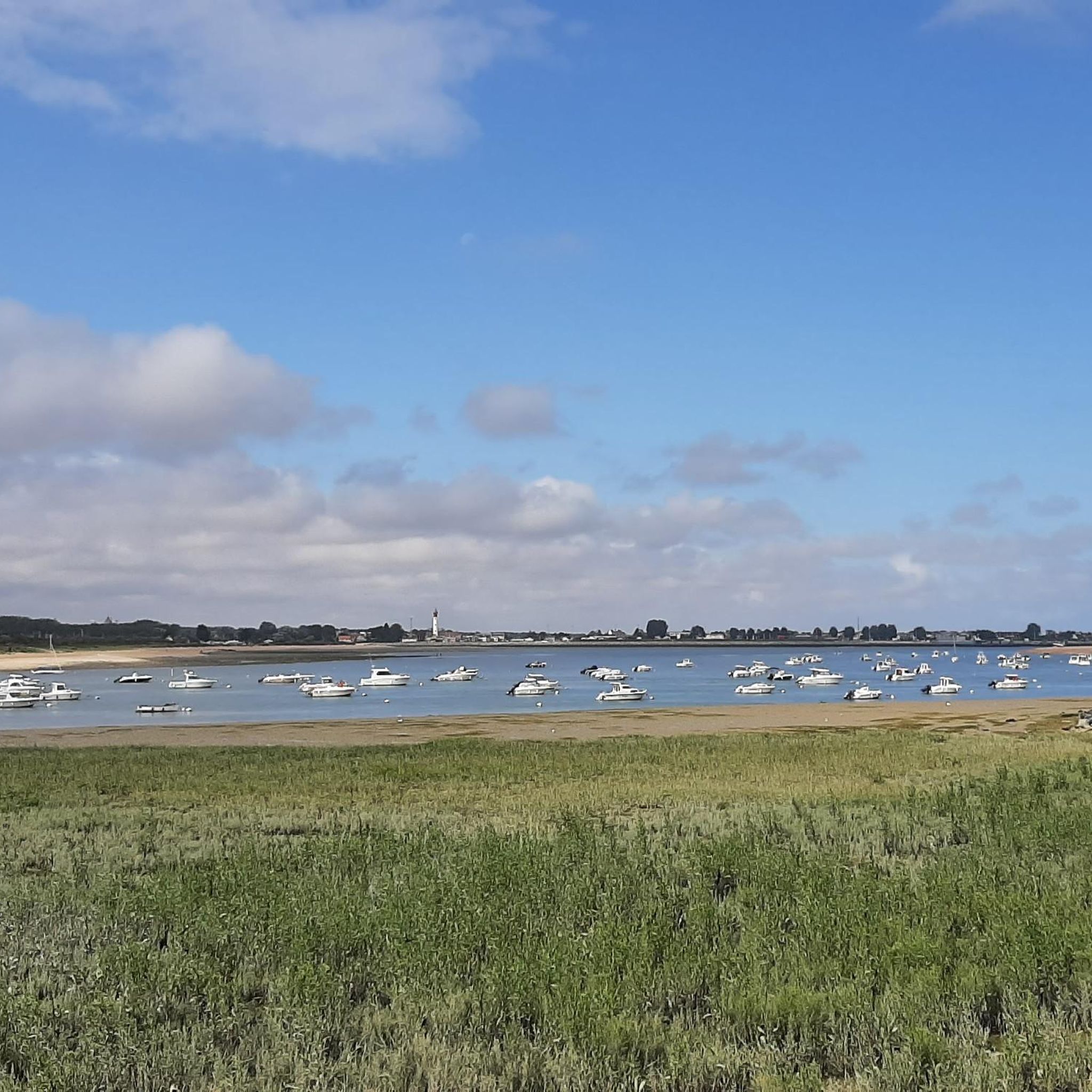
The Orne estuary is so beautiful with its wild environment.
0
0

The memorial commemorates the French soldiers who neutralized the Wehrmacht bunkers here on June 6, 1944.
2
0

Great walk along the seaside.
0
0

Caen, first mentioned in documents in 1027, experienced rapid urban development in the 11th century. It was called a burgus (bourg), was the centre of an extensive ducal domain, lay at the crossroads of important roads and had markets and a port. It first developed as an important city in the Duchy of Normandy under William the Conqueror. He had a strong fortress built in Caen and around 1059 an abbey for women (Abbaye aux dames) and one for men (Abbaye aux hommes), in which he was also buried. Later, during the Huguenot Wars (1562), his grave was destroyed and his bones were lost. William's gravestone can still be seen in the church today. He had the monasteries built to atone for his marriage to his cousin Mathilde, which was disapproved of by the Pope. Both monasteries are among the most important monuments in Normandy and are today – by the monks and nuns during the French Revolution
2
0

The former Benedictine abbey with the monastery church of Saint-Étienne was founded by William the Conqueror in Caen, built from 1060 onwards, but probably not completed until after 1090. From 1120/25 onwards, six-part cross-ribbed vaults were installed in the originally flat-roofed building, which are among the oldest in France.
5
0

11th Century Abbey Church where William the Conqueror is buried. Definitely worth seeing.
2
0
Here William the Conqueror is buried, in the 11th-century abbey church.
3
0
Frequently Asked Questions
What types of attractions can I explore around Cuverville?
The area around Cuverville, Normandy, offers a diverse range of attractions, including significant historical sites related to D-Day, impressive religious buildings, charming châteaux, and scenic natural features like canals and coastal towns. You can delve into medieval architecture, explore wartime history, or enjoy picturesque landscapes.
What historical sites are a must-see near Cuverville?
History enthusiasts will find plenty to explore. Key sites include Pegasus Bridge, a crucial D-Day landmark with a nearby museum. Another significant historical site is the Memorial to the Free French Forces at Ouistreham, commemorating the sacrifices made during the Normandy landings.
Are there any notable châteaux or religious buildings in the vicinity?
Yes, the region is rich in architectural heritage. You can visit Bénouville Castle, a beautiful example of neoclassical architecture from the late 18th century, which now hosts temporary exhibitions. For religious architecture, the Men's Abbey (Saint Stephen) in Caen, founded by William the Conqueror, is a must-see, housing some of France's oldest cross-ribbed vaults. The extensive ruins of Jumièges Abbey are also within reach.
What natural features or scenic spots can I enjoy near Cuverville?
The Caen-to-the-Sea Canal at Blainville-sur-Orne offers a pleasant 14 km long waterway with a paved cycle path, perfect for scenic rides or walks. Additionally, the Normandy coast provides attractive seaside resorts like Houlgate, Cabourg, Honfleur, Trouville, and Deauville, known for their beaches and charming atmosphere.
What outdoor activities are available around Cuverville?
The area is excellent for outdoor enthusiasts. You can enjoy various cycling routes, including easy road cycling paths and more challenging MTB trails. Hiking is also popular, with trails offering panoramic views and historical insights. For detailed routes, check out the guides for hiking, MTB, and road cycling around Cuverville.
Are there family-friendly attractions in the Cuverville area?
Many attractions around Cuverville are suitable for families. Historical sites like Pegasus Bridge and the Memorial to the Free French Forces offer educational experiences. The paved cycle path along the Caen-to-the-Sea Canal is great for family bike rides or roller skating. Exploring the nearby coastal towns and their beaches also provides fun for all ages.
What is the significance of Pegasus Bridge?
Pegasus Bridge is historically significant as it was one of the first objectives captured by the British 5th Parachute Brigade on D-Day, June 6, 1944. Its capture was crucial for securing the eastern flank of the Normandy landings. A small museum nearby recounts its pivotal role in Operation Overlord, and visitors can see the original bridge section.
Can I visit the Château de Cuverville?
The Château de Cuverville, a 17th-century residence, is a private property and not open to the public. However, other châteaux in the region, such as Bénouville Castle and the medieval Château de Creully, are accessible for visitors.
What do visitors particularly enjoy about the attractions near Cuverville?
Visitors frequently praise the historical depth of the area, especially the D-Day sites like Pegasus Bridge, often highlighting the moving experience of seeing the original bridge and museum. The scenic beauty of the Caen-to-the-Sea Canal is also highly appreciated for cycling and walks, with its smooth path being a favorite among roller skaters and cyclists.
Are there any easy walks or cycling routes suitable for beginners?
Yes, the paved cycle path along the Caen-to-the-Sea Canal is very smooth and suitable for easy cycling and walking. For more options, the Road Cycling Routes around Cuverville guide includes several easy-grade routes, such as the 'Picturesque straight lines loop from Giberville' and the 'Bust of Lord LOVAT loop from Giberville'.
What is the best time of year to visit Cuverville and its surrounding attractions?
The best time to visit Cuverville and the Normandy region is generally from late spring to early autumn (May to September). During these months, the weather is typically mild and pleasant, ideal for exploring historical sites, enjoying outdoor activities like cycling and hiking, and visiting the coastal towns. Summer offers the warmest temperatures, but also the largest crowds.
Most popular routes around Cuverville
Most popular attractions around Cuverville

Get inspired with the komoot mobile app


Explore more
Still not found the Highlight you’re looking for? See guides of the top attractions in other regions:
