The best running trails around Oye-Plage
4.4
(26)
872
runners
39
runs
Jogging around Oye-Plage offers routes across a generally flat, maritime landscape, ideal for various running activities. The region features an extensive coastline with sandy beaches and dunes, providing varied terrain for exploration. A significant natural highlight is the Platier d'Oye National Nature Reserve, a 391-hectare area with marked trails through diverse landscapes including moorland and wet meadows. The low elevation, with much of the territory less than 4 meters above sea level, contributes to accessible running conditions.
Best jogging routes…
Last updated: November 3, 2026
43
runners
15.0km
01:43
20m
20m
Moderate run. Good fitness required. Mostly paved surfaces.
4.5
(2)
29
runners
9.18km
01:02
10m
10m
Moderate run. Good fitness required. Mostly paved surfaces.

5.0
(1)
28
runners
5.30km
00:37
10m
10m
Moderate run. Good fitness required. Mostly paved surfaces.
4.0
(2)
16
runners
9.84km
01:02
10m
10m
Moderate run. Good fitness required. Mostly paved surfaces.
21
runners
6.03km
00:42
10m
10m
Moderate run. Good fitness required. Mostly paved surfaces.
Get access to more routes and recommendations from other explorers.
Already have an account?
Our route recommendations are based on thousands of hikes, rides, and runs completed by other people on komoot.
Start today with a free account
Your next adventure awaits.

Tips from the Community

An impressive stone monument with a large cross, located on the edge of the shipping channel of Grand-Fort-Philippe, near Gravelines. The calvary was built in 1947 to protect the fishermen and in memory of those who were lost at sea. Under the stone arch is a small chapel with a statue of the Virgin Mary and memorial plaques. Every year on August 15th, the place really comes to life: after the procession through the streets, the traditional boat parade stops here for the blessing of the sea. A quiet, atmospheric place to pause and reflect on the difficult fishing history of this coast, with a view of the channel and the sea. Feel free to combine it with a visit to the Musée du Sauvetage in the village.
0
0
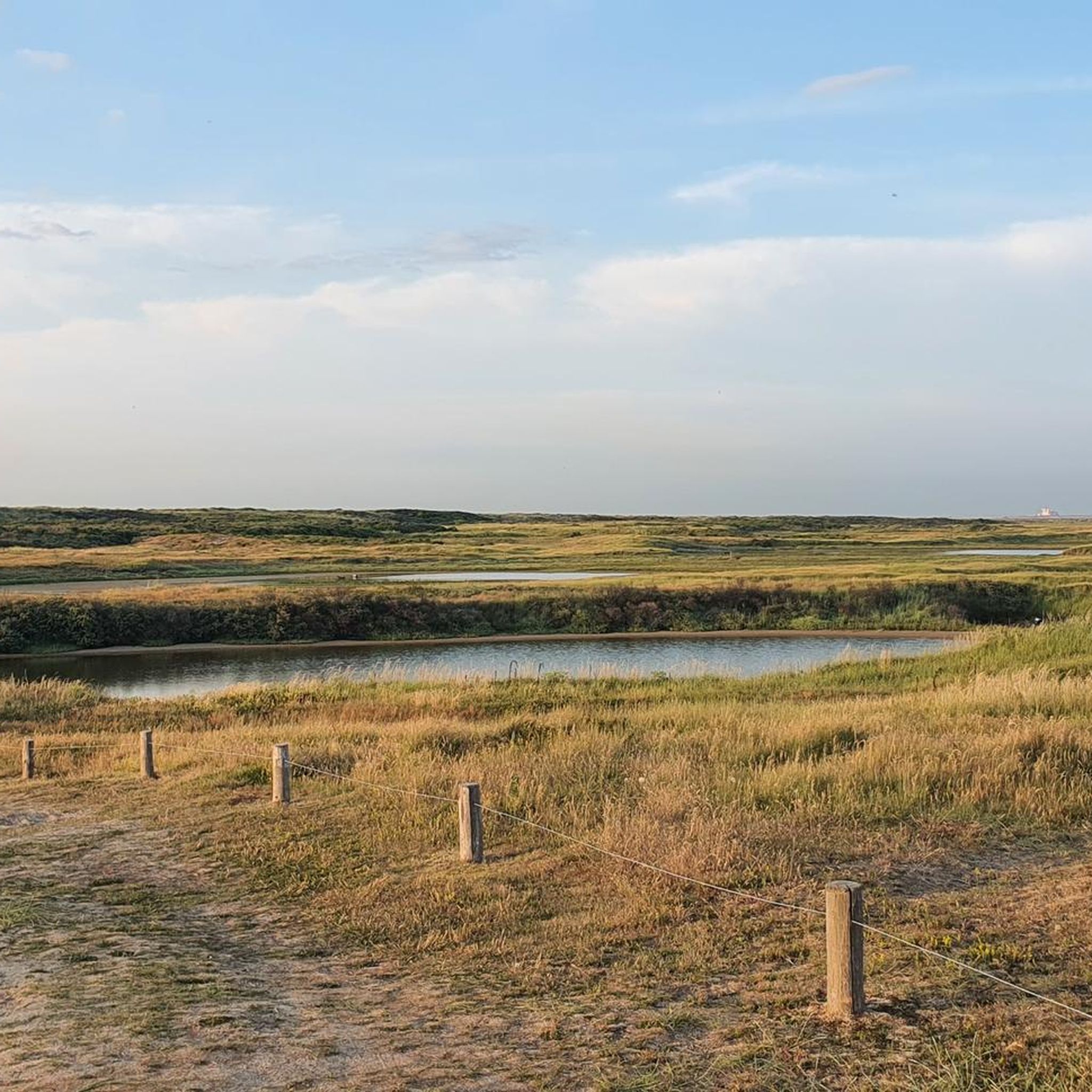
A covered bird hide with a view over the reserve's ponds, ideal for quietly observing birds without disturbing them. Inside, there are large, clear identification charts to help you recognize what you see, including which months each species winters, migrates, or breeds here. On the ponds, you can see all kinds of ducks: dabbling ducks like the common teal, Eurasian wigeon, northern shoveler, gadwall, northern pintail, and common shelduck, and diving ducks like the tufted duck, common pochard, and common goldeneye. Along the banks, waders forage, such as the pied avocet, common redshank, Eurasian oystercatcher, northern lapwing, Eurasian curlew, and bar-tailed godwit. You can also encounter grey herons, little egrets, Eurasian spoonbills, great cormorants, greylag geese, and various gull species. Bring binoculars and give yourself time: the longer you sit still, the more there is to see. Especially during migration periods and in winter, the water is bustling with activity.
0
0
This information board shows nicely how the coast here is constantly changing. Where the “plage du Casino” used to be, a regular sandy beach, the area is gradually silting up. Sea currents and wind bring sand and silt, sandbanks form off the coast, and the former beach becomes overgrown. This is how it changes step by step into a salt marsh and polder-like landscape. Old and recent photos on the board make the difference clearly visible. The board also introduces the breeding birds of the high beach, such as plovers and terns, which depend on exactly such a quiet, open beach. From here you look out over the dunes and the reserve towards the sea. A nice stop to understand why the Platier d’Oye is such a special and dynamic nature reserve.
0
0
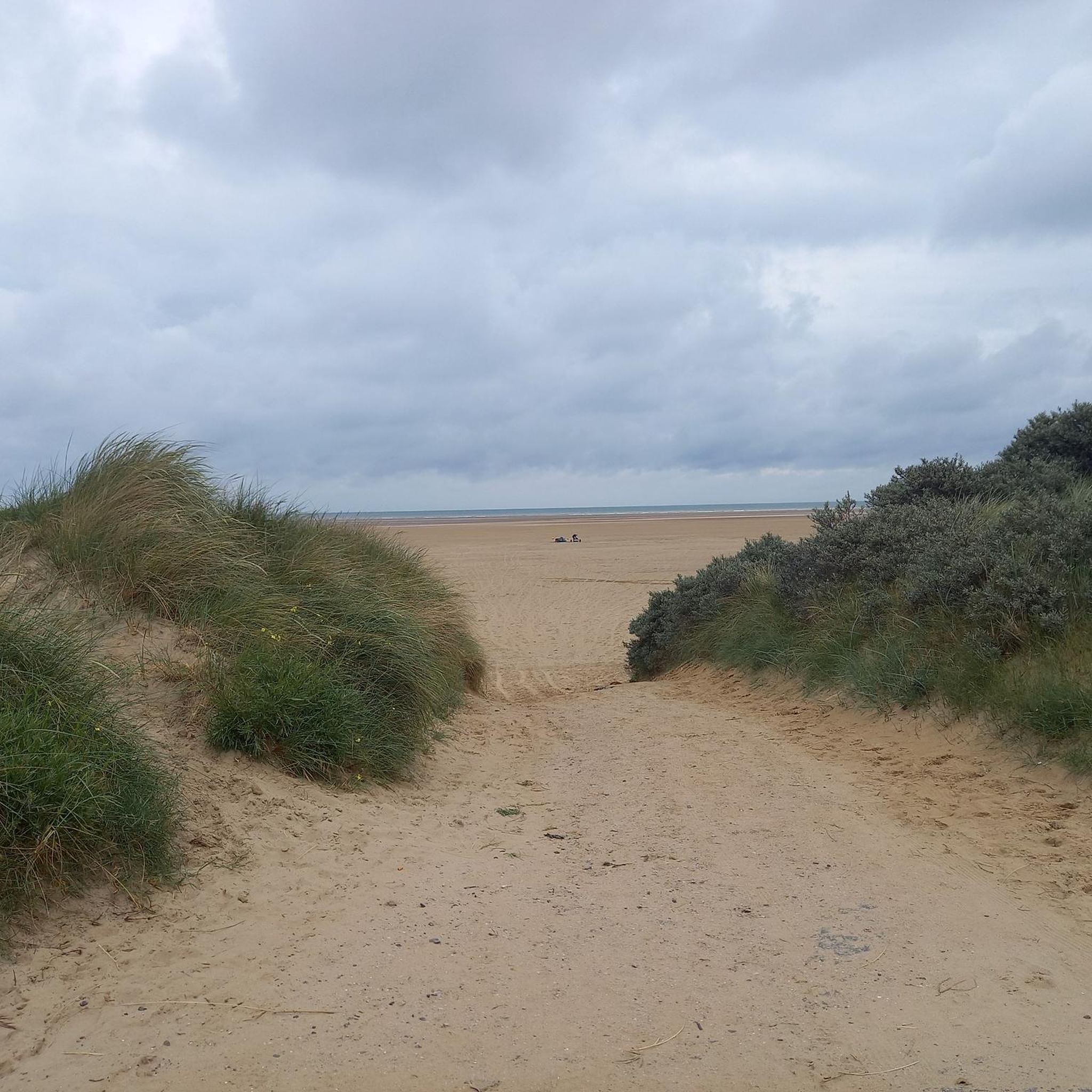
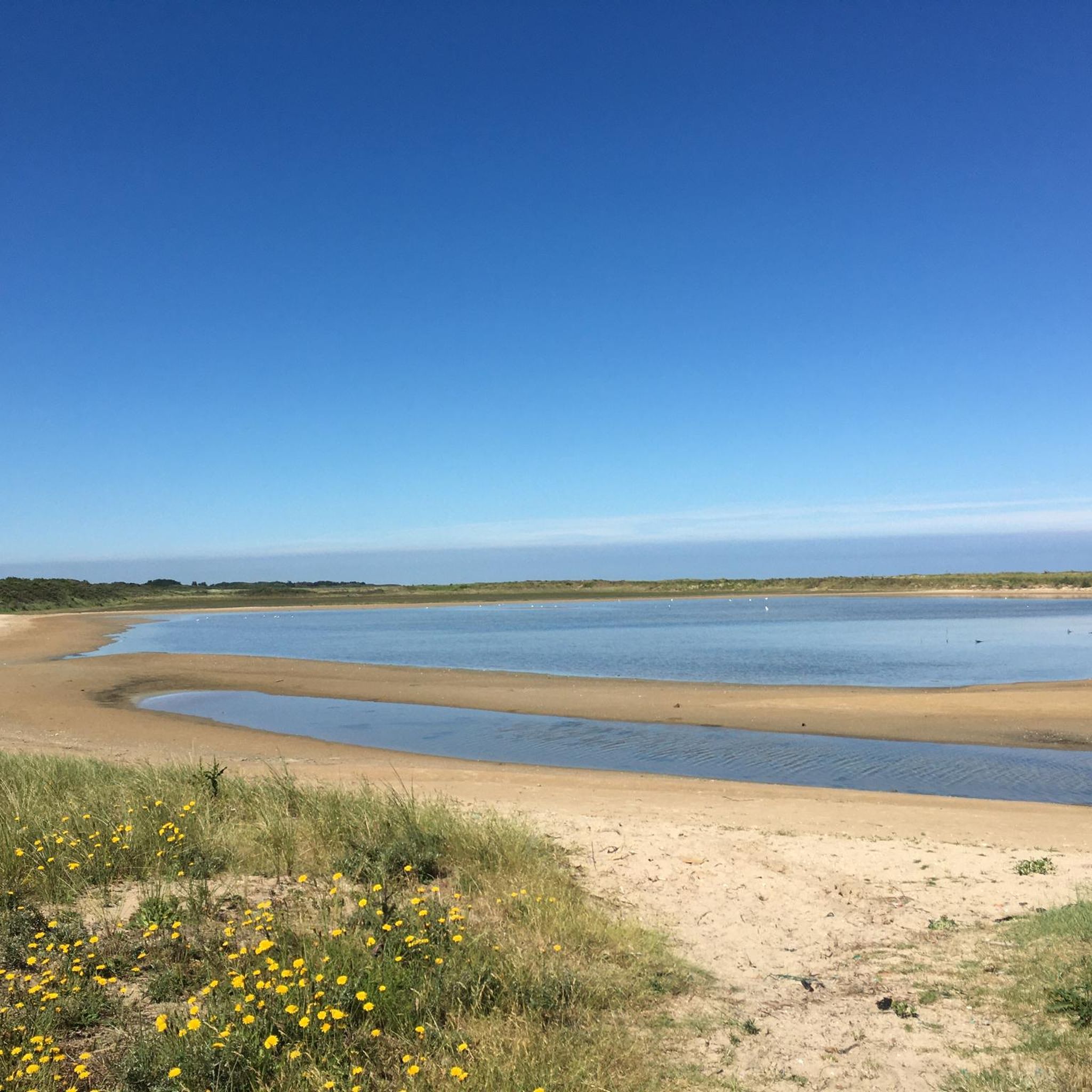
Beautiful protected nature reserve on the Opal Coast, between Oye-Plage and Grand-Fort-Philippe, managed by the Conservatoire du Littoral. Here, dunes, beach, salt marshes, ponds, and polders alternate, making it a top spot for birdwatchers. With a bit of luck, you can spot the pied avocet, little tern, Eurasian stone-curlew, common teal, or northern lapwing. Sea buckthorn grows abundantly in the dunes. A short loop trail starts at the parking lot along the ponds, and via the dune crossing, you can easily reach the wide beach. Definitely bring binoculars! The area is fragile, so stay on the paths and leave dogs at home or on a leash.
1
0

In the Netherlands called salt marshes or salt marshes
0
0

The nature reserve offers various possibilities. The beach, the dunes and beautiful, long boardwalks. Occasionally information boards and a number of bird huts. On the beach many coastal poles and the bunkers of Escardines.
10
0
Many coastal poles were planted in the beach. They give the beach a beautiful stamp. They are there to stabilize the dunes and the coast and to protect them from erosion. The poles help to maintain the dune structure and prevent them from being washed away by the wind and the water. They play an important role in the preservation of the natural environment and the protection of the coastal areas.
9
0
The Réserve Naturelle Nationale du Platier d'Oye is a magnificent nature reserve located near Dunkirk. This reserve covers an area of 391 hectares and offers a unique ecosystem with a rich biodiversity. Here you can discover 230 species of birds, 20 species of mammals and 361 species of flowers and plants. It is an important stopover for migratory birds along the coast of the Manche and the North Sea. There are three marked hiking trails through the dunes and wetlands, which are popular with botanists, birdwatchers and regular walkers. The reserve is always open and offers a wonderful place to explore nature and enjoy the peace and beauty of the area.
10
0
Frequently Asked Questions
How many running routes are available in Oye-Plage?
There are over 35 running routes around Oye-Plage, offering a variety of experiences. The komoot community has recorded 39 routes in total, ranging from easy to difficult.
What kind of terrain can I expect on the jogging trails around Oye-Plage?
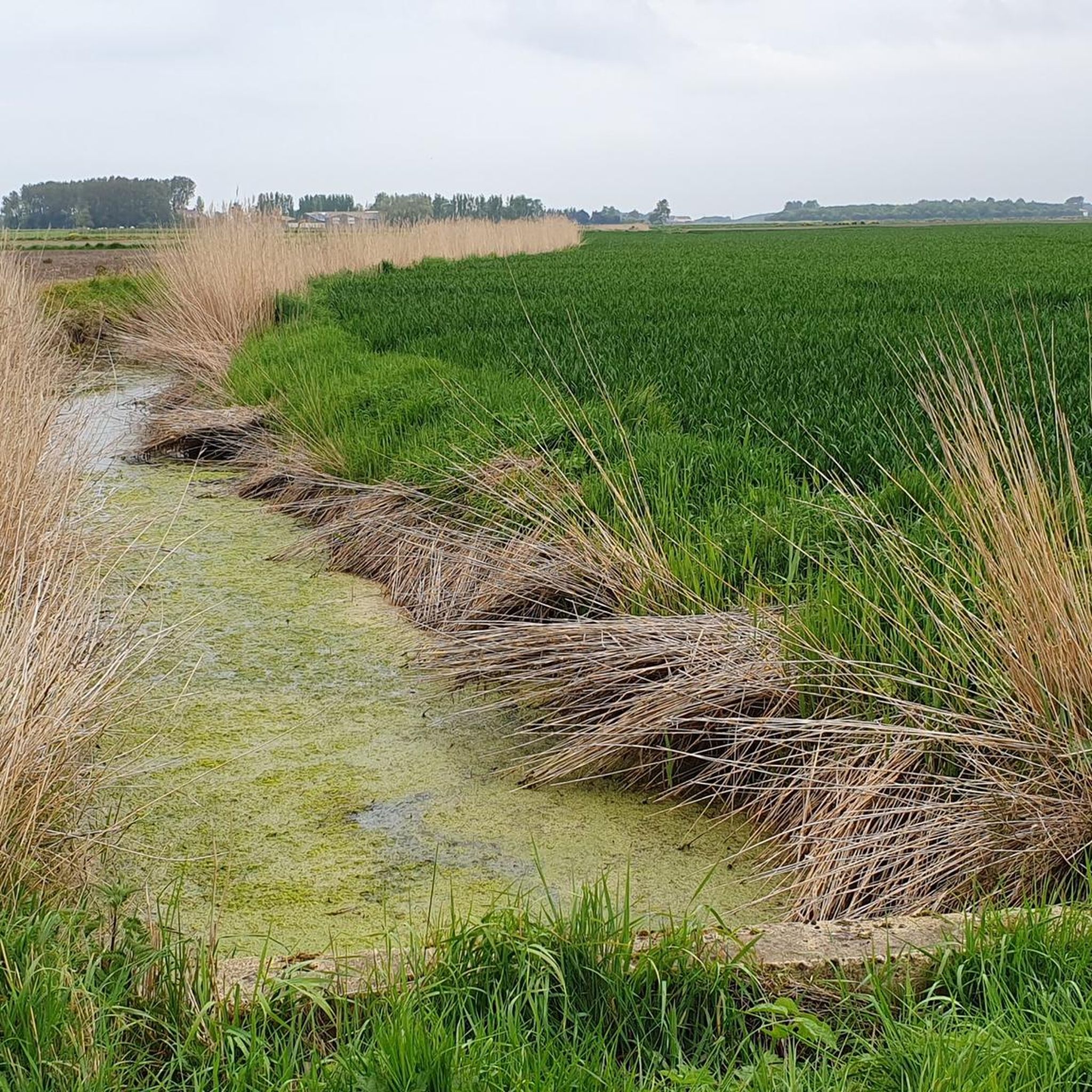
The region is characterized by a generally flat, maritime landscape. You'll find extensive sandy beaches and coastal dunes, as well as varied terrain within the Platier d'Oye National Nature Reserve, which includes moorland, scrub, wet meadows, and inland marshes. Many routes are at low elevation, often less than 4 meters above sea level.
Are there running routes suitable for beginners in Oye-Plage?
Yes, Oye-Plage offers several easy running routes perfect for beginners. For example, the Observation point loop from Oye-Plage is an easy 4.3 km path that takes approximately 30 minutes to complete.
What do other runners say about the trails in Oye-Plage?
The running routes in Oye-Plage are highly rated by the komoot community, with an average score of 4.3 stars from over 10 reviews. More than 700 runners have used komoot to explore the varied terrain, often praising the coastal views and natural beauty.
Are there any circular running routes in Oye-Plage?
Yes, many of the running routes in Oye-Plage are circular, allowing you to start and finish at the same point. A popular option is the The Leaning Tower – Leaning Tower loop from Oye-Plage, a 7.9 km trail through the flat coastal plain.
Can I bring my dog on the jogging routes in Oye-Plage?
While many outdoor areas in France are dog-friendly, specific rules can apply, especially in protected areas. For the Platier d'Oye National Nature Reserve, it's generally recommended to keep dogs on a leash to protect wildlife, particularly migratory birds. Always check local signage for specific regulations.
Are there family-friendly running options in Oye-Plage?
Absolutely. The generally flat landscape and well-maintained paths, such as the 3 km wooden walkway within the Platier d'Oye National Nature Reserve, make many routes suitable for families. These paths offer easy access and scenic views for all ages.
Where can I park when visiting the running trails in Oye-Plage?
Parking is available at various access points for the running trails, particularly near the Platier d'Oye National Nature Reserve and along the coastline. Specific parking areas are usually signposted at trailheads.
What are some interesting sights or landmarks I can see while jogging?
Oye-Plage's running routes offer a blend of natural beauty and historical interest. You can encounter World War II structures like the Écardines Bunkers on the beach, or the intriguing "Leaning Tower" (Tour penchée). The Platier d'Oye National Nature Reserve itself is a major highlight, known for its diverse landscapes and migratory birds.
Are there any routes that combine coastal views with historical sites?
Yes, several routes offer this unique combination. For instance, the Écardines Bunkers – Observation point loop from La Tour Penchée is a moderate 5.7 km path that combines beautiful coastal views with historical sites like the Écardines Bunkers and the Leaning Tower.
What is the best time of year for running in Oye-Plage?
Oye-Plage is suitable for running year-round, thanks to its generally mild coastal climate. Spring and autumn are particularly pleasant, offering comfortable temperatures and the chance to observe migratory birds in the Platier d'Oye National Nature Reserve. Summer provides longer daylight hours for beach runs, while winter can offer crisp, invigorating conditions.
Are there any long-distance running options in Oye-Plage?
Yes, for those looking for longer runs, Oye-Plage offers routes that extend along its 9 km coastline and through the nature reserve. The Observation point – Écardines Bunkers loop from Oye-Plage is a good example, covering 14.5 km and taking about 1 hour 38 minutes to complete.
Most popular attractions around Oye-Plage

Get inspired with the komoot mobile app


Explore more
Browse the best Running Trails & Routes in other regions.
