Attractions and Places To See around Sailly-Sur-La-Lys - Top 20
Best attractions and places to see around Sailly-Sur-La-Lys include historical sites, natural areas, and cultural experiences. Situated in the Pas-de-Calais department, the commune features the Lys River with walking paths and protected natural reserves like Prés du Moulin Madame. The area holds significant historical importance, particularly related to the World Wars, with numerous memorials and rebuilt structures. Visitors can explore a blend of architectural heritage and serene landscapes.
Best attractions and places to see around Sailly-Sur-La-Lys
- The most popular attractions…
Last updated: May 9, 2026
Australian Memorial Park Fromelles
Highlight • Monument
Translated by Google •
Tip by

Le Trou Aid Post Cemetery
Highlight • Other
Translated by Google •
Tip by
Sign up now to discover places like this
Get recommendations on the best single tracks, peaks, & plenty of other exciting outdoor places.
Sign up for free
Berks Cemetery Extension and the Ploegsteert Memorial
Highlight • Historical Site
Translated by Google •
Tip by

Armentières
Highlight • Settlement
During World War I, Armentières …
Translated by Google •
Tip by
Chartreuse Notre-Dame-des-Sept-Douleurs de la Boutillerie
Highlight • Historical Site
Translated by Google •
Tip by
Sign up for free to discover even more attractions around Sailly-Sur-La-Lys.
Sign up for free
Already have an account?
Start today with a free account
Your next adventure awaits.
Login or Signup
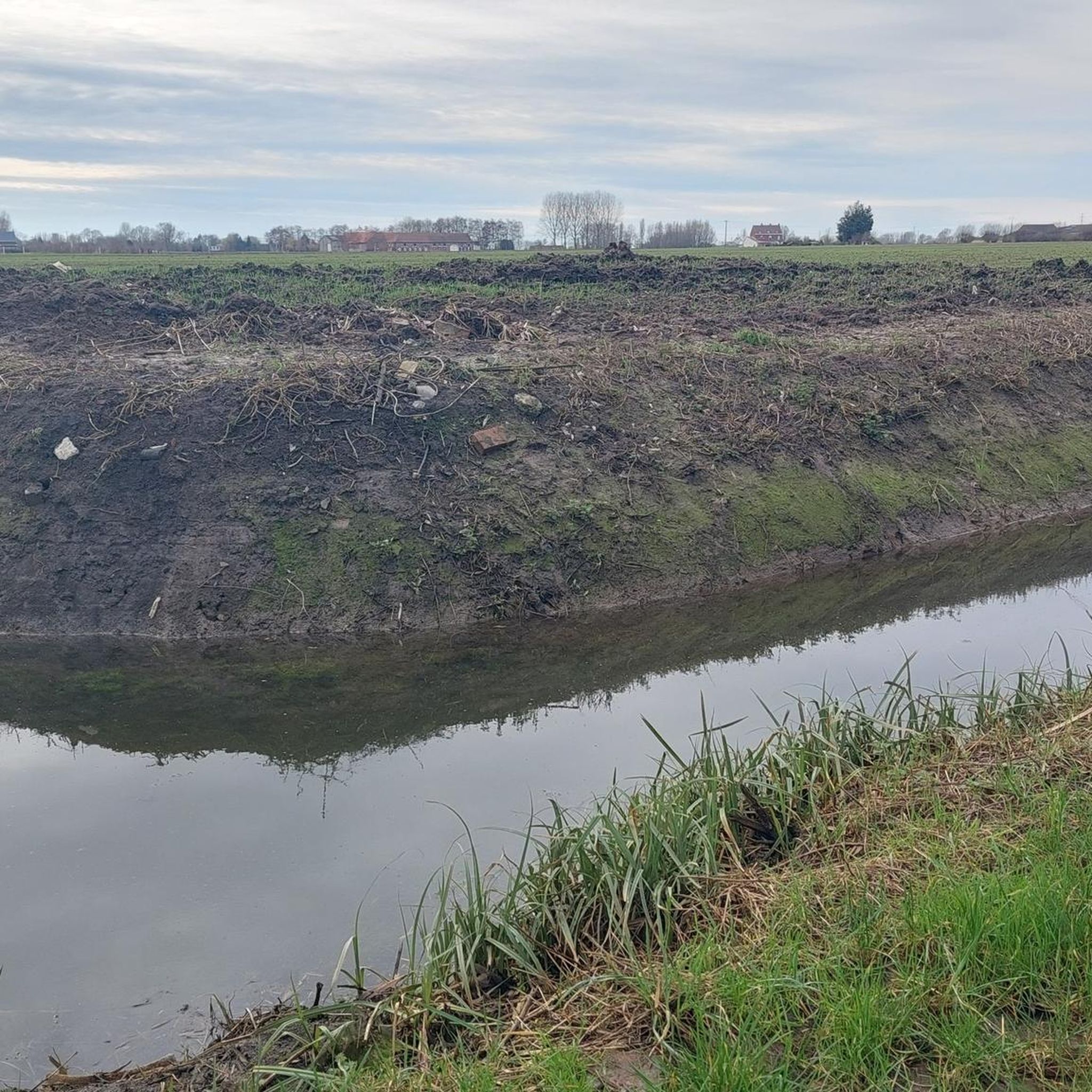
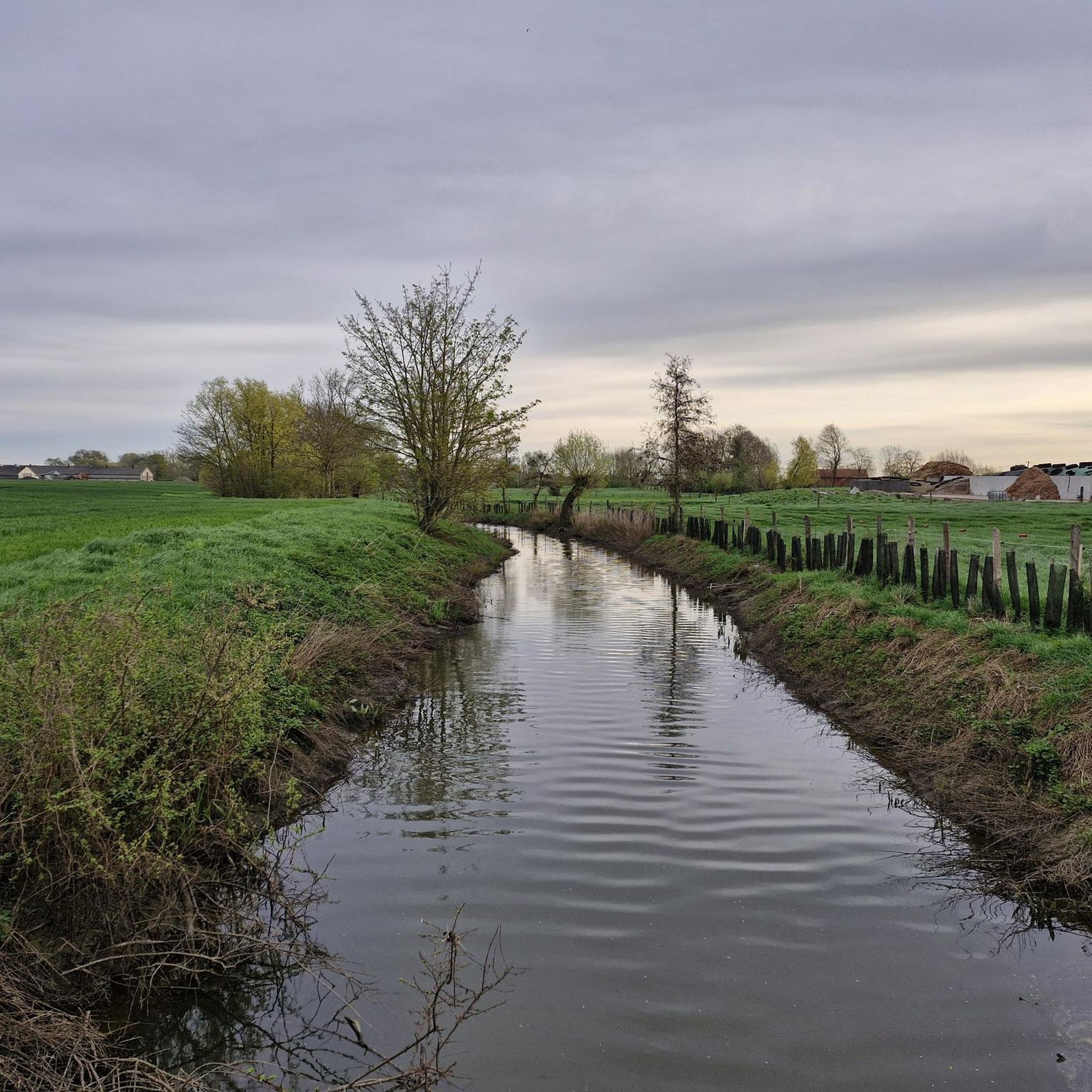
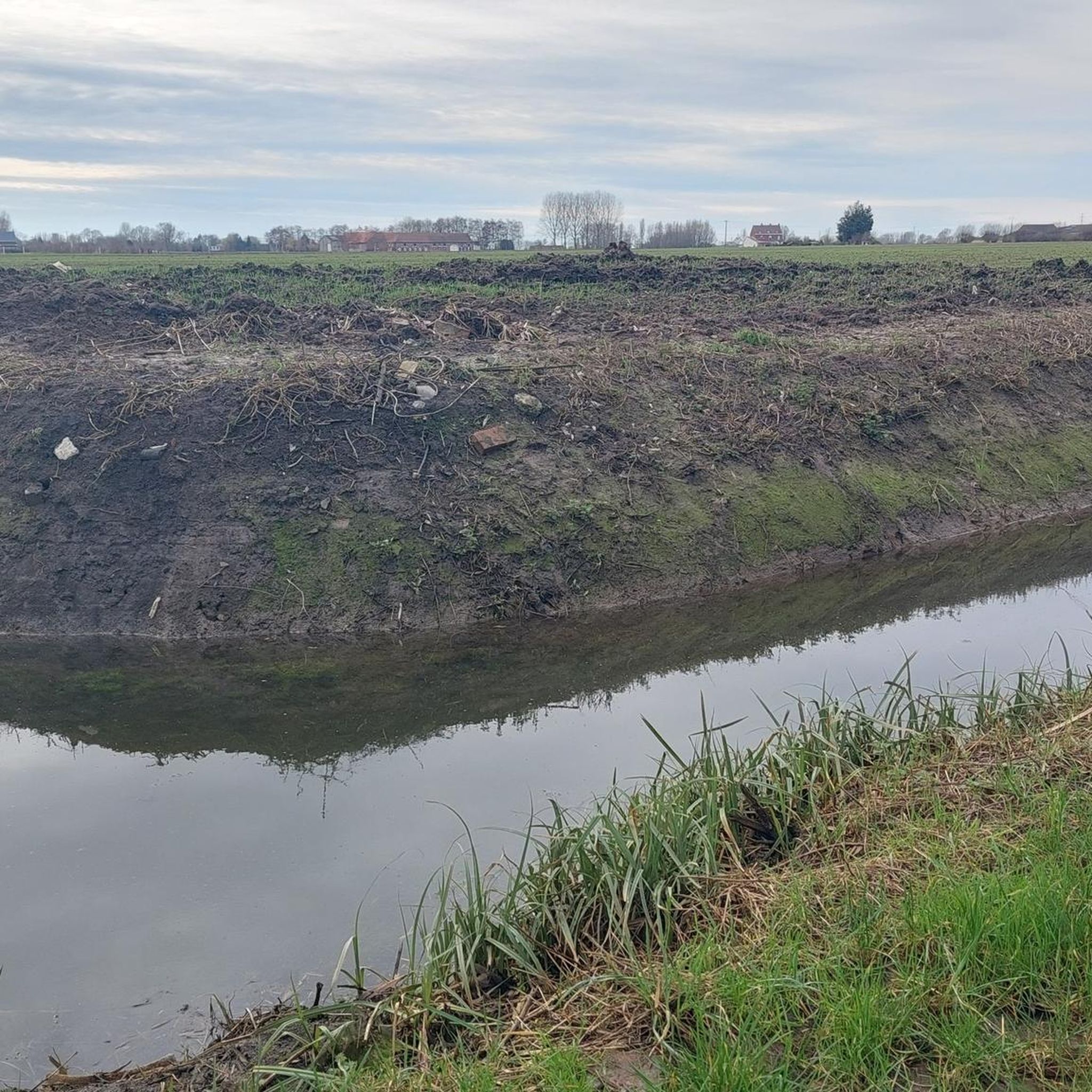

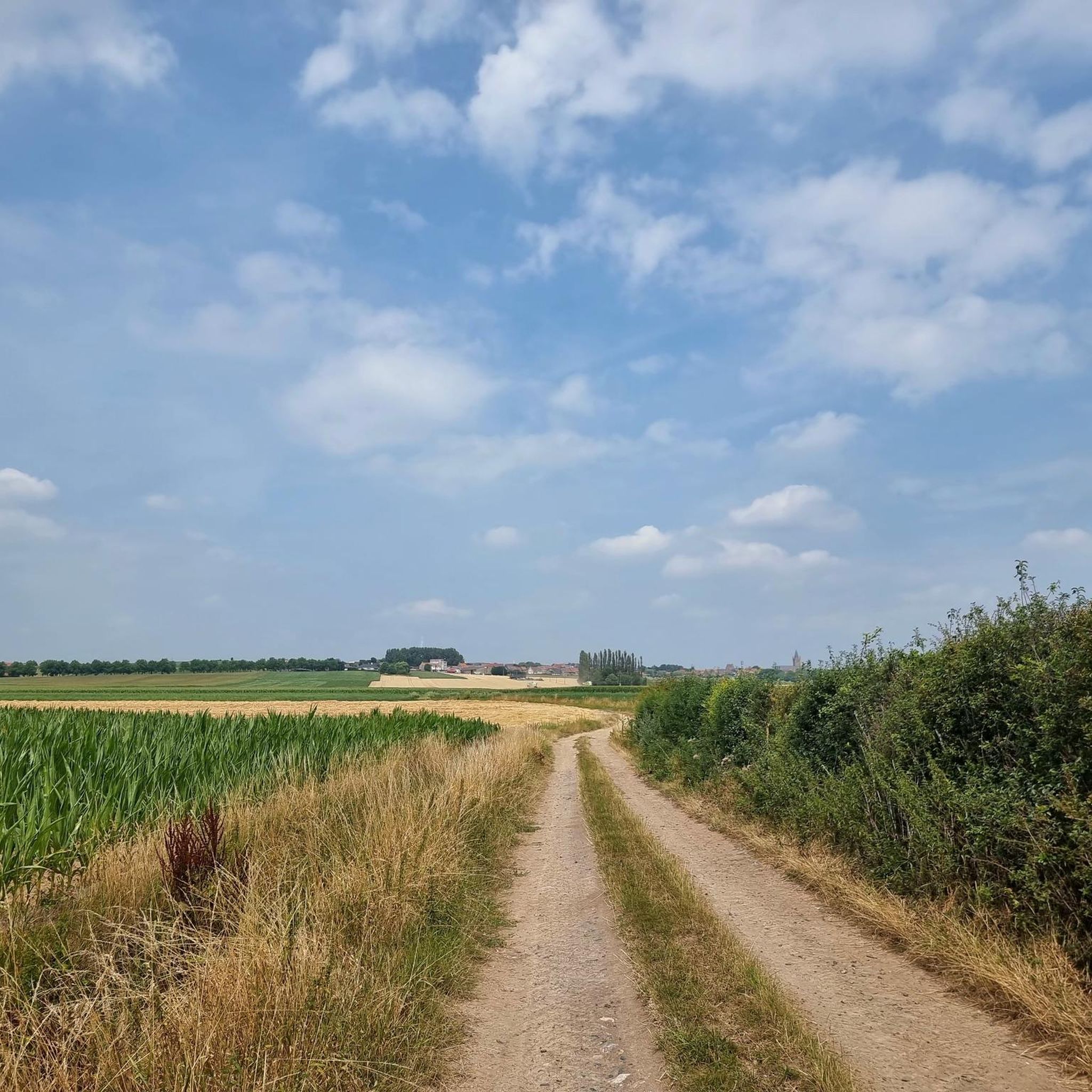

Tips from the Community

The battle of Fromelles on 19 July 1916 was a bloody initiation for Australian soldiers to warfare on the Western Front. Soldiers of the newly arrived 5th Australian Division, together with the British 61st Division, were ordered to attack strongly fortified German front line positions near the Aubers Ridge in French Flanders. The attack was intended as a feint to hold German reserves from moving south to the Somme where a large Allied offensive had begun on 1 July. The feint was a disastrous failure. Australian and British soldiers assaulted over open ground in broad daylight and under direct observation and heavy fire from the German lines. Over 5,500 Australians became casualties. Almost 2,000 of them were killed in action or died of wounds and some 400 were captured. This is believed to be the greatest loss by a single division in 24 hours during the entire First World War. Some consider Fromelles the most tragic event in Australia’s history. https://www.awm.gov.au/articles/encyclopedia/fromelles
0
0

Armentieres is a nice place to go and visit at least once. Too bad the path along the Leie are not maintained, they are in so bad state...
0
0

Imposing monument and beautiful town hall.
0
0

Near the front line in 1916, a fierce battle was fought between the British (Australians) and the Germans. To commemorate 'la bataille' and the wounded who were brought back from the battlefield, a monument/statue was erected here.
1
0

Anecdote: During the battle, Sergeant Simon Fraser heard a wounded soldier cry out, "Don't forget me, cobber!" Despite the danger, Fraser returned to the battlefield to save the man, an act of bravery that was later immortalized in the statue. This event emphasizes the sacrifice and strong bond between soldiers during the horrors of war.
7
0
The Cobbers Australian Memorial is located in the Australian Memorial Park near Fromelles. This memorial commemorates the Australian soldiers who died during the Battle of Fromelles on 19-20 July 1916. The statue, designed by Peter Corlett, shows Sergeant Simon Fraser carrying a wounded comrade out of no man's land. The name "Cobbers" comes from a letter Fraser wrote, describing the bravery and camaraderie of the soldiers.
7
0
Le Trou Aid Post Cemetery was established in October 1914 by British soldiers of the 19th Infantry Brigade during the First Battle of Ypres. The cemetery initially contained 123 graves, but was expanded after the war. It now contains over 350 graves, of which over 200 are unknown. The cemetery commemorates soldiers who died in a number of battles, including Le Maisnil (October 1914), Aubers Ridge (May 1915), Loos (September–October 1915), and Fromelles (July 1916). A special feature of the cemetery is its rural setting, surrounded by a narrow moat and sheltered by a grove of weeping willows. Visitors reach the cemetery via a footbridge and enter through a delicate cottage-style gate.
7
0
Armentières is located on the River Leie, close to the Belgian border. Historically, Armentières was known for its textile industry, particularly the production of linen. During World War I, Armentières was an important location due to its proximity to the front lines. The town was badly damaged during the war and was occupied by German troops from April to October 1918. It was also the site of the Battle of Armentières in October 1914. After the war, the town was rebuilt, and the red brick buildings give it a distinctive appearance. Armentières is also remembered in popular culture for the song "Mademoiselle from Armentières," which was sung by Allied soldiers during World War I.
7
0
Frequently Asked Questions
What historical sites can I visit in Sailly-sur-la-Lys?
Sailly-sur-la-Lys offers several historical sites reflecting its rich past. You can explore the 16th-century House of the Provost (Maison de la Prévôté), a classified Historic Monument. Other notable sites include the Bac St Maur Church, the Chapel of Our Lady of Consolation (one of the few buildings to survive the Great War), and the rebuilt Saint-Vaast Church in Flemish Renaissance style. Don't miss the vestiges of the Chartreuse Notre-Dame-des-Sept-Douleurs de la Boutillerie, a former monastery with a significant history.
Are there any significant World War memorials or cemeteries nearby?
Yes, the area around Sailly-sur-la-Lys is rich in World War I history. You can visit the Australian Memorial Park Fromelles, which commemorates Australian soldiers who fell during the Battle of Fromelles. Another poignant site is Le Trou Aid Post Cemetery, established by British soldiers in October 1914, containing over 350 graves in a rural setting. The town also has its own War Memorial (Monument aux Morts).
What natural attractions can I explore in the area?
Sailly-sur-la-Lys is traversed by the Lys River, offering picturesque walking paths along its banks. You can also discover the Regional Nature Reserve of Prés du Moulin Madame, a protected natural area showcasing local biodiversity. The Halte Nautique de Sailly-sur-la-Lys provides a green oasis with river access, a picnic area, and a fitness trail, serving as a starting point for trails along the Lys and to the nature reserve.
Are there opportunities for hiking or walking near Sailly-sur-la-Lys?
Absolutely. The area boasts several marked hiking trails. Popular options include the 'Lys Towpath – Large Tree by the Water loop' and the 'Saint-Vaast Church – Large Tree by the Water loop'. Many of these trails are considered moderate difficulty, with some easy options available. You can find more details and routes on the Hiking around Sailly-Sur-La-Lys guide.
What about cycling routes around Sailly-sur-la-Lys?
Cycling enthusiasts will find several routes. The Véloroute des Flandres (V364) passes near Sailly-sur-la-Lys. You can also explore routes like the 'White City Cemetery – Le Trou Aid Post Cemetery loop' or the longer 'Lys Towpath – La ferme des templiers loop'. For more options, check the Cycling around Sailly-Sur-La-Lys guide and the Road Cycling Routes around Sailly-Sur-La-Lys guide.
Are there family-friendly activities available in the area?
Beyond the natural spaces like the Halte Nautique with its playground, the wider area surrounding Sailly-sur-la-Lys offers various leisure options suitable for children. These can include amusement parks, escape games, interactive museums, and other play areas, providing diverse entertainment for families.
Can I learn about the local textile industry in Sailly-sur-la-Lys?
Yes, the town has a long-standing connection to flax cultivation and textile production. The Auguste Salmon Spinning and Weaving Complex, recognized as a historical monument since 2023, is a key site highlighting this industrial heritage. The Bac St Maur Church is also integrated into the Salmon spinning mill, showcasing this aspect of local history.
What are the 'Giants of Sailly-sur-la-Lys'?
The 'Giants of Sailly-sur-la-Lys' are traditional processional figures that represent the town's cultural identity. Sailly-sur-la-Lys is represented by its giants: Odin the Viking, Astrid, and Antonia. These figures are often part of local festivals and celebrations, embodying the community's heritage.
What is the significance of Armentières?
Armentières, located near the Belgian border, holds significant historical importance, particularly during World War I. It was an important location due to its proximity to the front lines and was heavily damaged. The town was rebuilt with distinctive red brick buildings. It's also known for the song 'Mademoiselle from Armentières' sung by Allied soldiers.
Where can I find local markets near Sailly-sur-la-Lys?
While Sailly-sur-la-Lys itself is a smaller commune, visitors can explore vibrant local markets in nearby towns such as Estaires, Bailleul, and Armentières. These markets offer a chance to experience local culture and find regional products.
Are there any easy walking trails suitable for everyone?
Yes, for easier walks, consider the 'Lys Towpath – Large Tree by the Water loop from Sailly-sur-la-Lys' or the 'Saint-Vaast Church – Lys Towpath loop from Sailly-sur-la-Lys', both rated as easy. These paths offer pleasant strolls along the river and through the local landscape. The 'Bucolique' paths, adorned with flowers and berries, also provide charming, gentle routes.
What is the best time to visit Sailly-sur-la-Lys?
The best time to visit Sailly-sur-la-Lys for outdoor activities and exploring its natural beauty is generally during the spring, summer, and early autumn months (April to October). During these periods, the weather is typically mild and pleasant, ideal for walking, cycling, and enjoying the riverbanks and nature reserves. Historical sites are accessible year-round.
Most popular routes around Sailly-Sur-La-Lys

Get inspired with the komoot mobile app


Explore more
Still not found the Highlight you’re looking for? See guides of the top attractions in other regions:
