Saint-Roman-De-Malegarde
Saint-Roman-De-Malegarde
Attractions and Places To See around Saint-Roman-De-Malegarde - Top 20
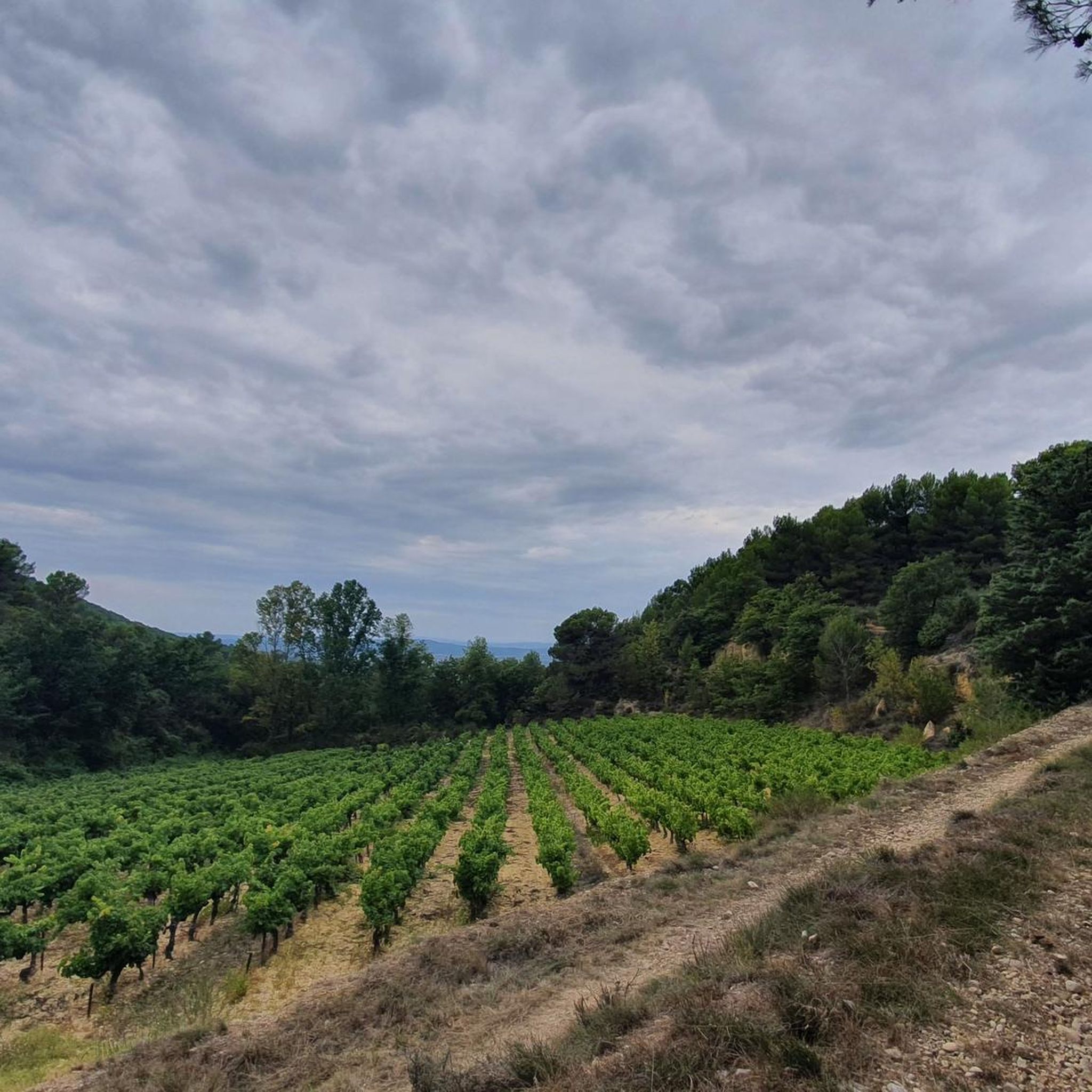
Best attractions and places to see around Saint-Roman-De-Malegarde include a blend of historical landmarks, natural features, and cultural experiences in the Provence-Alpes-Côte d'Azur region. The area is characterized by ancient streets, vineyards, and olive groves. Visitors can explore medieval architecture and enjoy the surrounding landscapes. This region offers diverse points of interest for those seeking historical and natural exploration.
Best attractions and places to see around Saint-Roman-De-Malegarde
- The most popular attractions is Vaison-la-Romaine Roman Bridge, a bridge renowned for…
Last updated: August 2, 2026
Vaison-la-Romaine Roman Bridge
Highlight • Bridge
The town is …
Translated by Google •
Tip by

Crestet Village
Highlight • Settlement
There's not much going on gastronomically. A restaurant with a great terrace - but …
Translated by Google •
Tip by

Sign up now to discover places like this
Get recommendations on the best single tracks, peaks, & plenty of other exciting outdoor places.
Sign up for free
Vaison-la-Romaine
Highlight • Settlement
Translated by Google •
Tip by

Medieval town
Highlight • Other
Walking and getting lost in the alleys of the old town is a real delight.
Translated by Google •
Tip by

Suze-la-Rousse Castle
Highlight • Castle
Translated by Google •
Tip by

Sign up for free to discover even more attractions around Saint-Roman-De-Malegarde.
Sign up for free
Already have an account?
Start today with a free account
Your next adventure awaits.
Login or Signup
Popular around Saint-Roman-De-Malegarde

Tips from the Community

This incredibly beautiful medieval city is certainly flooded with tourists during the day. My tip is therefore to set off very early. Before 8 am, the city is almost entirely yours.
0
0
There is so much to see in Vaison la Romaine, from the Romans to the Middle Ages, there is something for everyone.
0
0

A beautiful old town, partly built over. Definitely worth a break and exploring on foot.
0
0

On the Roman Bridge, as your footsteps echo against the ancient stones, look up and be captivated by the majestic silhouette of the medieval city of Vaison-la-Romaine. You enter a world where the past comes to life before your eyes. The narrow cobbled streets and stone houses, seemingly frozen in time, instantly transport you to the 12th century, a time when the city was the scene of conflicts between the Count of Toulouse and the bishop. The ensuing looting prompted the population to abandon the valley in favor of the rocky heights. The fortified architecture of the old town bears witness to this turbulent era, with its imposing ramparts and fortified gates. Over the centuries, new buildings emerged in the valley, extending the history of the old town all the way to the Roman Bridge. However, it wasn't until the 19th century that the inhabitants of Vaison-la-Romaine turned to the lower town, gradually abandoning the old town. The medieval city, also called the Upper Town, is accessible after walking along the ramparts and the Belfry. The latter offers a picturesque panorama overlooking the city, dominated by the count's castle. In the past, access to this city was protected by emblematic gates such as the Old Gate, also known as the St. Quenin Gate, and the New Gate. These gates, true guardians of the city's security, closed every evening from 10 p.m. to 4 a.m., thus testifying to the importance placed on protecting residents from external threats. From the Old Market Square, where the Upper Town once flourished economically, admire the still-present remains of the wall that surrounded the Jewish quarter. The panoramic views of the valley and Mont Ventoux from the “Planet” add a touch of poetry to the medieval atmosphere of the cobbled streets, lined with old mansions and Comtat fountains.
1
0

Beautiful castle on a mountain top, constant view of Mont Ventoux
2
0

Beautiful route, with beautiful historic buildings!
2
0

The Château de Suze-la-Rousse is a 12th century medieval fortress with a 15th century Renaissance courtyard. It was transformed in the 16ᵉ then in the 18ᵉ century into a large residence in which it is possible to admire the paintings, stuccoes and plasterwork of the salons. The museography is dedicated to the history of the castle and to the world of vines and wine since it houses the University of Wine.
2
0

Vaison-la-Romaine is a town nestled in the heart of the Vaucluse region. It is renowned for its rich historical and cultural heritage, especially its ancient Roman roots. The town is divided into two distinct areas: the upper town, perched on a hill and crowned by a medieval castle, and the lower town.
2
0
Frequently Asked Questions
What historical sites can I explore around Saint-Roman-De-Malegarde?
The region is rich in history. You can visit the ancient Vaison-la-Romaine Roman Bridge, which is over 2000 years old and connects the modern and medieval parts of Vaison-la-Romaine. Another significant site is the Suze-la-Rousse Castle, a 12th-century medieval fortress with a 15th-century Renaissance courtyard, which also houses the University of Wine. Don't miss the Medieval town of Vaison-la-Romaine, with its narrow cobbled streets and historic ramparts.
Are there any charming villages to visit nearby?
Yes, Crestet Village is a must-see. This impressive settlement is perched on a hillside, offering wonderful opportunities to stroll through its narrow streets, admire stone buildings, and enjoy panoramic views of the surrounding area. The village of Saint-Roman-De-Malegarde itself also boasts a historic center with an 18th-century wash-house and a fountain with four masks.
What natural attractions are there for nature lovers?
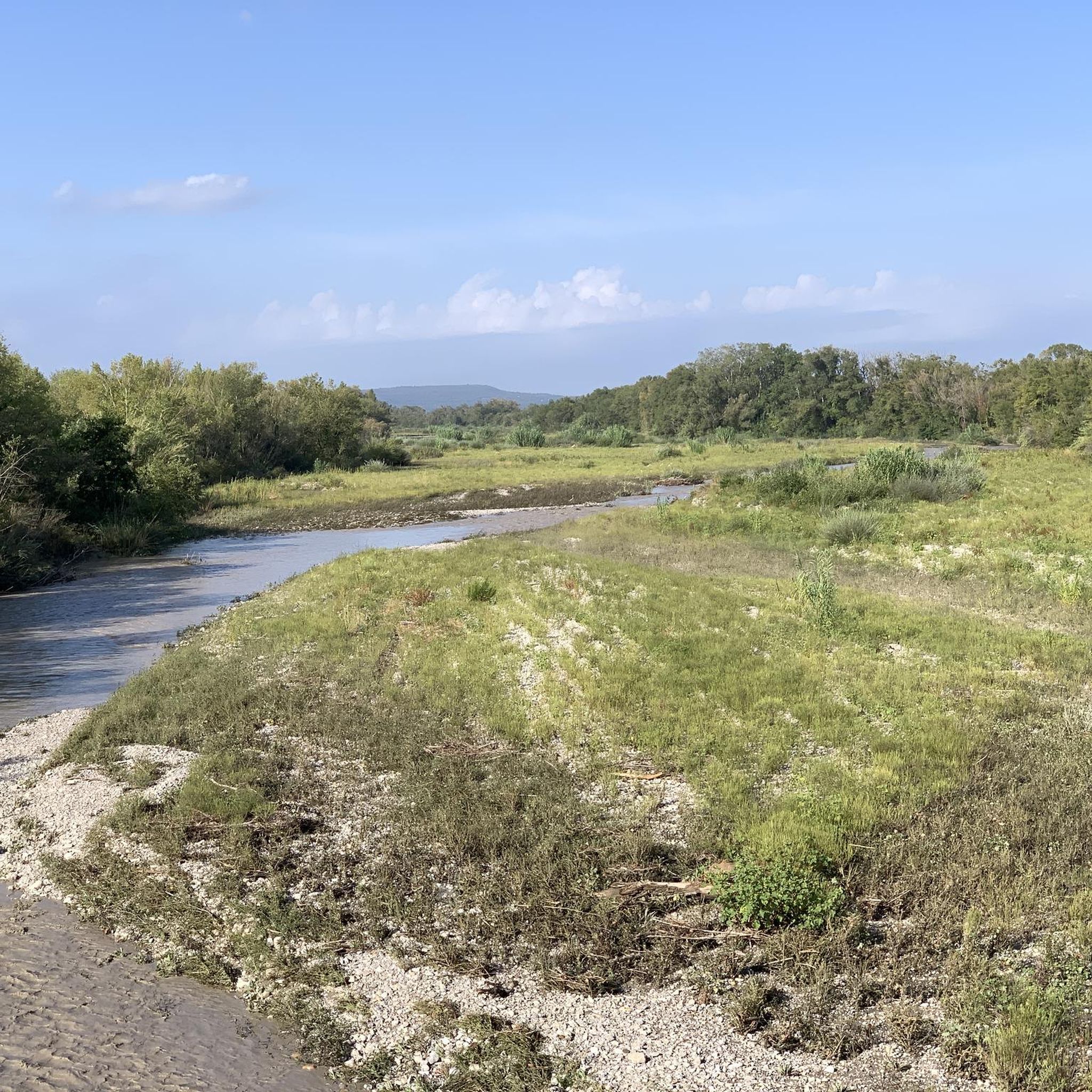
Saint-Roman-De-Malegarde is surrounded by natural beauty. You can explore the tranquil village streams, perfect for picnicking or paddling. Depending on the season, the countryside bursts with vibrant wildflowers in spring and iconic lavender fields in summer. For panoramic views, head to the Serre de la Garde botanical trail, which offers vistas over the Aygues Valley, the Pre-Alps, and the Cévennes.
What kind of outdoor activities can I do near Saint-Roman-De-Malegarde?
The area offers a variety of outdoor activities. For cycling enthusiasts, there are numerous routes for touring bicycles and road cycling, such as the 'Col le Débat (251 m) – Vaison-la-Romaine loop from Tulette' or 'Vaison la Romaine – View of Crestet loop from Buisson'. Mountain biking is also popular, with trails like 'Col de Viares – View of Cairanne loop from Tulette'. You can find more details on these routes in the Cycling around Saint-Roman-De-Malegarde, Road Cycling Routes around Saint-Roman-De-Malegarde, and MTB Trails around Saint-Roman-De-Malegarde guides.
Are there any family-friendly attractions in the area?
Yes, the Suze-la-Rousse Castle is considered family-friendly, offering an engaging historical experience. Exploring the narrow streets of Crestet Village or the Medieval town of Vaison-la-Romaine can also be an enjoyable outing for families, allowing children to imagine life in ancient times.
What cultural experiences can I have in Saint-Roman-De-Malegarde?
Beyond historical sites, the village and its surroundings host talented artisans. You can explore local art galleries or even participate in hands-on craft workshops focusing on pottery, painting, or weaving, providing an immersive cultural experience. The Parish Church, attributed to the Knights Templar, also offers a glimpse into the village's rich past.
Can I go wine tasting or learn about local produce?
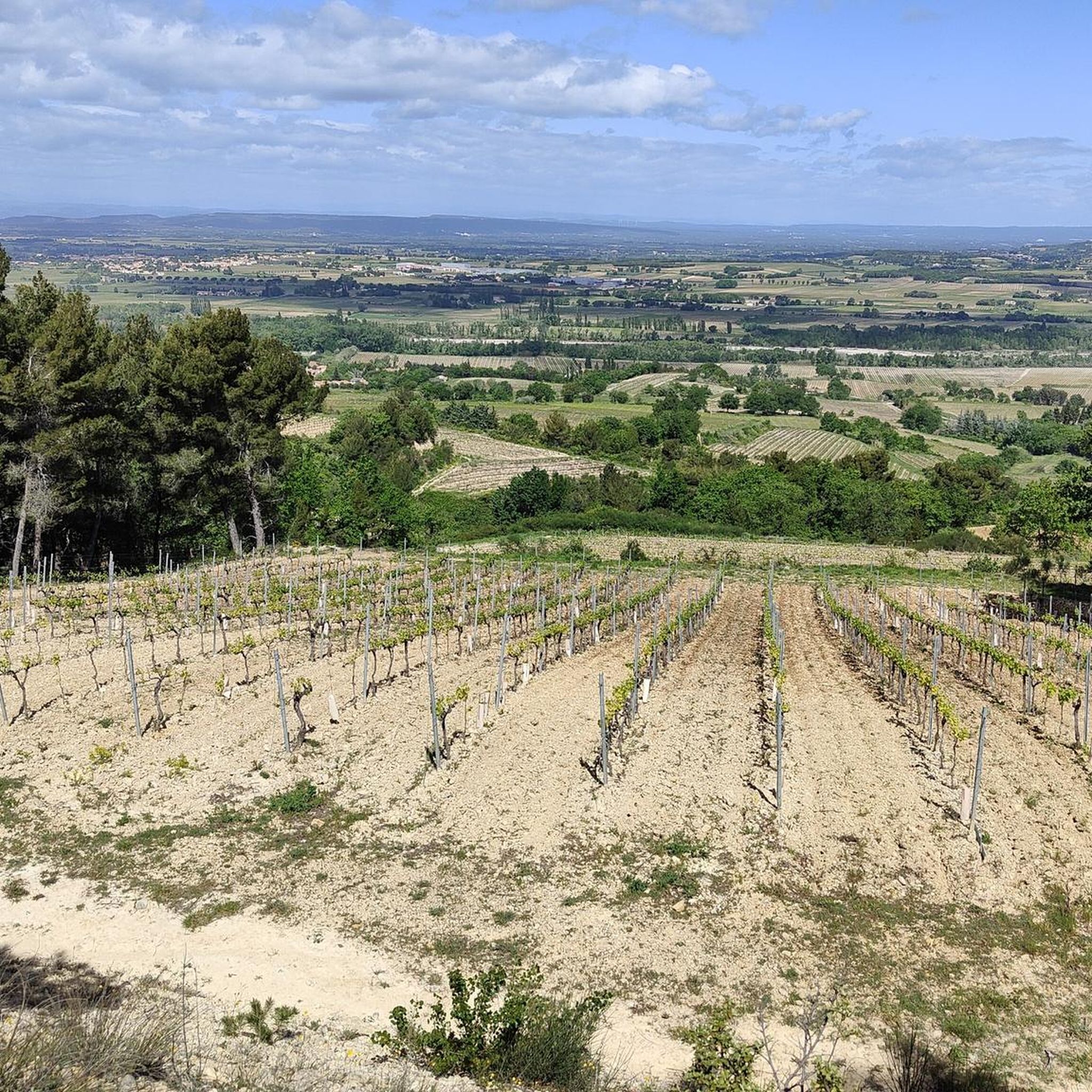
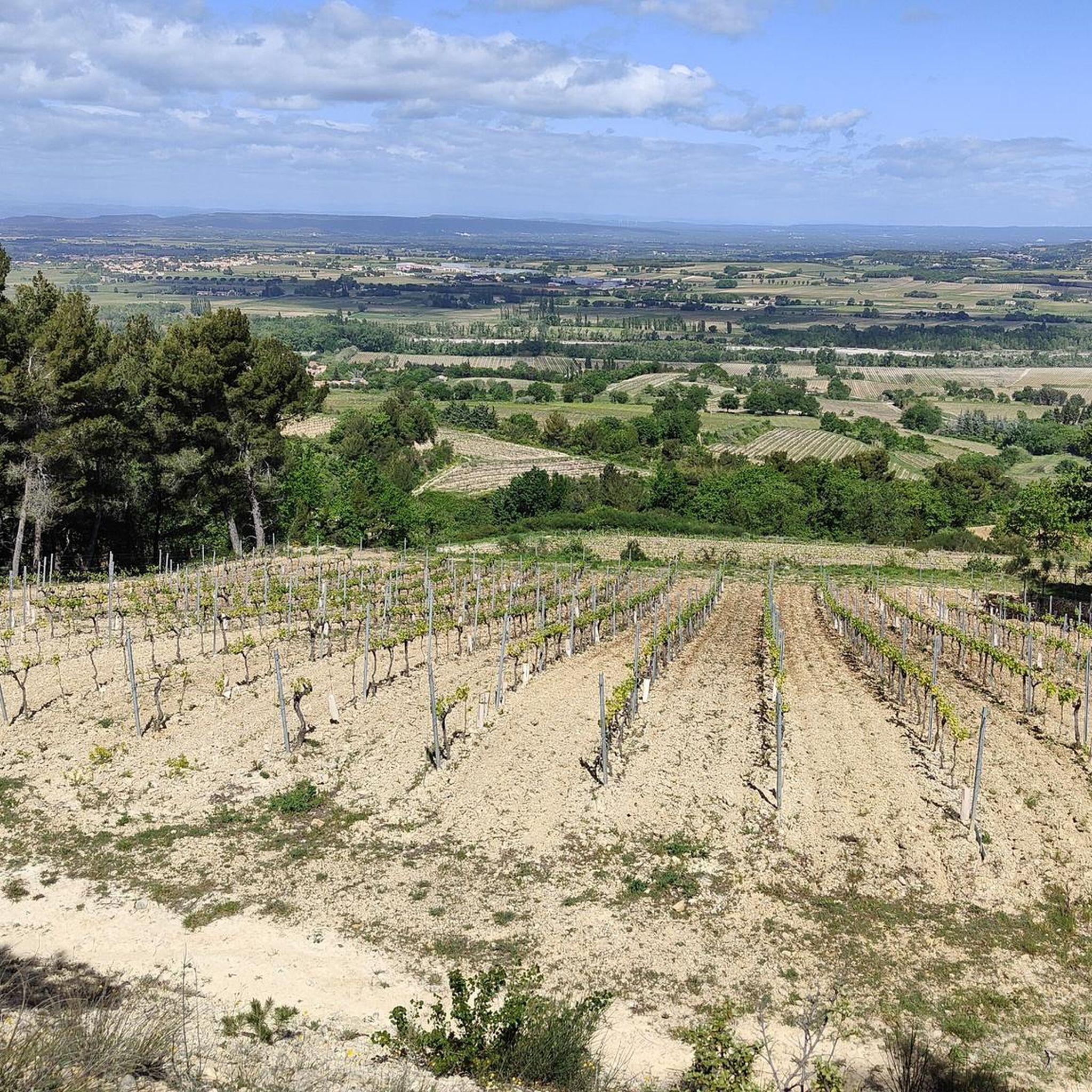
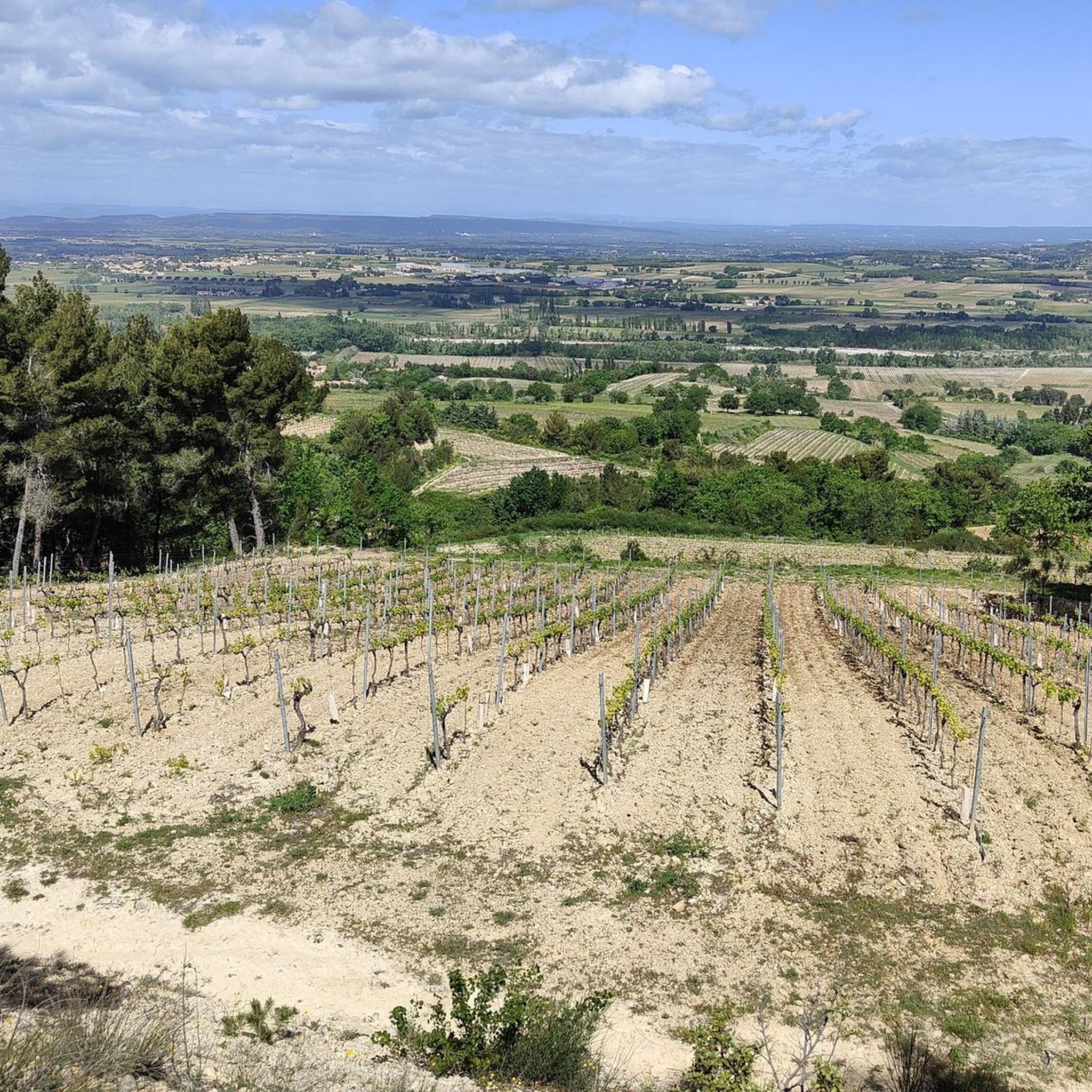
Absolutely. Saint-Roman-De-Malegarde is nestled among renowned vineyards, making it a 'Provençal Paradise' for wine enthusiasts. Many wineries offer guided tours and tastings of local wines, including famous appellations like Châteauneuf-du-Pape and Côtes du Rhône. The region's olive groves also provide opportunities for tours where you can learn about olive oil production and taste fresh oils.
What is the best time to visit Saint-Roman-De-Malegarde for outdoor activities?
Spring and summer are ideal for experiencing the region's natural beauty. Spring brings vibrant wildflowers, while summer is perfect for seeing the iconic lavender fields. These seasons offer pleasant weather for exploring historical sites, enjoying outdoor activities like cycling, and experiencing the local vineyards and olive groves.
Are there good spots for stargazing in the region?
Yes, the region's low light pollution makes it an excellent destination for observing the clear Provençal night sky. Many spots away from the village lights offer fantastic opportunities for stargazing.
What do visitors enjoy most about the attractions around Saint-Roman-De-Malegarde?
Visitors frequently praise the historical depth and scenic beauty. For instance, the Vaison-la-Romaine Roman Bridge is admired for its ancient resilience, having withstood severe floods. The Crestet Village is loved for its narrow streets and stunning views, while the Medieval town of Vaison-la-Romaine offers an 'interesting and exciting trip' through its alleys. The overall charm and historical significance are highly appreciated.
Where can I find remnants of medieval castles?
You can visit the ancient ruins of the 12th-century Château de Saint-Roman, perched atop a hill, offering sweeping views. Three towers remain, one of which is partially troglodytic. Additionally, the remains of The Count's Castle of Vaison, built by the Counts of Toulouse, are located on a hilltop and provide a glimpse into the region's medieval past.
Most popular routes around Saint-Roman-De-Malegarde
Most popular attractions around Saint-Roman-De-Malegarde

Get inspired with the komoot mobile app


Explore more
Still not found the Highlight you’re looking for? See guides of the top attractions in other regions:
