Saint-Romain-En-Viennois
Saint-Romain-En-Viennois
The best walks and hikes around Saint-Romain-En-Viennois
4.5
(2202)
11,364
hikers
467
hikes
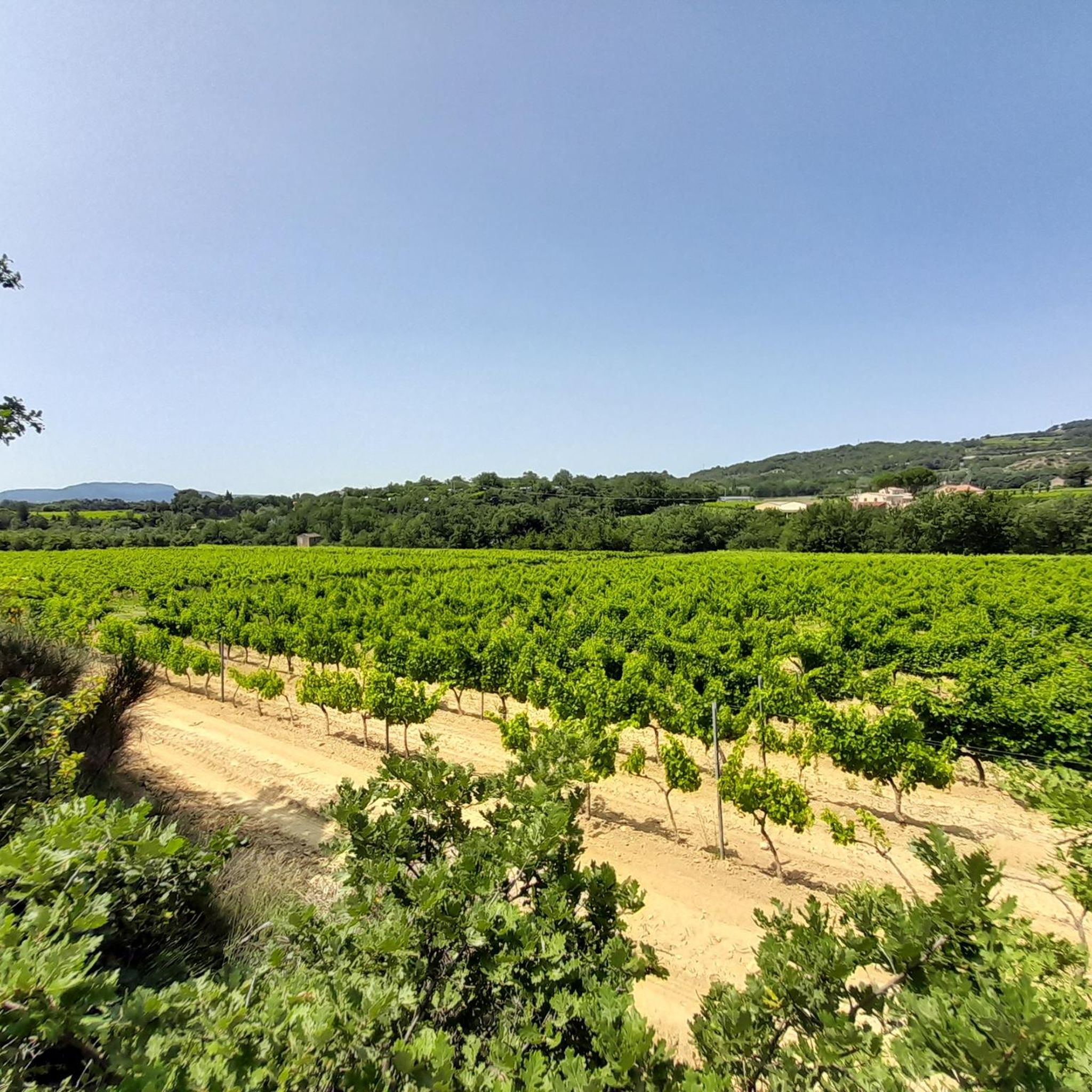
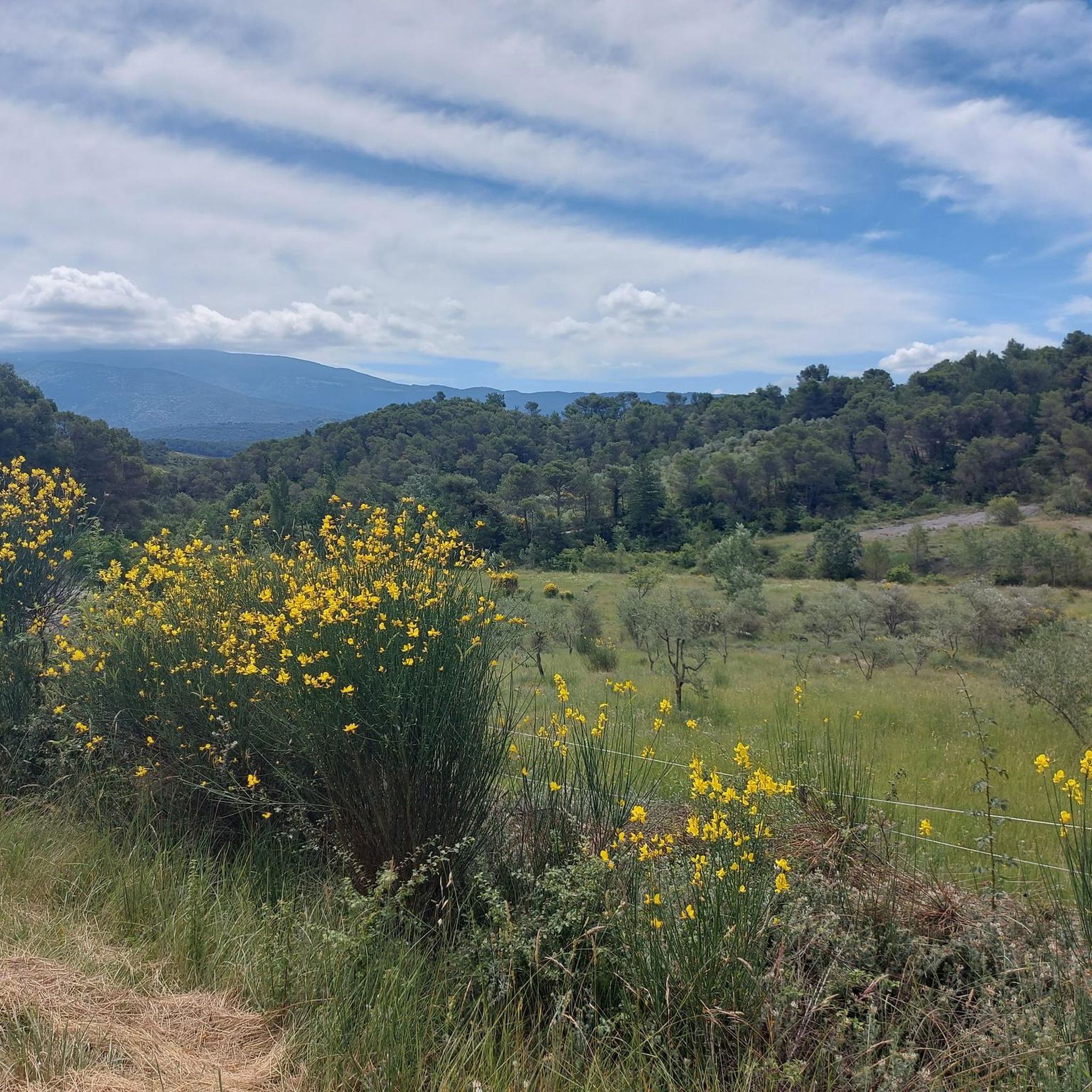
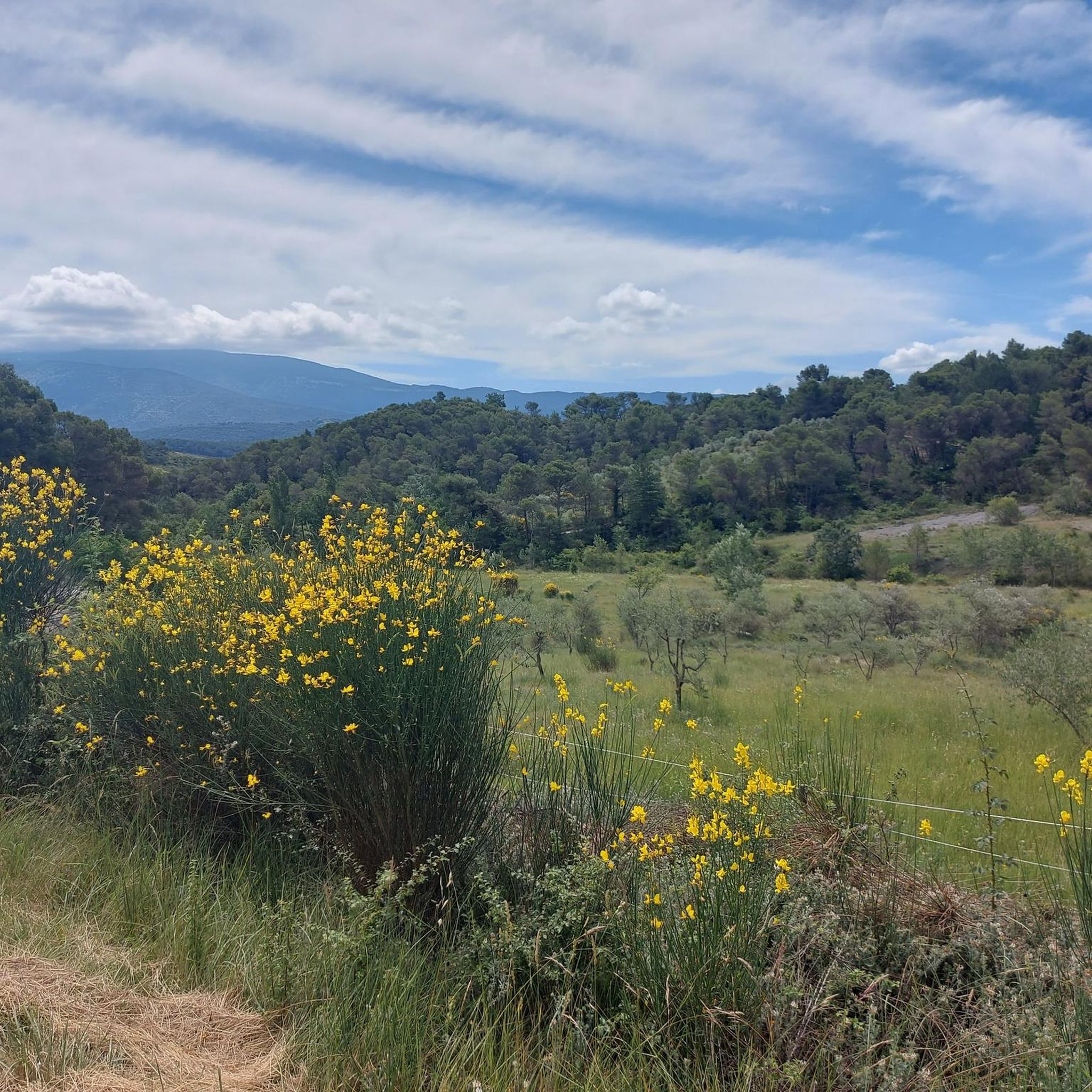
Hiking around Saint-Romain-En-Viennois offers diverse terrain within the Comtat Venaissin, characterized by a blend of pine and green oak forests. The village is situated on a promontory, providing panoramic views of the Monts du Nyonsais, the Baronnies, and Mont Ventoux. The area features varied landscapes, including the jagged peaks of the Dentelles de Montmirail and the Gorges du Toulourenc.
Best hiking trails around Saint-Romain-En-Viennois
- The most popular hiking route is Faucon – View of the Ouvèze Valley loop from Puyméras…
Last updated: May 12, 2026
4.7
(47)
106
hikers
8.57km
02:32
250m
250m
Moderate hike. Good fitness required. Easily-accessible paths. Suitable for all skill levels.
4.3
(3)
74
hikers
6.10km
01:40
90m
90m
Easy hike. Great for any fitness level. Easily-accessible paths. Suitable for all skill levels.

Sign up for free
4.0
(4)
23
hikers
7.67km
02:06
130m
130m
Moderate hike. Good fitness required. Easily-accessible paths. Suitable for all skill levels.
4.4
(9)
15
hikers
9.76km
02:45
200m
200m
Moderate hike. Good fitness required. Easily-accessible paths. Suitable for all skill levels.
5.0
(1)
17
hikers
11.9km
03:27
310m
310m
Moderate hike. Good fitness required. Easily-accessible paths. Suitable for all skill levels.
Get access to more routes and recommendations from other explorers.
Sign up for free
Already have an account?
Our route recommendations are based on thousands of hikes, rides, and runs completed by other people on komoot.
Start today with a free account
Your next adventure awaits.
Login or Signup
Tips from the Community


Born from the conflicts between the counts of Toulouse and the episcopal power, the castle of Vaison-la-Romaine, built between the 12th and 14th centuries, still dominates the entire town.
0
0

A beautiful old town, partly built over. Definitely worth a break and exploring on foot.
0
0

The question that now arises is why the inhabitants of Vaison came to settle near the castle instead of staying below. We have seen that the Vaisonnais were burdened with royalties by the Bishop, yet the Count didn't ask for much: only a few pennies for their house located near the castle... The population clearly didn't hesitate in 1253; more than 100 houses were located there... A study as part of a master's thesis in medieval archaeology by Isabelle Cartron in 1989 reported the presence of 37 "notched huts" distributed across three sectors with notches up to 1.30 meters deep, as well as the outline of an old pipe or drain. Four huts retained the marks of postholes. Exterior staircases are also visible in two places. This reproduction shows the location of two areas to the west of the castle that correspond to the aerial photo. Whether these were dwellings, storage areas, or temporary animal shelters, no scientific research has been conducted to date to elucidate these developments. To the right of the castle, you can see "stairs" or "steppes" corresponding to the foundations of the houses around the castle. It is therefore reasonable to imagine that there were several houses around the castle. "In 1209, with the Council of Saint Gilles, the Count was dispossessed of everything. The Bishop of Vaison then probably occupied the castle until 1251, when he returned it to the Count. These two facts explain the development of the "upper town." The Count showed ingenuity by establishing a castle next to the town of Vaison, encouraging the migration of inhabitants near him. Thus, at the end of the 12th century, the city on the plain, after having existed for more than 12 centuries, disappeared... The conflict was not definitively settled until 1253, when rights were divided between the Count and the Bishop. Everything took a different turn in 1274, when the Popes took possession of the Comtat Venaissin. An agreement was then reached between the bishops and the latter, and a garrison was placed in the castle. Thus, the episode of the Counts of Toulouse changed the landscape of Vaison. Without them, our "upper town" would never have existed.
0
0
“In Vaison, the bishop has owned the town of Vaison, its market, its oven, its mill, and the surrounding lands since 1108. He exercises domination over the population, which is overwhelmed by taxes, corvées of oats and wine, house taxes, tithes, champart, etc. The bishop in his “Palatium” is both master and judge. Thus, around 1160, the Count of Toulouse, Raymond V, intervened against this domination. It is said that he attacked the town, then on the plain (the 12th-century city is around the cathedral; these are indeed medieval buildings and not a reoccupation of Gallo-Roman houses). Between 1160 and 1170, there was a lull. Raymond VI returned around 1175, employing a different strategy. Instead of seizing the lower town, he attempted to create another on the hill that was his face. This is why he decided to build a castle there.” “Originally, therefore, this castle had nothing to do with military matters; it was a symbol of power. In 1175, the Count began by building a wooden castle, perhaps a motte (a conical mound on which a wooden tower was built). Observing the current construction, we believe we have discovered the remains of this motte, carved into the rock, on top of which the stone keep was later built. The Count used this type of “archaic” fortification for its speed of execution but also because it is symbolic.” “With this motte, the Count settled in Vaison. Very quickly, around 1180-85, the wooden tower was replaced by the stone keep, in the construction of which the men of Vaison participated: “every man is obliged, at one time or another, to work on the tower.” “The keep is the castle's most beautiful architectural feature: it is a 9-meter by 8-meter tower with two levels of pointed barrel vaulting. It was accessed from the south through a system of high doors and hidden staircases, characteristic of Roman keeps. It was surrounded by a rectangular wall, within which two buildings were later added to the north and west before 1200.” These buildings housed residential rooms on the ground floor, outbuildings and a cistern on the first floor, a large room, the “aula,” and a large bedroom. This was where the Count's bailiff lived. The Count owned little in Vaison. Besides some land, he owned the castle, the bridge toll, a furnace, and a mill.
0
0
On the Roman Bridge, as your footsteps echo against the ancient stones, look up and be captivated by the majestic silhouette of the medieval city of Vaison-la-Romaine. You enter a world where the past comes to life before your eyes. The narrow cobbled streets and stone houses, seemingly frozen in time, instantly transport you to the 12th century, a time when the city was the scene of conflicts between the Count of Toulouse and the bishop. The ensuing looting prompted the population to abandon the valley in favor of the rocky heights. The fortified architecture of the old town bears witness to this turbulent era, with its imposing ramparts and fortified gates. Over the centuries, new buildings emerged in the valley, extending the history of the old town all the way to the Roman Bridge. However, it wasn't until the 19th century that the inhabitants of Vaison-la-Romaine turned to the lower town, gradually abandoning the old town. The medieval city, also called the Upper Town, is accessible after walking along the ramparts and the Belfry. The latter offers a picturesque panorama overlooking the city, dominated by the count's castle. In the past, access to this city was protected by emblematic gates such as the Old Gate, also known as the St. Quenin Gate, and the New Gate. These gates, true guardians of the city's security, closed every evening from 10 p.m. to 4 a.m., thus testifying to the importance placed on protecting residents from external threats. From the Old Market Square, where the Upper Town once flourished economically, admire the still-present remains of the wall that surrounded the Jewish quarter. The panoramic views of the valley and Mont Ventoux from the “Planet” add a touch of poetry to the medieval atmosphere of the cobbled streets, lined with old mansions and Comtat fountains.
1
0

For me, this is the most beautiful view of Faucon that can be seen all around Faucon.
0
0
Interesting viewpoint; the Pont Saint Michel can be seen in the distance below.
0
0
Frequently Asked Questions
How many hiking trails are available around Saint-Romain-En-Viennois?
There are over 450 hiking routes in the Saint-Romain-En-Viennois area, offering a wide variety of options for all skill levels. This includes more than 200 easy trails, over 220 moderate routes, and a selection of challenging paths for experienced hikers.
What kind of landscapes can I expect to see while hiking in Saint-Romain-En-Viennois?
The region offers diverse and picturesque landscapes. You'll hike through a blend of pine and green oak forests, enjoy panoramic views of the Monts du Nyonsais, the Baronnies, and the iconic Mont Ventoux. The area also features striking geological formations like the Dentelles de Montmirail and the unique Gorges du Toulourenc.
Are there any family-friendly hiking options in the area?
Yes, Saint-Romain-En-Viennois has numerous easy trails suitable for families. For instance, the Medieval town – Vaison-la-Romaine loop from Vaison-la-Romaine is an easy 6.3 km path that explores the historic town and its surroundings, perfect for a leisurely family outing. Another gentle option is the Belfry Inn loop from Vaison-la-Romaine, a shorter 3.8 km route.
What do other hikers enjoy most about the trails in Saint-Romain-En-Viennois?
The trails in Saint-Romain-En-Viennois are highly rated by the komoot community, with an average score of 4.5 stars from over 2,000 reviews. Hikers often praise the varied terrain, the stunning views of Mont Ventoux and the Dentelles de Montmirail, and the peaceful ambiance of the pine and oak forests.
Are there any circular walks available?
Yes, many routes in the area are circular, allowing you to start and end at the same point. An example is the Hiking loop from Puyméras, a 7.7 km moderate trail that leads through forested paths with vistas over nearby villages.
Can I find trails with views of Mont Ventoux?
Absolutely. Mont Ventoux is a prominent landmark in the region, and many trails offer spectacular views of it. The Faucon – View of Mont Ventoux loop from Saint-Romain-en-Viennois is a moderate 9.7 km route specifically designed to showcase these impressive vistas.
What historical or cultural sites can I explore near the hiking trails?
The region is rich in history. You can explore the ancient Roman quarry, visit chapels in hamlets like Beaumont-du-Ventoux, or discover charming villages. The nearby town of Vaison-la-Romaine offers historical sites such as the Vaison-la-Romaine Roman Bridge. You might also encounter picturesque settlements like Crestet Village or historic castles like Vieux Mérindol Castle.
Are there any notable natural attractions or viewpoints along the routes?
Beyond the general scenery, you can find specific natural highlights. The Faucon – View of the Ouvèze Valley loop from Puyméras offers beautiful views of the Ouvèze Valley. You can also find viewpoints offering stunning perspectives of the Dentelles de Montmirail, or even challenge yourself with a route towards the summit of Mont Ventoux.
What is the best season for hiking in Saint-Romain-En-Viennois?
The region is generally pleasant for hiking from spring through autumn. The pine and oak forests provide shade during warmer months, and the views are spectacular in all seasons. Spring brings blooming wildflowers, while autumn offers vibrant foliage. Always check local weather conditions before heading out.
Are there options for different difficulty levels?
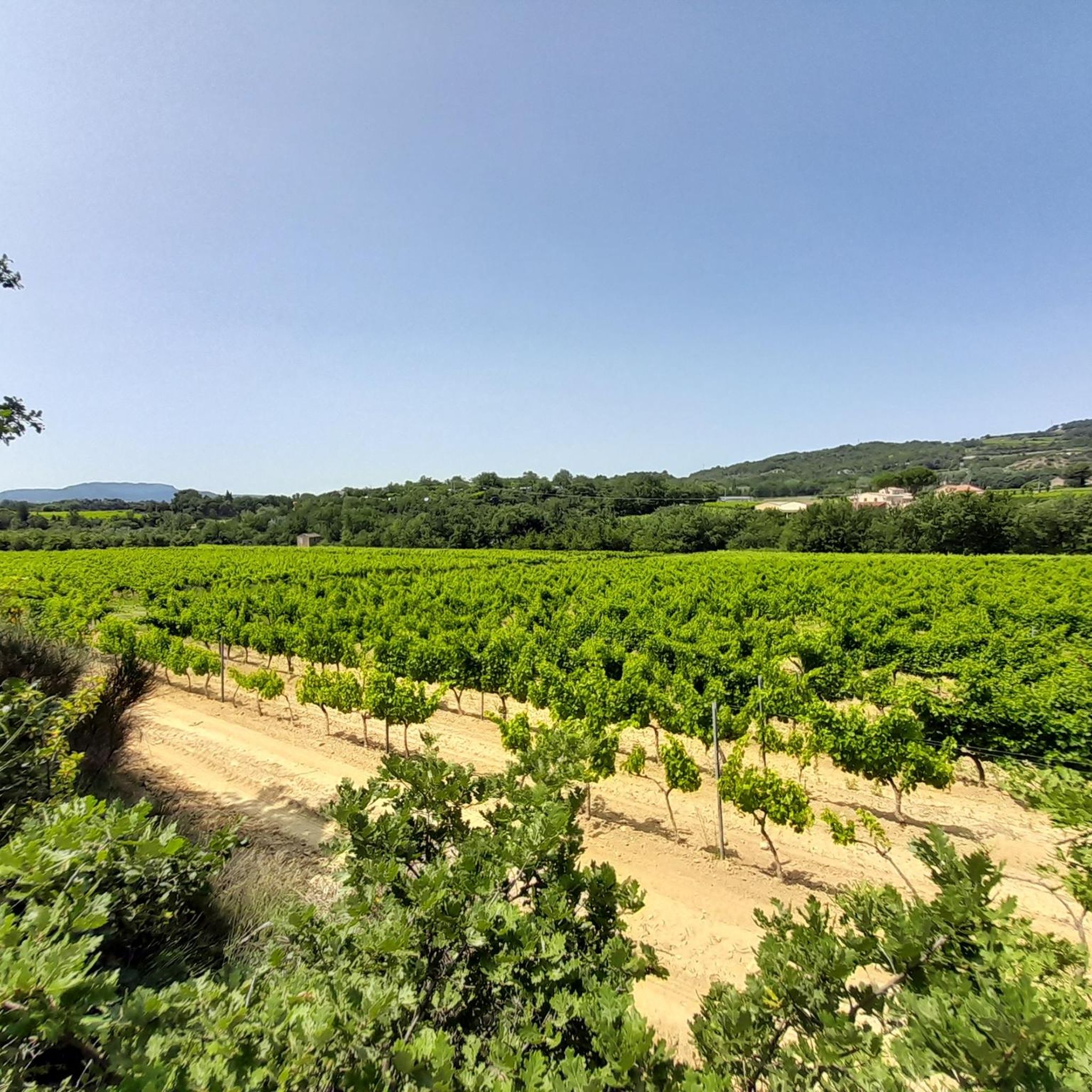
Yes, the network of trails around Saint-Romain-En-Viennois caters to various abilities. You'll find easy strolls through villages and vineyards, moderate routes with some elevation gain through forests, and a selection of more difficult paths for those seeking a greater challenge, particularly around the more mountainous areas like Mont Ventoux.
Is parking generally available near trailheads?
While specific parking information for every trailhead isn't detailed here, many routes in the region, especially those starting from villages like Puyméras or Vaison-la-Romaine, typically have designated parking areas. It's always advisable to check the route details on komoot for specific parking recommendations for your chosen trail.
Most popular routes around Saint-Romain-En-Viennois
Most popular attractions around Saint-Romain-En-Viennois

Get inspired with the komoot mobile app


Explore more
Browse the best Hikes in other regions.
