The best walks and hikes around Offekerque
4.3
(728)
4,360
hikers
142
hikes
Hiking around Offekerque offers access to diverse natural landscapes in the Pas-de-Calais department of France. The region features coastal dunes, wetlands, and proximity to significant headlands, providing varied terrain for outdoor exploration. These environments support rich biodiversity, including numerous bird and plant species, making the area suitable for nature observation. The trails often traverse sandy paths, coastal stretches, and open fields.
Best hiking trails around Offekerque
- The most popular hiking route is Fort Vert Dunes – Bunker with sea view…
Last updated: November 10, 2026
4.5
(84)
279
hikers
8.82km
02:13
10m
10m
4.4
(65)
211
hikers
12.8km
03:14
20m
20m
Moderate hike. Good fitness required. Easily walkable paths.

4.7
(56)
357
hikers
5.39km
01:22
10m
10m
Easy hike. Easily walkable paths.
4.6
(45)
263
hikers
7.72km
01:57
10m
10m
Easy hike. Easily walkable paths.
4.3
(7)
21
hikers
Moderate hike. Good fitness required. Easily walkable paths.
Get access to more routes and recommendations from other explorers.
Already have an account?
Our route recommendations are based on thousands of hikes, rides, and runs completed by other people on komoot.
Start today with a free account
Your next adventure awaits.

Tips from the Community

An impressive stone monument with a large cross, located on the edge of the shipping channel of Grand-Fort-Philippe, near Gravelines. The calvary was built in 1947 to protect the fishermen and in memory of those who were lost at sea. Under the stone arch is a small chapel with a statue of the Virgin Mary and memorial plaques. Every year on August 15th, the place really comes to life: after the procession through the streets, the traditional boat parade stops here for the blessing of the sea. A quiet, atmospheric place to pause and reflect on the difficult fishing history of this coast, with a view of the channel and the sea. Feel free to combine it with a visit to the Musée du Sauvetage in the village.
0
0
A covered bird hide with a view over the reserve's ponds, ideal for quietly observing birds without disturbing them. Inside, there are large, clear identification charts to help you recognize what you see, including which months each species winters, migrates, or breeds here. On the ponds, you can see all kinds of ducks: dabbling ducks like the common teal, Eurasian wigeon, northern shoveler, gadwall, northern pintail, and common shelduck, and diving ducks like the tufted duck, common pochard, and common goldeneye. Along the banks, waders forage, such as the pied avocet, common redshank, Eurasian oystercatcher, northern lapwing, Eurasian curlew, and bar-tailed godwit. You can also encounter grey herons, little egrets, Eurasian spoonbills, great cormorants, greylag geese, and various gull species. Bring binoculars and give yourself time: the longer you sit still, the more there is to see. Especially during migration periods and in winter, the water is bustling with activity.
0
0
This information board shows nicely how the coast here is constantly changing. Where the “plage du Casino” used to be, a regular sandy beach, the area is gradually silting up. Sea currents and wind bring sand and silt, sandbanks form off the coast, and the former beach becomes overgrown. This is how it changes step by step into a salt marsh and polder-like landscape. Old and recent photos on the board make the difference clearly visible. The board also introduces the breeding birds of the high beach, such as plovers and terns, which depend on exactly such a quiet, open beach. From here you look out over the dunes and the reserve towards the sea. A nice stop to understand why the Platier d’Oye is such a special and dynamic nature reserve.
0
0
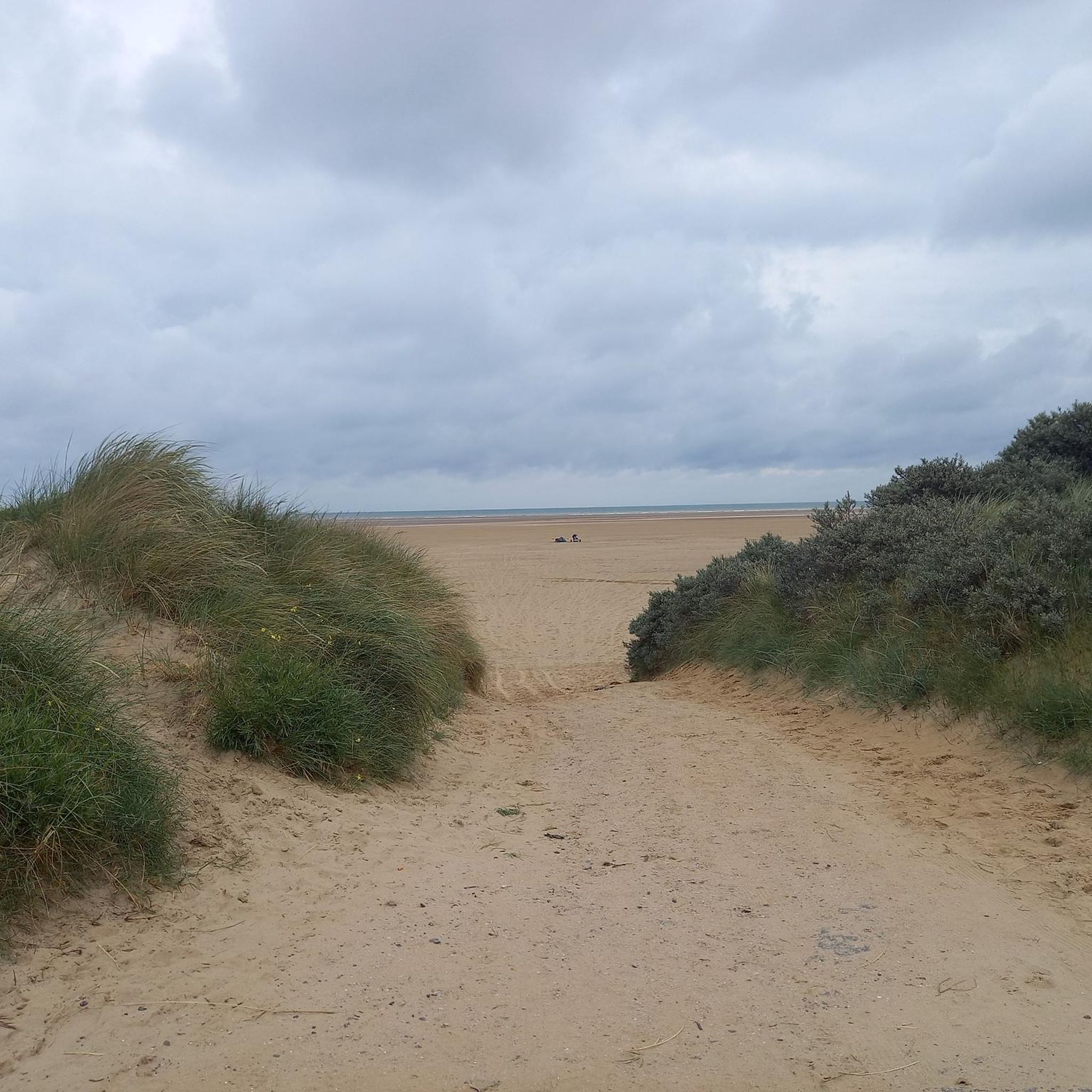
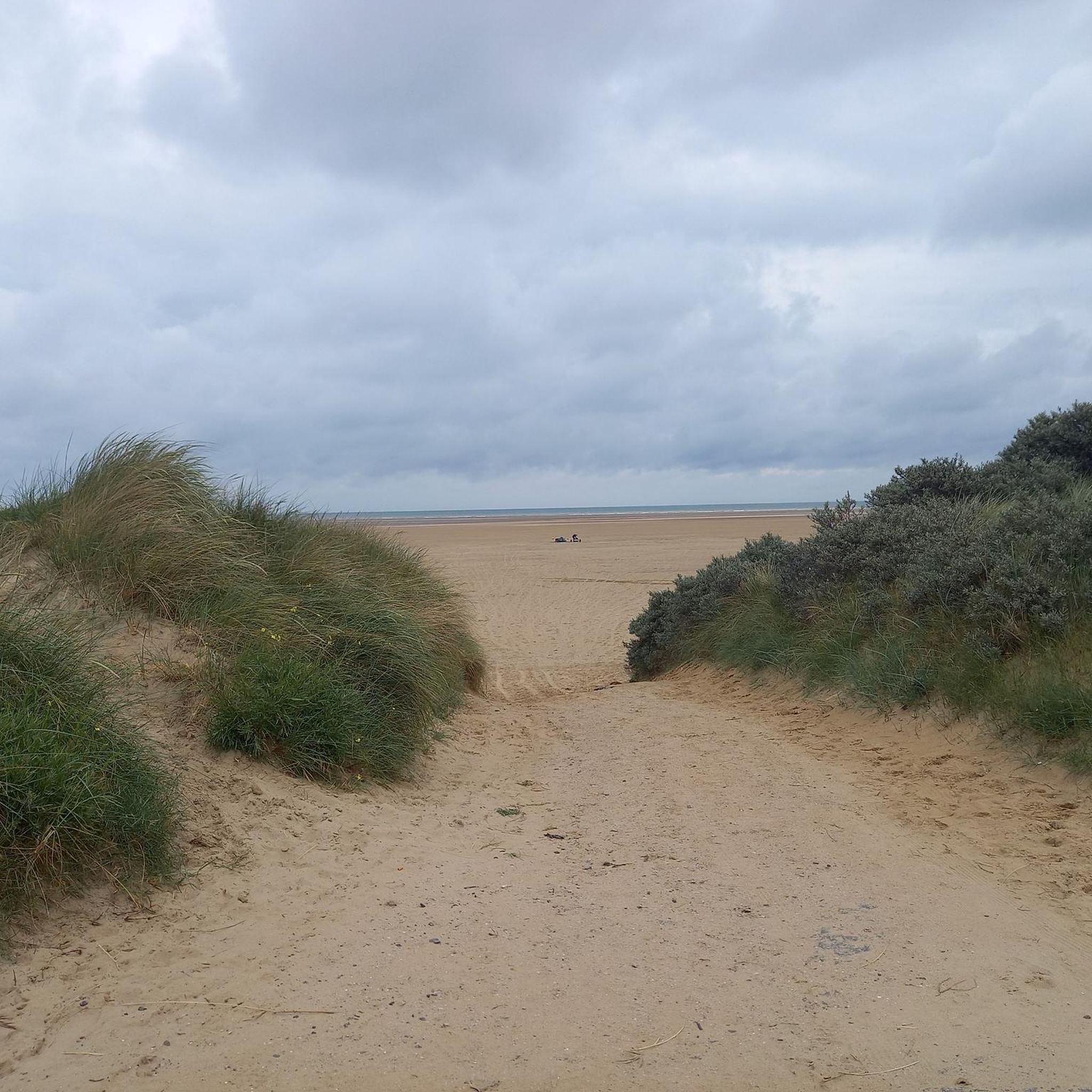
Via a wooden boardwalk, you walk through the dunes to this viewpoint, with a beautiful view over the beach and the sea. An information board tells the story of the “Dunes flamandes”, the Flemish dunes that stretch along the coast from northern France into Belgium. You learn how the dunes are formed: the wind blows sand inland, and pioneer plants like marram grass catch it and hold it in place with their long roots. This way, the dune grows step by step, until shrubs like sea buckthorn and eventually richer vegetation can thrive. Behind the dunes lie the ponds and polders of the reserve. Stay on the boardwalk: the dune vegetation is fragile and it is precisely these plants that keep the dune in place. A nice place to stop for a moment and watch the seabirds.
0
0

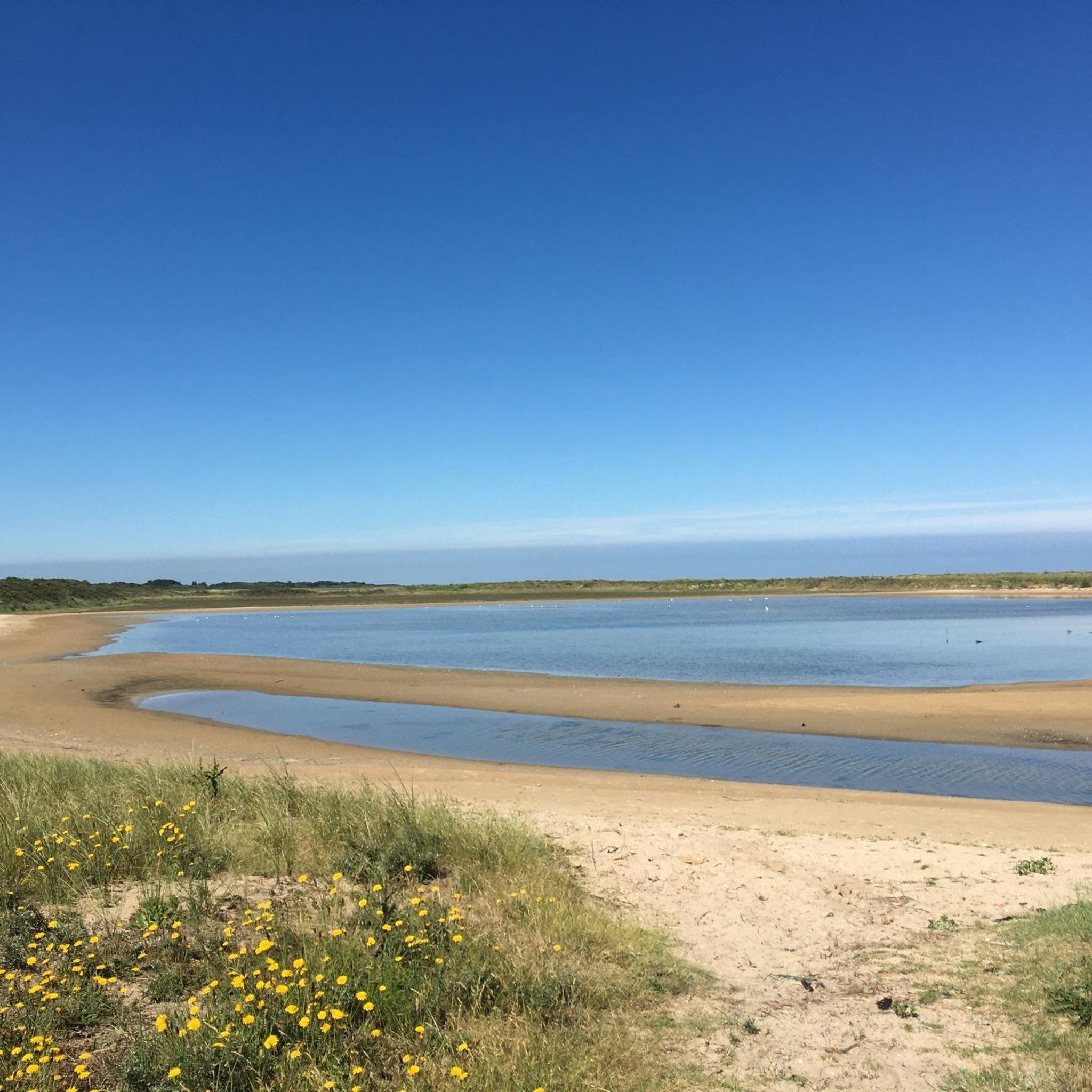
In the Netherlands called salt marshes or salt marshes
0
0

Here on the Opal Coast in France at Oye Plage near Grand Fort Philippe are the historical remains of the German positions from World War II.
1
0


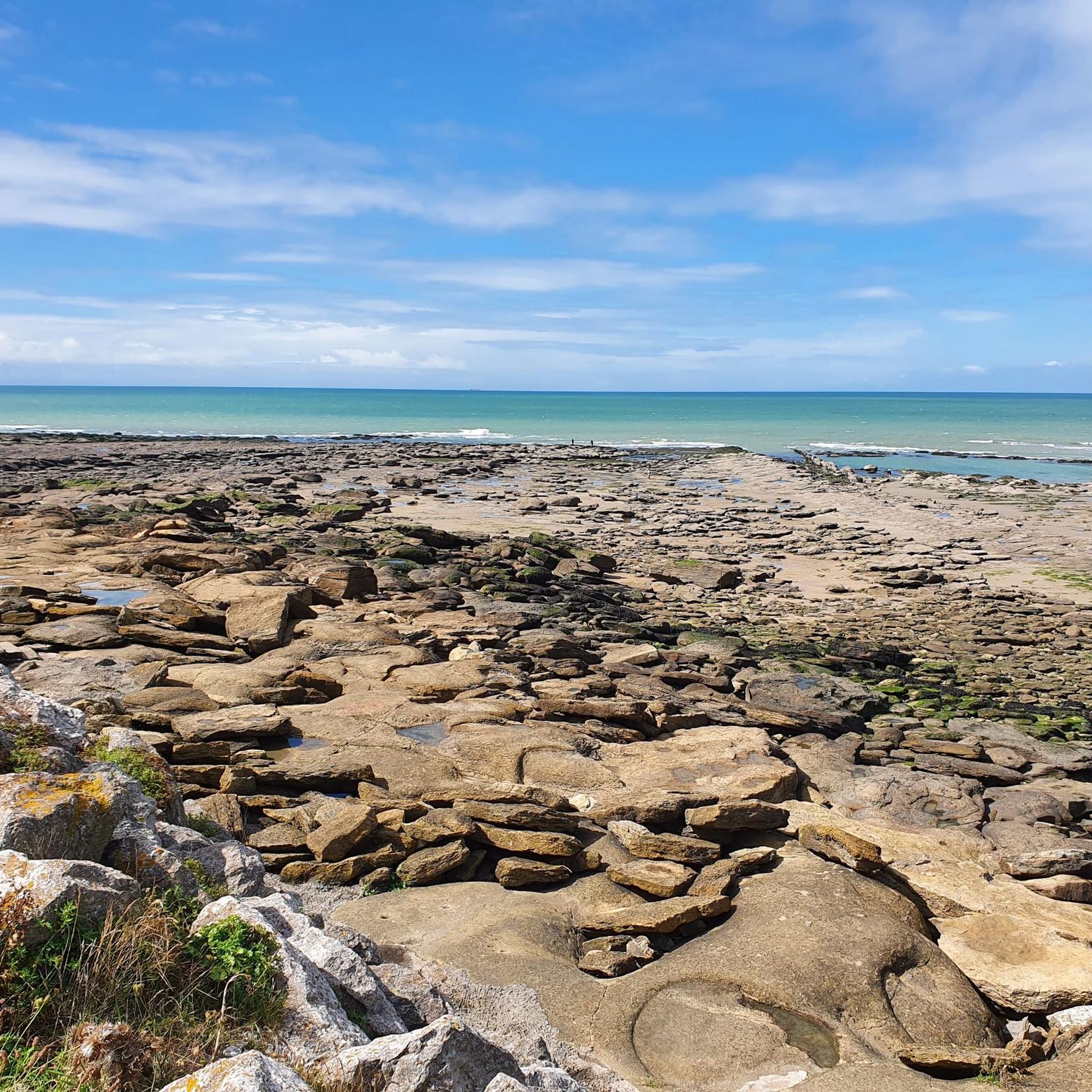
Beautiful viewpoint, accessible at any time, even with dog
1
0
Frequently Asked Questions
How many hiking trails are available around Offekerque?
There are over 140 hiking routes available around Offekerque, catering to various skill levels. This includes 74 easy trails, 65 moderate paths, and a few more challenging options.
What kind of terrain can I expect on hikes near Offekerque?
Hikes around Offekerque primarily feature diverse natural landscapes, including coastal dunes, extensive wetlands, and open beach paths. You'll often find sandy trails, coastal stretches, and fields, with some routes offering views of cliffs and historical bunkers.
What do other hikers say about the trails in Offekerque?
The hiking routes in Offekerque are highly rated by the komoot community, with an average score of 4.4 stars from over 500 reviews. Hikers often praise the varied coastal scenery, the opportunity to explore unique dune ecosystems, and the historical points of interest along the way.
Are there any nature reserves worth exploring near Offekerque?
Yes, the Platier d'Oye National Nature Reserve is a significant natural attraction located approximately 8 kilometers from Offekerque. It's a prime destination for nature lovers, boasting rich biodiversity with numerous bird, mammal, and plant species. The reserve features marked hiking trails through dunes and wetlands.
What historical sites can I see while hiking near Offekerque?
Several hikes near Offekerque offer glimpses into history. For instance, the Fort Vert Dunes – Bunker with sea view loop from Les Hemmes de Marck and the Dune passage – Écardines Bunkers loop from Oye-Plage both lead past historical bunkers, including the Écardines Bunkers, which were part of coastal defenses during World War II.
Are there coastal cliffs or viewpoints on hikes around Offekerque?
While Offekerque itself is flatter, the iconic Cap Blanc-Nez and Cap Gris-Nez are within a reasonable distance (21-31 km) and offer breathtaking coastal scenery and trails that traverse cliffs. These areas provide stunning views of the Channel and opportunities to observe the unique coastal geology.
Are there family-friendly hiking options in Offekerque?
Yes, there are many easy hiking options suitable for families. For example, the Hemmes de Marck beach – Plage des Hemmes de Marck loop from Palominos is an easy 5.4 km route that explores the beach and coastal areas, perfect for a leisurely family outing.
Can I bring my dog on the hiking trails around Offekerque?
Many trails in the Offekerque region are suitable for dogs, especially those along the beaches and dunes. However, within protected areas like the Réserve Naturelle Nationale du Platier d'Oye, it's advisable to keep dogs on a leash to protect the local wildlife and sensitive ecosystems. Always check local signage for specific restrictions.
Are there circular hiking routes available near Offekerque?
Yes, many of the popular hiking routes around Offekerque are circular, offering convenient starting and ending points. Examples include the Fort Vert Dunes – Bunker with sea view loop from Les Hemmes de Marck and the Hemmes de Marck beach – Oye-Plage Beach Access loop from Oye-Plage.
What is the best time of year to go hiking in Offekerque?
The best time for hiking in Offekerque is generally from spring to autumn, when the weather is milder and the natural landscapes are vibrant. Spring and autumn are particularly good for birdwatching in the nature reserves, as the area is a crucial stopover for migratory birds. Coastal walks can be enjoyed year-round, but be prepared for windier conditions outside of summer.
Is parking available at the trailheads around Offekerque?
Parking is generally available near popular trailheads and coastal access points in the Offekerque area, particularly in villages like Oye-Plage and Les Hemmes de Marck. Specific parking information can often be found on individual route descriptions or local tourism websites.
Are there any cafes or places to eat near the hiking trails?
Yes, you can find cafes and restaurants in the nearby towns and villages such as Oye-Plage, Les Hemmes de Marck, and Marck. These places offer opportunities to refuel before or after your hike, often with local specialties.
Most popular routes around Offekerque
Most popular attractions around Offekerque

Get inspired with the komoot mobile app


Explore more
Browse the best Hikes in other regions.
