The best MTB trails around Vaison-La-Romaine
4.3
(82)
600
riders
66
rides
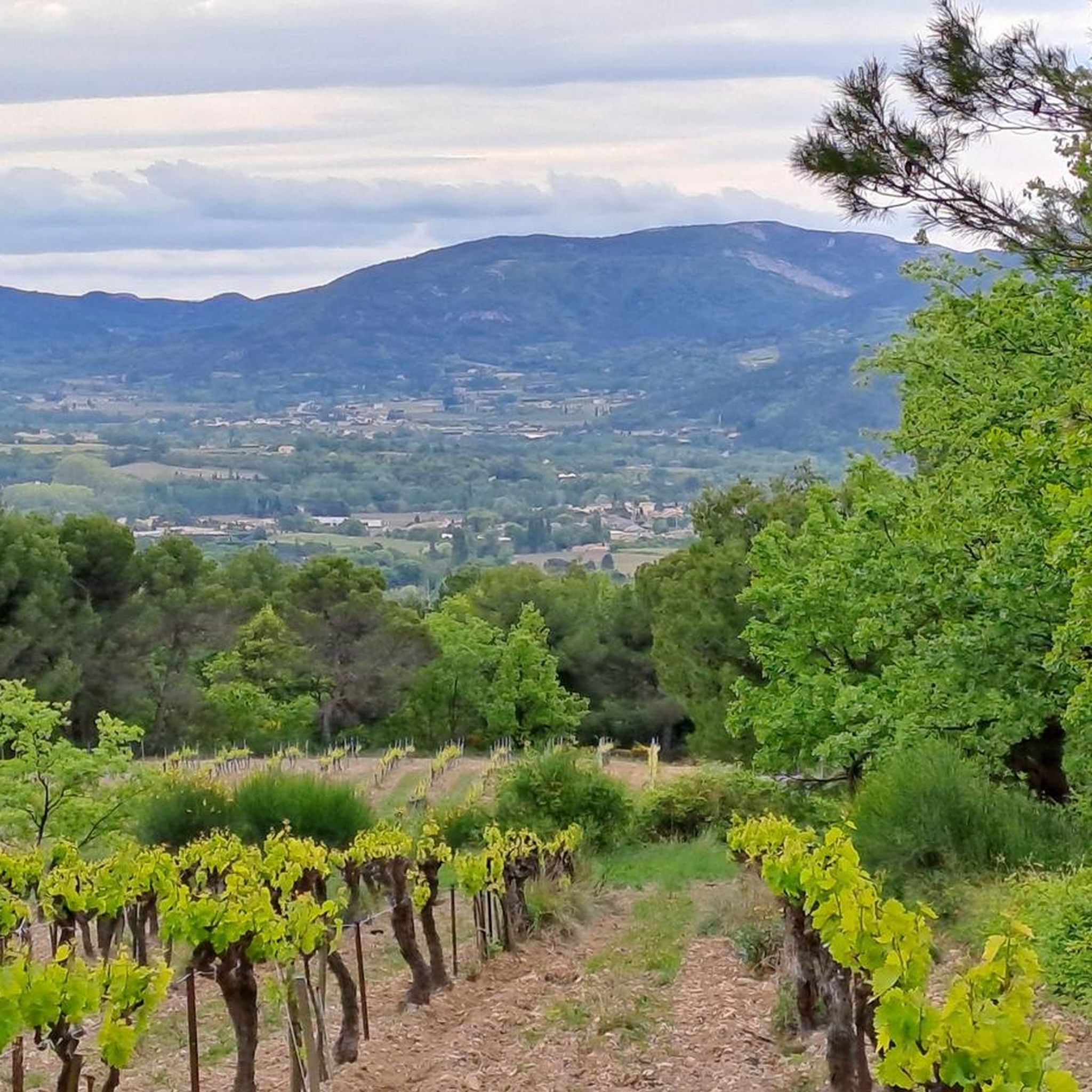
Mountain bike trails around Vaison-La-Romaine traverse a diverse landscape characterized by the dramatic limestone peaks of the Dentelles de Montmirail and the imposing silhouette of Mont Ventoux. The region features a mix of hilly countryside, ancient vineyards, and olive groves, with the Ouvèze River flowing through its historic heart. Mountain bikers encounter varied terrain, including forest paths, gorges, and significant elevation changes.
Best mountain bike trails around Vaison-La-Romaine
- The most popular mountain bike trail is Crestet – The Count's Castle…
Last updated: October 3, 2026
4.1
(8)
52
riders
18.4km
01:29
360m
360m
Moderate mountain bike ride. Good fitness required. Advanced riding skills necessary.
4.8
(9)
50
riders
40.2km
03:42
1,000m
1,000m
Hard mountain bike ride. Very good fitness required. Advanced riding skills necessary. Some portions of the route may require you to push your bike.

4.2
(5)
32
riders
43.7km
04:05
1,220m
1,220m
Hard mountain bike ride. Very good fitness required. Advanced riding skills necessary.
3.8
(8)
25
riders
20.1km
01:44
440m
440m
Moderate mountain bike ride. Good fitness required. Suitable for all skill levels.
4.4
(7)
26
riders
34.5km
02:36
690m
690m
Moderate mountain bike ride. Good fitness required. Suitable for all skill levels.
Get access to more routes and recommendations from other explorers.
Already have an account?
Our route recommendations are based on thousands of hikes, rides, and runs completed by other people on komoot.
Start today with a free account
Your next adventure awaits.
Popular around Vaison-La-Romaine
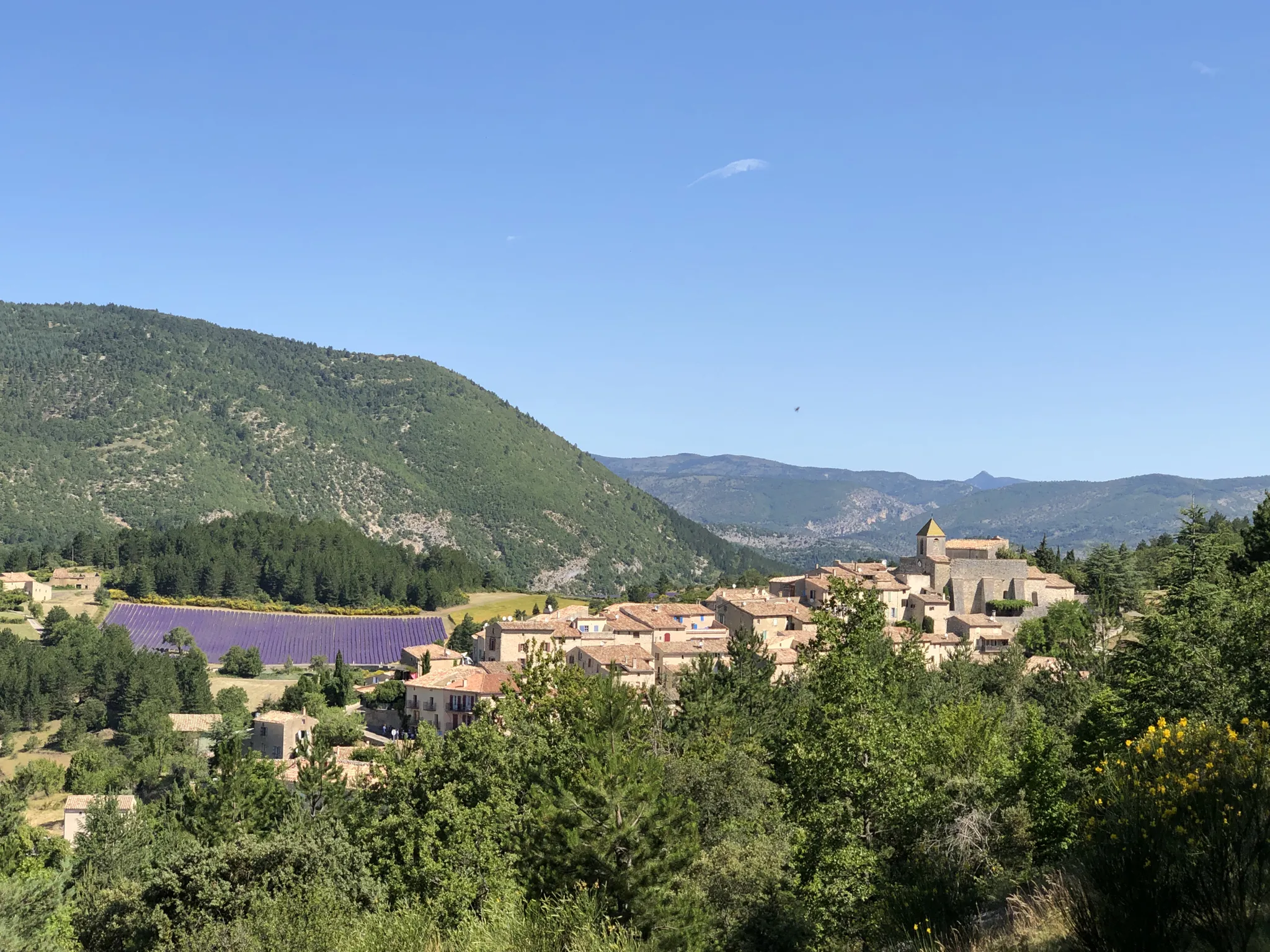
Exceptional natural landscapes — La Grande Traversée de Vaucluse à VTT
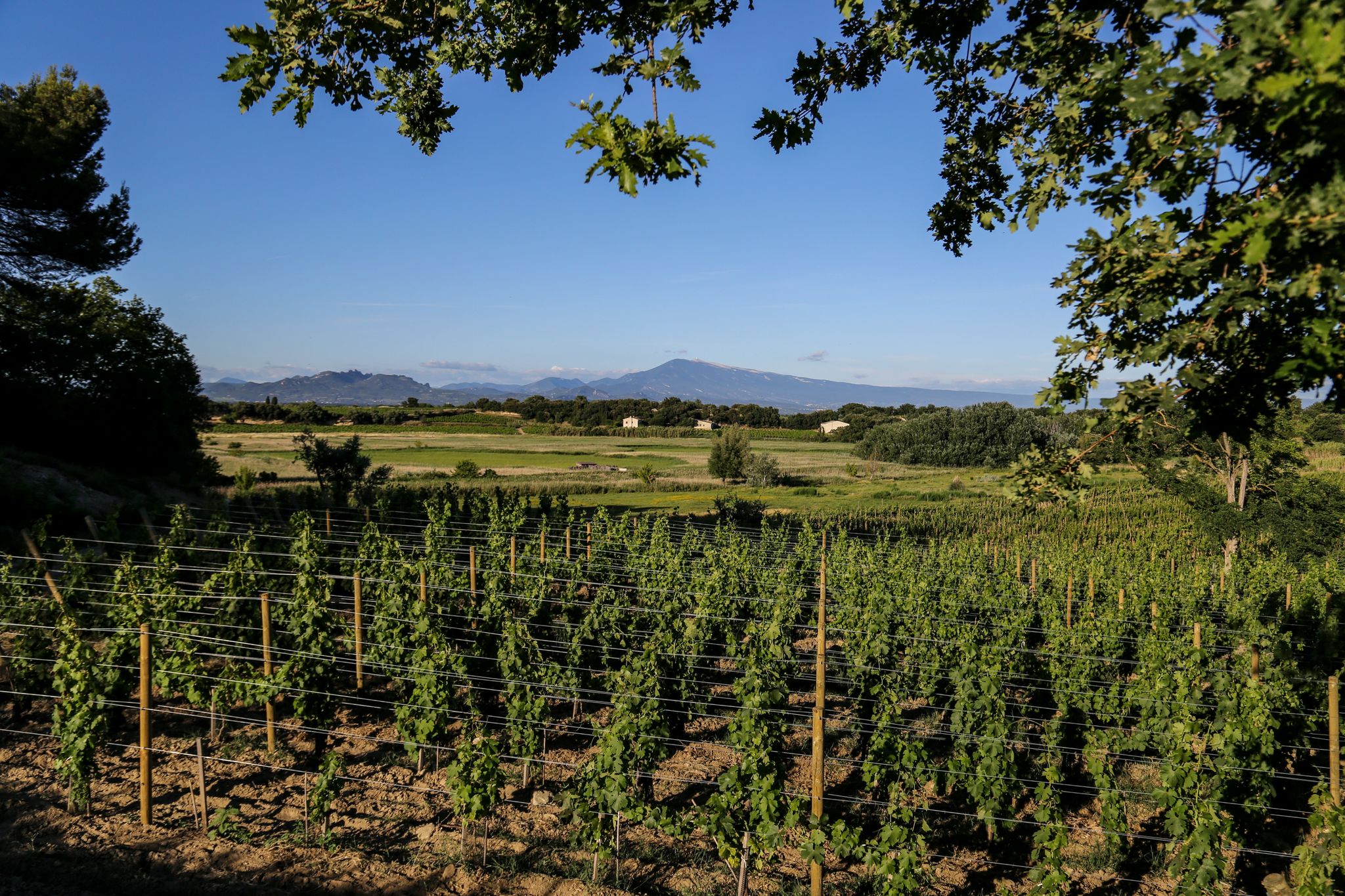
Cycling and wine – Côtes-du-Rhône tour
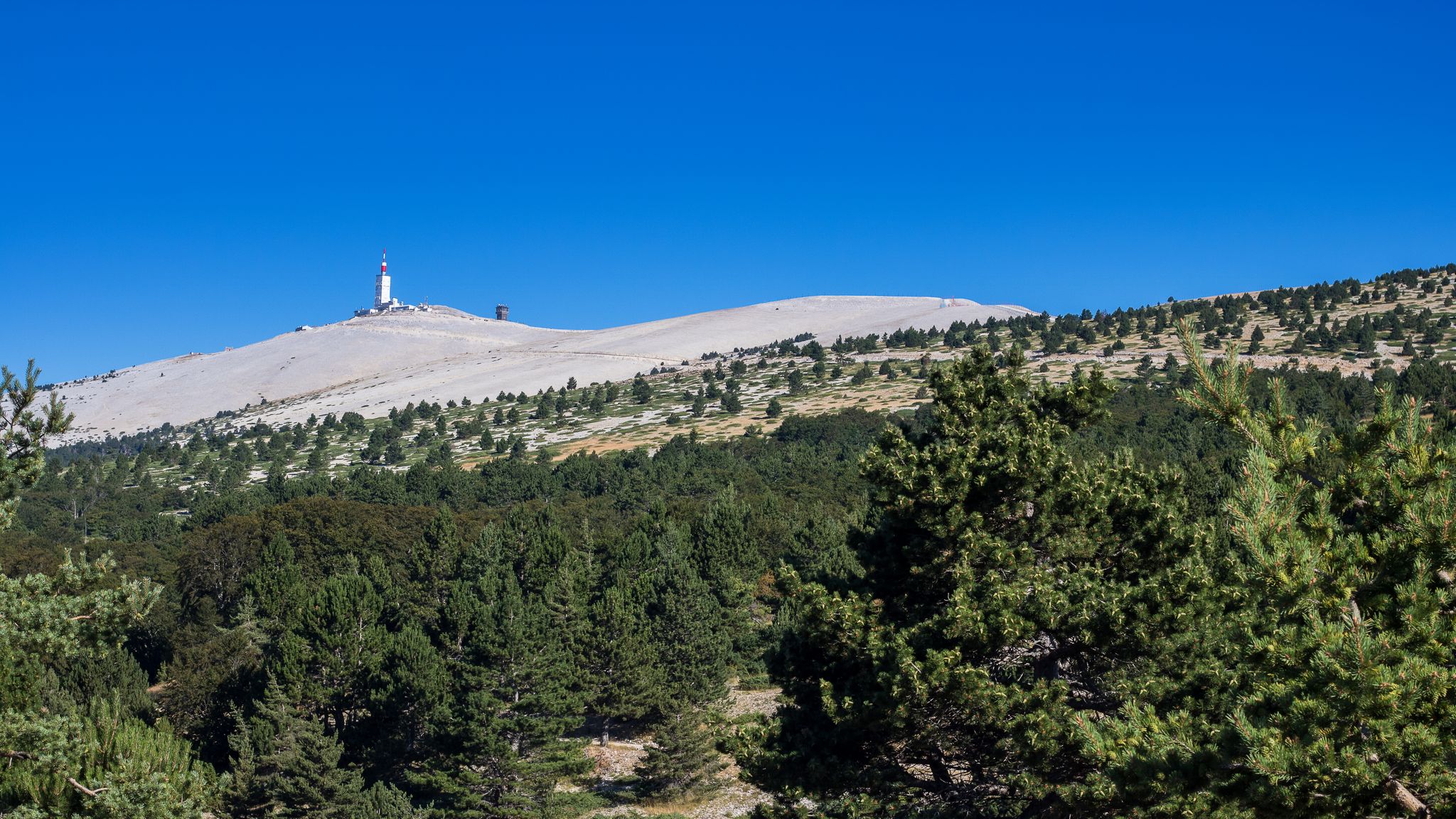
The glittering mountain – Tour of Mount Ventoux
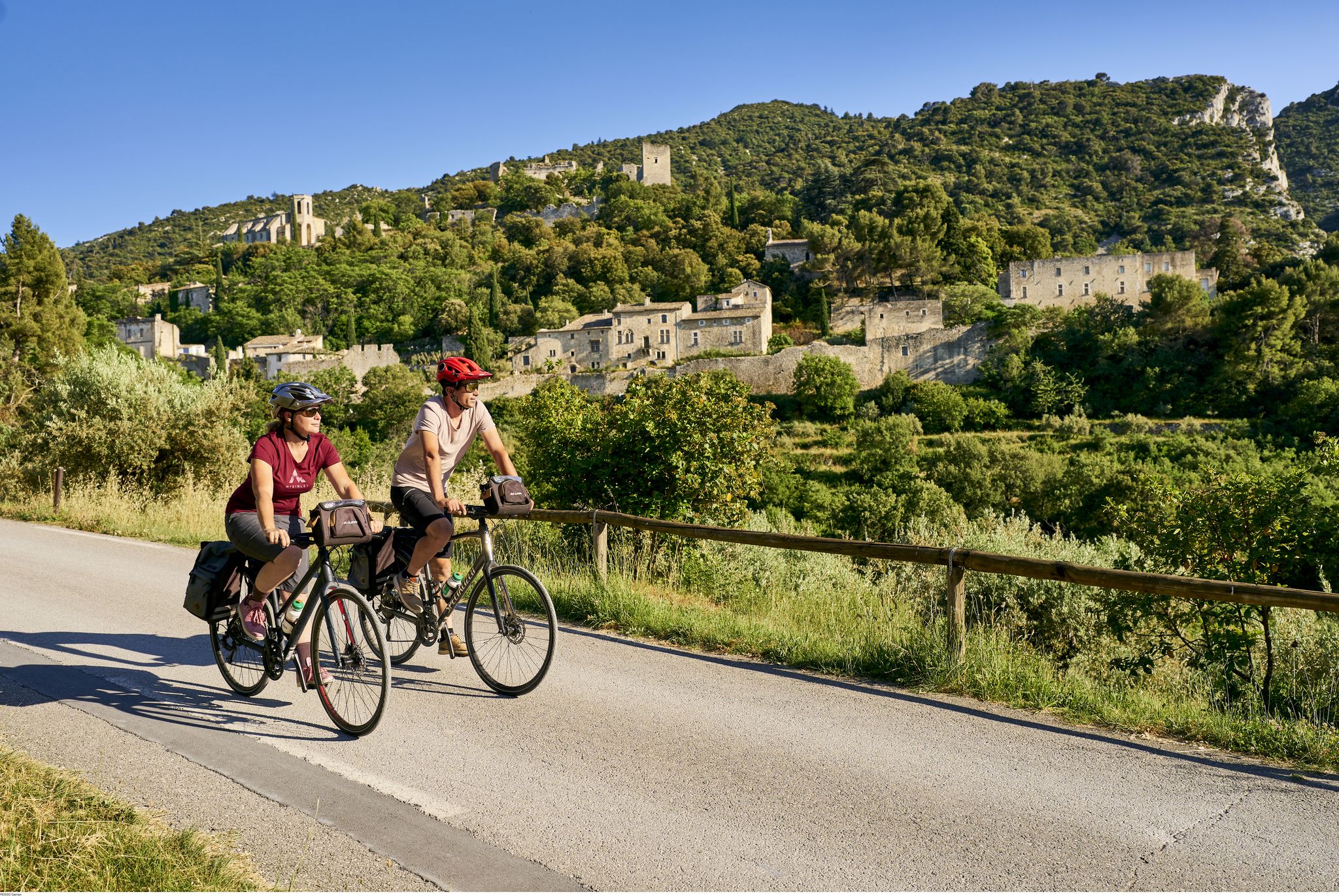
Epic landscapes in France’s Vaucluse — Provence by bike
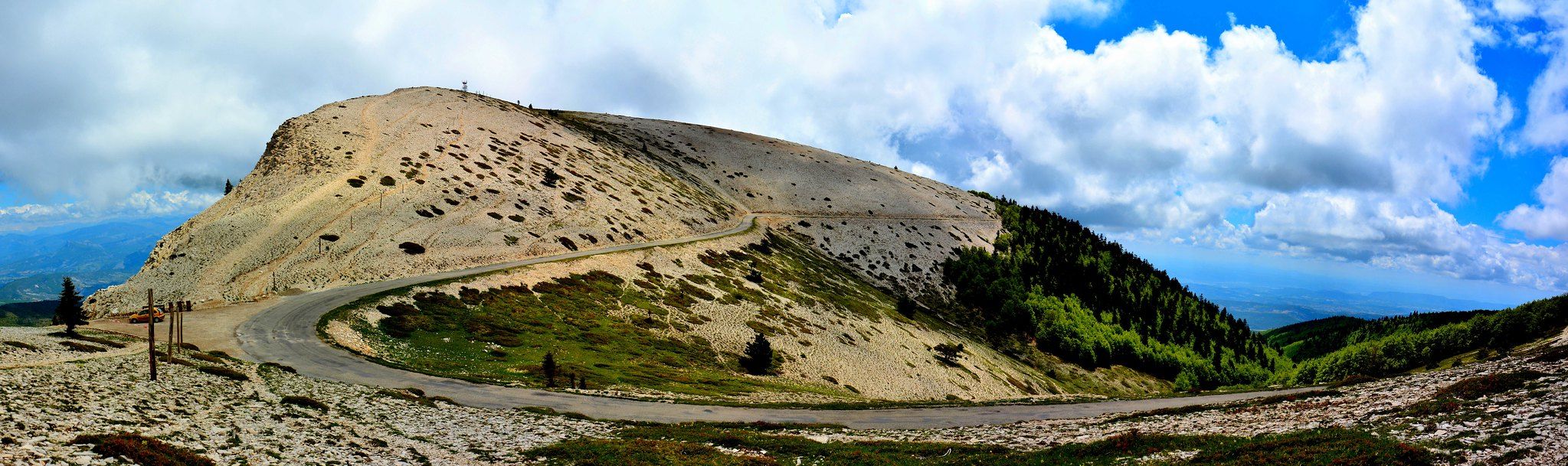
Lure and Ventoux – cycling the two mountains of Provence in France
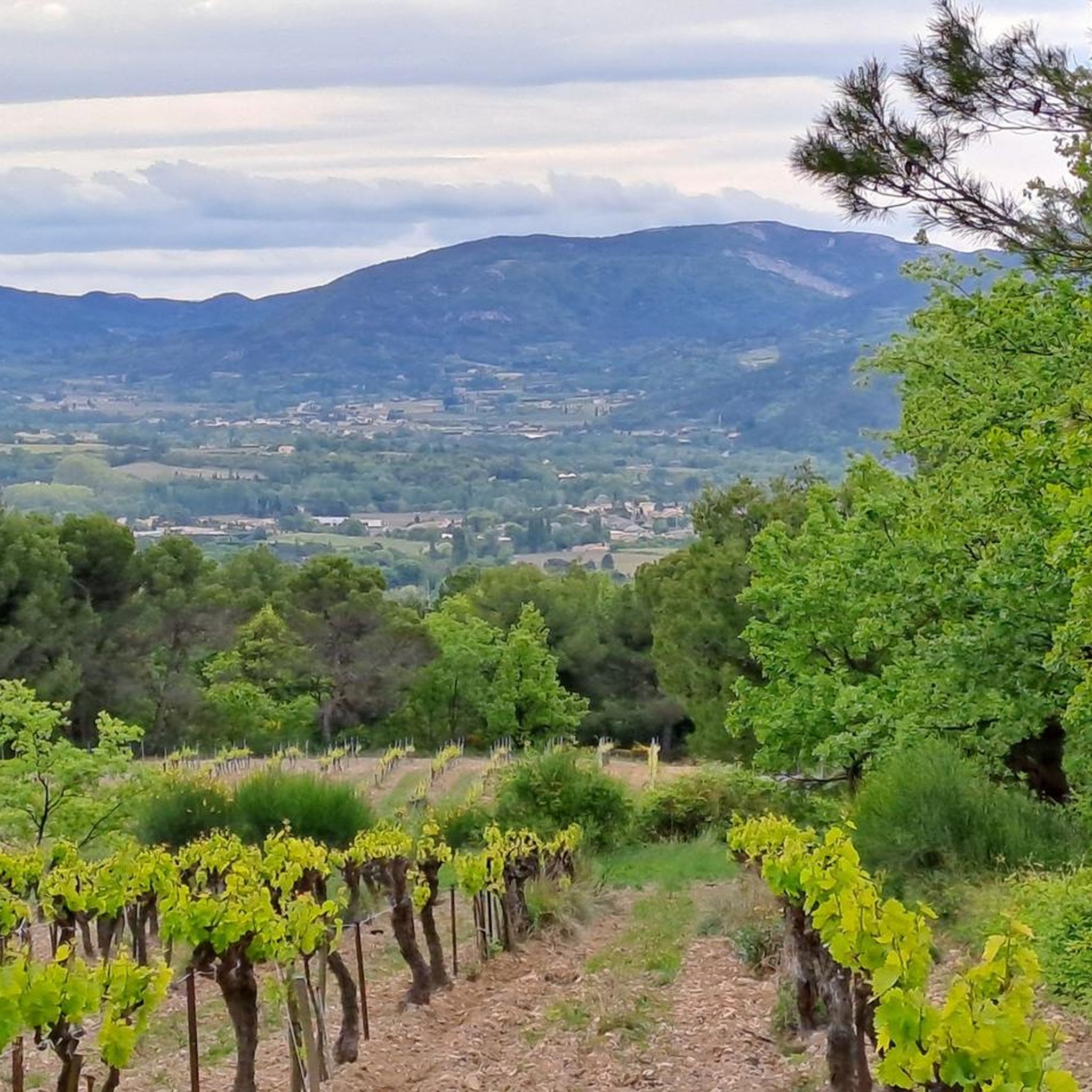
Road Cycling Routes around Vaison-La-Romaine
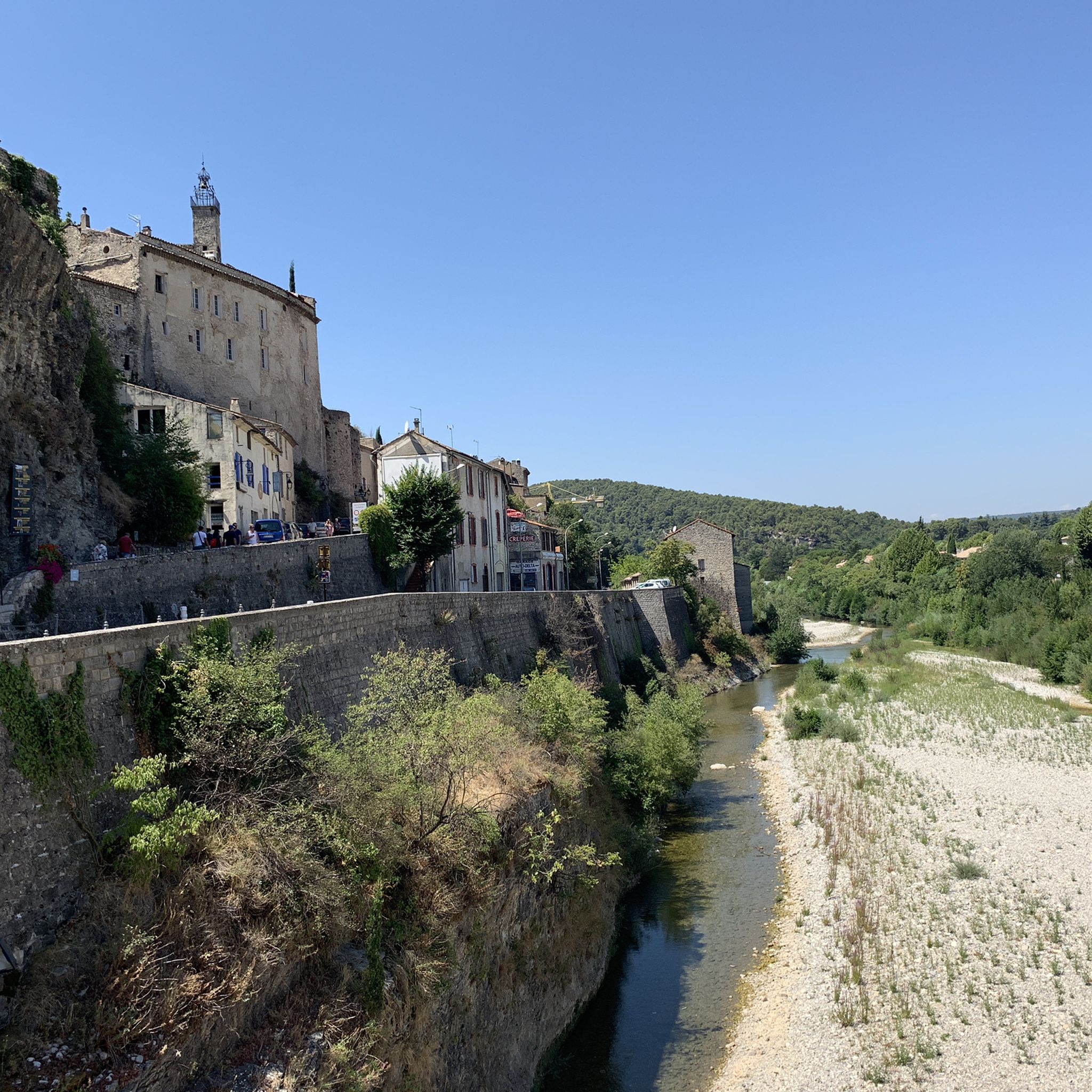
Cycling around Vaison-La-Romaine
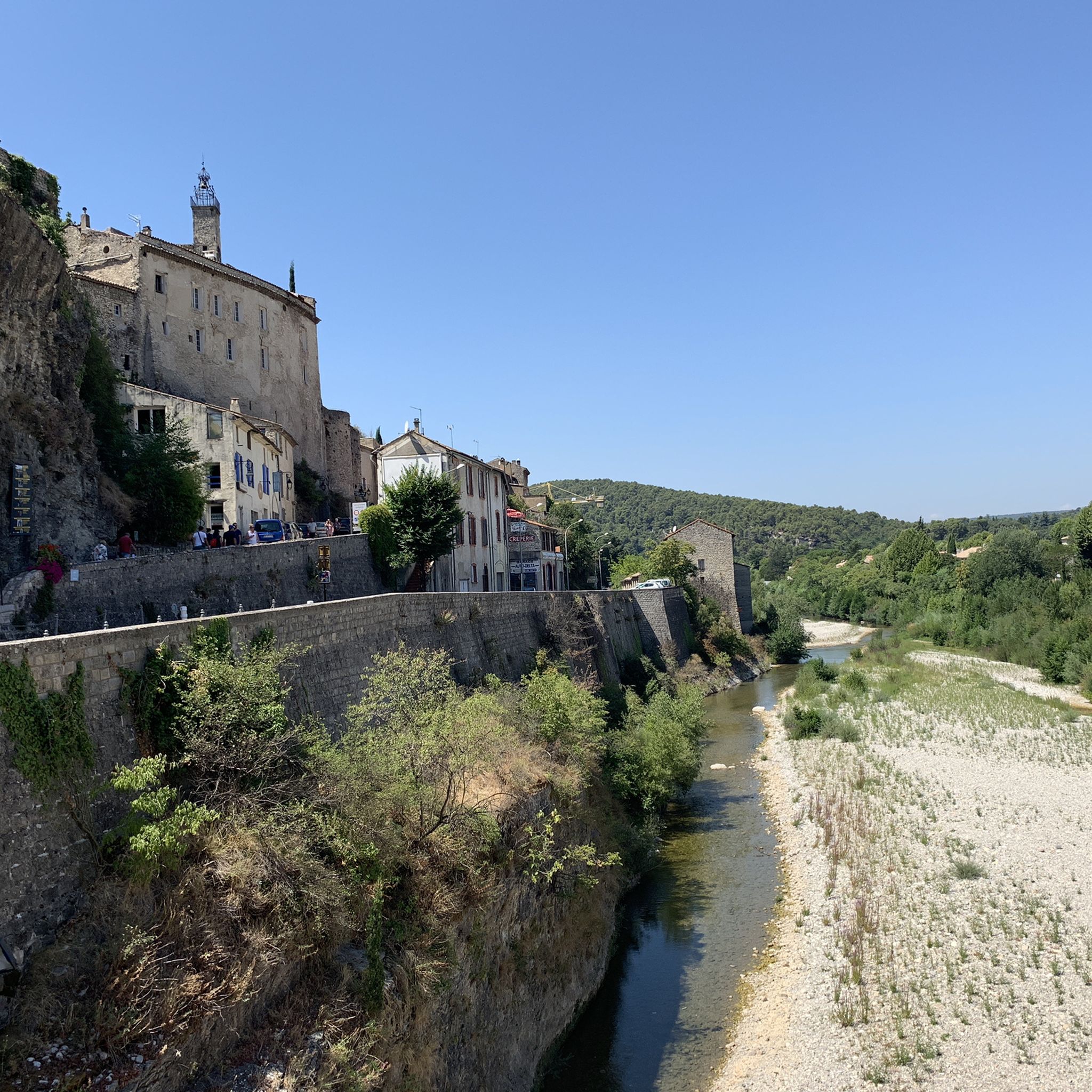
Hiking around Vaison-La-Romaine
Running Trails around Vaison-La-Romaine
Gravel biking around Vaison-La-Romaine
Other adventures around Vaison-La-Romaine


Tips from the Community

Beautiful and varied city. From Roman settlement, through the medieval upper town to the modern city with beautiful squares and restaurants, everything is included.
0
0

She watches over the city, and over her shoulder you have a great view.
0
0
Medieval alleys and nooks, best discovered in the early morning hours.
0
0

lavender fields
0
0


Marked mountain bike trail from Gigondas. Beautiful route.
1
0

Frequently Asked Questions
How many mountain bike trails are there around Vaison-La-Romaine?
Vaison-La-Romaine offers a wide selection of mountain bike trails, with over 60 routes available. These trails cater to various skill levels, including easy, moderate, and difficult options.
What kind of terrain can I expect on mountain bike trails near Vaison-La-Romaine?
The terrain around Vaison-La-Romaine is diverse, featuring the dramatic limestone peaks of the Dentelles de Montmirail, the imposing silhouette of Mont Ventoux, and picturesque hilly countryside. You'll ride through ancient vineyards, olive groves, and forests, often encountering significant elevation changes and scenic gorges like the Ouvèze and Toulourenc.
Are there mountain bike trails suitable for beginners or families in Vaison-La-Romaine?
Yes, Vaison-La-Romaine offers several routes suitable for less experienced riders or families. There are 7 easy and 38 moderate trails available. For a moderate option, consider the Vierge Noire Vaison – Crestet loop from Vaison-la-Romaine, which is 20.1 km long and leads through scenic hills.
Are there challenging mountain bike trails for advanced riders?
Absolutely. Vaison-La-Romaine is known for its challenging terrain, with 16 difficult trails designed for advanced riders. Routes like the Sarrasine Tower – Rocher du Midi loop from Vaison-la-Romaine, at 43.7 km with over 1,200m of elevation gain, offer demanding ascents and panoramic vistas across the Provençal landscape.
What is the best time of year to go mountain biking in Vaison-La-Romaine?
The spring and autumn months generally offer the most pleasant conditions for mountain biking in Vaison-La-Romaine, with milder temperatures and vibrant landscapes. Summer can be very hot, especially in July and August, so early morning rides are recommended if visiting during these months. Winter can be cool but often still suitable for riding, though some higher elevation trails might be affected by weather.
Are there mountain bike trails that form a loop?
Many mountain bike trails around Vaison-La-Romaine are designed as loops, allowing you to start and finish in the same location. Examples include the challenging Crestet – The Count's Castle of Vaison loop from Vaison-la-Romaine and the moderate The Toulourenc Gorges loop from Vaison-la-Romaine.
What natural landmarks can I see while mountain biking in Vaison-La-Romaine?
The region is rich in natural beauty. You can ride with views of the dramatic Dentelles de Montmirail and the iconic Mont Ventoux. Trails also traverse picturesque vineyards, olive groves, and the scenic Ouvèze gorges. You might also encounter lavender fields depending on the season.
Are there historical or cultural sights along the mountain bike routes?
Yes, Vaison-La-Romaine is steeped in history. You can explore the charming Medieval Town (Haute Ville) with its narrow streets and castle ruins, or discover extensive Roman archaeological sites, including ancient villas and the impressive Roman Theatre. The first-century AD Roman Bridge, still in use, is another notable landmark.
Is there parking available near the mountain bike trails in Vaison-La-Romaine?
Vaison-La-Romaine, being a popular tourist destination, offers various parking options within and around the town. Many trailheads are accessible from town, making it convenient to park and start your ride. Specific parking details can often be found on individual route pages on komoot.
Can I reach mountain bike trails in Vaison-La-Romaine by public transport?
While Vaison-La-Romaine has some local bus services, direct public transport links to specific mountain bike trailheads can be limited. It's often more convenient to travel to Vaison-La-Romaine by car, especially if you're bringing your own bike. E-bike rentals are also available in the area, offering flexibility for exploring.
Are there places to eat or stay near the mountain bike trails?
Vaison-La-Romaine offers a good selection of cafes, restaurants, and accommodation options, ranging from hotels to guesthouses. The town center is a hub for amenities, and many trails start or pass close to the town, making it easy to refuel or find a place to stay after your ride.
What do other mountain bikers enjoy the most about mountain biking in Vaison-La-Romaine?
The area is highly rated by the komoot community, with an average score of 4.4 stars from over 60 reviews. Reviewers often praise the diverse and challenging terrain, the stunning views of the Dentelles de Montmirail and Mont Ventoux, and the unique blend of natural beauty with rich historical sites along the routes.
Most popular routes around Vaison-La-Romaine
Most popular attractions around Vaison-La-Romaine

Get inspired with the komoot mobile app


Explore more
Browse the best MTB trails in other regions.
