Attractions and Places To See around Moulle - Top 20
Best attractions and places to see around Moulle, located in Pas-de-Calais, France, include a mix of historical sites and natural landscapes. The region is characterized by its proximity to significant historical landmarks and natural reserves. Visitors can explore cultural heritage and diverse outdoor environments, with more than 20 points of interest available.
Best attractions and places to see around Moulle
- The most popular attractions is Watten Hill, a summit that offers panoramic views of the city and its surroundings. This site is the westernmost extension of the West Flemish Hills and features a restored 18th-century mill and abbey ruins.
- Another must-see spot is Romelaëre Ponds Nature Reserve, a nature reserve covering approximately 108 hectares. This area consists of ponds, canals, and chain pits, offering a rich diversity of flora and fauna.
- Visitors also love Saint-Omer Cathedral, a historic religious building. This cathedral features impressive architecture, 15th-century tombstones, and a 13th-century statue of Notre-Dame des Miracles.
- Moulle is known for its historical monuments, natural reserves, and cultural sites. The area offers a variety of attractions to see and explore, from ancient ruins to panoramic viewpoints.
- The attractions around Moulle are appreciated by the komoot community, with more than 120 upvotes and over 70 photos shared by visitors.
Last updated: July 20, 2026
Romelaëre Ponds Nature Reserve
Highlight • Other
Translated by Google •
Tip by

Watten Hill
Highlight • Summit
Translated by Google •
Tip by
Sign up now to discover places like this
Get recommendations on the best single tracks, peaks, & plenty of other exciting outdoor places.
Sign up for free
Saint-Omer station
Highlight • Monument
In 1904, a new, monumental station building was inaugurated, designed by the architect Clément Ligny. This building, with its neoclassical architecture, was built with high-quality materials such as blue stone from Soignies and white stone from Creil. The design reflects the grandeur of a 17th-century castle, complete with symmetrical pavilions and decorative elements such as triglyphs and pediments.
Translated by Google •
Tip by
Saint-Omer Cathedral
Highlight • Other
Translated by Google •
Tip by
Ruin of St Martin's church
Highlight • Other
Translated by Google •
Tip by
Sign up for free to discover even more attractions around Moulle.
Sign up for free
Already have an account?
Start today with a free account
Your next adventure awaits.
Login or Signup


Tips from the Community


After being closed for several years, the Saint-Omer train station has been given a facelift. The new, completely renovated building is dedicated to travelers, of course, but also to artists, craftspeople, entrepreneurs… La Station isn't just a station; it's "a space for innovation with a station inside." (c) https://nl.tourisme-saintomer.com/verwonderend/erfgoed-wonderen/meesterwerken-bewonderen/het-station-een-station-en-een-plaats-voor-innovatie/
0
0

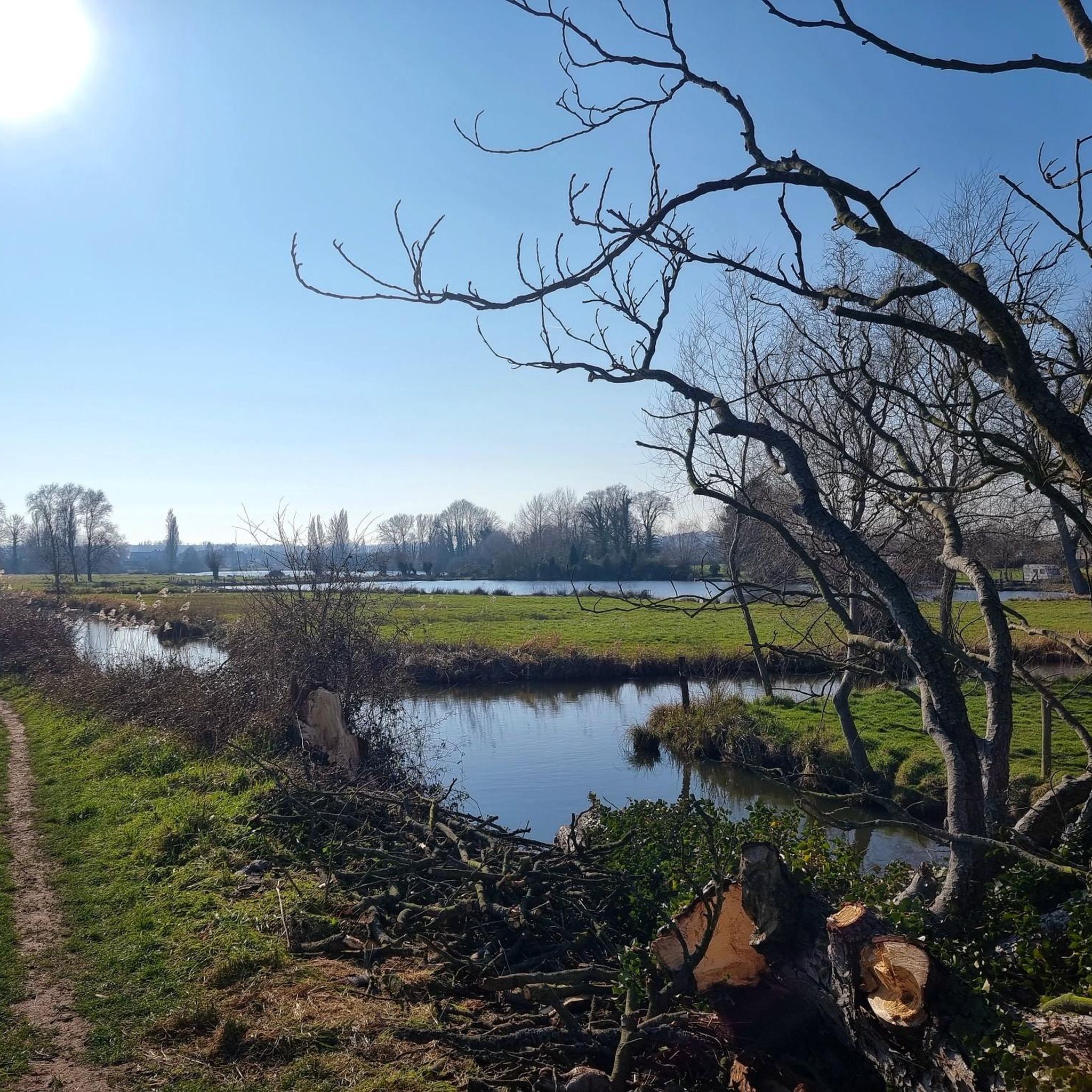
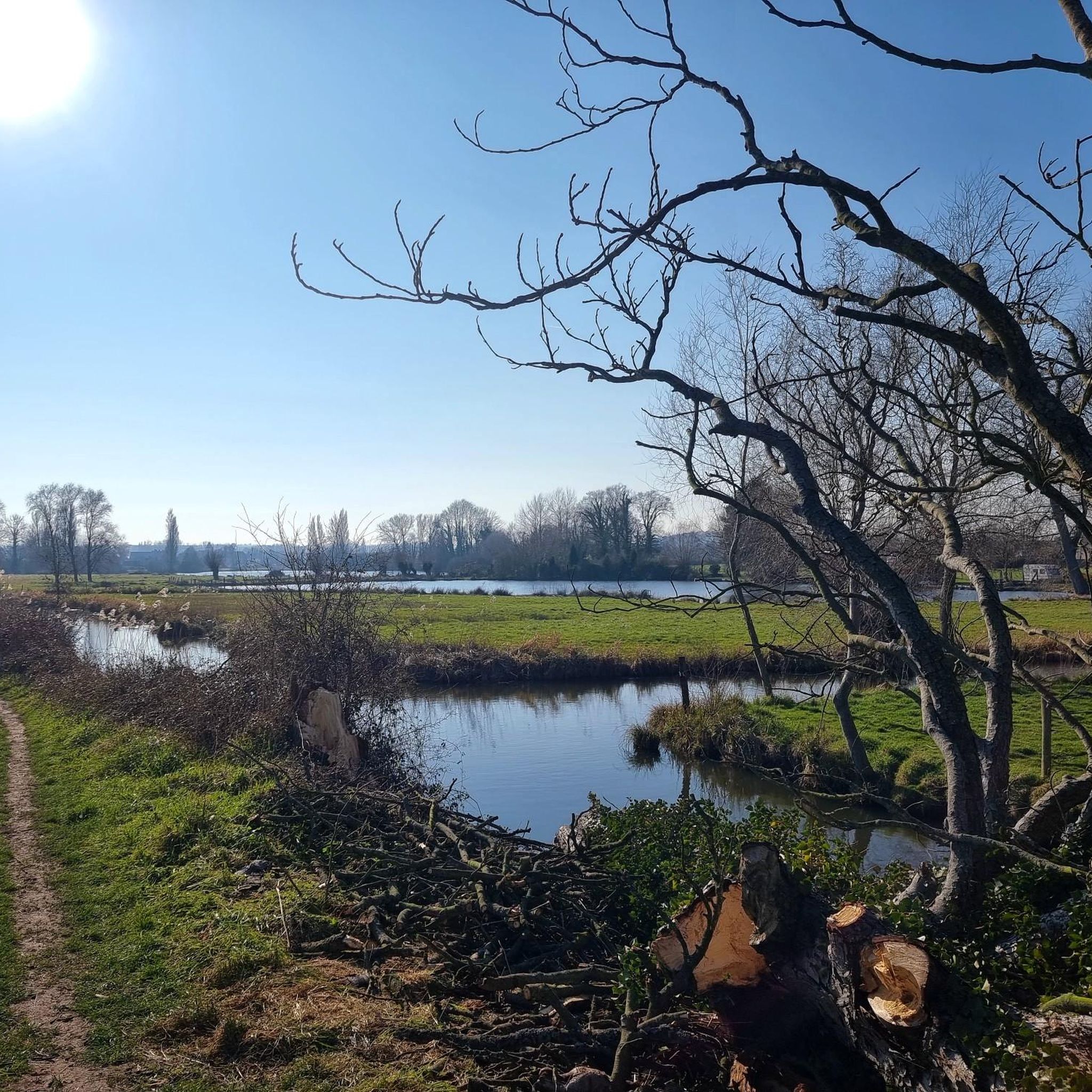
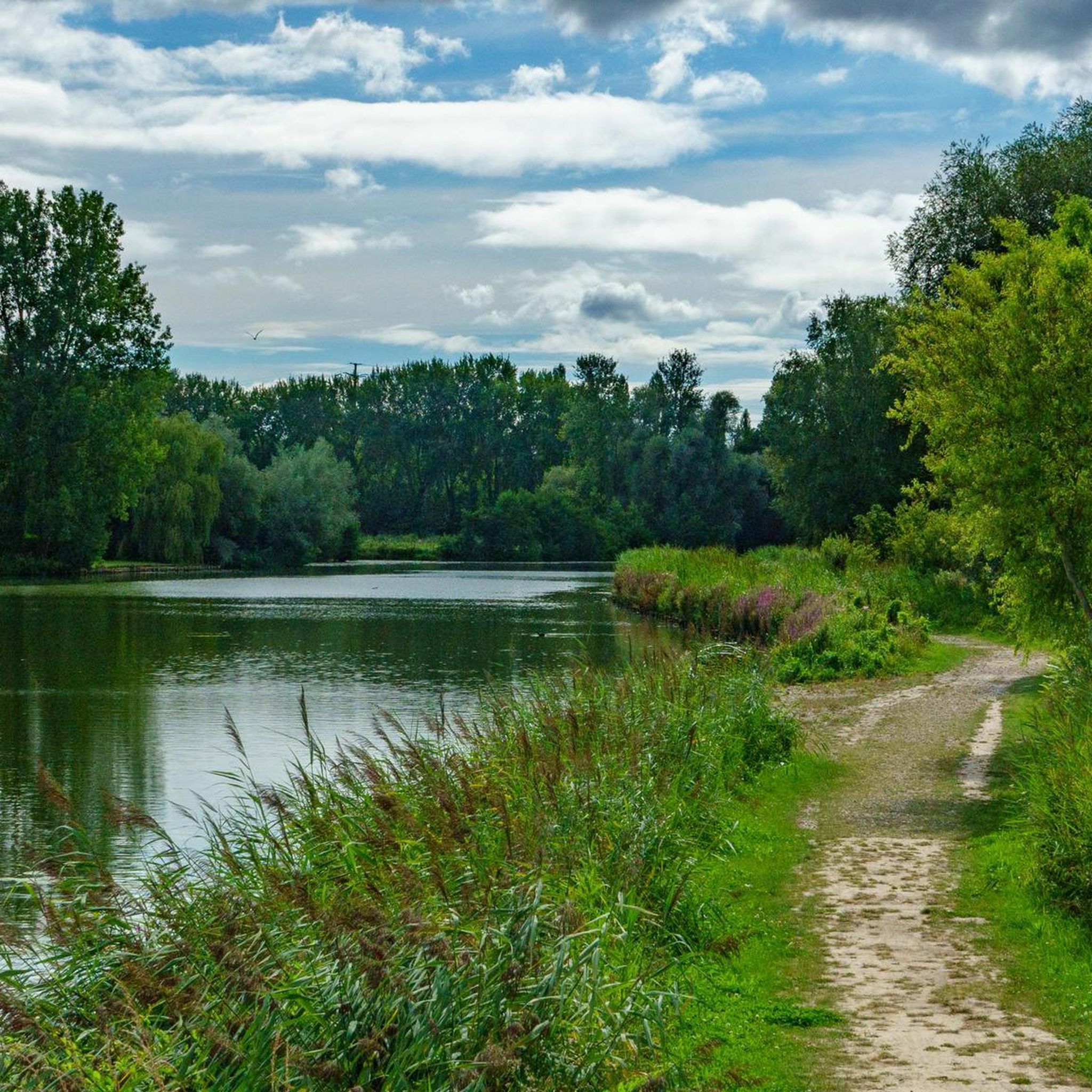
nature reserve where you can take a short circular walk (1 hour) and go to the observatory
0
0

A midweek walk in March, outside of school holidays. Few people. A joy.
0
0

Located in Saint-Omer, France, the Gare de Saint-Omer has a rich history dating back to the 19th century. The first version of the station opened on September 1, 1848, as part of the railway line from Lille to Calais. The original building was modest and located outside the city walls, between the Porte de Lyzel and the Porte du Haut-Pont. In 1904, a new, monumental station building was inaugurated, designed by the architect Clément Ligny. This building, with its neoclassical architecture, was built with high-quality materials such as blue stone from Soignies and white stone from Creil. The design reflects the grandeur of a 17th-century castle, complete with symmetrical pavilions and decorative elements such as triglyphs and pediments.
9
0
The Ruines de l’Abbaye Saint-Bertin are the remains of a Benedictine monastery in Saint-Omer, France. The monastery was founded in the 7th century by the Bishop of Thérouanne under the name Abbaye de Sithiu. The ruins of this monastery are located in Saint-Omer, Rue des Ruines Saint-Bertin. They were classified as a historical monument in 1840. The buildings are now in ruins, but are open to the public. The abbey was originally dedicated to Saint Peter and later to Saint Bertin. It was one of the three most powerful abbeys in the north of the kingdom. The monastery was surrounded by a wall and bordered the rivers Aa and Haute-Meldick. It consisted of three parts: the regular places, the peripheral districts and the outbuildings. The abbey church was located at the heart of the monastery and all the buildings were organized around it. The monastery also had a cloister, refectory, parlour, celler, chauffoir and kitchens. The ruins of the abbey offer a fascinating insight into the medieval history of France and are a popular tourist attraction.
9
0
This cathedral, the former "Cloître Notre-Dame" of the canons, is the most beautiful religious building in the region. The shape and dimensions are impressive. The choir dates from 1200, the transept from the 13th century, the nave from the 14th-15th century. The 50 m high facade tower is decorated with vertical blind arches and crowned with watchtowers (15th century). On the middle buttress of the southern portal there is a statue of the Virgin Mary (14th century), and on the tympanum a Last Judgement with very few chosen ones. In the corner next to the choir there is an octagonal Romanesque tower.
9
0
You will see the tomb of St. Audomarus and the mausoleum of Eustache de Croy, chapter provost in Saint-Omer and bishop of Arras, a moving work by Jacques Dubroeucq (16th century). He shows the deceased kneeling, in bishop's robes, but also lying down and naked, as in classical antiquity. Note the 15th-century tombstones with inscriptions and the Descent from the Cross by Rubens (first bay of the right aisle). The tombs are 15th century, the alabaster statues 16th and 17th centuries. Other eye-catchers are the Madonna with cat (right aisle), the statue (13th century) of Notre-Dame des Miracles that attracts pilgrims every September, a Nativity of Christ from the 13th century and the tomb (8th century) of St. Erkembode, abbot of Saint-Bertin - here they leave shoes of children who have difficulty learning to walk. Above the astronomical clock (1558) a jaquemart tolls the hours (transept left). Above it is a rose window in flamboyant style. The statue group Grand Dieu de Thérouanne (13th century) stood 20 m above the portal of the cathedral of Thérouanne, which was destroyed by Charles V. The figures seem distorted, but the artist foreshortened them so that they had the correct perspective from below (transept left).
10
0
Frequently Asked Questions
What are the most popular natural attractions around Moulle?
One of the most popular natural attractions is Romelaëre Ponds Nature Reserve, a 108-hectare area of ponds, canals, and chain pits rich in flora and fauna. Another highly rated spot is Watten Hill, which offers panoramic views of the surrounding landscape and features an 18th-century mill and abbey ruins.
Are there any significant historical sites to visit near Moulle?
Absolutely. You can explore the impressive Saint-Omer Cathedral, known for its Gothic architecture, 15th-century tombstones, and a 13th-century statue of Notre-Dame des Miracles. Additionally, the Ruin of St Martin's church (part of the former Abbaye Saint-Bertin) in Saint-Omer offers a fascinating glimpse into medieval history.
What kind of outdoor activities can I do around Moulle?
The area around Moulle is excellent for various outdoor activities. You can find numerous routes for gravel biking, mountain biking, and general cycling. For example, explore routes like the 'Lansberghe Path – Chestnut tree bridge loop' for cycling or 'The Éperlecques Blockhaus – a travers foret loop' for MTB. You can find detailed guides and routes for these activities on the Gravel biking around Moulle, MTB Trails around Moulle, and Cycling around Moulle guide pages.
Are there any family-friendly attractions or activities near Moulle?
While specific 'family-friendly' categories aren't highlighted, natural reserves like Romelaëre Ponds Nature Reserve offer engaging walks and opportunities to observe wildlife, which can be enjoyable for families. The Watten Hill with its panoramic views and historic mill can also be an interesting outing for all ages.
What do visitors enjoy most about the attractions near Moulle?
Visitors particularly appreciate the blend of historical significance and natural beauty. For instance, the Romelaëre Ponds Nature Reserve is praised for its 'super 100% free walk in the heart of the marshes' and its rich diversity of flora and fauna. The historical sites like Saint-Omer Cathedral are admired for their impressive architecture and historical depth.
Are there any wheelchair accessible attractions in the Moulle area?
Yes, Saint-Omer station is noted as wheelchair accessible. While primarily a transport hub, its renovated building is also described as 'a space for innovation' and reflects neoclassical architecture, making it an interesting point of interest in Saint-Omer.
Where can I find panoramic views near Moulle?
For breathtaking panoramic views, head to Watten Hill. This viewpoint dominates the Aa valley and the Flemish plain, offering extensive vistas of the city and its surroundings. It's also a historical site with abbey ruins and an 18th-century mill.
What historical sites related to World War II are near Moulle?
The region around Moulle has significant World War II history. You can visit Watten Hill, which was used as a lookout post during the war. Additionally, the REGION RESEARCH mentions La Coupole Centre D'histoire in Helfaut and Blockhaus d'Eperlecques, both major historical centers and museums offering insights into WWII.
Are there any specific nature walks or trails in the Romelaëre Ponds Nature Reserve?
The Romelaëre Ponds Nature Reserve offers a natural place with a stream that can be crossed by a chain ferry. Visitors describe it as a 'super 100% free walk in the heart of the marshes.' There's also an observatory at the end of the walk, providing excellent opportunities for birdwatching and enjoying the diverse flora and fauna. Note that dogs are generally not allowed in the reserve.
What is the best time of year to visit attractions around Moulle?
While specific seasonal recommendations for Moulle are not provided, generally, spring and summer (April to September) offer pleasant weather for exploring outdoor attractions like Romelaëre Ponds Nature Reserve and enjoying panoramic views from Watten Hill. Historical sites like Saint-Omer Cathedral are accessible year-round.
Are there any notable gardens or green spaces near Moulle?
Yes, the REGION RESEARCH mentions the de Saint-Omer Public Garden, which offers a green space for relaxation and is located approximately 6.9 km from Moulle. It's a pleasant spot to unwind after exploring the historical sites of Saint-Omer.
What kind of architecture can I expect to see in the historical buildings around Moulle?
The historical buildings around Moulle showcase a range of architectural styles. For instance, Saint-Omer Cathedral features impressive Gothic architecture with elements from the 13th to 15th centuries. The renovated Saint-Omer station, on the other hand, exhibits neoclassical architecture from the early 20th century, reflecting the grandeur of a 17th-century castle.
Most popular attractions around Moulle

Get inspired with the komoot mobile app


Explore more
Still not found the Highlight you’re looking for? See guides of the top attractions in other regions:
