Attractions and Places To See around Concressault - Top 14
Best attractions and places to see around Concressault, a village in the Cher department of France's Centre-Val de Loire region, offers a glimpse into its history and cultural heritage. The area features historical architectural landmarks and remnants of its past as a fortified town. Visitors can explore various sites that reflect its historical significance.
Best attractions and places to see around Concressault
- The most popular attractions is Stuart Castle, a castle built during the Renaissance. Only the facade and…
Last updated: July 20, 2026
Stuart Castle
Highlight • Castle
It is …
Translated by Google •
Tip by

Château de la Verrerie
Highlight • Castle
Translated by Google •
Tip by

Sign up now to discover places like this
Get recommendations on the best single tracks, peaks, & plenty of other exciting outdoor places.
Sign up for free
Sentier des Telliers aux Bernons🤗
Highlight (Segment) • Other
Translated by Google •
Tip by

Saint Martin Church of Aubigny-sur-Nère
Highlight • Religious Site
Translated by Google •
Tip by

Saint Martin Church
Highlight • Other
There is a beautiful gilded wood altarpiece from the 17th century, probably coming from the old Loroy …
Translated by Google •
Tip by
Sign up for free to discover even more attractions around Concressault.
Sign up for free
Already have an account?
Start today with a free account
Your next adventure awaits.
Login or Signup


Tips from the Community

Pretty little church from the 13th century, enlarged in the 15th century by the Stuarts who stayed in Aubigny. The interior is very well maintained.
2
0

Castle built during the Renaissance by Robert Stuart then Louise de Keroualle, Duchess of Aubigny and Porsmouth. Only the facade and one of the two wings exist today. It is one of the major witnesses to the historical presence of the Scots in this city of character. It can be visited and is worth a look, notably with the ceiling of its large room which is all made of wood, shaped like the hull of an upside-down boat. Good to know: Franco-Scottish festivals take place every year in July.
0
0
Castle built during the Renaissance by Robert Stuart then Louise de Keroualle, Duchess of Aubigny and Porsmouth. Only the facade and one of the two wings exist today. It is one of the major witnesses to the historical presence of the Scots in this city of character. It can be visited and is worth a look, notably with the ceiling of its large room which is all made of wood, shaped like the hull of an upside-down boat. Good to know: Franco-Scottish festivals take place every year in July.
2
0

This charming castle, with its remarkable architecture and vast grounds, invites you to explore the opulence of the past and the beauty of the present. The castle's grandiose façade is matched only by the breathtaking gardens and tranquil lake that surround it. Inside you will find a museum which traces the history of the castle and the glassworks that were once there. The picturesque setting and fascinating exhibits make Château de la Verrerie a destination that offers both cultural enrichment and a serene escape to the heart of the French countryside.
2
0
Relatively rustic Romanesque church which also had a priory of which nothing remains. There is a beautiful gilded wood altarpiece from the 17th century, probably coming from the old Loroy abbey, which was classified on the list of Historic Monuments in 1931.
1
0
Castle built during the Renaissance by Robert Stuart then Louise de Keroualle, Duchess of Aubigny and Porsmouth. Only the facade and one of the two wings exist today. It is one of the major witnesses to the historical presence of the Scots in this city of character. It can be visited and is worth a look, notably with the ceiling of its large room which is all made of wood, shaped like the hull of an upside-down boat. Good to know: Franco-Scottish festivals take place every year in July.
2
0

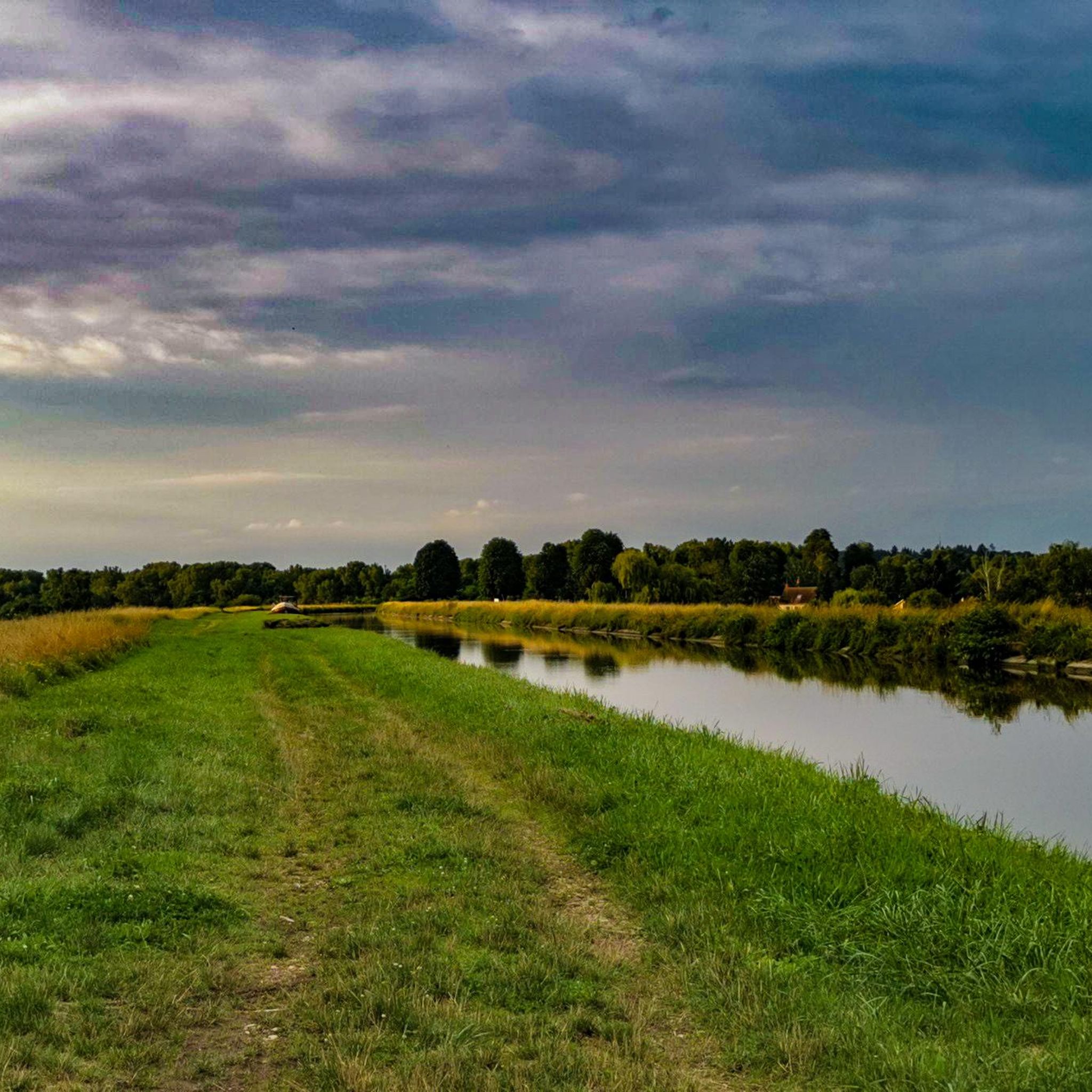
A pretty path which begins with a hole of water and mud at the level of Telliers, passes by the ford on the Ionne, cuts the Bourg stream, generally dry and ends at the level of Bernons.
1
0
Frequently Asked Questions
What historical sites can I visit in Concressault?
Concressault is rich in history. You can explore the Romanesque Saint Martin Church, known for its 17th-century gilded wood altarpiece. Other notable historical landmarks include the remnants of the original Concressault Castle, rebuilt by Duke Jean de Berry, and the preserved 16th-century Stuart Castle, which showcases the historical presence of the Scots in the area. Don't miss the restored Lavoir de la Mère Dieu and Lavoir des Quatre Vents, reflecting the village's past.
Are there any unique museums in the Concressault area?
Yes, Concressault was home to the distinctive Musée de la Sorcellerie (Museum of Witchcraft), which explored sorcery, fantasy, and mythology, particularly folklore from the Berry region. While it was a significant cultural site for many years, it's important to check current opening status as it was established in 1993 and operated for 24 years.
What family-friendly attractions are available around Concressault?
Families can enjoy exploring historical sites like Stuart Castle, which often hosts Franco-Scottish festivals in July, offering a lively experience. Another great option is Château de la Verrerie, with its vast grounds and a museum tracing the history of the castle and its former glassworks, providing both educational and scenic enjoyment.
What outdoor activities can I do near Concressault?
The area around Concressault offers various outdoor activities. You can find numerous running trails, such as the moderate 'Les Bouch'tures Trail' or the easy 'Stuarts' Castle – Stuart Castle loop'. For cyclists, there are road cycling routes like 'Between Nère and Sauldre' and touring bicycle routes including the 'Stuart Castle loop from Aubigny-sur-Nère'. You can find more details and routes on the Running Trails around Concressault, Road Cycling Routes around Concressault, and Cycling around Concressault guide pages.
Are there hiking or walking trails near Concressault?
Yes, there are several walking and running trails. For example, the 'Sentier des Telliers aux Bernons🤗' is a scenic path that includes a ford on the Ionne river. You can explore various routes, including easy to moderate options, for running and walking. Check the Running Trails around Concressault guide for detailed information on specific trails.
What natural features can I see around Concressault?
While Concressault is primarily known for its historical sites, you can find natural beauty at places like Château de la Verrerie, which features tranquil gardens and a picturesque lake. The 'Sentier des Telliers aux Bernons🤗' also offers glimpses of local waterways, including a ford on the Ionne.
What is the best time to visit Concressault?
The spring and autumn months generally offer pleasant weather for exploring the historical sites and enjoying outdoor activities. Historically, the Musée de la Sorcellerie was open from April to November, suggesting this period is suitable for cultural visits. For outdoor activities like cycling and running, checking local weather forecasts is always recommended.
What do visitors enjoy most about the attractions around Concressault?
Visitors appreciate the rich history and architectural beauty of the region. Highlights like Stuart Castle are praised for their historical significance and unique features like the boat-shaped wooden ceiling. Château de la Verrerie is admired for its remarkable architecture, vast grounds, and cultural exhibits. The community has shared over 20 photos and given more than 20 upvotes, indicating a positive experience with the area's offerings.
Are there any hidden gems or lesser-known historical sites in Concressault?
Beyond the main castles and churches, Concressault preserves several charming historical elements. The 16th-century Le Moulin au Riche, now a private property, occasionally opens to the public during heritage days. The recently restored Lavoir de la Mère Dieu (17th-19th centuries) and Lavoir des Quatre Vents (18th-19th centuries) also offer a glimpse into the village's past daily life.
Can I find medieval architecture in Concressault?
Yes, Concressault has strong ties to the medieval period. The Saint Martin Church has vestiges from the 11th century and underwent modifications in the 14th and 15th centuries, showcasing Romanesque elements. The original Concressault Castle, though ruined during the Hundred Years' War, was rebuilt in the late 14th century, reflecting its medieval fortified town status.
Are there cycling routes suitable for different skill levels around Concressault?
Yes, the cycling routes around Concressault cater to various skill levels. You can find easy routes like the 'Stuart Castle loop from La Terre du Cimetière' (17 km) or the 'Bike loop from Aubigny-sur-Nère' (9 km). For more challenging rides, there are moderate options such as 'At the assault of the valleys' (32 km) and difficult routes like 'Single à travers bois Sancerre' (79 km). More details are available on the Cycling around Concressault guide page.

Get inspired with the komoot mobile app


Explore more
Still not found the Highlight you’re looking for? See guides of the top attractions in other regions:
