The best walks and hikes around Vechta
4.6
(4716)
18,902
hikers
1,318
hikes
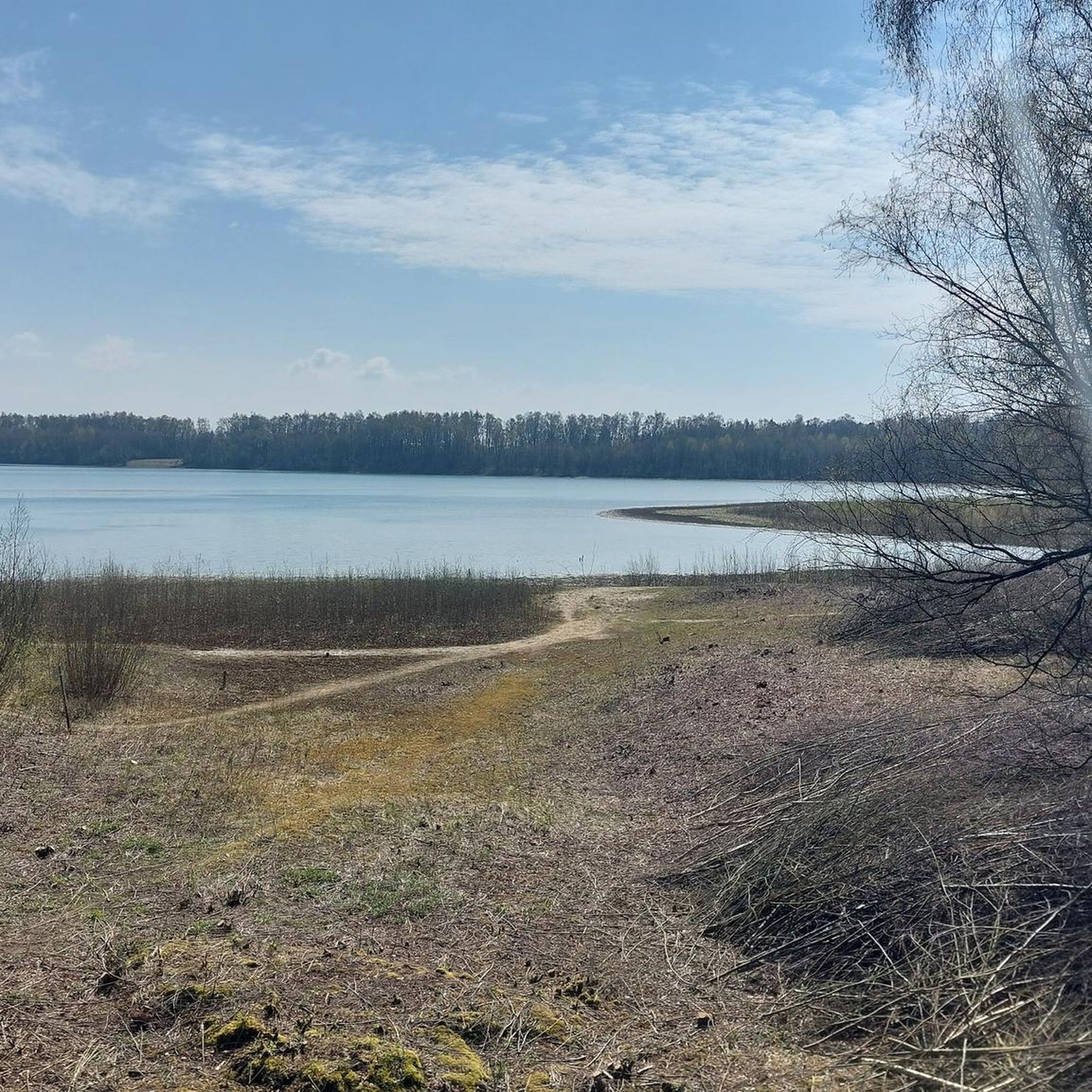
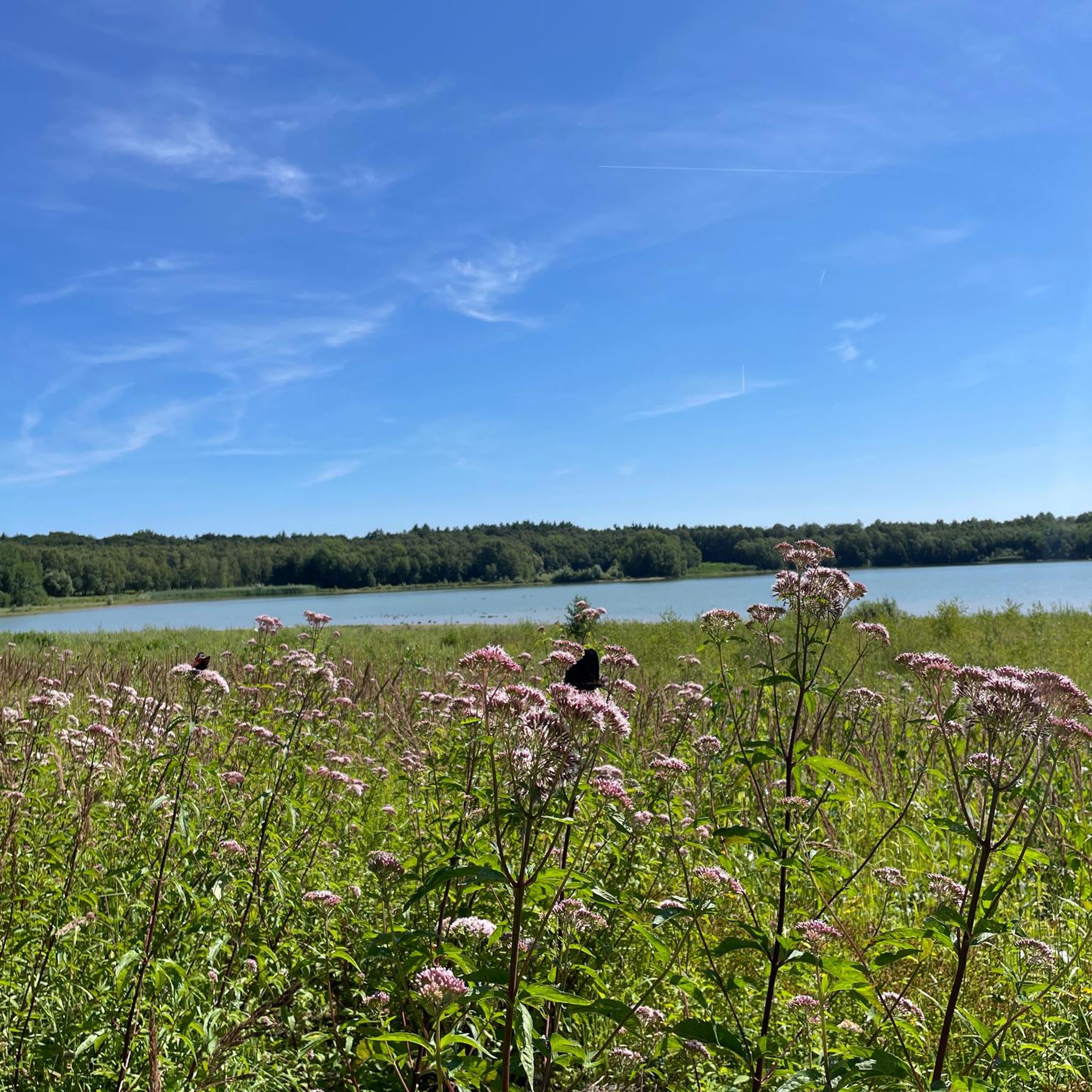
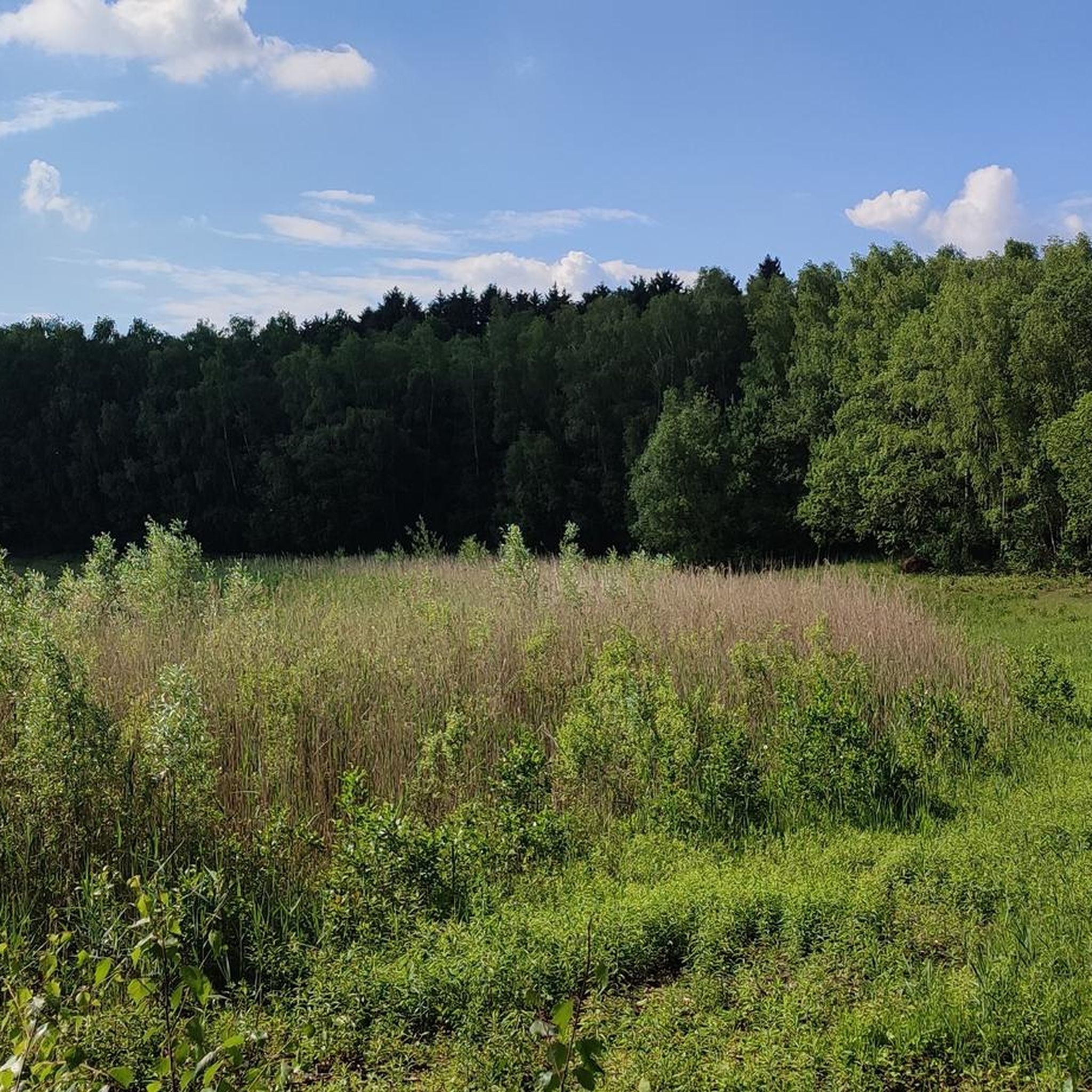
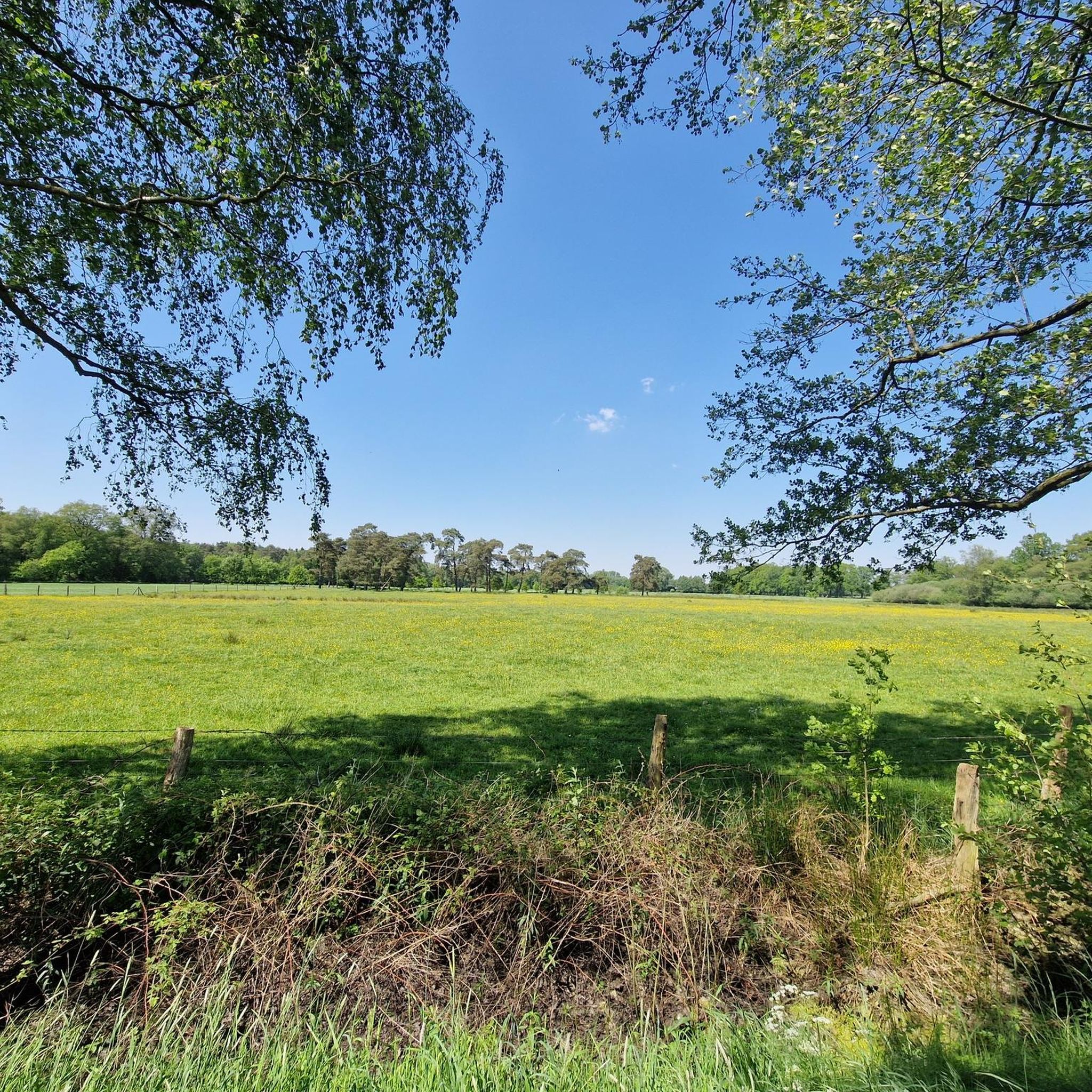
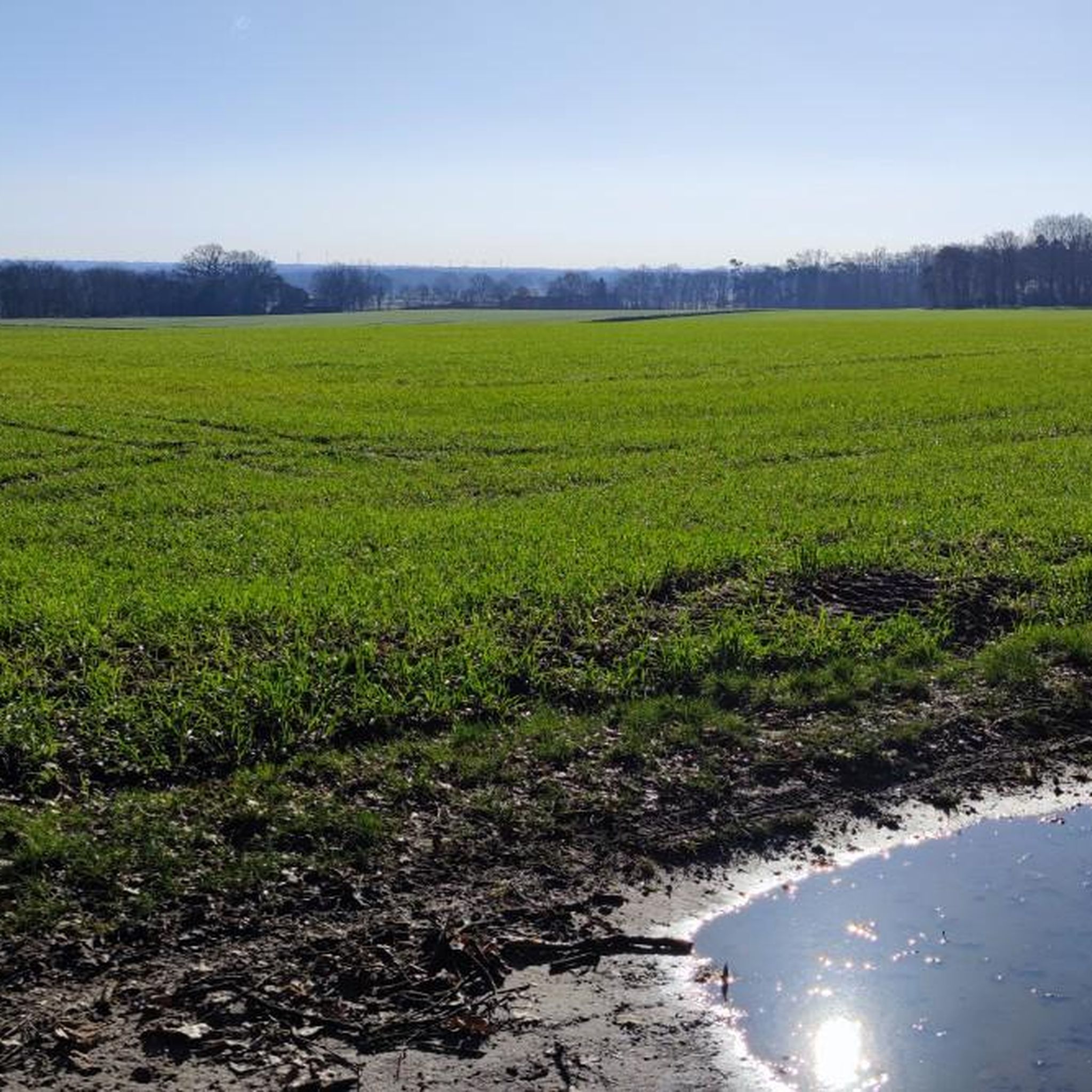
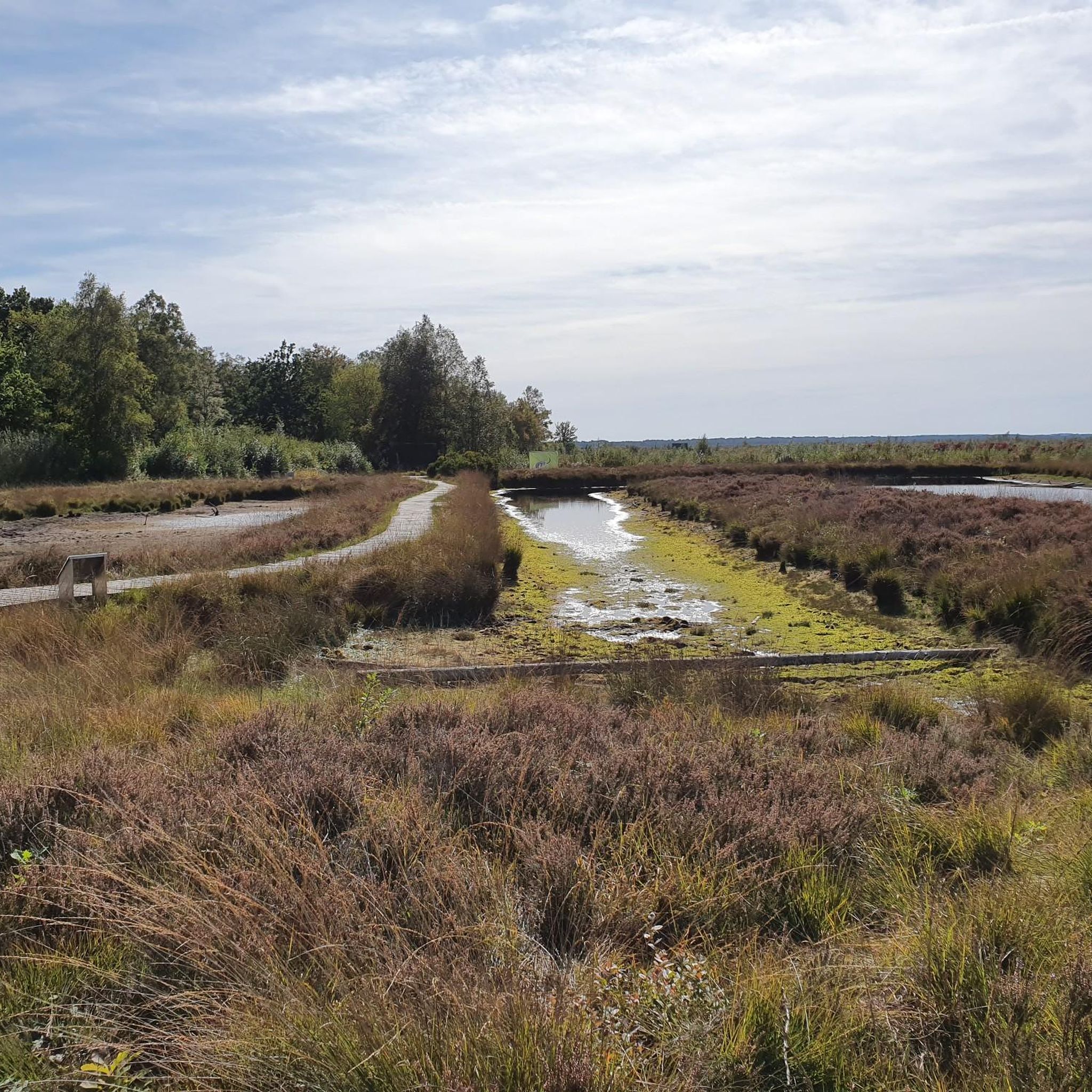
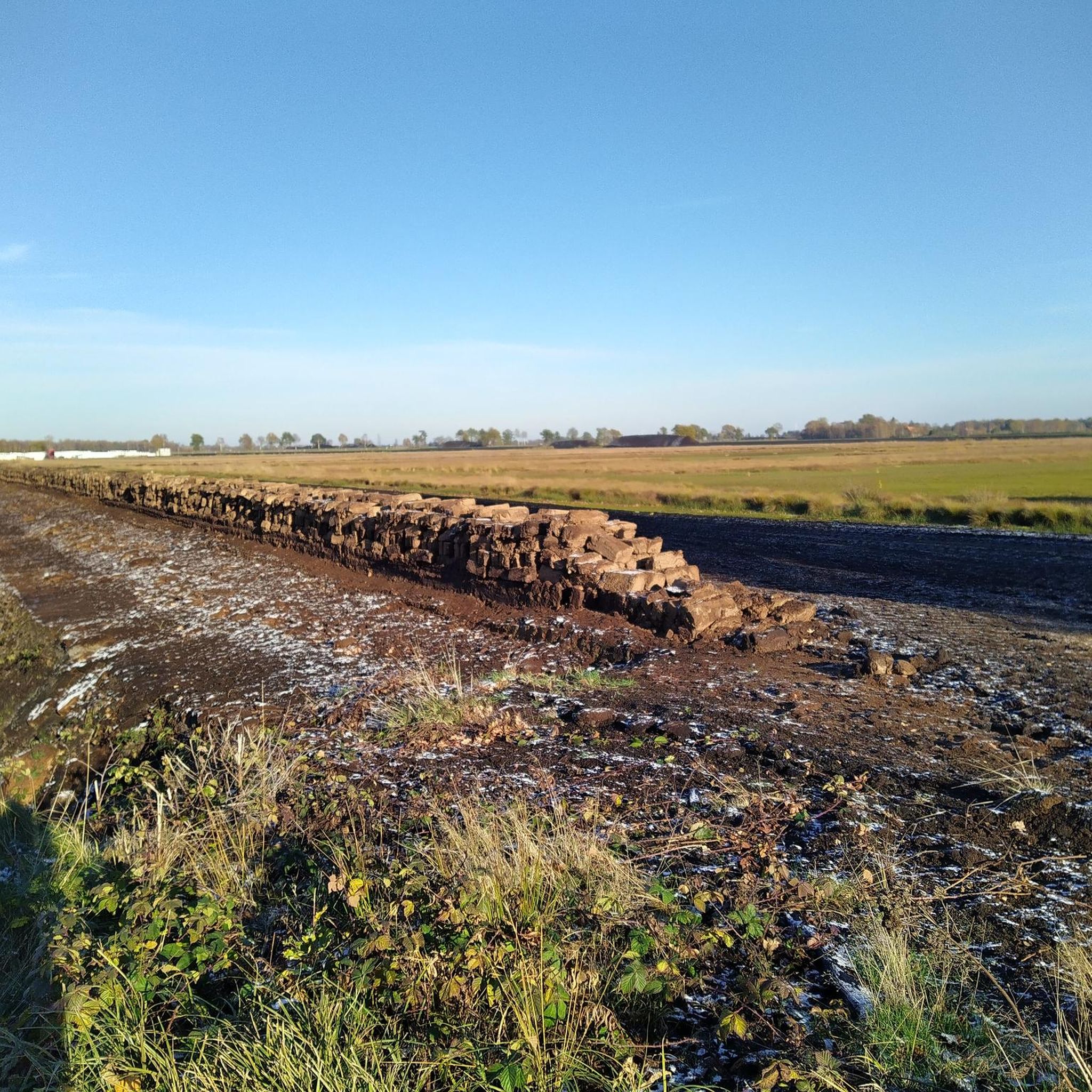
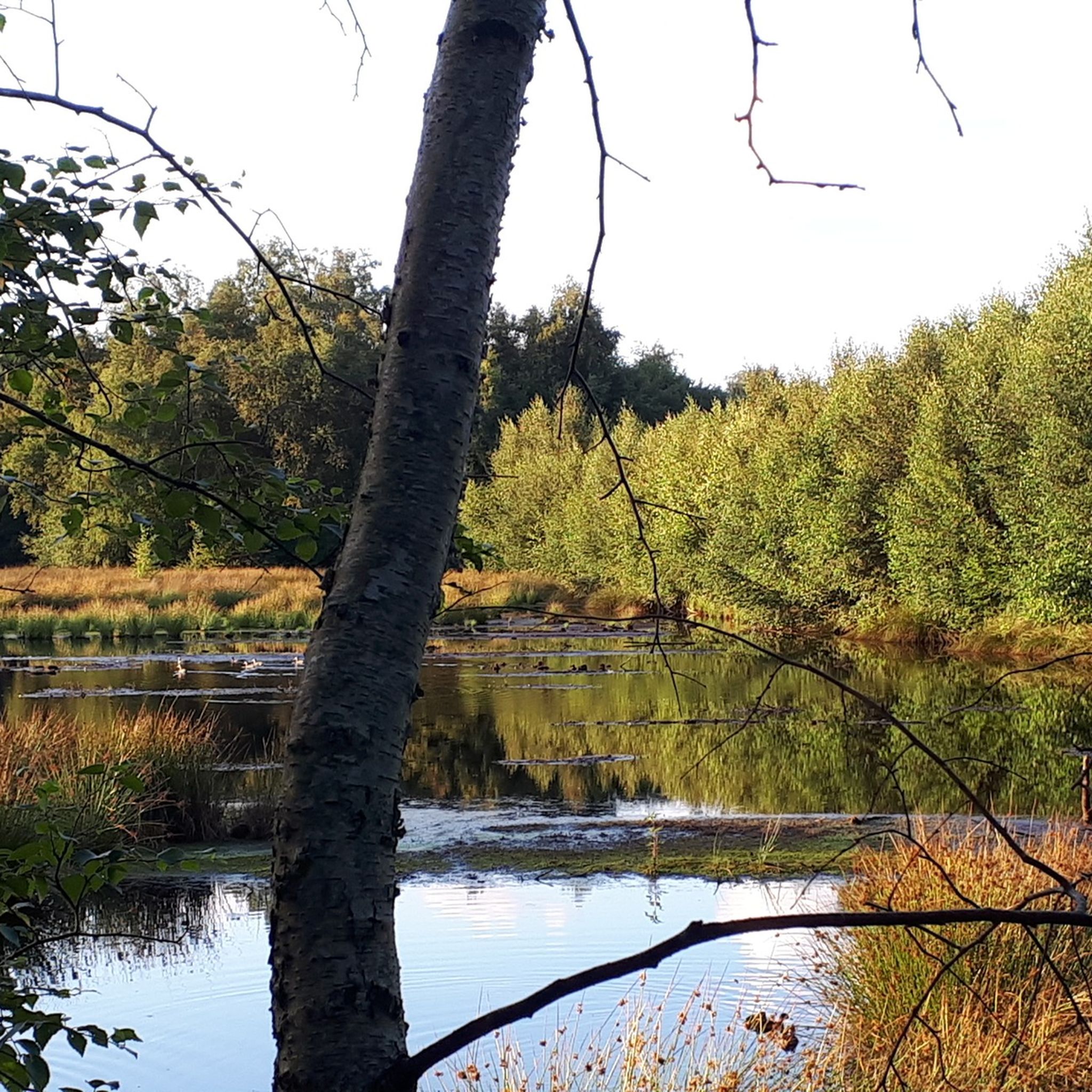
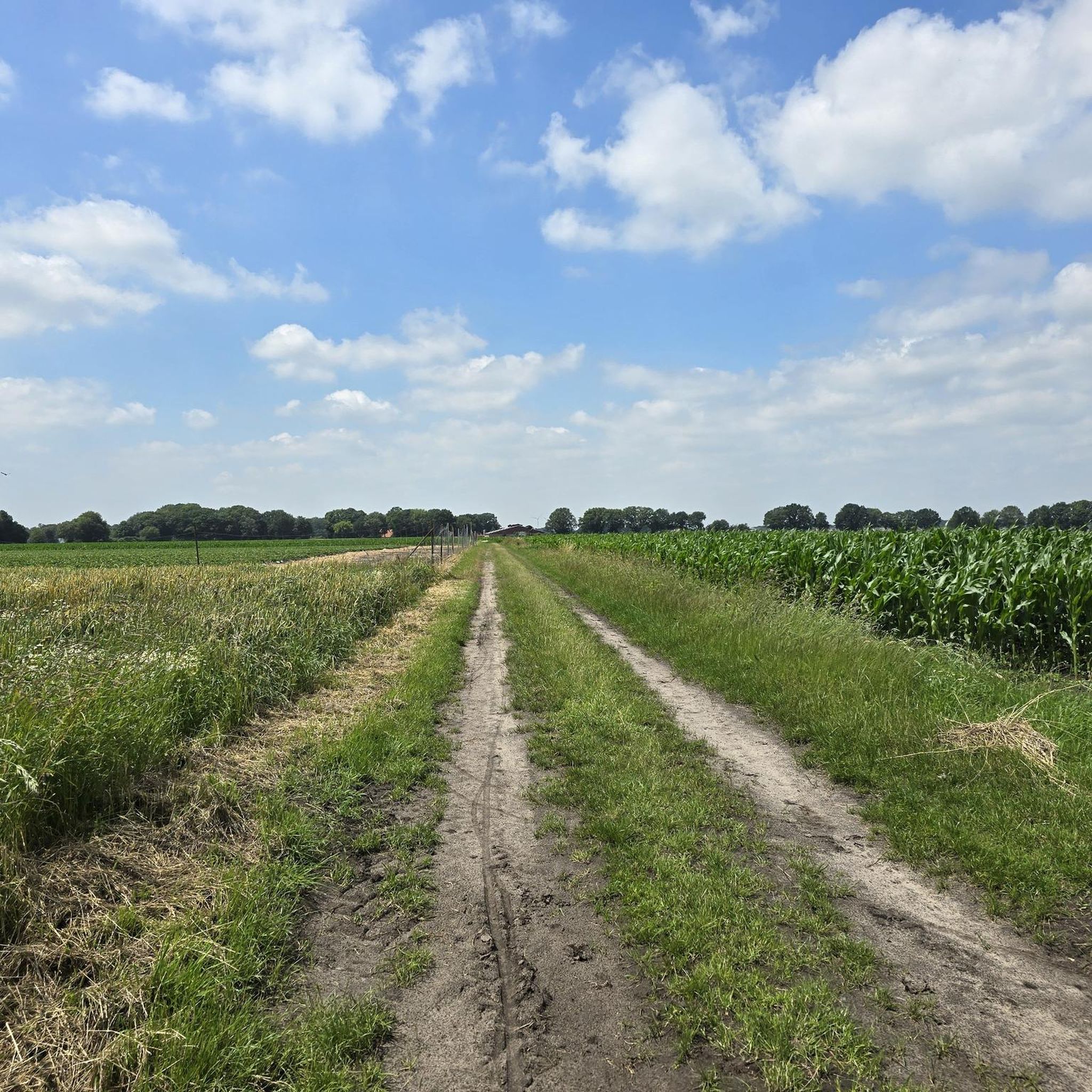
Hiking around Vechta offers diverse landscapes within the Oldenburger Münsterland region of Lower Saxony, Germany. The area features green meadows, expansive fields, and vast forests, providing varied terrain for outdoor activities. Key natural features include the Wildeshauser Geest Nature Park, the Dammer Berge Recreation Area, and several rivers like the Hunte and Aue, as well as lakes such as Dümmer and Bergsee. The landscape is characterized by a mix of geest and moor areas, with gentle elevation changes.
Best hiking…
Last updated: May 12, 2026
4.6
(38)
143
hikers
16.4km
04:13
70m
70m
Moderate hike. Good fitness required. Easily-accessible paths. Suitable for all skill levels.
4.8
(49)
127
hikers
7.91km
02:07
100m
90m
Moderate hike. Good fitness required. Easily-accessible paths. Suitable for all skill levels.

Sign up for free
4.7
(158)
546
hikers
Easy hike. Great for any fitness level. Easily-accessible paths. Suitable for all skill levels.
4.7
(86)
261
hikers
16.1km
04:16
160m
160m
Moderate hike. Good fitness required. Easily-accessible paths. Suitable for all skill levels.
4.4
(82)
326
hikers
Moderate hike. Good fitness required. Easily-accessible paths. Suitable for all skill levels.
4.8
(171)
602
hikers
4.90km
01:19
60m
60m
Easy hike. Great for any fitness level. Easily-accessible paths. Suitable for all skill levels.
4.6
(48)
131
hikers
15.3km
04:03
150m
150m
Moderate hike. Good fitness required. Easily-accessible paths. Suitable for all skill levels.
4.6
(52)
188
hikers
9.14km
02:26
100m
100m
Moderate hike. Good fitness required. Easily-accessible paths. Suitable for all skill levels.
4.7
(53)
174
hikers
6.91km
01:50
70m
70m
Easy hike. Great for any fitness level. Easily-accessible paths. Suitable for all skill levels.
4.4
(50)
168
hikers
Moderate hike. Good fitness required. Easily-accessible paths. Suitable for all skill levels.
Get access to more routes and recommendations from other explorers.
Sign up for free
Already have an account?
Our route recommendations are based on thousands of hikes, rides, and runs completed by other people on komoot.
Start today with a free account
Your next adventure awaits.
Login or Signup
Other adventures around Vechta


Tips from the Community

Not the easiest stretch on the Via Baltica. With the constant, sometimes steep, ascents and descents, the Dammer Mountains can be a real challenge.
1
0

Dinklage Castle Abbey (St. Scholastica Abbey) is the name of a Benedictine nunnery. It is located within Dinklage Castle in Dinklage, Vechta district, in the Oldenburg Münsterland region of Lower Saxony. The abbey is named after Saint Scholastica, sister of Saint Benedict of Nursia. The monastery is situated in Dinklage Castle, a moated castle that was owned by the Westphalian noble family von Galen until 1949. Clemens August Count von Galen (1878–1946), later Bishop and Cardinal of Münster, was born in the castle and was beatified by Pope Benedict XVI on October 9, 2005. Since 1983, the castle has been located within the "Dinklage Castle" landscape conservation area.[1] In 2017, the Burgwald Dinklage nature reserve, within which the castle is nestled, was removed from this area.
0
0
History of the Mill Until the construction of the Schwege Mill, the only mills in the Dinklage area were the count's watermill at Dinklage Castle, built in 1460 and renovated in 1730, and the count's post mill in Bünne, built in 1628, which was replaced in 1688 by a gallery windmill "Auf dem Hövel." Later, the mill was called "Holthaus Mill." 1848–1849: Construction of the Schwege Mill by Böckmann and Schulte on Schulte's property in Schwege. (Zeller = term for the owner of a farm (full-time farm) in the Oldenburg Münsterland region) The sons of mill co-owner Böckmann were the first millers at the mill. Hence the name "Bäukn's Mill." In 1864, Bernhard Wehebrink leased the mill. The leasehold lasted until 1964. It also included a small farm and outbuildings. A rye bread bakery was built on the mill grounds between 1870 and 1871. Rye bread was baked there until the 1950s. Around 1880, Bernhard Wehebrink built a motor mill next to the windmill, initially powered by a steam engine. Later, he installed a diesel engine and then an electric motor. Millstones continued to be used for grinding the grain. The motor mill was demolished around 1970. Bernhard Wehebrink died in 1913 at the age of 80. His son, Heinrich Wehebrink, took over the mill. In 1914, the millstones fell silent. A severe storm destroyed two sails. New ones were ordered and cut to size, but they were never installed after the end of World War I. Milling operations continued with the motor mill. In 1925, lightning struck the remaining sails and set them ablaze. Afterward, the mill began to fall into disrepair. When the Schulte and Böckmann families, the owners, planned to demolish the mill in the early 1960s, Josef Hürkamp, then chairman of the Dinklage Local History Society, campaigned for its preservation. Unlike many mill ruins in the Vechta district, the interior of the Schweger Mill was still almost completely intact and only slightly damaged. The mill's owners agreed to lease it to the town of Dinklage. That same year, the town of Dinklage commissioned the Local History Society to care for and maintain the mill. Renovation began in 1962, initially with the installation of new sails, a new gallery, the re-shingling of the octagonal structure, and the replacement of the wind beam. To this day, numerous further preservation measures have been undertaken to ensure the continued existence and functionality of the Schweger Mill. After Josef Hürkamp, Josef Vodde, Gerd Gehlenborg, and Paul Arlingshaus took charge of preserving the mill. Since 2004, maintenance work and other activities related to the mill have been shared among the many members of the Friends of the Mill association. In 1964, the Schweger Mill was designated a historical monument. In 1967/68, a horse-powered mill building was erected on the mill grounds. It is used as a meeting room and for events. In the following years, the old bakehouse was also renovated. In 2006/2007, the Klöönhus (a small building) was constructed. This building houses a kitchen and three restrooms, one of which is accessible for people with disabilities.
0
0

Not only is hiking great here, but mountain biking is also fantastic.
0
0

The fitness trail at the mountain lake, created in the early 1970s, was completely renovated in 2018. The expanded fitness trail invites you to exercise in the fresh air. Source: https://www.damme.de/
3
0

@Andreas Flug: I think we locals know better that this is NOT an anti-aircraft position.
1
0

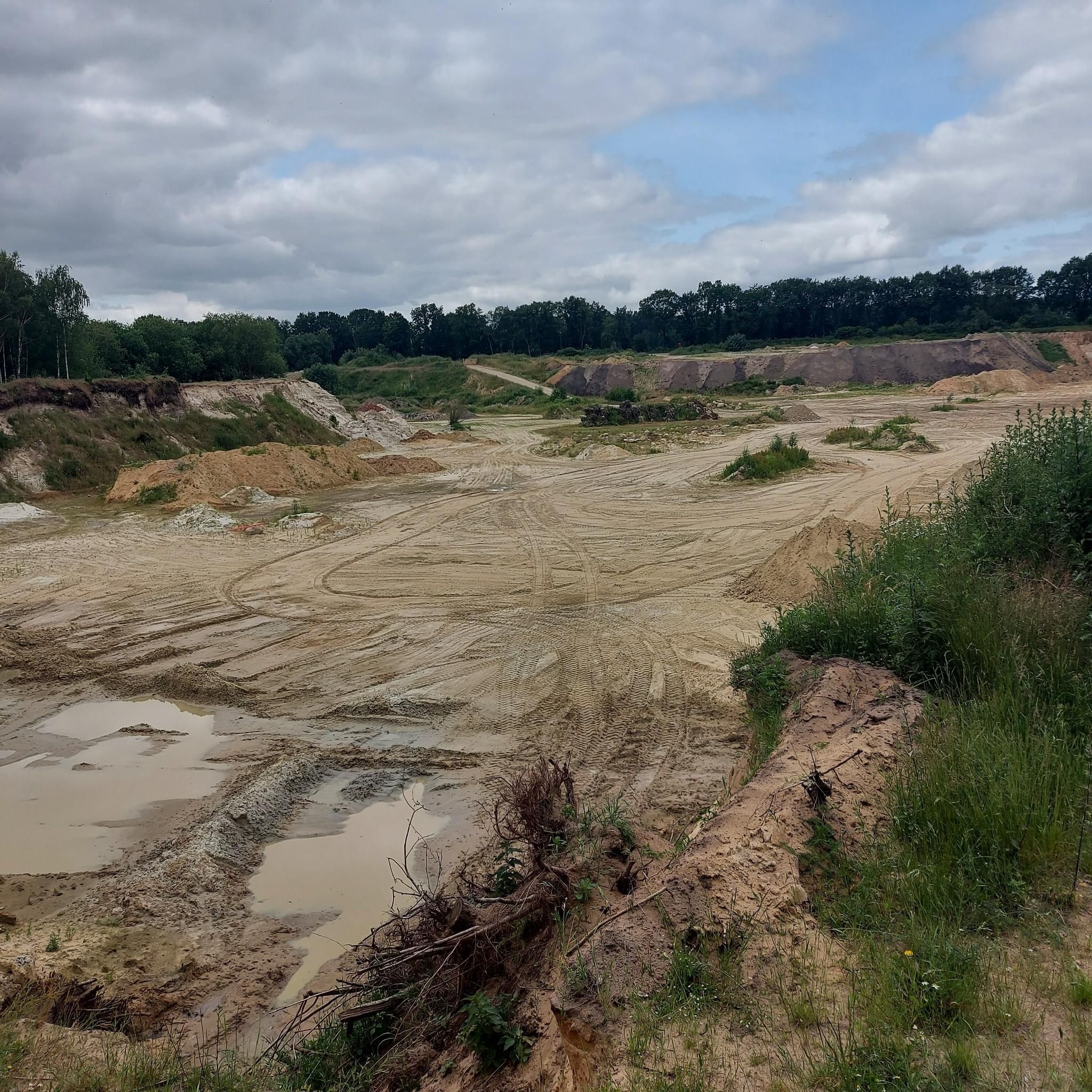
It is clearly an abandoned gravel silo from the 1950s and 1960s and has no connection to the ammunition depot. I grew up in Handorf-Hellbusch, now Papendiek (1943-1967) and know the situation from my own experience. Two anti-aircraft emplacements for the protection of the ammunition depot were located on the Kattenberg, one at the top of the hill, the second downhill towards the Steinemann garden, formerly owned by Dr. Assmann. The picture on the button shows a view from the Kattenberg towards the ammunition depot/Wempenmoor. The property in the middle was my parents' house. This view is no longer possible today; the vegetation is too high and was planted by Dr. Assmann in the 1950s. Until then, this was an open area and the location of the two anti-aircraft emplacements.
1
0

In the Bexadde Valley, the Cardinal's Way crosses the Way of St. James. +++ The Cardinal's Way was inaugurated in October 2018 and is a 24.1 km long pilgrimage route leading from the former Benedictine monastery in Damme to Dinklage Castle. The route is named after Cardinal Clemens August Graf von Galen, who was born in Dinklage Castle. The Cardinal's Way is divided into four stages. At the beginning and end of each stage, there is a station marked by an iron stele. The five stations commemorate virtues that were exemplified by Blessed Cardinal Graf von Galen. Each stele bears a motto: "To be courageous," "to be steadfast," "to be determined," "to be alone (and together), and "to be simple."
0
0
Frequently Asked Questions
How many hiking trails are available around Vechta?
Vechta offers a wide variety of hiking opportunities, with over 1,300 routes available. These trails cater to different preferences, from easy strolls to more challenging excursions, exploring the diverse landscapes of the Oldenburger Münsterland region.
What kind of landscapes will I encounter on hikes near Vechta?
Hiking around Vechta means experiencing a rich tapestry of landscapes. You'll find green meadows, expansive fields, and dense forests, characteristic of the Oldenburger Münsterland. The region also features unique geest and moor landscapes, riverside paths along the Hunte and Aue, and scenic views around lakes like Dümmer and Bergsee. Areas like the Wildeshauser Geest Nature Park and the Dammer Berge Recreation Area offer varied terrain, including heathlands and cultural landscapes.
Are there any family-friendly hiking options in Vechta?
Yes, Vechta has several options suitable for families. The Dammer Berge Recreation Area features a unique barefoot trail, which is a fun and engaging experience for children. Many of the easy-rated trails, such as the Shelter by the Lake – Colorful Bench loop from Damme, are also great for families looking for a pleasant walk.
Can I find circular hiking routes in the Vechta area?
Yes, many of the hiking trails around Vechta are designed as circular routes, allowing you to start and end at the same point. Examples include the Pine Forest loop from Dammer Berge, which explores the Dammer Berge area, and the Old Rentei, Dinklage Castle – Dinklage Castle Watermill loop from Dinklage, offering a mix of cultural and natural sights.
What are some notable landmarks or points of interest to see while hiking?
The Vechta region is rich in natural and historical landmarks. You can visit the Mordkuhlenberg Observation Tower in the Dammer Berge for panoramic views. Historic sites like Burg Dinklage Abbey and Hopen Moated Castle are also accessible near some routes. The Brautweg Trail – Brautweg Forest Trail loop from Großsteingrab Mühlensteine passes by ancient megalithic tombs, offering a glimpse into the region's past.
Are there any easy hiking trails suitable for beginners?
Absolutely. Over 900 of the trails in Vechta are rated as easy, making them perfect for beginners or those looking for a relaxed walk. A good option is the Fitness Trail at Bergsee – Shelter by the Lake loop from Pumpenhaus, which offers a pleasant experience around Bergsee.
What is the best time of year to go hiking in Vechta?
The best seasons for hiking in Vechta are spring and autumn. During these times, the natural scenery is particularly vibrant, and the mild climate provides ideal conditions for long walks. Spring brings blooming flora, while autumn showcases beautiful fall colors across the forests and fields.
What do other hikers say about the trails in Vechta?
The hiking trails in Vechta are highly regarded by the komoot community, with an average rating of 4.6 stars from over 4,400 reviews. Hikers often praise the diverse landscapes, including quiet woodlands, scenic riverside paths, and well-maintained routes that cater to various skill levels.
Are there any long-distance or themed hiking routes in the area?
Yes, Vechta is part of some significant long-distance routes. The Pickerweg, a pilgrimage hike, forms a section of the international Camino de Santiago, passing through Vechta. The Geestweg is another 203 km long-distance trail that traverses attractive geological areas, featuring many stone graves along its path. There are also local routes focusing on 'Art, Culture and Nature' and paths connecting castles and manors.
Are there any hikes that offer good viewpoints?
For panoramic views, consider trails that lead to the Dammer Berge area. The Mordkuhlenberg Observation Tower provides excellent vistas over the entire recreation area. Many routes in this region, such as the Steinfeld Megalithic Tomb – St. James' Way — Dammer Berge loop from Damme, offer elevated sections with scenic outlooks.
Are there any trails that follow rivers or lakes?
Yes, the region is known for its rivers and lakes. The Hunte Walking Trail is a recommendable circular route that starts at the city park and meanders along the picturesque Hunte river. You can also find trails around Lake Dümmer and Bergsee, such as the Fitness Trail at Bergsee – Shelter by the Lake loop from Holte, offering idyllic riverside and lakeside landscapes.
Most popular routes around Vechta
Most popular attractions around Vechta

Get inspired with the komoot mobile app


Didn’t find what you were looking for?
Check out more Hikes throughout Vechta below and find the perfect route in your destination.
Explore more
Browse the best Hikes in other regions.
