Attractions and Places To See around Sainte-Montaine - Top 10
Best attractions and places to see around Sainte-Montaine include historical landmarks, cultural sites, and natural features. This small village in the Cher department of the Centre-Loire Valley region of France offers a blend of heritage and serene landscapes. The area is characterized by its natural springs, ponds, and protected natural zones. Visitors can explore a variety of sites reflecting the region's history and biodiversity.
Best attractions and places to see around Sainte-Montaine
- The most popular attractions is Ford Crossing in…
Last updated: July 26, 2026
Stuart Castle
Highlight • Castle
It is …
Translated by Google •
Tip by

Étang du Puits
Highlight • Lake
Originally created in 1864 to supply the Sauldre canal with water.
Now partly developed as a recreational area: …
Translated by Google •
Tip by

Sign up now to discover places like this
Get recommendations on the best single tracks, peaks, & plenty of other exciting outdoor places.
Sign up for free
Ford Crossing in Natura 2000 de Sologne
Highlight • River
Translated by Google •
Tip by

Saint-Étienne Church
Highlight • Religious Site
Translated by Google •
Tip by

Old Sauldre Canal
Highlight • Other
Translated by Google •
Tip by
Sign up for free to discover even more attractions around Sainte-Montaine.
Sign up for free
Already have an account?
Start today with a free account
Your next adventure awaits.
Login or Signup


Tips from the Community

The old Canal de la Sauldre, once built to transport wood, lime, and peat, meanders through the forests of the Sologne. Today, the water is calm and wooded, but the old locks, bridges, and towpaths still reveal exactly how it once worked. It's an ideal walking route.
4
0
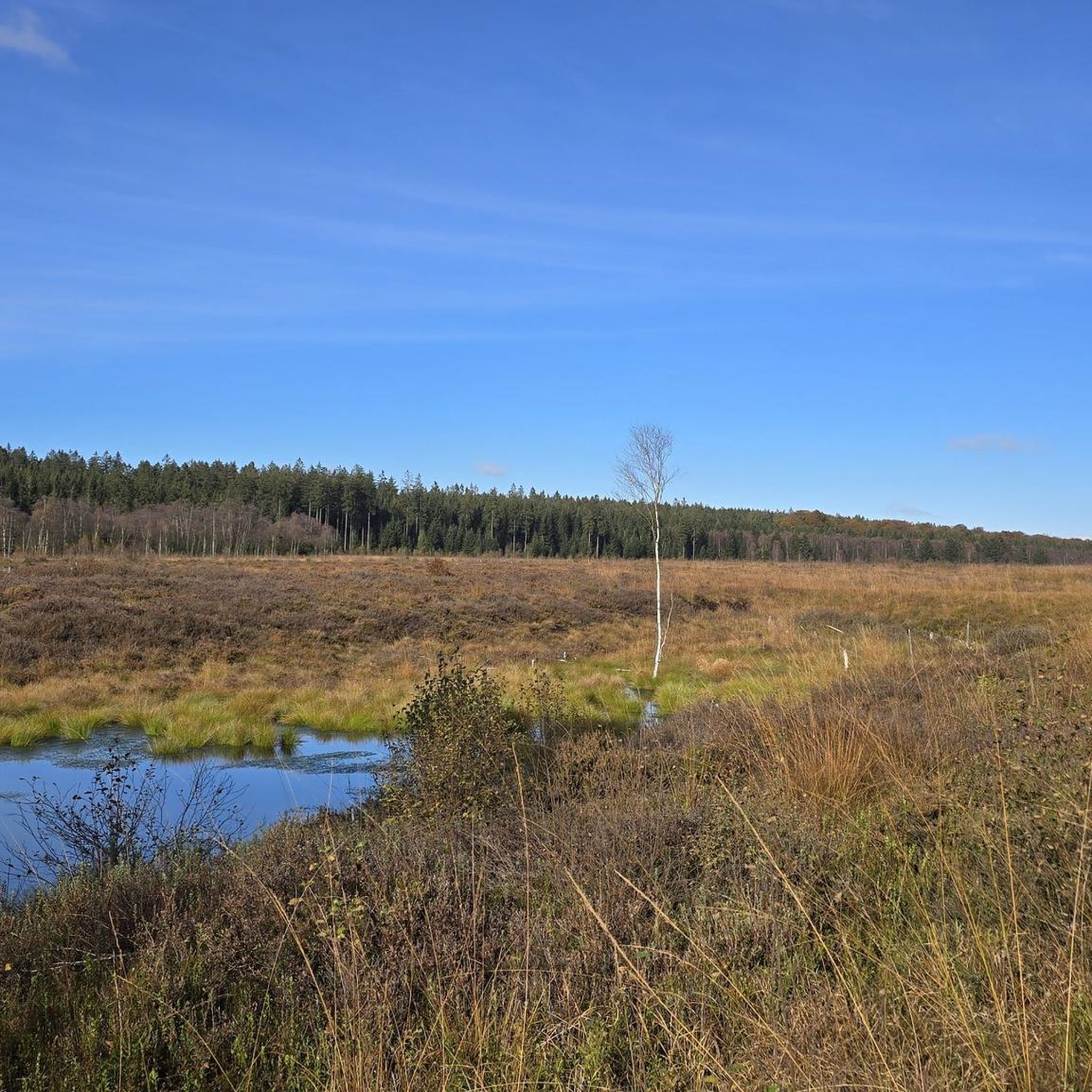
The lake covers 180 hectares, making it the largest in the Sologne. Originally created in 1864 to supply the Sauldre canal with water. Now partly developed as a recreational area: beach area, hiking trails, water sports (sailing, ski-nautique, pedalo), and an ornithological reserve. For nature lovers: you'll find a rich bird life (cendré heron, grèbe huppé, etc.) and diverse flora along the banks. For families: picnic areas, a beach area in the summer, and playgrounds.
4
0

The parish church of Saint-Étienne was at the disposal of the Abbot of Jargeau. Of Romanesque origin, the building has a single nave on which are grafted a chapel to the north and south, a straight bay under the bell tower, supported by a sacristy to the north and a polygonal choir. The latter belongs to the 16th century. It includes a three-sided apse preceded by a straight bay. The whole, vaulted with ribs, is lit by five bays with flamboyant tracery similar to the two windows of the bay of the bell tower, contemporary with the choir. This has a square plan. Four pillars projecting strongly from the interior of the nave, receiving the four arches which carry all the masonry of the bell tower, accentuate the tripartite division of the interior volume of the building. The open door, in the north gutter wall, on the sacristy rebuilt in the 20th century, is surmounted by two pinnacles resting on sculpted bases framing an accolade. The lintel was once decorated with a coat of arms. The nave, Romanesque in its external volumes, was necessarily reworked from the 16th to the 19th century. It was probably originally a simple framed vessel whose gutter walls were supported on the outside by flat buttresses with slight projections. In the 16th century, the paneled barrel vault, still preserved in the attic, was hidden by ribbed vaults; the engaged columns which receive the ribs, as well as the corner buttresses visible on the facade belong to this campaign of works. Subsequently, a rectangular chapel was attached to the north wall; the south chapel, built in brick and cut stone, dates from the 19th century, as do the six windows with trefoil lintels illuminating the nave, the rose window pierced in the facade and the gallery installed at its back. A brick vault replaced the 16th century vault on the nave. The semicircular portal, extensively reworked, was formerly protected by a timber-framed porch. The three parts of the building are clearly differentiated in the exterior elevation of the building. The nave, not very high, as well as the choir, with its more slender roof, are dominated by the silhouette of the bell tower. Square in plan, it has four levels punctuated by dripstones; the upper level is pierced with two twin bays per face. The bell tower is crowned by a timber spire. The Sauvegarde de l’Art Français granted aid of 50,000 F in 1993 for the repair of the exterior masonry.
0
0

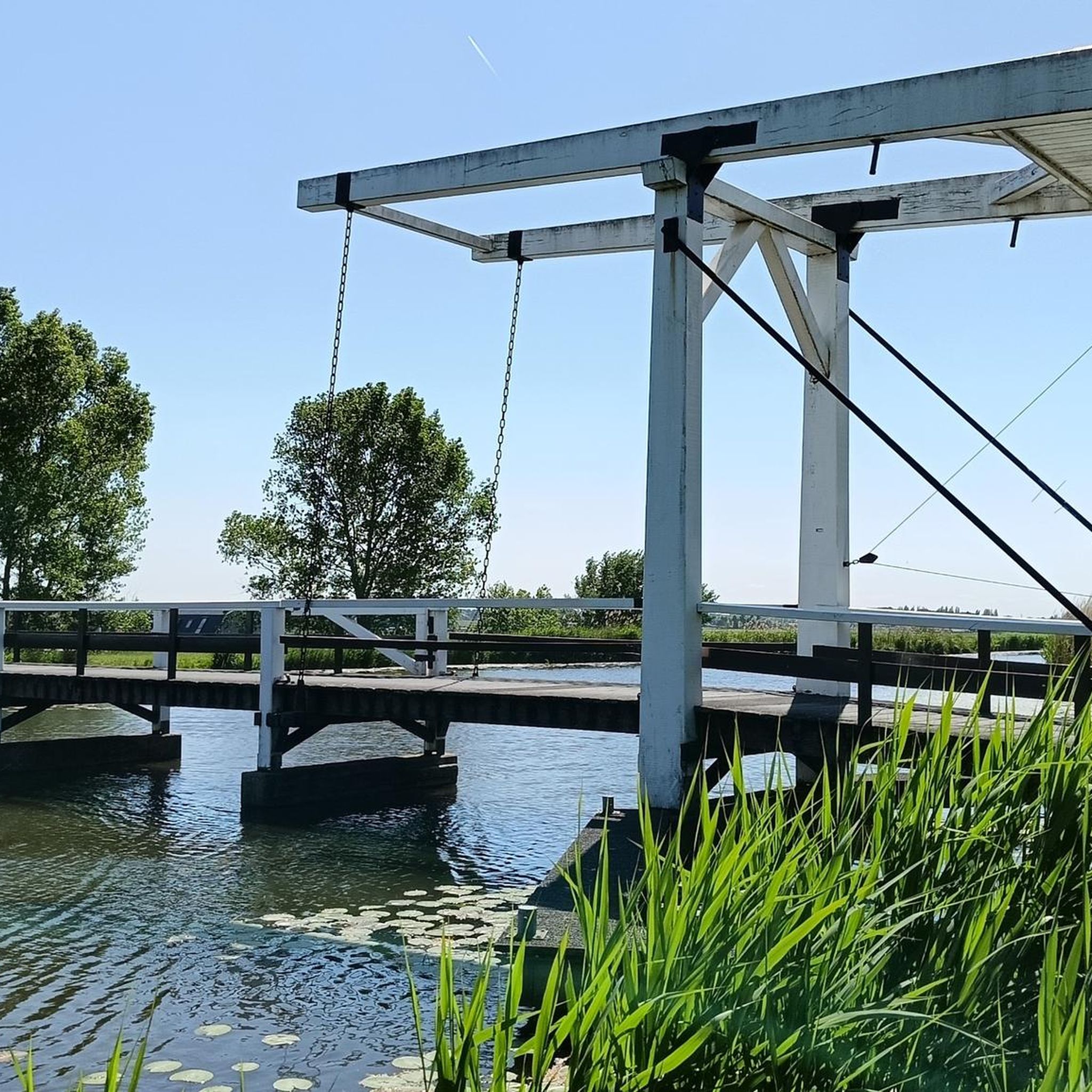
Couldn’t ride across in May 2025 but fun wading through!
1
0

Nice photo, it looks really nice
1
0

Castle built during the Renaissance by Robert Stuart then Louise de Keroualle, Duchess of Aubigny and Porsmouth. Only the facade and one of the two wings exist today. It is one of the major witnesses to the historical presence of the Scots in this city of character. It can be visited and is worth a look, notably with the ceiling of its large room which is all made of wood, shaped like the hull of an upside-down boat. Good to know: Franco-Scottish festivals take place every year in July.
0
0
Castle built during the Renaissance by Robert Stuart then Louise de Keroualle, Duchess of Aubigny and Porsmouth. Only the facade and one of the two wings exist today. It is one of the major witnesses to the historical presence of the Scots in this city of character. It can be visited and is worth a look, notably with the ceiling of its large room which is all made of wood, shaped like the hull of an upside-down boat. Good to know: Franco-Scottish festivals take place every year in July.
2
0
Canal which connects Blancafort (Cher) and Lamotte-Beuvron (Loir-et-Cher) and is 46,810 km long. It is the only canal in France not attached to any waterway, designed to improve agriculture in Sologne with drainage, irrigation and earth transport functions. Its construction began urgently in June 1848, after a vote by the National Assembly which wanted to occupy the Parisian workers left behind by the closure of the National Workshops.
1
0
Frequently Asked Questions
What natural attractions can I explore in Sainte-Montaine?
Sainte-Montaine offers several natural highlights. You can visit the Ford Crossing in Natura 2000 de Sologne, a beautiful river crossing within a protected natural zone. Another significant spot is the Étang du Puits, the largest lake in Sologne, which features recreational areas, hiking trails, and an ornithological reserve. The village is also home to the source of the Boute Vive, known as La Belle Fontaine, a miraculous spring.
Are there any historical or cultural sites to visit in Sainte-Montaine?
Yes, Sainte-Montaine has a rich historical and cultural heritage. The village is home to the Church of Sainte-Montaine, which reportedly preserves the head of Saint Montaine in a 16th-century silver reliquary. You can also visit the Museum of Marguerite Audoux, dedicated to the renowned novelist who was a shepherdess in Sainte-Montaine, showcasing her life and works.
What family-friendly activities are available around Sainte-Montaine?
For families, the Étang du Puits is an excellent choice, offering picnic areas, a beach in summer, and playgrounds. Additionally, the Stuart Castle in nearby Aubigny-sur-Nère is considered family-friendly and offers a glimpse into the region's history.
Can I go hiking near Sainte-Montaine?
Absolutely! The area around Sainte-Montaine is excellent for hiking. You can find various trails, including the moderate "Étang du Puits Loop" and "Moulin du Bois Loop." For more options, explore the Hiking around Sainte-Montaine guide, which lists several routes suitable for different skill levels.
Are there cycling routes around Sainte-Montaine?
Yes, cycling is a popular activity here. You can find routes like the easy "Étang du Puits – Winding Road by Étang du Puits loop" or the moderate "One Castle Hides Another Trail." For a comprehensive list of options, check out the Cycling around Sainte-Montaine guide and the Road Cycling Routes around Sainte-Montaine guide.
What is the best time of year to visit Sainte-Montaine for outdoor activities?
The spring and summer months are generally ideal for outdoor activities in Sainte-Montaine, offering pleasant weather for hiking, cycling, and enjoying the lakes and natural springs. The annual pilgrimage to La Belle Fontaine also takes place on Pentecost Monday, which is in late spring or early summer.
What is the significance of the Chapel of Sainte-Montaine and its spring?
The Chapel of Sainte-Montaine, also known as La Belle Fontaine, is a significant landmark situated at the source of the Boute Vive. It's believed to be a pre-Christian place of worship and is linked to the legend of Saint Montaine. The spring's water is traditionally thought to have healing properties and aid fertility, making it a continued pilgrimage site, especially on Pentecost Monday.
What can I see in nearby towns like Aubigny-sur-Nère?
Just 9 km from Sainte-Montaine, Aubigny-sur-Nère is known as the "City of the Stuarts" due to its historical ties with Scotland. Here, you can explore its architectural heritage, including the Stuart Castle, Saint-Martin Church, and a 14th-century defensive tower. The town also hosts a weekly market.
Are there any dog-friendly trails around Sainte-Montaine?
While specific dog-friendly trails are not explicitly listed, many natural areas and hiking paths in the Sologne region, including those around Sainte-Montaine, are generally welcoming to dogs, provided they are kept on a leash and owners clean up after them. Always check local signage for any restrictions.
What is the Old Sauldre Canal and can I visit it?
The Old Sauldre Canal, originally built for transport, now meanders through the Sologne forests. It's a tranquil spot where you can still see old locks, bridges, and towpaths. It offers an ideal route for walking and experiencing the calm, wooded environment.
What kind of biodiversity can I expect to see in the region?
Sainte-Montaine is rich in natural biodiversity, featuring a Natura 2000 site and nine "Zones Naturelles d'Intérêt Écologique, Faunistique et Floristique" (ZNIEFFs). These protected areas highlight diverse natural habitats and species. The Étang du Puits, for example, is an ornithological reserve where you can spot various bird species.
Are there any unique cultural events in Sainte-Montaine?
The most unique cultural event is the annual pilgrimage to La Belle Fontaine, held on Pentecost Monday. This significant event draws visitors to the miraculous spring, continuing a long-standing tradition linked to Saint Montaine.
How accessible are the attractions in Sainte-Montaine for visitors with mobility concerns?
While specific accessibility information for all sites is not detailed, natural attractions like the Étang du Puits often have accessible picnic areas and some paved paths. For historical buildings like the Church of Sainte-Montaine or the Museum of Marguerite Audoux, it's advisable to check directly with the venues for their specific accessibility provisions.
Most popular routes around Sainte-Montaine

Get inspired with the komoot mobile app


Explore more
Still not found the Highlight you’re looking for? See guides of the top attractions in other regions:
