The best road cycling routes around Cernay
4.5
(26)
766
riders
120
rides
Road cycling routes around Cernay are characterized by varied terrain, ranging from the plains of the Thur valley to the foothills of the Vosges mountains. The region offers a network of cycling paths that traverse vine-covered slopes and agricultural landscapes. Cyclists can expect routes with gentle gradients in the valleys and more challenging ascents as they approach the Ballons des Vosges Regional Nature Park. The area provides diverse cycling experiences across its natural features.
Best road cycling routes around Cernay
- The most popular road cycling route is Ponds of Fontenay sur Eure – Fontenay-sur-Eure Church loop from Bailleau-le-Pin, a 32.4 miles (52.1 km) trail that takes 2 hours 19 minutes to complete. This moderate route offers a mix of open landscapes and rural roads.
- Another top favourite among local road cyclists is Roadbike loop from Fruncé, an easy 4.3 miles (6.9 km) path. This shorter route is suitable for a quick ride through local scenery.
- Local road cyclists also love the Frazé – Château de Frazé loop from Magny - Blandainville, a 31.3 miles (50.4 km) trail leading through agricultural fields and past historical points, often completed in about 1 hour 59 minutes.
- Road cycling around Cernay is defined by vine-covered slopes, river valleys, and the lower reaches of the Vosges mountains. The network offers options for various ability levels, from easy rides along the Thur river to more challenging ascents into the hills.
- The routes in Cernay are highly rated by the komoot community with an average score of 4.6 stars from over 20 reviews. More than 500 road cyclists have used komoot to explore Cernay's varied terrain.
Last updated: November 18, 2026
4.6
(7)
71
riders
51.3km
02:06
190m
190m
Moderate road ride. Good fitness required. Some segments of this route may be unpaved and difficult to ride.
11
riders
6.91km
00:18
30m
30m
Easy road ride. Mostly well-paved surfaces and easy to ride.

8
riders
49.3km
01:56
200m
200m
Easy road ride. Mostly well-paved surfaces and easy to ride.
4.0
(1)
10
riders
45.0km
01:43
130m
130m
Easy road ride. Mostly well-paved surfaces and easy to ride.
8
riders
Easy road ride. Mostly well-paved surfaces and easy to ride.
Get access to more routes and recommendations from other explorers.
Already have an account?
Our route recommendations are based on thousands of hikes, rides, and runs completed by other people on komoot.
Start today with a free account
Your next adventure awaits.
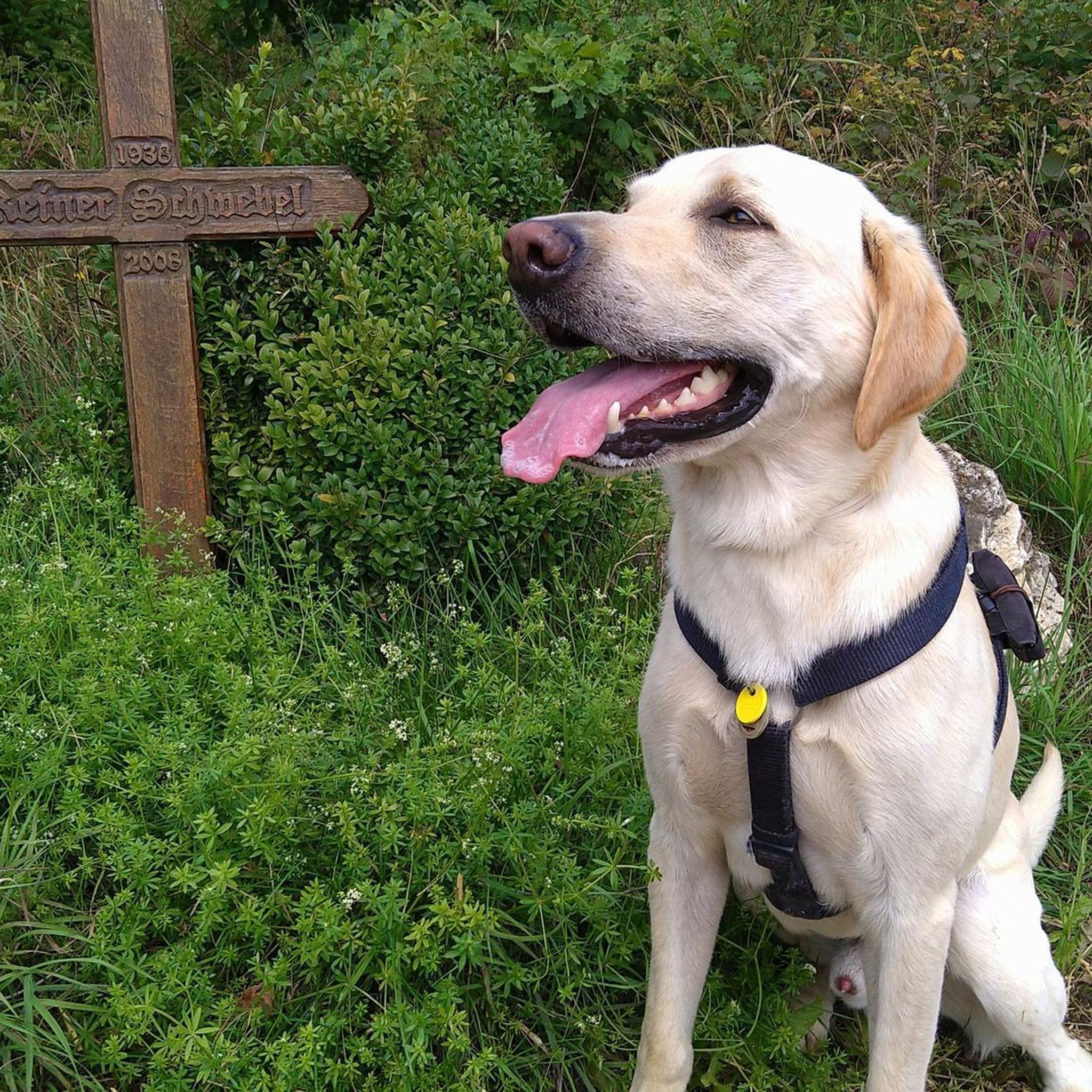
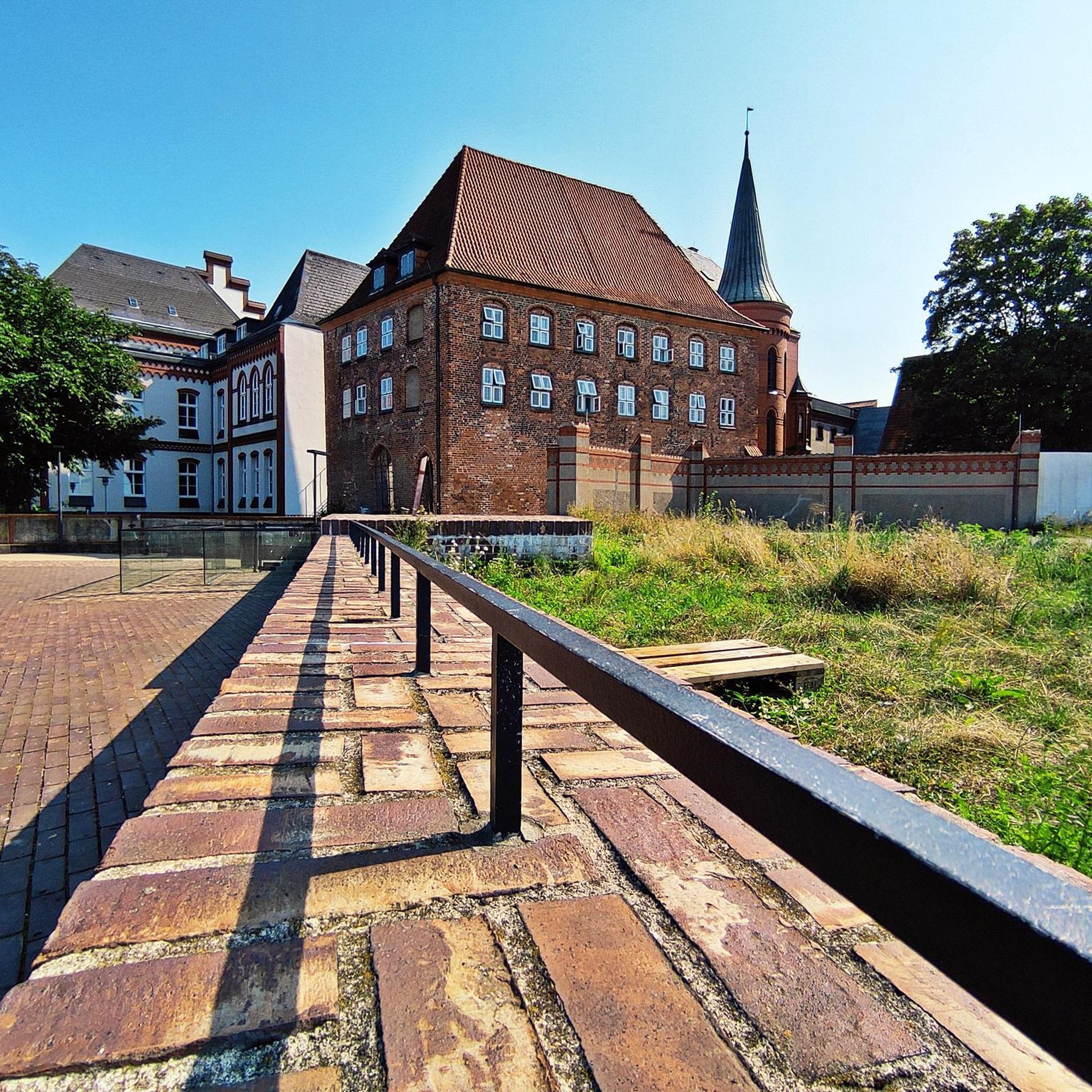
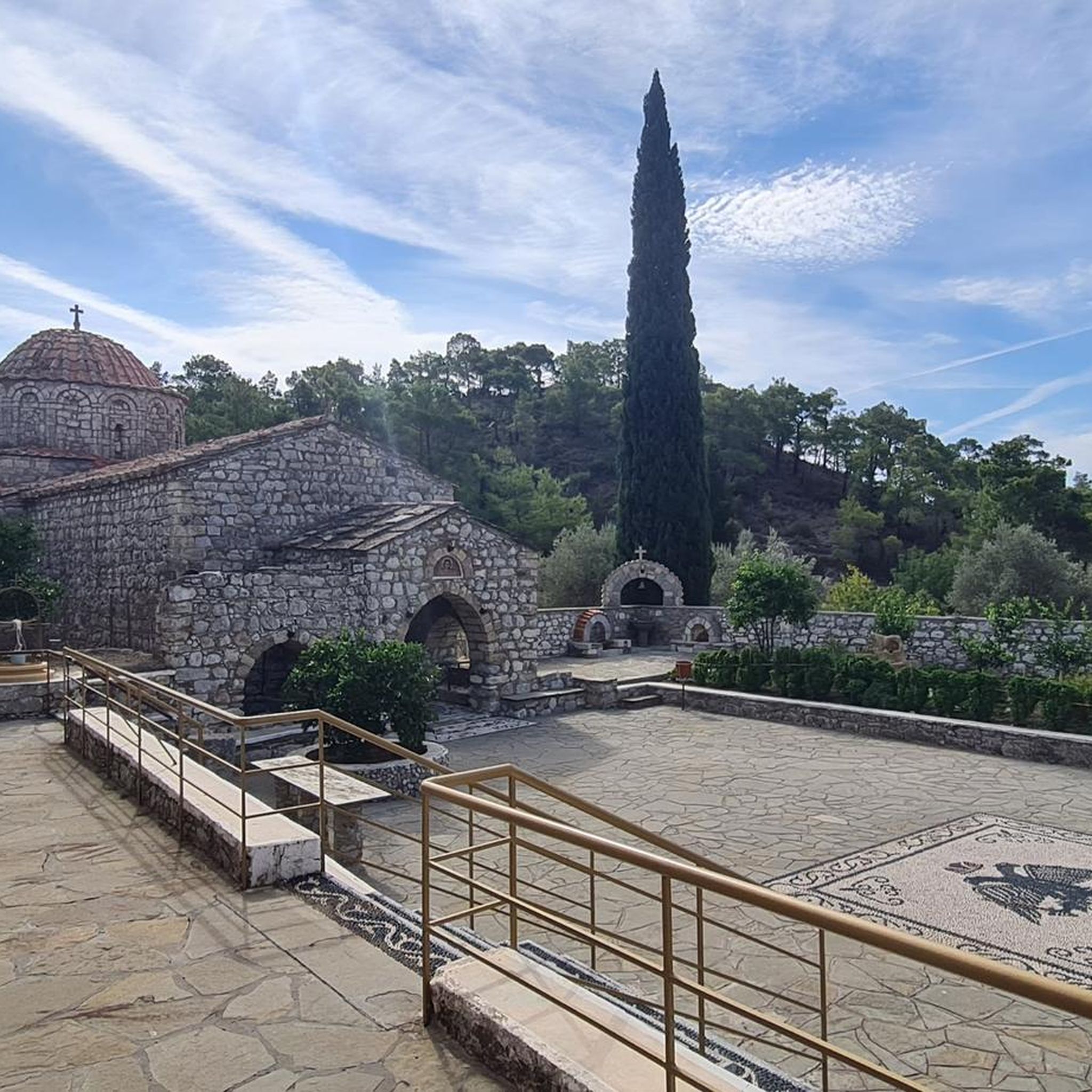

Tips from the Community

very nice pond to rest
0
0

Its origin would date back to the 10th century, a time when it was only a chapel dedicated to St Thibaut-des-Vignes. It is unknown when and why Saint-Thibault became Saint-Julien. The inhabitants of Coudray then gathered in the priory church of Saint-Martin-au-Val. It was only towards the end of the 14th century that Saint-Julien du Coudray was established as a parish. The church is "a building 26 m long and 8 m wide, made of millstone grit and flint masonry, with a rounded apse, an entrance door of elegant simplicity, a square bell tower, round-arched or segmental-arched windows, all supported by lateral and angular buttresses which are undoubtedly of Romanesque inspiration. Also noteworthy inside, in the choir, is a small round-arched piscina carved into the wall (...)". Over the centuries, this church was damaged and neglected. It became necessary to build a new place of worship. However, between 1998 and 1999, the municipality of Coudray undertook a complete renovation of the structure: framework, roofing, walls, and stained glass. This church, which has never been deconsecrated, is only used for a few gatherings. La Chapelle de Semaine (or Petite chapelle) The parish church, which until 1893 was the "Old Church of Saint-Julien", was located far from the village and was only accessible by a simple path. Abbé Boucher, appointed priest of Coudray in 1842, had the idea of asking the municipal council for "permission to convert a bakehouse, located in the presbytery courtyard, into a chapel which he would undertake at his own expense" to allow him to say his daily mass, without being obliged to brave the bad weather. When in 1893, another church in the heart of the village replaced the "old church" deemed too far away, it no longer had a reason to exist. It became communal heritage in 1905, and was restored by the municipality in 1987.
0
0
The main nave, ending in a semicircular apse, is preceded by a timber-framed porch and opens to the north onto a chapel through a wide archway. The timber-framed bell tower, clearly from the same period as the 17th-century wainscoting, rests on a base spanning the nave. A second nave is covered with quadripartite masonry vaults from different periods. Of a dressed stone tower, only the spiral staircase and the first level remain, built between the 11th and 13th centuries. The side aisle was built in the 14th century and enlarged in the 16th. 1660: Supposed collapse of the tower attached to the nave, of which only the first level remains. 1679: Paneling on the nave and probable construction of the small timber-framed spire. 19th century: Supposed construction of the timber-framed chapel. The church was under the jurisdiction of the chapter of Notre-Dame de Chartres (the chapter's name can be seen on the lock of the small door on the right and is painted on the walls of the capital with stars and the date 1733 L.M.M.P.).
0
0
At the exit of the village, you will notice the Saint-Aignan church; it was almost entirely rebuilt from 1895 onwards on the foundations of the old church after being destroyed by an unfortunate fire.
0
0
Avitus was born in Orléans and became a monk at Ménat in Auvergne. An abbot and pastor at heart, he was a model of selflessness and service. He was the third abbot of Micy (or Saint Mesmin) near Orléans. The hermit's life appealed to him, and he went to the Perche region with Saint Calais. He was a healing saint: in particular, he restored sight to a blind man and raised a dead man from the dead. His reputation grew, and his disciples encouraged him to found and build a monastery for them. He died around 530. His relics are kept at the Benedictine monastery of Saint Nicholas in Verneuil-sur-Avre.
0
0
The Church of Saint-Martin in Vieuvicq is a religious monument located in the commune of Vieuvicq, in the Centre-Val de Loire region. Although its existence is documented, available sources do not specify its construction period or the architectural or historical details that would place its origins in time. In the general context of the Centre-Val de Loire region, parish churches like Saint-Martin played a central role in the life of rural communities. They served not only as places of worship, but also as gathering points for social, religious, and sometimes administrative events. These buildings often reflected the local organization around the parish, shaping the landscape and the daily lives of the inhabitants.
0
0

According to biblical accounts, the apostle "Saint Jacques" was the first person to be executed for his faith, as recorded in the Acts of the Apostles, making him an early martyr (blood witness) of Christianity. His tomb in the town named after him, "Santiago de Compostela" (Galicia, Spain), is one of the most famous and important pilgrimage destinations in the world and is often ranked third after Jerusalem and Rome. Yesterday (July 25) was his feast day in the calendar of saints. When this date falls on a Sunday (this was last the case in 2021), the Catholic Church celebrates a special "Holy Year" there (extended by Pope Francis until 2022 due to the coronavirus pandemic).
0
0

Frequently Asked Questions
How many road cycling routes are available around Cernay?
There are over 120 road cycling routes around Cernay, offering a wide range of options for different skill levels. You'll find routes traversing the Thur valley plains, vine-covered slopes, and the foothills of the Vosges mountains.
What kind of terrain can I expect when road cycling near Cernay?
Road cycling near Cernay offers diverse terrain. You can expect gentle gradients in the Thur valley and along the Alsace Wine Route, transitioning to more challenging ascents as you approach the Ballons des Vosges Regional Nature Park and the Haut-Vosges Mountains, including areas like the Molkenrain massif.
Are there any easy road cycling routes suitable for beginners or families?
Yes, Cernay offers numerous easy road cycling routes. For instance, the Roadbike loop from Fruncé is a shorter, easy path perfect for a quick ride through local scenery. Another accessible option is the Saint-Chéron Church – Saint Martin Church loop from Bailleau-le-Pin, which covers about 22.5 km with minimal elevation gain.
What are some challenging road cycling routes for experienced cyclists?
For experienced cyclists seeking a challenge, the region provides routes with more significant ascents into the Vosges mountains. While specific challenging routes are not listed here, the area is known for its access to the higher summits of the Haut-Vosges, offering demanding climbs and descents. Look for routes heading towards the Ballons des Vosges Regional Nature Park for more intense rides.
What do other road cyclists say about the routes in Cernay?
The road cycling routes around Cernay are highly rated by the komoot community, with an average score of 4.6 stars from over 20 reviews. Cyclists often praise the varied terrain, from peaceful valley rides to scenic vineyard paths, and the well-maintained network of cycling paths.
Are there any circular road cycling routes around Cernay?
Yes, many road cycling routes in the Cernay area are designed as loops. Examples include the moderate Ponds of Fontenay sur Eure – Fontenay-sur-Eure Church loop from Bailleau-le-Pin, which is 52.1 km, and the easy Frazé – Château de Frazé loop from Magny - Blandainville, covering 50.4 km through agricultural fields.
What scenic viewpoints or points of interest can I find along the road cycling routes?
Road cycling routes around Cernay offer numerous scenic views, especially through the vine-covered slopes of the Alsace Wine Route and the picturesque Thur valley. You can also pass by historical sites like the Château de Fontaine-la-Guyon, or charming villages like Illiers-Combray. The region is also home to significant natural features such as the Erzenbach waterfall in the Steinbach valley.
Can I combine road cycling with visits to cultural or historical attractions?
Absolutely. Cernay's location allows for cycling routes that pass by or lead to various attractions. You can cycle through areas near the poignant national First World War monument of Le Vieil Armand (Hartmannswillerkopf), or visit charming villages like Eguisheim and Guebwiller, which are often accessible via the cycling network. The Church of Saint Stephen – Château de Fontaine-la-Guyon loop from Saint-Germain-le-Gaillard is an example of a route that combines cycling with historical points of interest.
Are there specific long-distance cycling routes that pass through Cernay?
Yes, Cernay is part of significant long-distance cycling networks. It lies on sections of the EuroVelo 5 and the Véloroute du Vignoble d'Alsace (Alsace Vineyard Cycle Route). These routes feature well-marked sections with quiet asphalt farm tracks, roads, and dedicated cycle paths, making it easy to connect to broader regional exploration.
What is the best time of year for road cycling in Cernay?
The best time for road cycling in Cernay is generally from spring through autumn. During these seasons, the weather is most favorable for enjoying the vine-covered landscapes and mountain views. While specific conditions vary, avoiding winter months is advisable due to potential cold and snow in the higher Vosges areas.
Are there options for different difficulty levels, from easy to difficult?
Yes, the Cernay area caters to all levels of road cyclists. With 52 easy, 59 moderate, and 9 difficult routes, you can choose anything from a relaxed ride along the Thur river to a challenging ascent into the lower reaches of the Vosges mountains. The local cycling area is even labeled 'Espace cyclosport' by the French Cycling Federation, offering circuits with five different levels of difficulty.
Most popular attractions around Cernay

Get inspired with the komoot mobile app


Explore more
Browse the best Road cycling routes in other regions.
