The best road cycling routes around Chauffours
4.5
(74)
1,660
riders
344
rides
Road cycling routes around Chauffours traverse a landscape characterized by gentle, rolling terrain and open countryside. The region features numerous water bodies, including the Ponds of Fontenay sur Eure and the Eure river, which often define the scenery along the routes. With minimal significant elevation changes, the area is well-suited for sustained road cycling. Historical landmarks such as local churches and castles are also present, providing points of interest.
Best road cycling routes around Chauffours
- The most popular road cycling…
Last updated: May 24, 2026
5.0
(1)
40
riders
64.3km
02:31
210m
210m
Moderate road ride. Good fitness required. Some segments of this route may be unpaved and difficult to ride.
5.0
(1)
24
riders
63.2km
02:29
240m
240m
Moderate road ride. Good fitness required. Mostly well-paved surfaces and easy to ride.

Sign up for free
5.0
(2)
17
riders
61.1km
02:22
200m
200m
Moderate road ride. Good fitness required. Mostly well-paved surfaces and easy to ride.
8
riders
Easy road ride. Great for any fitness level. Mostly well-paved surfaces and easy to ride.
6
riders
53.4km
02:06
170m
170m
Moderate road ride. Good fitness required. Mostly well-paved surfaces and easy to ride.
Get access to more routes and recommendations from other explorers.
Sign up for free
Already have an account?
Our route recommendations are based on thousands of hikes, rides, and runs completed by other people on komoot.
Start today with a free account
Your next adventure awaits.
Login or Signup

Tips from the Community

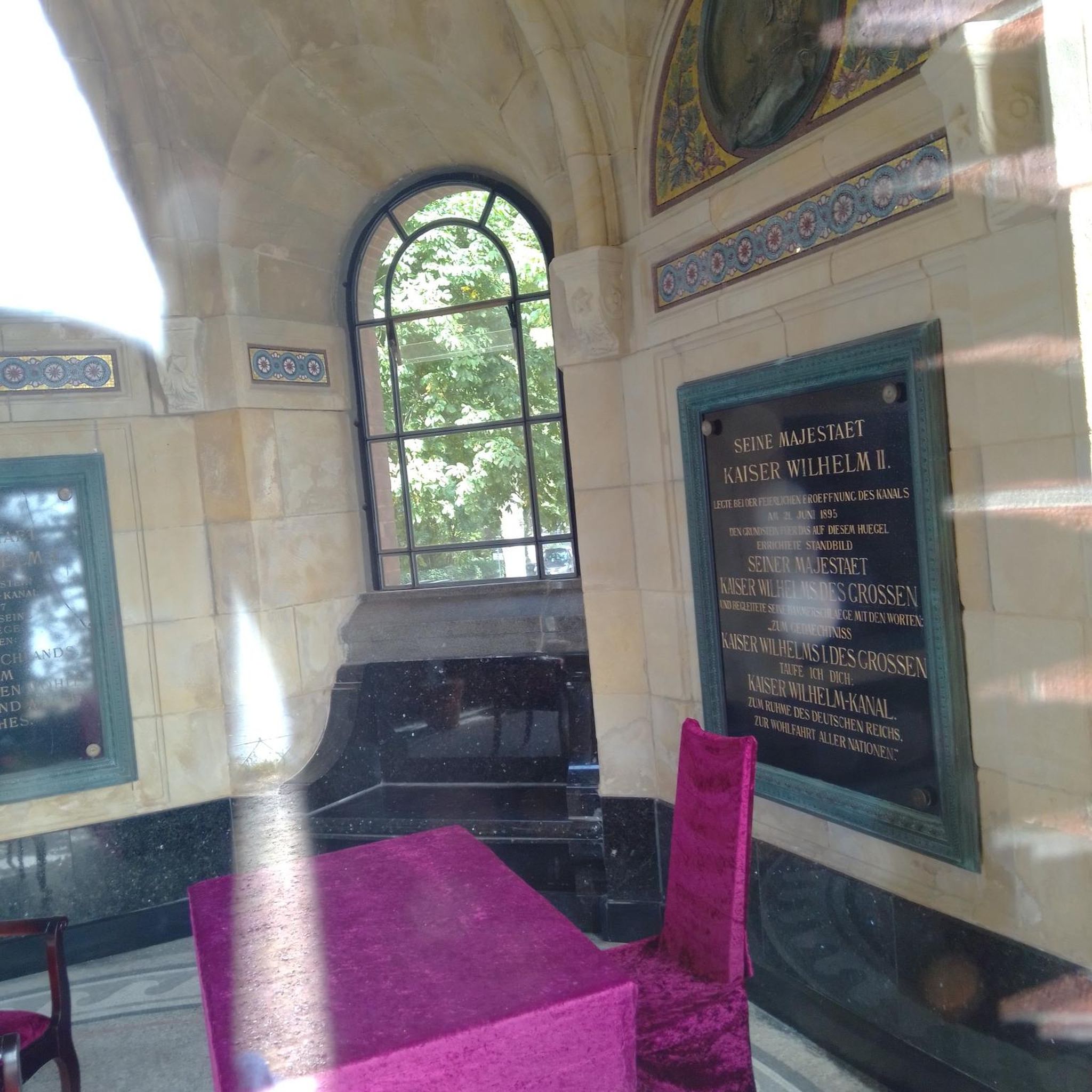
At the exit of the village, you will notice the Saint-Aignan church; it was almost entirely rebuilt from 1895 onwards on the foundations of the old church after being destroyed by an unfortunate fire.
0
0
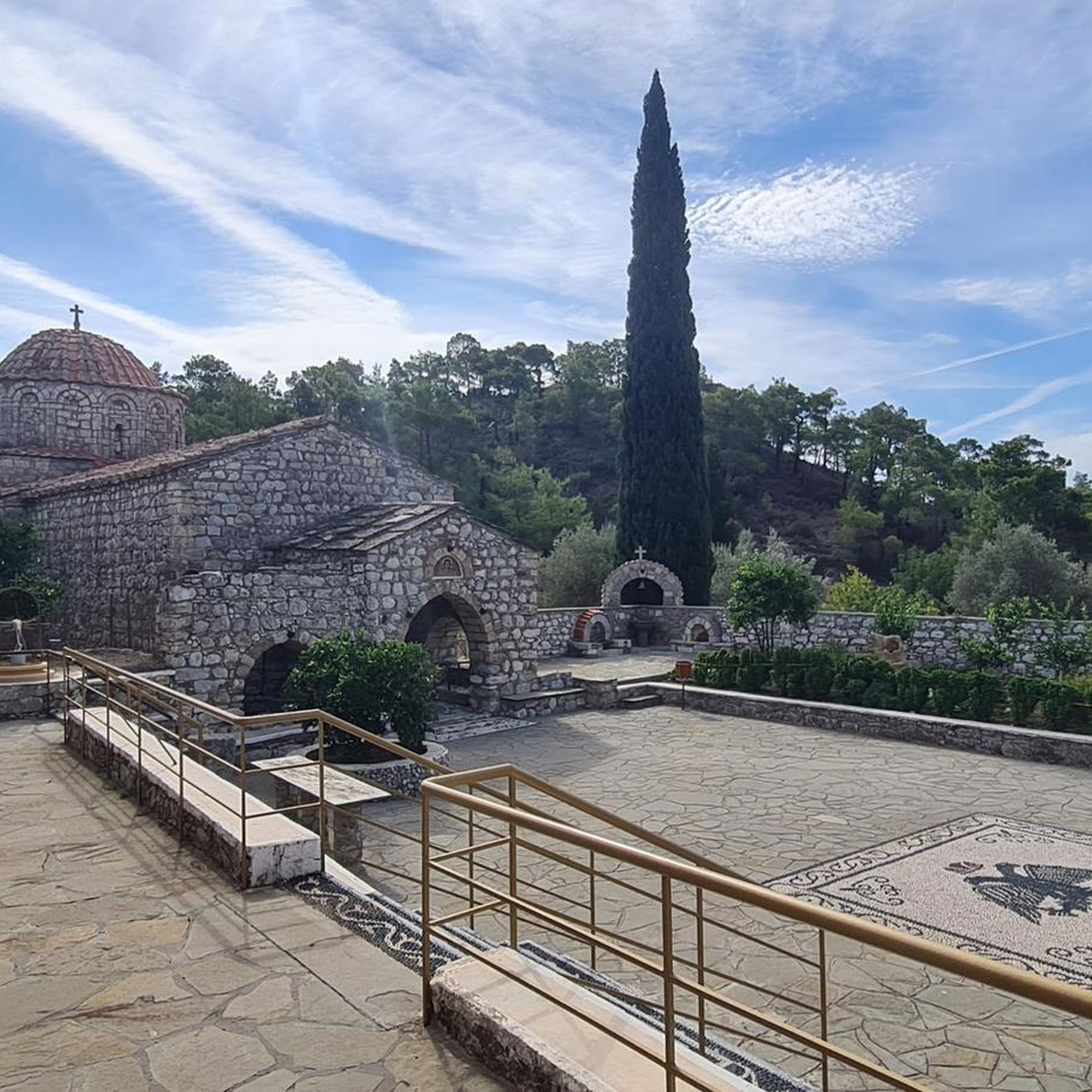
The Romanesque church of Saint George was rebuilt in 1540 after a fire destroyed it during the conflicts between the French, English, and Burgundians. It is said that the villagers took refuge in the church, especially in the tower, and that the English did not hesitate to set it ablaze. The two bells, dating from 1816, and a beam bearing the carpenters' names are listed as historical monuments. Exploring the village, you will discover several ponds and old water pumps, a Caesar's Way (Chemin d'Arcé), and a wood.
0
0
According to tradition, the church choir covers the remains of an older building, possibly dating back to the 6th century, which was built to house the saint's body. According to current knowledge, the commune of Saint-Piat (Sanctus Piatus in Latin) officially appeared in 1087, mentioned in a charter of the Nottonville Priory (Eure-et-Loir), on which it depended. The current building was rebuilt during the time of Francis I, as suggested by the date 1535 engraved on two buttresses of the apse and the date 1542 engraved on a piece of wood from the vault. This is according to a study by the SAEL (Eure-et-Loir Archaeological Society). The three-sided apses, the dripstone towers (horizontal members projecting from a wall), and the sculpted roof structures are a testament to the importance of the reconstructions carried out in the department during the 16th century. The church of Saint-Piat is one of them. While the church has not been officially recognized, it nevertheless contains objects that have attracted attention both for their antiquity and quality, but not always for good reason. Their artistic value, far from attracting only religious or aesthetic interest, has also aroused a covetousness that, unfortunately, remains for some of them. Fortunately, those still in place are carefully cared for and offer the curious a story to discover, a beauty to slowly ponder as they progress toward the choir.
0
0

According to biblical accounts, the apostle "Saint Jacques" was the first person to be executed for his faith, as recorded in the Acts of the Apostles, making him an early martyr (blood witness) of Christianity. His tomb in the town named after him, "Santiago de Compostela" (Galicia, Spain), is one of the most famous and important pilgrimage destinations in the world and is often ranked third after Jerusalem and Rome. Yesterday (July 25) was his feast day in the calendar of saints. When this date falls on a Sunday (this was last the case in 2021), the Catholic Church celebrates a special "Holy Year" there (extended by Pope Francis until 2022 due to the coronavirus pandemic).
0
0

The place to take a break in Illiers-Combray.
0
0

Very beautiful church from the 15th century with a painted wooden beam ceiling.
0
0
Unfortunately, the church was not accessible when I visited (mid-September 2024). You could only look in through a gate and the dance of death depictions on the left side were not really visible. In front of them were transparencies with skeleton drawings. Maybe those were the depictions...
0
0
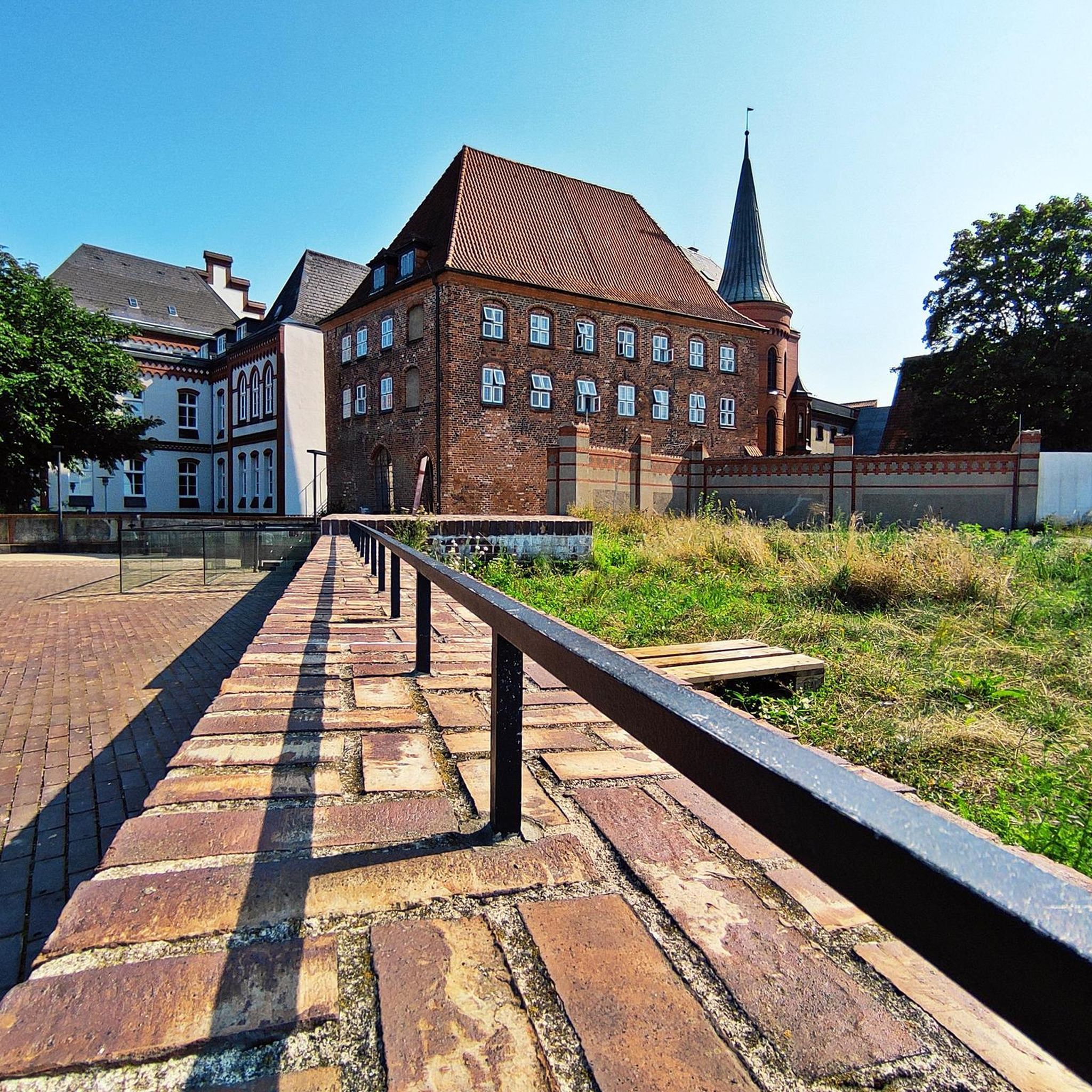
Historically, our small medieval Romanesque church, dedicated to Saint Silvanus, was an integral part of a lordship. We can, still today, guess the vestiges of the seigniorial coat of arms on the liter (the banner) located just below the windows on the north face. Located near the old castle moat, the cemetery flanked it, on the north side in place of the current car park and the multi-purpose room, on the south side at the level of the green space currently planted with lime trees. Originally only the central building existed and the bell tower topped it in its center. This is the reason why at the beginning of the 1980s, the framework began to collapse, weakened by the weight and the marks of time left by the old bell tower. This renovation proved, if necessary, through the design of the framework, the existence of the central bell tower. The time when the bell tower was moved off-center is at the end of the 16th century, beginning of the 17th century. Concerning the creation of the sacristy and the side chapels, the departmental archives hold a plan of the church, dated August 19, 1853 which clearly indicates the existence of the sacristy and only the north chapel, the construction of the South chapel was therefore not concomitant. In the masonry, the small Romanesque windows can still be seen, the only one remaining, unwalled, opens to the east and still today offers a light entrance into the apse. Around the church we notice two types of buttresses, the first, the narrower ones date from the creation of the building, the more massive ones date from the 18th century, placed as reinforcements Neo-classicism at the end of the 18th century and the beginning of the 19th century left its mark on this building. Outside, as we have seen, by the addition of the sacristy as well as the small side chapels now forming a transept.
0
0
Frequently Asked Questions
How many road cycling routes are available around Chauffours?
There are over 340 road cycling routes in the Chauffours area, offering a wide range of options for different skill levels and preferences. This includes 143 easy routes, 194 moderate routes, and a few more challenging options.
Are there easy road cycling routes suitable for beginners in Chauffours?
Yes, Chauffours is well-suited for beginners, with 143 easy routes available. A great option is the Ponds of Fontenay sur Eure – Ponds of Fontenay-sur-Eure loop from Fontenay-sur-Eure, an easy 18.9-mile (30.4 km) path that provides a pleasant ride around scenic ponds.
What kind of scenery can I expect on road cycling routes in Chauffours?
The road cycling routes around Chauffours are characterized by gentle, rolling terrain and open countryside. You'll often find yourself cycling alongside numerous water bodies, including the Ponds of Fontenay sur Eure and the Eure river. The landscape also features historical landmarks such as local churches and castles, providing picturesque points of interest.
Are there any challenging road cycling routes around Chauffours?
While the region is known for its gentle terrain, there are a few routes that offer a bit more challenge. The Ponds of Fontenay sur Eure – Fontenay-sur-Eure Church loop from Bailleau-le-Pin is a moderate 32.4-mile (52.1 km) route with over 180 meters of elevation gain, offering a balanced ride through the local countryside.
What are some interesting landmarks or attractions to see along the road cycling routes?
Many routes pass by historical and natural points of interest. You might encounter the Moulin de Ver-lès-Chartres, the historic Saint-Georges Church of Saint-Georges-sur-Eure, or the impressive Château des Boulard. The region's churches, like the Orrouer Church, also offer glimpses into local heritage.
What is the typical distance and duration for road cycling routes in Chauffours?
Routes vary significantly, but many popular options range from 14 to 32 miles (22 to 52 km). For instance, the Saint-Chéron Church – Saint Martin Church loop from Bailleau-le-Pin is 14 miles (22.5 km) and takes about 51 minutes, while the Vérigny Castle – Château de Fontaine-la-Guyon loop from La Taye is 32 miles (51.5 km) and typically takes around 2 hours and 10 minutes.
Are there many circular road cycling routes in the Chauffours area?
Yes, the majority of road cycling routes in Chauffours are designed as loops, allowing you to start and finish at the same point. This makes planning your ride convenient, as you don't need to arrange for transport back to your starting location.
What do other road cyclists enjoy the most about road cycling in Chauffours?
The area is highly rated by the komoot community, with an average score of 4.4 stars from over 70 reviews. Reviewers often praise the region's open countryside, gentle hills, and the scenic routes alongside ponds and rivers, which make for a very enjoyable and accessible cycling experience.
Is Chauffours suitable for family-friendly road cycling?
Given the region's gentle, rolling terrain and numerous easy routes, Chauffours is generally suitable for family-friendly road cycling. Many routes avoid significant elevation changes, making them accessible for riders of varying ages and abilities. Look for the 'easy' rated routes for the most family-friendly options.
What is the best time of year for road biking in Chauffours?
The gentle terrain of Chauffours makes it enjoyable for road cycling across many seasons. Spring and autumn offer pleasant temperatures and beautiful scenery, while summer provides longer daylight hours. The open countryside means routes are generally accessible, though checking local weather conditions is always advisable.
Are there options for less crowded road cycling routes in Chauffours?
While some routes are popular, the extensive network of over 340 routes means you can often find quieter paths, especially away from the most well-known loops. Exploring some of the lesser-known easy or moderate routes can lead to a more serene cycling experience through the open countryside.
Can I find routes that combine cycling with views of the Eure river?
Absolutely. The Eure river is a prominent feature of the region. Routes like The Eure at Ver les Chartre – Ponds of Fontenay sur Eure loop from Fontenay-sur-Eure specifically incorporate views and sections along the river, offering picturesque waterside cycling.
Most popular routes around Chauffours
Most popular attractions around Chauffours

Get inspired with the komoot mobile app


Explore more
Browse the best Road cycling routes in other regions.
