The best road cycling routes around Villespassans
4.6
(123)
2,008
riders
109
rides
Road cycling routes around Villespassans traverse a diverse landscape within the Hérault department of Occitanie, France. The region is characterized by extensive vineyards, particularly those of Minervois and Saint-Chinian, offering scenic routes through a renowned wine-producing area. Cyclists encounter undulating roads, often with minimal traffic, and can explore impressive gorges and hilly terrain that transitions towards the Cévennes and Haut-Languedoc. This provides varied routes suitable for different cycling abilities, from gentler vineyard loops to more challenging ascents.
Best road cycling…
Last updated: October 8, 2026
3.0
(1)
32
riders
37.4km
01:50
600m
600m
Moderate road ride. Good fitness required. Mostly well-paved surfaces and easy to ride.
4.5
(2)
33
riders
Moderate road ride. Good fitness required. Mostly well-paved surfaces and easy to ride.

5.0
(2)
29
riders
60.7km
03:21
1,130m
1,130m
Hard road ride. Very good fitness required. Mostly well-paved surfaces and easy to ride.
25
riders
22.9km
01:02
190m
190m
Easy road ride. Great for any fitness level. Mostly well-paved surfaces and easy to ride.
4.8
(4)
46
riders
53.7km
02:24
540m
540m
Moderate road ride. Good fitness required. Mostly well-paved surfaces and easy to ride.
Get access to more routes and recommendations from other explorers.
Already have an account?
Our route recommendations are based on thousands of hikes, rides, and runs completed by other people on komoot.
Start today with a free account
Your next adventure awaits.
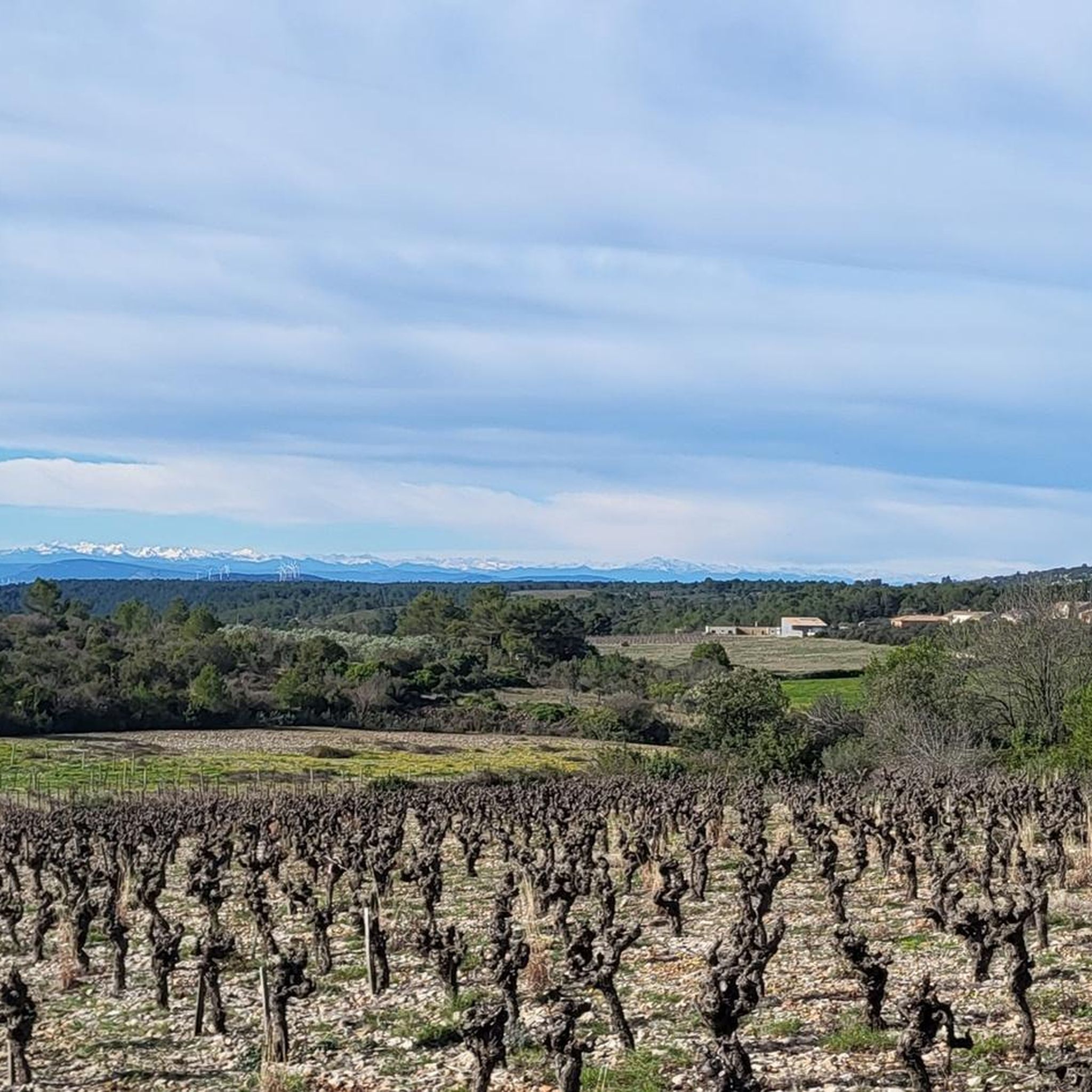
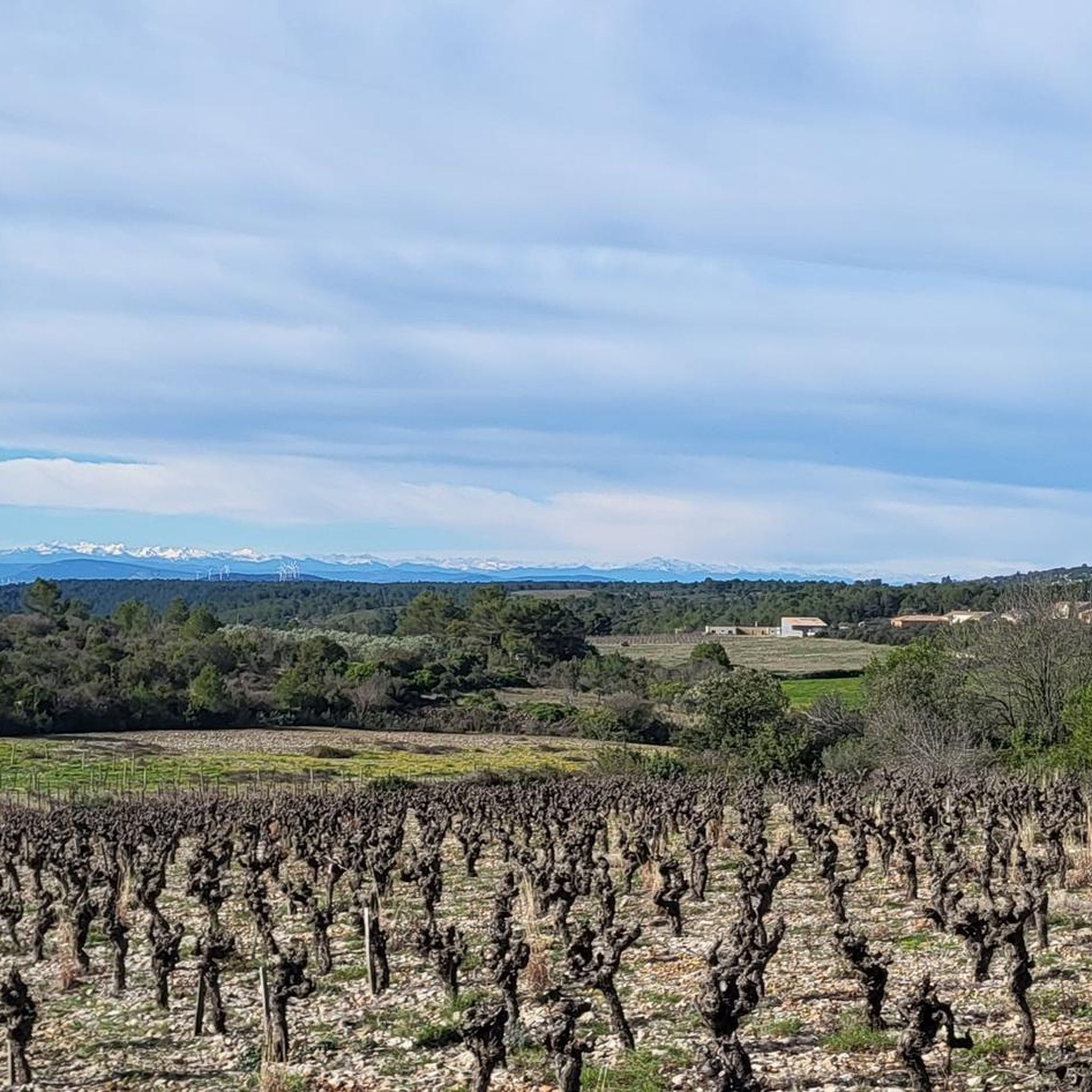
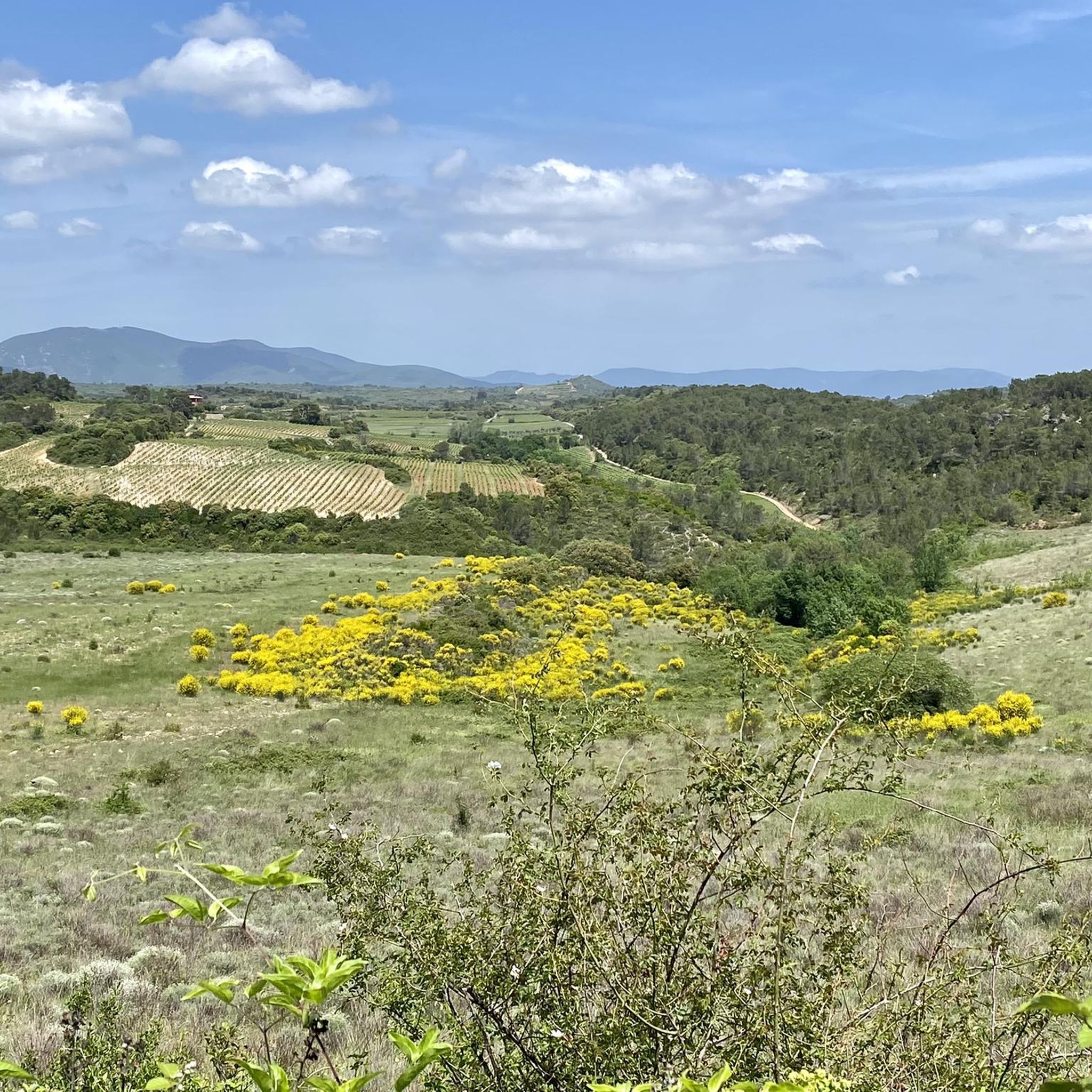
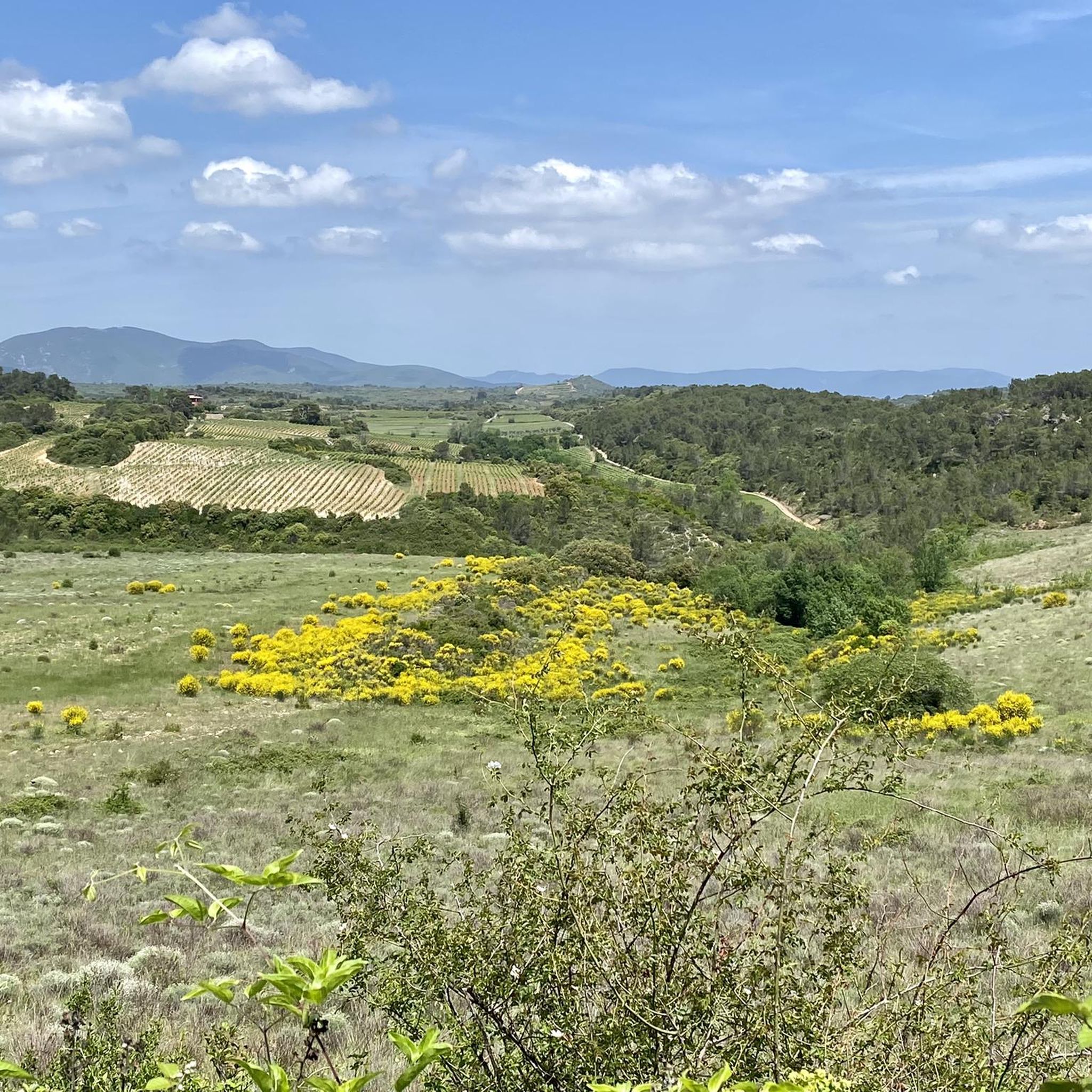

Tips from the Community

The former Saint-Pons Cathedral It is difficult to understand Saint-Pons-de-Thomières without stopping here. The building is the former abbey church of a Benedictine monastery founded in 936, around which the town developed. In 1318, the abbey became the seat of a new bishopric: the church then took on the status of a cathedral, which it retained until the Revolution. The Romanesque building, most of which dates back to the second half of the 12th century, still bears the traces of this turbulent history. Fortified in the Middle Ages, the cathedral was heavily damaged in 1567 during the Wars of Religion. Then, in the 18th century, its appearance was profoundly transformed: in 1716, the orientation of the choir was reversed and a new classical facade was built to the east. The medieval remains are particularly remarkable: the two crenellated towers on the north facade recall the defensive character of the building, while the former west facade preserves precious Romanesque reliefs depicting, in particular, the Last Supper, the Washing of the Feet, the Ascension and the Crucifixion. Inside, there are also marble decorations, choir stalls and an organ dating from 1772.
2
0
This rest area offers one of the most beautiful viewpoints on the D612 overlooking the Saint-Chinianais region and the first reliefs of the Haut-Languedoc. Below, the village of Pierrerue clings to the side of a hill, while in the distance, the characteristic silhouette of the Caroux massif is particularly visible. This place is also steeped in memory: the Col de Fontjun was the scene, in August 1944, of fierce fighting between Resistance maquisards and German troops. A few meters past the rest area, by the side of the D612, a monument now commemorates this tragic episode and pays tribute to the resistance fighters who fell during these clashes.
2
0
The church of the Nativity of Saint John the Baptist bears witness to the gradual shift of the religious heart of Saint-Jean-de-Minervois. For centuries, parish life was linked to the Saint-Jean de Dieuvaille chapel, now nicknamed "the church of the Hole", isolated in a canyon between the hamlets of Gimios and Barroubio. At the beginning of the 18th century, the current village became the new center of the community, around this current parish church.
2
0
Much more than a simple village church, Notre-Dame-de-l'Assomption was originally the chapel of the seigniorial castle of Villespassans. Built between the 12th and 16th centuries, it has the particularity of housing two superimposed naves, testifying to the different phases of its evolution. Its massive square tower, built of dressed stone, still dominates the heart of the old medieval village, where remains of the ramparts also still exist. Villespassans developed on a ridge of Hettangian dolomites, limestone rocks about 200 million years old that mark the early Jurassic period. These extensive terrains offer a solid base on which the village was established and partly explain its dominant position in the landscape. Nicknamed the "village of a thousand and one stones", Villespassans is also renowned for its remarkable dry stone heritage: *capitelles*, low walls, dolmens, and old agricultural constructions dot the surroundings.
2
0
This lace reveals one of the most beautiful landscape profiles in the area. Behind this landscape of vineyards and wooded hills lies a spectacular geological history, still readable in the shapes of the relief. You are riding here on a remarkable site, the "Écailles de Tudéry" (Tudéry Scales). Under the effect of the titanic forces that gave birth to the Pyrenees, the Earth's crust broke and piled up. This tectonic overlap pushed and straightened the ancient secondary-era limestone strata to overlap with more recent tertiary terrains.
2
0
The Notre-Dame-de-la-Barthe church is intimately linked to the history of Saint-Chinian. Rebuilt between the end of the 16th and the end of the 17th century after the destructions of the Wars of Religion, it replaced the old parish church located outside the ramparts. Its bell tower occupies the site of the Némorouse tower, one of the old towers of the medieval fortifications, recalling the defensive past of the village. Inside, do not miss the remarkable 18th-century tribune organ, the work of Jean-Baptiste Lannes and later modified by Louis Peyssy and Jean-Baptiste Micot. Classified as a Historic Monument, it is among the most precious historical organs preserved in the Hérault.
2
0
Roquebrun is much more than a pretty village on the banks of the Orb. Occupied since the Neolithic period, it is dominated by a Carolingian tower built around 900 to watch over the valley. But what makes it truly unique is its microclimate: sheltered from the north winds, it hosts orange, lemon, palm, and cactus trees in the open ground, a very rare phenomenon in the Hérault hinterland. This mildness has earned it the nickname of the "Nice of the Hérault" and has allowed the creation of a remarkable Mediterranean Garden on the terraces overlooking the village. An essential detour, as much for its history as for its atmosphere.
1
0

Frequently Asked Questions
What kind of terrain can I expect on road cycling routes around Villespassans?
The Villespassans area offers a diverse road cycling experience. You'll find undulating roads winding through extensive vineyards, particularly in the Minervois and Saint-Chinian regions. The landscape also features impressive gorges and transitions into hillier terrain towards the Cévennes and Haut-Languedoc, providing a mix of gentle slopes and more challenging ascents. Many roads are known for their tranquility and minimal traffic.
Are there road cycling routes suitable for beginners in Villespassans?
Yes, Villespassans offers routes suitable for various skill levels, including easier options. For instance, the Cessenon-sur-Orb loop from Saint-Chinian is an easy 23.2-mile (37.3 km) path with minimal elevation gain, perfect for those looking for a more relaxed ride through the scenic countryside.
What are some notable natural attractions to see while cycling in the region?
The region boasts several natural highlights. You can cycle through picturesque vineyards, especially those of Minervois and Saint-Chinian. Keep an eye out for impressive gorges like Marie Close, which are particularly stunning after spring rains. The resurgence of the Cesse river at Le Boulidou also offers a unique natural sight.
Are there any historical or cultural landmarks along the road cycling routes?
Absolutely. The area is rich in history and culture. You can visit the restored 12th-century Premonstratensian Abbaye de Fontcaude. Charming villages like Saint-Chinian and Minerve offer cultural stops with their unique character and historical significance. Minerve, in particular, is classified as one of 'Les Plus Beaux Villages de France'.
How many road cycling routes are available around Villespassans?
There are over 100 road cycling routes available around Villespassans, catering to a wide range of abilities and preferences. This extensive network allows cyclists to explore the diverse landscapes of the Hérault department.
What do other road cyclists enjoy most about cycling in Villespassans?
The road cycling routes around Villespassans are highly rated by the komoot community, with an average score of 4.6 stars. Cyclists frequently praise the tranquil vineyard roads, the impressive gorges, and the varied hilly terrain, which offers options for all ability levels from easy loops to more challenging climbs.
Are there any challenging climbs for experienced road cyclists near Villespassans?
Yes, for experienced cyclists seeking a challenge, the region offers routes with significant climbs. The Col de Coulouma loop from Assignan is a difficult 36.9-mile (59.4 km) route featuring over 1,100 meters of elevation gain, providing a demanding and rewarding experience.
Can I find circular road cycling routes starting from Villespassans?
Many of the road cycling routes in the Villespassans area are designed as loops, allowing you to start and finish in the same location. For example, the popular Pont de Vieussan – View of the village of Ceps loop from Saint-Chinian is a moderate 34.6-mile (55.7 km) circular route offering scenic views.
What is the best time of year for road cycling in Villespassans?
The Hérault region generally offers favorable conditions for road cycling for much of the year. Spring and autumn are often ideal, with pleasant temperatures and lush landscapes. Spring also brings active waterfalls in the gorges. Summers can be warm, but early morning rides are still enjoyable. Always check local weather forecasts before heading out.
Are there options for accommodation and refreshments for cyclists in Villespassans and nearby villages?
Yes, Villespassans and surrounding villages like Saint-Chinian and Minerve offer various amenities for cyclists. You'll find cafes, restaurants, and accommodation options to refuel and rest. Local markets in towns like Saint-Chinian are also great places to experience local life and sample regional produce.
Is it possible to combine road cycling with public transport in the Villespassans area?
While specific public transport options for carrying bicycles directly to route starting points from Villespassans might be limited, the broader Hérault region is developing its cycling infrastructure. It's advisable to check local bus or train services for their bicycle policies and routes that connect to cycling-friendly areas or consider starting your ride directly from Villespassans.
Are there any road cycling routes that follow rivers or offer waterside views?
Yes, some routes incorporate waterside elements. For example, the Col de Coulouma – Vernazobre River loop from Saint-Chinian follows the Vernazobre River through varied terrain, offering pleasant views along the water. The resurgence of the Cesse river at Le Boulidou is also a notable natural feature in the area.
Most popular routes around Villespassans
Most popular attractions around Villespassans

Get inspired with the komoot mobile app


Explore more
Browse the best Road cycling routes in other regions.
