The best road cycling routes around Puimisson
4.4
(182)
3,890
riders
196
rides
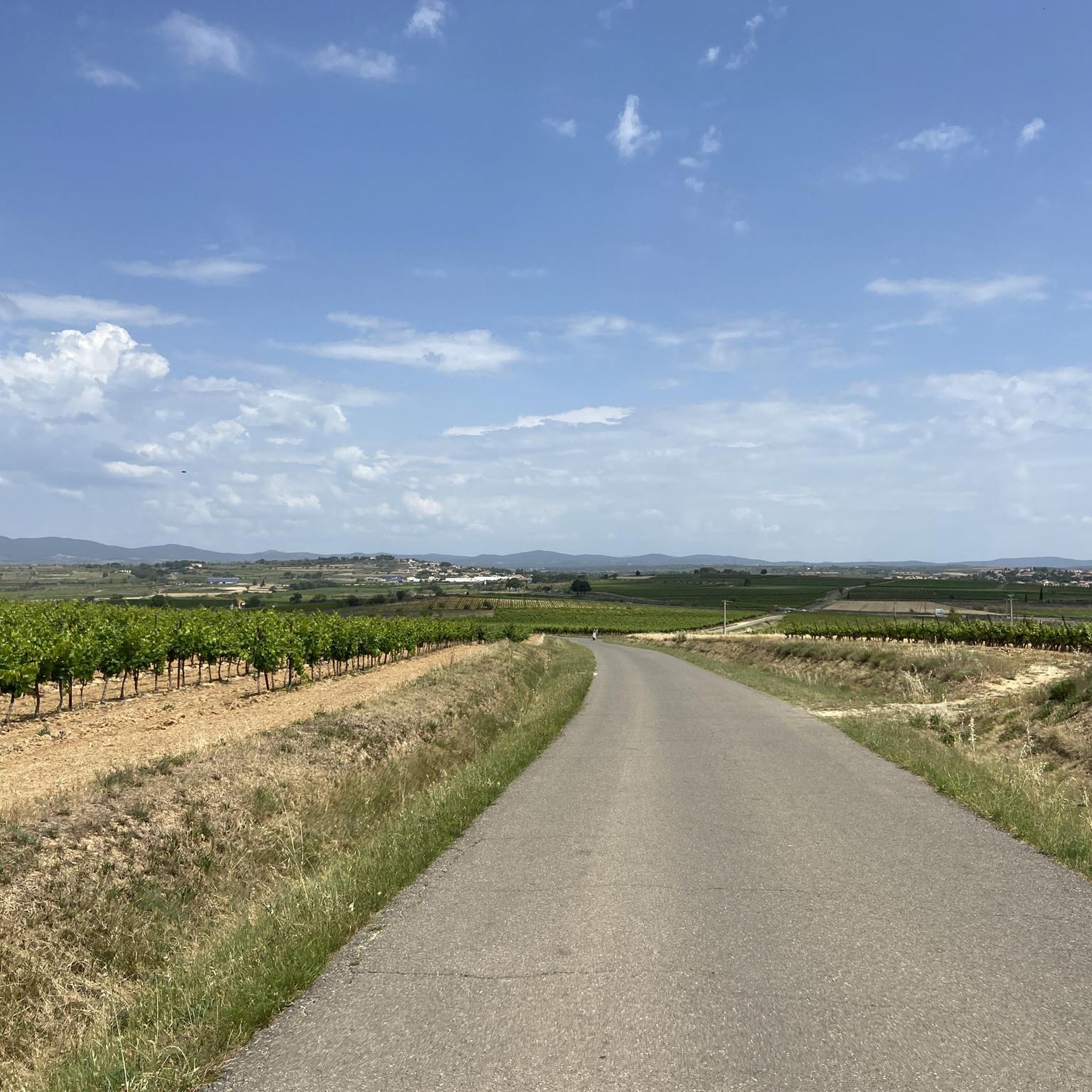
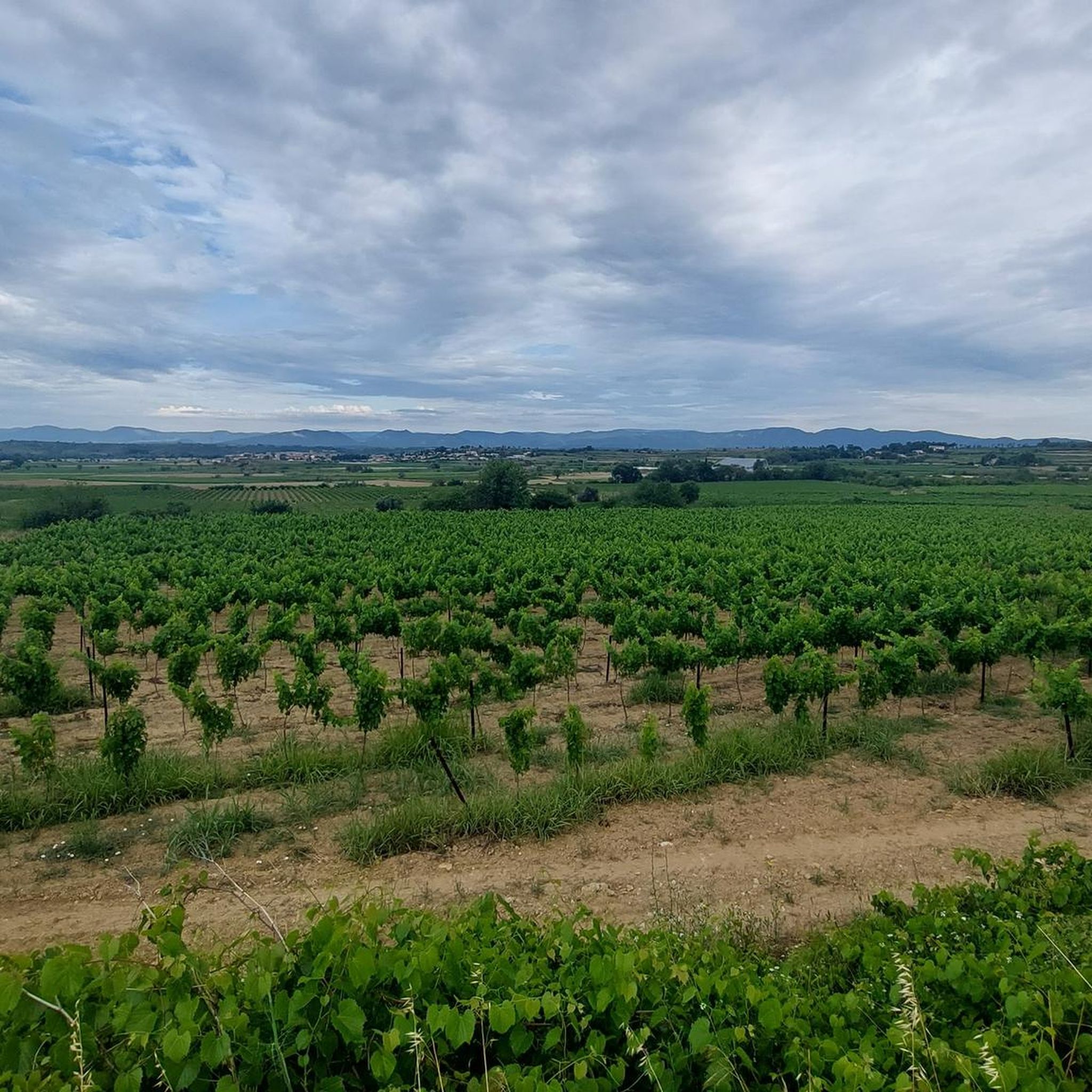
Road cycling around Puimisson offers diverse landscapes in the Languedoc region of southern France. The area features varied terrain, including extensive vineyards and rolling hills, providing a range of road cycling routes. Many paths are well-maintained, suitable for different fitness levels, and often wind through picturesque natural settings. The region's location also provides access to segments of the Canal du Midi, offering mostly flat, shaded routes.
Best road cycling routes around Puimisson
- The most popular road cycling route is Lac…
Last updated: October 27, 2026
4.3
(4)
61
riders
51.1km
02:26
630m
630m
Moderate road ride. Good fitness required. Mostly well-paved surfaces and easy to ride.
5.0
(2)
29
riders
Moderate road ride. Good fitness required. Mostly well-paved surfaces and easy to ride.

26
riders
83.7km
03:55
990m
990m
Hard road ride. Very good fitness required. Mostly well-paved surfaces and easy to ride.
4.6
(5)
41
riders
52.9km
02:32
610m
610m
Moderate road ride. Good fitness required. Mostly well-paved surfaces and easy to ride.
18
riders
39.9km
01:57
580m
580m
Moderate road ride. Good fitness required. Mostly well-paved surfaces and easy to ride.
Get access to more routes and recommendations from other explorers.
Already have an account?
Our route recommendations are based on thousands of hikes, rides, and runs completed by other people on komoot.
Start today with a free account
Your next adventure awaits.

Tips from the Community

The landscape opens onto the hamlet of Ceps, nestled on the banks of the Orb river. This village boasts a Romanesque church from the 12th century, a testament to ancient human presence in this enclosed area. Behind it, the wooded reliefs of the Haut-Languedoc form a natural backdrop that seems to protect the village.
3
0
Away from Espondeilhan, on a site occupied since Antiquity and today preserved among the pine trees that gave the place its name, Notre-Dame-des-Pins reveals one of the most remarkable testimonies of Romanesque art in the Hérault. Built in the 12th century on the site of an ancient Gallo-Roman villa called "ad pinis", the church bears witness to an exceptional continuity of occupation: an ancient site that became a medieval place of worship. Its Romanesque architecture, with its three naves, its sculpted portal and its remarkable vaults, reveals the know-how of the builders of the time. Its history takes on a particular dimension in the 14th century, when the building was fortified during the troubles of the Hundred Years' War. The defensive parapet then recalls an often forgotten reality: in the Middle Ages, a church could be both a place of prayer and a refuge for an entire community. Classified as a historic monument since 1907, Notre-Dame-des-Pins also preserves remarkable ancient furnishings, including a classified bell and marble liturgical elements.
2
0
In the heart of old Cabrerolles, the Saint-Martin church recalls the medieval origins of this village in the Hérault's Avant-Monts. As in many fortified villages in Languedoc, the castle and the church formed the heart of the community. It was around these two poles that the narrow streets, dwellings, and daily life of the village developed. The building discovered today is the result of several construction campaigns and preserves the memory of this long evolution. Its dedication to Saint Martin is far from insignificant. Bishop of Tours in the 4th century, he was one of the great evangelizers of the Gallic countryside. His patronage, widespread in the oldest rural parishes, recalls the antiquity of the Christian community established in Cabrerolles.
2
0
Located at the entrance to the village, it occupies a site steeped in memory: the current building, dating from the 16th century, was built on the traces of a Romanesque chapel mentioned as early as 966. It thus bears witness to the continuity of a place of life and gathering that has spanned the centuries. Caussiniojouls developed around its ancient castrum, a fortified nucleus organized around the castle and the church. Here, the religious and the seigneurial once formed the heart of the medieval village: two essential landmarks that structured daily life and the organization of the territory. The Saint-Étienne church also bears the marks of time: its bell tower, destroyed by lightning in 1920, was rebuilt and then restored with local materials, recalling the village's attachment to its heritage.
2
0
Built at the end of the 12th century and integrated into the ramparts of Gabian, the church of Saint-Julien-et-Sainte-Basilisse forms the historic heart of the village. It still retains its original Romanesque nave and apse, while the side chapels and bell tower, added in the 15th century, bear witness to its evolution over time. The site is however much older: Gabian owes its name to a Gallo-Roman estate belonging to Gavius. The Romans diverted the spring of La Resclauze to supply Béziers via an aqueduct nearly twenty kilometers long, proof of the site's importance since Antiquity. This spring is also the origin of an exceptional geological curiosity: the presence of natural petroleum, exploited since Roman times for medicinal purposes and for caulking, and then from 1924 by the Société des Pétroles de Gabian. Industrial activity ceased when the small deposit could no longer compete with the large oil fields discovered in the mid-20th century.
3
0
The feudal castle and the Saint-Jean-Baptiste church form a remarkable medieval ensemble. Mentioned as early as the end of the 11th century, the church was built within the castle itself, a peculiarity that earns it the description of 'castral church'. Its architecture combines a 12th-century Romanesque apse with a choir completed in 1423, testifying to the expansion of the village behind its ramparts. Walking through the circular streets radiating from the castle, one can still understand the defensive organization of the medieval town. The castle, which became the town hall in the 19th century after enduring wars and dismantling, remains the living heart of Murviel. Don't miss entering the church to discover its 12th-century baptismal font, recently restored and returned to its historic location.
2
0
This southern Gothic church, built between the 13th and 14th centuries, has accompanied the village's history for over seven hundred years. Its sober architecture hides numerous transformations: the different construction phases remain visible on the facades, while its imposing bell tower, remodeled in the 17th century and then restored in the 1950s, is distinguished by its green glazed spire, which has become one of the village's emblems. As you leave the churchyard, take the time to discover the old alleyways and the Fontaine à la Grenouille (Frog Fountain), whose spring is said to have favored the birth of Saint-Geniès-de-Fontedit.
2
0
Dominating the old village of Magalas, the Saint-Laurent church was first the castle chapel before becoming the parish church in 1270. Built in the second half of the 12th century, it is one of the fine examples of Romanesque architecture in the Biterrois region, enriched over the centuries by Gothic and Renaissance elements. By taking the time to observe the porch and the sculpted capitals, you will discover faces, plant motifs, but also mermaids and griffins, witnesses to the medieval imagination. An amusing anecdote accompanies the place: in 1967, Louis de Funès filmed a cult scene from the film Le Petit Baigneur here. When leaving the church, continue your walk through the alleys of the ancient castrum, which still retain the layout of the medieval fortified village.
3
0
Frequently Asked Questions
How many road cycling routes are available around Puimisson?
There are over 240 road cycling routes available around Puimisson, offering a wide variety of options for different skill levels and preferences.
What kind of terrain can I expect when road cycling in Puimisson?
Road cycling around Puimisson offers a diverse landscape, from extensive vineyards and rolling hills to flatter sections along the Canal du Midi. Many routes feature well-paved surfaces, ensuring an enjoyable ride through picturesque natural settings.
Are there road cycling routes suitable for beginners or those looking for an easy ride?
Yes, Puimisson offers a good selection of easier routes. There are over 40 routes classified as easy, such as the Château de Puimisson – Cycle Path loop from Saint-Geniès-de-Fontedit, which is a 16.3-mile trail often completed in about 1 hour 19 minutes.
What about more challenging road cycling routes in the area?
For more experienced cyclists, there are over 50 challenging road cycling routes around Puimisson. These routes often feature significant elevation gains and longer distances, providing a good test of fitness.
Are there any circular road cycling routes in Puimisson?
Yes, many of the road cycling routes around Puimisson are designed as loops, allowing you to start and finish in the same location. Examples include the Lac de Vailhan – Olivettes Dam loop from Lieuran-lès-Béziers and the Puimisson - Autignac – Faugères loop from Lieuran-lès-Béziers.
What do other cyclists say about road cycling in Puimisson?
The road cycling routes in Puimisson are highly rated by the komoot community, with an average score of 4.3 stars from over 170 reviews. More than 4,000 road cyclists have used komoot to explore the varied terrain, often praising the scenic vineyards and well-maintained paths.
When is the best time of year for road cycling in Puimisson?
The Languedoc region, where Puimisson is located, generally offers pleasant cycling conditions for much of the year. Spring and autumn are often ideal, with milder temperatures and beautiful scenery. Summer can be warm, so early morning or late afternoon rides are recommended.
What landmarks or points of interest can I see along road cycling routes near Puimisson?
Many routes will take you through charming, historic villages. If you cycle towards Béziers, you can see notable landmarks like the historic Pont Vieux and the impressive Saint-Nazaire Cathedral. The Béziers - Pont Vieux – View of Pont vieux loop from Saint-Geniès-de-Fontedit is one such route.
Can I cycle through vineyards in Puimisson?
Absolutely. The area around Puimisson is characterized by extensive vineyards, and many road cycling routes wind directly through them, offering a tranquil and scenic experience. The Puimisson - Autignac – Faugères loop from Lieuran-lès-Béziers is a great example of a route that traverses these picturesque landscapes.
Are there routes that connect to the Canal du Midi?
Yes, Puimisson's location provides access to segments of the Canal du Midi. This historic waterway offers mostly flat, shaded towpaths and paved sections, ideal for relaxed cycling and appreciating a mix of sea, mountains, lakes, and canals. For more information on the broader network, you can explore the Mediterranean Cycle Route which incorporates parts of the Canal du Midi.
Are there family-friendly road cycling routes in Puimisson?
While road cycling routes are generally more suited for confident riders, some of the easier, flatter sections, particularly those along the Canal du Midi, can be suitable for families with older children. Always check the route's difficulty and terrain before setting out.
Where can I find road cycling routes around 50km in length?
Puimisson has several excellent road cycling routes around the 50km mark. Popular options include the Lac de Vailhan – Olivettes Dam loop from Lieuran-lès-Béziers (50.8 km) and the Puimisson - Autignac – Faugères loop from Lieuran-lès-Béziers (50.0 km).
Are there options for parking near the road cycling routes?
Many road cycling routes around Puimisson start from or pass through villages and towns where public parking is available. It's advisable to check specific starting points for parking facilities when planning your ride.
Most popular attractions around Puimisson

Get inspired with the komoot mobile app


Explore more
Browse the best Road cycling routes in other regions.
