Attractions and Places To See around Nogent-Le-Roi - Top 20
Best attractions and places to see around Nogent-Le-Roi include a blend of historical landmarks, cultural sites, and natural features. This town, situated by the Roulebois River which flows into the Eure River, preserves its past with notable structures and charming architecture. Visitors can explore a variety of sites, from ancient mills to historical bridges and significant churches. The area offers opportunities to discover its rich history and scenic river landscapes.
Best attractions and places to see around Nogent-Le-Roi
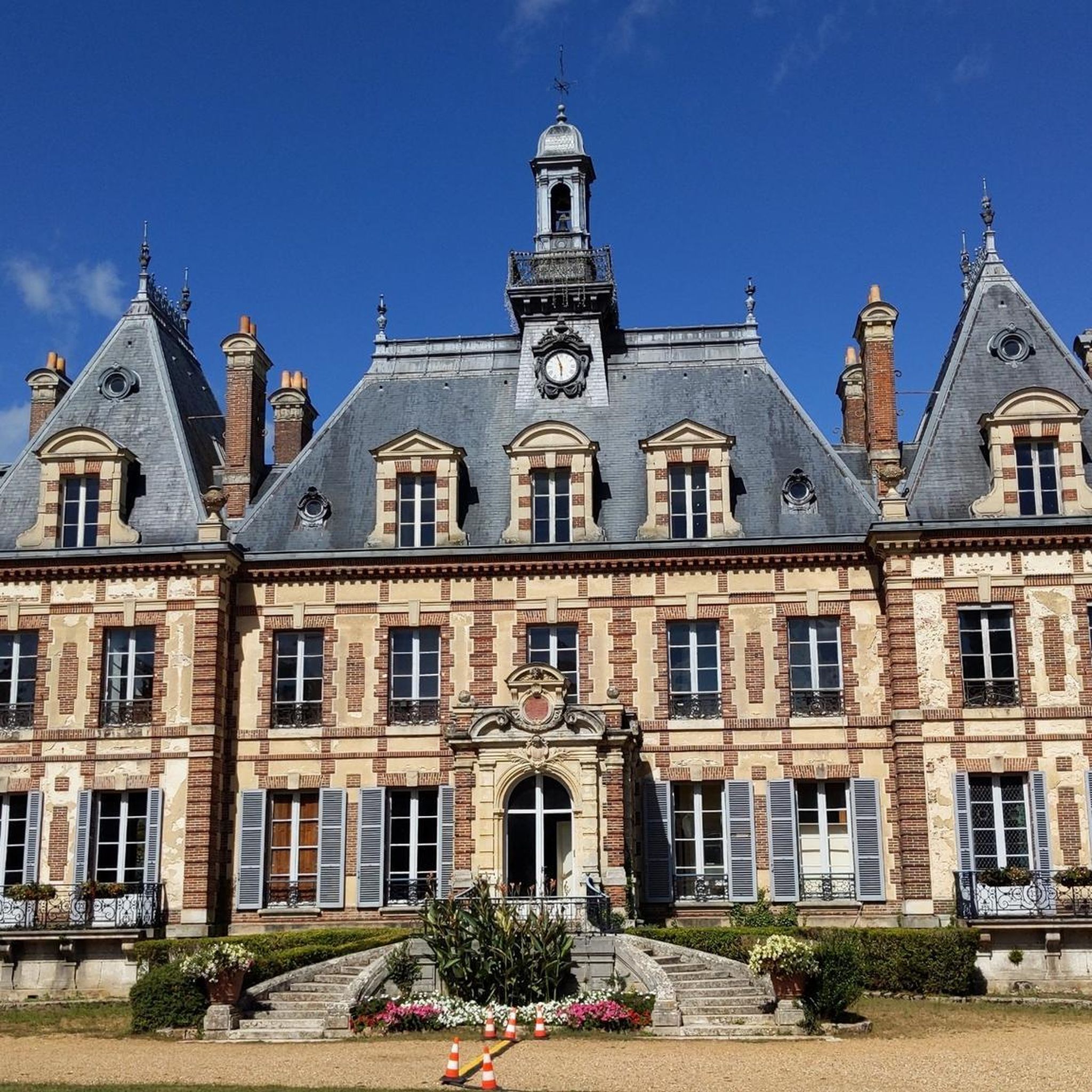
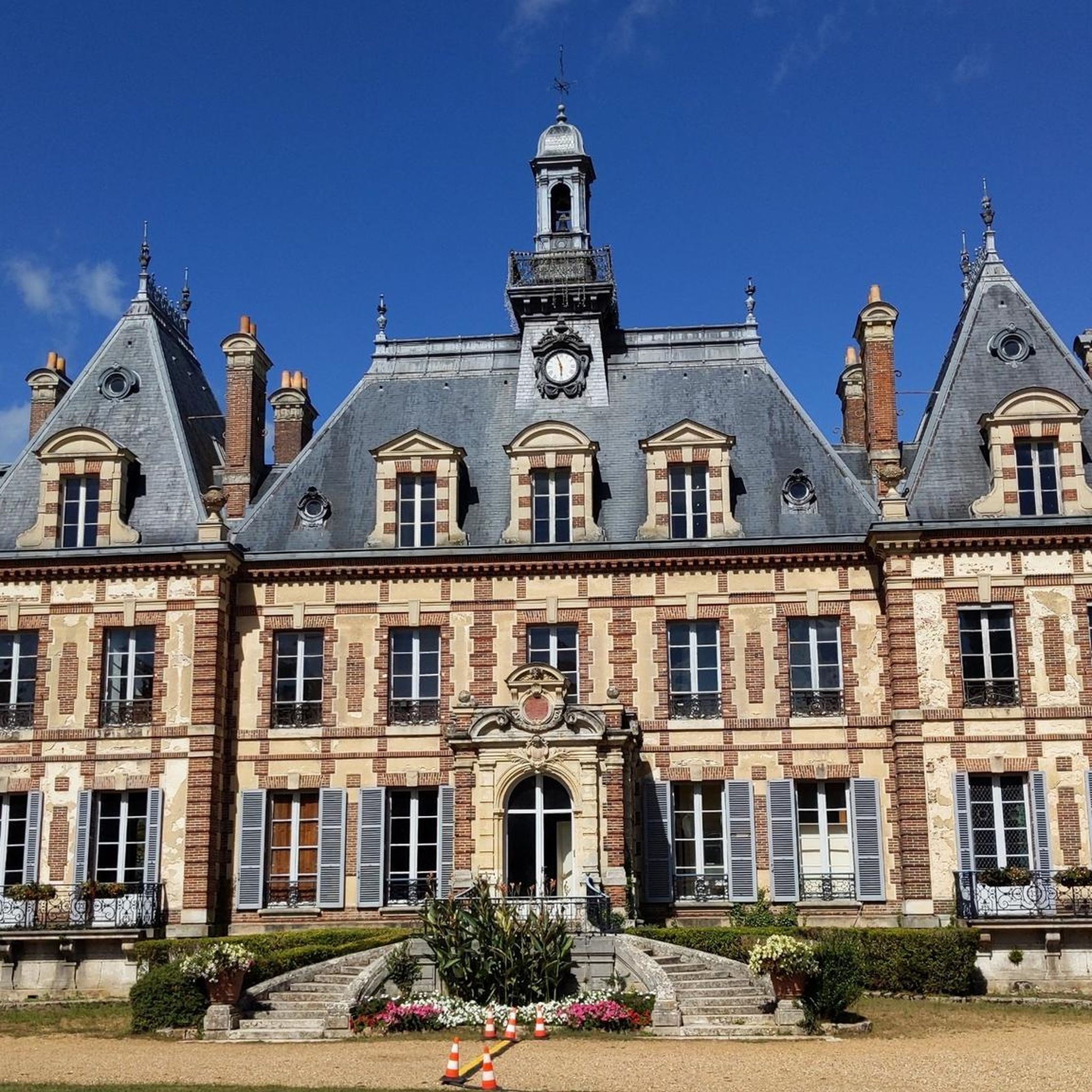
- The most popular attractions is Château de Mormoulins, a castle that is described as a watermill located on the Eure River and a listed historical monument. This 18th and 19th-century site features an old stone building, a wooden wheel, and a canal, creating a peaceful atmosphere.
- Another must-see spot is Pont Rouge on the Louis XIV Canal, a bridge that was originally built in the late 17th century as part of the Maintenon aqueduct project. This medieval bridge spanning the Eure was historically the entry point into Maintenon.
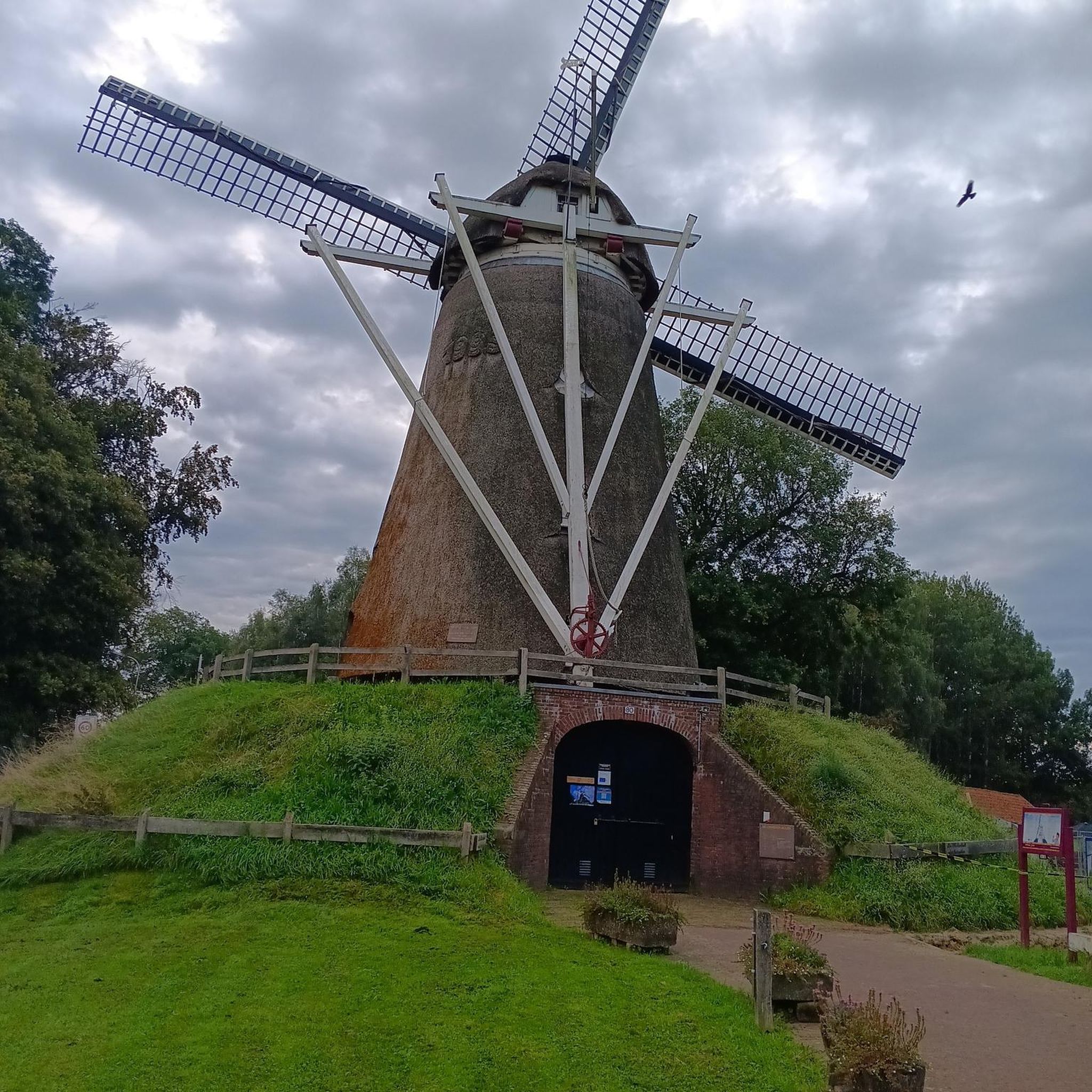
- Visitors also love Saint-Piat Mill, a man-made monument located on the Eure River. Dating from the 11th century and extended in 1865, it offers views of the river and is a good spot for birdwatching.
- Nogent-Le-Roi is known for its historical mills, ancient bridges, and significant religious buildings. The region offers a variety of attractions to see and explore, reflecting its rich heritage and natural beauty.
- The attractions around Nogent-Le-Roi are appreciated by the komoot community, with more than 70 upvotes and 6 photos shared across the highlights.
Last updated: May 5, 2026
Pont Rouge on the Louis XIV Canal
Highlight • Bridge
Maintenon was still to this day an intermittent residence of the king's court, and major work was undertaken, such as the digging of the grand canal passing under the aqueduct, the planting of the banks or the drawing of the castle park by Le Nôtre. .
You should know that until 1838, it is by this bridge that the entry into Maintenon was made. The legend attributes its name to the color of the uniform of the soldiers in charge of its guard.
Translated by Google •
Tip by

Saint-Piat Mill
Highlight • Monument
Translated by Google •
Tip by

Sign up now to discover places like this
Get recommendations on the best single tracks, peaks, & plenty of other exciting outdoor places.
Sign up for free
Château de Mormoulins
Highlight • Castle
Translated by Google •
Tip by
Saint-Sulpice Church of Châteaudun
Highlight • Religious Site
Translated by Google •
Tip by
the beautiful church of Prouais
Highlight • Other
Translated by Google •
Tip by
Sign up for free to discover even more attractions around Nogent-Le-Roi.
Sign up for free
Already have an account?
Start today with a free account
Your next adventure awaits.
Login or Signup

Other adventures around Nogent-Le-Roi

Tips from the Community

The Moulin de Mormoulins is a watermill located on the Eure River in the hamlet of Mormoulins. This mill dates back to the 18th and 19th centuries and is a listed historical monument. You can admire the old stone building, the wooden wheel, and the canal that diverts water from the river as you pass in front of the mill. The mill is surrounded by green fields and trees, creating a peaceful and relaxing atmosphere.
0
0

According to tradition, the church choir covers the remains of an older building, possibly dating back to the 6th century, which was built to house the saint's body. According to current knowledge, the commune of Saint-Piat (Sanctus Piatus in Latin) officially appeared in 1087, mentioned in a charter of the Nottonville Priory (Eure-et-Loir), on which it depended. The current building was rebuilt during the time of Francis I, as suggested by the date 1535 engraved on two buttresses of the apse and the date 1542 engraved on a piece of wood from the vault. This is according to a study by the SAEL (Eure-et-Loir Archaeological Society). The three-sided apses, the dripstone towers (horizontal members projecting from a wall), and the sculpted roof structures are a testament to the importance of the reconstructions carried out in the department during the 16th century. The church of Saint-Piat is one of them. While the church has not been officially recognized, it nevertheless contains objects that have attracted attention both for their antiquity and quality, but not always for good reason. Their artistic value, far from attracting only religious or aesthetic interest, has also aroused a covetousness that, unfortunately, remains for some of them. Fortunately, those still in place are carefully cared for and offer the curious a story to discover, a beauty to slowly ponder as they progress toward the choir.
0
0
Church of Saint Peter and Saint Paul The construction of the church is said to have been initiated by Don Roger, abbot of the very powerful Benedictine abbey of Coulombs from 1115 to 1174. At that time, the abbey stood near Nogent-le-Roi, a former fortified town located twelve kilometers away on the banks of the Eure. Spread over more than 80 parishes, it had a considerable influence in the region until the Revolution, whether from a religious, economic or social point of view. The Romanesque style that it had adopted since its original construction was reworked in the 16th century by the opening of tall Gothic windows around the choir. Finally, in the following century, during the Wars of Religion, the church suffered serious damage. When peace returned, the entrance porch was finally rebuilt in the elegant Renaissance style. In 1950, a fire destroyed the church and all its furniture; it was restored at the end of the 20th century.
0
0

With its curiously crowned square tower, this charming church boasts a flamboyant Gothic style. Built between the 15th and 17th centuries, it preserves a remarkable collection of 16th-century stained-glass windows dedicated to Eucharistic miracles.
0
0
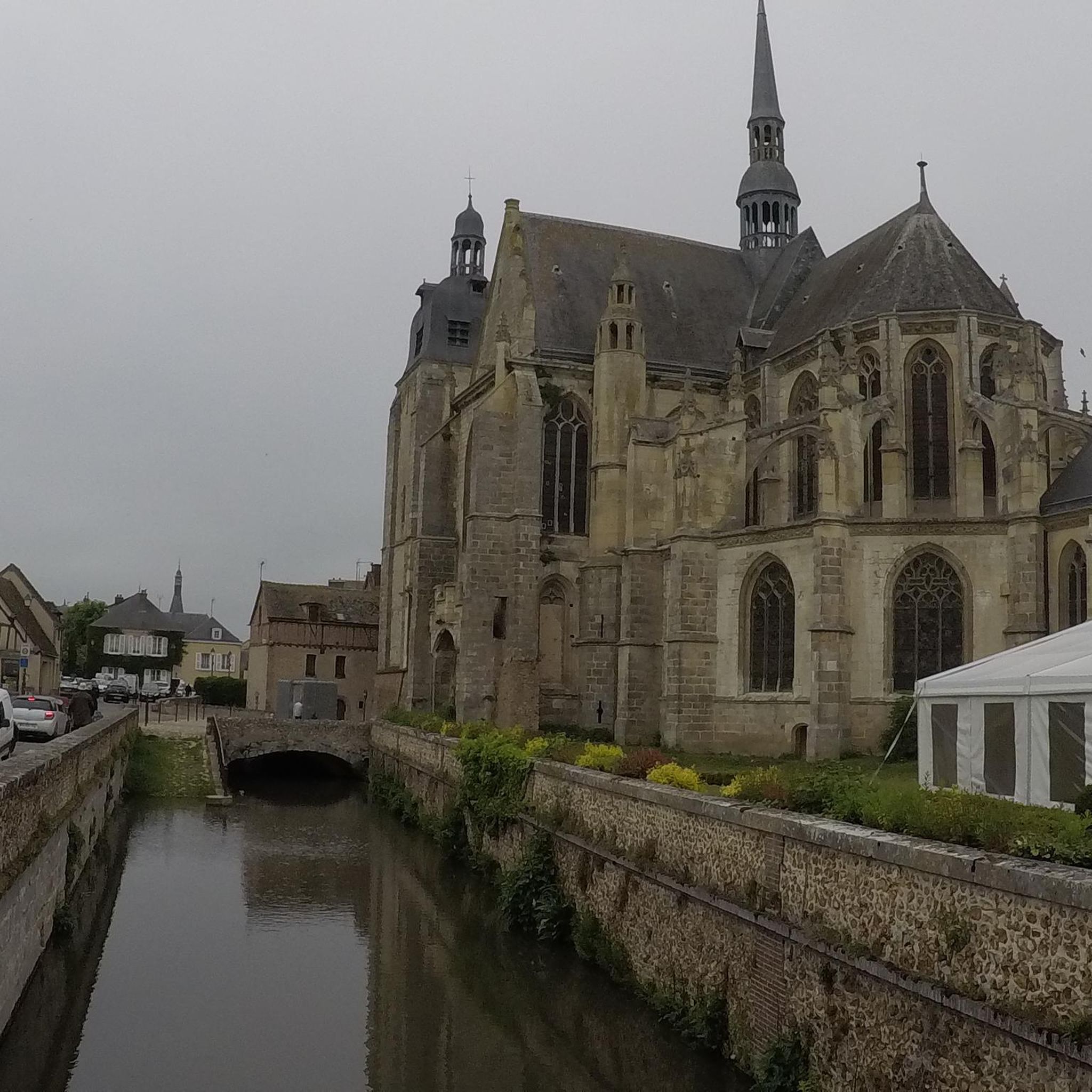
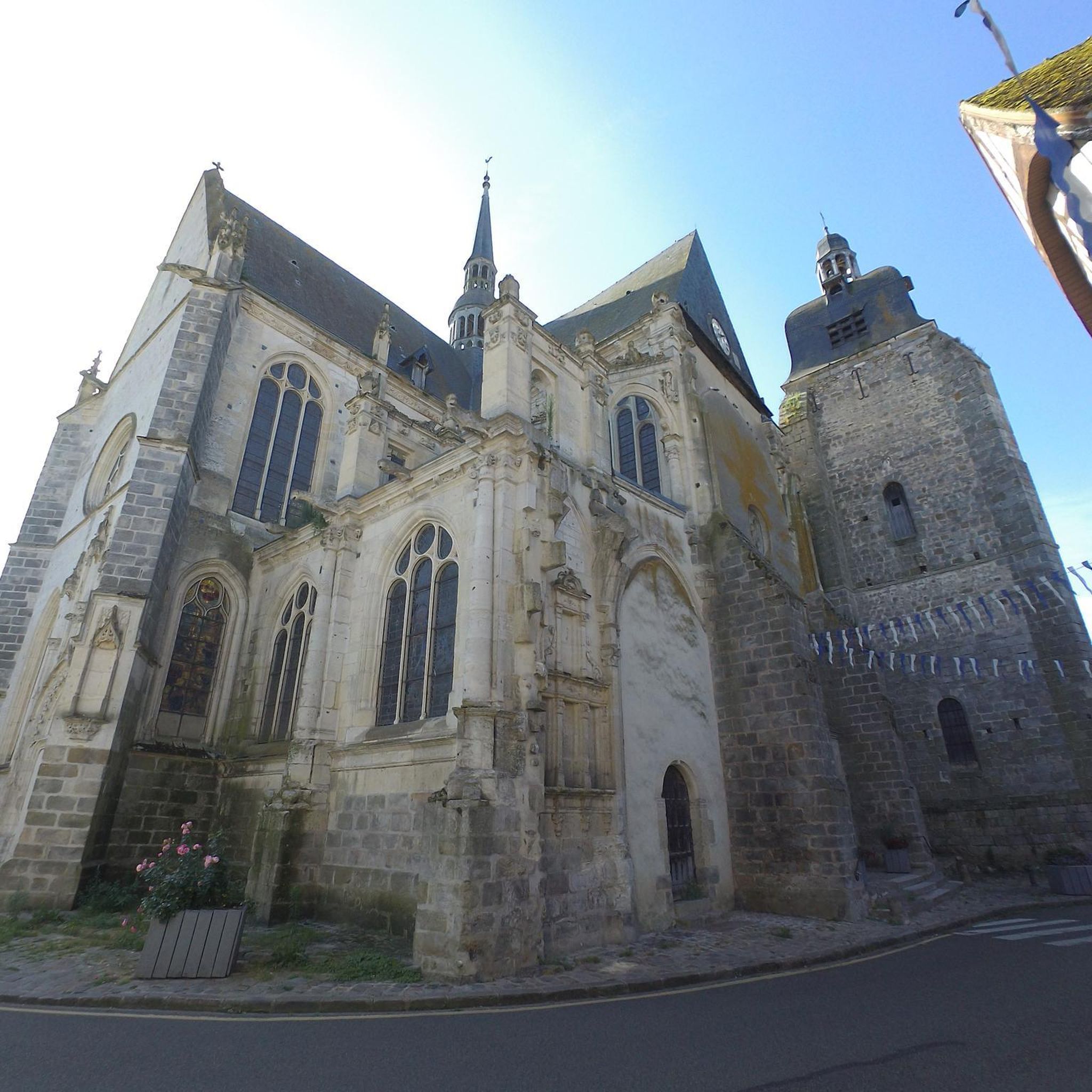
The Saint-Sulpice church in Nogent-Le-Roi is an impressive church built in the 15th century and which was part of the defensive wall which protected the entrance to the town. You can admire its beautiful stained glass windows and its wrought iron choir inside, as well as its original tower outside. The church is located in the heart of Nogent-Le-Roi, a charming town with old half-timbered houses and a castle.
2
0
The Moulin de Saint-Piat is a water mill located on the Eure and dating from the 11th century where it was once used for the production of flour and the extraction of oil. You can admire the architecture of the mill, which was extended in 1865, and enjoy the view of the river and the nearby church. The mill is also a good place for birdwatching, as you may be able to see herons, kingfishers and ducks along the water.
4
0
The Church of Saint-Sulpice in Nogent-Le-Roi is an impressive church built in the 15th century and which formed part of the defensive wall that protected the entrance to the town. You can admire its beautiful stained glass windows and its wrought iron choir screen inside, as well as its original tower outside. The church is located in the heart of Nogent-Le-Roi, a charming town with old half-timbered houses and a castle.
2
0

Pretty mill to contemplate for a refreshing break along the Eure. Its construction is estimated at the 11th century, but its existence is attested only at the end of the 15th century.
1
0
Frequently Asked Questions
What historical landmarks can I explore in Nogent-Le-Roi?
Nogent-Le-Roi is rich in history. You can visit the impressive 15th-century Saint-Sulpice Church, known for its stained-glass windows and original tower. Other significant historical sites include the Château de Mormoulins, an 18th and 19th-century watermill and a listed historical monument, and the Saint-Piat Mill, dating back to the 11th century.
Are there any notable churches or religious sites in the area?
Yes, the Saint-Sulpice Church in Nogent-Le-Roi is a prominent 15th-century edifice, recognized for its beautiful stained-glass windows and wrought-iron choir screen. It once formed part of the town's defensive walls. Additionally, the beautiful church of Prouais, with foundations dating back to the 12th century, is also nearby.
Can I see traditional architecture in Nogent-Le-Roi?
Absolutely. The town center of Nogent-Le-Roi preserves much of its past with charming half-timbered houses from the 15th and 16th centuries. Some of these are even classified as Historic Monuments, offering a glimpse into the region's architectural heritage.
What natural attractions are there around Nogent-Le-Roi?
The area offers several natural highlights. The Château Park (Parc du Château) provides extensive green spaces, hiking trails, and a 19th-century wind turbine. The town is also nestled by the Roulebois River, which flows into the Eure River, offering picturesque views and opportunities for birdwatching along its banks.
Are there opportunities for outdoor activities like hiking or cycling near these attractions?
Yes, Nogent-Le-Roi is a great base for outdoor activities. You can find various hiking trails, including easy loops around the castle and the Saint-Sulpice Church, or moderate routes like the Mormoulins Mill loop. For cycling, there are numerous road cycling routes and MTB trails available. You can explore more options on the Hiking around Nogent-Le-Roi, MTB Trails around Nogent-Le-Roi, and Road Cycling Routes around Nogent-Le-Roi guide pages.
Where can I enjoy scenic views or nature walks?
For scenic views and nature walks, the Château Park offers extensive green spaces and trails. The banks of the Roulebois and Eure Rivers, particularly around the historic mills like Saint-Piat Mill and Château de Mormoulins, are ideal for peaceful strolls and birdwatching, where you might spot herons, kingfishers, and ducks.
Are there family-friendly attractions in Nogent-Le-Roi?
Yes, Nogent-Le-Roi offers several family-friendly attractions. The Château Park features a deer park with approximately sixty free-roaming fallow deer, a children's play area, and a small farm with animals. There's also Lutinopark Aventure, a treetop adventure park located within the castle grounds. Historical sites like the Pont Rouge on the Louis XIV Canal and the Saint-Piat Mill are also suitable for families.
What is special about the mills along the Eure River?
The Eure River is home to two notable historical watermills: the Saint-Piat Mill, dating back to the 11th century and extended in 1865, and the Château de Mormoulins, an 18th and 19th-century mill and a listed historical monument. These mills offer picturesque views, showcasing old stone buildings, wooden wheels, and canals, creating a peaceful atmosphere perfect for contemplation and birdwatching.
What is the significance of the Pont Rouge on the Louis XIV Canal?
The Pont Rouge on the Louis XIV Canal is a historically significant bridge. It was originally built in the late 17th century as part of Louis XIV's ambitious project to construct the Maintenon aqueduct, intended to transport water from the Eure to the Palace of Versailles. This medieval bridge spanning the Eure was historically the main entry point into Maintenon.
What is the best time to visit Nogent-Le-Roi for outdoor attractions?
The best time to visit Nogent-Le-Roi for outdoor attractions is generally during the spring, summer, and early autumn months. The weather is typically pleasant for hiking, cycling, and exploring the Château Park and riverbanks. These seasons offer lush greenery and comfortable temperatures for enjoying the natural beauty and historical sites.
Are there any animal-related attractions in Nogent-Le-Roi?
Yes, the Château Park (Parc du Château) is home to a deer park where you can observe approximately sixty free-roaming fallow deer. There is also a small farm with animals within the park, making it an engaging spot for animal lovers and families.
Where can I find green spaces for relaxation or recreation?
The primary green space for relaxation and recreation is the extensive Château Park (Parc du Château). It offers vast lawns, walking paths, and shaded areas perfect for unwinding. The park also features children's play areas and cycling paths, catering to various recreational needs.
Most popular routes around Nogent-Le-Roi
Most popular attractions around Nogent-Le-Roi

Get inspired with the komoot mobile app


Explore more
Still not found the Highlight you’re looking for? See guides of the top attractions in other regions:
