The best road cycling routes around Neffiès
4.5
(101)
1,948
riders
18
rides
Road cycling routes around Neffiès are situated in a region characterized by a blend of countryside, mountains, and proximity to the Mediterranean Sea. The area offers diverse landscapes, from rolling hills to more significant climbs, providing varied scenery for road cyclists. Terrain includes well-maintained stretches outside towns, though some village roads may have uneven surfaces. The region's geography allows for routes with minimal elevation gain as well as challenging excursions with substantial ascents.
Best road cycling routes around Neffiès
- The…
Last updated: November 9, 2026
4.0
(1)
43
riders
63.2km
03:06
900m
900m
Moderate road ride. Good fitness required. Mostly well-paved surfaces and easy to ride.
5.0
(2)
37
riders
75.9km
03:24
810m
810m
Moderate road ride. Good fitness required. Mostly well-paved surfaces and easy to ride.

5.0
(1)
22
riders
44.0km
02:08
670m
670m
Moderate road ride. Good fitness required. Mostly well-paved surfaces and easy to ride.
5.0
(2)
20
riders
116km
05:27
1,470m
1,480m
Hard road ride. Very good fitness required. Mostly well-paved surfaces and easy to ride.
3.0
(1)
12
riders
88.7km
04:14
1,160m
1,160m
Hard road ride. Very good fitness required. Mostly well-paved surfaces and easy to ride.
Get access to more routes and recommendations from other explorers.
Already have an account?
Our route recommendations are based on thousands of hikes, rides, and runs completed by other people on komoot.
Start today with a free account
Your next adventure awaits.
Tips from the Community

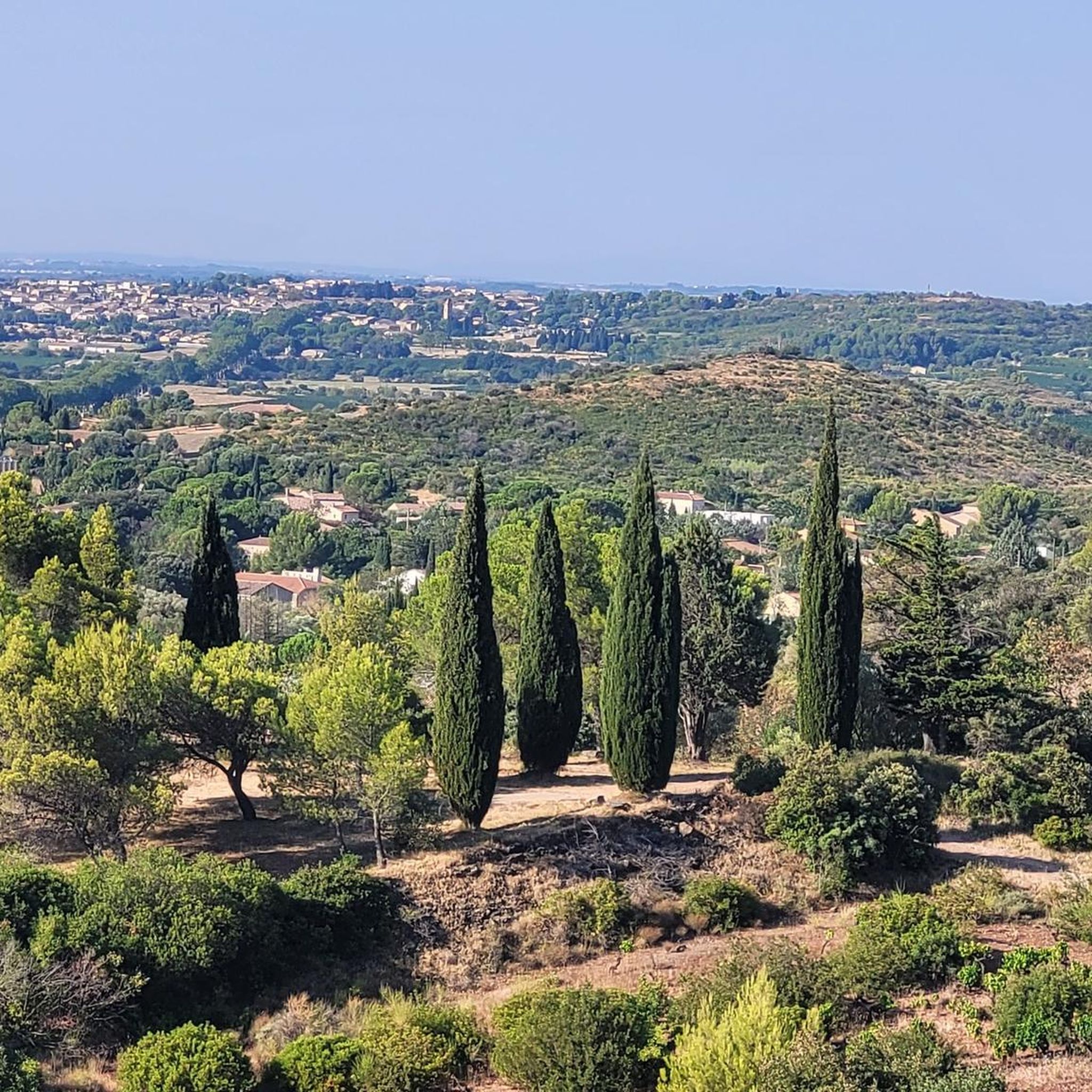
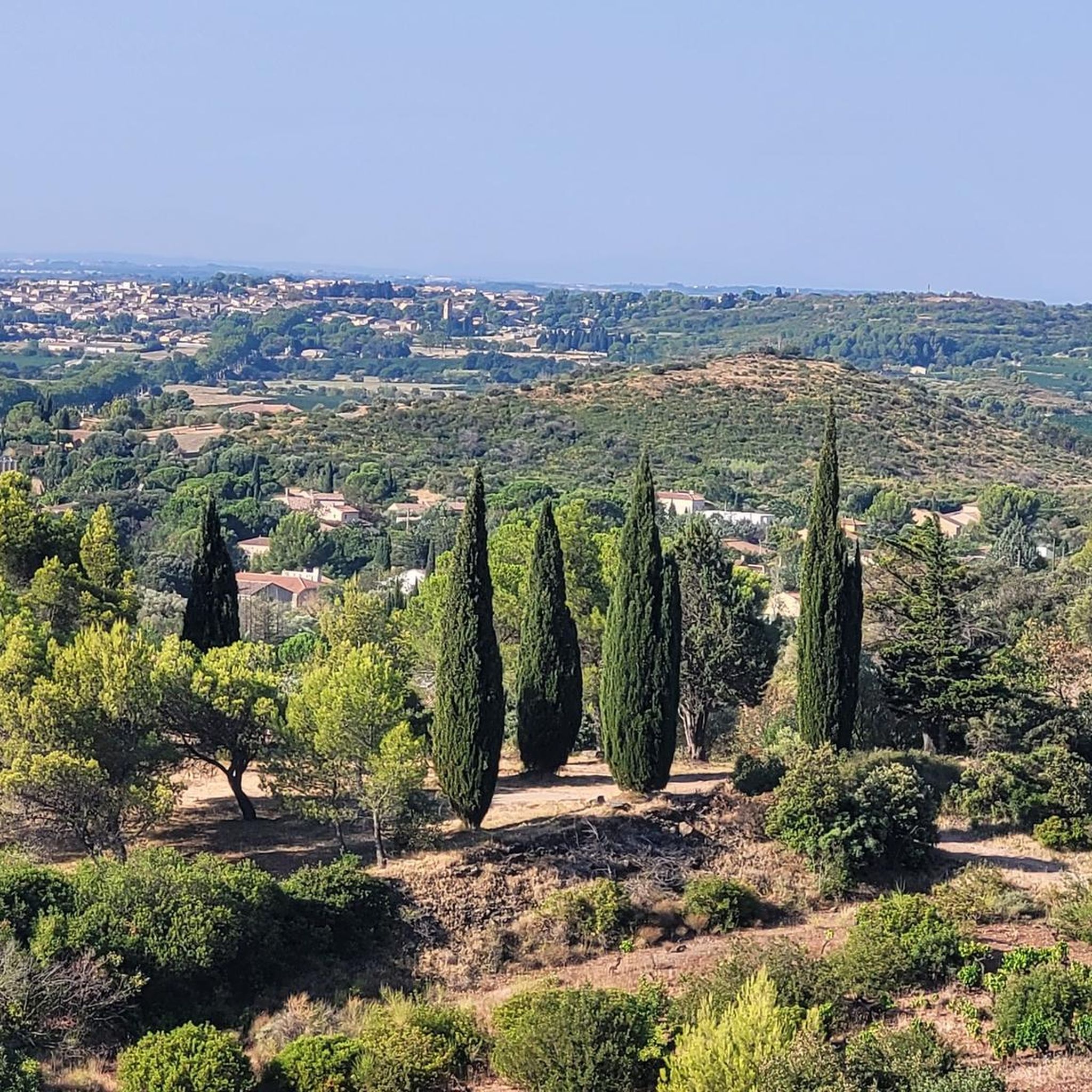
From the heights of Puech Haut, the panorama unfolds over two slopes. To the north, a perspective on the characteristic reliefs of Cabrières: in the center stands the Pic de Vissou (480 m), with the Liausson mountain (535 m) in the background; to the right stretches the Soureillé d'Izarne ridge. To the south, the view opens wide onto the vineyard plain that extends beyond Neffiès.
3
0
The castle overlooks Pézènes-les-Mines from the upper part of the village. This castle is private, but its facades, roofs, and enclosure have been protected as historical monuments since 1981. Its history is ancient, but the ensemble we see today is the result of several construction and transformation campaigns. The Romanesque chapel, integrated into the castle, dates back to the 12th century. Its apse was later raised in the 14th century to take on a defensive function. The castle itself underwent significant alterations in the 14th, 16th, and 17th centuries. Two gates were notably built into the enclosure in the 17th century. The defensive elements are still very legible: two gates with arrow slits controlled access to the courtyard and were once protected by a drawbridge. Two towers flank the ensemble, while the enclosure follows the natural irregularities of the terrain. The chapel also retains a rather remarkable detail: its door and some of its bays are decorated with basalt inlays, giving the building a discreet but original polychromy. Pézènes-les-Mines was not always the small village one might imagine today. Pézènes was the capital of a marquisate that grouped the communities of Pézènes, Montesquieu, and Valmascle. The castle was therefore at the heart of a larger seigneurial territory. Little-known information: A plan from 1800 shows that behind the castle stretched a long terrace of about 270 meters, arranged as a garden, promenade, and belvedere overlooking the Peyne valley.
3
0
Located at the entrance to the village, it occupies a site steeped in memory: the current building, dating from the 16th century, was built on the traces of a Romanesque chapel mentioned as early as 966. It thus bears witness to the continuity of a place of life and gathering that has spanned the centuries. Caussiniojouls developed around its ancient castrum, a fortified nucleus organized around the castle and the church. Here, the religious and the seigneurial once formed the heart of the medieval village: two essential landmarks that structured daily life and the organization of the territory. The Saint-Étienne church also bears the marks of time: its bell tower, destroyed by lightning in 1920, was rebuilt and then restored with local materials, recalling the village's attachment to its heritage.
2
0
The Saint-Laurent church stands on the site of an old Romanesque building, replaced from the end of the 13th century by this remarkable Gothic church. Its sober architecture is enhanced by particularly refined sculpted decoration, representative of Languedoc Gothic art. Surprisingly, despite its importance, it was built outside the medieval walls of Roujan, whereas most parish churches occupied the heart of fortified villages.
3
0
The gaze is naturally drawn to this small rock that masks Valuzières. This formation testifies to an ancient geological history: the limestones formed in a Paleozoic sea before being deformed by tectonic movements and then gradually sculpted by erosion. This relief, more resistant than the neighboring terrains, has remained in outcrop.
2
0

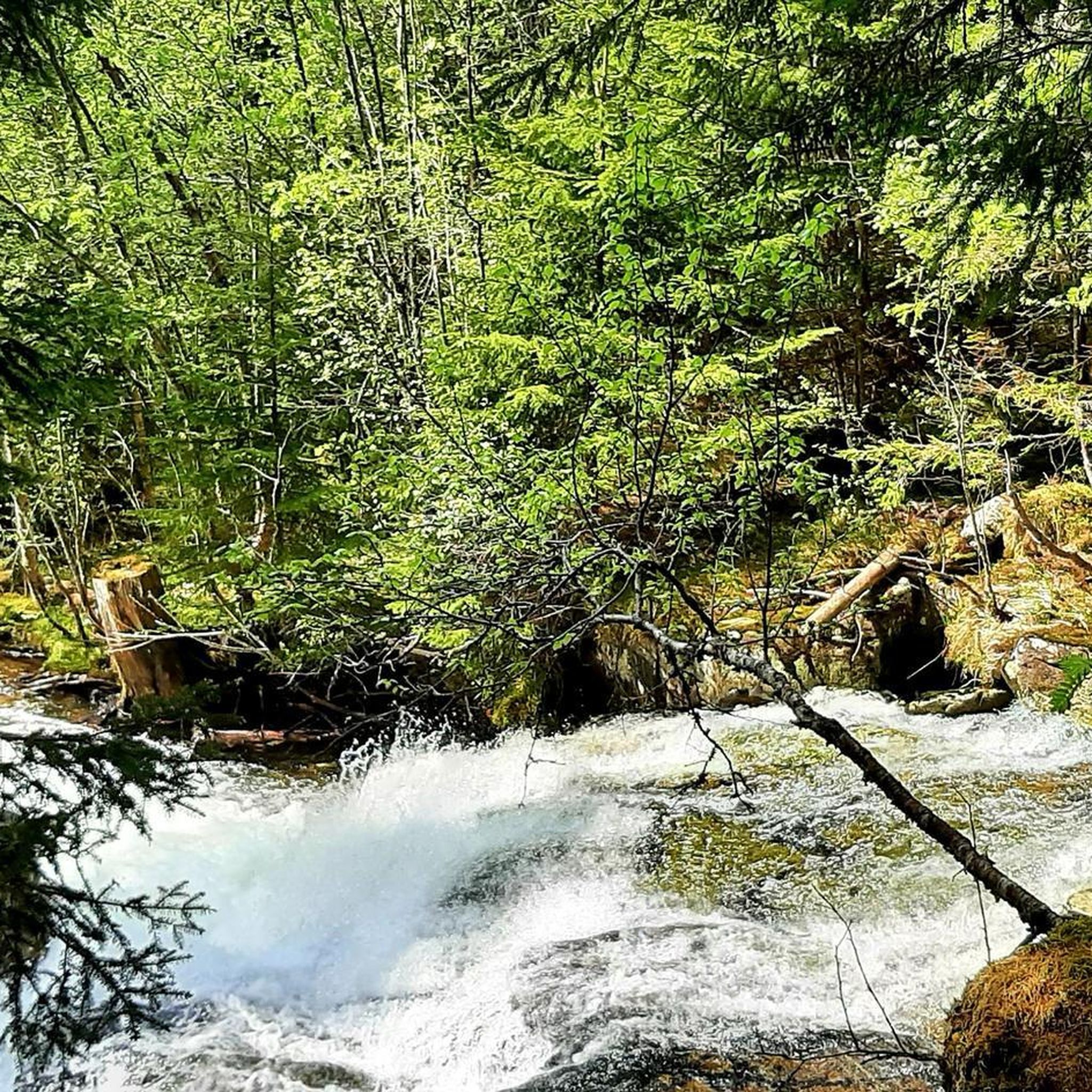
One of the most beautiful lakes in France, clearly!!
0
0
One of the most beautiful lakes in France, clearly!!
0
0
Frequently Asked Questions
How many road cycling routes are available around Neffiès?
There are over 15 road cycling routes around Neffiès, offering a variety of experiences from easy rides to challenging excursions. The komoot community has explored these routes over 620 times.
What kind of terrain can I expect on road cycling routes near Neffiès?
The terrain around Neffiès is diverse, blending countryside, mountains, and proximity to the Mediterranean Sea. You'll find rolling hills and significant climbs. While stretches outside towns are generally well-maintained, some village roads might have uneven surfaces.
Are there any easy road cycling routes suitable for beginners or families?
Yes, Neffiès offers 3 easy road cycling routes, perfect for beginners or those looking for a more relaxed ride. These routes typically involve minimal elevation gain and can be completed in up to two hours.
What are some challenging road cycling routes for experienced cyclists?
For experienced cyclists, there are 3 difficult routes with substantial ascents and longer distances. Consider the Lake Salagou – Lake Salagou loop from Neffiès, which covers over 88 km with more than 1100 meters of elevation gain, or the Medieval Old Town of Pézenas – Gignac Suspension Bridge loop from Neffiès, a 93 km route with over 1000 meters of climbing.
Are there any circular road cycling routes around Neffiès?
Many of the road cycling routes around Neffiès are designed as loops, allowing you to start and finish in the same location. Popular circular routes include the Picturesque town – Col de la Lie loop from Neffiès and the Faugères – Picturesque town loop from Neffiès.
What scenic viewpoints or natural features can I see along the road cycling routes?
Road cycling routes around Neffiès offer stunning views. You can pass by the dramatic rock formations of the Cirque of Mourèze, enjoy panoramic vistas from the Cirque de Mourèze Viewpoint, or cycle near the unique red landscapes of Lac du Salagou. The Sea view – Nice view of the West loop from Neffiès also offers coastal views.
Are there any historical towns or landmarks to explore on a road cycling trip?
Absolutely. Many routes can incorporate visits to charming towns. The medieval town of Pézenas, with its rich heritage, is a popular destination, and you can explore its Historic Centre. The village of Neffiès itself also offers an authentic Southern French ambiance with its narrow stone streets and a Gothic church.
What do other road cyclists enjoy most about cycling in Neffiès?
The road cycling routes in Neffiès are highly rated by the komoot community, with an average score of 4.0 stars from over 20 reviews. Cyclists often praise the diverse landscapes, from vineyards to rolling hills, and the varied elevation changes that cater to different ability levels.
Are there routes that pass by lakes or dams?
Yes, several routes offer views of local water bodies. The Lake Salagou – Lake Salagou loop from Neffiès takes you around the magnificent Lac du Salagou. You can also find routes that pass by the Olivettes Dam and Lac de Vailhan.
What is the best time of year for road cycling around Neffiès?
Neffiès, situated between the mountains and the Mediterranean, generally offers pleasant conditions for road cycling for much of the year. Spring and autumn typically provide mild temperatures and beautiful scenery, making them ideal for exploring the region's diverse landscapes.
Are there any routes that offer sea views?
Yes, the region's proximity to the Mediterranean Sea means some routes offer glimpses of the coast. The Sea view – Nice view of the West loop from Neffiès is specifically designed to provide coastal vistas and rolling countryside views.
Most popular attractions around Neffiès

Get inspired with the komoot mobile app


Explore more
Browse the best Road cycling routes in other regions.
