Attractions and Places To See around Nizas - Top 20
Attractions and places to see around Nizas include a peaceful village in the Languedoc region of France, offering a blend of history, culture, and natural beauty. Surrounded by garrigue, oak woods, and vineyards, the area provides a glimpse into southern French life. The landscape is characterized by its basaltic causse, ancient lava flows, and evidence of agropastoral activity. Nizas has been inhabited since prehistoric times, with archaeological findings from various periods.
Best attractions and places to see around Nizas
- The…
Last updated: October 9, 2026
The Fairy Stretcher
Highlight • Natural Monument
Human imagination has given rise to a legend: fairies used to …
Translated by Google •
Tip by

Ruins of the Saint-Antoine Hermitage
Highlight • Historical Site
Translated by Google •
Tip by

Sign up now to discover places like this
Get recommendations on the best single tracks, peaks, & plenty of other exciting outdoor places.
Pézenas
Highlight • Settlement
Showing Translation
Tip by
Vissou Peak
Highlight • Summit
Translated by Google •
Tip by

Pézenas Historic Centre
Highlight • Historical Site
A lot has been reset, some still have to be done.
Translated by Google •
Tip by

Sign up for free to discover even more attractions around Nizas.
Already have an account?
Start today with a free account
Your next adventure awaits.

Other adventures around Nizas

Tips from the Community

Pézenas is not just about Molière, even though the playwright stayed there several times between 1650 and 1656 under the protection of the prince de Conti. The city was for a long time one of the most influential in Languedoc: the States of Languedoc met there regularly, and Louis XIII, Richelieu, or the prince de Conti stayed there. While strolling through the narrow streets, keep your eyes open: many doors still retain their original knockers and ironwork, testaments to the skill of Pézenas artisans. A tradition that is perpetuated today by the Musée de la Porte et de la Ferronnerie, unique in France. Finally, one last curiosity: the famous Maison de Molière should not be misleading. Despite its name, there is nothing to confirm that the playwright lived there. Local tradition rather holds that he liked to settle in the barber Gély's shop, where he observed the inhabitants and their foibles, a source of inspiration that is said to have fueled several of his future characters.
2
0
Le Pic de Vissou is a summit that is as much contemplated as it is read. Behind its characteristic silhouette lies one of the most remarkable geological sites in the Hérault: nearly 400 million years of Earth's history are visible in the rocks. Geologists have long come here to study exceptional formations and marine fossils over 500 million years old, while the first Neolithic communities were already exploiting copper there. Once at the summit, the reward is commensurate with the detour: a 360° panorama over the Cabrières mountains, the Languedoc plain, the Mediterranean, the Pyrenees and, on very clear days, as far as Mont Ventoux.
2
0
Perched on a promontory overlooking the Hérault valley, the Saint-Antoine hermitage seems out of time. Mentioned as early as the 17th century, this secluded place once welcomed hermits seeking isolation and spiritual life in the heart of the garrigue. Today in ruins, the chapel and its remains still tell of this austere life focused on contemplation and the surrounding landscapes.
1
0
A remarkable geological site, worthy of the fairy legend! The rock that constitutes it is a sandstone (detrital rock) with a carbonate cement and not a limestone. Differential erosion has shaped this landscape into natural basins.
3
0

The hermitage of Saint-Antoine, located in the commune of Castelnau-de-Guers, was built on a promontory overlooking the Hérault alluvial plain. The riverbed is 500 m to the west. Access to the site is facilitated by the presence of two paths that meet at its summit.
0
0
The dinosaur egg-laying sites, the red lands, the white rocks, and the Fairy's Waslijn are among the most remarkable geological sites in the municipality. The Fairy's Waslijn is worth the detour as it is an original formation of limestone rocks, deposited at the beginning of the Tertiary era, during the foldings of the Pyrenean-Provençal chain, on a continental plain episodically crossed by rivers.
0
0

Nice little town that really has its charm, I passed through quickly but it would be worth lingering!
1
0

A beautiful geological curiosity, this is the place where there are the most, but we can see others in the surroundings a little more hidden (or not).
0
0
Frequently Asked Questions
What natural features can I explore around Nizas?
Nizas is surrounded by a rich natural landscape. You can explore the Nizas Basaltic Causse, a limestone plateau formed by ancient lava flows, offering panoramic views and diverse flora and fauna. The area also features characteristic Mediterranean garrigue, oak woods, and vineyards. Don't miss The Fairy Stretcher, a unique limestone formation dating back approximately 50 million years, known for its geological features and panoramic views.
Are there historical landmarks to visit in Nizas?
Yes, Nizas is rich in history. You can visit the 12th-century Castrum Tower, the 16th-century Château de Nizas, and the 17th-century Church of Sainte-Félicité Sainte-Perpétue. The village also features 19th-century wine-growers' houses and winemaking cellars. Nearby, explore the Ruins of the Saint-Antoine Hermitage, a historical site with religious significance, or the medieval charm of Saint-Pons-de-Mauchiens.
What kind of outdoor activities can I do near Nizas?
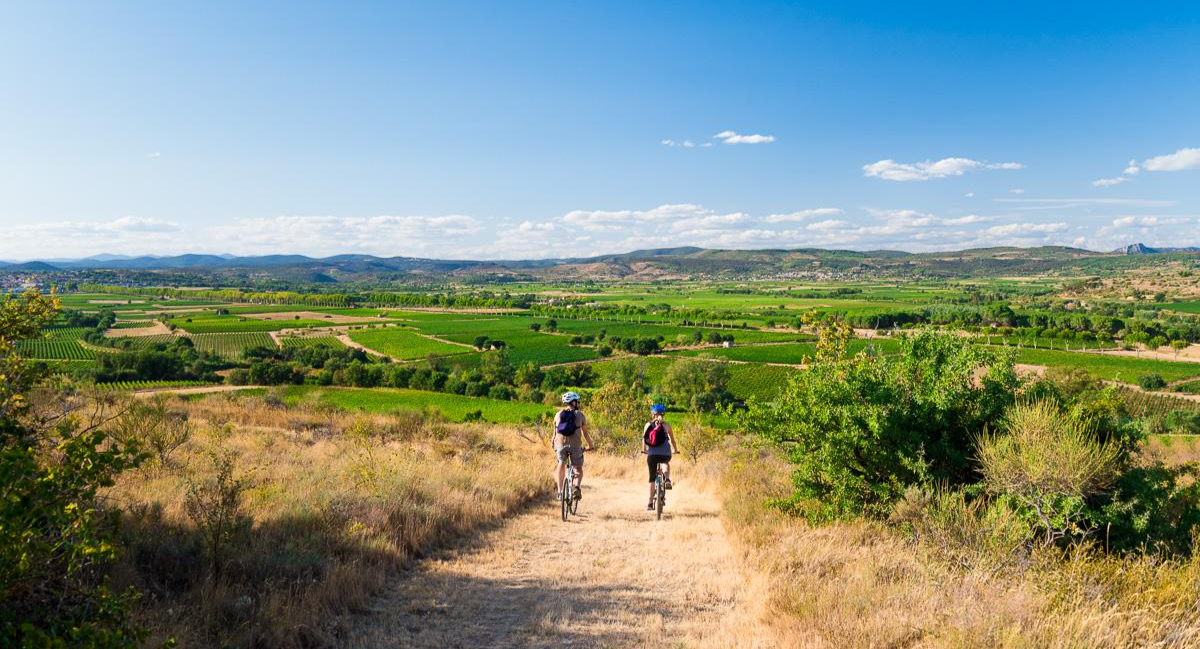
The region around Nizas offers various outdoor activities. You can find numerous hiking trails, including easy loops around Fontès or more moderate options near Caux. For mountain biking enthusiasts, there are routes like the 'La Font du Loup – The Fairy Stretcher loop' or the 'Caux loop from Nizas'. Running trails are also available, such as 'Le Céressou loop from Fontès'. For more details on routes, check out the Hiking around Nizas, MTB Trails around Nizas, and Running Trails around Nizas guides.
Are there family-friendly attractions or activities in the area?
Yes, Nizas and its surroundings offer family-friendly options. Exploring the historic village center with its basalt architecture and the charming Place du Griffe with its Dolphin Fountain can be enjoyable for all ages. The Nizas Basaltic Causse provides easy walking paths suitable for families, where children can discover diverse flora and fauna. The Ruins of the Saint-Antoine Hermitage are also categorized as family-friendly.
What is the best time to visit Nizas for outdoor activities?
The Languedoc region generally enjoys a Mediterranean climate. Spring and autumn are often ideal for outdoor activities like hiking and cycling, as the weather is milder and the landscapes are vibrant. Summers can be hot, but early mornings or late afternoons are still pleasant for exploration. The Nizas Basaltic Causse is particularly pleasant for walking amidst the scents of thyme and cistus during these seasons.
Can I find places with good views around Nizas?
Absolutely. The Nizas Basaltic Causse, rising to 94 meters above sea level, offers panoramic views of the village and the surrounding garrigue, oak woods, and vineyards. The Fairy Stretcher also provides a magnificent 180° panorama. Additionally, the Ruins of the Saint-Antoine Hermitage and the medieval village of Saint-Pons-de-Mauchiens are noted viewpoints, offering spectacular vistas of the garrigues, vineyards, and even the Pyrenees on clear days.
What is the significance of wine culture in Nizas?
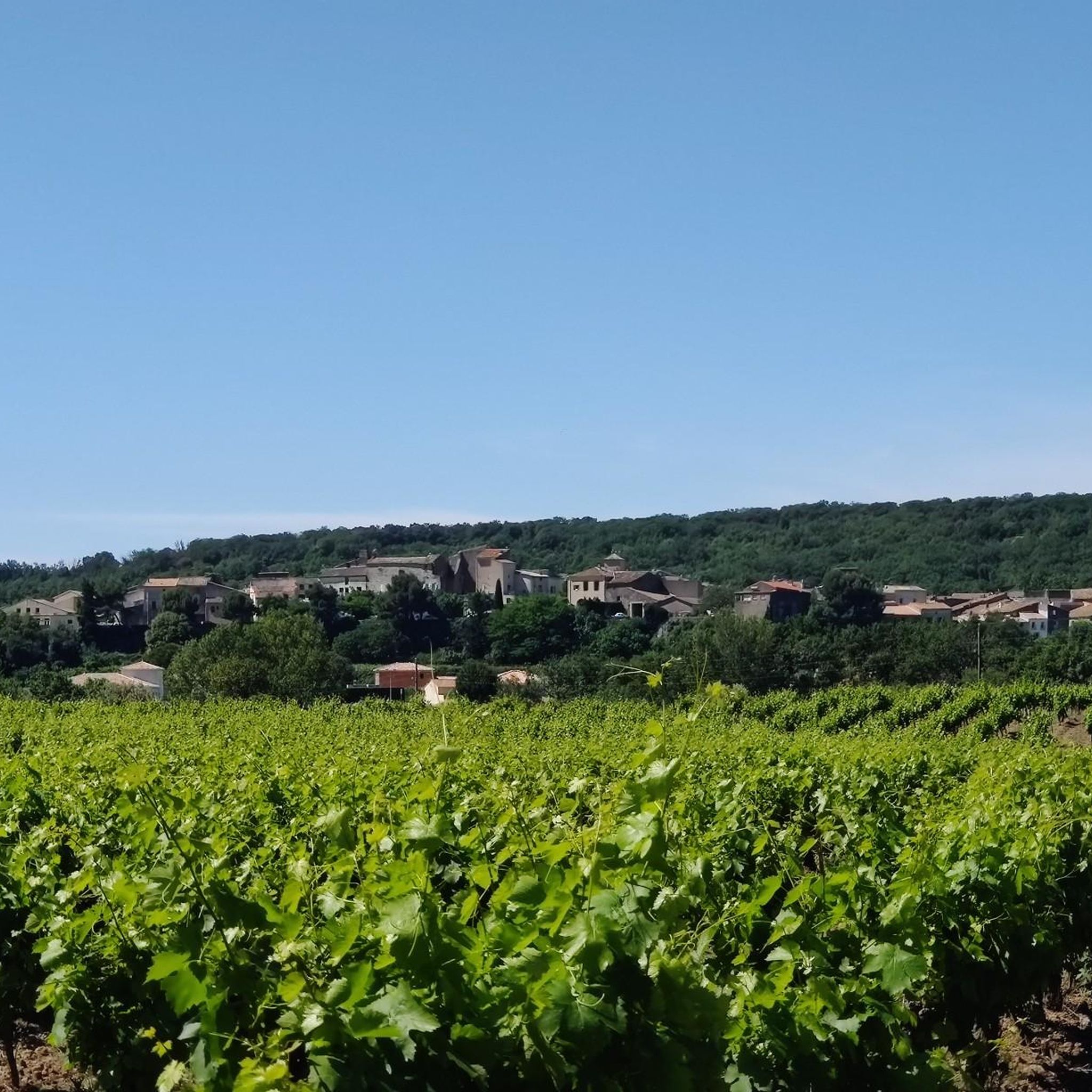
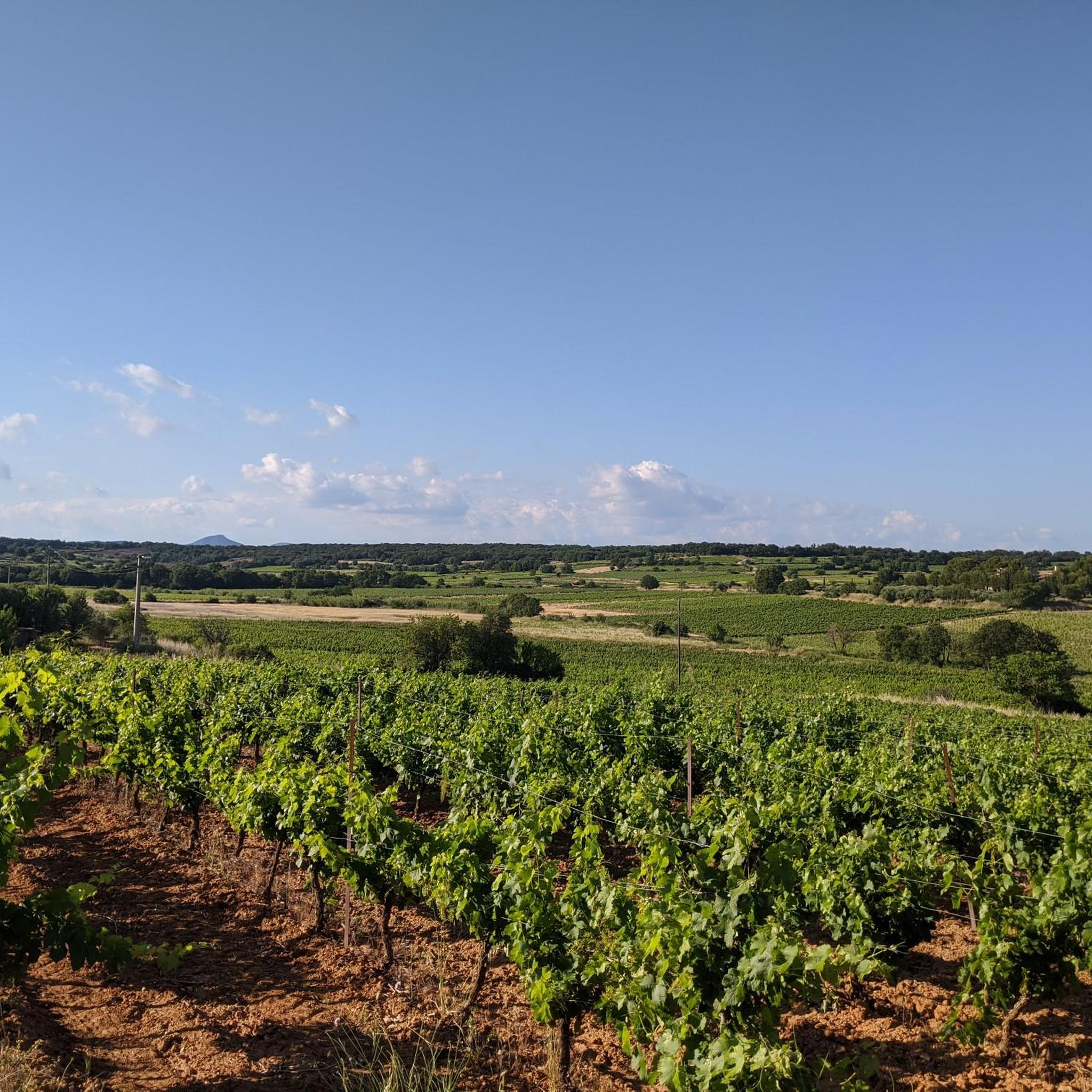
Wine production is a deeply ingrained aspect of Nizas' heritage and the broader Languedoc region. As you wander through the village, you'll notice numerous basalt-built wine-growers' houses and vast winemaking cellars, reflecting centuries of viticulture. The surrounding landscape is dominated by vineyards, and the area is a major global wine producer. Visitors can explore these vineyards and experience the local wine culture firsthand.
Are there any unique archaeological sites or findings in Nizas?
Nizas has a rich archaeological history, with evidence of habitation since prehistoric times. Findings include artifacts from the prehistoric, Greek, and Roman periods, with foundations dating back to 100 AD. The Nizas Basaltic Causse is dotted with stone shelters (capitelles), lime kilns, and dry stone walls, testaments to past agricultural and pastoral practices. Fossil beds, including large oyster shells and even a recently discovered nest of dinosaur eggs nearby, highlight the area's ancient past.
What is the <a href="https://www.komoot.com/highlight/2953028" target="_blank" rel="noopener">Pézenas Historic Centre</a> like?
Pézenas Historic Centre is a picturesque old town where you can immerse yourself in a historic atmosphere. It features many beautiful medieval houses with open courtyards and old vaults. Visitors often describe it as a special experience, allowing a glimpse into the city's past, reminiscent of the time of Louis XIV and Molière. The rather simple cathedral with a barrel vault is also a notable feature.
What is the <a href="https://www.komoot.com/highlight/2940263" target="_blank" rel="noopener">Hôtel du Baron de Lacoste</a>?
The Hôtel du Baron de Lacoste is a very beautiful medieval building, considered by many to be one of the most stunning in the city. It is characterized by its beautiful pointed arch vaults, especially noticeable in the staircases, and features an open staircase and atrium. It's a prime example of the region's historical architecture.
Are there any traditional festivals or events in Nizas?
Nizas celebrates its past with various traditional festivals. These often include celebrations for its patron saint and new wine celebrations, providing excellent opportunities to experience local customs, cuisine, and the vibrant community spirit. These events offer a deeper insight into the village's cultural heritage.
Are there dog-friendly walks around Nizas?
Many of the natural areas around Nizas, such as the Nizas Basaltic Causse and the surrounding garrigue and vineyards, are suitable for dog walking. The Ruins of the Saint-Antoine Hermitage are also listed as dog-friendly. Always ensure your dog is under control and respect local regulations regarding leashes and waste disposal.
Most popular attractions around Nizas

Get inspired with the komoot mobile app


Explore more
Still not found the Highlight you’re looking for? See guides of the top attractions in other regions:
