Attractions and Places To See around Vic-La-Gardiole - Top 20
Best attractions and places to see around Vic-La-Gardiole include a blend of historical sites and natural landscapes. This medieval village, located between Montpellier and Frontignan, features a preserved old pedestrianized center. The surrounding area offers diverse natural features, including the Massif de la Gardiole, various lagoons like the Étang de Vic, and the Bois des Aresquiers. These sites provide opportunities to explore the region's heritage and natural beauty.
Best attractions and places to see around Vic-La-Gardiole
- The most popular attractions…
Last updated: October 9, 2026
Royal Canal of Sète
Highlight • River
Translated by Google •
Tip by

Between the Étang du Méjean and the Étang de l'Arnel
Highlight • Cycleway
Translated by Google •
Tip by

Sign up now to discover places like this
Get recommendations on the best single tracks, peaks, & plenty of other exciting outdoor places.
Rhone Kanal
Highlight • Cycleway
Translated by Google •
Tip by

Chemin du Pilou - between the Vic and Arnel ponds
Highlight (Segment) • Other
Showing Translation
Tip by

Porte de Maguelone
Highlight • Monument
Translated by Google •
Tip by

Sign up for free to discover even more attractions around Vic-La-Gardiole.
Already have an account?
Start today with a free account
Your next adventure awaits.
Other adventures around Vic-La-Gardiole

Tips from the Community

This monumental gate marks the entrance to the Maguelone estate, between the Rhône à Sète canal and the coastal ponds. Officially named "Portail de Maguelone", this monument is also commonly called "La Porte de Maguelone". Despite its appearance as an ancient gate, it is a 20th-century construction, erected following the conflict that opposed at the beginning of the century the owner of the estate, Frédéric Fabrège, to the municipality of Villeneuve-lès-Maguelone concerning a path giving access to the beach and the existence of a servitude right.
2
0
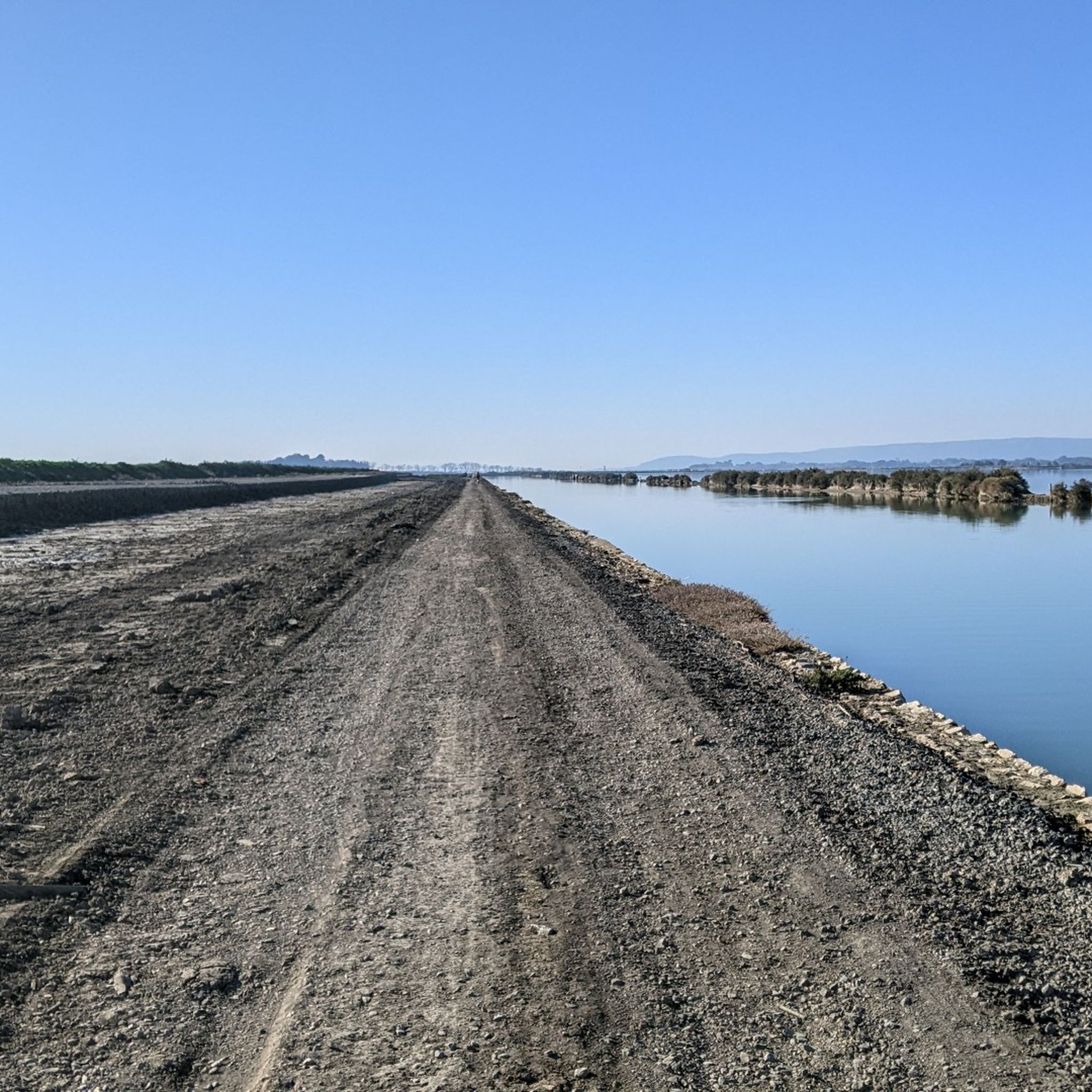
From Frontignan to Palavas-les-Flots, the route follows the Canal du Rhône à Sète through one of the large lagoon complexes on the Languedoc coast. After the Étang d'Ingril and the Aresquiers, the canal successively crosses or runs alongside the Étangs de Vic and de Pierre-Blanche, then passes between those of l'Arnel and du Prévost before reaching Palavas. The canal itself is a major historical element of this landscape. Its construction began in 1701 under the name Canal des Étangs, in order to ensure continuity between the Royal Canal of Languedoc – today the Canal du Midi – and the Rhône. The route, completed in 1829, passes through Frontignan, Maguelone and Palavas before joining Aigues-Mortes and then Beaucaire. In Frontignan, its opening in the 18th century profoundly modified the landscape: the canal notably separated the former Étang de Frontignan into two complexes, giving rise to the Étang d'Ingril and that of La Peyrade.
2
0
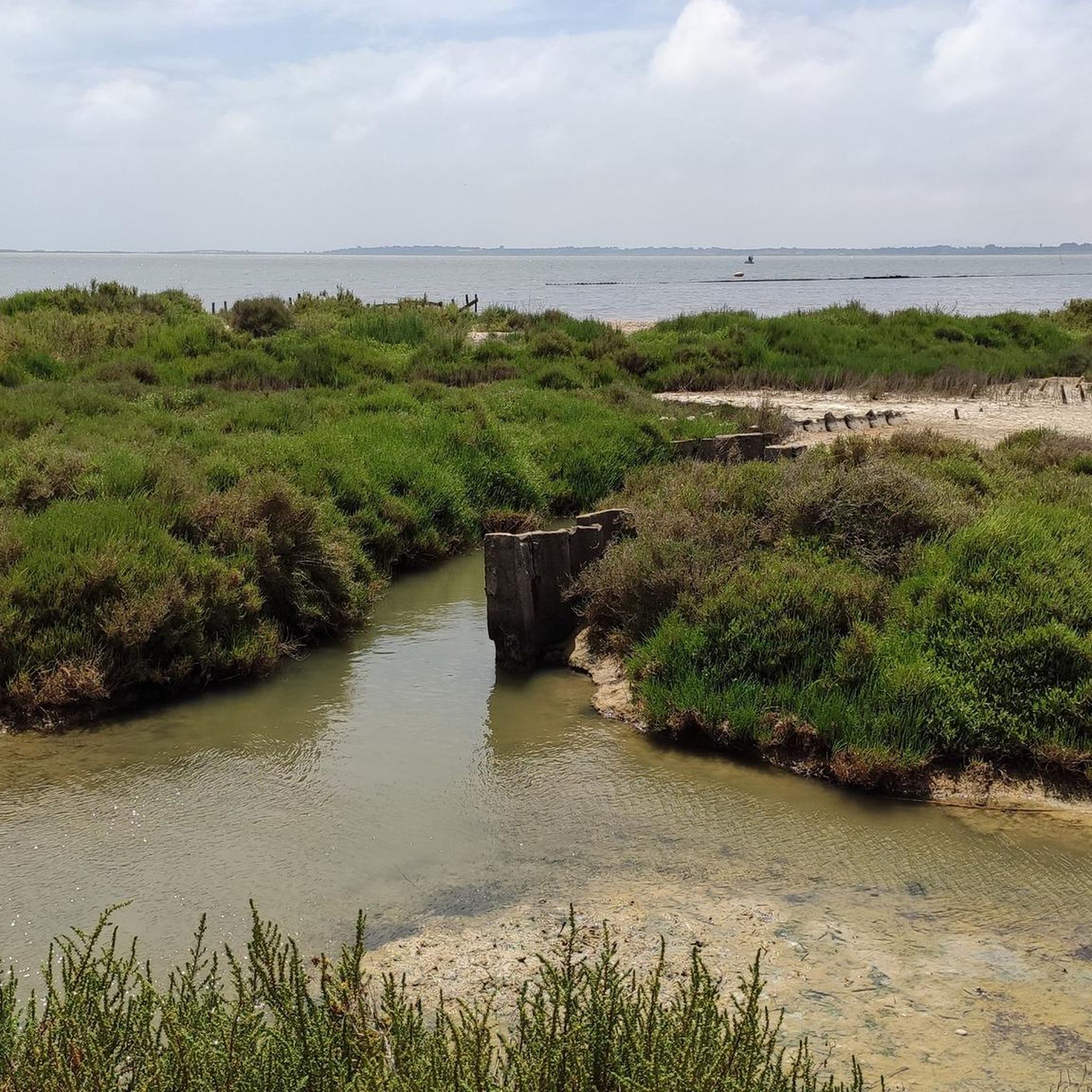
From the locality of Le Pilou to the eponymous footbridge, this path takes us to the heart of the lagoon landscape of the Arnel pond. An area where human developments coexist with the characteristic environments of the Palavasian ponds: lagoon, sansouire (salt-tolerant vegetation) and halophytic vegetation. L’Arnel is today a protected natural area, integrated into the Natura 2000 network and the classified site of the Palavasian ponds. But the lagoon also bears the traces of a long history of exploitation: fishing, old salt pans and hydraulic developments have shaped this amphibious territory for several centuries.
2
0

The Porte de Maguelone is an ochre stone arch located at the entrance to the Villeneuve-lès-Maguelone peninsula. It symbolizes a historical conflict related to private property in the 19th century.
0
0
The étang du Méjean (also called étang de Pérols) is a protected natural site of over 600 hectares located in Lattes, just 8 kilometers south of Montpellier. Managed by the Conservatoire du littoral, this exceptional lagoon space offers a mosaic of preserved landscapes (marshes, reed beds, sansouïres) where you can easily observe pink flamingos, white storks, bulls, and Camargue horses.
0
0
L'étang de l'Arnel is a vast coastal lagoon located in the municipality of Villeneuve-lès-Maguelone, in the Hérault department, less than 20 km south of Montpellier.
0
0

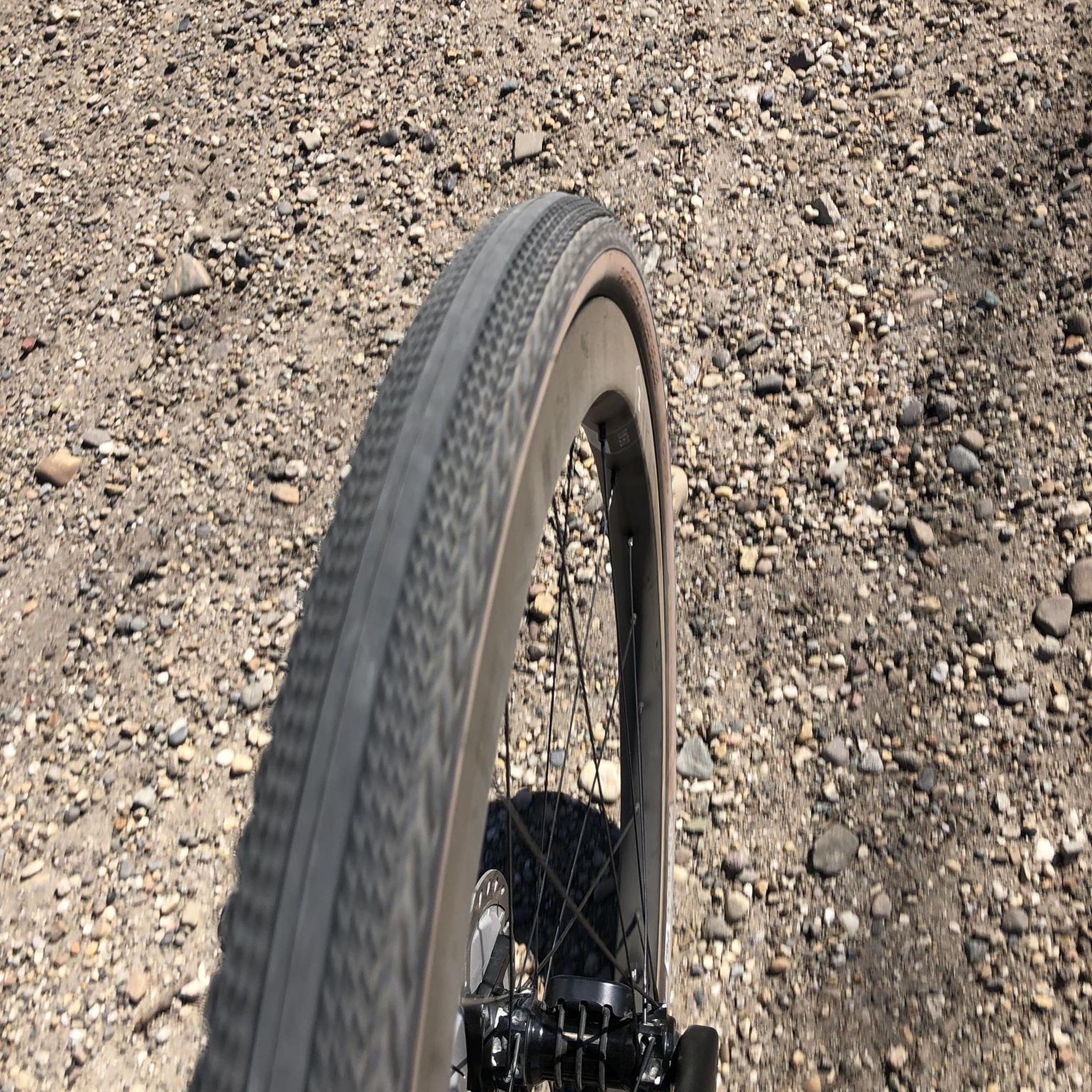
Best practiced in dry weather. Some sections are very, very sticky. It can cause your wheels to lock, so don't be in a hurry!
0
0

Barbara and Birgiton, can we ride an electric gypsy bike and is there a risk of puncture? Can we meet people and boats in case of problems? Thank you for your answers
0
0
Frequently Asked Questions
What historical and cultural sites can I explore in Vic-la-Gardiole?
Vic-la-Gardiole is rich in history. You can visit the fortified Romanesque Abbaye Saint Félix de Montceau, a listed Historic Monument with ruins and a beautiful garden. The village also boasts the 12th-century Church of St. Léocadie, the Castle of Aresquiers, and a well-preserved medieval old village center. Additionally, the area has various prehistoric and ancient remains, including the oppidum of La Roubine and remnants of Gallo-Roman settlements.
Where can I experience the natural beauty of Vic-la-Gardiole?
The region offers diverse natural landscapes. Explore the Étang de Vic and other surrounding lagoons like Étang du Méjean and Étang de l'Arnel, known for their abundant flora and fauna, including pink flamingos. The Massif de la Gardiole provides panoramic views, while the Bois des Aresquiers offers pleasant hiking paths and birdwatching opportunities. Don't miss the wild Plage des Aresquiers for relaxation.
Are there good cycling routes near Vic-la-Gardiole's attractions?
Yes, cycling is a popular way to explore the area. The Canal du Rhône à Sète Between Palavas-les-Flots and Vic-la-Gardiole offers a very enjoyable cycling experience between the canal's water and the Étang de Vic, suitable for trekking bikes. Another scenic option is the cycle path Between the Étang du Méjean and the Étang de l'Arnel, where you might spot flamingos. For more cycling options, check out the Cycling around Vic-La-Gardiole guide.
What kind of hiking trails are available around Vic-la-Gardiole?
You'll find a variety of hiking trails, from easy strolls to more challenging routes. The Massif de la Gardiole offers numerous opportunities with breathtaking panoramic views. The Bois des Aresquiers also features pleasant paths. For detailed routes, including options like the 'Aresquiers Wood – Bois des Aresquiers loop', refer to the Hiking around Vic-La-Gardiole guide.
Can I find family-friendly activities or attractions in the area?
Many of the natural attractions are suitable for families. Cycling along the Canal du Rhône à Sète or spotting flamingos at the Étangs can be enjoyable for all ages. The well-maintained garden and picnic areas at Abbaye Saint Félix de Montceau also make for a pleasant family outing.
What do visitors particularly enjoy about the attractions near Vic-la-Gardiole?
Visitors frequently praise the scenic beauty and tranquility. The cycling experience along the Canal du Rhône à Sète is highly rated for its views between the canal and the Étang de Vic. The Abbaye Saint Félix de Montceau is appreciated for its beautiful ruins and well-kept garden, often described as a very nice site with beautiful stones.
Are there any unique natural features or wildlife to look out for?
Absolutely. The extensive lagoon area, including the Étang de Vic, Étang du Méjean, and Étang de l'Arnel, is a haven for diverse wildlife. Keep an eye out for fascinating pink flamingos and other bird species in these wetlands. The Bois des Aresquiers also hosts a variety of birdlife within its pine woods.
What is the best way to explore the coastal areas and beaches?
The Royal Canal of Sète offers a unique perspective of the Mediterranean and the Étang de Thau, with Sète itself being nicknamed the 'Little Venice of Languedoc'. For a more natural beach experience, visit the wild and unspoilt Plage des Aresquiers, where horseback riding is permitted during the off-season (October 1st to March 31st).
Can I find running trails around Vic-la-Gardiole?
Yes, there are several running trails available. You can find routes like the 'Bois des Aresquiers – Pretty bridge over the marsh loop' or the 'Canal du Rhône à Sète – Vic Pond loop'. For a comprehensive list and details on difficulty, consult the Running Trails around Vic-La-Gardiole guide.
What are some lesser-known or 'hidden gem' attractions in the vicinity?
Beyond the main highlights, exploring the fortified area of Maureilhan can reveal hidden gems like an 18th-century door, sections of Roman walls, and a Renaissance door with painted patterns. The Grande Palude Marshes and Salt Pans also offer unique landscapes and biodiversity for those looking to venture off the beaten path.
What is the significance of the Canal du Rhône à Sète in the region?
The Canal du Rhône à Sète is a significant waterway connecting the Rhône River to Sète and the Étang de Thau. It provides a unique recreational path, particularly for cyclists, offering picturesque views between the canal's water and the Étang de Vic. It's also an important historical and commercial artery, contributing to the region's character.
Are there any archaeological sites to visit in Vic-la-Gardiole?
Yes, the commune has a rich archaeological heritage. You can discover findings from a Neolithic station, an Eneolithic habitat, and the oppidum of La Roubine with its ancient surrounding wall. There are also Roman tombs and remnants of Gallo-Roman settlements, offering glimpses into the region's distant past.
Most popular routes around Vic-La-Gardiole
Most popular attractions around Vic-La-Gardiole

Get inspired with the komoot mobile app


Explore more
Still not found the Highlight you’re looking for? See guides of the top attractions in other regions:
