The best road cycling routes around Taussac-La-Billière
4.5
(162)
2,949
riders
107
rides
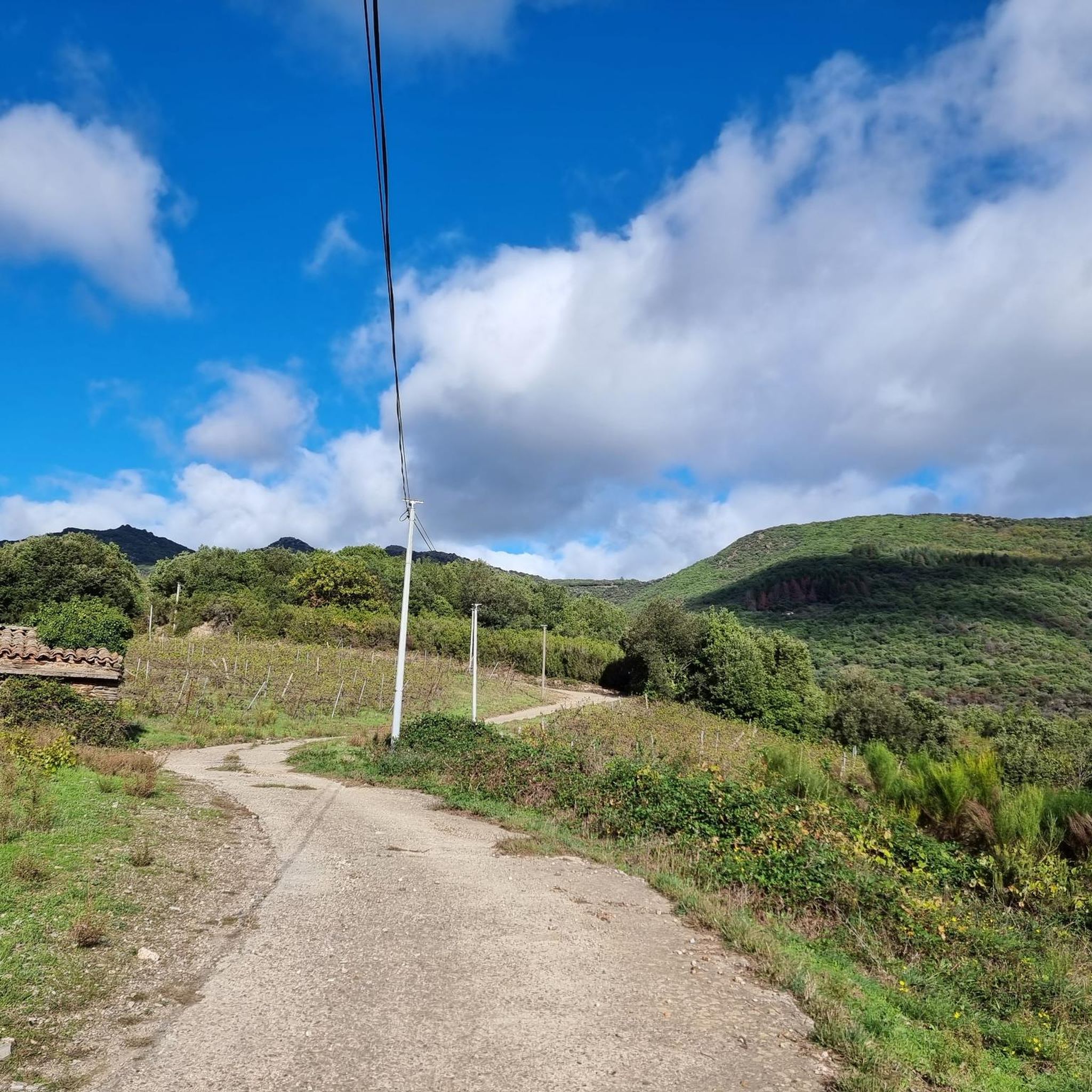
Road cycling around Taussac-La-Billière features a landscape characterized by a mix of rolling hills, river valleys, and mountain passes, providing varied terrain for road cyclists. The region's topography includes numerous ascents and descents, often leading through small villages and natural areas. These routes frequently incorporate passes, offering sustained climbs and rewarding views. The area is suitable for road cycling due to its network of roads connecting diverse geographical features.
Best road cycling routes around Taussac-La-Billière
- The most popular road cycling route is Vision – Fontfroide Pass loop from Lamalou-les-Bains, a 45.2 miles (72.7 km) trail that takes 3 hours 48 minutes to complete. This difficult route includes the Fontfroide Pass, offering significant elevation gain within a circular path.
- Another top favourite among local road cyclists is View of the village of Ceps – Pont de Vieussan loop from Lamalou-les-Bains, a difficult 44.8 miles (72.2 km) path. This route provides views of the village of Ceps and crosses the Pont de Vieussan, traversing varied terrain.
- Local road cyclists also love the Avène, spa town – Layrac Pass loop from Le Pradal, a 50.4 miles (81.2 km) trail leading through the Avène spa town and over the Layrac Pass, often completed in about 4 hours 18 minutes.
- Road cycling around Taussac-La-Billière is defined by challenging mountain passes, scenic village routes, and extensive loops through varied terrain. The network offers options for easy, moderate, and difficult routes, catering to different ability levels.
- The routes in Taussac-La-Billière are highly rated by the komoot community with an average score of 4.6 stars from over 130 reviews. More than 2,700 road cyclists have used komoot to explore Taussac-La-Billière's varied terrain.
Last updated: November 8, 2026
5.0
(1)
75
riders
81.0km
04:19
1,420m
1,420m
Hard road ride. Very good fitness required. Mostly well-paved surfaces and easy to ride.
5.0
(3)
62
riders
49.5km
02:57
1,280m
1,270m
Hard road ride. Very good fitness required. Mostly well-paved surfaces and easy to ride.

4.0
(3)
38
riders
Moderate road ride. Good fitness required. Mostly well-paved surfaces and easy to ride.
4.3
(3)
45
riders
49.6km
02:50
1,140m
1,140m
Hard road ride. Very good fitness required. Mostly well-paved surfaces and easy to ride.
4.8
(6)
54
riders
40.1km
02:00
520m
520m
Moderate road ride. Good fitness required. Some segments of this route may be unpaved and difficult to ride.
Get access to more routes and recommendations from other explorers.
Already have an account?
Our route recommendations are based on thousands of hikes, rides, and runs completed by other people on komoot.
Start today with a free account
Your next adventure awaits.
Tips from the Community

In the heart of the old village, the Saint-Jean-l'Évangéliste church bears witness to the history of Le Poujol-sur-Orb. For several centuries, the inhabitants depended on the old priory of Saint-Pierre-de-Rhèdes, located on the other side of the valley, in present-day Lamalou-les-Bains. In 1646, by decision of the bishop, a new church was built in Le Poujol to bring the place of worship closer to the inhabitants. Remodeled over the centuries, it notably retains beautiful 19th-century frescoes depicting saints and prophets.
2
0
In the heart of Lamalou-les-Bains, the Saints-Pierre-et-Paul church bears witness to the village's transformation into a major spa resort. Built at the beginning of the 20th century, it accompanies the rise of a town that welcomed numerous spa-goers eager to benefit from the renowned waters of the Orb valley. Before its construction, parish life was organized around the old sanctuaries of Saint-Pierre-de-Rhèdes and then Notre-Dame de Villecelle.
3
0
The Saint-Martial church is unlike any other in Haut-Languedoc. Built in 1858-1859 to replace the village's old church, which had become too cramped, it occupies the north wing of the former castle of the viscounts of Narbonne, built in the 15th century. Even more surprisingly, this castle housed a black glass workshop until 1848, before being transformed into a place of worship. The bell tower, added in 1877, completes this original ensemble where religious heritage, seigneurial architecture, and industrial history blend. Observing the buildings surrounding the church, several elements of the original castle can still be distinguished. A few steps away is the old Saint-Martial church, now private property. Built on probably Romanesque foundations, it preserves parts dating back to the 15th century. Having become too dilapidated and too small to accommodate a growing population, it was replaced in 1859 by the new Saint-Martial church. Deconsecrated and then sold by the municipality in 1867, it remains a discreet but precious witness to the religious history of Hérépian.
3
0
The Saint-Majan church is the former abbey church of a powerful Benedictine monastery founded in the 7th century, whose prosperity was based in particular on the silver-bearing lead mines that gave their name to Villemagne-l'Argentière. During the Hundred Years' War, the building was transformed into a veritable fortress: walled-up windows, a rampart walk, and machicolations allowed the monks to defend their abbey. Despite the looting of the Wars of Religion in 1562, this remarkable Gothic church has survived the centuries and still bears the traces of this turbulent past. A few steps away is the former Saint-Grégoire church, the first place of worship of the abbey. Its elegant Romanesque architecture contrasts with the Gothic style of Saint-Majan. Transformed into an archaeological museum, it presents collections dedicated to the history of the village, from Antiquity to the Middle Ages, as well as to the exploitation of the ancient mines that shaped the wealth of Villemagne-l'Argentière. By visiting these two buildings, one travels through more than a millennium of history in just a few minutes.
3
0
From the D8E13 bridge, the viewpoint offers a beautiful postcard of Avène and the Orb.
3
0
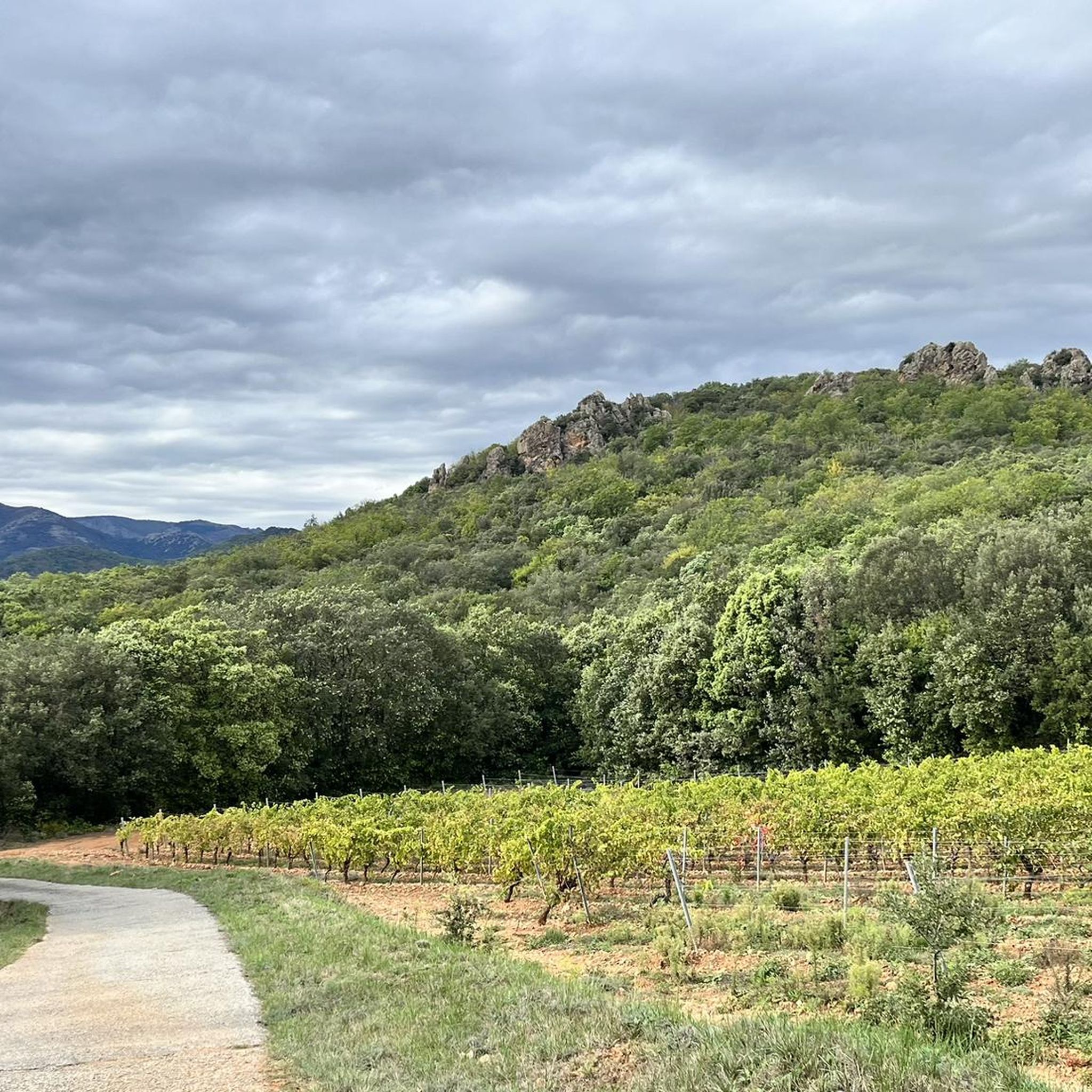
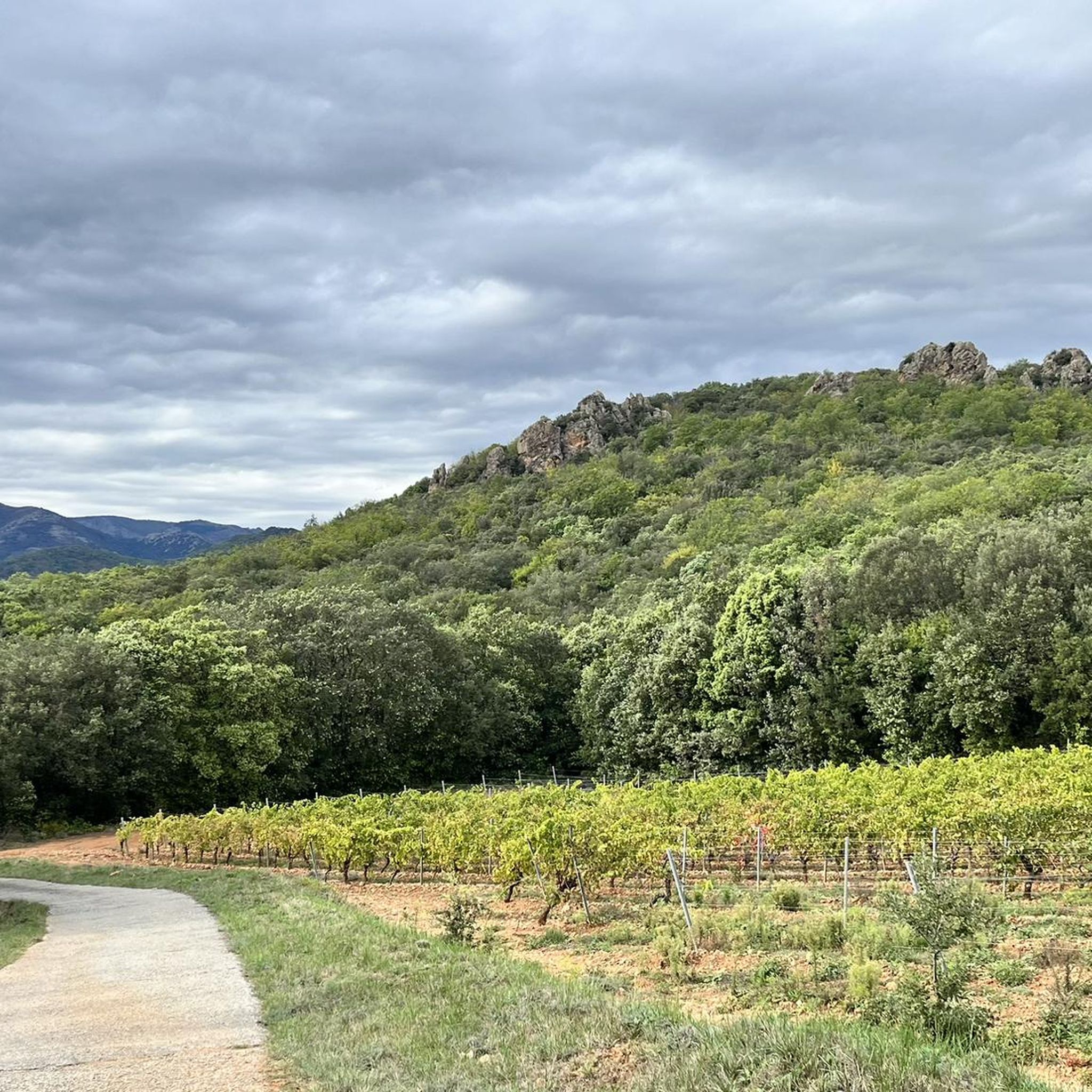
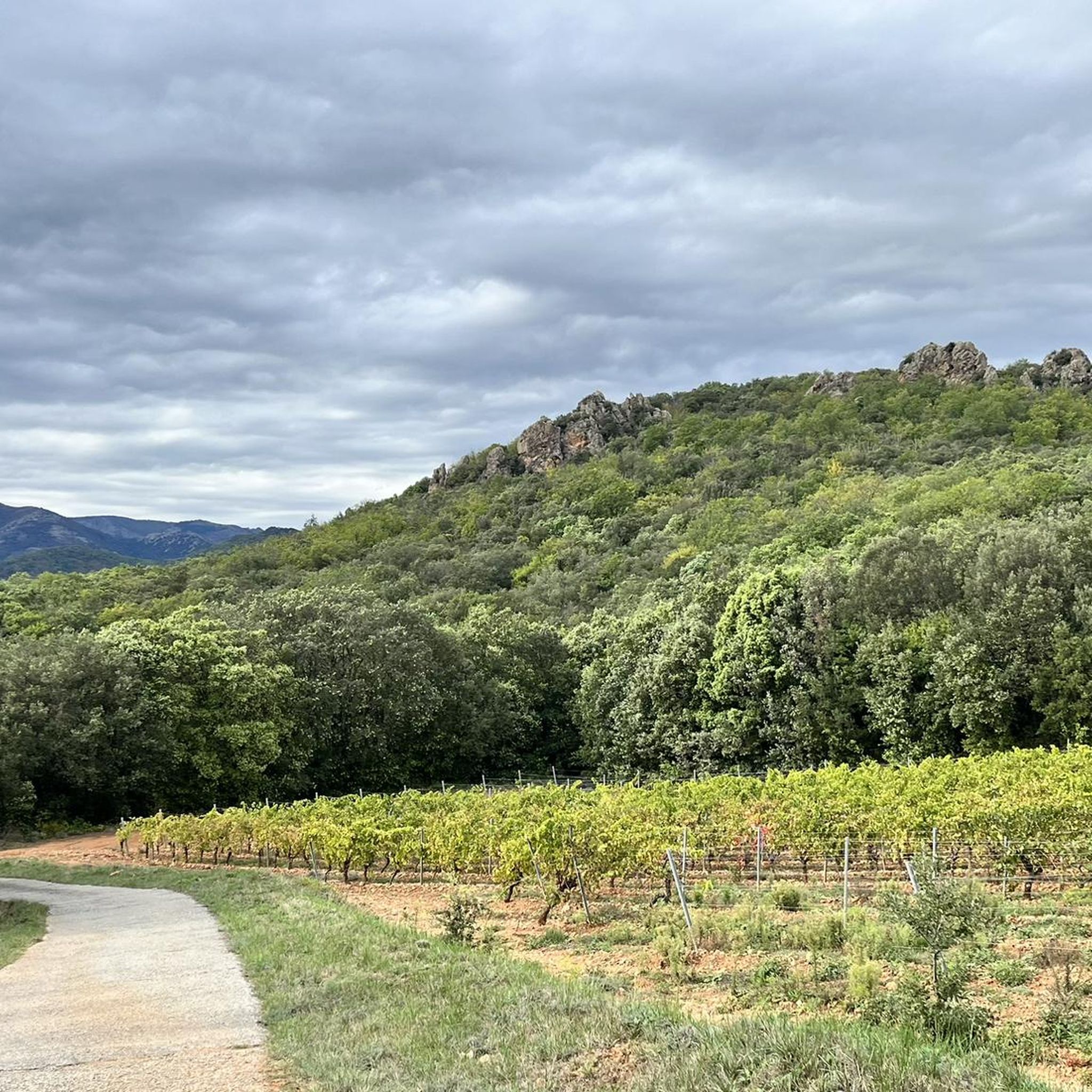
Magnificent viewpoint over the reliefs of the Haut-Languedoc. From this bend in the D180, the landscape suddenly opens up to the east, offering a striking view of the valleys and ridges of the Espinouse. An unmissable photo stop on the way to the pass.
2
0
From Saint-Gervais-sur-Mare, the Col des Treize Vents offers a pleasant and gradual climb. You can stop at one of the hairpin bends to take a moment and admire the magnificent panorama over the valley. The descent towards Hérépian is fast and exhilarating.
3
0

Characteristic suspension bridge over the Orb
0
0
Frequently Asked Questions
What is the general difficulty level of road cycling routes in Taussac-La-Billière?
The region offers a mix of terrain, with a significant number of challenging routes. Out of over 100 available routes, 54 are classified as difficult, 42 as moderate, and 8 as easy. This indicates a landscape well-suited for experienced cyclists seeking elevation gain and sustained climbs.
Are there road cycling routes suitable for beginners in Taussac-La-Billière?
Yes, while many routes are challenging, there are 8 routes specifically categorized as easy. These typically feature less elevation gain and shorter distances, providing a good starting point for those new to road cycling in the area.
Where can I find challenging road bike climbs in the Taussac-La-Billière region?
The region is known for its mountain passes, which offer significant climbs. Routes like the Vision – Fontfroide Pass loop from Lamalou-les-Bains and the Avène, spa town – Layrac Pass loop from Le Pradal feature substantial elevation gains and are rated as difficult. You can also explore specific mountain passes such as L'Espinouse Pass (1,124 m) or Col de la Croix de Mounis for focused climbing challenges.
What is the typical length and duration of road cycling routes in this area?
Road cycling routes around Taussac-La-Billière vary in length, but many popular options are substantial. For instance, the View of the village of Ceps – Pont de Vieussan loop from Lamalou-les-Bains is about 44.8 miles (72.2 km) and takes around 3 hours 46 minutes. Longer routes, like the Avène, spa town – Layrac Pass loop from Le Pradal, can extend to 50.4 miles (81.2 km) and take over 4 hours.
Are there circular road cycling routes available in Taussac-La-Billière?
Yes, many of the road cycling routes in the region are designed as loops, allowing you to start and finish in the same location. Examples include the Vision – Fontfroide Pass loop from Lamalou-les-Bains and the Col de la Pierre Plantée – Col des 13 Vents loop from Lamalou-les-Bains, which offer varied terrain within a circular path.
What kind of scenery can I expect along the road cycling routes?
The routes often lead through a diverse landscape featuring rolling hills, picturesque river valleys, and challenging mountain passes. You'll frequently pass through small, traditional villages and natural areas, with rewarding views from higher elevations. The topography provides a dynamic backdrop for your ride.
What are some interesting landmarks or natural attractions to see along the road cycling routes?
The region is rich in natural beauty. You can encounter stunning gorges such as Héric Gorge and Natural Pools of the Gorges d'Héric. There are also notable mountain passes like Layrac Pass and Bartouyre Pass, which offer panoramic views. Some routes also pass through charming towns like Avène, known for its spa.
What do other road cyclists enjoy most about road cycling in Taussac-La-Billière?
The area is highly rated by the komoot community, with an average score of 4.6 stars from over 130 reviews. Reviewers often praise the challenging mountain passes, the scenic village routes, and the extensive loops through varied terrain that cater to different ability levels.
Are there any routes that offer particularly good viewpoints?
Many routes that traverse the region's hills and mountain passes provide excellent viewpoints. For example, the View of the village of Ceps – Pont de Vieussan loop from Lamalou-les-Bains offers specific scenic vistas. Routes climbing to passes like Col de la Croix de Mounis are also known for their expansive views.
What is the best time of year for road cycling in Taussac-La-Billière?
The region's climate generally makes spring and autumn ideal for road cycling, offering pleasant temperatures and vibrant scenery. While specific winter conditions are not detailed, the presence of mountain passes suggests that higher elevations might be affected by colder weather or snow during winter months, making other seasons more favorable for extensive rides.
Are there road cycling routes that pass by cafes or places to stop for refreshments?
While specific cafes are not listed for each route, many routes pass through small villages and towns. These settlements, such as Lamalou-les-Bains or Avène, typically offer opportunities for refreshments and breaks, allowing cyclists to refuel and relax during their ride.
How many road cycling routes are available in Taussac-La-Billière?
There are over 100 road cycling routes available in the Taussac-La-Billière region, offering a wide variety of distances and difficulty levels for cyclists to explore.
Most popular routes around Taussac-La-Billière
Most popular attractions around Taussac-La-Billière

Get inspired with the komoot mobile app


Explore more
Browse the best Road cycling routes in other regions.
