The best road cycling routes around Prémian
4.7
(77)
1,775
riders
70
rides
Road cycling routes around Prémian are characterized by the varied terrain of the Parc Naturel Régional du Haut-Languedoc. The region features significant elevation changes, including mountain passes like Fontfroide Pass and L'Espinouse Pass, alongside scenic routes around bodies of water such as Lac de la Raviège. Road cyclists can expect a landscape composed of forested hills, open plateaus, and winding roads through valleys.
Best road cycling routes around Prémian
- The most popular road cycling route is Tour of lac de…
Last updated: September 27, 2026
4.0
(2)
55
riders
46.9km
02:16
620m
620m
Moderate road ride. Good fitness required. Mostly well-paved surfaces and easy to ride.
5.0
(2)
45
riders
22.5km
01:28
690m
690m
Moderate road ride. Good fitness required. Some segments of this route may be unpaved and difficult to ride.

4.7
(3)
40
riders
35.9km
02:00
780m
780m
Moderate road ride. Good fitness required. Some segments of this route may be unpaved and difficult to ride.
5.0
(3)
23
riders
33.5km
01:47
610m
610m
Moderate road ride. Good fitness required. Mostly well-paved surfaces and easy to ride.
25
riders
Moderate road ride. Good fitness required. Some segments of this route may be unpaved and difficult to ride.
Get access to more routes and recommendations from other explorers.
Already have an account?
Our route recommendations are based on thousands of hikes, rides, and runs completed by other people on komoot.
Start today with a free account
Your next adventure awaits.

Other adventures around Prémian

Tips from the Community

The former Saint-Pons Cathedral It is difficult to understand Saint-Pons-de-Thomières without stopping here. The building is the former abbey church of a Benedictine monastery founded in 936, around which the town developed. In 1318, the abbey became the seat of a new bishopric: the church then took on the status of a cathedral, which it retained until the Revolution. The Romanesque building, most of which dates back to the second half of the 12th century, still bears the traces of this turbulent history. Fortified in the Middle Ages, the cathedral was heavily damaged in 1567 during the Wars of Religion. Then, in the 18th century, its appearance was profoundly transformed: in 1716, the orientation of the choir was reversed and a new classical facade was built to the east. The medieval remains are particularly remarkable: the two crenellated towers on the north facade recall the defensive character of the building, while the former west facade preserves precious Romanesque reliefs depicting, in particular, the Last Supper, the Washing of the Feet, the Ascension and the Crucifixion. Inside, there are also marble decorations, choir stalls and an organ dating from 1772.
2
0
The church of Saint-Sébastien de La Caminade is one of the last vestiges of the ancient heart of Prémian. Under the patronage of Saint Sebastian, it is mentioned as early as 940, when it was given to the abbey of Saint-Pons-de-Thomières. The place of worship is therefore much older than the building visible today. The Wars of Religion profoundly disrupted the site: in 1567, after the passage of Protestant troops, the church was described as "looted and razed". The current building was then rebuilt for the most part at the beginning of the 17th century. Its single nave has five bays and ends in a short choir bay and a three-sided apse. But the interest of the place also lies in its surroundings. With the old presbytery and the old town hall-school, the church forms one of the last preserved ensembles of La Caminade, the historic heart of Prémian. This name itself is attested as early as 1116 and derives from the Occitan caminada, which could designate a presbytery or a rectory.
2
0
In the heart of the village stands the church of the Invention of Saint Stephen (l’église de l’Invention-de-Saint-Étienne), named in reference to the discovery of the relics of Saint Stephen, the first martyr of Christianity. The current building mainly dates from the 18th century, but its bell tower base is older. Its bell, cast in 1719, bears witness to this long history. Around the church, ancient tombs covered with flagstones also remain, a characteristic element of the funerary heritage of the Hautes Terres de l’Hérault. The village itself was formerly called "Mas de l’Église" and depended on the neighboring parish of Prémian. It was only after the Revolution that Saint-Étienne-d’Albagnan became an independent commune.
2
0
The Saint-Vincent church preserves the memory of an ancient presence of the Knights Hospitaller of Saint John of Jerusalem. Saint-Vincent-d’Olargues was indeed home to an important commandery of the order, attested as early as the 12th century and attached to the commandery of Narbonne from 1157. The church itself retains elements of Romanesque origin, probably dating from the last third of the 12th century: a nave of three bays with a broken barrel vault and a choir ending in an apse. It was subsequently extensively remodeled, notably by the addition of chapels and then collateral aisles. In the 18th century, a bell tower-porch was built to the south. Its lintel still bears the initials "O.G." and the date 1744, those of the commander Octave de Galléan d’Ascros. Inside, there is above all an exceptional piece: the Hospitaller cemetery cross. Dated from the end of the 15th or the very beginning of the 16th century, it was formerly located in the center of the old cemetery established under the current church square. Classified as a Historic Monument in 1911, this marble carved cross is among the rare examples preserved in France.
2
0

From Fraise the climb is steep and the road is bumpy. I would not advise this as a descent.
0
0
Located in the Jaur valley, in the heart of the Hauts cantons of the Hérault, Riols is a vast rural village typical of the Haut-Languedoc. The village is intimately linked to the history of the abbey of Saint-Pons-de-Thomières, founded in the 10th century, on which it long depended. From the Middle Ages onwards, Riols was part of a network of monastic possessions. Even today, the old center retains its valley setting, crossed by the Jaur, around which the main routes and activities developed. The Pont-Vieux and several structures on the river bear witness to this close relationship between the village and its watercourse.
2
0

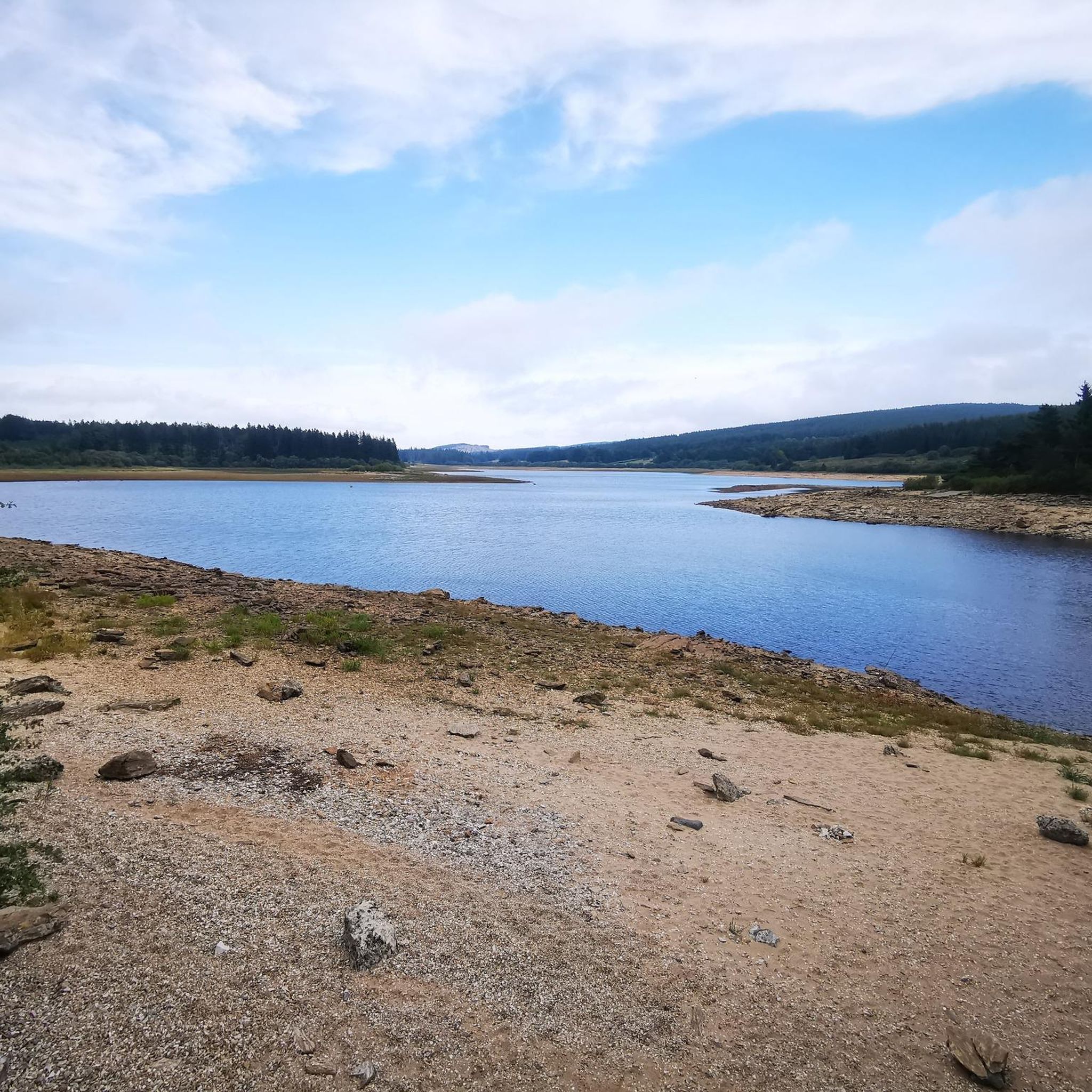
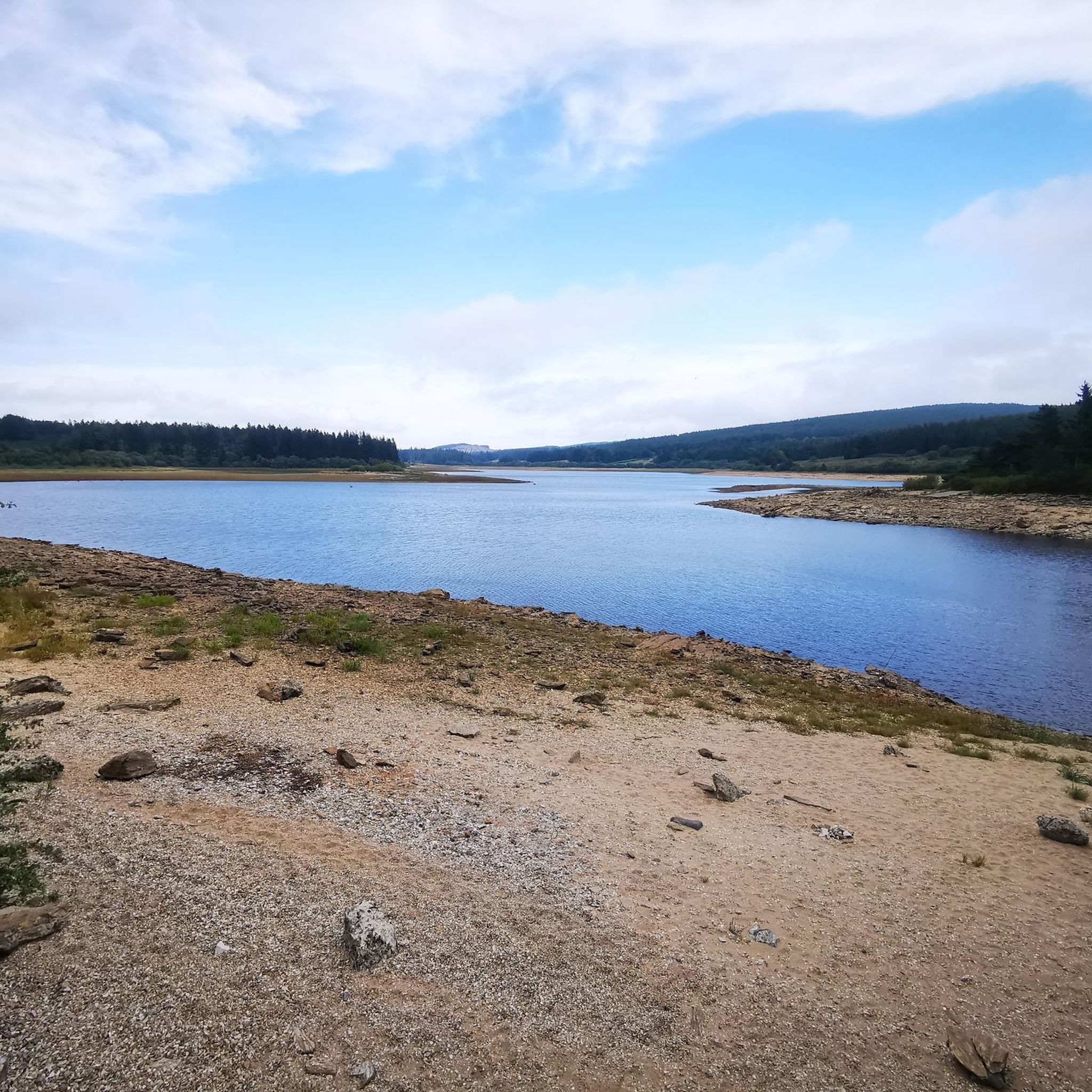
One of the 3 magnificent lakes in the South-East of Tarn. Although artificial, it catches the eye with its wild appearance. Worth seeing on sunny days or to escape the heatwave
0
0
This wide turn reveals a superb panorama of the mountain. In the foreground, the D14 winds up the slope with beautifully drawn switchbacks. Further on, several characteristic reliefs of the Haut-Languedoc stand out, succeeding each other to the horizon. One of the most beautiful panoramas of the ascent!
2
0
Frequently Asked Questions
How many road cycling routes are available around Prémian?
There are over 65 road cycling routes around Prémian, offering a wide range of options for different skill levels. The region is known for its varied terrain within the Parc Naturel Régional du Haut-Languedoc.
What are the typical difficulty levels for road cycling routes in Prémian?
The majority of road cycling routes in Prémian are categorized as moderate to difficult. Specifically, there are 2 easy routes, 23 moderate routes, and 40 difficult routes, reflecting the significant elevation changes and mountain passes in the area.
Are there any easy road cycling routes suitable for beginners near Prémian?
While most routes are moderate to difficult, there are a couple of easier options available. These routes typically feature less elevation gain and shorter distances, making them more accessible for beginners or those looking for a relaxed ride.
What makes road cycling around Prémian challenging?
Road cycling in Prémian is challenging due to the significant elevation changes and the presence of mountain passes like Fontfroide Pass and L'Espinouse Pass. Routes often involve substantial climbs, such as the Tour of Lac de la Raviège, which features over 1,400 meters of elevation gain.
What is the average length and duration of road cycling routes in Prémian?
The routes vary significantly in length and duration. For example, the Tour of lac de la Raviège - Parc Naturel du Haut-Languedoc is about 47 km and takes around 2 hours 16 minutes, while the challenging L'Espinouse Pass (1,124 m) – Fontfroide Pass loop from Prémian covers over 83 km and can take more than 4.5 hours.
Are there circular road cycling routes in Prémian?
Yes, many of the road cycling routes around Prémian are designed as loops, allowing you to start and finish at the same point. Examples include the Vision – Fontfroide Pass loop from Saint-Pons-de-Thomières and the Cabarétou Pass loop from Riols.
What scenic viewpoints can I expect on road cycling routes near Prémian?
The region offers several scenic viewpoints. You can enjoy panoramic views from places like the Balconies of Saint-Chinian, which provide stunning vistas of the surrounding landscapes.
Are there any waterfalls along the road cycling routes in Prémian?
Yes, you can encounter beautiful waterfalls in the vicinity of Prémian's cycling routes. Notable examples include the Vésoles Waterfall and the Source de Fréjo Waterfall, offering refreshing stops.
What natural landmarks can be seen while road cycling around Prémian?
Road cyclists will encounter significant natural landmarks such as the Fontfroide Pass and the picturesque Lake Vésoles, which is part of the stunning Haut-Languedoc landscapes. The entire region is within the Parc Naturel Régional du Haut-Languedoc.
Are there any interesting places to explore near the road cycling routes?
Beyond the natural beauty, you can explore charming settlements like Riols, or historical sites such as the Slate-Clad Houses of La Salvetat-sur-Agout. The Olargues Railway Bridge is another notable point of interest.
What do other road cyclists enjoy the most about road cycling in Prémian?
The area is highly rated by the komoot community, with an average score of 4.8 stars from over 60 reviews. Reviewers often praise the varied terrain, challenging mountain passes, and scenic lake circuits within the Parc Naturel Régional du Haut-Languedoc.
What is the best time of year for road biking in Prémian?
The spring and autumn months generally offer the most pleasant conditions for road cycling in Prémian, with milder temperatures and less intense sun. Summer can be warm, especially on climbs, but is still popular, while winter may bring colder temperatures and occasional snow at higher elevations.
Are there options for family-friendly road cycling in Prémian?
While many routes are challenging, families looking for a less strenuous experience might consider the easier sections or shorter loops. It's advisable to check the difficulty and elevation profiles of specific routes to ensure they are suitable for all family members.
Most popular attractions around Prémian

Get inspired with the komoot mobile app


Explore more
Browse the best Road cycling routes in other regions.
