The best road cycling routes around Roquebrun
4.5
(194)
3,441
riders
101
rides
Road cycling around Roquebrun offers diverse terrain within the Haut-Languedoc Regional Nature Park, characterized by green forest valleys, extensive vineyards, and rolling hills. The region's unique microclimate and shale-rich soil support a rich Mediterranean flora, providing scenic backdrops for rides. Cyclists can navigate routes along the Orb River and through the picturesque Orb Valley, encountering varied topography from gentle undulations to challenging climbs.
Best road cycling routes around Roquebrun
- The most popular road cycling route is View of the village…
Last updated: October 8, 2026
4.9
(11)
285
riders
98.9km
05:23
1,870m
1,870m
Hard road ride. Very good fitness required. Some segments of this route may be unpaved and difficult to ride.
42
riders
84.4km
03:58
1,080m
1,080m
Hard road ride. Very good fitness required. Mostly well-paved surfaces and easy to ride.

4.5
(2)
45
riders
47.4km
02:23
700m
700m
Moderate road ride. Good fitness required. Mostly well-paved surfaces and easy to ride.
4.3
(3)
42
riders
39.2km
01:57
500m
510m
Moderate road ride. Good fitness required. Some segments of this route may be unpaved and difficult to ride.
4.4
(5)
31
riders
30.4km
01:34
460m
460m
Moderate road ride. Good fitness required. Mostly well-paved surfaces and easy to ride.
Get access to more routes and recommendations from other explorers.
Already have an account?
Our route recommendations are based on thousands of hikes, rides, and runs completed by other people on komoot.
Start today with a free account
Your next adventure awaits.

Tips from the Community

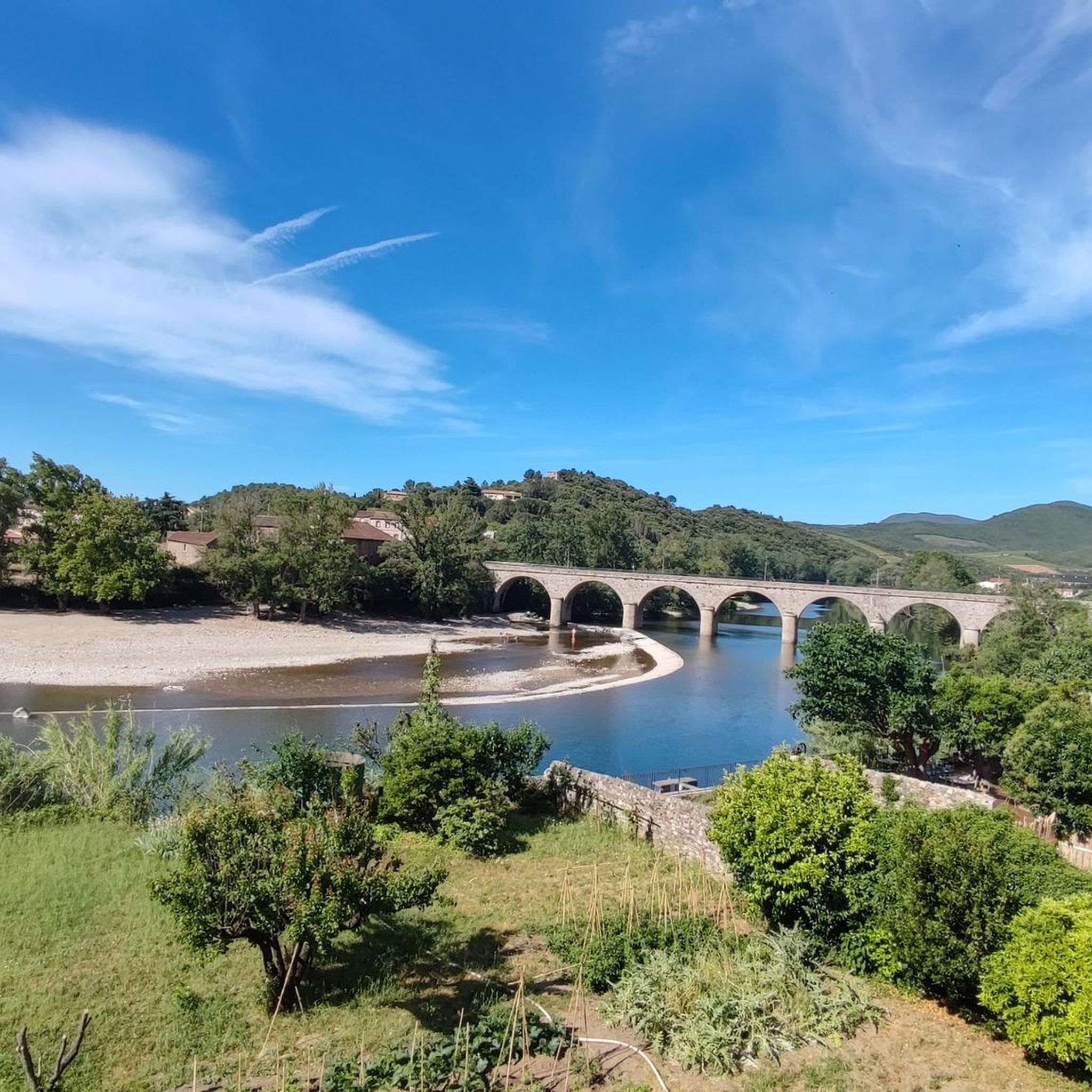
The landscape opens onto the hamlet of Ceps, nestled on the banks of the Orb river. This village boasts a Romanesque church from the 12th century, a testament to ancient human presence in this enclosed area. Behind it, the wooded reliefs of the Haut-Languedoc form a natural backdrop that seems to protect the village.
2
0
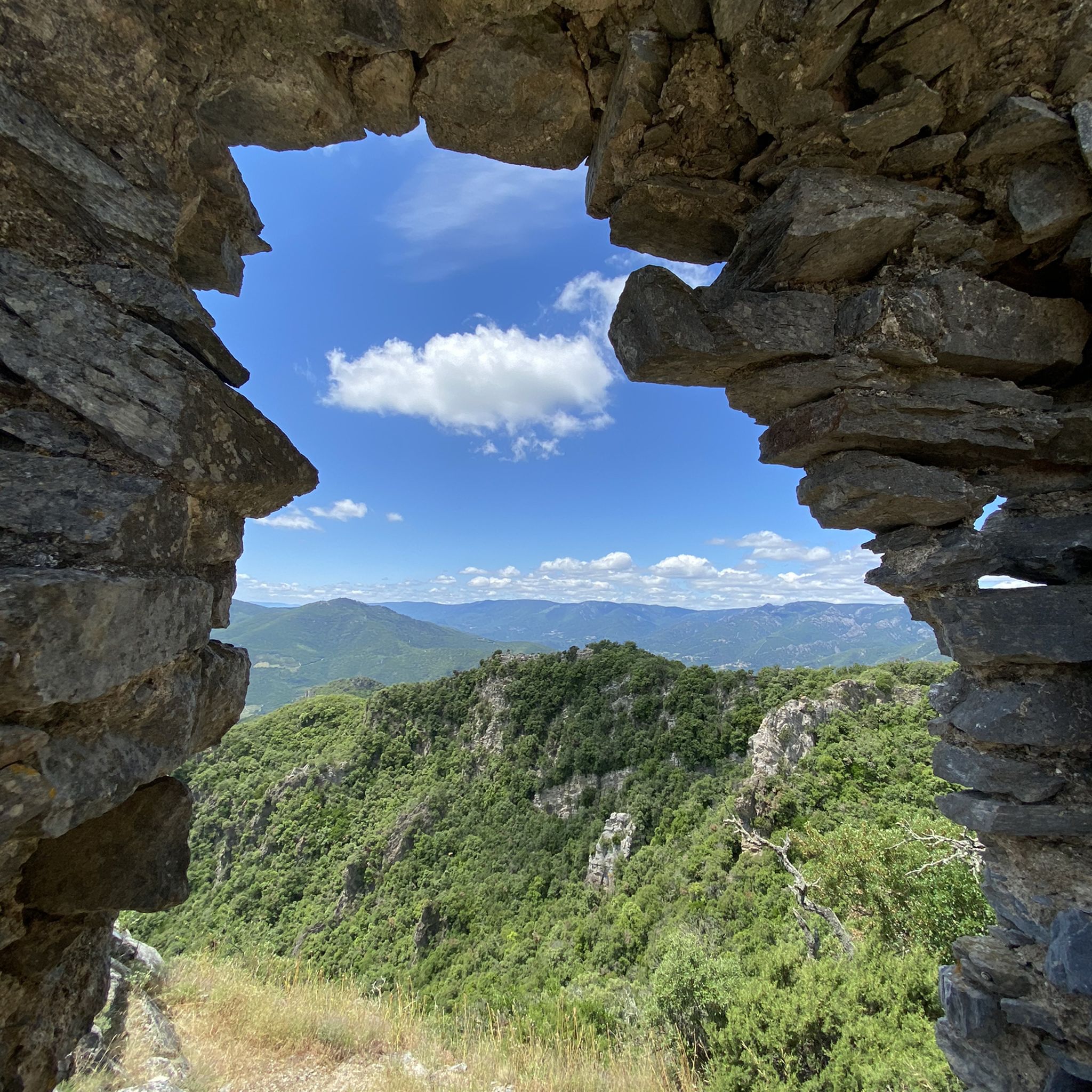
From this developed viewpoint, the Orb valley reveals all its richness. Below, the river draws large meanders between the wooded reliefs of the Haut-Languedoc. In the heart of the valley appears the domain of Graïs, while in the distance the villages of Boissezon and Vieussan integrate into this mountain landscape. This view offers a true reading of the territory: water, rock, and forest have shaped a valley where humans have established their villages by adapting to the terrain.
2
0
In the heart of Saint-Nazaire-de-Ladarez, the parish church recalls the medieval origins of a village whose history has been attested for over a thousand years. As early as the 12th century, the castrum of Saint-Nazaire is mentioned in texts: the church and the castle then formed the center of religious, civil, and defensive life for the community. The building that can be seen today is the result of several centuries of evolution. Its facade, restored in the mid-20th century after various work campaigns, features particularly neat stonework that contrasts with the traditional village housing. The very name "Ladarez" is a historical curiosity. It is said to derive from an ancient Gallo-Roman estate, perpetuating the memory of an occupation that predates the medieval village.
2
0
In the heart of old Cabrerolles, the Saint-Martin church recalls the medieval origins of this village in the Hérault's Avant-Monts. As in many fortified villages in Languedoc, the castle and the church formed the heart of the community. It was around these two poles that the narrow streets, dwellings, and daily life of the village developed. The building discovered today is the result of several construction campaigns and preserves the memory of this long evolution. Its dedication to Saint Martin is far from insignificant. Bishop of Tours in the 4th century, he was one of the great evangelizers of the Gallic countryside. His patronage, widespread in the oldest rural parishes, recalls the antiquity of the Christian community established in Cabrerolles.
2
0
Located at the entrance to the village, it occupies a site steeped in memory: the current building, dating from the 16th century, was built on the traces of a Romanesque chapel mentioned as early as 966. It thus bears witness to the continuity of a place of life and gathering that has spanned the centuries. Caussiniojouls developed around its ancient castrum, a fortified nucleus organized around the castle and the church. Here, the religious and the seigneurial once formed the heart of the medieval village: two essential landmarks that structured daily life and the organization of the territory. The Saint-Étienne church also bears the marks of time: its bell tower, destroyed by lightning in 1920, was rebuilt and then restored with local materials, recalling the village's attachment to its heritage.
2
0
The Notre-Dame-de-la-Purification church forms the historic heart of Causses-et-Veyran. Built between the 11th and 13th centuries, it preserves a remarkable Romanesque choir as well as several Gothic chapels added over time. Originally, it was the chapel of the feudal castle, which explains its unique position within the old castrum and its integration into the village fortifications. Right next door, on Place Jules Milhau, lie the remains of the former castle of the lords of Causses, including a medieval tower that recalls the strategic importance of the site. If you have a few minutes, extend your discovery with the two Gallo-Roman pillars located about 1.2 km southeast of the village, on the edge of the D19, at a place called Les Piliers. These impressive remains of an ancient Roman aqueduct bear witness to the ingenuity of ancient builders.
2
0
The feudal castle and the Saint-Jean-Baptiste church form a remarkable medieval ensemble. Mentioned as early as the end of the 11th century, the church was built within the castle itself, a peculiarity that earns it the description of 'castral church'. Its architecture combines a 12th-century Romanesque apse with a choir completed in 1423, testifying to the expansion of the village behind its ramparts. Walking through the circular streets radiating from the castle, one can still understand the defensive organization of the medieval town. The castle, which became the town hall in the 19th century after enduring wars and dismantling, remains the living heart of Murviel. Don't miss entering the church to discover its 12th-century baptismal font, recently restored and returned to its historic location.
2
0
This southern Gothic church, built between the 13th and 14th centuries, has accompanied the village's history for over seven hundred years. Its sober architecture hides numerous transformations: the different construction phases remain visible on the facades, while its imposing bell tower, remodeled in the 17th century and then restored in the 1950s, is distinguished by its green glazed spire, which has become one of the village's emblems. As you leave the churchyard, take the time to discover the old alleyways and the Fontaine à la Grenouille (Frog Fountain), whose spring is said to have favored the birth of Saint-Geniès-de-Fontedit.
2
0
Frequently Asked Questions
What kind of terrain can I expect when road cycling around Roquebrun?
Road cycling around Roquebrun offers a diverse landscape within the Haut-Languedoc Regional Nature Park. You'll encounter green forest valleys, extensive vineyards, and rolling hills. The routes often follow the scenic Orb River and wind through the picturesque Orb Valley, providing varied topography from gentle undulations to challenging climbs.
How many road cycling routes are available in the Roquebrun area?
There are over 100 road cycling routes available around Roquebrun, catering to various skill levels. You'll find options ranging from moderate to difficult, ensuring there's a suitable ride for most cyclists.
Are there any easy or beginner-friendly road cycling routes in Roquebrun?
Yes, Roquebrun offers several routes suitable for beginners or those looking for an easier ride. There are 12 routes classified as easy, allowing you to enjoy the beautiful scenery without overly strenuous climbs.
What are some challenging road cycling routes for experienced riders in Roquebrun?
For experienced riders seeking a challenge, Roquebrun has 36 difficult routes. One such route is the View of the village of Ceps – Vieussan Bridge loop from Lugne, a 48.6-mile (78.3 km) trail with over 1300 meters of elevation gain, offering expansive views across the Orb Valley. Another demanding option is the Pont de Vieussan – View of the village of Ceps loop from Causses-et-Veyran, which is 52.4 miles (84.4 km) long and features significant climbs through rolling hills and vineyards.
What natural features and landmarks can I see along the road cycling routes?
The region is rich in natural beauty. You can expect to cycle through extensive vineyards, alongside the Orb River, and past charming medieval villages. Highlights include the unique Mediterranean flora, such as mimosas and citrus trees, thriving due to the local microclimate. You might also encounter features like the Orientation table at Mont Caroux for panoramic views, or the Gouffre du Cerisier Natural Pool and Waterfall for a refreshing stop.
Are there any circular road cycling routes around Roquebrun?
Yes, many of the routes around Roquebrun are designed as loops, allowing you to start and end in the same location. For example, the View of Roquebrun – Cessenon-sur-Orb loop from Roquebrun is a moderate 35.9-mile (57.8 km) circular route through the scenic Orb Valley.
What is the best time of year for road cycling in Roquebrun?
Roquebrun benefits from an exceptionally mild microclimate, making it suitable for cycling for much of the year. The distinctive shale-rich soil retains water and heat, allowing plants to thrive even in winter. Spring and autumn are particularly pleasant, offering comfortable temperatures and vibrant landscapes. Even winter can be enjoyable, with orange and lemon trees flourishing.
What do other road cyclists say about the routes in Roquebrun?
The road cycling routes in Roquebrun are highly regarded by the komoot community, with an average score of 4.5 stars from over 160 reviews. Cyclists often praise the varied terrain, the stunning views across the Orb Valley, and the peaceful roads that wind through vineyards and forest landscapes.
Are there routes that offer significant elevation gain for a more intense workout?
Absolutely. Many routes in the Roquebrun area feature substantial elevation gains. For instance, the View of the village of Ceps – Fontfroide Pass loop from Roquebrun is a difficult 65.1-mile (104.8 km) route with over 1200 meters of climbing, providing a challenging and rewarding experience.
Where can I find scenic viewpoints along the road cycling routes?
The region is dotted with numerous viewpoints offering breathtaking vistas. The routes often provide expansive views across the Orb Valley and the surrounding Haut-Languedoc Regional Nature Park. Keep an eye out for spots like the Viewpoint of the Cabrière trail or the Orientation table at Mont Caroux for panoramic photo opportunities.
Are there any specific passes or climbs that are popular among cyclists?
Yes, the area around Roquebrun features several notable passes. Cyclists often tackle climbs such as the Bartouyre Pass, Col de Sérignos (612 metres), or Col de Fontjun (230 m). These passes offer rewarding ascents and often lead to spectacular views.
Most popular attractions around Roquebrun

Get inspired with the komoot mobile app


Explore more
Browse the best Road cycling routes in other regions.
