The best road cycling routes around Vieussan
4.5
(156)
2,834
riders
85
rides
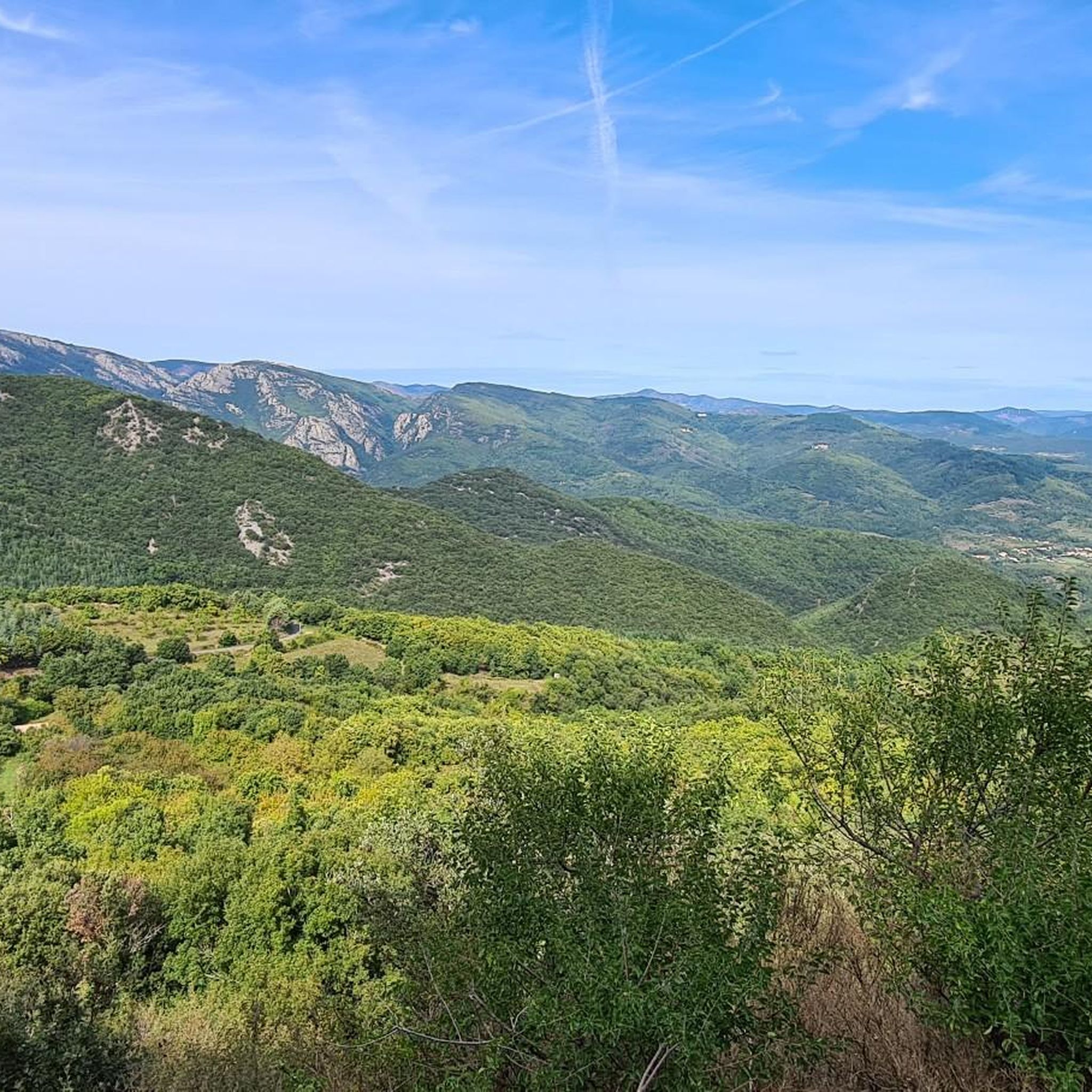
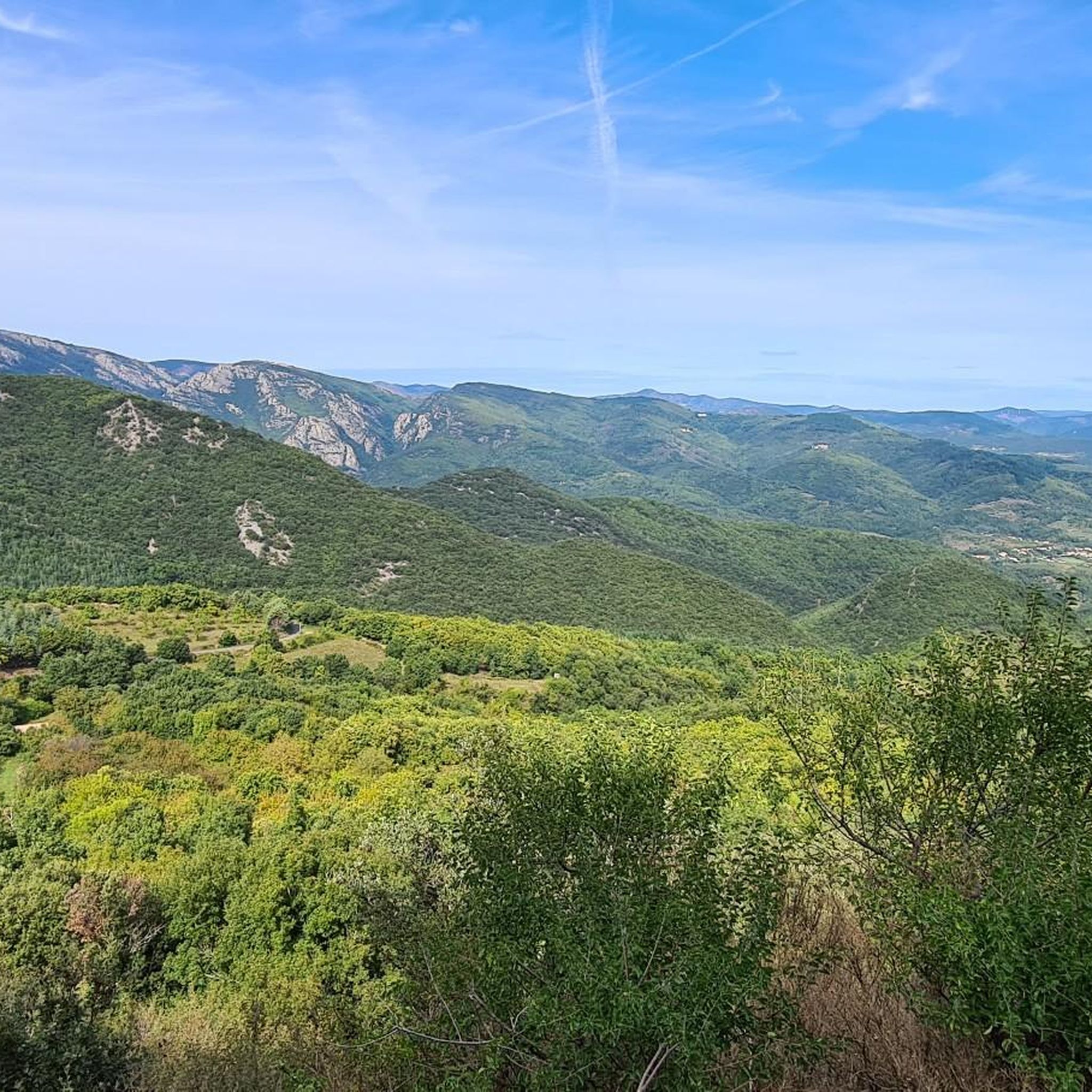
Road cycling around Vieussan offers diverse terrain within the Hérault department of southern France. The region is characterized by its position overlooking the Orb river, surrounded by vineyards, and bordering the Haut-Languedoc Regional Nature Park. This area features a mix of challenging climbs around the Mont Caroux massif, dramatic gorges like the Gorges d'Héric, and scenic routes through extensive vineyards. The landscape transitions from river valleys to more mountainous areas, providing varied road cycling experiences.
Best road cycling routes around…
Last updated: October 8, 2026
4.5
(4)
90
riders
68.5km
03:34
1,170m
1,170m
Hard road ride. Very good fitness required. Mostly well-paved surfaces and easy to ride.
4.4
(8)
74
riders
Moderate road ride. Good fitness required. Mostly well-paved surfaces and easy to ride.

5.0
(2)
69
riders
35.8km
02:09
880m
880m
Moderate road ride. Good fitness required. Some segments of this route may be unpaved and difficult to ride.
5.0
(1)
45
riders
Easy road ride. Great for any fitness level. Mostly well-paved surfaces and easy to ride.
4.0
(1)
20
riders
Moderate road ride. Good fitness required. Mostly well-paved surfaces and easy to ride.
Get access to more routes and recommendations from other explorers.
Already have an account?
Our route recommendations are based on thousands of hikes, rides, and runs completed by other people on komoot.
Start today with a free account
Your next adventure awaits.

Tips from the Community

if the lilly passeur ferry is not there on the Orb, you have to go back to Sérignan and take this bridge
0
0

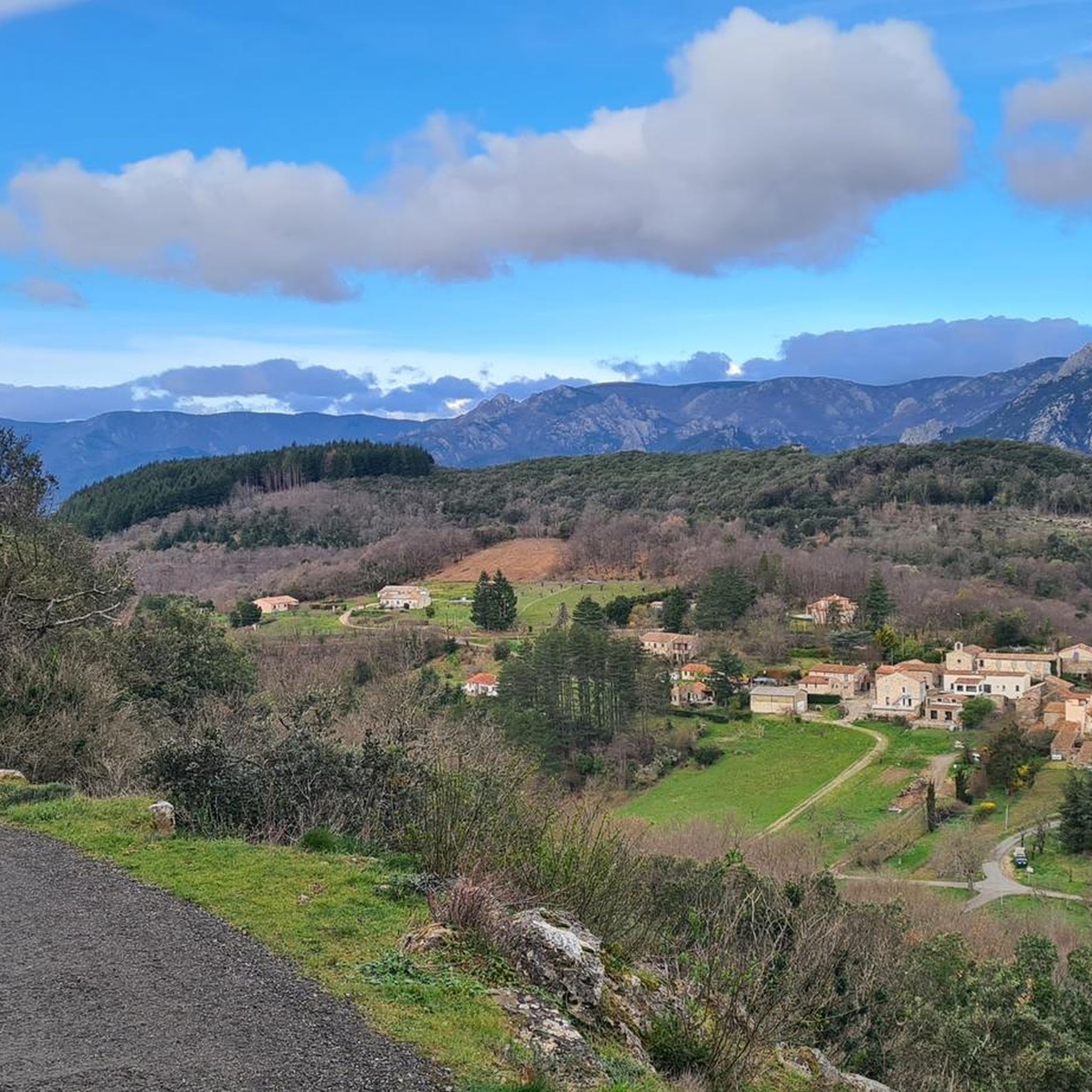
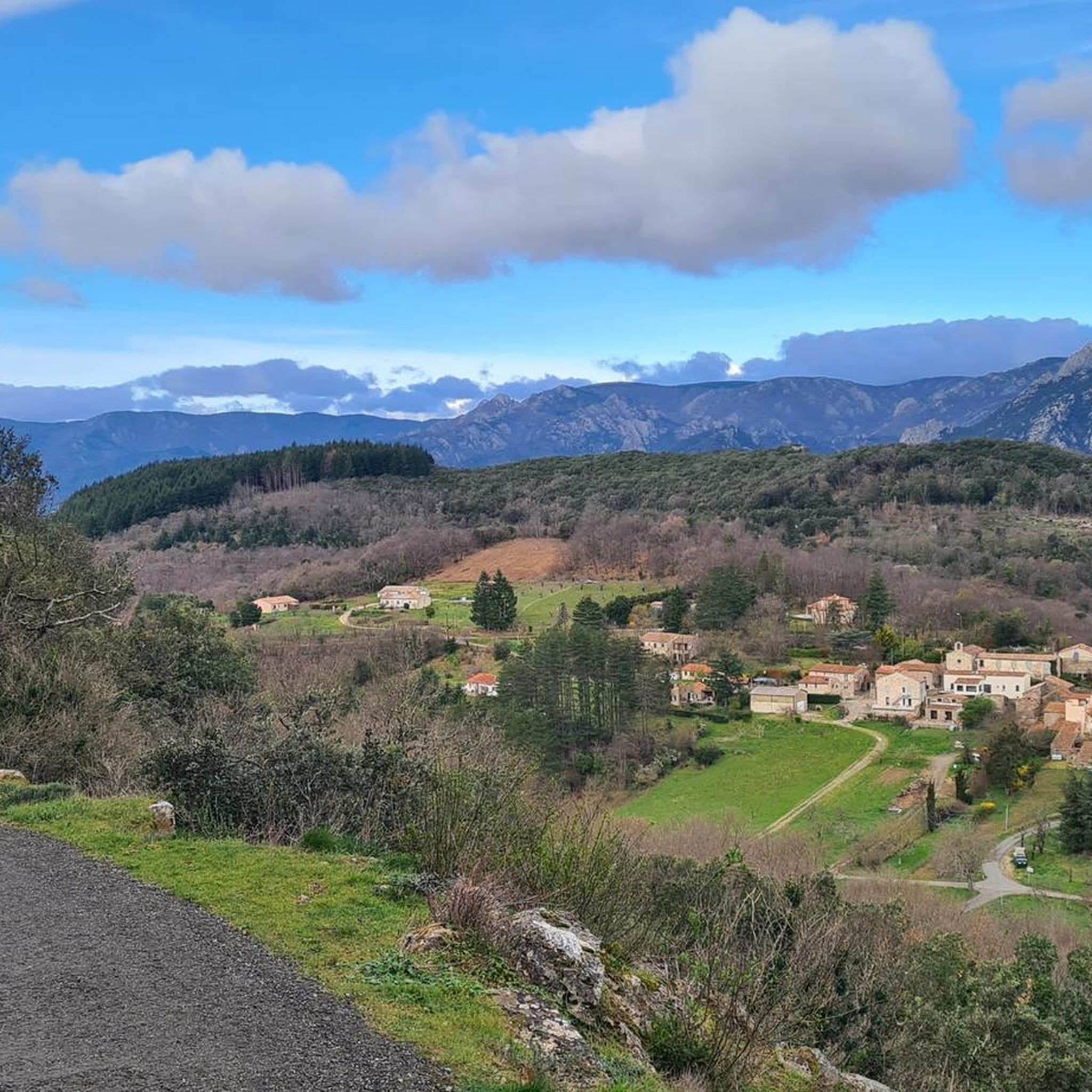
The landscape opens onto the hamlet of Ceps, nestled on the banks of the Orb river. This village boasts a Romanesque church from the 12th century, a testament to ancient human presence in this enclosed area. Behind it, the wooded reliefs of the Haut-Languedoc form a natural backdrop that seems to protect the village.
2
0
In the heart of Colombières-sur-Orb, the Saint-Pierre church has watched over the village for several centuries. Its origins date back to the Middle Ages, and some elements of the building, such as the western wall and part of the southern wall, still bear witness to this ancient history. Its Romanesque bell tower, topped with an elegant stone pyramidal roof, is one of the markers of the local landscape. Enlarged in the 19th century with the addition of chapels and a sacristy, it tells the story of the evolution of a mountain village nestled in the heart of the Orb valley. The very name Colombières is said to be linked to the tradition of Saint Colombe, a young Christian martyr whose cult is thought to have shaped the village's identity over the centuries.
2
0
In the heart of the old village, the Saint-Jean-l'Évangéliste church bears witness to the history of Le Poujol-sur-Orb. For several centuries, the inhabitants depended on the old priory of Saint-Pierre-de-Rhèdes, located on the other side of the valley, in present-day Lamalou-les-Bains. In 1646, by decision of the bishop, a new church was built in Le Poujol to bring the place of worship closer to the inhabitants. Remodeled over the centuries, it notably retains beautiful 19th-century frescoes depicting saints and prophets.
2
0
The Saint-Martial church is unlike any other in Haut-Languedoc. Built in 1858-1859 to replace the village's old church, which had become too cramped, it occupies the north wing of the former castle of the viscounts of Narbonne, built in the 15th century. Even more surprisingly, this castle housed a black glass workshop until 1848, before being transformed into a place of worship. The bell tower, added in 1877, completes this original ensemble where religious heritage, seigneurial architecture, and industrial history blend. Observing the buildings surrounding the church, several elements of the original castle can still be distinguished. A few steps away is the old Saint-Martial church, now private property. Built on probably Romanesque foundations, it preserves parts dating back to the 15th century. Having become too dilapidated and too small to accommodate a growing population, it was replaced in 1859 by the new Saint-Martial church. Deconsecrated and then sold by the municipality in 1867, it remains a discreet but precious witness to the religious history of Hérépian.
3
0
Mentioned as early as the 12th century, the church of Saint-Alexandre has had a turbulent history. It was first destroyed in 1364 by English troops during the Hundred Years' War, then in 1563 during the Wars of Religion, when Bédarieux fell into the hands of the Protestants. A third destruction occurred in 1622, during the campaigns led by Louis XIII to retake the Protestant strongholds of Languedoc. Rebuilt in the 17th century, it features a surprising architectural detail: its choir is slightly off-center, a layout that would symbolize the head of Christ inclined on the Cross.
3
0
Located at the entrance to the village, it occupies a site steeped in memory: the current building, dating from the 16th century, was built on the traces of a Romanesque chapel mentioned as early as 966. It thus bears witness to the continuity of a place of life and gathering that has spanned the centuries. Caussiniojouls developed around its ancient castrum, a fortified nucleus organized around the castle and the church. Here, the religious and the seigneurial once formed the heart of the medieval village: two essential landmarks that structured daily life and the organization of the territory. The Saint-Étienne church also bears the marks of time: its bell tower, destroyed by lightning in 1920, was rebuilt and then restored with local materials, recalling the village's attachment to its heritage.
2
0
Clinging to a rocky outcrop almost encircled by the Jaur, Olargues is a remarkable fortified village whose medieval organization is still perfectly legible. At the summit, the former keep of the castle, transformed into a bell tower in the 17th century after the fortress was destroyed on Cardinal Richelieu's orders, still dominates the valley. Below, the Devil's Bridge, built in the 12th century, has spanned the Jaur for nearly nine centuries. Between the two, "calades" (cobbled alleyways) and old houses invite you to step back in time. It is easy to understand why Olargues is among the Most Beautiful Villages in France!
2
0
Frequently Asked Questions
What kind of terrain can I expect on road cycling routes around Vieussan?
Road cycling around Vieussan offers a diverse mix of landscapes. You'll find routes winding through extensive vineyards, along the meandering Orb river valley, and into the more mountainous terrain of the Haut-Languedoc Regional Nature Park. This includes significant climbs around the Mont Caroux massif and dramatic gorges like the Gorges d'Héric, providing varied experiences from undulating roads to challenging ascents.
Are there road cycling routes suitable for beginners or those seeking easier rides?
Yes, while the region is known for its 'sporty cycling,' there are options for different ability levels. You can find easier rides, particularly along the Orb river valley. For example, the Bédarieux Aqueduct – Bédarieux, on the banks of the Orb loop from Saint-Martin-de-l'Arçon is a moderate route that leads through the river valley with less elevation gain.
Where can I find challenging road cycling routes with significant climbs?
For experienced road cyclists seeking a challenge, the areas around the Mont Caroux massif and within the Haut-Languedoc Regional Nature Park offer significant climbs and descents. A demanding option is the L'Espinouse Pass (1,124 m) loop from Le Poujol-sur-Orb, which features over 1,100 meters of elevation gain.
What scenic views and landmarks can I discover along the road cycling routes?
Road cycling routes around Vieussan offer continuously evolving scenic backdrops. You can ride through picturesque vineyards, enjoy views of the Orb river, and pass charming villages. Notable natural features include the dramatic Gorges d'Héric and the Mont Caroux massif. You might also encounter historical sites like the ancient stone constructions of Vieussan itself. For specific viewpoints, consider visiting the Orientation table at Mont Caroux or the Viewpoint of the Cabrière trail.
Are there any circular road cycling routes available?
Yes, many of the road cycling routes around Vieussan are designed as loops, allowing you to start and end in the same location. A popular moderate circular route is In Graissessac – Mare River Crossing loop from Le Poujol-sur-Orb, which covers nearly 50 km. Another option is the Olargues Railway Bridge – View of Olargues Village loop from Mons, offering views of the historic village of Olargues.
When is the best time of year to go road cycling in Vieussan?
Vieussan benefits from an exceptionally mild Mediterranean climate, making for pleasant cycling conditions for much of the year. Spring and autumn generally offer the most comfortable temperatures for road cycling, avoiding the peak heat of summer while still enjoying sunny weather. The vibrant colors of the vineyards in these seasons also add to the scenic appeal.
Are there places to stop for refreshments or find accommodation along the routes?
The region features picturesque villages like Olargues, Roquebrun, and Saint-Chinian, which can serve as charming stops during your ride. These villages often have local cafes, restaurants, or small shops where you can refuel. Vieussan itself, with its ancient streets, offers a unique place to explore. For accommodation, you'll find options in these villages and surrounding areas catering to visitors.
Can I find any natural swimming spots or waterfalls near the cycling routes?
Yes, the region is known for its natural beauty, including opportunities for wild swimming. The Gorges d'Héric, which you can cycle through, offers various spots for swimming in its natural pools. You can also visit the Gouffre du Cerisier Natural Pool and Waterfall for a refreshing stop.
What do other road cyclists say about the routes in Vieussan?
The road cycling routes around Vieussan are highly regarded by the komoot community, with an average rating of 4.6 stars from over 100 reviews. More than 2,600 road cyclists have explored the area using komoot, often praising the varied terrain, the stunning views of the Orb river and vineyards, and the challenging yet rewarding climbs in the Haut-Languedoc Regional Nature Park.
How many road cycling routes are available around Vieussan?
There are over 80 road cycling routes available around Vieussan on komoot, offering a wide range of options for different skill levels and preferences. This includes 8 easy routes, 43 moderate routes, and 30 difficult routes, ensuring there's something for every road cyclist.
Are there any routes that pass through historic villages?
Absolutely. The region is dotted with charming historic villages that add cultural interest to your rides. The Olargues Railway Bridge – View of Olargues Village loop from Mons, for instance, offers views of Olargues, recognized as one of France's 'Most Beautiful Villages' with its medieval center. Vieussan itself, with its ancient stone constructions and historical ruins, is also a fascinating stop.
Most popular attractions around Vieussan

Get inspired with the komoot mobile app


Explore more
Browse the best Road cycling routes in other regions.
