Top 7 Castles around Mer
Best castles around Mer are located in the Loir-et-Cher department of France, within the renowned Loire Valley. This region is characterized by its historic châteaux, offering insights into French royalty and architectural evolution. Mer serves as a convenient starting point for exploring these significant historical structures, making it ideal for a castles Mer day trip.
Best castles around Mer
- The most popular castles is Chambord Castle, a castle that is the largest and best known of the Loire Valley…
Last updated: August 3, 2026
Chambord Castle
Highlight • Castle
Translated by Google •
Tip by

Chambord Castle
Highlight • Monument
The Domaine national …
Translated by Google •
Tip by

Sign up now to discover places like this
Get recommendations on the best single tracks, peaks, & plenty of other exciting outdoor places.
Sign up for free
Château de Beaugency
Highlight • Castle
Translated by Google •
Tip by
Beaugency Medieval Town
Highlight • Settlement
Translated by Google •
Tip by

Le Cosson at the Château de Chambord
Highlight • River
Translated by Google •
Tip by

Sign up for free to discover even more castles around Mer.
Sign up for free
Already have an account?
Start today with a free account
Your next adventure awaits.
Login or Signup
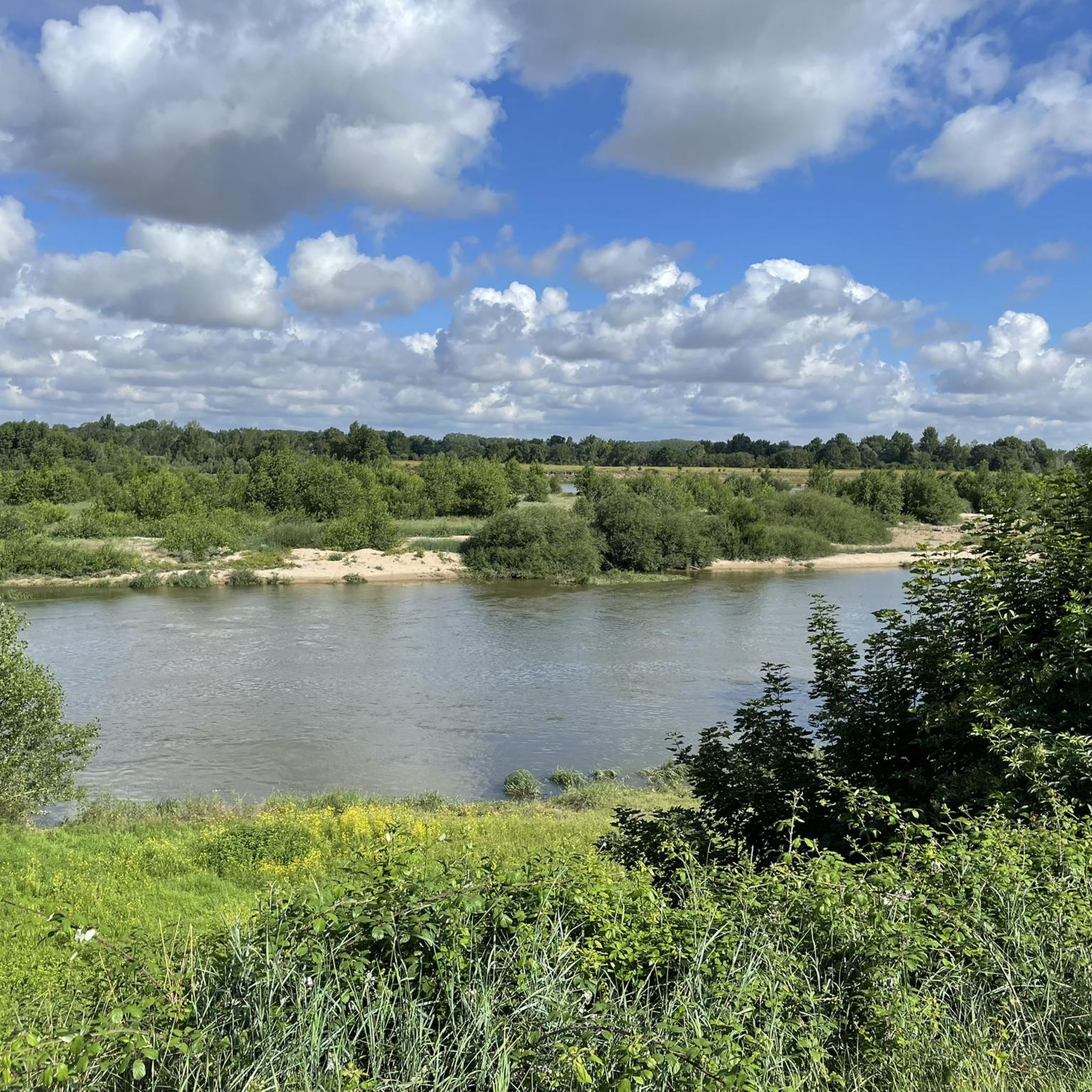
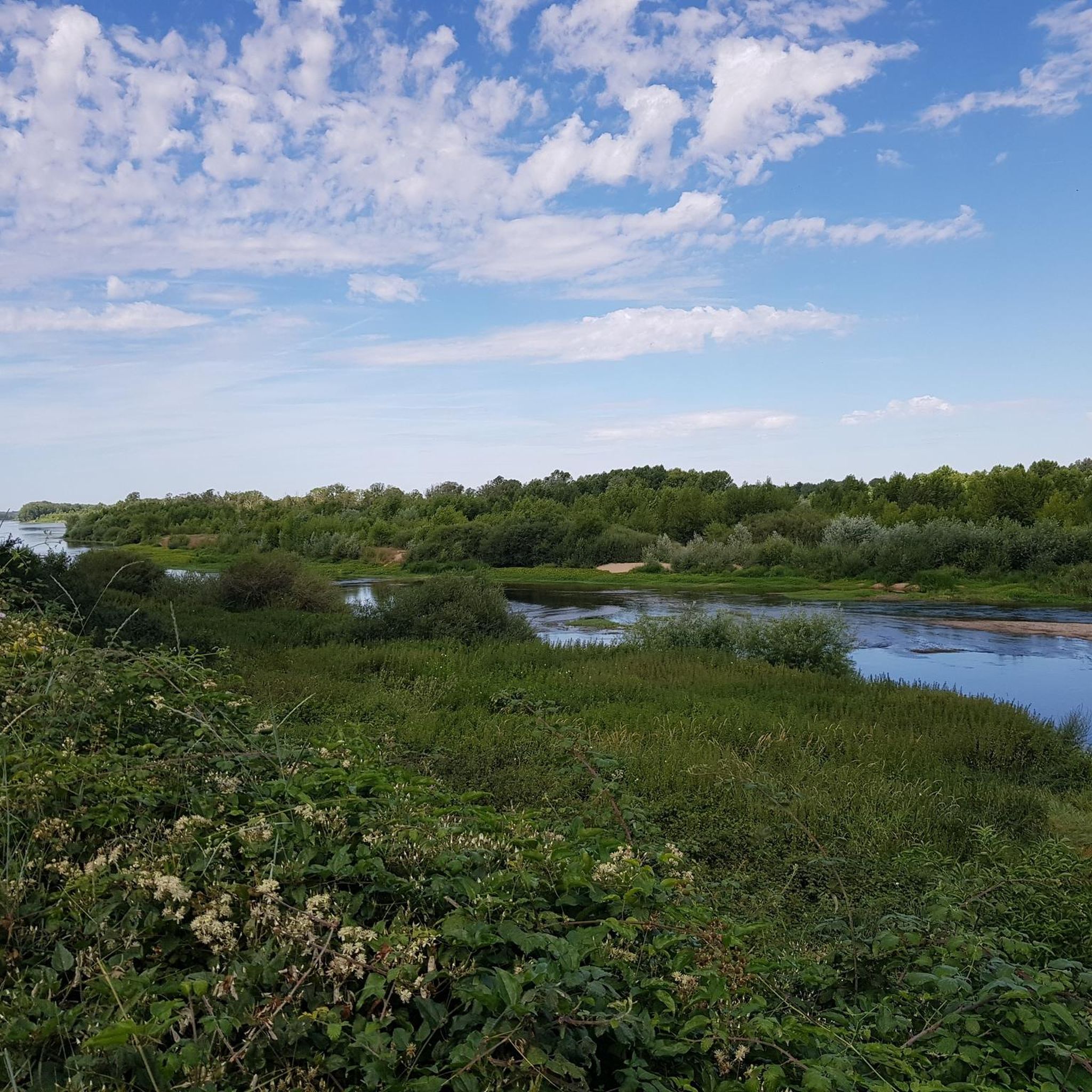
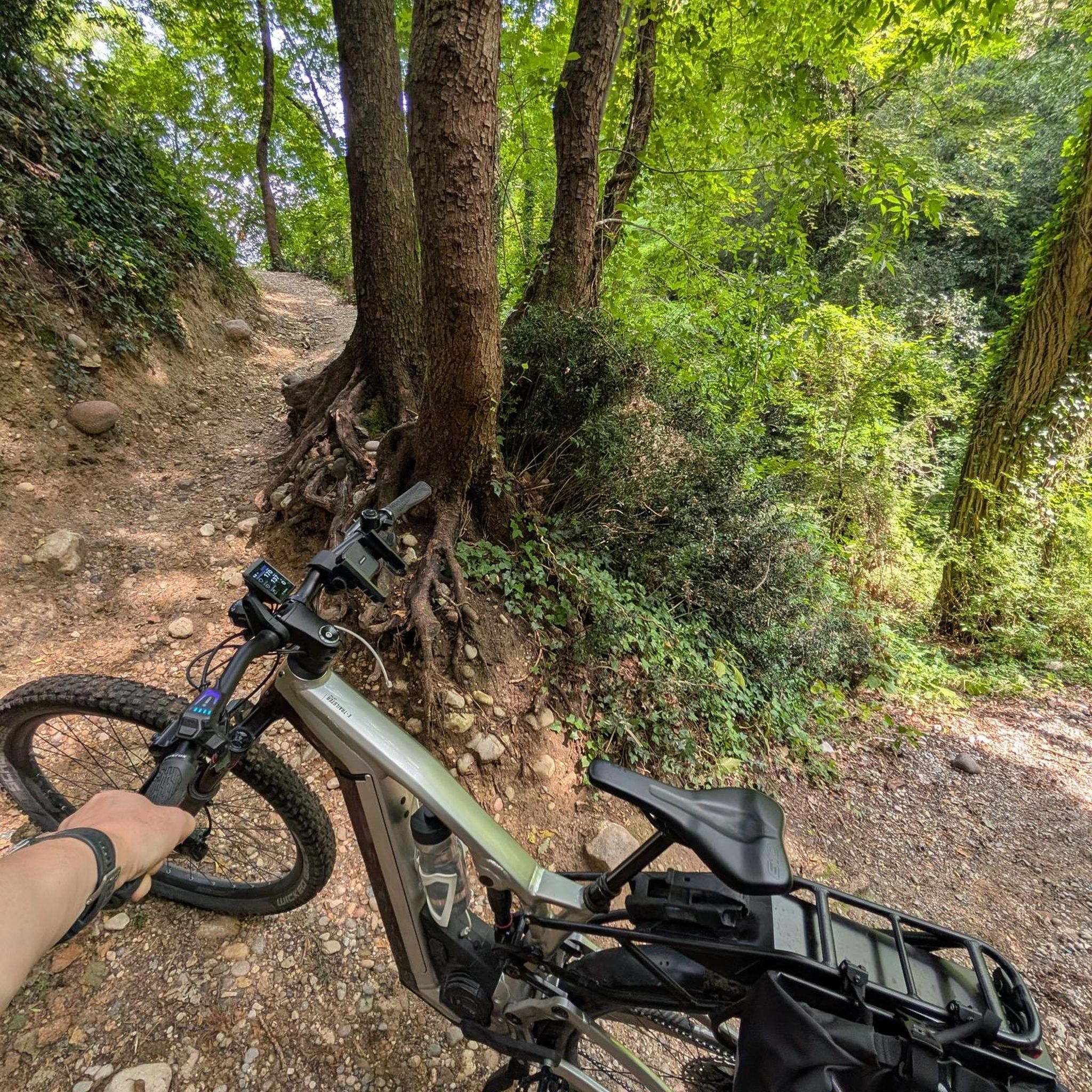
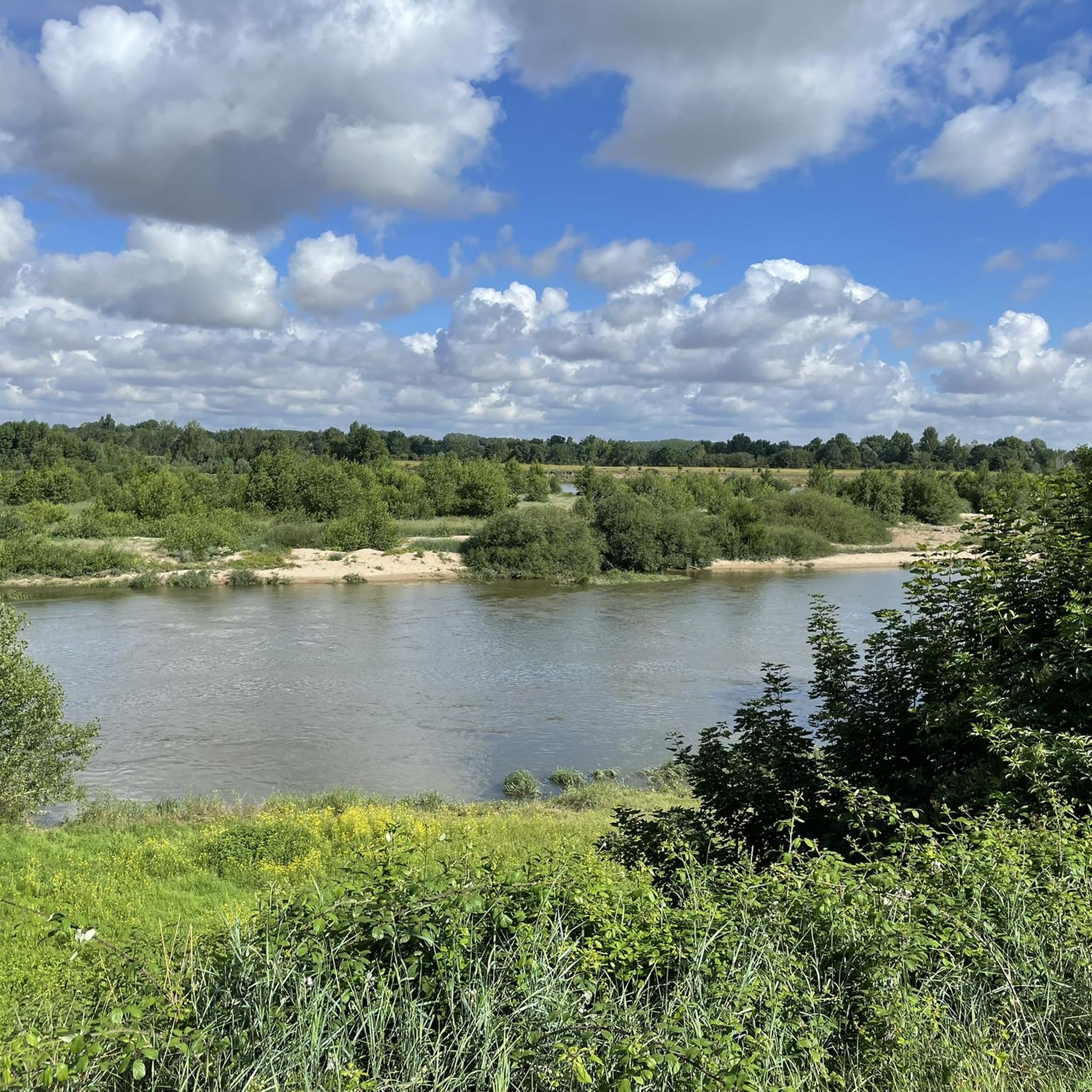
Tips from the Community

According to legend, the Devil took refuge in the castle after having built the magnificent Pont de Beaugency in one night.
1
0

It is the largest Renaissance hunting lodge on the Loire. A visit is highly recommended. There is a paid parking lot. The park is 55 hectares in size. Chambord Castle impresses with its architecture, the beautifully furnished rooms and art. It is recommended to rent a Histopad for 6.5 euros. From the terrace you have great views of the landscaped garden and the extensive park.
1
0

A beautiful castle to visit with its many activities.
1
0

In the heart of Sologne, the Château de Chambord has continued to dazzle its visitors for five hundred years. A true architectural work, Chambord is the emblem of the French Renaissance throughout the world. An affirmation of royal power, but also an evocation of an ideal city, the monument remains an enigma that has not yet finished revealing all its secrets. The unique and magical atmosphere is felt upon arrival, after crossing the forest, when you find yourself facing this castle with its extraordinary architecture imagined by François I and on which floats the spirit of Leonardo da Vinci. Built from 1519 at the request of François I, a lover of the arts and hunting, the Château de Chambord is a palace that the king liked to show to sovereigns and ambassadors as a symbol of his power inscribed in stone. Built in the heart of the marshy lands of Sologne, Chambord represents a true architectural feat. The plan of the castle and its decorations were designed around a central axis: the famous double-revolution staircase, inspired by Leonardo da Vinci. The castle was completed under the reign of Louis XIV. In the 18th century, work was undertaken to develop the interior of the castle. The need to bring warmth and comfort to the building prompted the various occupants to furnish the castle permanently. By visiting the Château Chambord, you travel through 500 years of French history in a few hours. Stairs, galleries, terraces, large rooms and small offices are all solicitations to wander for pleasure. Chambord is not a castle like the others. Visiting Chambord is accessing a world apart, filled with mystery, which opens the doors to the genius of the Renaissance. The Château de Chambord has been dedicated to the arts from the outset. Molière's Le Bourgeois Gentilhomme was performed there for the first time, in front of Louis XIV in 1670. True to this tradition, the estate has set up a quality cultural program since 2010 (music festival, exhibitions, readings, shows, etc.). The Château de Chambord cannot be dissociated from its natural state, the forest. With its 5,440 hectares and 32 kilometers of surrounding walls, the national estate of Chambord is the largest enclosed park in Europe. Coming to Chambord also means exploring kilometers of hidden paths, admiring preserved landscapes, having the chance to come across wild animals or discovering the magnificent French gardens designed under Louis XIV and completely restored in 2017. Chambord offers many nature activities in the park: equestrian show, horse-drawn carriage rides, visits to the reserve in 4x4, boat trips, on foot or by bike. For lovers of the terroir, come and discover the Chambord vineyards and taste the 500-year-old vintage. Also, don't miss a visit to the vegetable gardens, inspired by permaculture, in the former stables of the château. An opportunity to discover the world of market gardeners and the benefits of this agriculture. In Chambord, everyone can build their day according to their desires.
1
0

Located in the heart of the medieval town of Beaugency, the Château de Beaugency is a remarkable site. This 11th-century Loire Valley château was once owned by the lords of Beaugency, the French crown, and later the Dukes of Orléans. Today, it houses a Digital Art Center and is one of France's leading cultural centers dedicated to digital art.
2
0

Beautiful viewpoint of Chambord Castle.
3
0

After sunset, I heard and then saw a red deer. I filmed it. Unfortunately, it can't be published on Komoot.
1
0
At sunset you can watch wild boar, red deer and roe deer here.
1
0
Frequently Asked Questions
Which castles around Mer are particularly suitable for families?
Several castles near Mer offer family-friendly experiences. Chambord Castle is a great option with its vast park for cycling and exploration. Château de Beaugency, with its blend of history and a Digital Art Center, can also engage various age groups. The Beaugency Medieval Town itself provides an immersive historical setting for families to explore.
What is the best time of year to visit the castles near Mer?
The period from April to November is generally ideal, especially if you wish to experience the International Garden Festival at Domaine de Chaumont-sur-Loire. During these months, the weather is typically pleasant for exploring the castle grounds and parks. Most castles, like Chambord Castle and Château de Beaugency, are open daily during peak season, often with extended hours.
Are there any less-known or 'hidden gem' castles worth visiting near Mer?
While Chambord Castle is widely known, you might enjoy exploring the Historic Sites of Montlivault, which include a local castle. The Château d'Herbilly (La Grand'Cour) is located directly in Mer, offering a local historical site. Château de Villesavin also provides guided tours of its apartments, museums, and gardens, offering a more intimate experience.
What kind of historical significance do the castles around Mer hold?
The castles in this region, particularly in the Loire Valley, are rich in French history. They served as residences for kings and queens, showcasing architectural evolution from medieval fortresses to grand Renaissance châteaux. For example, the Royal Château of Blois was a residence for seven kings and ten queens of France, offering a panorama of French architectural history.
Can I find cafes or dining options near the castles?
Yes, many of the larger castles and nearby towns offer dining options. Chambord Castle has a bistro on-site. In the medieval town of Beaugency, near Château de Beaugency, you'll find good restaurants. The area around César Tower also has cafes with regional organic products.
What outdoor activities can I do near the castles around Mer?
The region around Mer is excellent for outdoor activities, especially cycling. You can find numerous routes for road cycling, mountain biking, and touring bicycles that often pass by or offer views of the castles. For example, there are routes like 'View of Chambord Castle' from Mer. You can explore more options on the MTB Trails around Mer, Road Cycling Routes around Mer, and Cycling around Mer guides.
How much time should I allocate for visiting a castle?
The time needed varies greatly depending on the castle. For a grand site like Chambord Castle, you could easily spend half a day exploring its interiors, rooftop terraces, and cycling through its vast park. Smaller castles or those with specific exhibitions, like Château de Beaugency, might take 2-3 hours. If you plan to visit multiple castles, consider dedicating a full day or more to the region.
Are the castles around Mer generally accessible for visitors with mobility concerns?
Accessibility varies by castle. Older structures, especially medieval ones, may have limited accessibility due to stairs and uneven terrain. However, many major châteaux have made efforts to improve access to certain areas. It's advisable to check the specific castle's official website for detailed information on accessibility before your visit.
What are some unique architectural features to look for in the castles?
The castles showcase a diverse range of architectural styles. Chambord Castle is famous for its distinctive blend of French Renaissance and traditional medieval styles, including an iconic double-helix staircase. The Royal Château of Blois offers a unique synthesis of styles from the Middle Ages to the 17th century within its single courtyard. Château de Cheverny is known for its classical elegance.
Can I bring my dog to the castles or their grounds?
While dogs are generally not permitted inside the castles themselves, some castle grounds or parks may allow leashed dogs. For instance, the extensive park surrounding Chambord Castle is partially accessible by bike, and some outdoor areas might be dog-friendly. Always check the specific castle's visitor policies beforehand.
Are there scenic viewpoints or natural areas near the castles?
Yes, the Loire Valley is known for its beautiful landscapes. Chambord Castle is set within Europe's largest enclosed forest, offering extensive natural beauty. Domaine de Chaumont-sur-Loire is particularly known for its International Garden Festival and its picturesque location overlooking the Loire River. Many cycling routes also offer scenic views of the castles and the surrounding countryside.
What is the difference between a 'castle' and a 'château' in this region?
In the Loire Valley, the terms 'castle' and 'château' are often used interchangeably, but 'château' is the French word for a large country house, manor house, or palace, which can include fortified castles. Many of the structures, like Chambord Castle, were originally built as defensive castles but evolved into grand residences, embodying both historical fortification and elegant architecture.
Most popular attractions around Mer

Get inspired with the komoot mobile app


Explore more
Looking for the best castles somewhere else? Discover other guides around Mer:
