The best road cycling routes around Luisant
4.5
(175)
4,244
riders
705
rides
Road cycling routes around Luisant traverse a landscape characterized by the Eure valley, offering generally flat to gently rolling terrain. The region features a mix of agricultural lands, historical villages, and water features such as ponds and rivers. Road cyclists can expect routes that pass by châteaux and traditional architecture, with modest elevation gains.
Best road cycling routes around Luisant
- The most popular road cycling route is West of Chartres — loop in the Eure valley, an easy 28.9…
Last updated: November 20, 2026
5.0
(3)
10
riders
46.5km
01:52
170m
170m
Easy road ride. Mostly well-paved surfaces and easy to ride.
4.5
(6)
124
riders
52.9km
02:06
170m
170m
Moderate road ride. Good fitness required. Mostly well-paved surfaces and easy to ride.

5.0
(1)
53
riders
82.4km
03:15
380m
380m
Moderate road ride. Good fitness required. Mostly well-paved surfaces and easy to ride.
4.5
(2)
35
riders
50.6km
01:58
140m
140m
Easy road ride. Mostly well-paved surfaces and easy to ride.
53
riders
58.4km
02:23
320m
320m
Moderate road ride. Good fitness required. Mostly well-paved surfaces and easy to ride.
Get access to more routes and recommendations from other explorers.
Already have an account?
Our route recommendations are based on thousands of hikes, rides, and runs completed by other people on komoot.
Start today with a free account
Your next adventure awaits.



Tips from the Community

A walk that is doable even in rainy and cool weather thanks to its cycle paths
0
0

very nice pond to rest
0
0

Of Romanesque origin, the church, surrounded by a cemetery, has a curious bell tower supported by machicolations and uprights of sandstone, making it one of the most unique in the region. Perhaps it was originally a bell gable, later augmented by a platform supported by these machicolations? In front of the entrance, a small building called a "caquetoire" (a small meeting place) allows the faithful to gather and converse. Inside the church, the furnishings date from the 18th and 19th centuries: a marble high altar and its gray-painted wooden altarpiece (18th century) – a painted wooden altarpiece of St. Joseph (late 18th or early 19th century) an altarpiece for the altar of the Virgin Mary (19th century) a baptismal font in red-veined marble (19th century) a waxed wooden pew (18th century) a waxed wooden choir stall upholstered in velvet paintings: the Assumption of the Virgin Mary by Octave Hauser (1839) and the Annunciation (18th century) The stained-glass windows date from 1874. The church and the eclipse A bit of history: The parish, established in the 13th century, was part of the deanery of Courville. The church's patron saint, Luperche or Luperchius, gave his name to the village. We must go back to the 4th century to find the first trace of this saint: At that time, Dacius, governor of the part of Spain that included Catalonia, Aragon, and the Kingdom of Valencia, was one of the most cruel ministers of persecution. Incited by the emperors Diocletian and Maximilian, he had eighteen confessors of Jesus Christ executed in the city of Zaragoza. In their honor, the poet Prudentius wrote hymns, and among these confessors, a certain martyr named Luperche became the patron saint of our church.
0
0
At the exit of the village, you will notice the Saint-Aignan church; it was almost entirely rebuilt from 1895 onwards on the foundations of the old church after being destroyed by an unfortunate fire.
0
0
According to tradition, the church choir covers the remains of an older building, possibly dating back to the 6th century, which was built to house the saint's body. According to current knowledge, the commune of Saint-Piat (Sanctus Piatus in Latin) officially appeared in 1087, mentioned in a charter of the Nottonville Priory (Eure-et-Loir), on which it depended. The current building was rebuilt during the time of Francis I, as suggested by the date 1535 engraved on two buttresses of the apse and the date 1542 engraved on a piece of wood from the vault. This is according to a study by the SAEL (Eure-et-Loir Archaeological Society). The three-sided apses, the dripstone towers (horizontal members projecting from a wall), and the sculpted roof structures are a testament to the importance of the reconstructions carried out in the department during the 16th century. The church of Saint-Piat is one of them. While the church has not been officially recognized, it nevertheless contains objects that have attracted attention both for their antiquity and quality, but not always for good reason. Their artistic value, far from attracting only religious or aesthetic interest, has also aroused a covetousness that, unfortunately, remains for some of them. Fortunately, those still in place are carefully cared for and offer the curious a story to discover, a beauty to slowly ponder as they progress toward the choir.
0
0

According to biblical accounts, the apostle "Saint Jacques" was the first person to be executed for his faith, as recorded in the Acts of the Apostles, making him an early martyr (blood witness) of Christianity. His tomb in the town named after him, "Santiago de Compostela" (Galicia, Spain), is one of the most famous and important pilgrimage destinations in the world and is often ranked third after Jerusalem and Rome. Yesterday (July 25) was his feast day in the calendar of saints. When this date falls on a Sunday (this was last the case in 2021), the Catholic Church celebrates a special "Holy Year" there (extended by Pope Francis until 2022 due to the coronavirus pandemic).
0
0

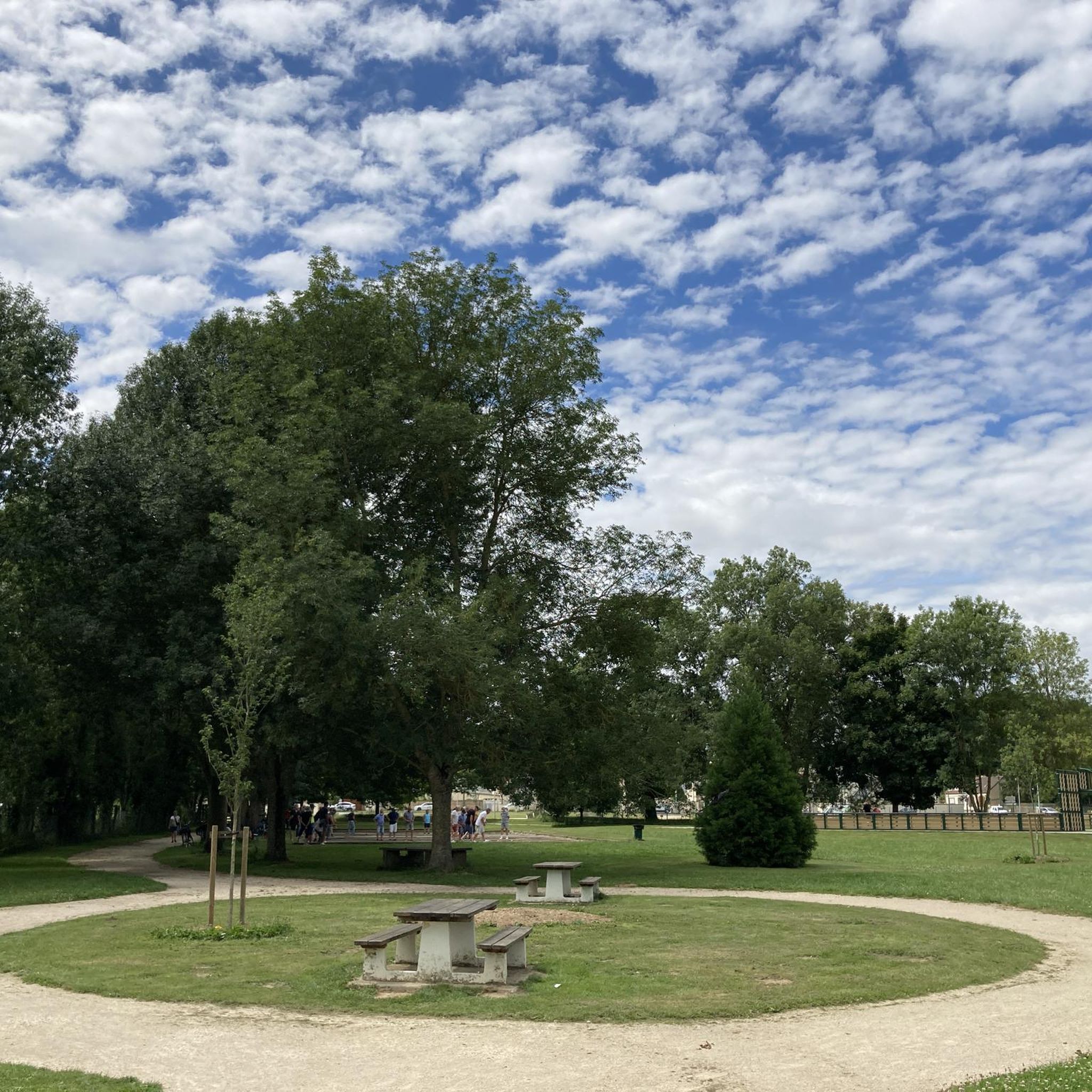
The place to take a break in Illiers-Combray.
0
0

Frequently Asked Questions
How many road cycling routes are available around Luisant?
There are over 700 road cycling routes around Luisant, offering a wide variety of options for different skill levels and preferences. This includes more than 200 easy routes, nearly 500 moderate routes, and a selection of more challenging options.
What kind of terrain will I encounter on road cycling routes near Luisant?
Road cycling routes around Luisant primarily traverse the Eure valley, characterized by generally flat to gently rolling terrain. You can expect to ride through agricultural lands, historical villages, and past water features like ponds and rivers, with modest elevation gains.
Are there any family-friendly road cycling routes in the Luisant area?
Yes, many of the routes around Luisant are suitable for families, especially the easier ones that feature minimal climbing. The region's generally flat to gently rolling landscape makes it ideal for leisurely rides. Consider routes like West of Chartres — loop in the Eure valley for a pleasant family outing.
What are some scenic highlights or landmarks I can see along the road cycling routes?
Many routes offer views of historical villages and traditional architecture. You can also explore significant landmarks such as the iconic Chartres Cathedral, the charming city of Chartres itself, or the historic Guillaume Gate. Routes often pass by châteaux and picturesque ponds, like those found on the Ponds of Fontenay sur Eure – Fontenay-sur-Eure Church loop from Lucé.
Are there any challenging road cycling routes for experienced cyclists?
While the region is known for its gentle terrain, there are some longer, moderate routes that offer a good challenge. For example, the Château de Mormoulins – Half-timbered house loop from Lucé covers over 100 km, providing a substantial ride through historical sites and rural scenery. There are also 15 routes specifically graded as difficult for those seeking a greater test.
What do other road cyclists say about the routes in Luisant?
The road cycling routes around Luisant are highly regarded by the komoot community, holding an average rating of 4.4 stars from over 170 reviews. Cyclists often praise the quiet roads, the charming scenery of the Eure valley, and the variety of routes that cater to different fitness levels.
Are there circular road cycling routes available around Luisant?
Yes, many of the road cycling routes in the Luisant area are designed as loops, allowing you to start and finish at the same point. Examples include the popular West of Chartres — loop in the Eure valley and the Orrouer Church – Levesville loop from Lucé, making planning convenient.
Can I find routes that pass by places to stop for refreshments or coffee?
Many routes pass through or near historical villages and towns where you can often find local cafes, bakeries, or small shops for refreshments. While specific cafe stops aren't always highlighted, planning your route through larger settlements like Chartres or Lucé will provide opportunities for breaks.
What is the best time of year for road cycling in Luisant?
The best time for road cycling in Luisant is typically from spring through autumn (April to October). During these months, the weather is generally mild and pleasant, with less rain and comfortable temperatures, making for ideal cycling conditions through the agricultural plains and villages.
Are there any longer road cycling routes for endurance training?
Absolutely. For those looking for longer rides, routes like the Château de Mormoulins – Half-timbered house loop from Lucé, which is over 100 km, provide excellent opportunities for endurance training. The region's generally gentle gradients allow for sustained efforts over long distances.
Are there road cycling routes that explore specific historical sites?
Yes, several routes are designed to take you past historical sites. For instance, the Château de Maintenon – Moulin de Jouy loop from Lucé allows you to cycle near the famous Château de Maintenon, offering a blend of scenic beauty and historical exploration.
Most popular attractions around Luisant

Get inspired with the komoot mobile app


Explore more
Browse the best Road cycling routes in other regions.
