The best road cycling routes around Chambon-Sur-Cisse
4.1
(135)
4,990
riders
444
rides
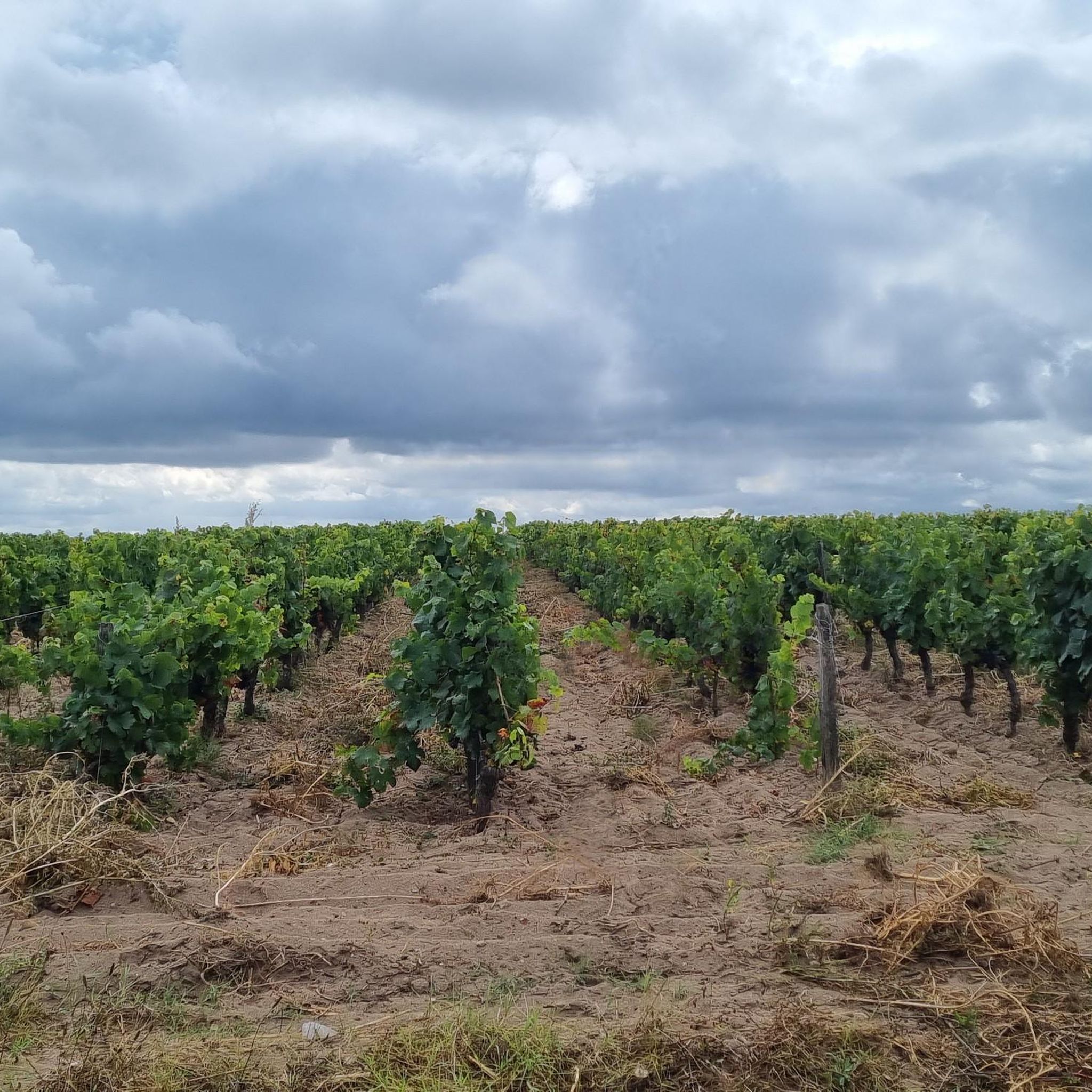
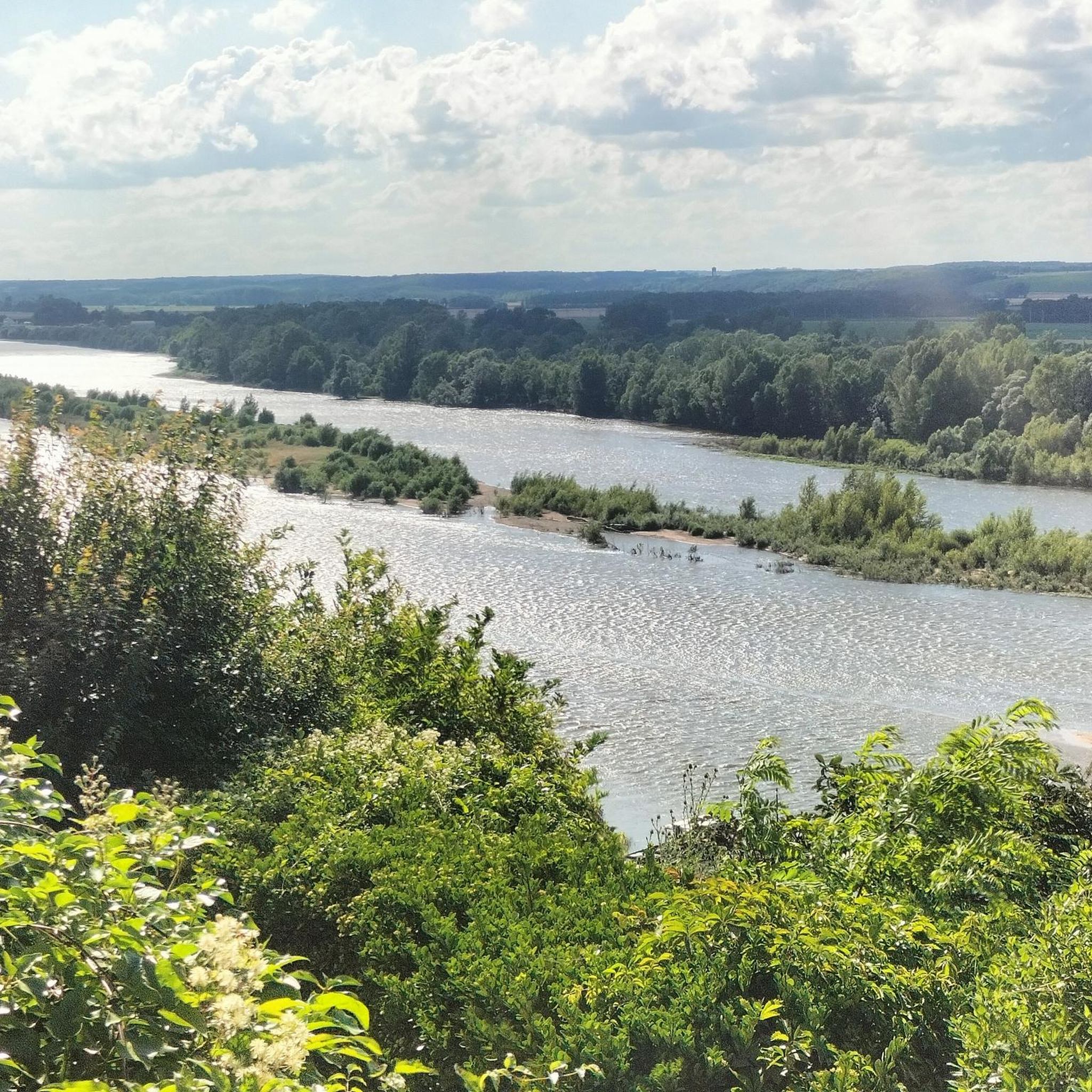
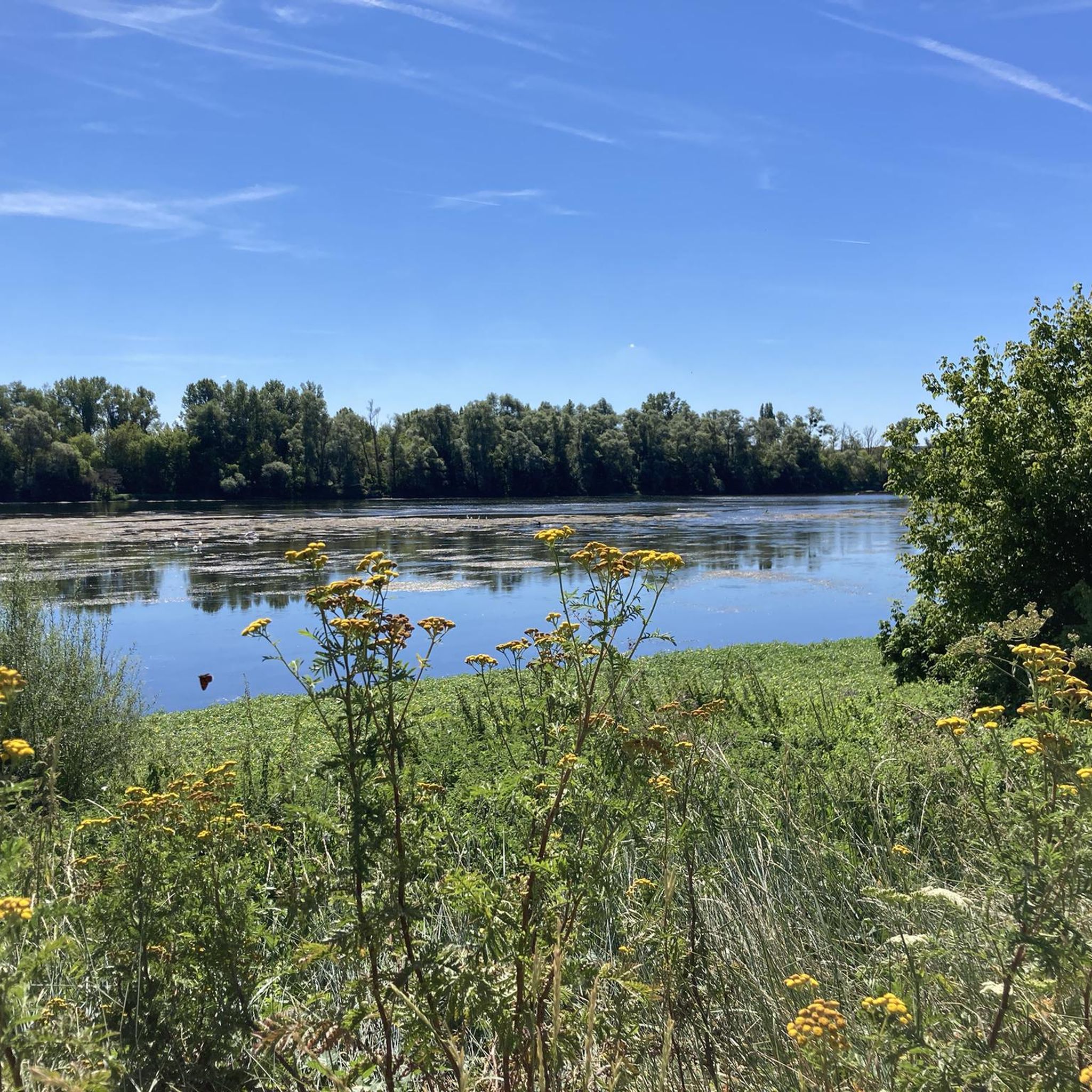
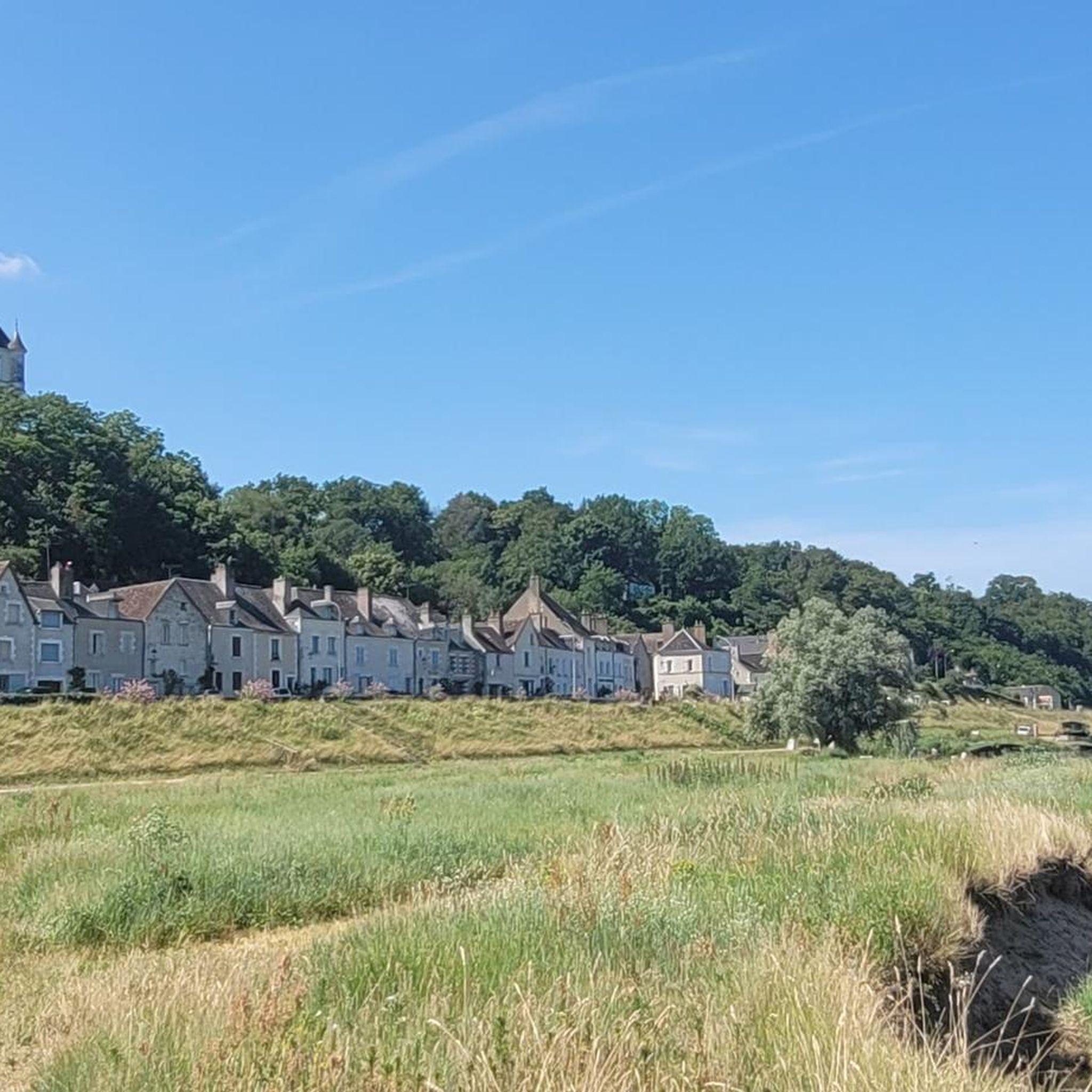
Road cycling around Chambon-Sur-Cisse offers routes through the serene Cisse valley, a tributary of the Loire River, characterized by its naturally preserved environment. The terrain is generally gentle, making it suitable for various fitness levels. This area is known for its proximity to the extensive Loire à Vélo route, providing access to mostly flat, quiet roads and well-maintained cycle paths. The landscape includes historical forests and marshland bordered by the Cisse river, offering scenic and accessible road cycling terrain.
Best…
Last updated: May 24, 2026
Hard road ride. Very good fitness required. Mostly well-paved surfaces and easy to ride.
5
riders
31.1km
01:19
140m
140m
Easy road ride. Great for any fitness level. Mostly well-paved surfaces and easy to ride.

Sign up for free
5.0
(1)
9
riders
26.8km
01:15
120m
120m
Moderate road ride. Great for any fitness level. Some segments of this route may be unpaved and difficult to ride.
3.0
(1)
7
riders
58.3km
02:26
370m
370m
Moderate road ride. Good fitness required. Mostly well-paved surfaces and easy to ride.
5.0
(1)
6
riders
Easy road ride. Great for any fitness level. Mostly well-paved surfaces and easy to ride.
Get access to more routes and recommendations from other explorers.
Sign up for free
Already have an account?
Our route recommendations are based on thousands of hikes, rides, and runs completed by other people on komoot.
Start today with a free account
Your next adventure awaits.
Login or Signup
Tips from the Community


Built in a Classical style, the Cherveny castle has belonged to the same family for more than six centuries, the Huraults, financiers and officers in the service of several kings of France. The current castle was built around 1625 by Henri, son of Philippe Hurault, and his wife Marguerite Gaillard de la Morinière. They launched the construction of the current castle and entrusted the execution of the work to the architect Jacques Bougier. He uses “Bourré stone”, a stone from the Cher valley which has the particularity of whitening and hardening as it ages. Sobriety and symmetry characterize the Château de Cheverny, a precursor of the French style which established itself under the reign of Louis XIV. The work is of such magnitude that it will not see the end of the project. Their daughter Elisabeth, Marquise de Montglas, completed the interior decoration which was entrusted to Jean Monier. During the following hundred and fifty years, the Château de Cheverny changed owners several times. In 1825, Anne Denis Hurault, Marquis de Vibraye, bought the property from her ancestors. The Château de Cheverny, which has always been inhabited, presents remarkably well-preserved pieces of furniture and interior fittings. The first floor apartments bear witness to the French art of living. An English-style park and gardens surround the Château de Cheverny. Visitors can discover the Jardin des Apprentis, a contemporary designed garden created in 2006 which was inspired by the found plans of an old French garden and the vegetable garden, designed by the Marquise de Vibraye, it combines the use original of different colored materials, vegetables and flowers. The Garden of Love, created in 2019, presents six monumental statues by Gudmar Olovson which reflect Love in all its forms. Cheverny constitutes a heritage of stones, land but also of tradition with venery or hunting with hounds. The Cheverny crew was founded in 1850 by the Marquis de Vibraye. Nowadays, in the Cheverny forest and neighboring forests, the crew harvests exclusively deer. Every day, from April to September 14, subject to reservations, at 11:30 a.m., visitors can attend the dog meal. The Château de Cheverny inspired the Château de Moulinsart to the Belgian comic book author, Hergé. The Domaine de Cheverny and the Hergé Foundation have joined forces to create and set up a permanent exhibition on the theme: the secrets of Moulinsart.
1
0

Benedictine abbey of the Congregation of Saint Maur, founded in the 11th century. The abbey church was built from 1040. It was destroyed by fire around 1262. At the end of the 13th century, a new church was built and the monastery enlarged. The abbey was ruined before 1391 by the English. In 1468, a church larger than the previous one was built. In 1837 the riding school was built on the site of the abbey house. For more information: https://www.abbayedepontlevoy.fr/
0
0
A picturesque Catholic church. The church consists of a nave ending in a flat apse, and flanked by a south aisle. The building must date from the 12th century, as evidenced by the double-arched west portal and the sculpted modillions of the south wall. A freestone bell tower was erected against the south wall in the 14th century. At the beginning of the 16th century, addition of a south aisle forming four chapels, the last of which was transformed into a sacristy at the end of the 17th century. The stained glass windows in the chancel and the north wall of the nave are said to be the work of a glass painter named "master of Saint-Jacques. Was built in the 12th century, then rebuilt in the 17th century.
0
0

Small Church ⛪️, very pretty interior
0
0

This church dates from the Carolingian era and features a mix of Romanesque, Gothic and Renaissance styles. You can admire the elegant facade with its porch, the imposing tower with its stone pyramid, and the richly decorated interior with its stained glass windows.
2
0
Les Douves in Onzain is a unique and enchanting place in the heart of the Loire Valley. You can stay in this charming guest room surrounded by its own moat and enjoy the view of the Château de Chaumont-sur-Loire and its garden festival. You will discover the beauty and history of this ancient castle as you walk through it.
2
0
Frequently Asked Questions
How many road cycling routes are available around Chambon-Sur-Cisse?
There are over 470 road cycling routes around Chambon-Sur-Cisse. These routes cater to various skill levels, with a majority being moderate, alongside numerous easy options and some more challenging circuits.
What is the typical terrain like for road cycling in Chambon-Sur-Cisse?
The terrain around Chambon-Sur-Cisse is generally gentle, characterized by the serene Cisse valley and its proximity to the Loire River. This area is known for its mostly flat roads and well-maintained cycle paths, making it suitable for a wide range of fitness levels. You'll find routes through historical forests and marshland, offering scenic and accessible road cycling.
Are there any family-friendly road cycling routes in the area?
Yes, the region's generally flat terrain, especially along the Loire à Vélo route, makes it very suitable for family cycling. While specific family-friendly routes are not highlighted here, many of the 113 easy routes available would be appropriate for families. Look for routes with minimal elevation gain and away from heavy traffic.
What kind of attractions can I see along the road cycling routes?
Road cycling routes around Chambon-Sur-Cisse offer access to numerous historical and natural attractions. You can explore iconic châteaux such as Chaumont-sur-Loire Castle and Blois Castle. Other points of interest include the Port of Chaumont-sur-Loire, the Jacques-Gabriel Bridge and View of Blois, and the historic Candé-sur-Beuvron.
Are there any challenging road cycling routes for experienced riders?
Yes, for experienced riders seeking a challenge, there are 15 difficult road cycling routes available. One notable option is the 75.4-mile (121.3 km) route, From Molineuf to Le Controis-en-Sologne — sporty circuit via Blois, the Zone 2000 and the Loire Valley, which explores the Loire Valley and passes near the historic town of Blois.
What do other road cyclists enjoy most about cycling in Chambon-Sur-Cisse?
The area is highly rated by the komoot community, with an average score of 4.1 stars from over 125 reviews. Road cyclists often praise the tranquil river valley landscapes, the well-maintained paths, and the opportunity to combine cycling with cultural exploration of nearby châteaux and historic towns.
Are there circular road cycling routes available?
Yes, many of the routes around Chambon-Sur-Cisse are circular, allowing you to start and end in the same location. An example of a moderate circular route is the 16.8-mile (27.0 km) Onzain moat loop from Seillac, which offers a pleasant ride through the local rural landscape.
Can I find routes that pass through charming villages or scenic natural areas?
Absolutely. The region is rich in charming villages and scenic natural areas. For instance, the 35.9-mile (57.7 km) Onzain moat – Saint Secondin Church loop from Valencisse leads through river valleys and local villages. The Cisse valley itself, with its marshland and historical forests, provides a naturally preserved and picturesque backdrop for your rides.
Are there routes that follow the Loire River?
Yes, Chambon-Sur-Cisse is strategically located near the renowned Loire à Vélo route, which follows the Loire River. You can find routes like the 81.1-mile (81.1 km) Loire Riverside Cycle Path – Chaumont-sur-Loire loop from Valencisse, which offers extensive riverside cycling and connects to major Loire Valley attractions.
Is it possible to combine road cycling with visits to historical sites?
Combining road cycling with historical site visits is a major highlight of the region. Many routes pass close to or directly by famous châteaux. For example, the town of Blois, with its historic center and cathedral, is just 9 km from Chambon-Sur-Cisse, making it an easily accessible urban destination to integrate into your ride.
Are there any long-distance road cycling options?
Yes, the extensive network of cycleways, including connections to the Loire à Vélo, allows for long-distance road cycling. Routes like From Molineuf to Le Controis-en-Sologne — sporty circuit via Blois, the Zone 2000 and the Loire Valley, at over 120 km, demonstrate the potential for longer rides in the area.
What is the best time of year for road cycling in Chambon-Sur-Cisse?
The Loire Valley generally offers pleasant cycling conditions from spring through early autumn (April to October). During these months, the weather is typically mild, and the landscapes are vibrant. Summer can be warm, but the river valleys often provide a refreshing breeze. It's always advisable to check the local weather forecast before heading out.
Most popular routes around Chambon-Sur-Cisse
Most popular attractions around Chambon-Sur-Cisse

Get inspired with the komoot mobile app


Explore more
Browse the best Road cycling routes in other regions.
