Attractions and Places To See around Lunel-Viel - Top 20
Best attractions and places to see around Lunel-Viel include historical sites, cultural venues, and natural landscapes. Located in the Hérault department of the Occitanie region, Lunel-Viel features traces of Roman history, such as thermal bath foundations, and is known for its vineyards. The area serves as a gateway to the Camargue region, offering a mix of rural and historical exploration. Visitors can explore ancient structures and enjoy the local natural environment.
Best attractions and places to see around Lunel-Viel
- The…
Last updated: October 9, 2026
Castries Aqueduct
Highlight • Monument
Translated by Google •
Tip by

Castries Aqueduct
Highlight • Historical Site
Translated by Google •
Tip by
Sign up now to discover places like this
Get recommendations on the best single tracks, peaks, & plenty of other exciting outdoor places.
The Vidourle Gates
Highlight • Monument
Translated by Google •
Tip by

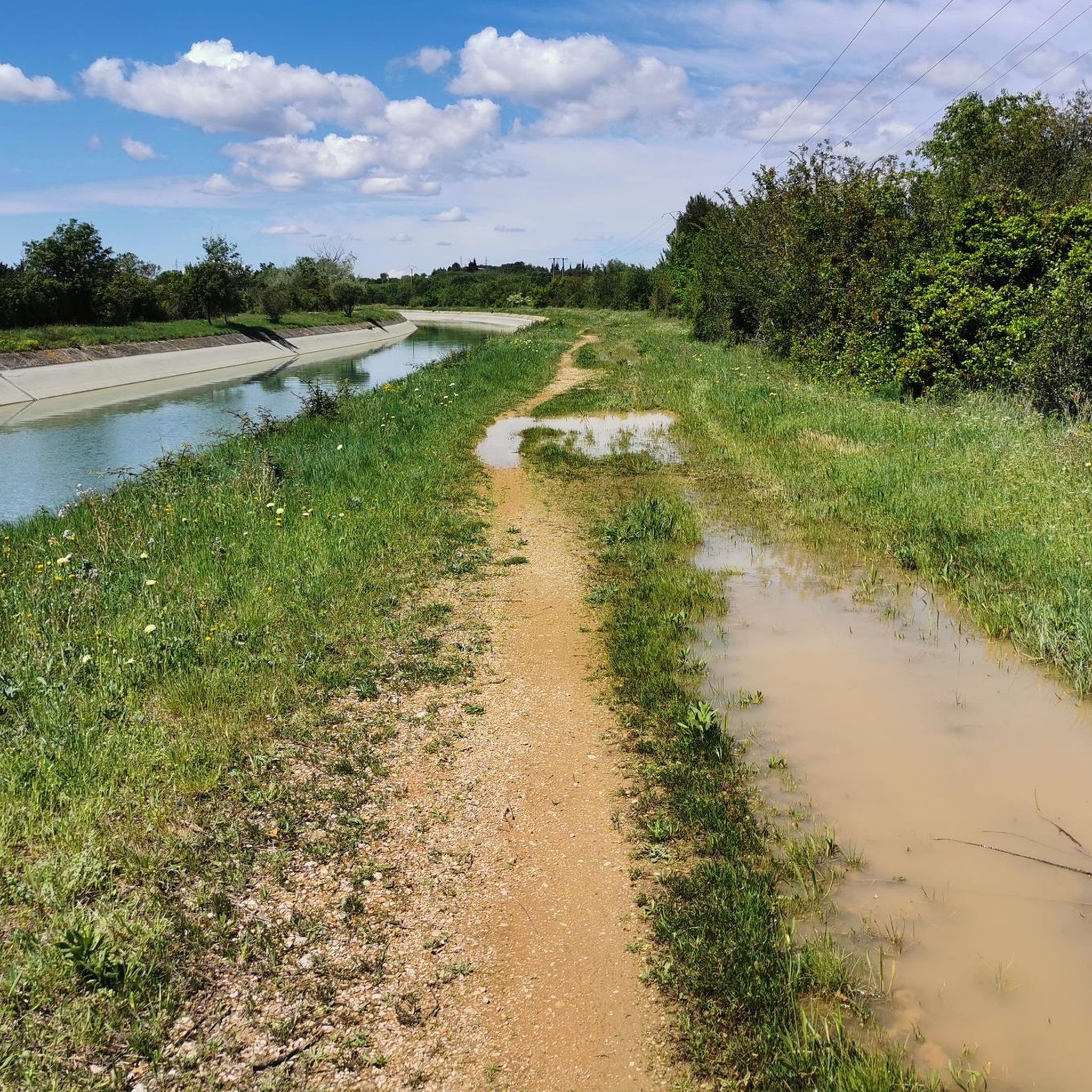
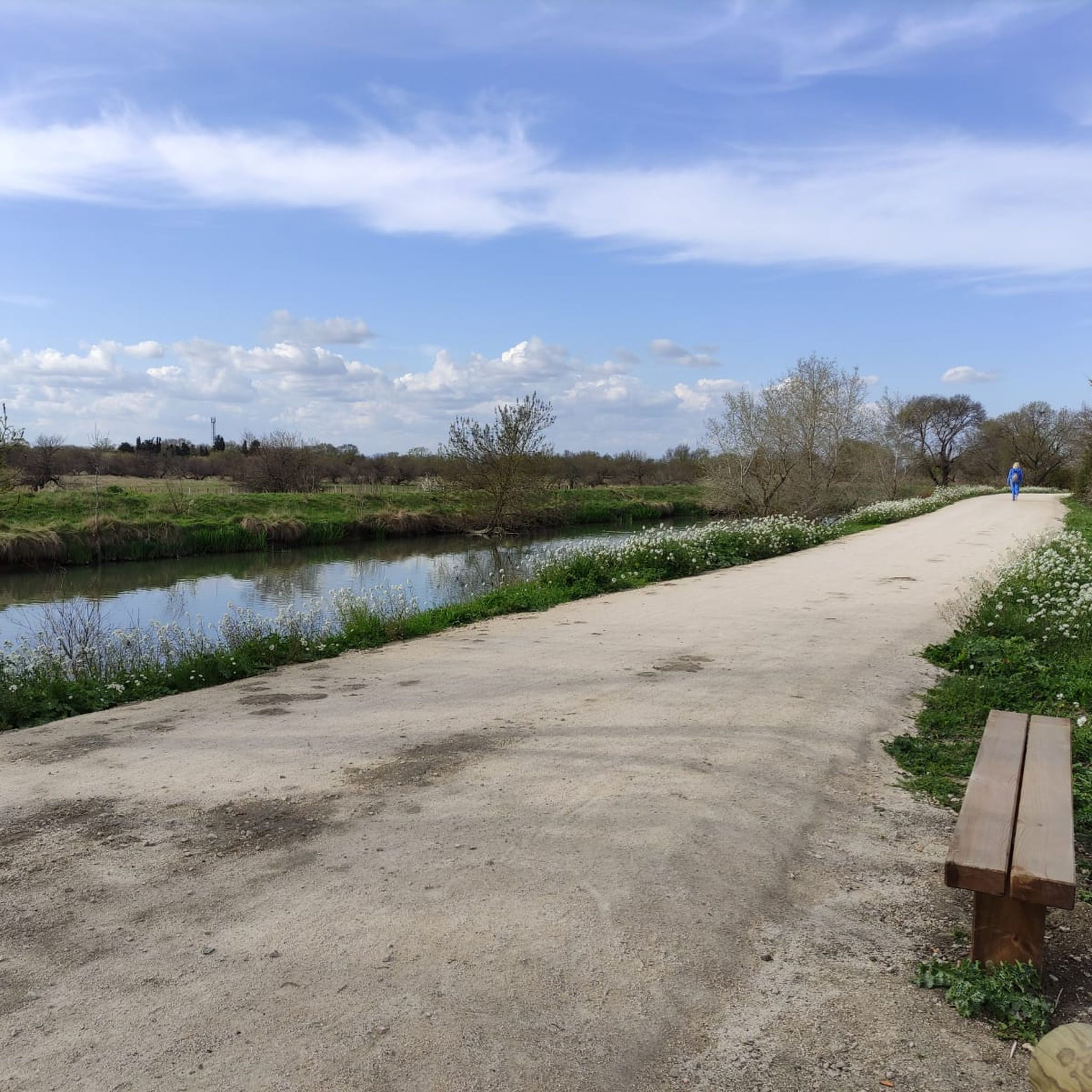
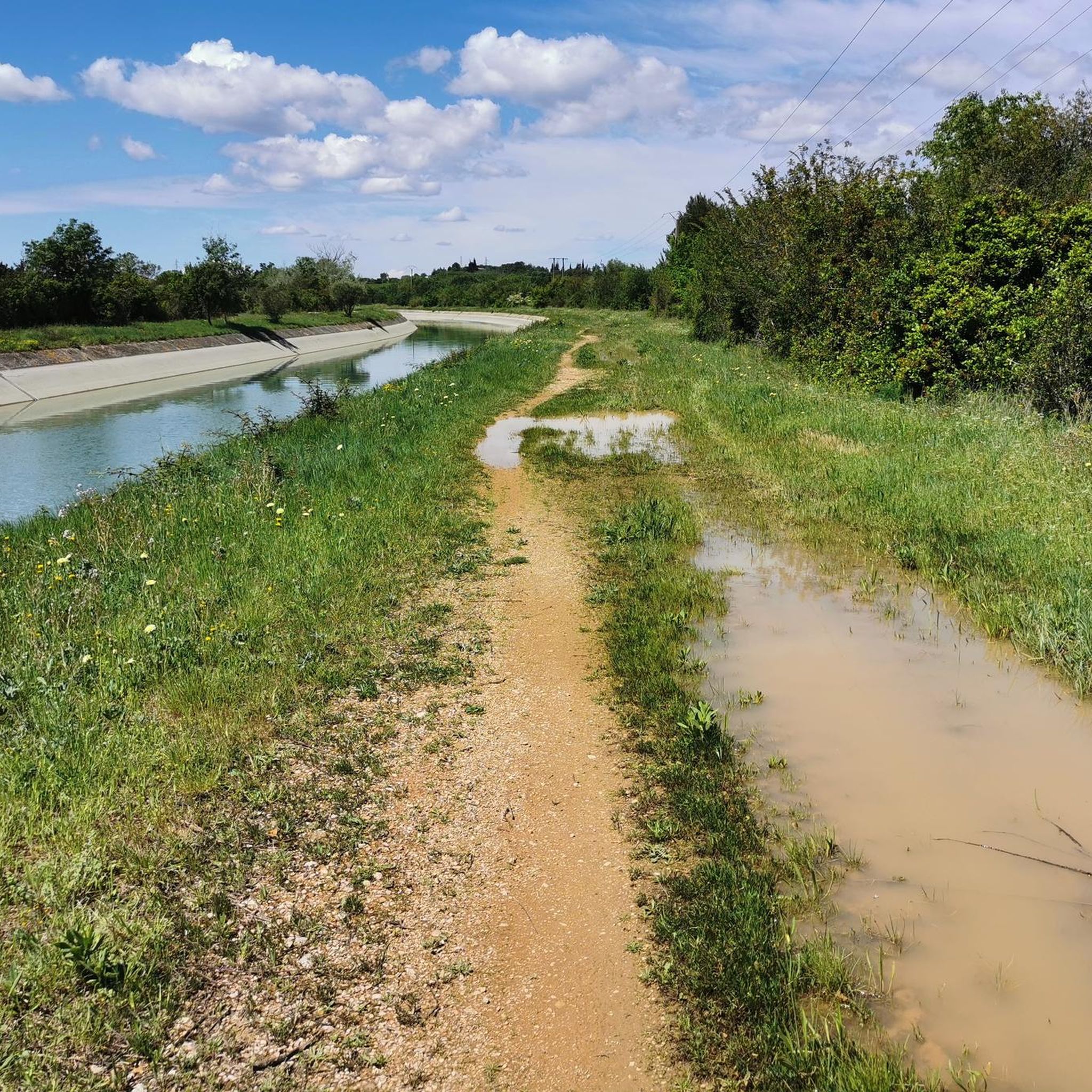
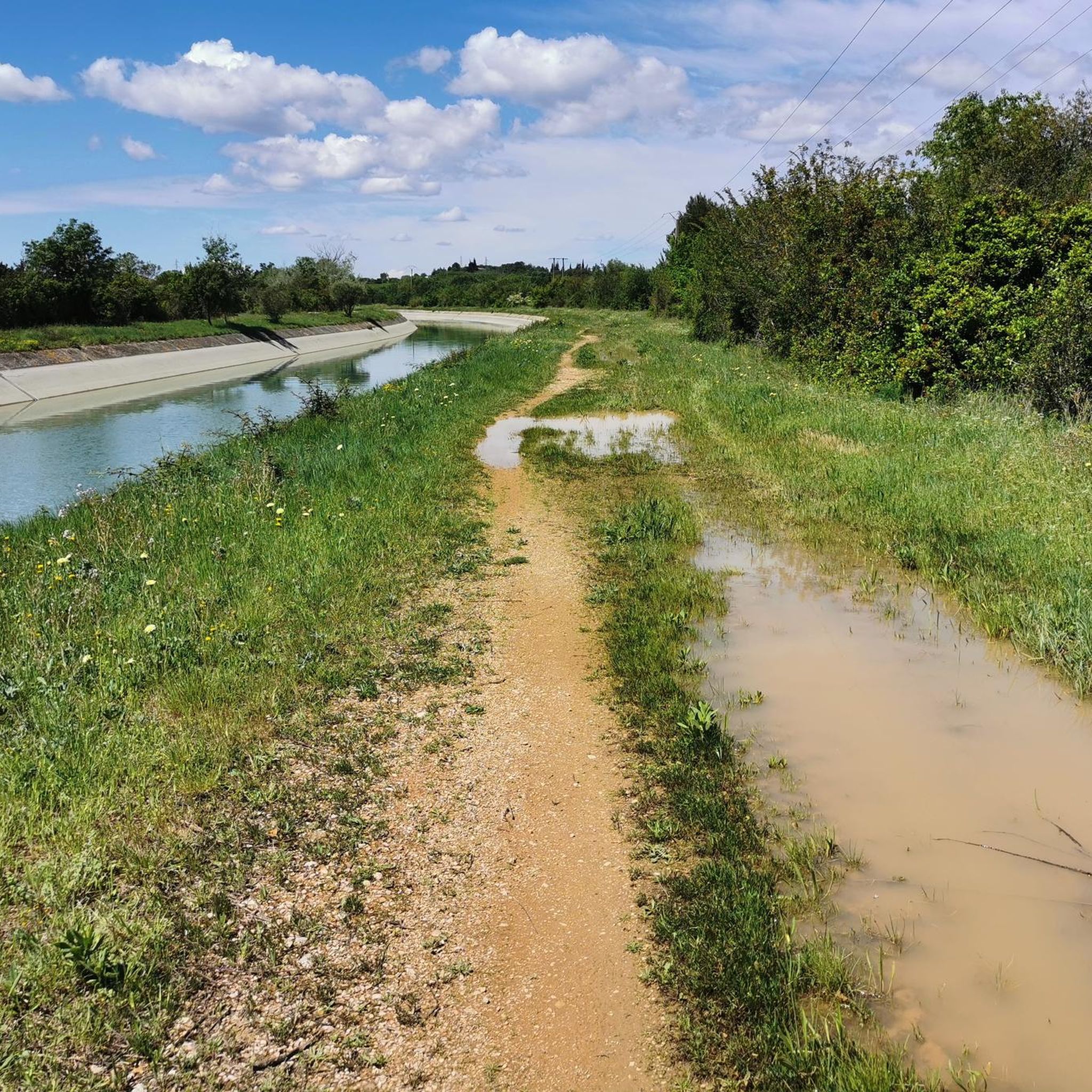
Rhône–Sète Canal
Highlight (Segment) • Cycleway
Touring bike suitable
Translated by Google •
Tip by

View of the Castries aqueduct
Highlight • Viewpoint
Translated by Google •
Tip by

Sign up for free to discover even more attractions around Lunel-Viel.
Already have an account?
Start today with a free account
Your next adventure awaits.

Tips from the Community


Beautiful aqueduct built to supply the park and gardens with water.
0
0

Everyone knows the Pont du Gard, but the Castries aqueduct, much less well-known, is definitely worth the detour (to say the least). A very beautiful hike (possibly parking nearby) done in bright sunshine in the early afternoon, which allowed us to be in a solitary and dry landscape, but where the impressive arches of the aqueduct unfold majestically. An appreciable tranquility in the middle of the past. Superb photos are possible, and the loop allows you to see the covered conduit bringing the water. Sometimes at ground level and sometimes on the arches (there it is no longer covered), it is obviously no longer supplied. The interest is to stroll afterwards (or before) in the village in order to see the "urban" part of the aqueduct.
0
0

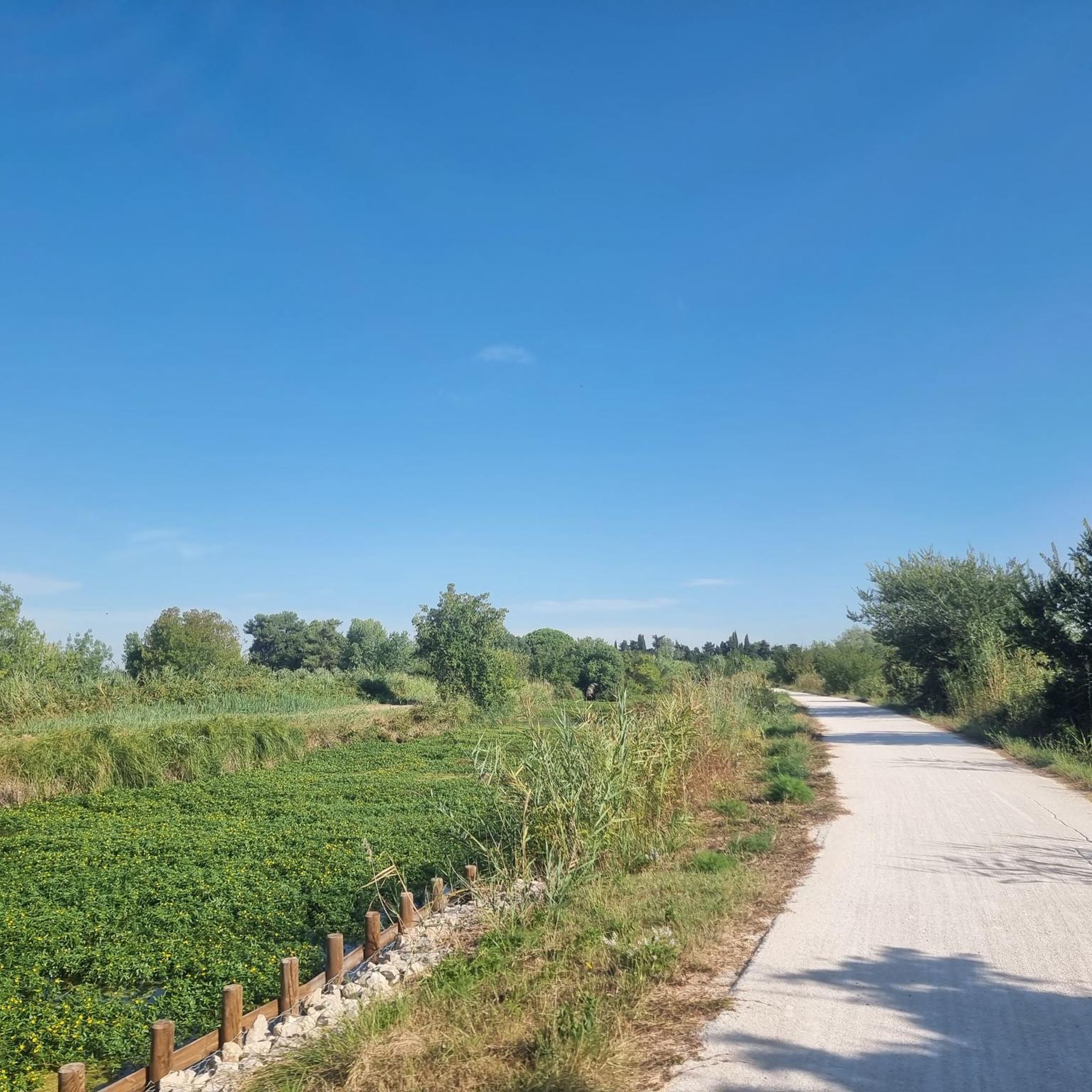
The Vidourle Gates are a flood protection structure near Aigues-Mortes, where the Canal du Rhône à Sète crosses the Vidourle River. During heavy rain, massive flood gates – so-called "vidourlades" – can close here to prevent flooding. The site is easily accessible and a popular destination for walks or bike rides. Circular trails from Aigues-Mortes lead along the canal through a diverse landscape with pine forests, streams, and birdwatching opportunities. The routes are easy to walk, well signposted, and approximately 6–8 kilometers long. Access is free, and parking is available, for example, at the Pont Rouge. Ideal for anyone who wants to experience nature, technology, and a piece of regional history.
1
0


The Castries Aqueduct winds through the bush landscape and offers beautiful walks in the hinterland.
9
0
The aqueduct is 6,822 meters long and has a gradient of only 3 meters. Pierre Paul Riquet had drawn up plans for a colossal aqueduct that could lead to the Chateau de Castries, the waters of the Fongrand spring northwest of the village of Castries, in 1676.
9
1
Frequently Asked Questions
What historical sites can I explore in Lunel-Viel?
Lunel-Viel offers a rich history to discover. You can visit the historic Lunel-Viel Castle, which houses the town hall and features elements from the 12th century. Within its public park is L'Orangerie, an elegant Napoleon III-style building. Traces of Roman history are visible with the foundations of large thermal baths near Rue des Thermes, dating back to around 70 AD. The bell tower of the Saint-Vincent Church, from the 15th century, also stands as a historical landmark. Further afield, the Oppidum of Ambrussum is a significant Roman-era archaeological site.
Are there any significant Roman archaeological sites near Lunel-Viel?
Yes, Lunel-Viel has notable Roman connections. Within the commune, you can see the visible foundations of large Roman thermal baths near the school on Rue des Thermes, dating back to around 70 AD. Additionally, the Oppidum of Ambrussum, located in Villetelle, is a key Roman-era site. It was an important stop on the Via Domitia and features well-preserved thermal baths, a temple, and ancient paved roads, offering a deep dive into the region's Roman past.
What kind of outdoor activities are available around Lunel-Viel?
The area around Lunel-Viel is ideal for outdoor enthusiasts. You can enjoy various activities such as hiking through vineyards and paths leading towards the Camargue. Cycling is also popular, with routes like the Rhône–Sète Canal offering gravel paths for touring. For more structured routes, explore the running trails, gravel biking routes, and road cycling routes available in the region.
Where can I go for a walk or hike in the Lunel-Viel area?
Lunel-Viel offers several options for walking and hiking. The rural areas, particularly the vineyards, provide scenic paths. You can also explore the Orangerie Park, which preserves nearly 40 different plant species, or follow wooded areas along the Dardaillon river banks. For longer excursions, there are routes dedicated to wine tourism and paths extending towards the Camargue. The Castries Aqueduct also offers beautiful walks through the hinterland.
Are there family-friendly attractions in and around Lunel-Viel?
Yes, several attractions cater to families. The Castries Aqueduct and Carrières de Junas are both marked as family-friendly and offer engaging historical and natural exploration. Nearby, you can visit Planet Ocean in Montpellier, one of France's most visited recreational sites, or the Parc Floral Des 5 Continents in Marsillargues for a botanical experience.
What natural features define the landscape around Lunel-Viel?
The landscape around Lunel-Viel is characterized by its rural charm, marking the gateway to the Camargue region. Extensive vineyards are a prominent feature, known for producing Muscat de Lunel wines. The Orangerie Park within the town is a significant green space, preserving diverse plant species. You'll also find various parks, squares, and wooded areas along the Dardaillon river banks, reflecting the town's emphasis on ecological management.
Can I visit ancient quarries near Lunel-Viel?
Yes, you can visit the Carrières de Junas, also known as the quarries of Good Time. This site is an old stone quarry that has been exploited since Antiquity. Its unique shapes, created by over 2000 years of rock quarrying, evoke human constructions and offer a grandiose and magical place to explore. Stone from these quarries was used in structures like the Pont de Sommières.
What local products or culinary experiences can I find in Lunel-Viel?
Lunel-Viel is renowned for its local produce, particularly its wines. The local vineyards are famous for producing Muscat de Lunel, a sweet natural wine with notes of lychee, passion fruit, and citrus. You can discover various local producers in the area, offering these and other high-quality regional wines.
Are there any good viewpoints to appreciate the local scenery?
Yes, for scenic views, consider visiting the View of the Castries aqueduct. This spot offers a beautiful perspective of the impressive arches of the aqueduct winding through the landscape. The Tour de Farges, situated on a hill surrounded by vineyards, also provides picturesque views of the surrounding rural areas.
What cultural events or activities are held in Lunel-Viel?
Lunel-Viel hosts several cultural events. The renowned 'Un Piano sous les arbres' festival is a significant annual piano festival held in the park of L'Orangerie. The town's library also regularly offers cultural activities such as readings and meetings. Additionally, the local arenas host traditional Camargue bullfighting events, providing a glimpse into regional traditions.
What do visitors enjoy most about the attractions around Lunel-Viel?
Visitors particularly appreciate the blend of historical exploration and natural beauty. The Castries Aqueduct is loved for its beautiful walks and impressive architecture, often described as a 'beautiful vestige'. The Carrières de Junas captivates visitors with its 'grandiose and magical' atmosphere, inviting marvel and exploration. The Rhône–Sète Canal is popular for its scenic cycling paths, connecting various locations with a mix of gravel and nature trails.
Most popular routes around Lunel-Viel

Get inspired with the komoot mobile app


Explore more
Still not found the Highlight you’re looking for? See guides of the top attractions in other regions:
