Attractions and Places To See around Cournonsec - Top 20
Best attractions and places to see around Cournonsec include a blend of historical heritage, natural beauty, and cultural experiences. This village, built on a small hill, offers a serene, medieval atmosphere. The surrounding area features Mediterranean garrigue scrubland, vineyards, and olive groves, alongside significant natural reserves and waterways. Its proximity to other notable sites enriches the visitor's experience with diverse landscapes and historical landmarks.
Best attractions and places to see around Cournonsec
- The most popular attractions is Abbaye Saint Félix de Montceau, a religious building and historical site with magnificent ruins. This site features a beautifully maintained garden and picnic area, making it suitable for various outdoor activities.
- Another must-see spot is Mount Saint-Baudile, a summit that offers panoramic views of the coastline. Visitors can find a small chapel at the top and enjoy the wild surroundings.
- Visitors also love Salines de Villeneuve Nature Reserve, a natural monument known for its pink-hued waters and a significant population of pink flamingos. This former salt extraction site is now a protected nature reserve, serving as a crucial breeding and feeding ground for various waterfowl.
- Cournonsec is known for its historical sites, natural reserves, and scenic routes. The area offers a variety of attractions to see and explore, from medieval architecture to unique ecological landscapes.
- The attractions around Cournonsec are appreciated by the komoot community, with over 415 upvotes and 54 photos shared by visitors.
Last updated: October 9, 2026
Rhone Kanal
Highlight • Cycleway
This saves you a 20km detour of EuroVélo 6 around the Étang de Vic via Villeneuve-les-Maguélone. The trip right next to the canal is extremely interesting, as the canal is structurally delimited and runs through the Étang de Vic. Although the path is a gravel / gravel road, it can also be ridden well with a loaded trekking bike
Translated by Google •
Tip by

Bridge over the Rhône - Canal de Sète
Highlight • Bridge
The canal itself is a major historical element of this landscape. Its construction began in 1701 under the name Canal des Étangs, in order to ensure continuity between the Canal Royal du Languedoc – today the Canal du Midi – and the Rhône. The route, completed in 1829, passes through Frontignan, Maguelone, and Palavas before joining Aigues-Mortes and then Beaucaire. In Frontignan, its opening in the 18th century profoundly modified the landscape: the canal notably separated the former Étang de Frontignan into two parts, giving rise to the Étang d'Ingril and that of La Peyrade.
Showing Translation
Tip by

Sign up now to discover places like this
Get recommendations on the best single tracks, peaks, & plenty of other exciting outdoor places.
Vic Pond
Highlight • Lake
Showing Translation
Tip by

Abbaye Saint Félix de Montceau
Highlight • Religious Site
Many hiking or cycling tours (mountain bike or gravel) are possible all around. More information here
fr.wikipedia.org/wiki/Abbaye_Saint-F%C3%A9lix-de-Montceau
Translated by Google •
Tip by

La cirque de l'Angle (green route)
Highlight (Segment) • Cycleway
Translated by Google •
Tip by

Sign up for free to discover even more attractions around Cournonsec.
Already have an account?
Start today with a free account
Your next adventure awaits.
Tips from the Community

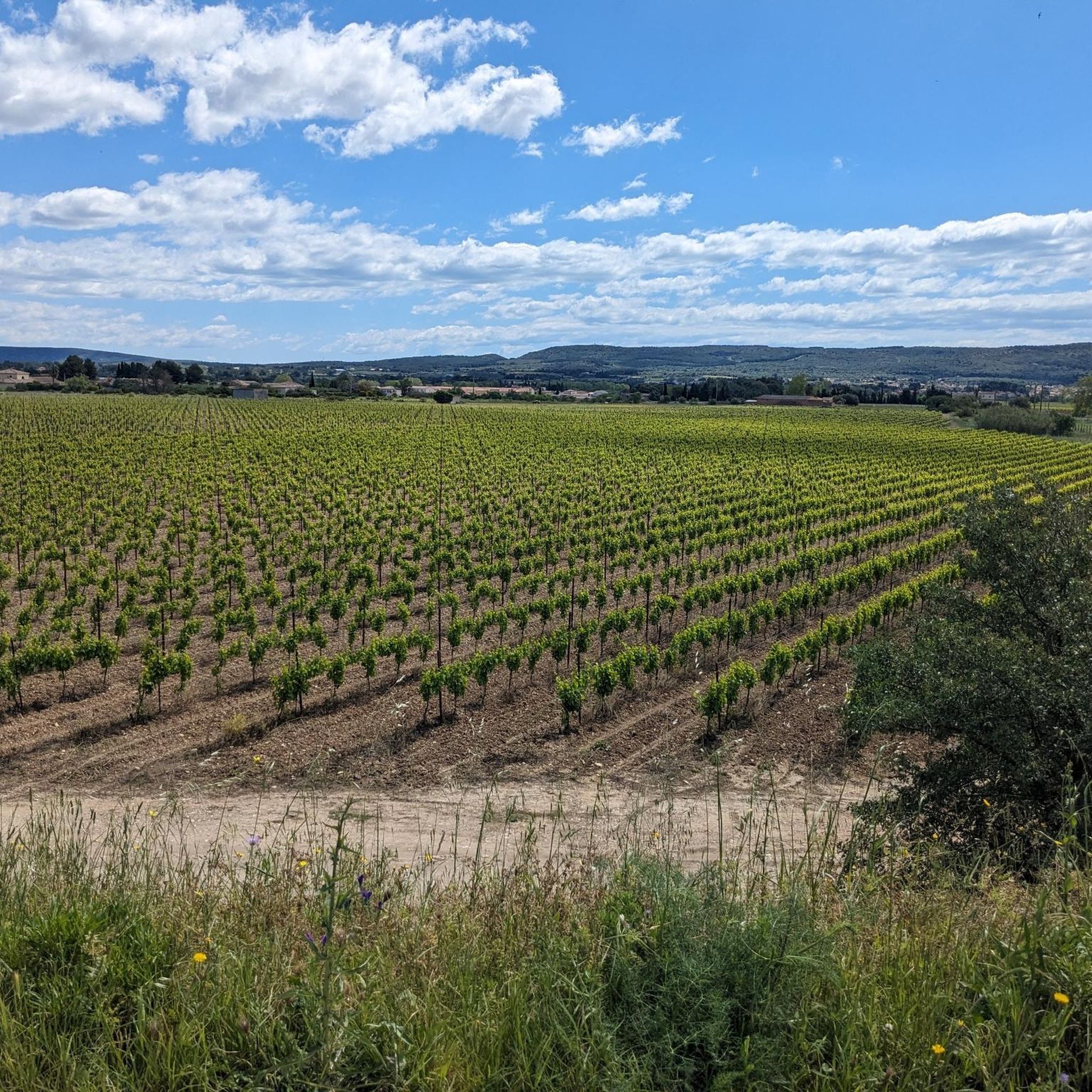
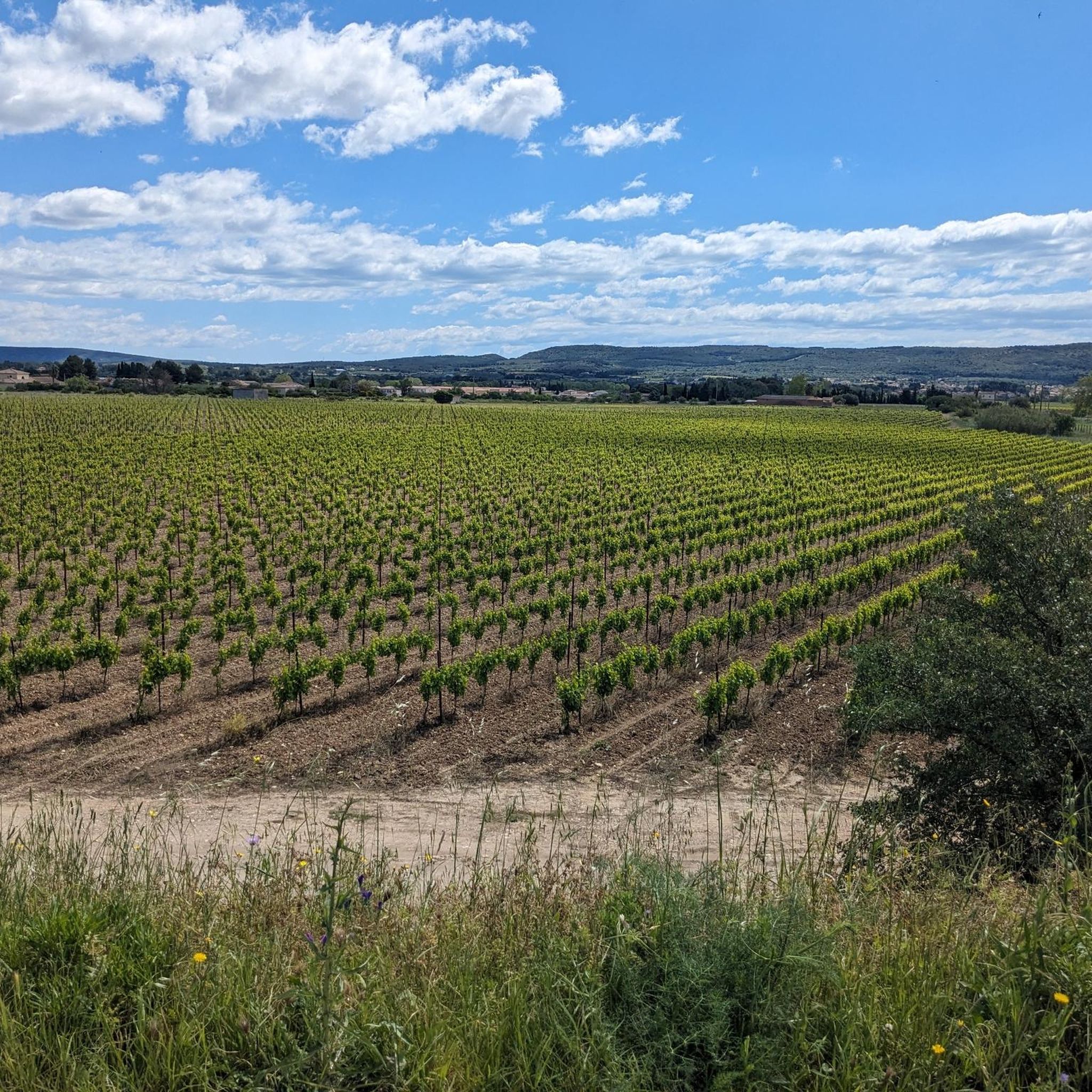
The greenway runs here on a narrow strip of land between the Étang de la Moulière (to the north) and the Crique de l’Angle (to the south). The latter is a natural cove located at the eastern end of the Étang de Thau, where the fresh waters of the Vène meet the brackish waters of the lagoon. This wetland, classified as Natura 2000, hosts numerous water birds in particular. Facing south, the gaze crosses this cove to embrace the Étang de Thau, then Sète, dominated by the silhouette of Mont Saint-Clair (183 m).
0
0
At the turn of the paths of La Gardiole, the ruins of the ancient abbey Saint-Félix-de-Montceau appear. The site, attested as early as 1104, was occupied for several centuries by a community of nuns, first Benedictine and then, for a period, Cistercian. The Gothic abbey church, built at the end of the 13th century, is today the most spectacular remnant of this medieval complex. Abandoned as a monastic site after the transfer of the community to Gigean in 1514, the site was long left to ruin before an association undertook its preservation in 1970. Today, the stones of the abbey church stand in the heart of the garrigue, on the northern slope of the limestone massif with the plain of Gigean in the background.
1
0
From Frontignan to Palavas-les-Flots, the route follows the Canal du Rhône à Sète through one of the major lagoon complexes on the Languedoc coast. After the Étang d'Ingril and Les Aresquiers, the canal successively crosses or runs alongside the Étangs de Vic and Pierre-Blanche, then passes between those of Arnel and Prévost before reaching Palavas. The canal itself is a major historical element of this landscape. Its construction began in 1701 under the name Canal des Étangs, in order to ensure continuity between the Canal Royal du Languedoc – today the Canal du Midi – and the Rhône. The route, completed in 1829, passes through Frontignan, Maguelone, and Palavas before joining Aigues-Mortes and then Beaucaire. In Frontignan, its opening in the 18th century profoundly modified the landscape: the canal notably separated the former Étang de Frontignan into two parts, giving rise to the Étang d'Ingril and that of La Peyrade.
2
0
From Frontignan to Palavas-les-Flots, the route follows the Canal du Rhône à Sète through one of the large lagoon complexes on the Languedoc coast. After the Étang d'Ingril and the Aresquiers, the canal successively crosses or runs alongside the Étangs de Vic and de Pierre-Blanche, then passes between those of l'Arnel and du Prévost before reaching Palavas. The canal itself is a major historical element of this landscape. Its construction began in 1701 under the name Canal des Étangs, in order to ensure continuity between the Royal Canal of Languedoc – today the Canal du Midi – and the Rhône. The route, completed in 1829, passes through Frontignan, Maguelone and Palavas before joining Aigues-Mortes and then Beaucaire. In Frontignan, its opening in the 18th century profoundly modified the landscape: the canal notably separated the former Étang de Frontignan into two complexes, giving rise to the Étang d'Ingril and that of La Peyrade.
2
0
From the greenway, the panorama opens onto the Étang de Vic. This vast coastal lagoon of over 1,000 hectares stretches between the Gardiole massif and the Aresquiers lido. Protected within the Natura 2000 site of the Palavasian ponds and recognized as a wetland of international importance under the Ramsar convention, the pond forms a vast landscape of lagoon, salt marshes, and wetlands here. This opening allows its full extent to be appreciated from the surroundings of Vic-la-Gardiole.
2
0

This is an almost entirely "flat" canal with only one active lock (in Saint-Gilles), which greatly facilitates pleasure boating.
0
0

Yes, a very beautiful climb to get to the abbey, a magnificent, top place 👍👍
0
0

Best practiced in dry weather. Some sections are very, very sticky. It can cause your wheels to lock, so don't be in a hurry!
0
0
Frequently Asked Questions
What natural landscapes and viewpoints can I discover near Cournonsec?
The area around Cournonsec is rich in natural beauty. You can explore the typical Mediterranean garrigue scrubland, characterized by green and kermes oaks, vineyards, and olive groves. Don't miss the Salines de Villeneuve Nature Reserve, known for its pink-hued waters and flamingos. For panoramic views, head to Mount Saint-Baudile, which offers stunning vistas of the coastline. The Vène River originates in Cournonsec, flowing towards the Etang de Thau, and the region also features the dramatic Gorges de l'Hérault and the unique geological formations of Valle du Salagou and Cirque de Navacelles.
Are there any historical or cultural sites worth visiting in and around Cournonsec?
Yes, Cournonsec and its surroundings boast a rich history. The village itself is built on a small hill and preserves a medieval character, including a 15th-century castle. A must-see is the magnificent Abbaye Saint Félix de Montceau ruins, surrounded by a beautifully maintained garden. Nearby, in Lavérune, you can visit the 18th-century Château de l'Engarran, which houses a museum dedicated to viticulture. The medieval village of Saint-Guilhem-le-Désert, a UNESCO World Heritage site, is also within reach.
What outdoor activities, like cycling or hiking, are available near Cournonsec?
The region offers diverse outdoor activities. For cyclists, the Rhone Kanal and the Sète–Mèze Cycle Path are excellent options, with the latter featuring an Artificial Canyon where flamingos can be spotted. You can find numerous routes for gravel biking, road cycling, and mountain biking. For instance, explore routes like 'On the heights of Poussan' for gravel biking or 'View of Pignan Countryside' for road cycling. You can find more details on these activities in the Gravel biking around Cournonsec, Road Cycling Routes around Cournonsec, and MTB Trails around Cournonsec guides.
Are there family-friendly attractions or activities in the Cournonsec area?
Yes, there are several family-friendly options. The Salines de Villeneuve Nature Reserve is a great place for families to observe pink flamingos and other waterfowl in a unique natural setting. For an immersive experience, Planet Ocean Montpellier, one of France's most visited recreational sites, is approximately 17 km away and offers fascinating marine life exhibits. Many of the cycling paths, such as sections of the Sète–Mèze Cycle Path, are also suitable for family outings.
What is the best time of year to visit Cournonsec and its attractions?
The best time to visit Cournonsec is generally during the spring (April to June) and early autumn (September to October). During these periods, the weather is pleasant, ideal for exploring the natural landscapes, historical sites, and enjoying outdoor activities like cycling and hiking. Summers can be hot, especially in July and August, but are suitable for coastal activities and visiting indoor attractions like Planet Ocean Montpellier.
What do visitors enjoy most about the attractions around Cournonsec?
Visitors particularly appreciate the blend of historical charm and natural beauty. The tranquil setting and beautifully maintained garden at Abbaye Saint Félix de Montceau are often highlighted, as are the magnificent panoramic views from Mount Saint-Baudile. The unique pink-hued waters and flamingo sightings at Salines de Villeneuve Nature Reserve also receive high praise for their magical atmosphere.
Are there any easy hiking trails suitable for beginners or families near Cournonsec?
Yes, there are options for easier walks. While specific easy hiking trails are not detailed in the highlights, the general garrigue landscape offers many gentle paths. The Salines de Villeneuve Nature Reserve provides flat, accessible routes for observing wildlife. For mountain biking, there's an 'Ideal for a break – Sheepfold top loop from Cournonsec' route categorized as easy, which could also be suitable for a leisurely walk. Always check route details for specific difficulty and terrain.
Where can I find unique natural features or 'hidden gems' in the area?
Beyond the well-known sites, the region offers several unique natural spots. The Artificial Canyon on the Sète–Mèze Cycle Path is a pleasant ride alongside a pond where pink flamingos can be observed, lined with fig trees. The Grotte de Clamouse, a stunning cave system with spectacular concretions, is a remarkable underground wonder. Additionally, the Étangs Palavasiens and Etang de Thau are significant coastal lagoons offering opportunities for birdwatching and enjoying waterside scenery away from the main tourist hubs.
Is Cournonsec well-connected by public transport to nearby attractions?
While Cournonsec itself is a charming village, public transport options to some of the more rural attractions might be limited. It is advisable to check local bus schedules or consider using a car for greater flexibility when visiting sites like the Abbaye Saint Félix de Montceau or the Gorges de l'Hérault. For attractions closer to Montpellier, such as Planet Ocean, public transport links are generally more frequent and reliable.
Are there any dog-friendly walking routes or attractions around Cournonsec?
Many of the natural areas and trails around Cournonsec are suitable for walks with dogs, provided they are kept on a leash and owners clean up after them. The extensive garrigue landscape and the paths around the Vène River offer plenty of opportunities for dog-friendly strolls. While the Salines de Villeneuve Nature Reserve is a protected area, some paths around its perimeter may be accessible. Always check specific reserve rules regarding pets before visiting.
What is the Rhone Kanal and what can I do there?
The Rhone Kanal (Canal du Rhône à Sète) is a significant waterway that connects the Etang de Thau to the Rhône. It's a popular spot for cycling, offering a beautiful gravel track that is very long and straight. Cyclists often use it to avoid a longer detour around the Étang de Vic. The path runs right next to the canal, providing interesting views as it structurally delimits and runs through the Étang de Vic. Be aware that it can be exposed to wind, so checking the weather forecast is recommended.
Most popular routes around Cournonsec
Most popular attractions around Cournonsec

Get inspired with the komoot mobile app


Explore more
Still not found the Highlight you’re looking for? See guides of the top attractions in other regions:
