The best road cycling routes around Pezou
4.6
(99)
2,082
riders
304
rides
Road cycling around Pezou features routes through the rolling countryside of the Loir-et-Cher department. The region is characterized by agricultural landscapes, historical châteaux, and small villages, offering a generally flat to gently undulating terrain suitable for road bikes. Elevation gains are typically moderate, with most routes staying below 300 meters of ascent.
Best road cycling routes around Pezou
- The most popular road cycling route is Étang de Saint-Lubin – Meslay Castle loop from Fréteval, a 28.8 miles (46.4 km) trail that takes 2 hours 2 minutes to complete, passing historical landmarks and a lake.
- Another top favourite among local road cyclists is Château de Meslay – Saint-Georges Gate, Vendôme loop from Fréteval, an easy 26.9 miles (43.2 km) path connecting historical sites and the town of Vendôme.
- Local road cyclists also love the Château de Renay – Meslay Castle loop from Pezou, a 16.8 miles (27.1 km) trail leading through rural landscapes and past castles, often completed in about 1 hour 8 minutes.
- Road cycling around Pezou is defined by historical castles, tranquil lakes, and rolling agricultural land. The network offers options for easy road bike routes Pezou for beginners, as well as moderate routes for more advanced road cycling routes Pezou.
- The routes in Pezou are highly rated by the komoot community with an average score of 4.5 stars from over 60 reviews. More than 1,500 road cyclists have used komoot to explore Pezou's varied terrain.
Last updated: November 18, 2026
4.5
(2)
27
riders
46.4km
02:02
250m
250m
Moderate road ride. Good fitness required. Mostly well-paved surfaces and easy to ride.
4.0
(1)
16
riders
33.5km
01:28
190m
190m
Easy road ride. Mostly well-paved surfaces and easy to ride.

27
riders
43.5km
01:55
220m
220m
Easy road ride. Mostly well-paved surfaces and easy to ride.
5.0
(1)
11
riders
44.2km
01:57
270m
270m
Easy road ride. Mostly well-paved surfaces and easy to ride.
4.0
(1)
4
riders
53.1km
02:20
370m
370m
Moderate road ride. Good fitness required. Mostly well-paved surfaces and easy to ride.
Get access to more routes and recommendations from other explorers.
Already have an account?
Our route recommendations are based on thousands of hikes, rides, and runs completed by other people on komoot.
Start today with a free account
Your next adventure awaits.
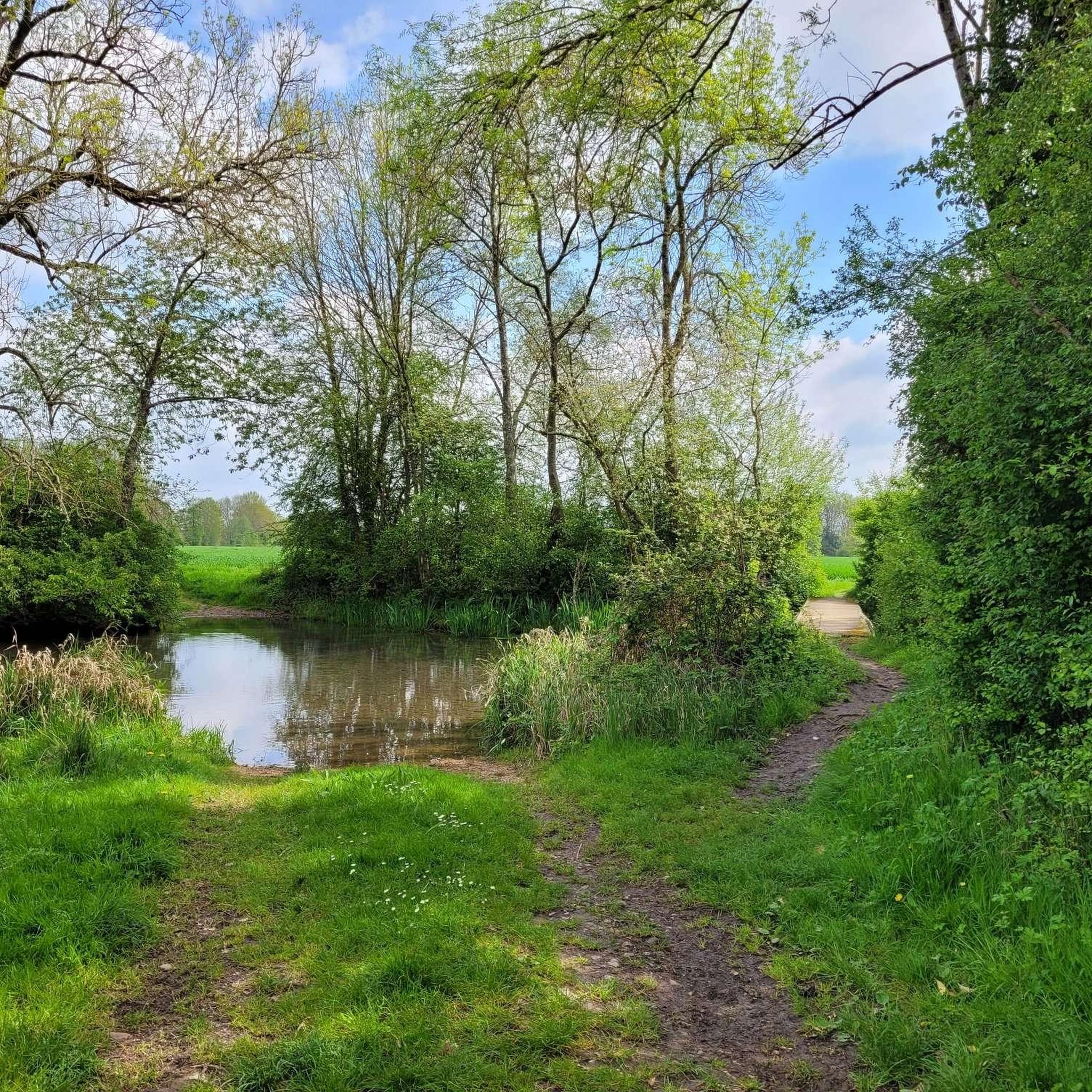

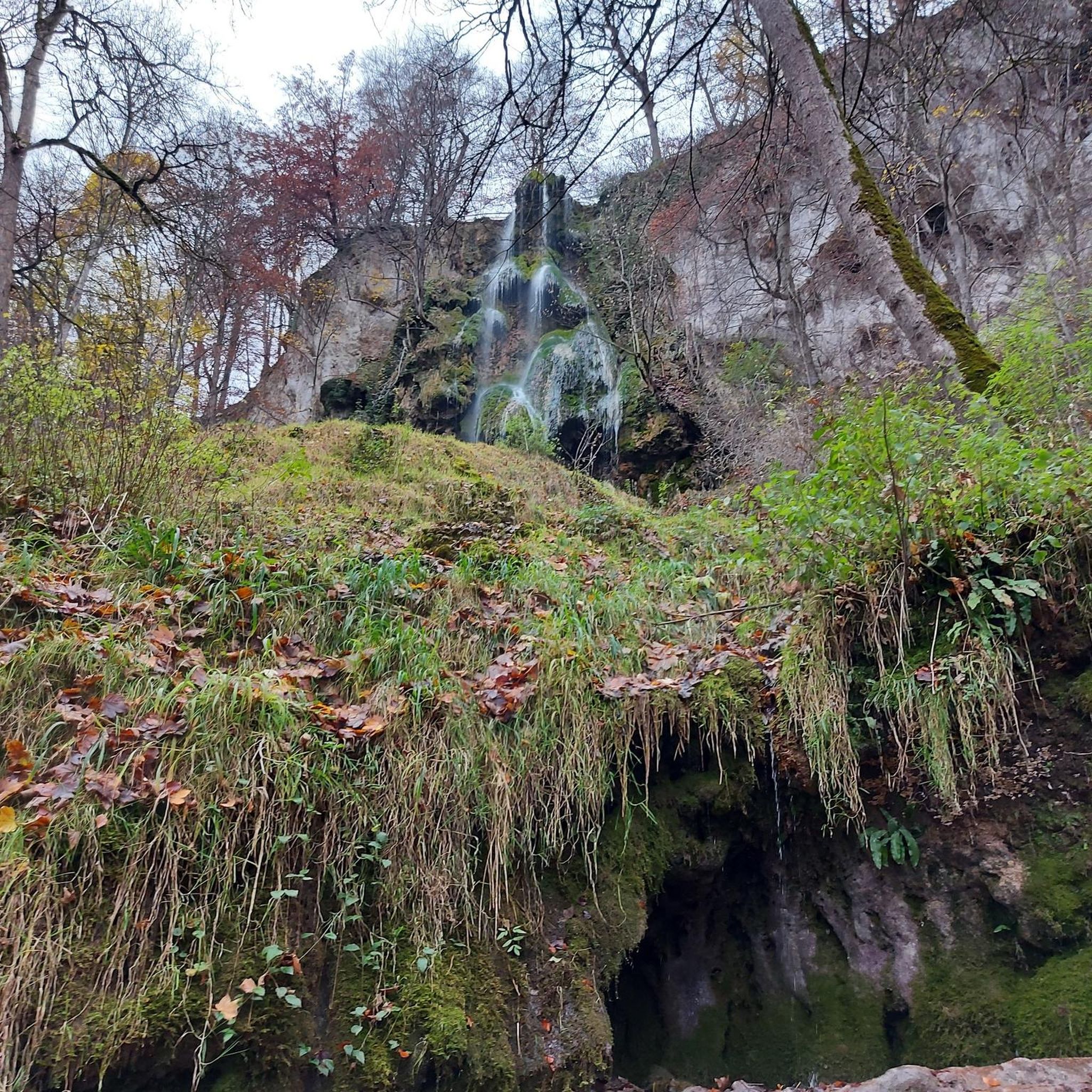
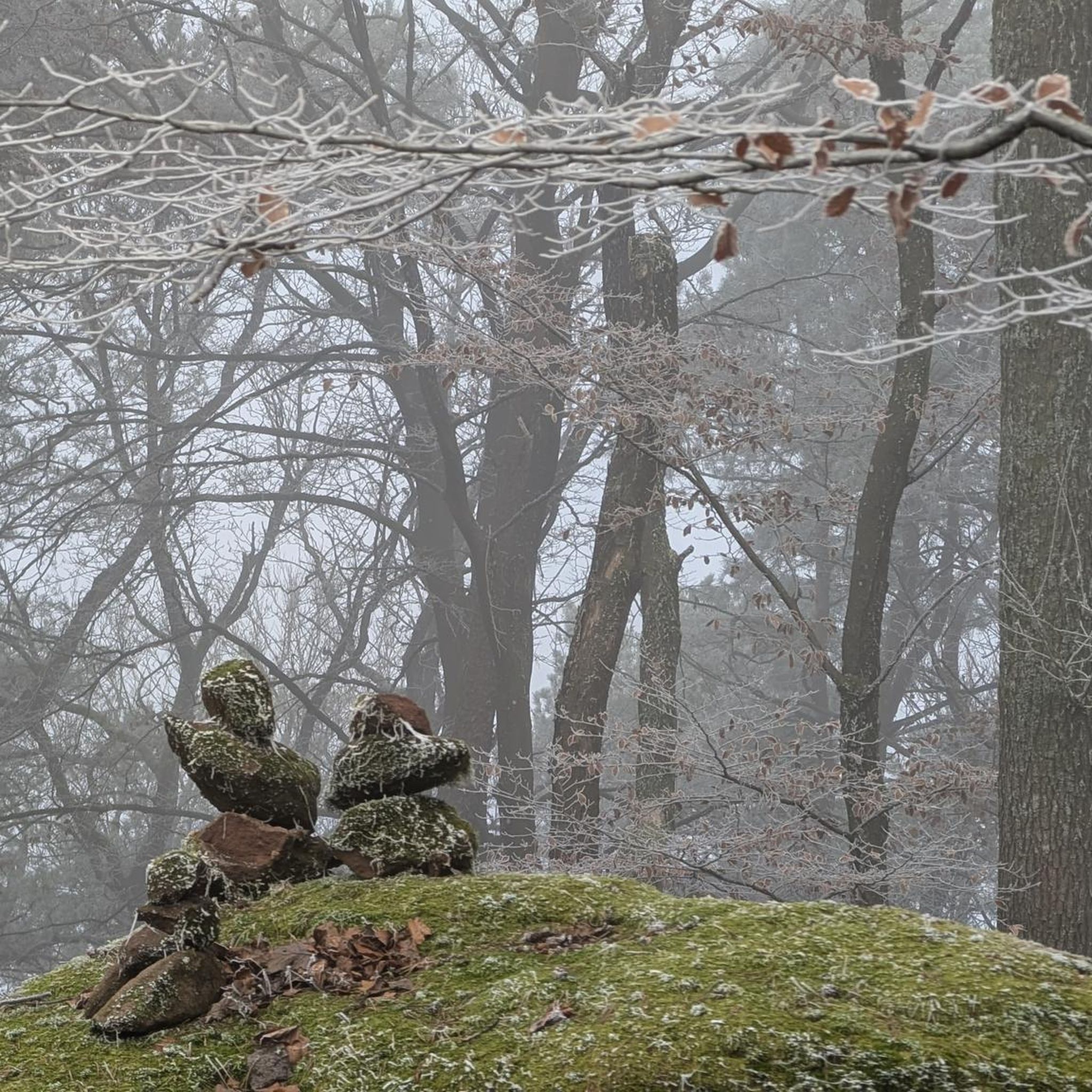
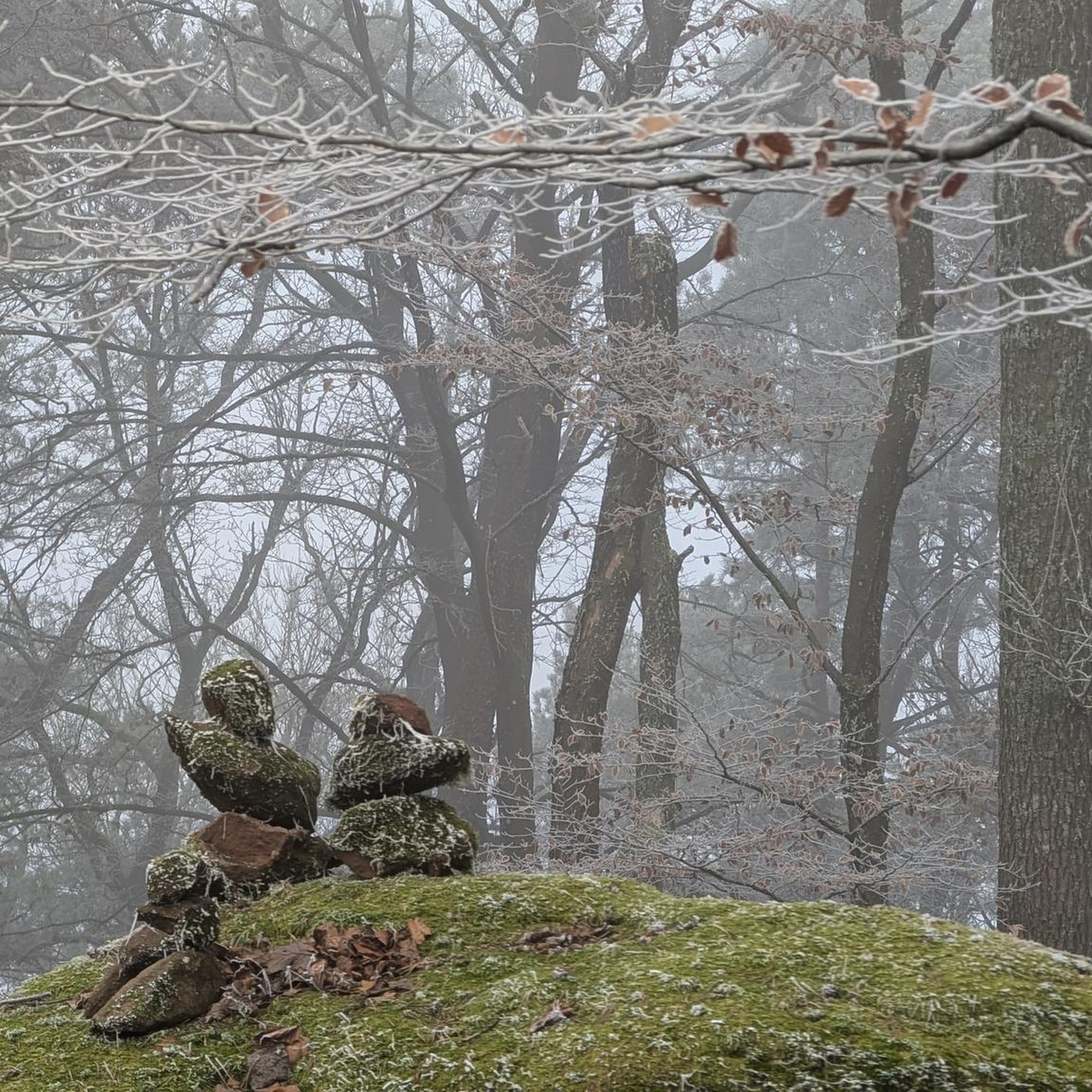
Tips from the Community

The church dates from the 12th century and was remodeled in the 15th or 16th century, its buttresses and bell tower date from the 19th century. It houses a wrought iron communion table from the 18th century.
0
0
Although the Notre-Dame church in the town of Areines may seem modest in size, the richness of its interior decoration is remarkable. It consists of a rectangular nave from the 11th century that extends into a narrower choir and ends with a semi-circular apse from the 12th century. The bell tower was added in the Gothic period. All the walls are covered with murals. The restoration of those in the choir and apse dating from the middle of the 12th century allows us to see: Christ in Majesty, the Lamb with a halo, the Annunciation, the Visitation, the Nativity, saints and apostles. Some of these primitive frescoes were covered by paintings from the 15th, 16th and 18th centuries. Many traces are visible on the walls of the nave and will be restored in the years to come.
0
0
The Saint-Barthélémy church dates from the 12th century but was restored and enlarged in the 17th and then in the 19th century. The elegant bell tower, formed of a square tower, becomes octagonal at 20 m high. Small loophole-type windows light the belfry. It is topped by a dome, itself topped by a campanile and a lantern. It is considered a case study by schools of architecture. This church also contains several movable objects classified as Historic Monuments including Christ on the Cross, a polychrome wooden statue from the 17th century, two oils on canvas from the 17th century, a funerary plaque from 1674 by Michel de Verthamon, Knight of Malta, in stone and marble (epitaph in Latin and coat of arms) and a bronze bell, tuned in F, from 1580.
0
0
The church of Notre-Dame de l’Assomption stands on a hill, a little away from the village of Chauvigny from which it is separated by the cemetery. It is built on the site of a former priory dependent on the abbey of Marmoutier, founded between 1116 and 1136 by Barthélemy de Vendôme. In 1342, Marmoutier abandoned the priory to the bishop of Chartres while retaining the appointment to the parish. It is a large church, whose initial core, probably from the 12th century (?), was considerably enlarged in the 16th, then in the 19th century. Originally, it consisted of a single nave supported by buttresses, whose flat chevet was later pierced by a large window with a pointed arch axis. In the 16th century, a first aisle was added to the south, separated from the central nave by four semicircular arches resting on circular pillars. In the 17th century, the choir was shortened by the erection of the large altarpiece of the high altar which isolates the space of a sacristy. Finally, in 1860-1863, the church was again enlarged by the construction of a north aisle, identical to the one that existed to the south. The district architect Édouard Marganne, responsible for this enlargement, also designed a new western façade in order to harmonize the gable walls of the three naves. The church is distinguished by a large set of paneling covering the walls of the three sanctuaries. Seventy-seven sculpted panels from the 16th and 17th centuries are inserted there, representing biblical characters and scenes from the life of Christ. As indicated by an inscription in the south chapel, they were donated to the parish in 1938, after the destruction of the chapel of the Château de la Gaudinière, which stood in the Fréteval forest. They were apparently brought back from Menton in 1867 by the Duke of La Rochefoucauld to adorn his château, which was then under construction. The church also preserves a small stone group from the 16th century representing the education of the Virgin, a painted wooden Saint Gildéric from the 17th century, and a beautiful portrait of Mgr Fleuriau d’Armenonville, Bishop of Orléans, commemorating his solemn entry into the city of Orléans in 1707. To participate in the restoration of the church roof, the Sauvegarde de l’Art français granted a donation of €5,000 in 2011.
0
0

Very beautifully restored church with a beautiful courtyard.
4
1
Before the 13th century there were two parishes, Saint-Sauveur and Saint-Gilles, in 1300 the bishop of Chartres united them into one by a charter of Berchères, because of the smallness of the two parishes. The church dates from the beginning of the 17th century. Rebuilt on the foundations of an old Romanesque church, its originality comes from its bell tower with saddle roof, its caquetoire and its paneled vault redone in 2003. At the initiative of the Prince Duke of Montmorency-Laval, it has contained the reliquary of Sainte-Félicité since 1838. Saint Félicité, whose relics are in Montigny-le-Gannelon, is a martyr whose life is unknown, whose body was taken from the sacred cemeteries of Rome. We have his body, the skull, the bones of his arms, fingers and feet. They were removed from the Saint-Cyriaque cemetery in 1828 and placed in their respective places on a body artistically modeled in wax and measuring more than 1.40 meters in length. A magnificent chase, of the shape and size of an altar tomb, all furnished with glazing and embellished with gilding received this precious deposit. Pope Leo XII donated it to the Duke of Laval, then Charles X's ambassador to Rome. On his death, he bequeathed it by will to the church of Montigny-le-Gannelon where the old historic castle of Laval-Montmorency is located. The venerated hunt is now placed under the main altar of which it forms the tomb.
0
0

Located approximately 700 meters from the village, the Saint Lubin pond offers a vast body of water of approximately 16 ha, ideal for fishing and relaxation.
0
0
Renay Castle is now in ruins. It was built in the 15th century and belonged to different noble families over the centuries, such as the Courcillons, the Rochambeaus, and the Raguet Lépines. The castle was partially registered as a historic monument in 1971, but it has not been well maintained by its successive owners. The last owner is Sylvain Durand, a dealer and collector who made his fortune with the paintings of Fernand Léger. He died in 2018 and his furniture and collection were sold at auction. The castle has suffered from a lack of maintenance and preservation.
1
0
Frequently Asked Questions
How many road cycling routes are available around Pezou?
There are over 270 road cycling routes around Pezou, catering to various skill levels. Approximately 83 are considered easy, while 185 are moderate, and a few are more challenging.
Are there easy road cycling routes suitable for beginners in Pezou?
Yes, Pezou offers many easy road cycling routes. For instance, the Château de Meslay – Saint-Georges Gate, Vendôme loop from Fréteval is an easy 26.9-mile path connecting historical sites. Another great option is the Château de Renay – Meslay Castle loop from Pezou, a 16.8-mile trail through rural landscapes.
What kind of terrain can I expect on road cycling routes near Pezou?
The region around Pezou features a generally flat to gently undulating terrain, characterized by rolling countryside, agricultural landscapes, and small villages. Elevation gains are typically moderate, with most routes staying below 300 meters of ascent.
What are some scenic viewpoints or attractions along the road cycling routes?
Many routes offer scenic views of the Loir-et-Cher countryside and pass by historical sites. You can find attractions like Meslay Castle, the Saint-Georges Gate in Vendôme, and the Feudal Castle of Fréteval. Some routes also offer views of the town of Vendôme.
Are there any longer, more challenging road cycling routes for advanced riders?
Yes, for more advanced riders seeking longer distances, the Meslay Castle – Vendôme loop from Fréteval covers 38.6 miles (62.2 km) with nearly 300 meters of elevation gain, offering a moderate challenge through varied landscapes.
What do other road cyclists enjoy most about road cycling in Pezou?
The area is highly rated by the komoot community, with an average score of 4.5 stars from over 60 reviews. Cyclists often praise the tranquil rural landscapes, the historical castles, and the well-maintained paths that make for enjoyable rides.
Are there circular road cycling routes available around Pezou?
Yes, many of the road cycling routes around Pezou are designed as loops. Examples include the Étang de Saint-Lubin – Meslay Castle loop from Fréteval and the Étang de Saint-Lubin – Saint Peter's Church loop from Fréteval, both offering convenient circular journeys.
What is the typical duration for road cycling routes in this region?
Route durations vary depending on length and difficulty. Many routes can be completed in 1 to 3 hours. For example, the Château de Renay – Meslay Castle loop from Pezou takes about 1 hour 8 minutes, while longer routes like the Étang de Saint-Lubin – Meslay Castle loop from Fréteval typically take around 2 hours.
Can I find routes that pass by lakes or other natural features?
Yes, some routes incorporate natural features. The Étang de Saint-Lubin – Meslay Castle loop from Fréteval passes by a lake, and you can also find the La Mouline Lake as a highlight in the area.
Are there any historical castles to explore along the road cycling routes?
Absolutely. The region is rich in historical castles. Routes often pass by or near significant landmarks such as Meslay Castle and the Feudal Castle of Fréteval. You can also find the ruins of La Gaudinière Castle.
What is the best time of year for road cycling around Pezou?
Given the generally flat to gently undulating terrain and agricultural landscapes, spring and autumn are ideal for road cycling around Pezou, offering pleasant temperatures and beautiful scenery. Summer can also be enjoyable, though it's advisable to ride earlier in the morning to avoid the midday heat.
Most popular attractions around Pezou

Get inspired with the komoot mobile app


Explore more
Browse the best Road cycling routes in other regions.
