Top 7 Caves around Saint-Pierre-Des-Tripiers
Best caves around Saint-Pierre-Des-Tripiers are located within a karst landscape on the Causse Méjean, near the Gorges de la Jonte and the Tarn river. This region features a variety of underground formations, including large show caves and prehistoric sites. The geological features encompass limestone caves and natural arches shaped by erosion. The area provides insights into both natural history and ancient human activity.
Best caves around Saint-Pierre-Des-Tripiers
- The most popular caves is Saint-Marcellin, a historical site and cave settlement built into a cliffside. This troglodyte village preserves remains of rock fortifications, jasses (caves converted into sheepfolds), and a chapel.
- Another must-see spot is Arcs de Saint-Pierre, a natural monument featuring majestic arches carved by erosion in limestone. Visitors can explore these geological curiosities and find a nearby cave-burial site.
- Visitors also love Grotte de l'Homme-Mort, a historical cave. This site was where several skeletons dating back to 2000 BC were discovered, some showing signs of healing trepanation.
- Saint-Pierre-Des-Tripiers is known for its diverse cave types, including large show caves like Aven Armand, prehistoric burial sites, and natural rock shelters. The region offers a range of underground formations to explore.
- The caves around Saint-Pierre-Des-Tripiers are appreciated by the komoot community, with more than 60 upvotes and over 80 photos shared across various highlights.
Last updated: May 17, 2026
Saint-Marcellin
Highlight • Historical Site
This troglodyte village thus preserves the remains of a rock fortification but also of jasses (caves converted into sheepfolds), a Caussenard house, a chapel, a bread oven...
Translated by Google •
Tip by

Arcs de Saint-Pierre
Highlight • Natural Monument
Between the tall pines that occupy the space, erosion has carved curious shapes in the limestone, opening up majestic arches. Nearby, there is a cave-burial where audacious trepanations were performed 3,500 years before our era.
The shadows cast by the trees make it the perfect place for a break. However, be very respectful of this place considered as an archaeological jewel.
Translated by Google •
Tip by

Sign up now to discover places like this
Get recommendations on the best single tracks, peaks, & plenty of other exciting outdoor places.
Sign up for free
Aven Armand
Highlight • Cave
Indeed, the Aven Armand is an underground spectacle! Cave among caves, it records not far from 400 stalagmites which make up a real forest of stones 15 to 30 meters high.
Open during high season, entry is chargeable. You can treat yourself to a guided tour that will give you many anecdotes about its crazy discovery and its rich constitution.
For more information, visit: avearmand.com.
Translated by Google •
Tip by
Grotte des Baumes Chaudes
Highlight • Cave
Translated by Google •
Tip by

Grotte de l'Homme-Mort
Highlight • Cave
Translated by Google •
Tip by
Sign up for free to discover even more caves around Saint-Pierre-Des-Tripiers.
Sign up for free
Already have an account?
Start today with a free account
Your next adventure awaits.
Login or Signup
Popular around Saint-Pierre-Des-Tripiers
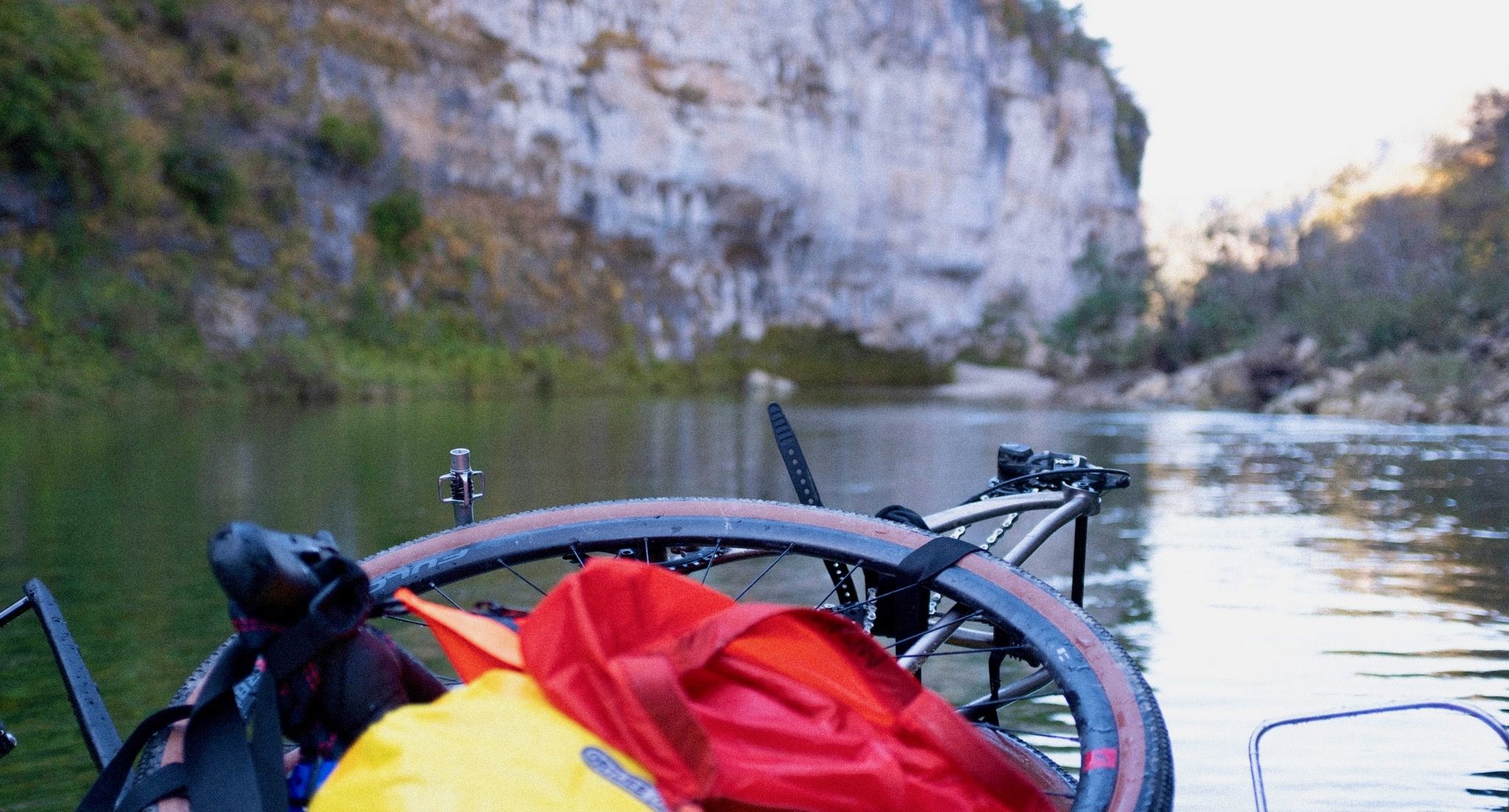
Heavenly Cévennes – Bikerafting in the Gorges du Tarn in France
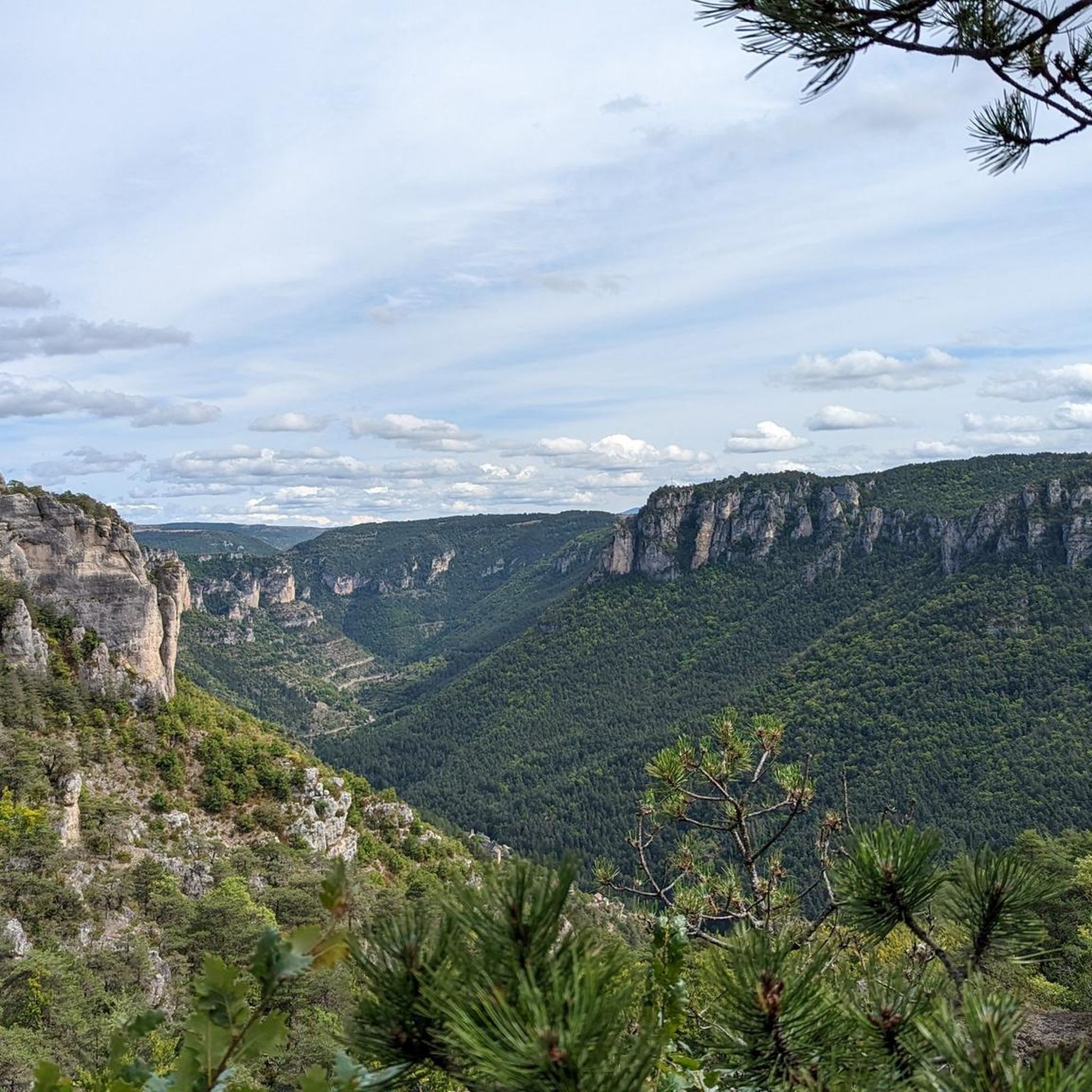
Cycling around Saint-Pierre-Des-Tripiers
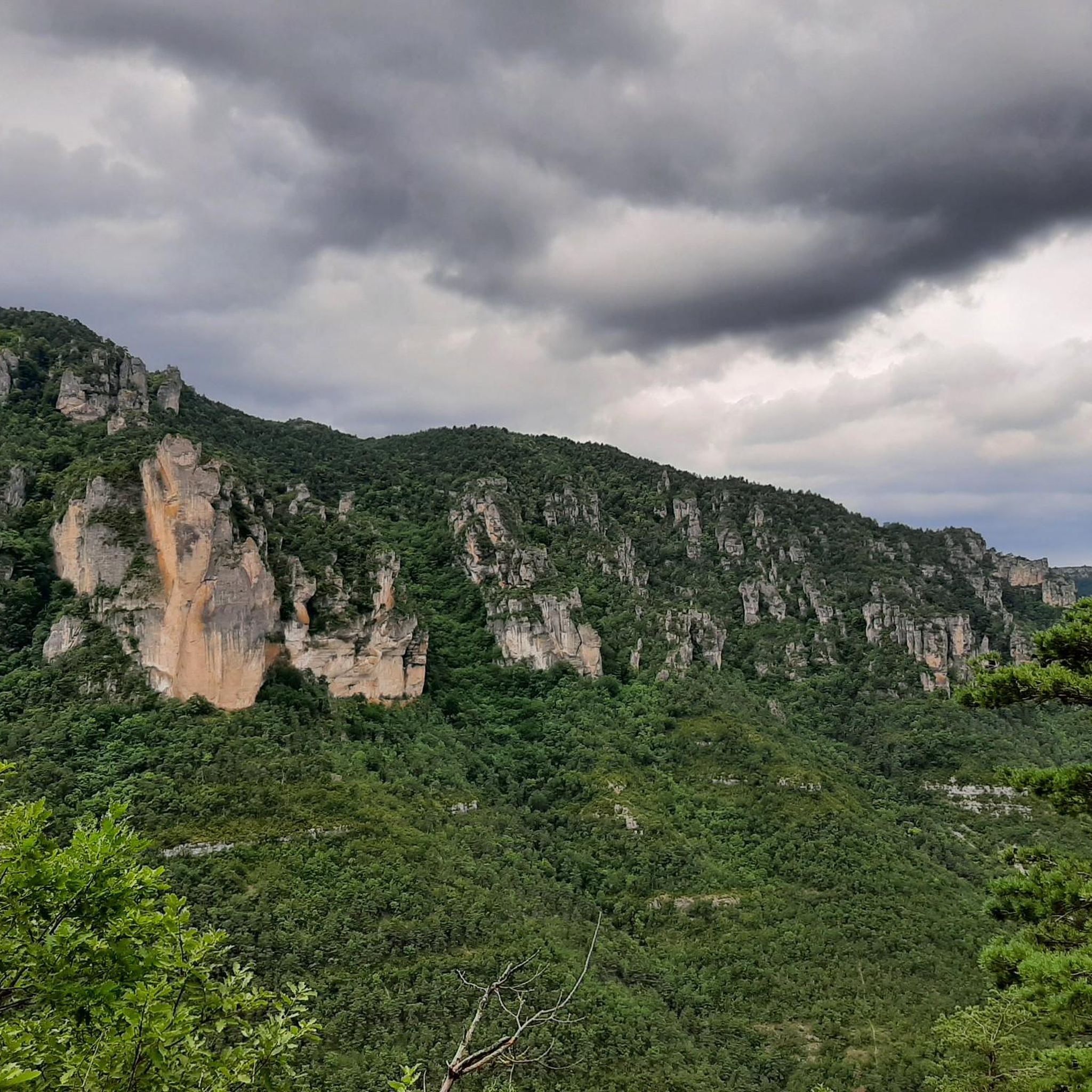
Hiking around Saint-Pierre-Des-Tripiers
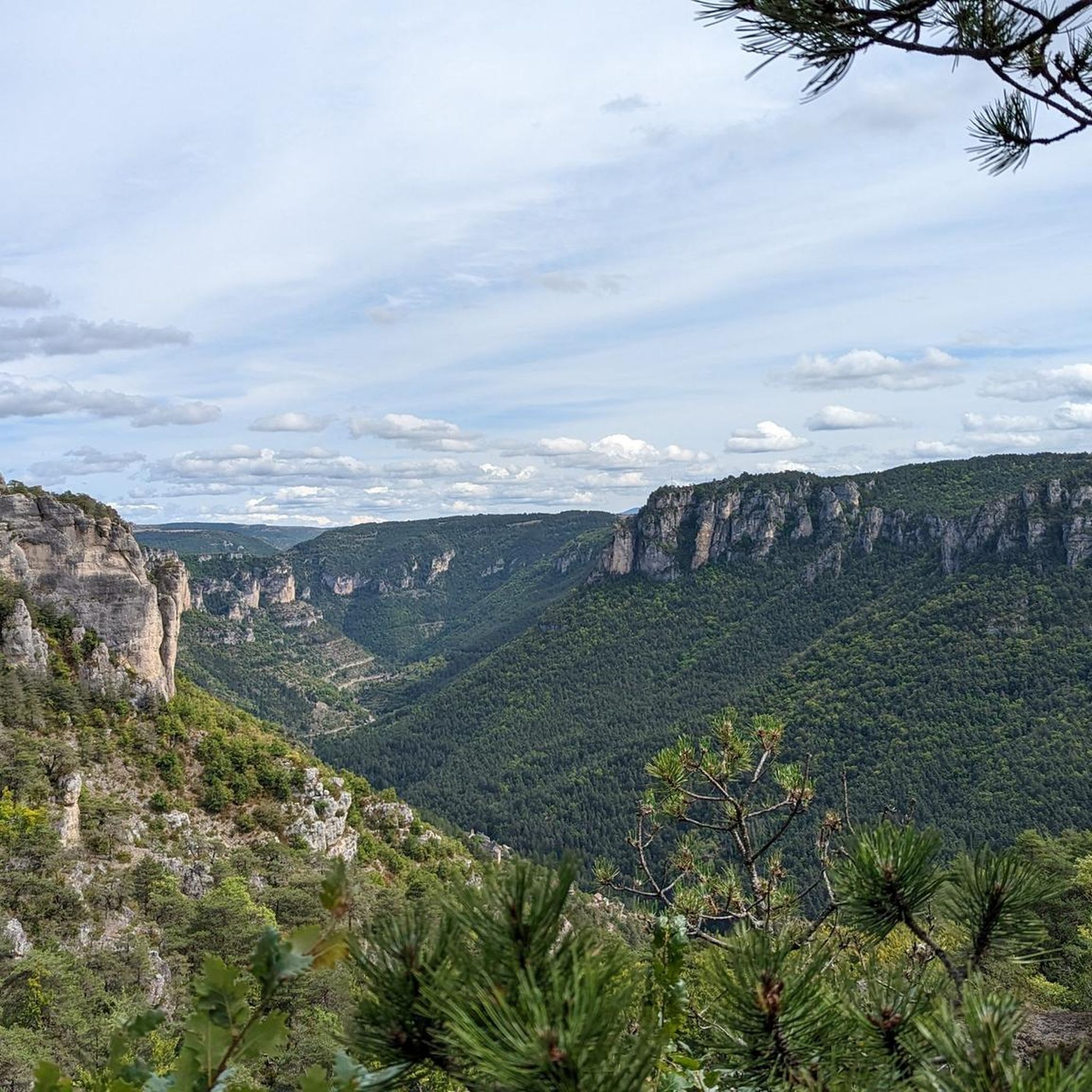
Road Cycling Routes around Saint-Pierre-Des-Tripiers
MTB Trails around Saint-Pierre-Des-Tripiers
Running Trails around Saint-Pierre-Des-Tripiers

Gravel biking around Saint-Pierre-Des-Tripiers
Other adventures around Saint-Pierre-Des-Tripiers

Tips from the Community

The Grotte des Baumes-Chaudes is located near the Point Sublime above the Gorges du Tarn. It comprises 670 meters of galleries, was inhabited in the Neolithic period, and is famous for its trepanation finds. Access is steep from the Point Sublime. A headlamp, surefootedness, and sturdy footwear are necessary. It is archaeologically significant and scenically impressive.
0
0

Titled "France's Wild South," an episode of the British television series "National Parks - Protected Natural Wonders" on 3sat introduces the Cévennes. The accompanying text on the website states: "Lush green mountains, barren plateaus, and deep gorges characterize this landscape, which, unlike France's coasts, has not yet been discovered by mass tourism. Yet, it is home to arguably the most spectacular river landscapes in the country." The worthwhile film in German is available in the media library at the following link =>> https://www.3sat.de/dokumentation/nationalparks-geschuetzte-naturwunder/nationalparks-geschuetzte-naturwunder-cevennen-frankreichs-wilder-sueden-102.html
0
0

very nice hike but some difficult sections.
0
0

Beautifully beautiful and "clean" caves, deep spacious corridors; beautifully colored stalactite caves. Take a powerful lamp with you to see all this beauty, the lamp on the phone is too weak.
1
0

Built on the side of a cliff in a natural cirque, Saint-Marcellin, like Églazines, is a magnificent and emblematic site where humans have always adapted to nature to build their habitat. This troglodyte village thus preserves the remains of a rock fortification but also of jasses (caves converted into sheepfolds), a Caussenard house, a chapel, a bread oven...
0
0
The Grotte de l'Homme-Mort was the site of the discovery of several skeletons dating back to 2000 BC. Some skulls even showed signs of healing trepanation. In short, the first rudiments of surgery.
0
0

Les Arcs de Saint-Pierre are geological curiosities located in the heart of the former Gallo-Roman village of resin workers (professionals who bleed into the pines to harvest the resin). Between the tall pines that occupy the space, erosion has carved curious shapes in the limestone, opening up majestic arches. Nearby, there is a cave-burial where audacious trepanations were performed 3,500 years before our era. The shadows cast by the trees make it the perfect place for a break. However, be very respectful of this place considered as an archaeological jewel.
1
0
Édouard-Alfred Martel, founding father of modern speleology, indicated that “no known cave in the world has anything similar”. Indeed, the Aven Armand is an underground spectacle! Cave among caves, it records not far from 400 stalagmites which make up a real forest of stones 15 to 30 meters high. Open during high season, entry is chargeable. You can treat yourself to a guided tour that will give you many anecdotes about its crazy discovery and its rich constitution. For more information, visit: https://avearmand.com/.
1
0
Frequently Asked Questions
What are some of the most unique caves to visit around Saint-Pierre-des-Tripiers?
The region offers a variety of unique underground experiences. You can explore the impressive Aven Armand, known for its 'forest' of over 400 stalagmites, including the world's tallest. Another must-see is the Grotte de Dargilan, often called 'the pink cave' due to its distinctively colored concretions. For historical interest, visit Saint-Marcellin, a troglodyte village built into a cliffside, or the Arcs de Saint-Pierre, natural arches with a nearby ancient cave-burial site.
Are there any historically significant caves or sites in the area?
Yes, the region is rich in historical cave sites. Saint-Marcellin is a fascinating troglodyte village with remains of rock fortifications and a chapel. The Arcs de Saint-Pierre are near a cave-burial site where ancient trepanations were performed. Additionally, the Grotte de l'Homme-Mort is notable for the discovery of skeletons dating back to 2000 BC, some showing signs of healing trepanation.
What kind of natural formations can I expect to see in the caves?
The caves around Saint-Pierre-des-Tripiers, being part of a karst landscape, feature a wide array of spectacular formations. You'll encounter numerous stalagmites and stalactites, some reaching impressive sizes like the 30-meter tall Great Stalagmite in Aven Armand. Grotte de Dargilan is famous for its diverse concretions displaying natural rosy hues. The Arcs de Saint-Pierre showcase majestic natural arches carved by erosion in limestone.
Are there family-friendly caves to visit around Saint-Pierre-des-Tripiers?
Yes, Aven Armand is particularly family-friendly. It offers easy access via a cable car descent 60 meters underground and features an engaging sound and light show narrated by a 'Jules Verne' character, making the experience enjoyable for all ages. Grotte de Dargilan also provides a memorable experience with approximately 1 km of accessible pathways.
Is Aven Armand accessible for all visitors?
Aven Armand is designed for accessibility. Visitors descend 60 meters underground via a cable car, making it easier to access the main chamber. Once inside, pathways are well-maintained for exploration.
How can I access the Grotte de l'Homme-Mort?
The Grotte de l'Homme-Mort is located near Saint-Pierre-des-Tripiers, in proximity to the Arcs de Saint-Pierre. It is typically accessed via a path that leads past it. While it's a significant archaeological site, specific public access details for guided tours are limited, so it's best to check locally for current information.
When is the best season to visit the caves around Saint-Pierre-des-Tripiers?
The caves maintain a relatively constant cool temperature year-round, making them a good option in various seasons. However, the main show caves like Aven Armand and Grotte de Dargilan are typically open during the high season, from spring through autumn. Visiting during these months allows for better weather for outdoor activities in the surrounding region and ensures the caves are open to the public.
What outdoor activities can I combine with a cave visit?
The area around Saint-Pierre-des-Tripiers is excellent for various outdoor activities. You can find numerous routes for gravel biking, mountain biking, and running. For example, there are challenging gravel biking routes like the 'Jonte Gorge – Gorges du Tarn loop' or moderate MTB trails such as 'Le Rozier – Le Rozier loop'. Running enthusiasts can explore trails like the 'Arcs de Saint-Pierre – View of the Jonte Valley loop'. You can find more details on these activities in the Gravel biking around Saint-Pierre-Des-Tripiers, MTB Trails around Saint-Pierre-Des-Tripiers, and Running Trails around Saint-Pierre-Des-Tripiers guides.
Are there any less crowded caves to explore?
While Aven Armand and Grotte de Dargilan are popular show caves, smaller, less developed caves like La Baumelle Cave and Grotte des Baumes Chaudes might offer a quieter experience. The Grotte des Baumes Chaudes, for instance, is known for its deep, spacious corridors and colored stalactite caves, requiring a powerful lamp and surefootedness, suggesting a more adventurous and potentially less crowded visit.
Do I need a permit for caving in the Gorges du Tarn and Causse Méjean?
For organized visits to commercial show caves like Aven Armand and Grotte de Dargilan, you typically do not need a separate permit beyond the entrance ticket. However, for independent exploration of undeveloped caves or advanced caving, permits or specific authorizations may be required, especially within protected areas like the Cévennes National Park. It's advisable to consult local caving associations or park authorities for detailed regulations.
What should I bring when visiting caves in the region?
For developed show caves, comfortable walking shoes and a light jacket (as cave temperatures are consistently cool) are usually sufficient. For exploring less developed caves, such as the Grotte des Baumes Chaudes, sturdy footwear, a powerful headlamp or flashlight, and surefootedness are essential. Always be prepared for potentially damp and uneven surfaces.
Are there places to eat or stay near the caves?
Saint-Pierre-des-Tripiers and nearby villages like Meyrueis offer various options for cafes, restaurants, and accommodation. You'll find choices ranging from local eateries to hotels and guesthouses, especially during the tourist season. These towns serve as good bases for exploring the surrounding caves and natural attractions.
What makes the geological formations in the region's caves unique?
The caves in this region are part of the Causse Méjean's karst landscape, characterized by limestone formations. This geology leads to unique speleothems. Aven Armand is famous for its 'forest' of exceptionally tall stalagmites, including the world's tallest. Grotte de Dargilan stands out with its naturally rosy-hued concretions, a result of specific mineral compositions. The Arcs de Saint-Pierre are a prime example of surface erosion creating majestic natural arches.
Most popular routes around Saint-Pierre-Des-Tripiers
Most popular attractions around Saint-Pierre-Des-Tripiers

Get inspired with the komoot mobile app


Explore more
Extend your search for the best caves by checking out these guides of the top ones around Saint-Pierre-Des-Tripiers:
