Attractions and Places To See around Guerlesquin - Top 8
Best attractions and places to see around Guerlesquin include a variety of historical sites, natural landscapes, and cultural points of interest. Located in central Brittany, the area features traditional Breton architecture and local customs. The region is characterized by its natural park setting, offering opportunities for exploration around lakes and through wooded areas.
Best attractions and places to see around Guerlesquin
- The most popular attractions is Étang du Guic, a lake known for fishing and its 16 km walking…
Last updated: October 5, 2026
Guerlesquin
Highlight • Other
Like many neighboring villages, the art of Breton dancing is practiced there during Fez Noz, or night party or …
Translated by Google •
Tip by

Parish Close Plougonven
Highlight • Religious Site
Tip by

Sign up now to discover places like this
Get recommendations on the best single tracks, peaks, & plenty of other exciting outdoor places.
Étang du Guic
Highlight • Lake
Translated by Google •
Tip by
Guerlesquin — a small town of character
Highlight • Other
Translated by Google •
Tip by

Plouigneau
Highlight • Settlement
Translated by Google •
Tip by
Sign up for free to discover even more attractions around Guerlesquin.
Already have an account?
Start today with a free account
Your next adventure awaits.

Other adventures around Guerlesquin

Tips from the Community

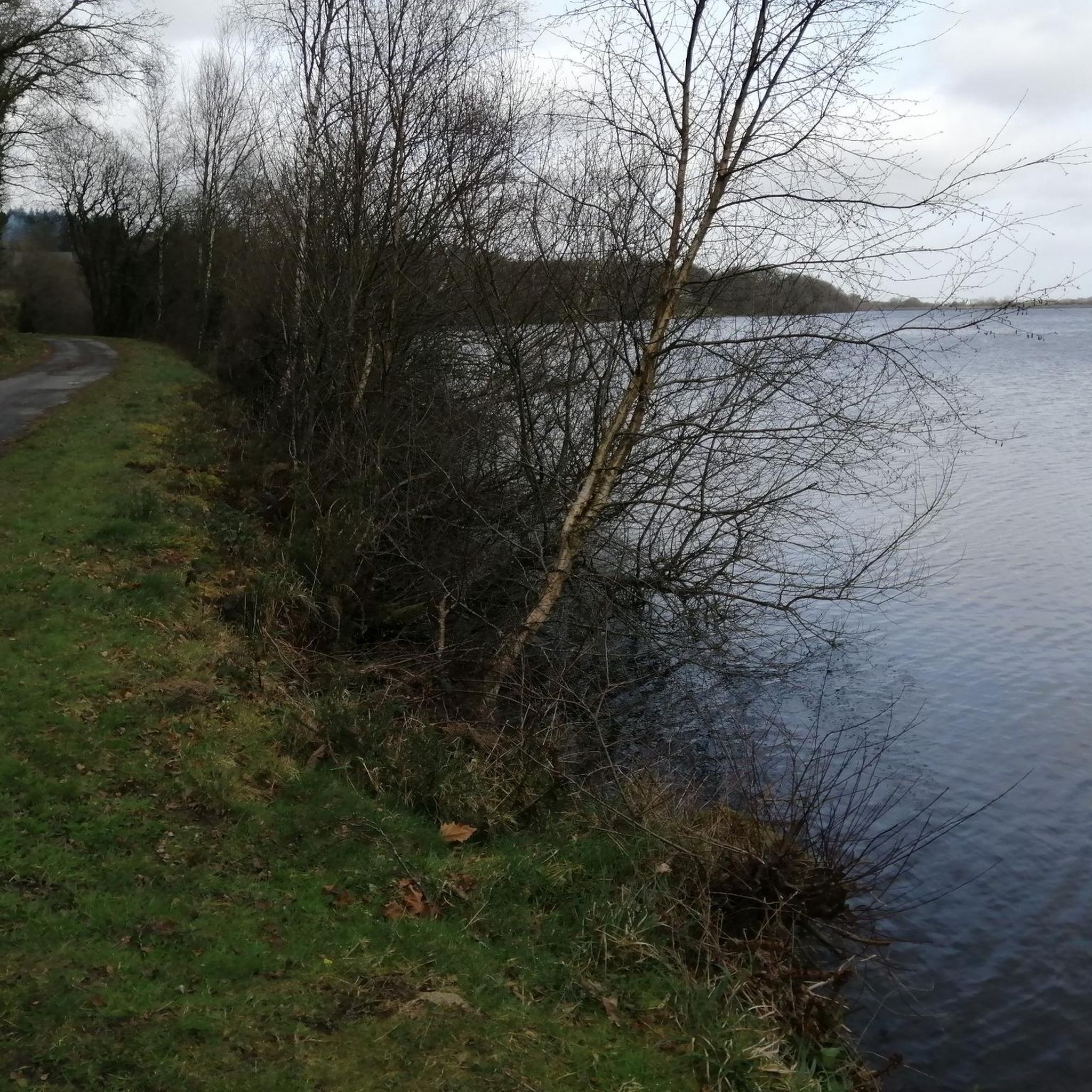
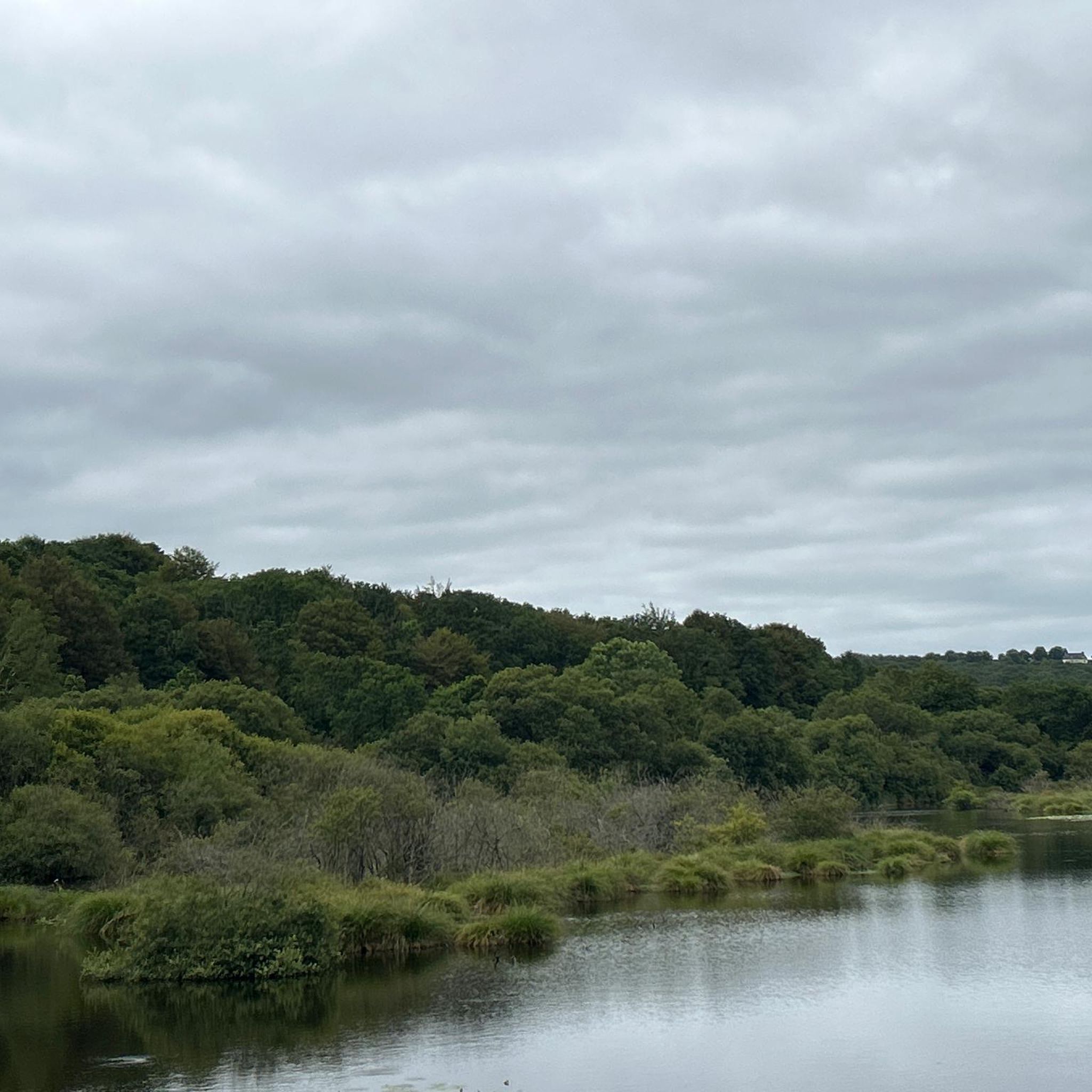
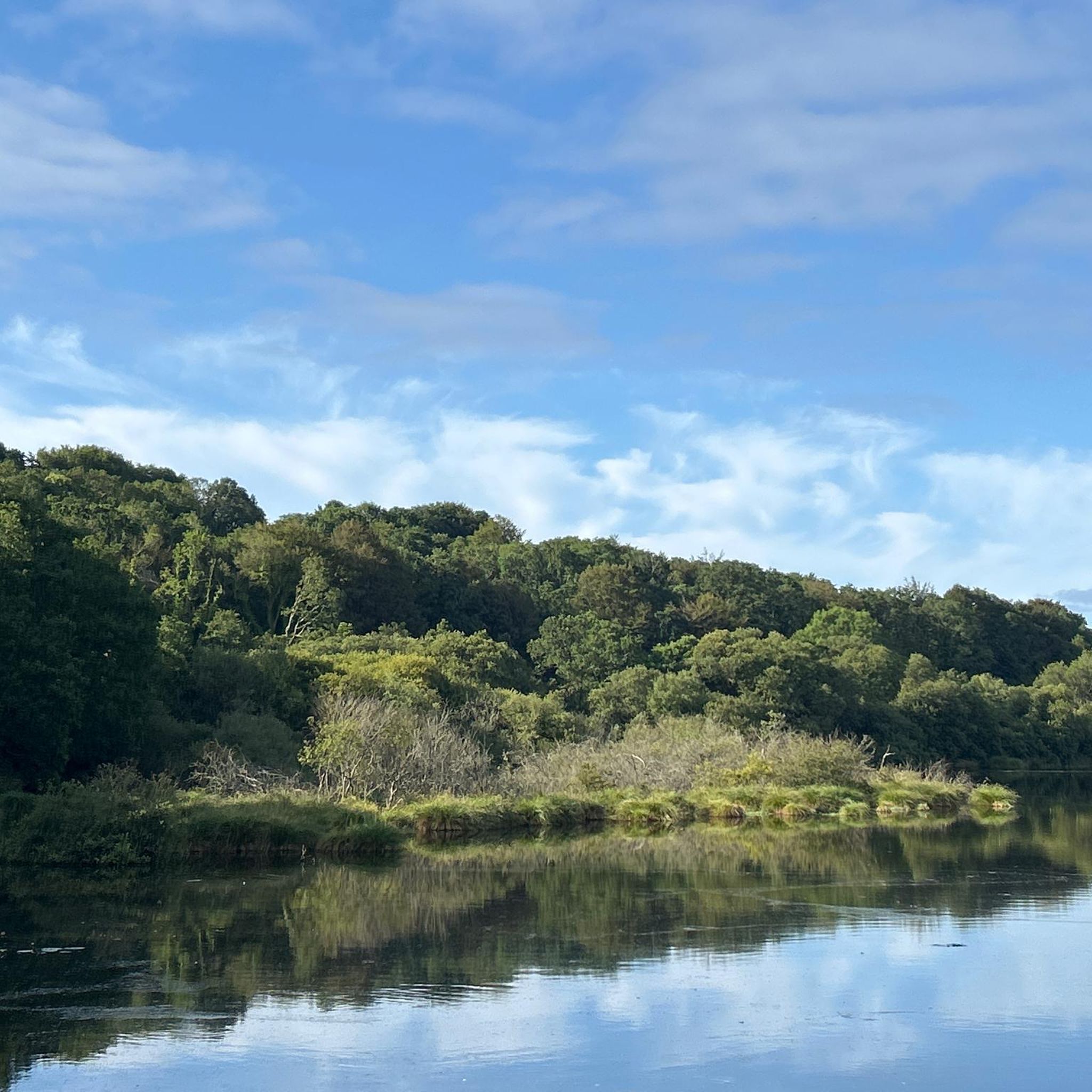
The pond of Guic or pond of Guerlesquin located in the regional natural park of Armorique is famous with local fishermen. You can go around the pond by walking for 16 kilometers through woods, groves and rivers.
0
0
At Guerlesquin, you have the feeling of being in central Brittany. Like many neighboring villages, the art of Breton dancing is practiced there during Fez Noz, or night party or during Fez Deiz or day party. The village, in addition to its magnificent church dedicated to Saint Ténénan, is home to another granite monument that is found less frequently. The Présidial - such is its name - is a former seigniorial prison. This building was built around 1640 by Vincent du Parc de Kerret, lord of the time. It's a curiosity now.
0
0
Located halfway between the towns of Brest and Saint-Brieuc, the town of Plouigneau is a town with a church visible from afar. You will find in the town, at a place called Quillien, a milestone. It is not a menhir but a kilometer marker installed there a long time ago during the Roman Empire. It indicates an old Roman road. There are no hotels in the city center, but you will easily find lodgings to accommodate you.
1
0

Do not miss the town center and its presidial, its granite facades organized around a huge square and a small park
0
0

L’église paroissiale Saint-Yves, construite entre 1511 (date du devis) et 1523, par Philippe Beaumanoir et de style gothique flamboyant, fut placée en 1532 sous le double vocable de la Trinité et de saint Yves et non plus sous le vocable de saint Conven comme pour l'église antérieure. Un incendie en 1930 l'endommagea gravement, elle fut restaurée en 1933. Elle est coiffée d'un élégant clocher à balcon avec tourelle d'escalier caractéristique du style Beaumanoir. De nombreuses gargouilles grimaçantes l'entourent. Ses autels en kersanton sont l'œuvre du sculpteur local Yann Larc'hantec. Les deux portes géminées du porche latéral sont surmontées des armes et de la devise de Pierre de Gaspern, sieur du Cosquer, panetier de la reine Claude de France (1513). Le porche porte une chambre des archives à l'étage. Le calvaire : œuvre de Bastien et Henry Prigent (qui ont construit aussi le calvaire de Pleyben), il a été érigé en 1554, repose sur un socle octogonal massif et mesure quatre mètres de haut. Sa statuaire abondante placée sur un double rang de corniches illustre les scènes de la vie (de l'Annonciation à la Résurrection) et de la Passion du Christ sans oublier, Trégor oblige, saint Yves entre le riche et le pauvre. Les vêtements portés par les personnages sont ceux des paysans et bourgeois du xvie siècle, sauf pour le Christ et la Vierge Marie. Le calvaire fut renversé en 1794 et relevé en 1810. Sur le socle est gravé l'inscription : "Cette croix fut faite en MVLIIII à l'honneur de Dieu et Notre-Dame-de-Pitié et Monseigneur Saint Yves. Priez pour les trépassés". On retrouvait encore des traces de peinture et de dorure (les calvaires étaient peints). Le reliquaire ou ossuaire date du xvie siècle : c'est une construction à pignons hérissés de crossettes, à la façade trouée d'une série d'arcatures gothiques trèflées à redents trilobés ; de part et d'autre de la porte se trouvent deux bénitiers. Ce fut aussi un oratoire funéraire dédié à saint Eutrope. Les ossements que l'ossuaire contenait ont été placés dans une fosse commune en 1884. L'ossuaire est recouvert d'ardoises de Commana, dites localement "ardoises de la Montagne". https://fr.wikipedia.org/wiki/Enclos_paroissial_de_Plougonven
1
0
Frequently Asked Questions
What natural attractions can I explore around Guerlesquin?
The most prominent natural attraction is Étang du Guic, a beautiful lake situated within the regional natural park of Armorique. It's popular for fishing and features a 16 km walking trail that winds through woods and along rivers.
Are there historical sites to visit in the Guerlesquin area?
Yes, the village of Guerlesquin itself is a historical highlight, featuring a magnificent church dedicated to Saint Ténénan and the Présidial, a former seigniorial prison built around 1640. Additionally, Plouigneau boasts a Roman-era milestone, indicating an old Roman road, and the Parish Close Plougonven offers a rich historical and religious experience with its flamboyant Gothic church, calvary, and ossuary.
What kind of outdoor activities can I do near Guerlesquin?
The area around Guerlesquin is excellent for various outdoor activities. You can find numerous hiking trails, including easy loops around Étang du Guic. For cyclists, there are many road cycling routes and challenging MTB trails available.
Are there family-friendly attractions or activities around Guerlesquin?
Absolutely. Étang du Guic is considered family-friendly, offering a pleasant walking trail suitable for all ages. The village of Plouigneau and the Parish Close Plougonven are also noted as family-friendly, providing cultural and historical exploration that can engage younger visitors.
Can I find easy walking trails near Guerlesquin?
Yes, there are several easy walking trails. For instance, the Étang du Guic offers a 16 km trail that is generally considered easy, winding through woods and along the lake. You can find more options for easy hikes in the hiking guide for Guerlesquin, such as the Étang du Moulin Neuf loop from Plounérin.
What cultural experiences can I have in Guerlesquin?
The village of Guerlesquin is known for its traditional Breton culture. During local festivities, you can witness or even participate in Breton dancing (Fez Noz or Fez Deiz). The historical architecture, including the church and the Présidial, also offers a glimpse into the region's rich heritage.
Is there a castle I can visit near Guerlesquin?
Yes, the Château de Rosanbo is a beautiful medieval castle located nearby. It offers guided tours, though it's advisable to check their specific opening hours, especially during the low season when access might be limited to certain times.
What do visitors particularly enjoy about the attractions around Guerlesquin?
Visitors appreciate the blend of cultural heritage and outdoor exploration. The historical buildings, natural lakes, and traditional villages offer a unique charm. The community has shared over 30 photos and given more than 10 upvotes, highlighting the area's appeal for its scenic beauty and historical significance.
Are there any circular walking routes available?
Yes, the 16 km trail around Étang du Guic is a popular circular route. You can find more circular options, such as the 'Étang du Guic – Guerlesquin loop from Guerlesquin' in the hiking guide, which offers various distances and difficulty levels.
What is the best time to visit Guerlesquin attractions?
While specific seasonal information isn't provided, the region's natural landscapes and outdoor activities suggest that spring, summer, and early autumn would be ideal for enjoying the walking trails, lakes, and cultural festivities. These seasons generally offer pleasant weather for exploration.
Are there any unique historical monuments besides the main village attractions?
Yes, in Plouigneau, you can find a Roman-era milestone at a place called Quillien. This ancient marker indicates the presence of an old Roman road, offering a unique historical detail from a much earlier period.
Where can I find information on cycling routes near Guerlesquin?
For cycling enthusiasts, there are dedicated guides for both MTB trails and road cycling routes around Guerlesquin. These guides provide details on various routes, including distances and difficulty grades, to help you plan your ride.
Most popular routes around Guerlesquin

Get inspired with the komoot mobile app


Explore more
Still not found the Highlight you’re looking for? See guides of the top attractions in other regions:
