Attractions and Places To See around Concourson-Sur-Layon - Top 11
Best attractions and places to see around Concourson-Sur-Layon include a blend of historical landmarks, viticultural heritage, and natural features. This village in the Maine-et-Loire department is situated within a geographical fault where the Layon River flows between shale and limestone, making it part of the Coteaux du Layon wine region. The area offers diverse landscapes, from vineyards on hillsides to the distinctive Layon Valley, recognized as a sensitive natural area. Visitors can explore ancient structures, wine-growing areas, and paths that…
Last updated: May 17, 2026
Château de Passavant
Highlight • Castle
Translated by Google •
Tip by

Abbaye d'Asnières
Highlight • Historical Site
Translated by Google •
Tip by

Sign up now to discover places like this
Get recommendations on the best single tracks, peaks, & plenty of other exciting outdoor places.
Sign up for free
View of the Château de Passavant-sur-Layon
Highlight • Castle
Translated by Google •
Tip by
The Cathedrals of La Saulaie
Highlight • Other
Translated by Google •
Tip by

Saint-Denis Collegiate Church
Highlight • Other
Translated by Google •
Tip by
Sign up for free to discover even more attractions around Concourson-Sur-Layon.
Sign up for free
Already have an account?
Start today with a free account
Your next adventure awaits.
Login or Signup


Tips from the Community

Discover our underground world in the heart of the Pays de Loire region and discover the original flavours of a foues meal in a majestic setting. Fouées, also called “fouaces”, these small bread rolls are eaten filled with butter, rillettes, mogettes, cheese or other. Our Troglodyte Fouées restaurant is a wonderful place to discover. A few million years ago, the sea withdrew from the Doué-la-Fontaine region. Shell rock, called “FALUN”, was extracted from the subsoil to build houses. The troglodyte was born and left behind magnificent underground cathedrals. Our rooms, over 12 metres high and carved into the rock, will amaze you. Opening hours: Tuesday to Saturday 12:00 - 15:30 / 19:00 - 22:30. Sunday 12:00 - 15:30. Dining in a unique location at democratic prices is highly recommended. Triggered? Click through to https://lescathedralesdelasaulaie.com/
4
0
Collégiale Saint-Denis is an old church, built between approximately 1180 and 1200. The church gradually fell into disrepair over time and various conflicts, especially in the 14th and 16th centuries. The canons did not have enough income to restore the church. The parish of the collegiate church was dissolved in 1806, abandoned, and then used as a quarry for the inhabitants. To prevent its complete destruction, the city of Doué-la-Fontaine bought the dilapidated building, which is why it was classified as a historical monument in 1862
4
0

Very pretty setting on the edge of the town's lake. Too bad it's impossible to go around it by bike.
0
0

Old fortified castle originally built in the 11th century by Count Foulques Nerra who was one of the founders of Anjou; he fortified the entire rich province through 27 castles and forts including this one, marking the southern line of its defense. Today listed as a Historic Monument, the building underwent several alterations in the 13th, 14th and 15th centuries before being burned during the French Revolution. Purchased and renovated at the beginning of the 19th century, Château de Passavant became an important wine estate recognized among the Côteaux du Layon. The road passes under the access bridge to the castle.
0
0

This castle which dominates the village of Passavant sur Layon is of medieval style. Some panels to tell his story are nearby.
0
0
Former abbey partly destroyed which was bought by the department but which has now become a private property. It can nevertheless be visited. To see especially for its grandiose porch. And his really particular style.
1
0
Frequently Asked Questions
What historical sites can I visit in Concourson-sur-Layon?
Concourson-sur-Layon is rich in history. You can explore the 17th-century cavier-type windmill, Moulin des Bleuces, and the ancient Église Saint-Hilaire, which dates back to the 11th century. The village also features several historic manor houses like the Manoir de L'Auvernière and Manoir de la Seigneurie, as well as a Benedictine priory, the Prieuré de Bénédictins.
Are there any castles to explore near Concourson-sur-Layon?
Yes, the area boasts several impressive castles. A notable one is Château de Passavant, an 11th-century fortified castle recognized as a Historic Monument and an important wine estate. You can also find a great View of the Château de Passavant-sur-Layon from a nearby viewpoint. Further afield, the impressive 15th-century Château de Montreuil-Bellay is about 15 km away, and the famous Château de Saumur is approximately 22 km distant.
What natural attractions are there in the Concourson-sur-Layon area?
The region is characterized by the picturesque Layon River and Valley, a sensitive natural area with distinctive landscapes between plains and hillsides. You'll also find extensive vineyards, which are part of the renowned Coteaux du Layon wine region. The area known as 'Pelouses et landes sèches des Coteaux du Layon' is another classified sensitive natural space, highlighting its ecological importance.
Can I go hiking or cycling around Concourson-sur-Layon?
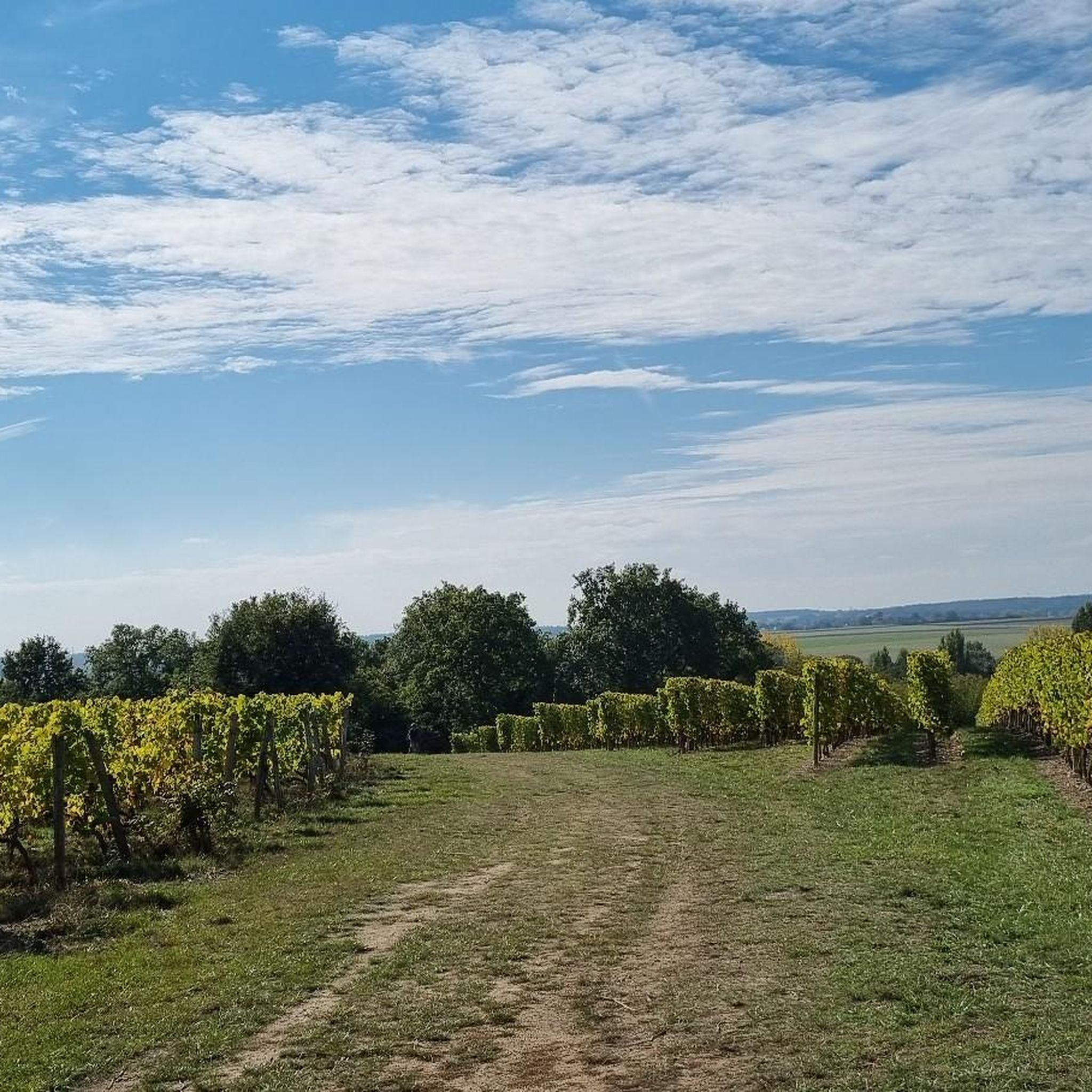
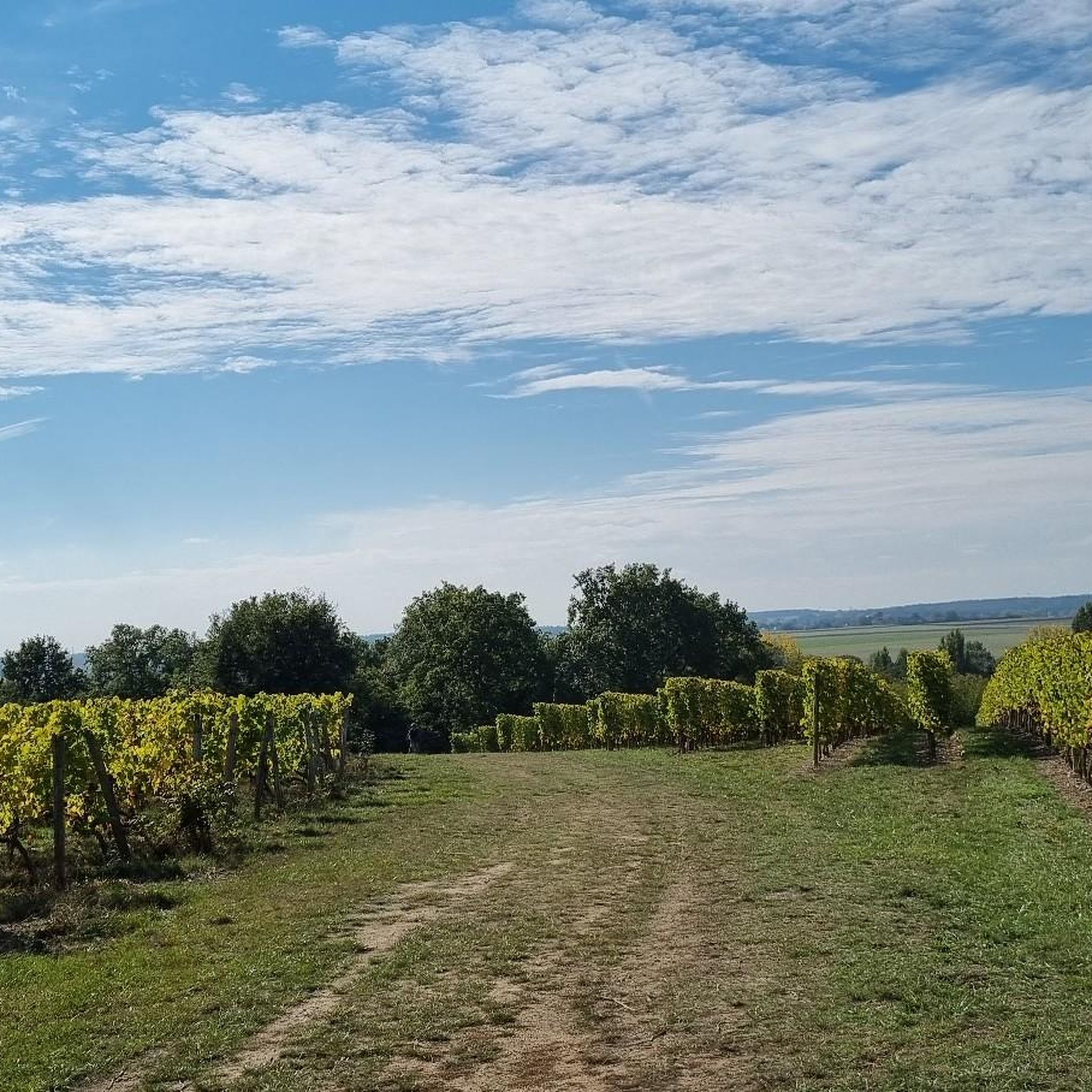
Absolutely! The area offers easy hikes through the vineyards on the hillsides, with trails like 'Dans les vignes de Concourson-sur-Layon' providing views of windmills and vineyard cabins. For cycling, there are numerous routes available. You can find detailed road cycling routes, mountain biking trails, and general cycling tours around the region, including options like 'Château de Martigné Briand loop' or 'Historic Church – Saint-Denis Collegiate Church loop'. Explore more routes on the Road Cycling Routes, MTB Trails, and Cycling around Concourson-Sur-Layon guide pages.
Are there family-friendly activities or attractions nearby?
Yes, for a family outing, the renowned Bioparc de Doué-la-Fontaine, a unique zoo, is just 4 km away. This offers an engaging experience for all ages. Additionally, exploring the troglodyte dwellings at the Cave Museum, Village Troglodytique de Rochemenier can be a fascinating adventure for families.
What is the wine region known for?
Concourson-sur-Layon is a prominent wine-growing village within the famous Coteaux du Layon wine region. It is particularly known for producing sweet white wines from Chenin grape varieties, as well as Anjou wines from Chenin or Cabernet grapes. The landscape is dotted with vineyards and traditional vineyard lodges, reflecting its rich viticultural heritage.
Are there any unique or 'hidden gem' attractions?
The area is home to unique troglodyte sites. You can explore the Cave Museum, Village Troglodytique de Rochemenier, which offers insights into historic cave dwellings. Another fascinating experience is dining at The Cathedrals of La Saulaie, a restaurant set within magnificent underground 'cathedrals' carved from shell rock, offering traditional 'fouées' meals.
What are some notable religious sites in the area?
Beyond the local Église Saint-Hilaire and Prieuré de Bénédictins, you can visit Abbaye d'Asnières, a former abbey known for its grandiose porch and particular architectural style. Although partly destroyed and now private, it can still be visited. The Saint-Denis Collegiate Church, an old church built between 1180 and 1200, is also nearby in Doué-la-Fontaine.
Where can I find good viewpoints of the landscape?
For scenic views, head to the View of the Château de Passavant-sur-Layon, which offers perspectives of the medieval-style castle dominating the village. The hiking trails through the vineyards on the hillsides of Concourson-sur-Layon also provide picturesque vistas of the surrounding wine country and the Layon Valley.
What is the best way to experience the local viticultural heritage?
To truly experience the viticultural heritage, consider hiking or cycling through the vineyards. Trails like 'Dans les vignes de Concourson-sur-Layon' offer direct access to the wine-growing landscapes and views of vineyard cabins. Many local wineries offer tastings and tours, allowing you to sample the famous Coteaux du Layon and Anjou wines directly from the source.
Are there any significant historical battle sites nearby?
Yes, the Carrefour de la Bataille marks the site of a significant battle between Vendéans and Republicans that took place on June 7, 1793, offering a glimpse into the region's role in French history.
What are the 'Terres Noires' and can I visit them?
The 'Terres Noires' Footpath allows visitors to explore the area's historical mining activity. This path provides a unique glimpse into the region's industrial past and its geological characteristics, offering a different perspective on the local landscape.
Are there any other interesting towns or villages to visit close to Concourson-sur-Layon?
Several notable towns and sites are within easy reach. The town of Saumur, with its famous castle, is about 22 km away. Fontevraud Abbey, a significant national monument, is approximately 30 km distant. Additionally, Montsoreau, listed as one of the 'most beautiful villages in France' and featuring interesting troglodyte dwellings, is also about 30 km away.
Most popular routes around Concourson-Sur-Layon

Get inspired with the komoot mobile app


Explore more
Still not found the Highlight you’re looking for? See guides of the top attractions in other regions:
