The best road cycling routes around Palaja
4.6
(210)
4,840
riders
230
rides
Road cycling routes around Palaja traverse a landscape characterized by rolling hills, vineyards, and proximity to historic towns. The region features moderate elevation gains, with routes often leading through agricultural areas and offering views of the surrounding countryside. Road cyclists can expect varied terrain, including climbs over cols and stretches alongside rivers, providing a diverse riding experience.
Best road cycling routes around Palaja
- The most popular road cycling route is Carcassonne and Cabardès Loop, a 39.9 miles (64.4 km)…
Last updated: October 8, 2026
4.8
(4)
103
riders
64.4km
02:58
710m
710m
This moderate 40.0-mile road cycling loop from Carcassonne towards Aragon offers vineyard views and a glimpse of the Pyrenean foothills.
4.5
(6)
105
riders
73.1km
03:10
570m
570m
Moderate road ride. Good fitness required. Some segments of this route may be unpaved and difficult to ride.

5.0
(1)
52
riders
25.7km
02:16
420m
420m
Moderate road ride. Good fitness required. Some segments of this route may be unpaved and difficult to ride.
4.5
(2)
40
riders
96.2km
04:35
1,210m
1,210m
Hard road ride. Very good fitness required. Some segments of this route may be unpaved and difficult to ride.
4.5
(2)
36
riders
54.8km
02:35
710m
710m
Moderate road ride. Good fitness required. Mostly well-paved surfaces and easy to ride.
Get access to more routes and recommendations from other explorers.
Already have an account?
Our route recommendations are based on thousands of hikes, rides, and runs completed by other people on komoot.
Start today with a free account
Your next adventure awaits.

Tips from the Community

There is no other way from Bastide Saint louis to the Cité than this stone link, laden with 2000 years of History: Le Pont Vieux. The stone bridge that replaced the feudal structure once built upstream, on the site of the Roman bridge, dates from the early 14th century. The work was underway in 1315, and was probably only completed around 1320.
0
0
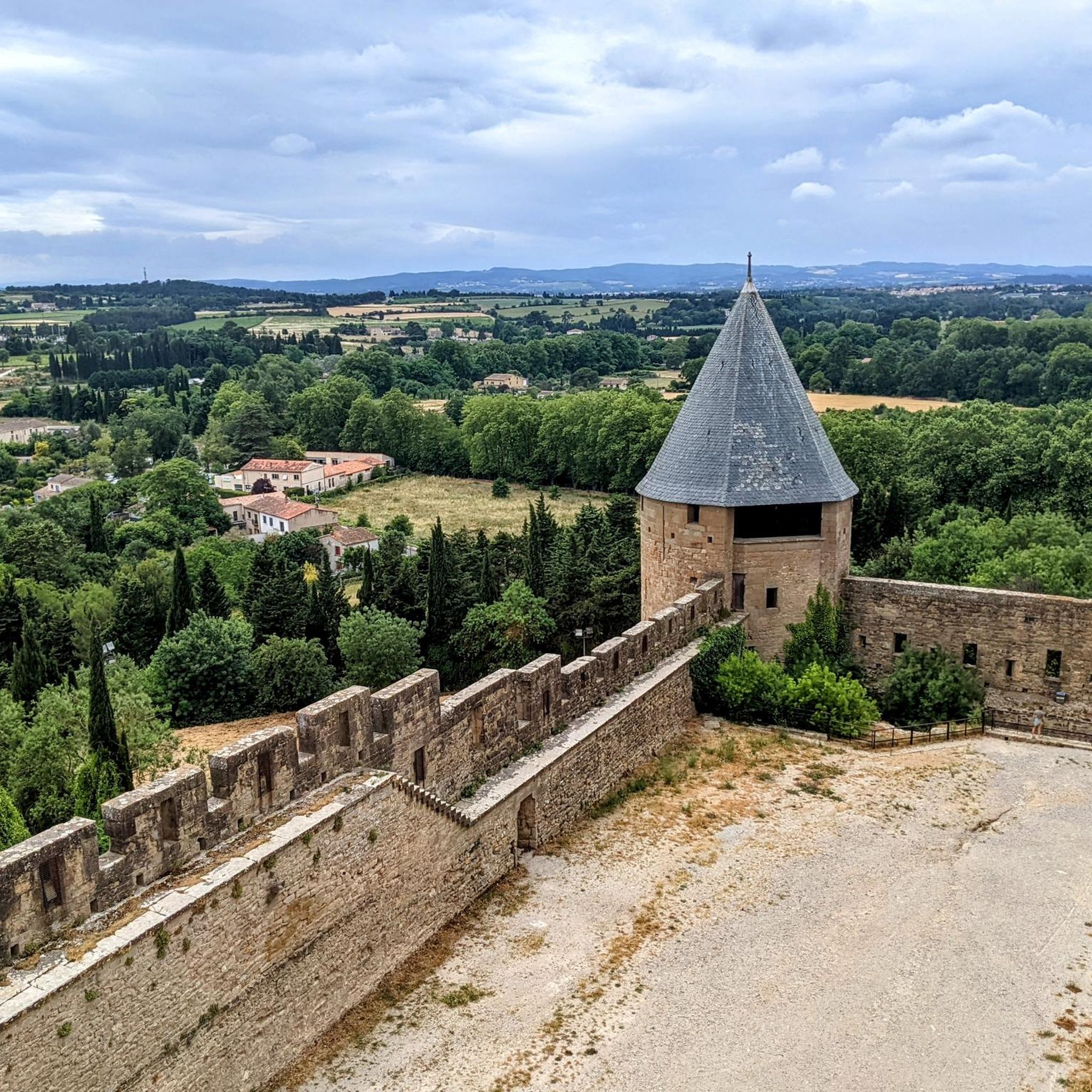
The ramparts of Carcassonne were built in several stages over more than a millennium by the Romans (3rd-4th centuries), the viscounts Trencavel (12th century), and then the kings of France (13th century). The ensemble was then extensively restored in the 19th century by the architect Eugène Viollet-le-Duc.
0
0
The ramparts of Carcassonne were built in several stages over more than a millennium by the Romans (3rd-4th centuries), the Trencavel viscounts (12th century), and then the kings of France (13th century). The complex was then largely restored in the 19th century by the architect Eugène Viollet-le-Duc.
0
0
The ramparts of Carcassonne were built in several stages over more than a millennium by the Romans (3rd-4th centuries), the viscounts Trencavel (12th century), and then the kings of France (13th century). The entire complex was then largely restored in the 19th century by the architect Eugène Viollet-le-Duc.
0
0
The ramparts of Carcassonne were built in several stages over more than a millennium by the Romans (3rd-4th centuries), the viscounts Trencavel (12th century), and then the kings of France (13th century). The entire complex was then extensively restored in the 19th century by the architect Eugène Viollet-le-Duc.
0
0
The Chemin des Anglais in Carcassonne leads directly to the eastern outskirts of the Cité de Carcassonne, stopping near the drawbridge and the famous Porte Narbonnaise.
0
0

wonderfully beautiful landscape here
0
0

"Carcassonne, located in southern France between Montpellier and Toulouse, was founded in the 6th century BC by Iberian Celts. The Romans transformed the hill into a fort by building a defensive wall. In the 5th century, the Visigoths conquered the city, followed by the Arabs in the 8th century, who were expelled by Pepin the Short in 759. In the 12th century, Count Trencavel built a castle on top of the Roman city wall at the highest point of the hill. Carcassonne became a central element in the defense system on France's border with Aragon. In the mid-13th century, the dilapidated wall was protected by a second, outer city wall." This is how the website for the television series "Treasures of the World – Heritage of Humanity" describes the city, which is a UNESCO World Heritage Site. ... The 15-minute film is available – but only in German – in the ARD media library at the following link => https://www.ardmediathek.de/video/schaetze-der-welt/carcassonne-frankreich-folge-125/swr/Y3JpZDovL3N3ci5kZS83MTc1NzUw
0
0
Frequently Asked Questions
How many road cycling routes are available around Palaja?
There are over 230 road cycling routes around Palaja, offering a diverse range of options for cyclists. This includes 36 easy routes, 127 moderate routes, and 74 difficult routes, ensuring there's something for every skill level.
Are there easy road cycling routes suitable for beginners in Palaja?
Yes, Palaja offers 36 easy road cycling routes perfect for beginners or those looking for a relaxed ride. An example is the Porte Narbonnaise – City center of Carcassonne loop from Carcassonne, which is approximately 21 km long with gentle elevation changes.
What kind of challenges can advanced road cyclists expect around Palaja?
Advanced road cyclists will find 74 difficult routes around Palaja, featuring significant elevation gains and longer distances. The region's rolling hills and cols, like those encountered on the Col du Poteau – Post collar loop from Palaja, provide ample opportunities for challenging climbs and descents.
What are the typical landscapes and terrains encountered on road cycling routes in Palaja?
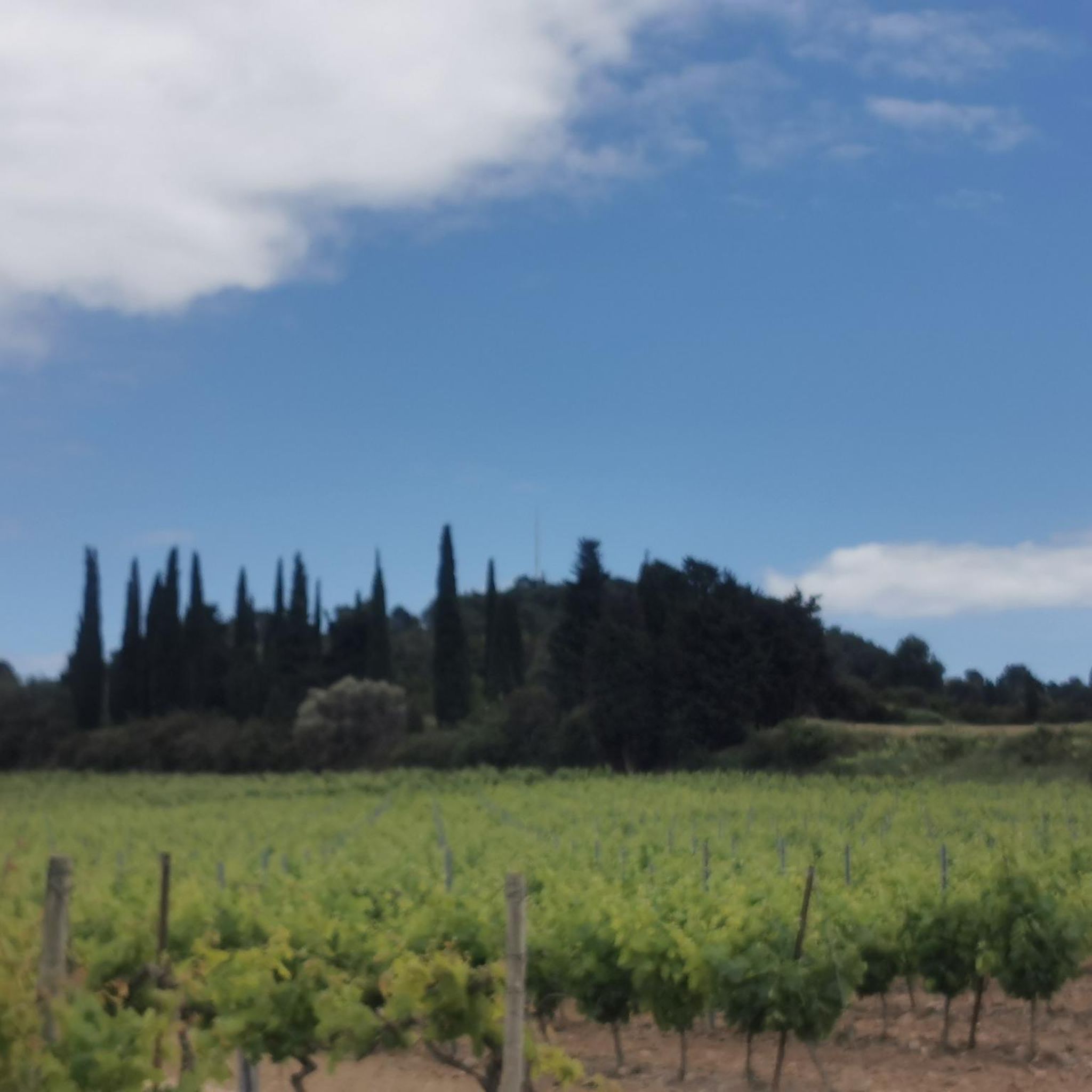
Road cycling routes around Palaja traverse a varied landscape characterized by rolling hills, expansive vineyards, and agricultural areas. You'll often find routes leading through historic towns and alongside rivers, with moderate elevation gains and diverse terrain, including climbs over cols.
Are there any scenic viewpoints or notable landmarks along the road cycling routes?
Many routes offer scenic views of the surrounding countryside, vineyards, and historic towns. You can also explore significant landmarks such as the impressive Carcassonne Citadel, the Count's Castle, or the historic Old Bridge of Carcassonne, which are often accessible from nearby routes.
What do other road cyclists enjoy most about road cycling in Palaja?
The komoot community highly rates road cycling in Palaja, with an average score of 4.5 stars from over 160 reviews. Cyclists often praise the region's varied terrain, the charming vineyards, and the opportunity to explore historic sites like Carcassonne, making for a rich and engaging riding experience.
Are there any road cycling routes that pass through wine regions or offer winery visits?
Yes, Palaja is situated near significant wine regions. Routes like the Winery in the castle – Place de la République loop from Palaja specifically explore local vineyards and historic sites, offering a chance to experience the region's viticultural heritage.
Can I find circular road cycling routes around Palaja?
Many of the road cycling routes around Palaja are designed as loops, allowing you to start and finish in the same location. Examples include the popular Carcassonne and Cabardès Loop and the Col du Poteau – Post collar loop from La Cavayère.
What is the best time of year for road cycling in Palaja?
The region generally offers pleasant conditions for road cycling for much of the year. Spring and autumn typically provide mild temperatures and beautiful scenery, ideal for exploring the vineyards and historic landscapes. Summers can be warm, so early morning or late afternoon rides are often preferred.
Are there road cycling routes that are suitable for families with older children?
While specific 'family-friendly' routes are not explicitly categorized, the 36 easy routes around Palaja could be suitable for families with older children who are comfortable with road cycling. These routes generally feature less elevation and shorter distances, such as the Porte Narbonnaise – City center of Carcassonne loop from Carcassonne.
What kind of historical sites can I explore while road cycling near Palaja?
The area around Palaja is rich in history. Cyclists can visit the medieval Carcassonne Citadel, explore the Stained-glass windows of the Basilique Saint-Nazaire, or see the Aude Gate. Many routes pass close to these and other historical points of interest.
Most popular attractions around Palaja

Get inspired with the komoot mobile app


Explore more
Browse the best Road cycling routes in other regions.
