Attractions and Places To See around Peyriac-Minervois - Top 20
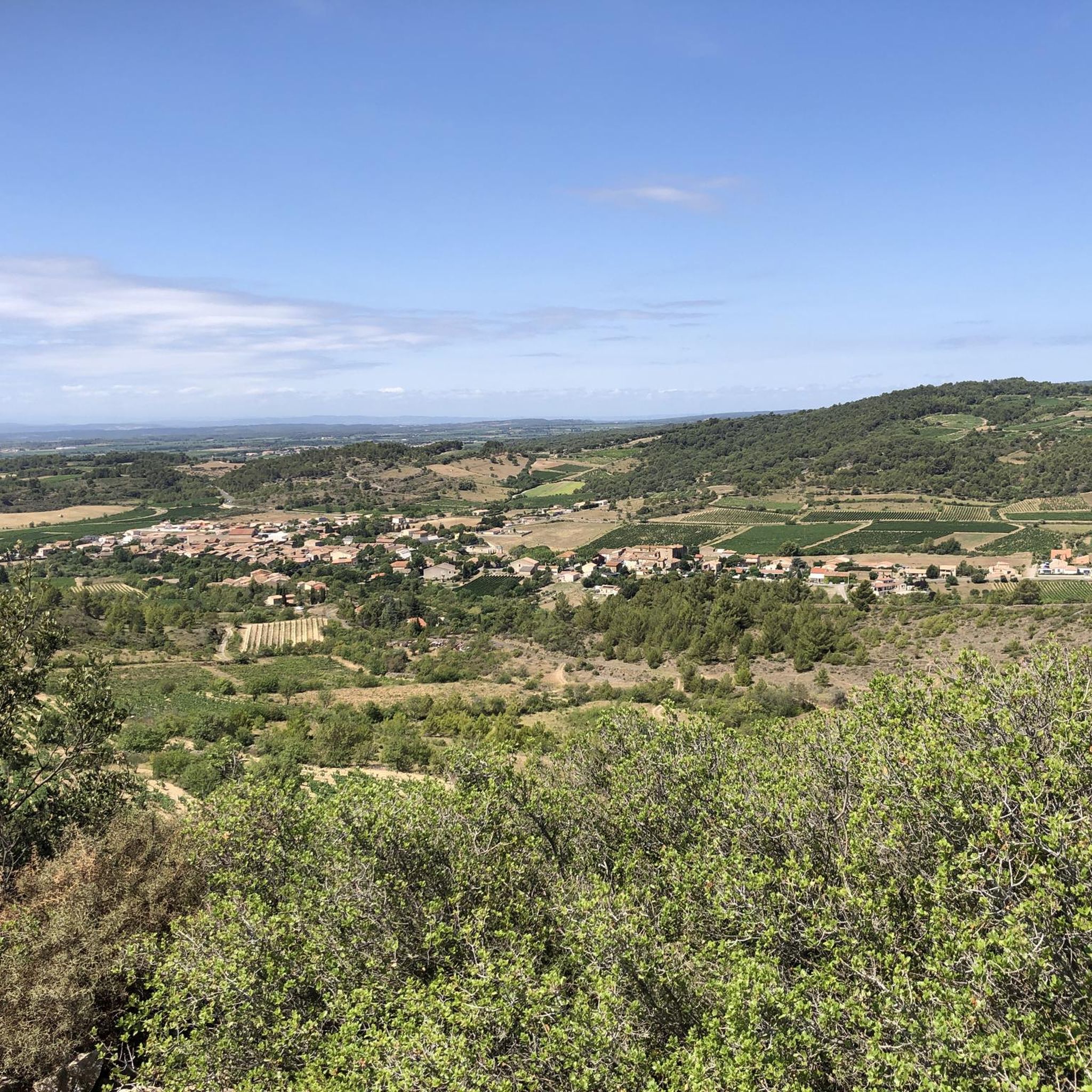
Best attractions and places to see around Peyriac-Minervois include a blend of historical sites, natural features, and cultural experiences. This village, located in the Aude department of the Occitanie region, is nestled within the Minervois wine region. It features green landscapes and extensive vineyards, situated between the Black Mountain and Alaric Mountain. The area offers a mix of historical charm and natural beauty.
Best attractions and places to see around Peyriac-Minervois
- The most popular attractions is Canal du Midi Bridge…
Last updated: October 23, 2026
Canal du Midi at Marseillette
Highlight • River
Yes, the canal is a great immersion in history and the region
However, don't hesitate to make a few forays outside the canal... we …
Translated by Google •
Tip by

Canal du Midi Bridge
Highlight • Bridge
Translated by Google •
Tip by

Sign up now to discover places like this
Get recommendations on the best single tracks, peaks, & plenty of other exciting outdoor places.
Écluse de l'Aiguille
Highlight • Other
Translated by Google •
Tip by

Argent-Double aqueduct and spillway
Highlight • Other
Translated by Google •
Tip by

View of Marseillette pond
Highlight • Other
Showing Translation
Tip by

Sign up for free to discover even more attractions around Peyriac-Minervois.
Already have an account?
Start today with a free account
Your next adventure awaits.
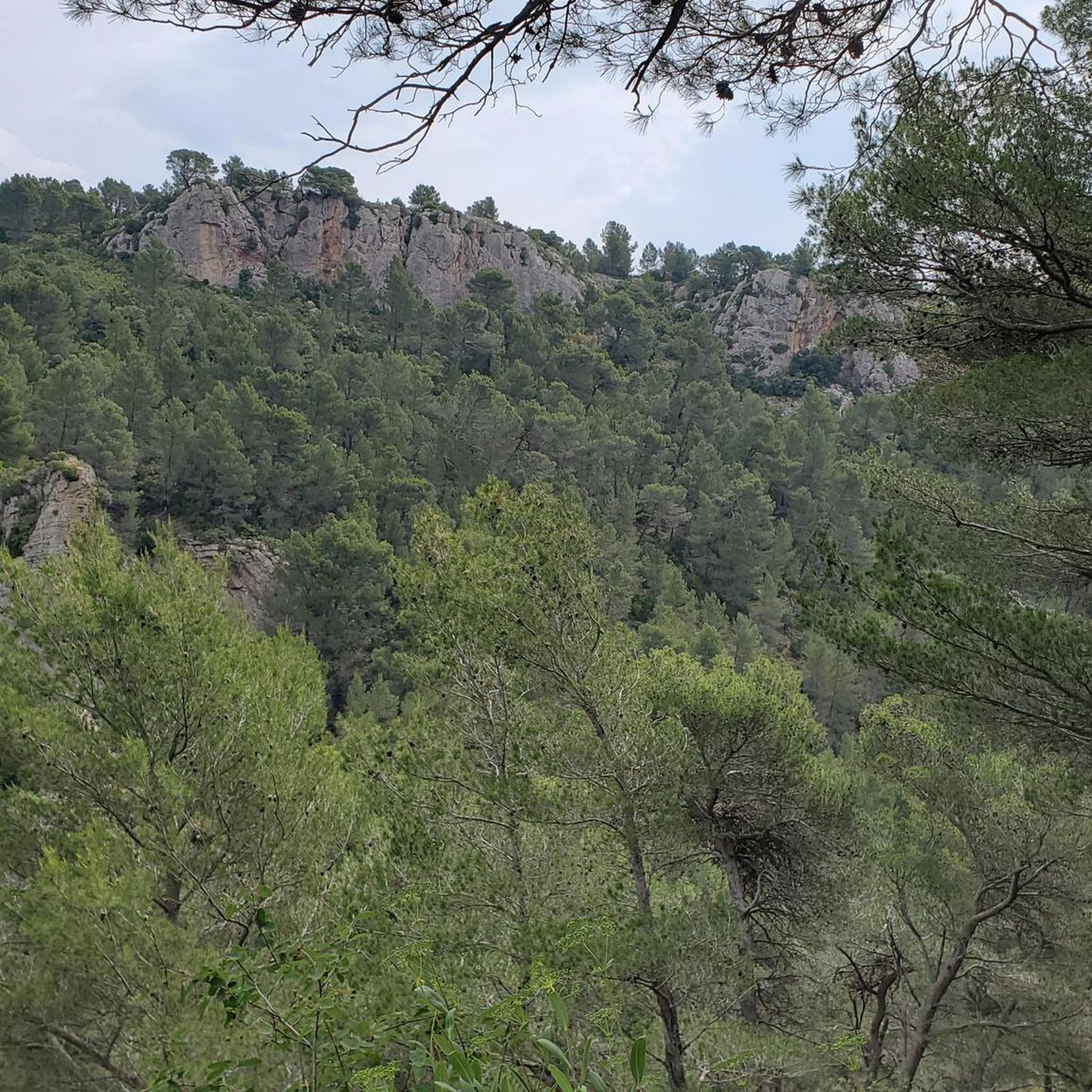
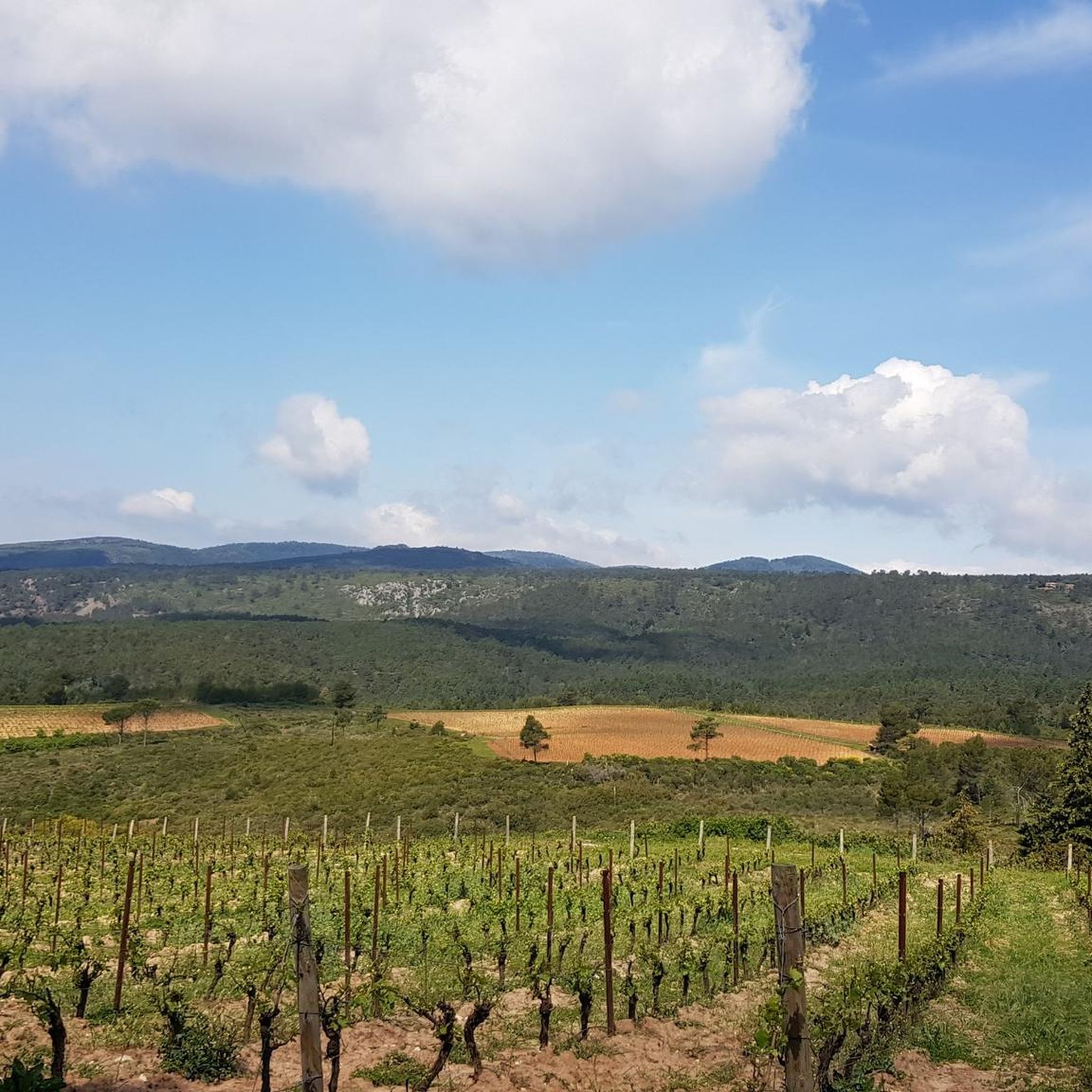

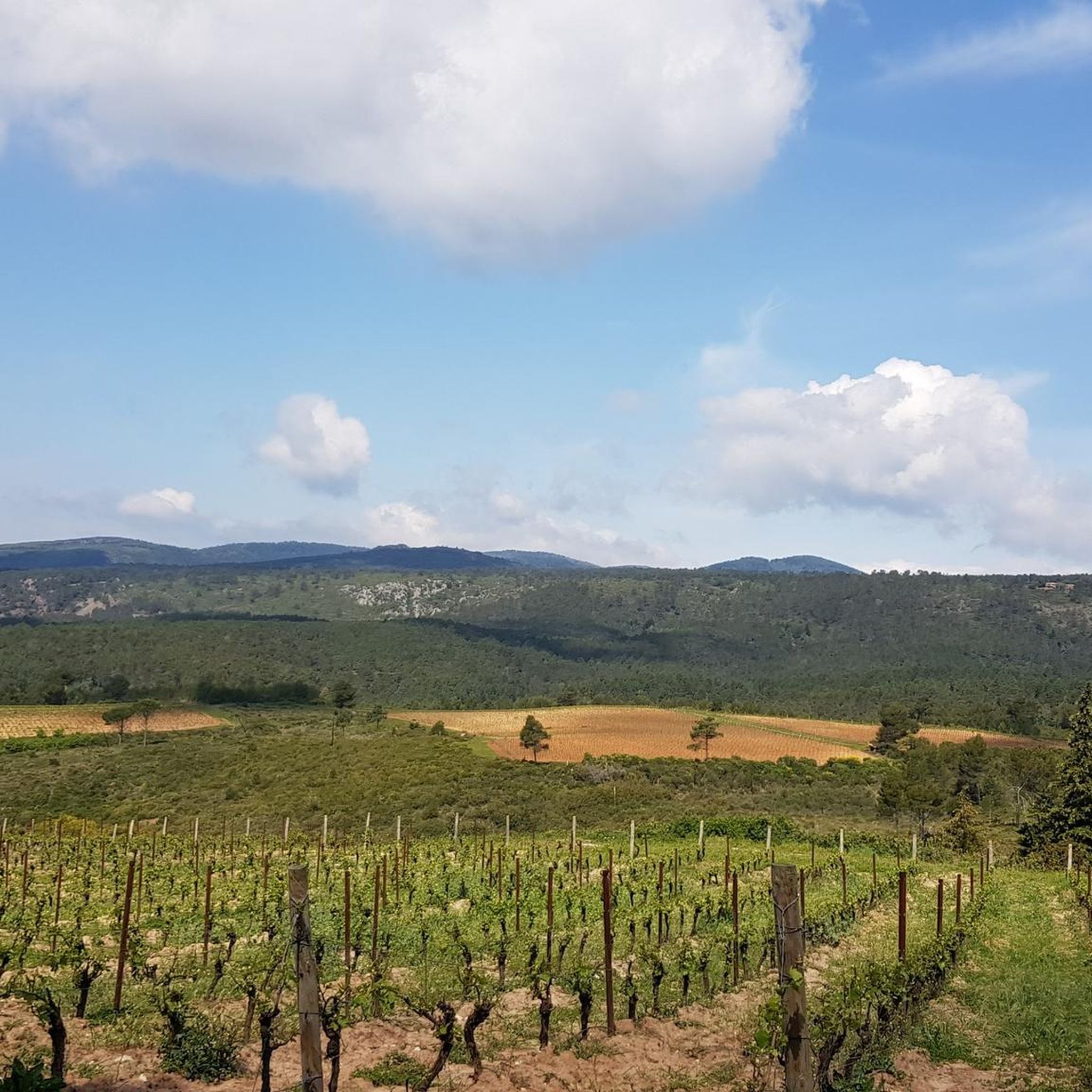
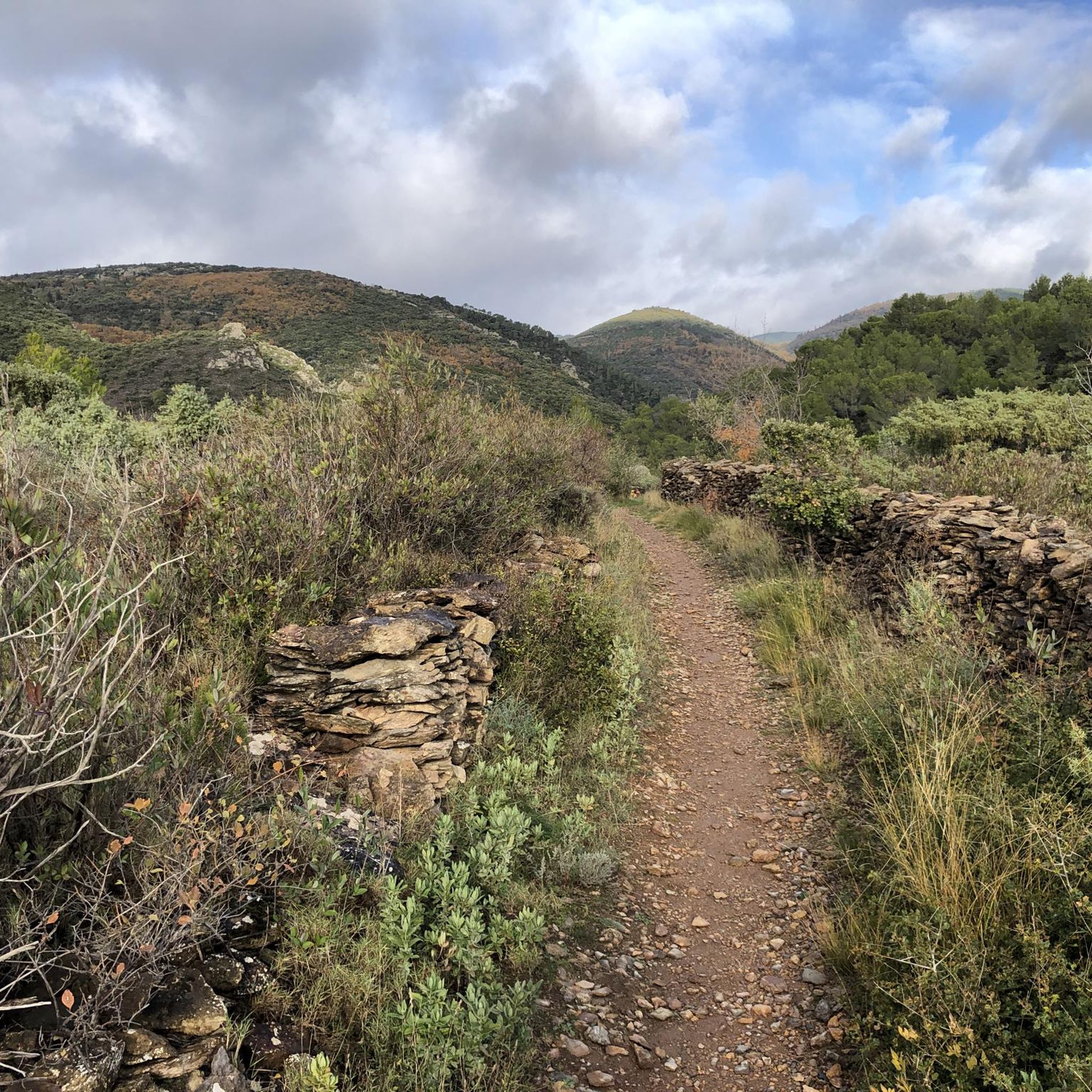
Tips from the Community

• The beginnings (1901): The father, Léon Camman, sent his newly graduated son Joseph to the Étang de Marseillette, where the family held financial shares. Joseph took over the management and gradually acquired around 800 of the total 2,000 hectares of the area. • The Naudy hydroelectric power plant (1912): To operate the complex drainage and irrigation system on a large scale, Joseph Camman designed and built his own small hydroelectric power plant. • Electric plowing: Thanks to the energy generated, Camman revolutionized local agriculture. He introduced electric plowing, which allowed the huge, often heavy and crusted soils of the former lake bed to be mechanically deep-plowed and cultivated. • Infrastructure development: The family systematically built paths, bridges, and access roads to connect the agricultural estates (metaories) with each other and to enable the transport of harvests.
0
0
The Camman era (1900–1941) marks the phase of technological modernization and industrialization of the drained Étang de Marseillette. After the land had been divided among many small farmers in the 19th century and the canals had fallen into disrepair due to a lack of coordination, this family brought back the necessary structure and innovation
0
0
Although she successfully drained the swamp water and made the land arable, her financial resources were ultimately not enough to solve the soil's biggest problem: the salt. The later project of diverting fresh river water from the Aude via a tunnel to wash the salty soil had to be completed later by successor companies.
0
0
• Origin and status: Marie Anne came from the influential Irish-Catholic Coppinger family. After her husband's death, she possessed a considerable fortune. • The purchase of the Etang (1804): During the Napoleonic era, she acquired the vast swamp area as "national property" (domaine national). The authorities gave her a four-year deadline to have the body of water completely drained in order to protect the health of the local population (who suffered from malaria) and to gain new arable land. • The mammoth task: Together with her son, she led a gigantic construction project. She invested almost her entire fortune in the construction of kilometers of drainage canals and ditches
0
0
Madame Lawless (born Marie Anne Coppinger) was a wealthy Irish widow who played a decisive role in the history of the Minervois at the beginning of the 19th century. She went down in history as the woman who, from 1804 onwards, succeeded in permanently draining the uninhabitable and disease-ridden swamp of the Étang de Marseillette and transforming it into a fertile agricultural area.
0
0
The site is also part of a protected natural area (ZNIEFF) due to its rich biodiversity, hosting numerous bird species (herons, egrets, ducks) attracted by this aquatic and agricultural environment.
0
0
Today, the pond is criss-crossed by dozens of kilometers of drainage and irrigation canals. This network has allowed for the development of crops that are very surprising for the Mediterranean region: • Rice: Rice fields thrive in the heart of the Aude. • Vines: Which produce wines with a unique character, influenced by the salt still present in the subsoil. • Apples: Large orchards cover part of the plain
0
0
It was finally at the beginning of the 19th century, from 1804 onwards, that the project succeeded thanks to the initiative of an Irish woman, Madame Lawless. Later, in the middle of the 19th century, the digging of a tunnel of more than 2 kilometers made it possible to bring water from the Aude to irrigate the pond and, above all, to wash out the salt accumulated in the soil. At the beginning of the 20th century, the engineer Joseph Camman modernized the site by creating, in particular, the Naudy hydroelectric plant to mechanize the work of the land.
0
0
Frequently Asked Questions
What historical sites can I explore in and around Peyriac-Minervois?
Peyriac-Minervois is rich in history. You can explore the remnants of the old village center and its fortifications, including sections of ancient walls. The Argent-Double aqueduct and spillway, dating back to 1693, is a significant historical monument and an original structure of the Canal du Midi. Other notable sites include the Church of the Transfiguration-of-Jésus-Christ, originally a feudal castle chapel, and the 16th-century Maison Rambaud.
Are there any natural features or viewpoints to visit in the area?
Yes, the region offers beautiful natural scenery. You can enjoy scenic spots along the banks of the Argent-Double River, which flows through the village. The area is also surrounded by vast vineyards, providing picturesque landscapes for exploration. For panoramic views, head to the Mourel de Fabas Viewpoint, located southwest of the village.
What kind of outdoor activities are available near Peyriac-Minervois?
The area around Peyriac-Minervois is excellent for outdoor enthusiasts. You can find numerous trails for hiking and mountain biking along the banks of the Argent-Double River and through the vineyards. More extensive routes can lead you to the Canal du Midi or the Abbey of Caunes-Minervois. For specific routes, check out the hiking guide, MTB trails guide, or gravel biking guide for the region.
Are there family-friendly attractions around Peyriac-Minervois?
Absolutely. Many attractions along the Canal du Midi are great for families. For instance, the Canal du Midi Bridge, Canal du Midi at Marseillette, and the Argent-Double Spillway are all considered family-friendly. These spots offer opportunities for walks, cycling, and observing the historic waterway's engineering.
What is the Canal du Midi and how can I experience it near Peyriac-Minervois?
The Canal du Midi is a UNESCO World Heritage site located just 6 km south of Peyriac-Minervois. It's a 240 km long waterway connecting the Mediterranean and the Atlantic, featuring impressive engineering feats like locks and aqueducts. You can experience it by cycling or walking along its banks, observing structures like the Aiguille Lock or the Argent-Double aqueduct and spillway. Boat trips are also popular.
What cultural experiences related to wine can I find in Peyriac-Minervois?
Peyriac-Minervois is nestled within the Minervois wine region, so wine culture is prominent. You can visit the Cooperative Cellar of the Tour Saint-Martin, housed in a former Cathar bastion. Here, you can learn about local wine production from 50 winegrowers and 300 hectares of vineyards, and participate in wine tastings.
What do visitors enjoy most about the Canal du Midi attractions?
Visitors frequently highlight the historical significance and engineering marvel of the Canal du Midi. They enjoy seeing how the locks operate, like the Aiguille Lock, and appreciating the architecture of structures such as the Argent-Double Spillway. Cycling and walking along the canal are also popular, offering a peaceful immersion in history and the picturesque regional landscape.
Are there any art galleries or workshops in the village?
Yes, art enthusiasts can visit the gallery and workshop of painter William Richard, located within the village of Peyriac-Minervois itself.
What are some notable nearby attractions outside of Peyriac-Minervois?
Several highly-rated attractions are a short drive away. These include the UNESCO World Heritage site of Cité de Carcassonne (approx. 19 km), the spectacular Gouffre Géant de Cabrespine (about 12 km), and the impressive Grotte de Limousis. The Abbey of Caunes-Minervois (about 5 km) and the historic Châteaux de Lastours (about 16 km) also offer glimpses into the region's rich past.
What kind of hiking trails are available around Peyriac-Minervois?
You'll find a variety of hiking trails, ranging from moderate to difficult. Popular options include the 'Marble Quarries Trail' and the 'Capitelles loop from Laure-Minervois'. For more challenging hikes, consider the 'Biot Mill – Staircase quarry loop from Félines-Minervois' or the 'View of the Vineyards – Ventajou loop'. You can find detailed routes in the Hiking around Peyriac-Minervois guide.
What is the best time of year to visit Peyriac-Minervois for outdoor activities?
The region's green landscapes and extensive vineyards are beautiful throughout much of the year. Spring and autumn generally offer pleasant temperatures for hiking, cycling, and exploring the historical sites without the intense heat of summer. Winter can also be suitable for walks, though some services might have reduced hours.
Can I cycle along the Canal du Midi near Peyriac-Minervois?
Yes, cycling is a very popular way to experience the Canal du Midi. Cycle paths and small trails often run alongside the canal, including near Peyriac-Minervois. While a normal bicycle is sufficient, a mountain bike might offer more comfort on some sections. You can find specific cycling routes in the gravel biking guide or MTB trails guide.
Most popular routes around Peyriac-Minervois
Most popular attractions around Peyriac-Minervois

Get inspired with the komoot mobile app


Explore more
Still not found the Highlight you’re looking for? See guides of the top attractions in other regions:
