The best road cycling routes around Puichéric
4.4
(119)
1,977
riders
144
rides
Road cycling routes around Puichéric are set within the Minervois region, characterized by its unique geography of waterways and rolling vineyards. The area features the Canal du Midi, a UNESCO World Heritage site, offering flat, scenic paths alongside its tree-lined banks. Beyond the canal, the River Aude and the Rigole de l'Etang de Marseillette crisscross the municipality, contributing to the village's "Venice of the Minervois" nickname. The surrounding Minervois region provides hilly landscapes and extensive vineyards, with small, winding roads…
Last updated: October 8, 2026
18
riders
30.5km
01:16
220m
220m
Easy road ride. Great for any fitness level. Mostly well-paved surfaces and easy to ride.
20
riders
87.0km
03:29
380m
380m
Moderate road ride. Good fitness required. Mostly well-paved surfaces and easy to ride.

4.0
(2)
14
riders
74.4km
03:40
1,100m
1,100m
Hard road ride. Very good fitness required. Mostly well-paved surfaces and easy to ride.
18
riders
104km
04:59
1,140m
1,140m
Hard road ride. Very good fitness required. Some segments of this route may be unpaved and difficult to ride.
4.0
(2)
24
riders
69.4km
03:19
700m
700m
Moderate road ride. Good fitness required. Mostly well-paved surfaces and easy to ride.
Get access to more routes and recommendations from other explorers.
Already have an account?
Our route recommendations are based on thousands of hikes, rides, and runs completed by other people on komoot.
Start today with a free account
Your next adventure awaits.
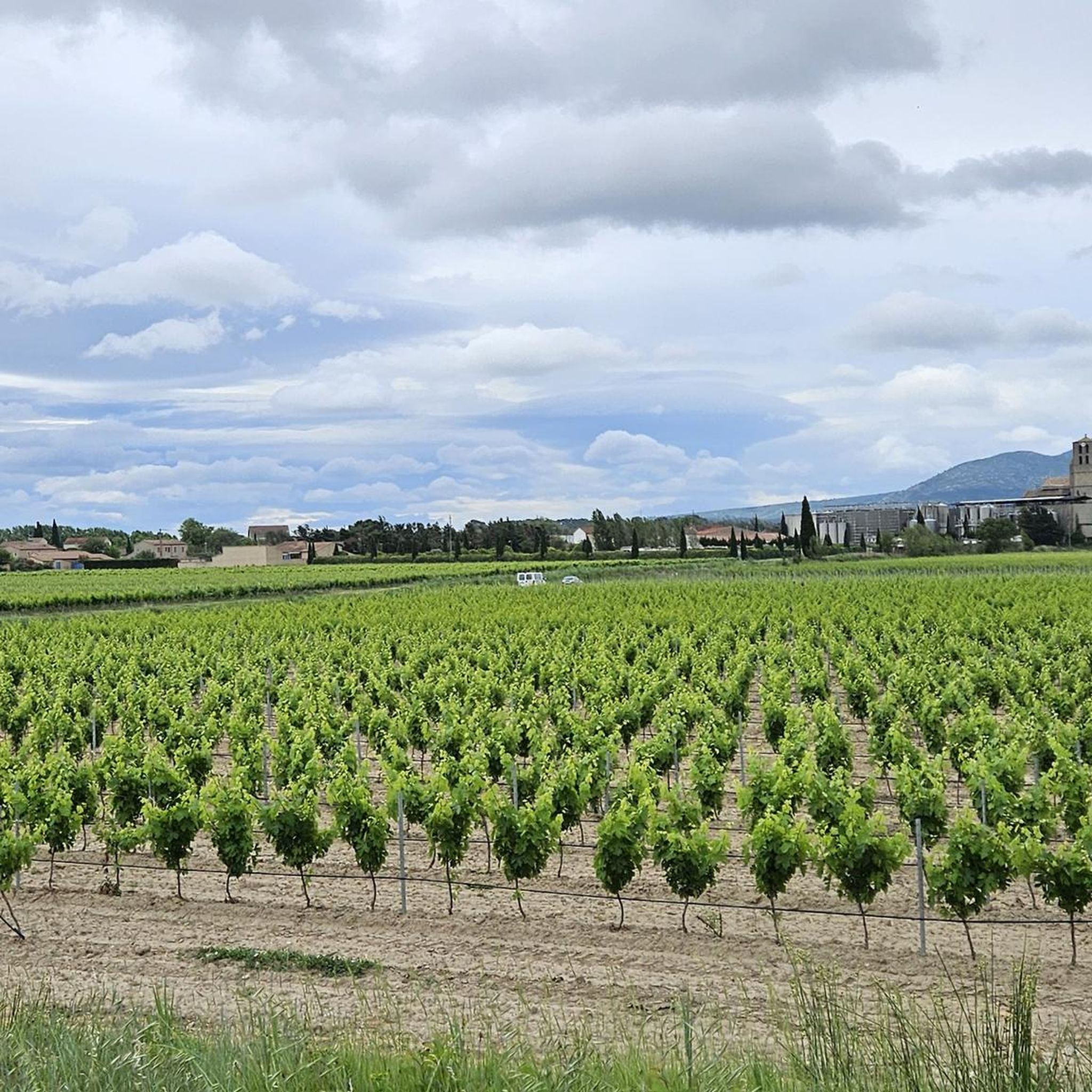
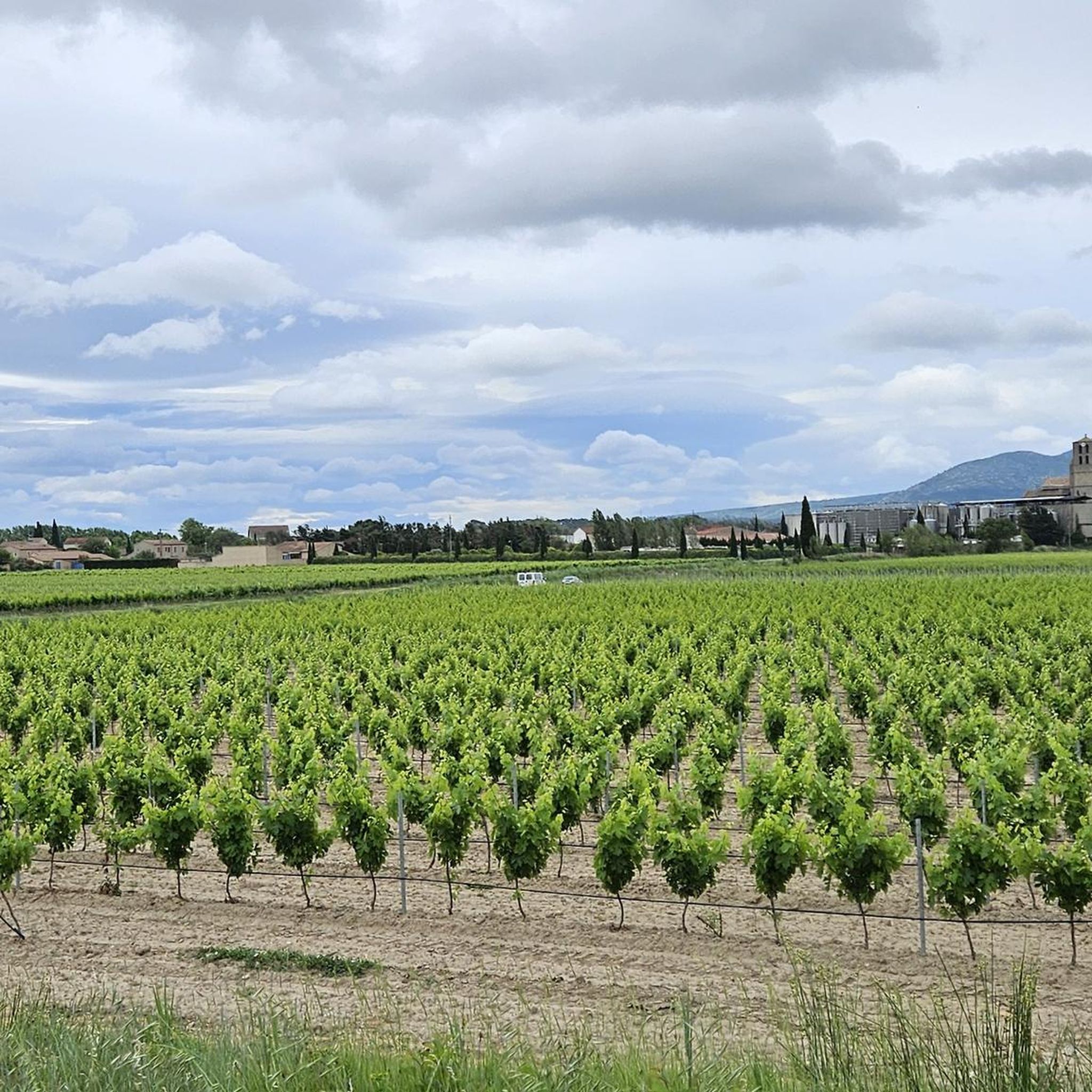

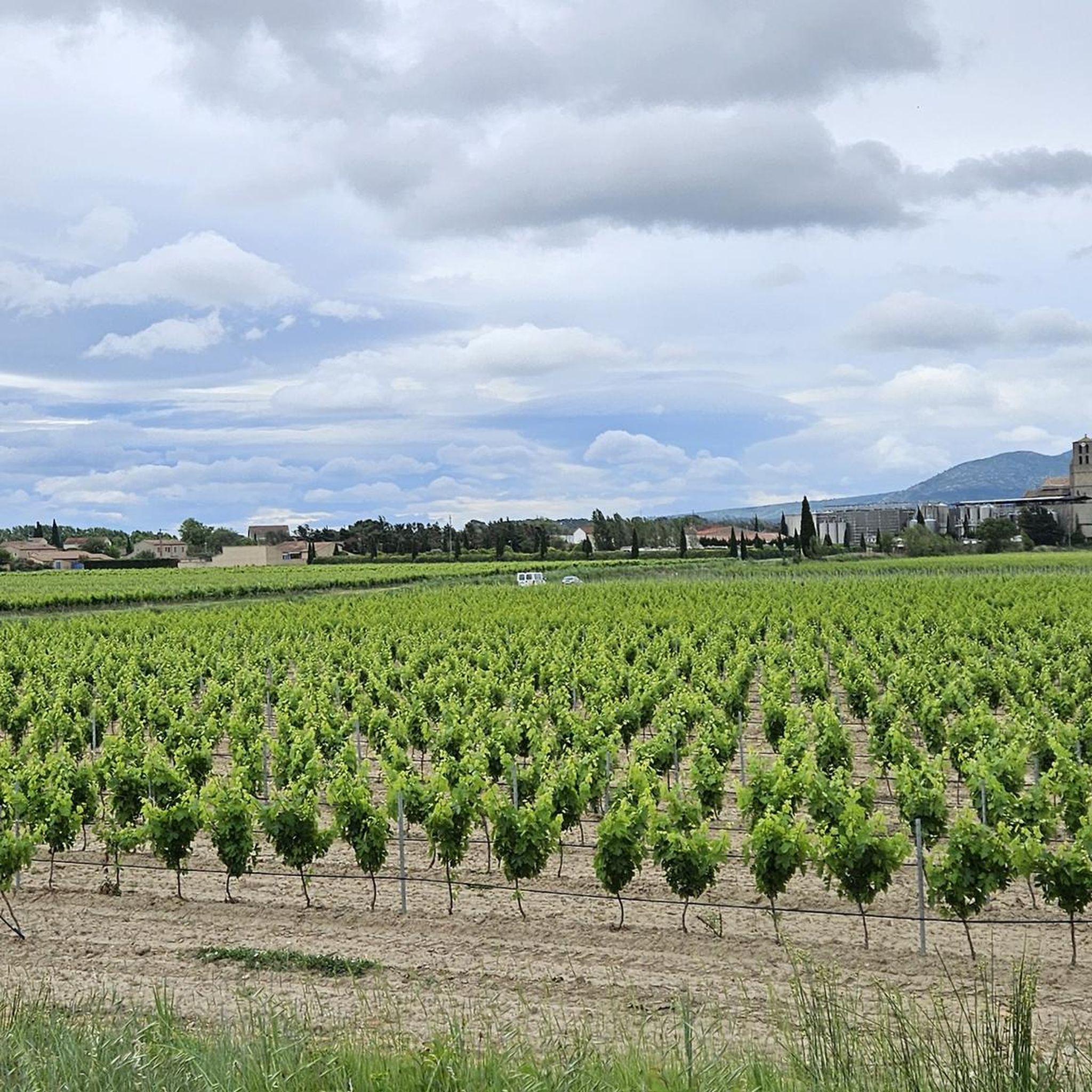
Tips from the Community

The Homps lock is a single lock on the Canal du Midi located in the commune of Homps.
0
0
Paraza is a wine-growing village in the Minervois region of the Aude, rich in its history dating back beyond the Roman period. It is marked by the construction of the Canal du Midi, during which Pierre Paul Riquet resided at the Château de Paraza during the works on the Canal and the Pont canal du Répudre.
0
0
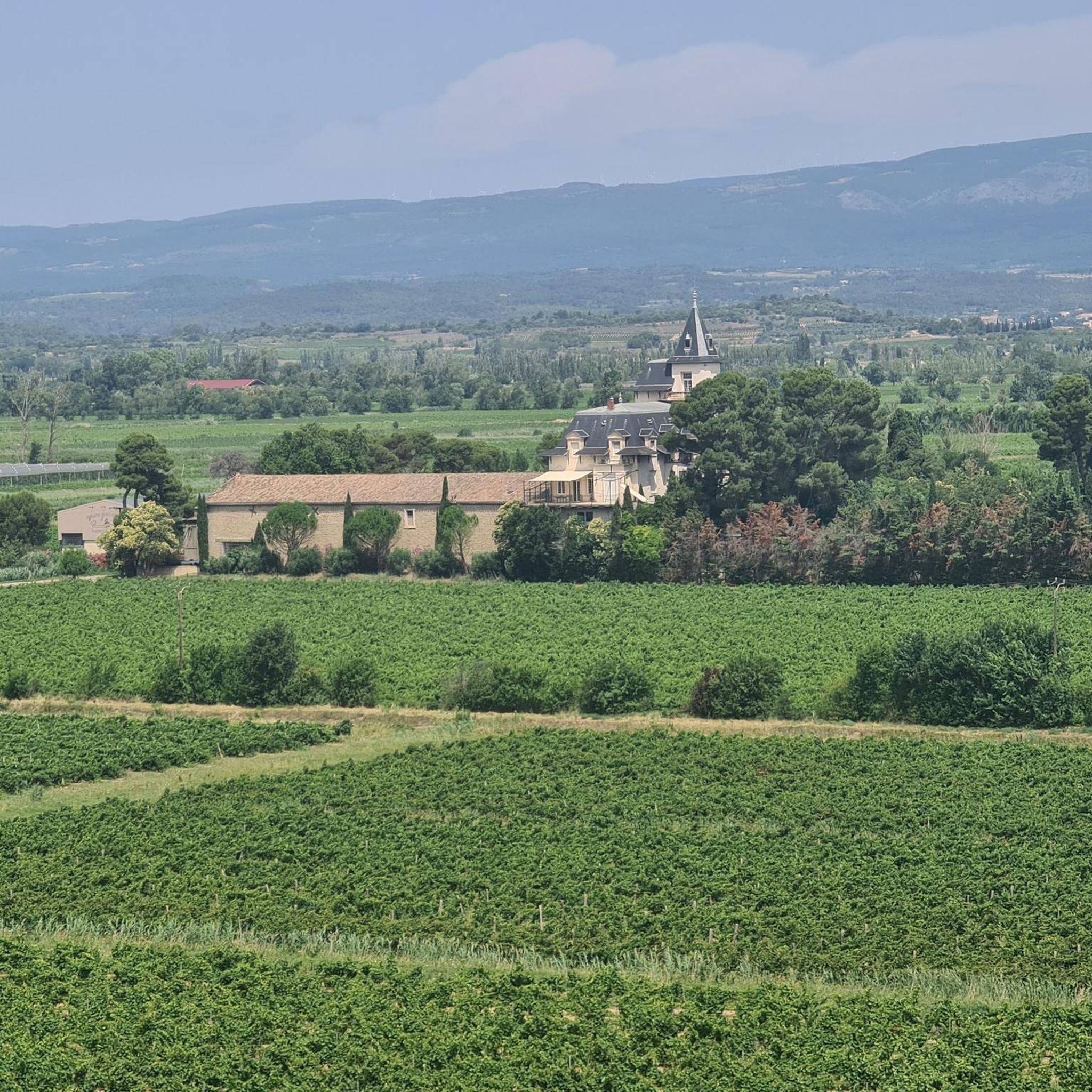
Typical wine village on the Canal du Midi, dominated by its double castle, one intended for winemaking and the other serving as a residence. The latter was built in the 18th century on the ruins of a 12th-century castle. This large building with a square tower overlooking the plain with beautiful Italian terraced gardens is extended on its right by its "winegrower's folly", a 19th-century model of its kind opening its doors to the Canal du Midi.
0
0
The ramparts of Carcassonne were built in several stages over more than a millennium by the Romans (3rd-4th centuries), the viscounts Trencavel (12th century), and then the kings of France (13th century). The ensemble was then extensively restored in the 19th century by the architect Eugène Viollet-le-Duc.
0
0
The port of Trèbes is a large port with many moorings for boats.
0
0
The ramparts of Carcassonne were built in several stages over more than a millennium by the Romans (3rd-4th centuries), the viscounts Trencavel (12th century), and then the kings of France (13th century). The entire complex was then extensively restored in the 19th century by the architect Eugène Viollet-le-Duc.
0
0
The Chemin des Anglais in Carcassonne leads directly to the eastern outskirts of the Cité de Carcassonne, stopping near the drawbridge and the famous Porte Narbonnaise.
0
0

At the entrance to La Livinière stands a monument astonishing in its size and history: the Notre-Dame du Spasme basilica. This Marian shrine, which became a minor basilica in 1959, has been a major pilgrimage site in the Minervois for several centuries. Its origin is linked to Nicolas de La Jugie, lord of La Livinière in the 14th century, who is said to have brought back from Jerusalem a statue representing the Virgin at the moment of her swoon at the foot of the Cross. The interior of the building reveals an architecture vaster than one might imagine from the road: three naves and a large space capable of accommodating many pilgrims. A detail that gives the place a unique history: the original statue of Notre-Dame du Spasme, venerated for centuries by the inhabitants and pilgrims, disappeared during a theft in 1960.
2
0
Frequently Asked Questions
How many road cycling routes are available around Puichéric?
There are over 150 road cycling routes around Puichéric, offering a wide variety of options for different preferences and skill levels. You can find routes ranging from easy to difficult, ensuring there's something for everyone.
What kind of terrain can I expect when road cycling around Puichéric?
Road cycling around Puichéric offers diverse terrain. You'll find flat, scenic paths along the Canal du Midi, which is a UNESCO World Heritage site, perfect for leisurely rides. The surrounding Minervois region features rolling vineyards and hilly landscapes with small, winding roads, providing more challenging climbs and descents.
Are there road cycling routes for all skill levels in Puichéric?
Yes, Puichéric caters to all skill levels. There are 33 easy routes for beginners or those seeking a relaxed ride, 95 moderate routes for intermediate cyclists, and 28 difficult routes for experienced riders looking for a challenge with significant elevation gain.
What notable landmarks or natural features can I see while cycling in Puichéric?
While cycling, you can encounter several notable features. The Canal du Midi Bridge and the unique Aiguille Lock are prominent. You can also see the impressive Argent-Double aqueduct and spillway. The routes also pass through extensive vineyards and along the River Aude.
Where can I find challenging road cycling routes with significant elevation gain?
For challenging rides with significant elevation, consider routes that venture into the hilly Minervois region. A notable difficult route is the Col du Poteau – Carcassonne loop from Saint-Couat-d'Aude, which covers 51.3 miles (82.5 km) and features over 1100 meters of elevation gain.
Are there family-friendly road cycling routes in Puichéric?
Absolutely. The flat, well-maintained paths alongside the Canal du Midi are ideal for family-friendly cycling. These routes offer scenic views without significant climbs, making them suitable for all ages and skill levels. The 'Chemin Vert' (Green Path), an old railway line, also offers a gentle, traffic-free option.
What is the best time of year to go road cycling in Puichéric?
The best time for road cycling in Puichéric is typically during the spring (April to June) and autumn (September to October). During these months, the weather is generally mild and pleasant, with less extreme heat than summer and fewer crowds, making for comfortable riding conditions through the vineyards and along the waterways.
Can I find circular road cycling routes around Puichéric?
Yes, many of the road cycling routes around Puichéric are designed as loops, allowing you to start and end in the same location. An example is the Argent-Double Spillway – Suspension Bridge loop from Douzens, a moderate 34.0 miles (54.8 km) path that brings you back to your starting point.
What do other road cyclists enjoy the most about road cycling in Puichéric?
The area is highly rated by the komoot community, with an average score of 4.4 stars from over 70 reviews. Reviewers often praise the beautiful scenery, the variety of terrain from flat canal paths to rolling vineyards, and the historical landmarks encountered along the routes.
Are there places to eat or stay that are cyclist-friendly in Puichéric?
The Minervois region, including Puichéric, is known for its local produce and wine. Many villages along the routes offer opportunities for wine tasting or visits to local cooperatives. You'll find cafes, pubs, and various accommodations that cater to cyclists, often providing secure bike storage and hearty meals.
Are there any historical sites accessible by road bike?
Yes, several historical sites are accessible. Beyond the local Church of Puichéric and the old railway bridge, longer rides can take you towards the medieval city of Carcassonne or the Cathar castles of Lastours. The Argent-Double aqueduct and spillway, a 17th-century marvel, is also a notable historical stop.
Where can I find quiet road cycling routes in Puichéric?
For quieter rides, focus on the smaller, winding roads that traverse the vineyards away from main thoroughfares. The paths along the Canal du Midi, especially outside peak tourist times, also offer a peaceful cycling experience. Routes like the Villarlong Castle – Trèbes Canal Scene loop from Aigues-Vives often provide a serene journey through the landscape.
Most popular attractions around Puichéric

Get inspired with the komoot mobile app


Explore more
Browse the best Road cycling routes in other regions.
