Attractions and Places To See around Pusy-Et-Épenoux - Top 8
Best attractions and places to see around Pusy-Et-Épenoux include a blend of historical landmarks, cultural sites, and natural features. This commune in Haute-Saône, France, offers diverse points of interest for visitors. The area features forests, an arboretum, and historical structures like châteaux and churches. Pusy-Et-Épenoux provides opportunities to explore both built heritage and natural landscapes.
Best attractions and places to see around Pusy-Et-Épenoux
- The most popular attractions is Stone Bridge of Port-sur-Saône, a bridge that was constructed between 1750…
Last updated: October 10, 2026
La Trace du Courlis Greenway
Highlight (Segment) • Cycleway
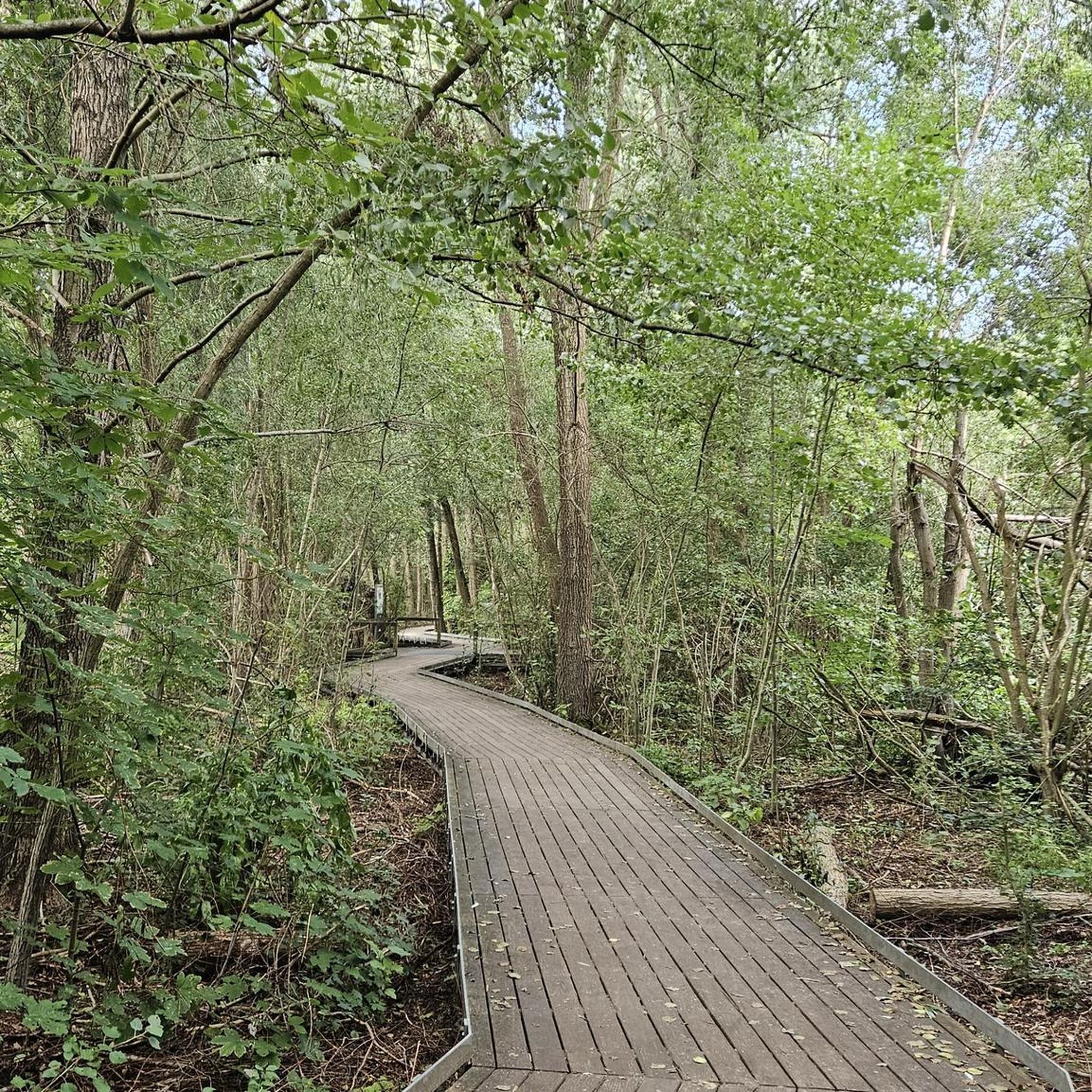
The road crosses fields and woods.
Translated by Google •
Tip by

Vesoul
Highlight • Other
Translated by Google •
Tip by

Sign up now to discover places like this
Get recommendations on the best single tracks, peaks, & plenty of other exciting outdoor places.
The Chemilly footbridge
Highlight • Other
Translated by Google •
Tip by

Stone Bridge of Port-sur-Saône
Highlight • Bridge
Translated by Google •
Tip by

Camp Cesar
Highlight • Other
Translated by Google •
Tip by

Sign up for free to discover even more attractions around Pusy-Et-Épenoux.
Already have an account?
Start today with a free account
Your next adventure awaits.





Tips from the Community


From Chemilly you can follow the Saône and at the St Albin tunnel the restaurant "le barnayout" is not bad either!!!
3
0

One of the many greenways in France. Also called the Courlis trace, this route is reserved for gentle mobility and therefore suitable for family use. The road crosses fields and woods.
3
0

This small bucolic village is located at the confluence of the Saône and the Durgeon, it was part of the defensive system of the Saône. At the foot of the château, head along the river to reach Ferrières-lès-Scey via the footbridge. Also admire the bridge which crosses the Durgeon built in 1753 and its statue, very rare in France, representing Saint-Jean Népomucène, confessor of the Queen of Bohemia, canonized by Benedict XIII.
1
0

Great rock formations, an amazing view of Charrier and a wonderful nature reserve at the back
4
0

Vesoul is of course the song of Jacques Brel, but not only. This wry ballad in the form of revolt and filled with energy immediately makes you hum the lyrics. It is quickly forgotten that its old center and its quays of the Saône really deserve attention.
3
0

A stone bridge with thirteen arches leads across the Saône, which was built from 1750 to 1758 on the site of a wooden bridge that was destroyed several times by wars and floods.
6
2
Frequently Asked Questions
What historical sites can I explore in Pusy-Et-Épenoux?
Pusy-Et-Épenoux is rich in history. You can visit the Château de Pusy, an 18th-century château that now serves as the town hall, known for its impressive entrance and French-style park. The village of Épenoux also features the Château d'Épenoux, another 18th-century château now operating as a hotel. Don't miss the Saint-Martin Church, with its 16th-century choir and remarkable Baroque altarpiece, part of the 'Route des retables de la Haute-Saône'. The historic town center also offers a glimpse into the past with its wells, fountains, and 15th-century houses.
Are there any natural attractions or green spaces to visit?
Yes, Pusy-Et-Épenoux offers several natural points of interest. You can enjoy leisurely strolls through the 140 hectares of local forests. There's also an Arboretum showcasing over 80 species of trees, and a Conservation Orchard with more than 50 protected fruit trees. An Educational Nature Trail near the village hall introduces visitors to local flora and fauna, complete with a body of water and a landscape reading table.
What are some family-friendly activities in the area?
Families can enjoy several activities. The La Trace du Courlis Greenway is a cycle path reserved for gentle mobility, perfect for family use as it crosses fields and woods. The Educational Nature Trail and the Arboretum offer engaging ways for children to learn about local nature. Additionally, the Château de Pusy offers an escape game centered around its history, which can be a fun and educational experience for families.
Where can I go for a bike ride near Pusy-Et-Épenoux?
The area is great for cycling. You can explore the La Trace du Courlis Greenway, a dedicated cycle path suitable for all ages. Another excellent option is the Chemin Vert (Vallerois to Vesoul), a paved path built on an old railway line that takes you through the countryside. For more road cycling routes, you can find options like the 'Roadbike loop from Charmoille' or 'Mont Vaulot Hill loop from Pusey' on the Road Cycling Routes around Pusy-Et-Épenoux guide.
Are there any notable bridges or architectural marvels?
Absolutely. The Stone Bridge of Port-sur-Saône is a significant architectural marvel, constructed between 1750 and 1758 with thirteen arches spanning the Saône. Additionally, in Chemilly, you can admire a bridge crossing the Durgeon, built in 1753, which features a rare statue of Saint-Jean Népomucène.
What kind of outdoor activities are available besides cycling?
Beyond cycling, you can enjoy running and mountain biking. There are various running trails, such as the 'Lake Vesoul-Vaivre loop from Coulevon', detailed in the Running Trails around Pusy-Et-Épenoux guide. For mountain biking enthusiasts, routes like 'Vesoul – Lac de Vesoul-Vaivre Beach loop from Pusey' are available, which you can find in the MTB Trails around Pusy-Et-Épenoux guide. The local forests also provide excellent opportunities for leisurely walks.
What is there to see in the nearby town of Vesoul?
Vesoul, just a few minutes from Pusy-Et-Épenoux, is worth a visit. Beyond being famously referenced in a Jacques Brel song, its old center and the quays along the Saône truly deserve attention. It offers a charming urban experience with historical character.
Are there any attractions that are wheelchair accessible?
Yes, the Chemin Vert (Vallerois to Vesoul) is a cycle way built on an old railway line that is noted for being wheelchair accessible, offering a smooth, paved path through the countryside.
What do visitors particularly enjoy about the attractions in this region?
Visitors appreciate the blend of historical and natural beauty. The greenways, like La Trace du Courlis Greenway, are highly rated for their family-friendly nature and scenic routes through fields and woods. The historical sites, such as the Stone Bridge of Port-sur-Saône, are also popular for their architectural significance and historical context.
Can I find any hidden gems or unique natural features?
Yes, the region holds some unique natural features. The Château d'Épenoux is surrounded by a five-hectare park that is home to a remarkable 300-year-old weeping beech tree. The Conservation Orchard, part of an 'Espace Nature Découverte', is also a unique spot, preserving over 50 protected fruit trees alongside an ornamental pond.
What is the significance of the Saint-Martin Church?
The Saint-Martin Church is a significant cultural landmark. Originally built in the 16th century and reconstructed in the 19th, it retains its original ogival choir, 17th-century carved wooden altarpieces, and Louis XIV wood panelling. It is particularly renowned for featuring one of the most remarkable Baroque altarpieces in Haute-Saône, earning it a place on the 'Route des retables de la Haute-Saône'.
Most popular routes around Pusy-Et-Épenoux

Get inspired with the komoot mobile app


Explore more
Still not found the Highlight you’re looking for? See guides of the top attractions in other regions:
