Attractions and Places To See around Cercié - Top 20
Attractions and places to see around Cercié include historical landmarks, natural features, and cultural sites within the Beaujolais region of France. The area is characterized by its vineyards, prominent hills like Mont Brouilly, and historical châteaux. Visitors can explore a range of sites from ancient castles to panoramic viewpoints.
Best attractions and places to see around Cercié
- The most popular attractions is Rochefort Cross, a man-made monument and viewpoint that offers panoramic views of the Beaujolais mountains, Mont Brouilly,…
Last updated: September 26, 2026
Rochefort Cross
Highlight • Monument
Translated by Google •
Tip by

Windmill
Highlight • Other
Translated by Google •
Tip by

Sign up now to discover places like this
Get recommendations on the best single tracks, peaks, & plenty of other exciting outdoor places.
Cross of Forces
Highlight • Monument
Translated by Google •
Tip by
Ferme Sainte-Marie in Saint-Étienne-la-Varenne
Highlight • Historical Site
Translated by Google •
Tip by

Mont Brouilly
Highlight • Summit
Translated by Google •
Tip by

Sign up for free to discover even more attractions around Cercié.
Already have an account?
Start today with a free account
Your next adventure awaits.

Tips from the Community

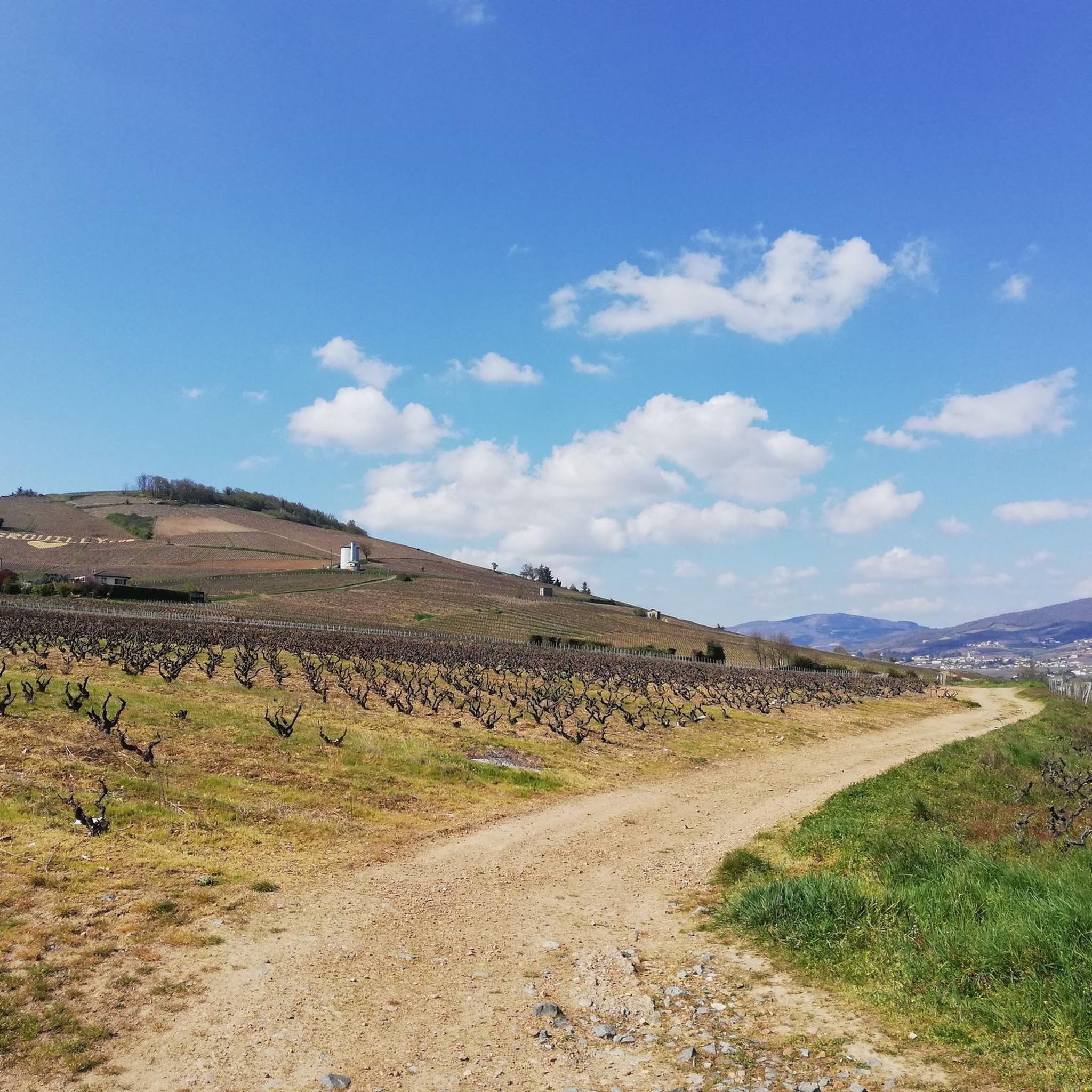
The Moulin à Vent near Les Thorins stands visibly amidst the vineyards of Romanèche-Thorins in the Beaujolais region. The stone windmill was likely built towards the end of the 15th century and originally served for grinding grain. It gave the surrounding wine-growing area its current name Moulin-à-Vent; previously, the wines were primarily known as "Vins des Thorins". Already in the 18th and 19th centuries, these wines enjoyed an excellent reputation. In 1924, Moulin-à-Vent was designated as its own Cru, followed by recognition as an AOC in 1936. The mill has been restored several times and has been a listed historical monument (Monument historique) since 1930. Today, it is considered the landmark of one of the most famous Crus of Beaujolais.
1
0

Picturesque mill, which nestles idyllically into the landscape.
2
0


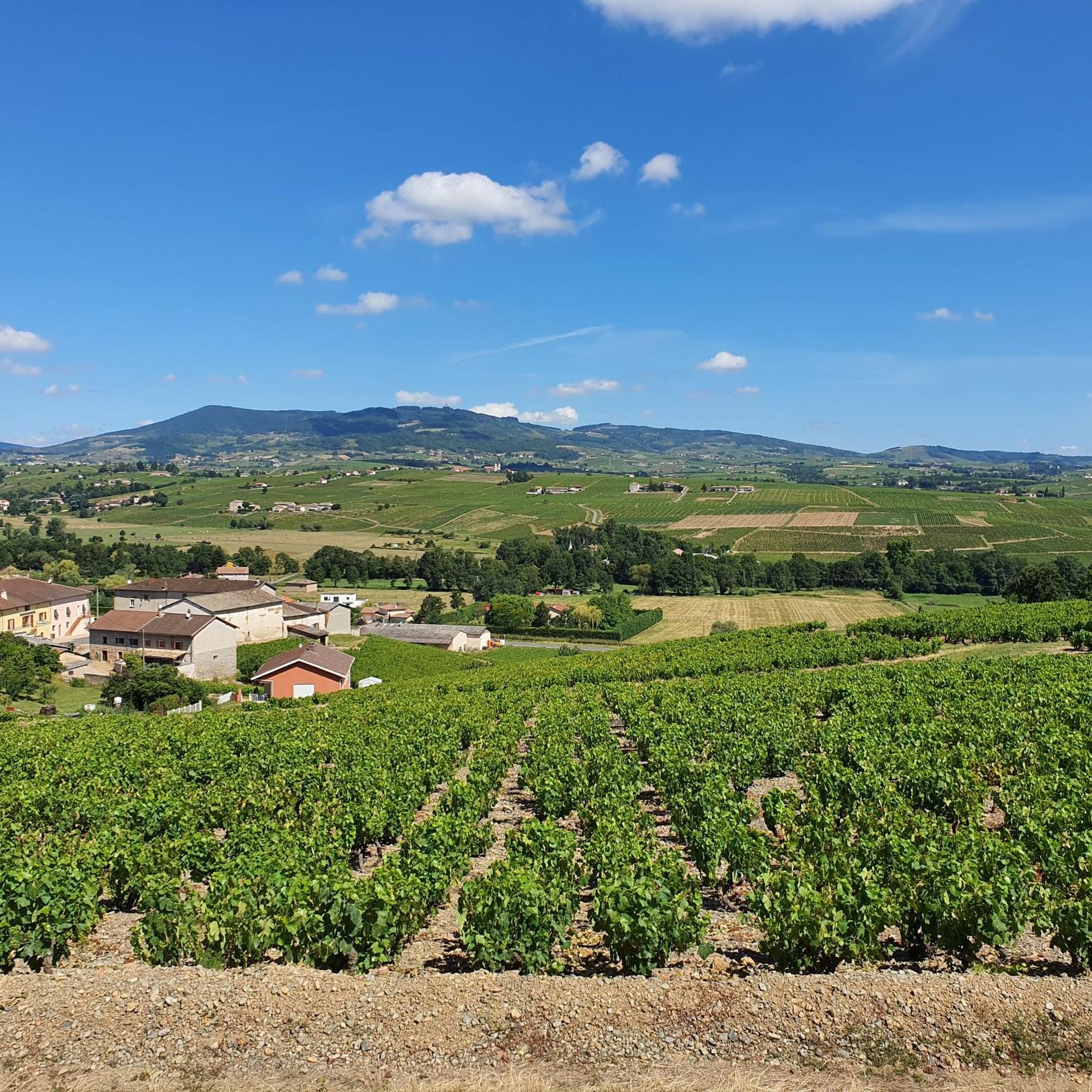
Ferme Sainte-Marie, located in the commune of Saint-Étienne-la-Varenne, is a place rich in history and heritage. Perched on the heights, it offers a splendid view of the surrounding valleys, particularly those of Beaujolais. This estate originally belonged to the lords of Beaujeu, an influential medieval lineage. Over the centuries, the farm changed hands, and in 1680, François de la Chaise acquired it, keeping it in his family for several generations. Today, Ferme Sainte-Marie is also known for its leisure activities, such as hiking. Several trails allow you to discover the landscapes while appreciating the local fauna and flora. A popular hike starts from the center of the village of Saint-Étienne-la-Varenne, going up to the farm via viewpoints such as the Trou du Loup. These hikes offer an excellent way to explore nature while learning about local history and agricultural traditions. The farm also played a role during the Second World War, with resistance fighters carrying out actions there, including ambushes against the occupying forces. This historical connection reinforces the importance of Ferme Sainte-Marie as a place of remembrance in the context of Saint-Étienne-la-Varenne. For visitors, it is a place of natural beauty and a historic site to explore, combining history, nature and culture.
0
0

Long before the discovery of electricity and the inventions associated with it, our ancestors discovered the possibility of harnessing the power of the elements - which could be useful on the one hand, but could also be a threat as a force of nature on the other - for various purposes. A good example of the human inventiveness of earlier generations is such a mill: the heavy millstones used to grind grain or press oil, for example, could be powered by water or - as here - the wind. Hardly any of them still fulfil their original functions today, but fortunately some have at least survived as evidence of the old days.
3
0

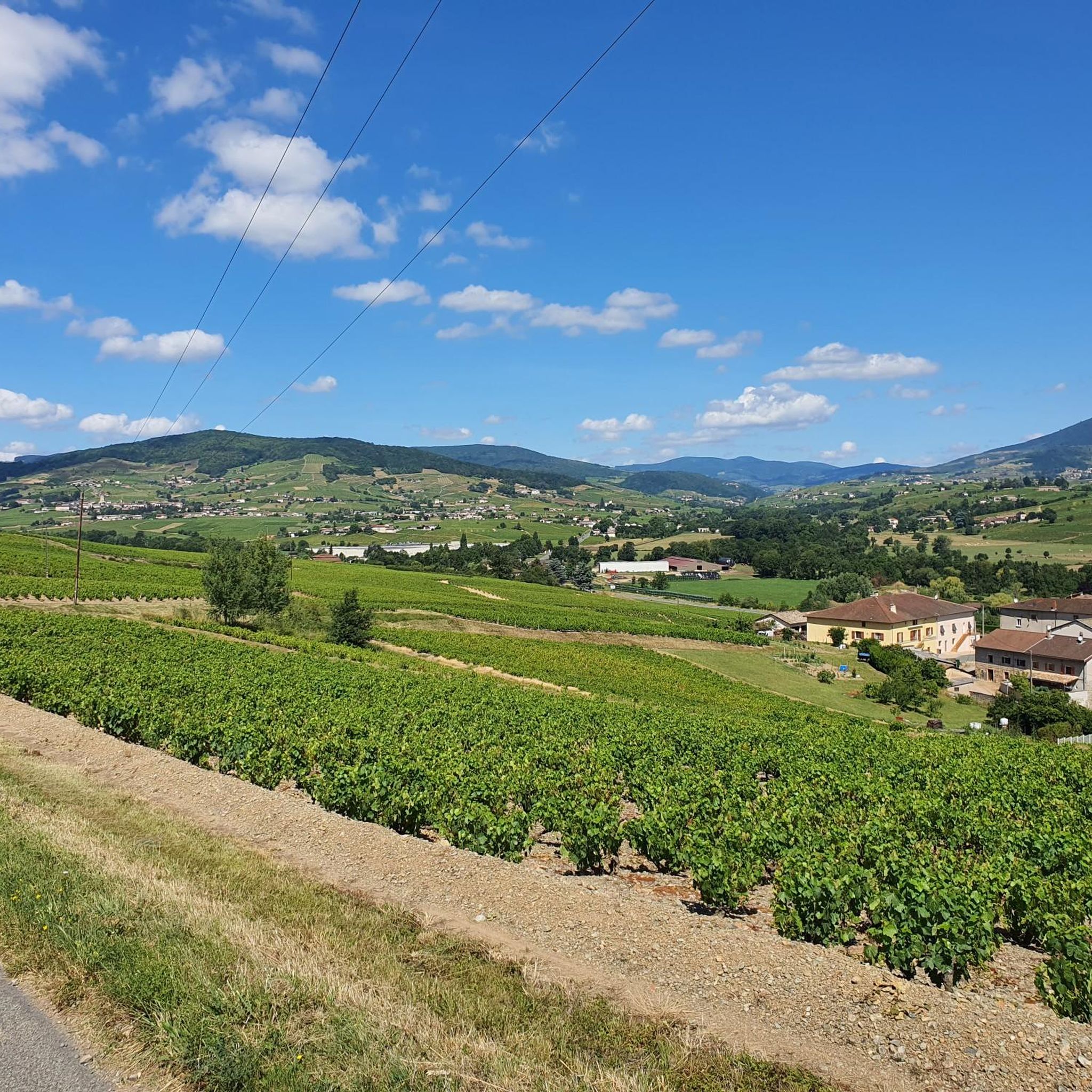
The Croix des Forces offers a beautiful panorama to the east, towards the Rhône valley. It overlooks the village of Quincié-en-Beaujolais and a picnic table is set up nearby.
2
0

Frequently Asked Questions
What historical landmarks can I explore around Cercié?
The region around Cercié is rich in history. You can visit several châteaux, including Château de Corcelles (15th-century with ancient winery tours), Château de Longsard (17th-century), Château de Montmelas (featuring six crenelated towers), and Château de la Terrière in Cercié itself, known for its 14th-15th century gate. Another notable historical site is Ferme Sainte-Marie in Saint-Étienne-la-Varenne, which offers splendid views and a rich heritage, including its role during WWII.
Are there any natural attractions or scenic viewpoints near Cercié?
Absolutely. The area boasts stunning natural beauty and panoramic views. The Rochefort Cross offers superb panoramas of the Beaujolais mountains, Monts d'Or, Mont Brouilly, and even the Alps on clear days. Mont Brouilly, an iconic hill, provides breathtaking 360-degree views with its slopes covered in vineyards. You can also find the Cross of Forces, which offers a beautiful panorama towards the Rhône valley.
What cultural experiences related to wine can I find in Cercié?
Cercié is at the heart of the Beaujolais wine region, offering numerous opportunities to explore its viticultural heritage. You can visit vineyards like Domaine de la Voute des Crozes - Vignoble Chanrion, Domaine Rocfêtre, and Domaine des Deux Fontaines. Many châteaux, such as Château de Corcelles and Château de la Terrière, are also wine-producing estates, offering insights into local winemaking traditions.
Are there family-friendly activities or attractions around Cercié?
Yes, several spots are suitable for families. The Cross of Forces is marked as family-friendly and has a picnic table nearby, perfect for a scenic stop. Exploring the historic Windmill, a 15th-century monument, can also be an engaging experience for all ages, showcasing how elements were harnessed in older times. Many local gardens, such as Jardin Du Château De Montmelas and Les Jardins Aquatiques Et Son Musee, also offer pleasant outings for families.
What kind of outdoor activities are available near Cercié?
The area around Cercié is excellent for outdoor enthusiasts. You can find various routes for gravel biking, mountain biking, and running. For gravel biking, explore routes like 'La Voie Bleue – View of Mont Brouilly loop from Belleville-sur-Saône'. Mountain bikers can tackle trails such as 'Ferme Sainte-Marie – Morillon Ridge loop from Quincié-en-Beaujolais'. Runners can enjoy the 'Mont Brouilly Loop' or 'Running loop from Cercié'. For more details on these and other routes, visit the respective guide pages: Gravel biking around Cercié, MTB Trails around Cercié, and Running Trails around Cercié.
Can I go hiking near Cercié, and what are some popular trails?
Yes, hiking is a popular activity. The area around Ferme Sainte-Marie in Saint-Étienne-la-Varenne offers several trails to discover local flora and fauna, with a popular hike starting from the village center. The 'Mont Brouilly Loop' is a moderate running trail that can also be enjoyed as a hike. For more hiking options, check the Running Trails around Cercié guide, which includes routes suitable for walking.
What is the significance of Mont Brouilly?
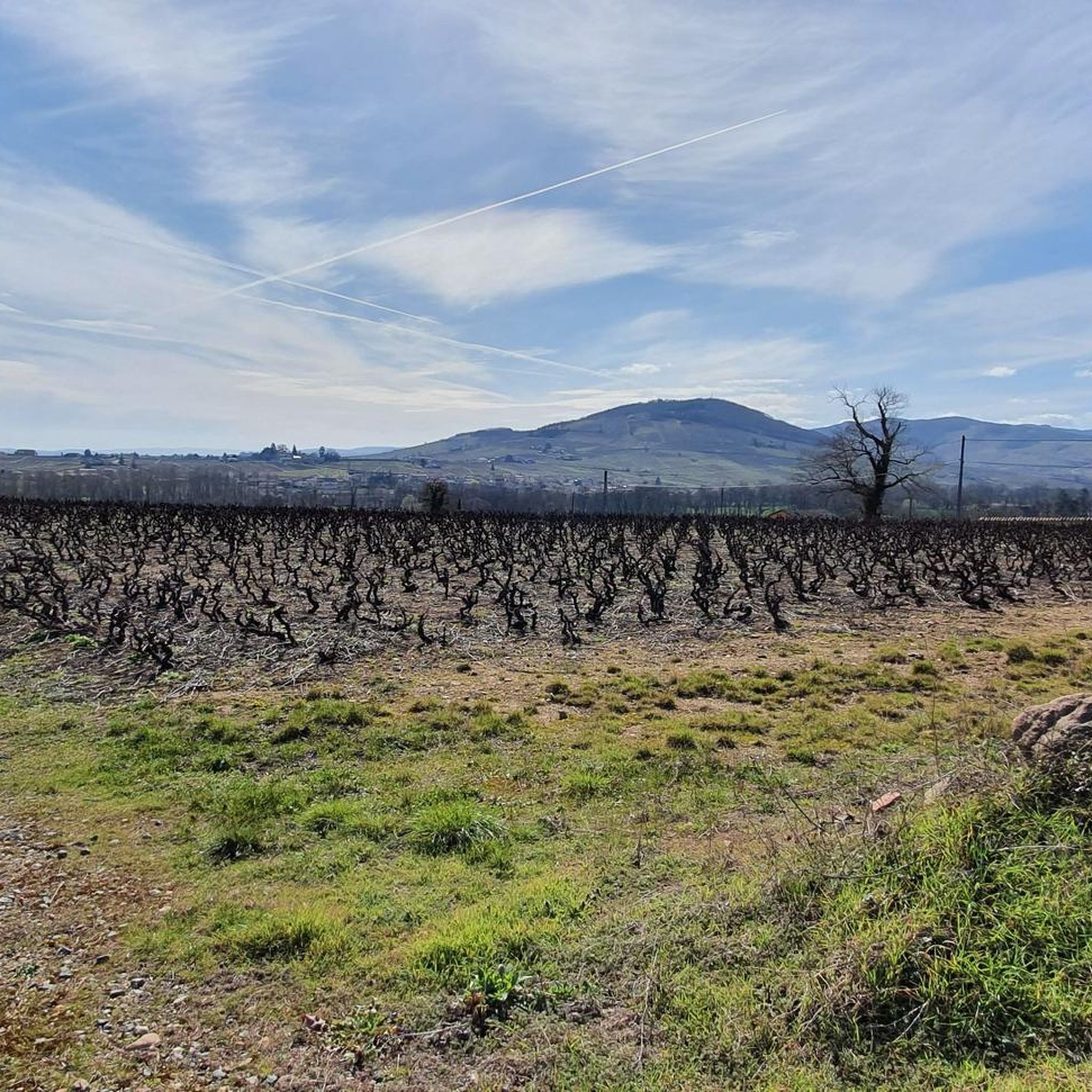
Mont Brouilly is an iconic natural monument in the Beaujolais region. It offers stunning 360-degree panoramic views, and its slopes are covered in vineyards known for their unique volcanic soil, which imparts a distinct taste to the local wine. At its summit, you'll find the Notre-Dame-des-Raisins chapel, built in 1854 to protect the vineyards from adverse weather and disease.
Are there any unique historical structures like windmills in the area?
Yes, you can visit the historic Windmill, a 15th-century monument. It is the only one in Beaujolais and Mâconnais that has preserved its large wooden guivre, which was used to orient the wings towards the wind. It stands as a testament to the ingenuity of earlier generations in harnessing natural elements for purposes like grinding grain or pressing oil.
What is Beaujeu, and why is it historically significant?
Beaujeu is a historically significant town near Cercié, notable for being the place that gave its name to the entire Beaujolais region. It features the Romanesque church of St-Nicolas and a charming Renaissance half-timbered house, offering a glimpse into the area's rich past.
Can I take a river cruise near Cercié?
Yes, for a different perspective of the region, river cruises are available from Belleville/Pont-de-Vaux. These cruises often include commented trips, passages through locks, and onboard meals, sometimes even incorporating visits to local museums, providing a relaxing way to see the landscape.
What kind of views can I expect from the Rochefort Cross?
From the Rochefort Cross, which is the highest point of its circuit, you can enjoy a superb panorama. This includes sweeping views of the Beaujolais mountains, the Monts d'Or, Mont Brouilly, the Lyonnais mountains, and on exceptionally clear days, even the distant Alps. An orientation table helps identify the various landmarks.
Are there any religious sites or monuments to visit?
Yes, the region has several religious sites. The Rochefort Cross and the Cross of Forces are both man-made monuments with religious significance, often erected as signs of popular piety. Additionally, the Église de Saint Jacques des Arrêts is a Romanesque church that serves as a stop for pilgrims on the route to Compostelle and hosts a permanent exhibition of paintings by Jean Fusaro.
Most popular attractions around Cercié

Get inspired with the komoot mobile app


Explore more
Still not found the Highlight you’re looking for? See guides of the top attractions in other regions:
